
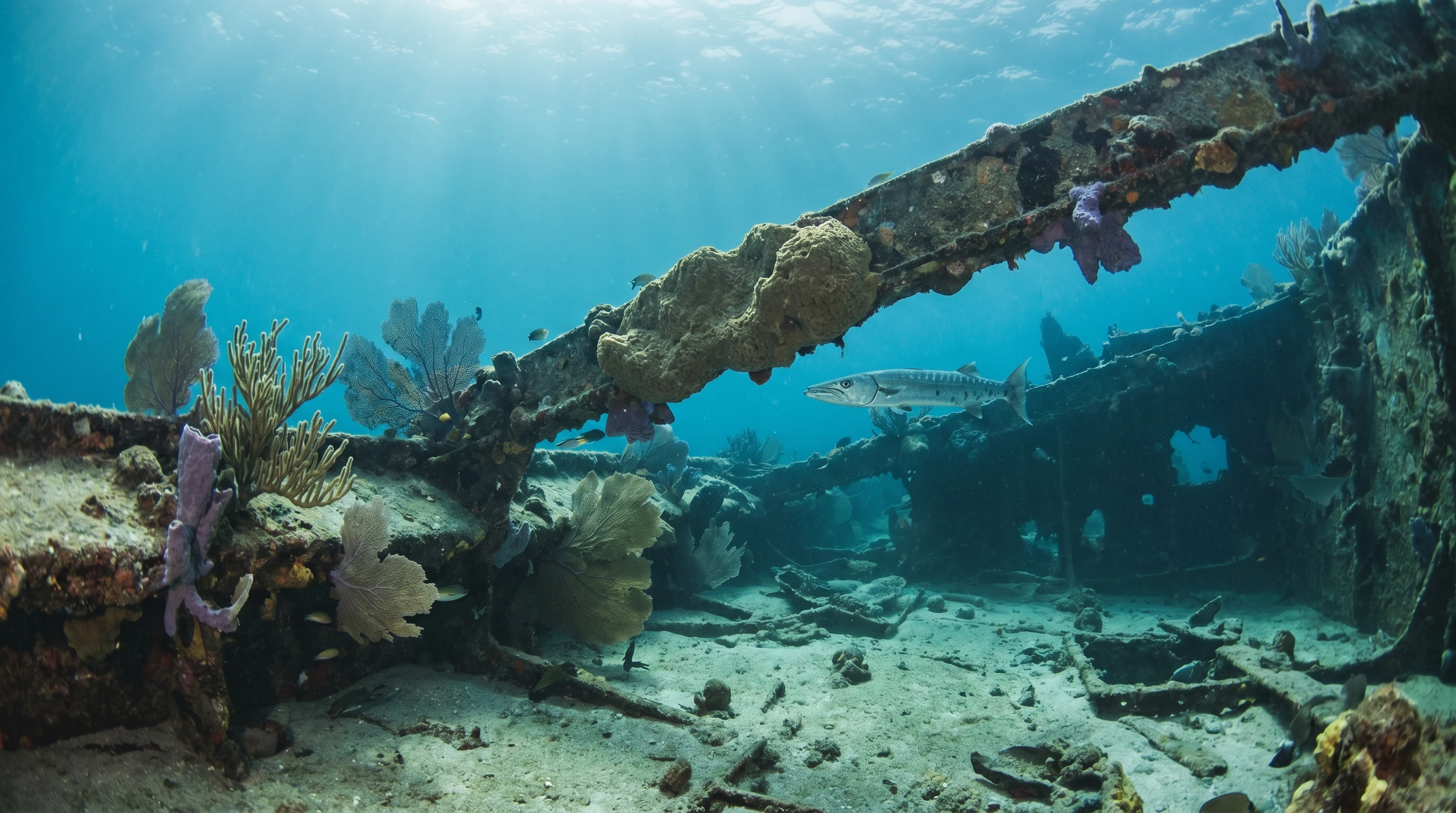
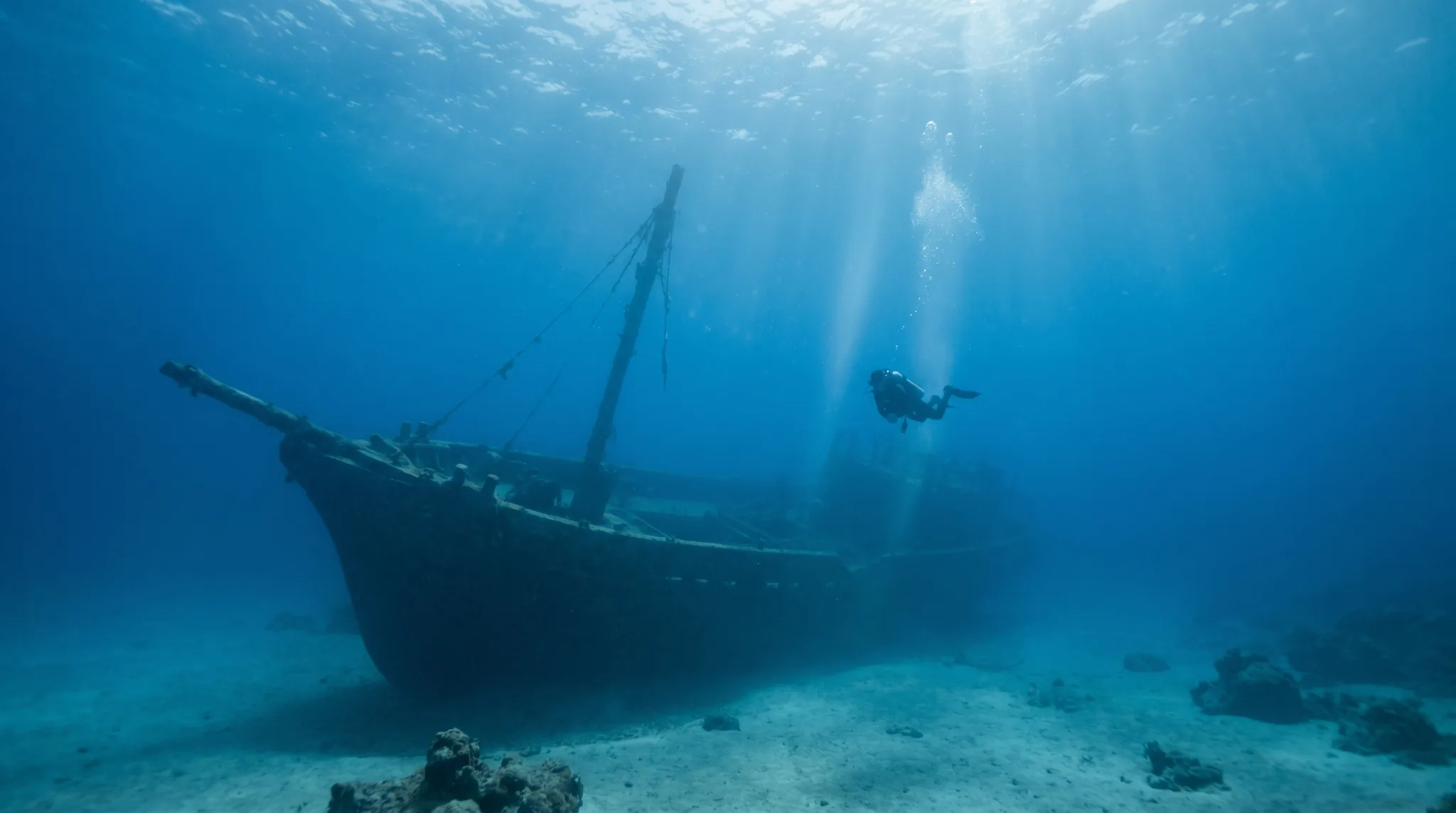
Fort Lauderdale Beach is defined by drift diving along natural reef lines and a strong collection of artificial wrecks. Currents do the work on most sites, carrying divers past reef structures populated with Nurse Shark, French Angelfish, and Spotted Scorpionfish. Sites range from shallow beginner reefs to deeper wrecks requiring more experience. Most diving is boat-accessed, and the Wreck Trek sites such as Mercy Jesus and the Jay Scutti reward intermediate and advanced divers particularly well.

Monthly water temperature across Fort Lauderdale Beach's sites, from satellite sea-surface data corrected for depth. The band shows the site-to-site spread.
Water stays warm throughout the year, rising to its peak from summer into early autumn, which also draws the highest diver traffic. Cooler months from January through April remain comfortable and tend to offer calmer conditions. The prevailing current suits drift diving year-round, but summer and autumn represent the most active season for underwater life and operator departures.
6 operators
Oakland Park, United States
United States
United States
10 more sites to explore
Water temperature around Fort Lauderdale Beach ranges from about 25°C in January to 29°C in July, based on satellite sea-temperature data for its dive sites.
In the warm season (about 29°C) a rash guard or 3mm shorty is comfortable in Fort Lauderdale Beach; in the coldest months (about 25°C) step up to a 3mm full suit.
Fin maps 22 sites in Fort Lauderdale Beach (21 scuba diving sites and 3 snorkelling spots, with some suited to both).
Across Fort Lauderdale Beach's dive sites, August, September and October are most often reported as the best months to visit.
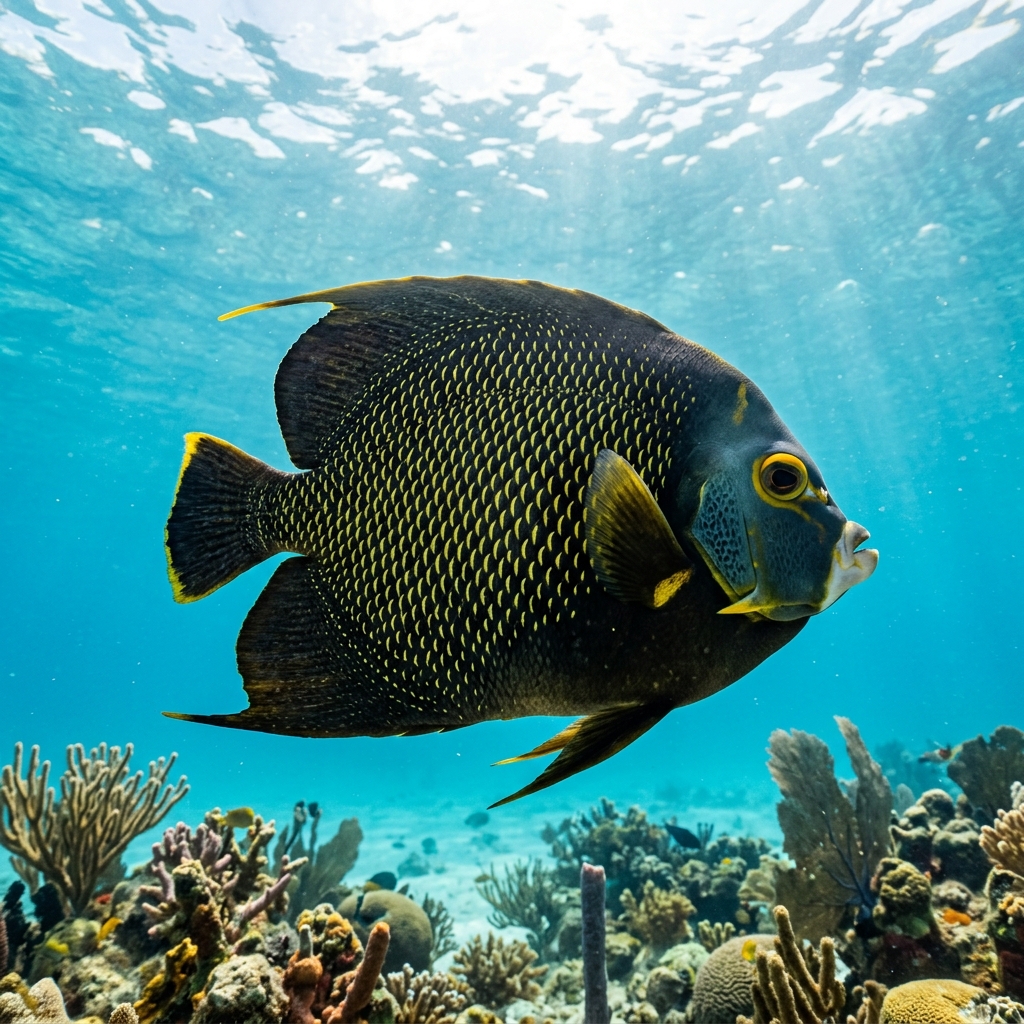
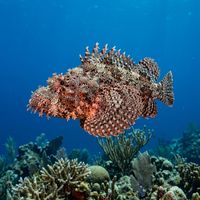
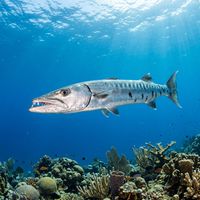
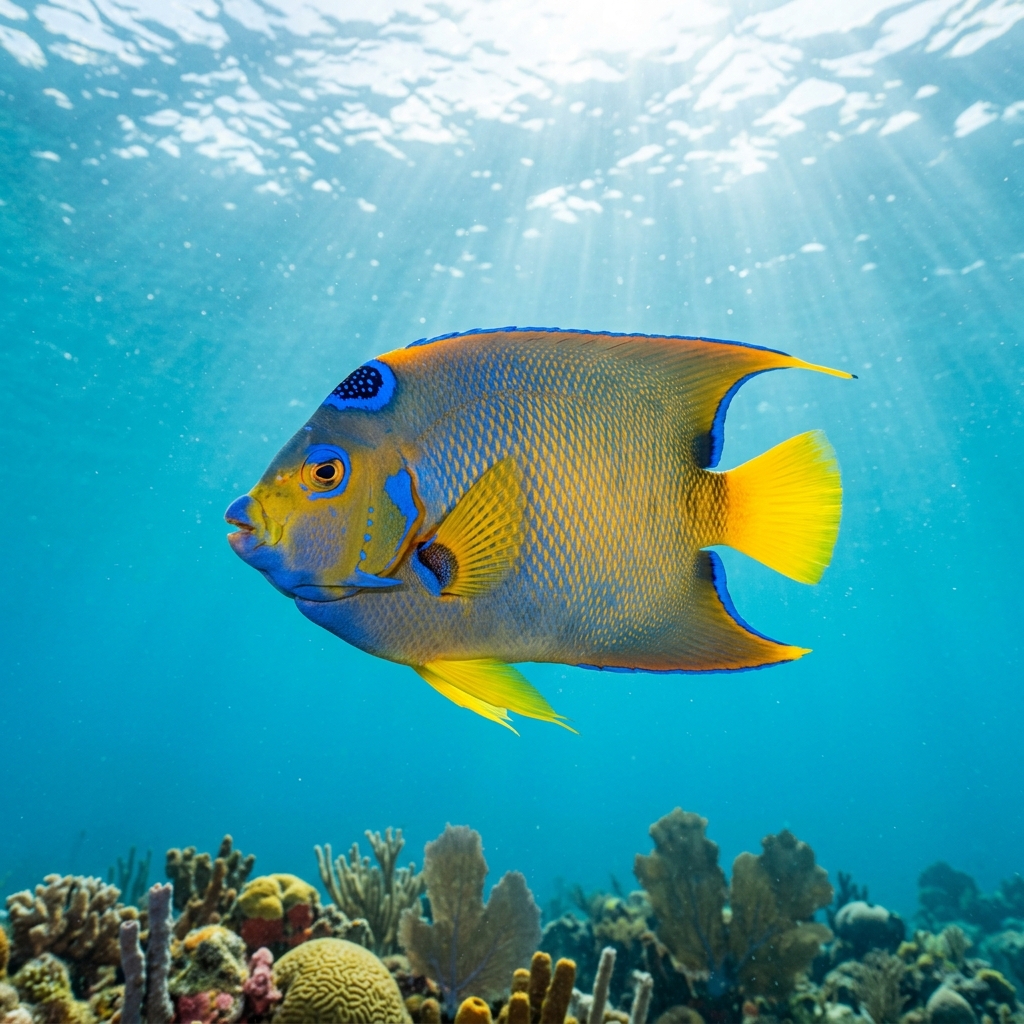
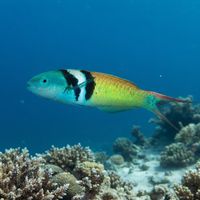
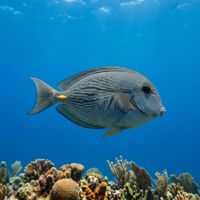
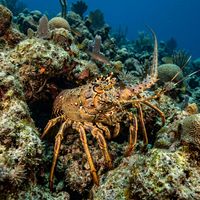
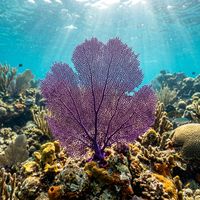
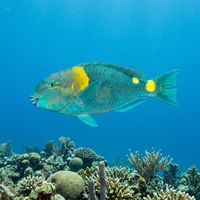
The reefs and wrecks here host a rich cross-section of Caribbean species. Nurse Shark, French Angelfish, Gray Angelfish, and Queen Angelfish are all observed regularly across sites. Great Barracuda is a common presence on the reef lines, and Spotted Scorpionfish are frequently encountered resting on structure. Caribbean Spiny Lobster, Stoplight Parrotfish, and Purple Sea Fan add colour and character to nearly every dive.
A good portion of the sites are rated for beginners, including shallow reef dives such as Oakland Ridge, The Caves, and Barracuda Reef. These sites feature gentle drift conditions and manageable depths. Tigertail Lake in Hollywood Beach offers a sheltered shore-entry option ideal for those building confidence. Intermediate and advanced divers are also well served by the deeper wreck sites.
The vast majority of sites are reached by boat, and several local operators run regular departures including Sea Experience, Force-E Scuba Centers, Ocean Force Adventures, and American Dream Dive Charters. Oakland Ridge is one of the few sites offering both shore and boat entry. Tigertail Lake is a dedicated shore-entry site, making it straightforward to organise independently.
The area combines natural reef lines with a notable collection of purpose-sunk artificial reefs and wrecks. Drift dives dominate across both categories. Wreck highlights include the Mercedes I, Jay Scutti, Robert Edmister, and the Jim Atria, each offering distinct structure and marine life. Natural reef sites such as Southern Broward County Reefs and Twin Ledges complement the wreck diving with coral formations and open-water fish life.