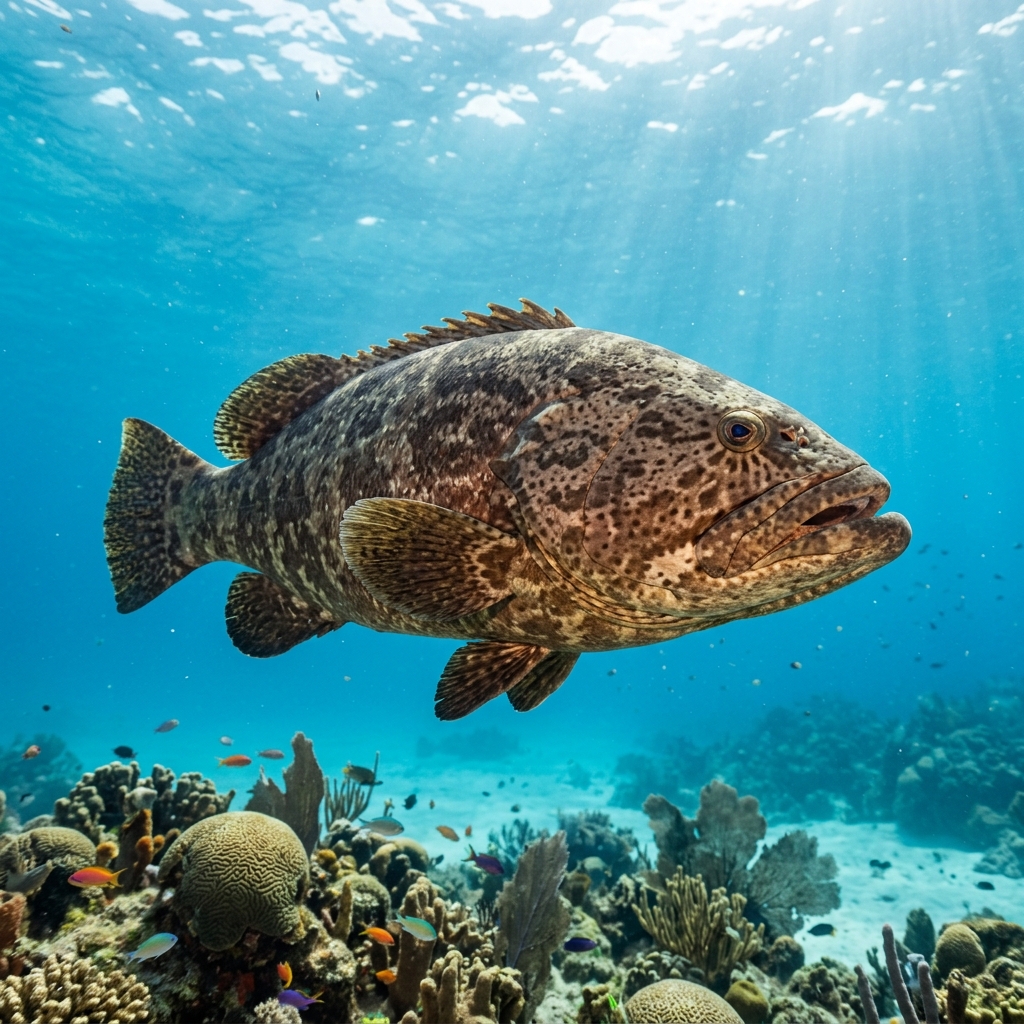
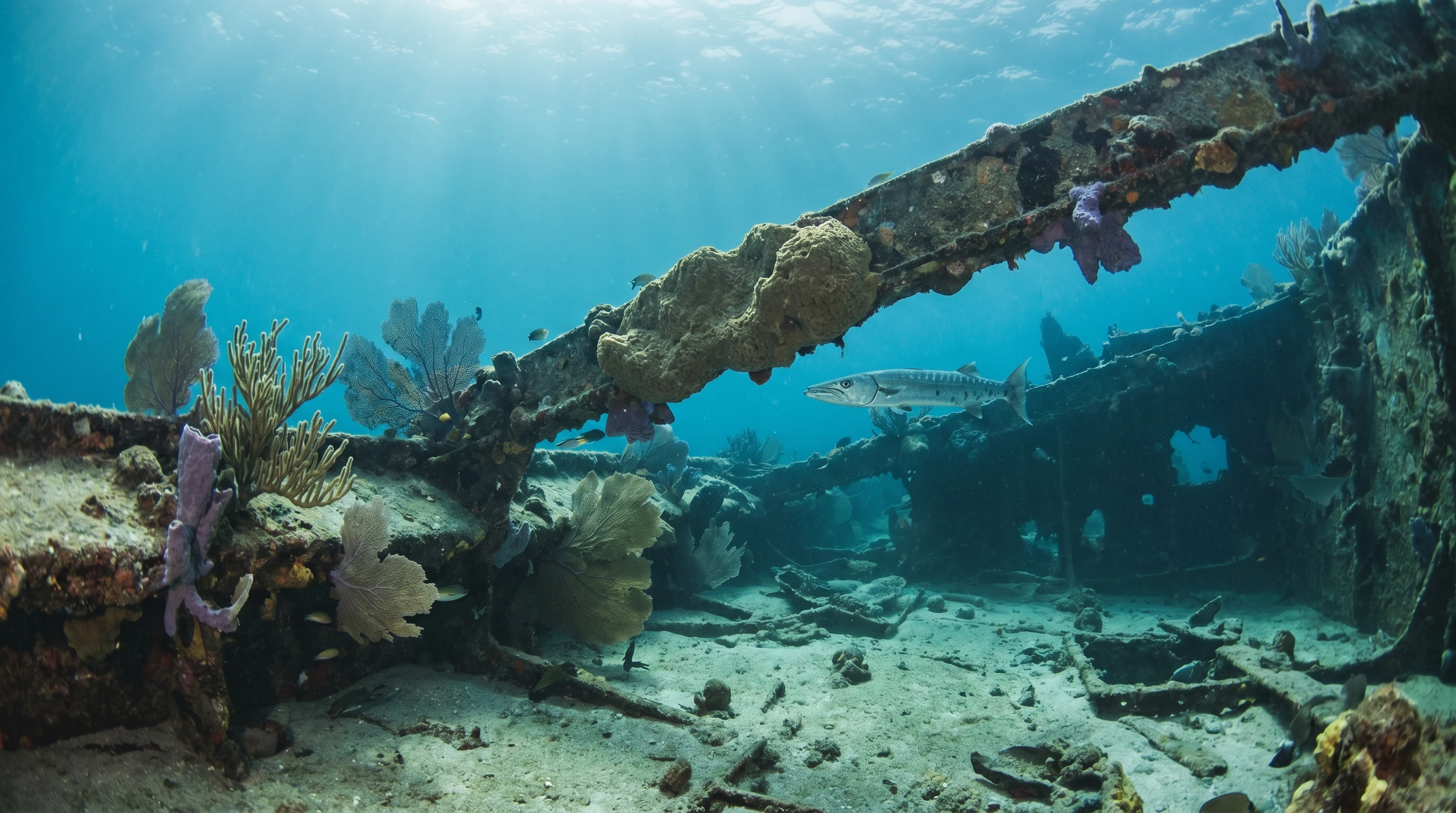
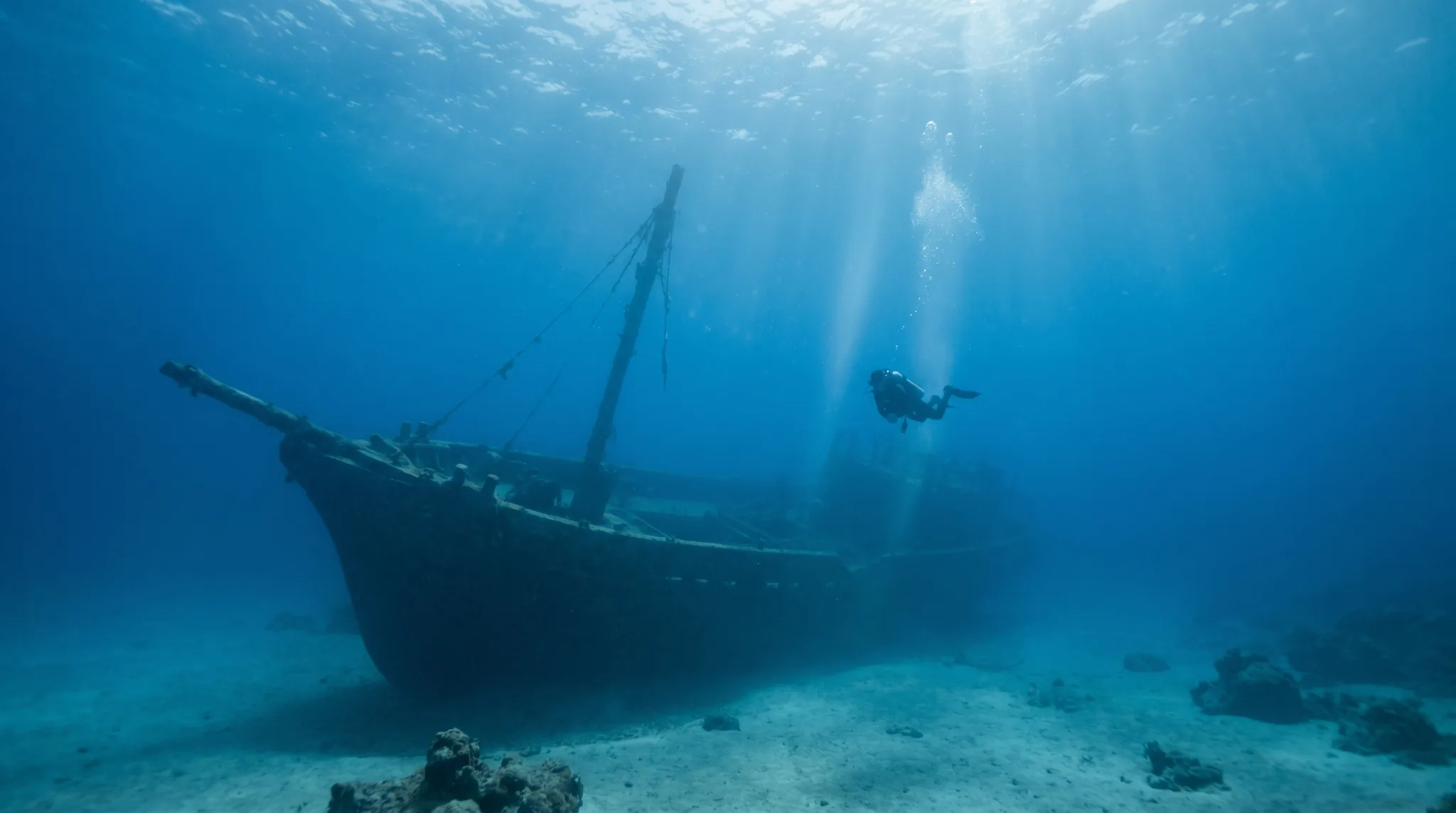
Boynton Beach offers a compact but varied dive scene built around natural ledges, reef structures and artificial wrecks. Drift diving defines much of the experience, with sites like Beach House and Boynton Ledges carrying meaningful current. The Castor Wreck draws advanced divers, while shallow reefs suit newcomers. Rock Beauty and Coney are observed consistently across sites, and Atlantic Goliath Grouper makes occasional appearances.

Monthly water temperature across Boynton Beach's sites, from satellite sea-surface data corrected for depth. The band shows the site-to-site spread.
Water stays warm year-round, rising from its coolest in the early months to its warmest through summer and early autumn. The warmer months attract slightly more dive activity, though the reef sites remain diveable throughout the year. Currents are a constant consideration, particularly at the drift sites, so checking conditions before each dive is worthwhile.
1 operator
United States
2 more sites to explore
Water temperature around Boynton Beach ranges from about 25°C in January to 28°C in July, based on satellite sea-temperature data for its dive sites.
In the warm season (about 28°C) a rash guard or 3mm shorty is comfortable in Boynton Beach; in the coldest months (about 25°C) step up to a 3mm full suit.
Fin maps 10 sites in Boynton Beach (10 scuba diving sites and 2 snorkelling spots, with some suited to both).
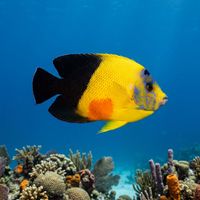
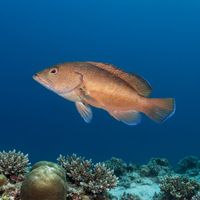
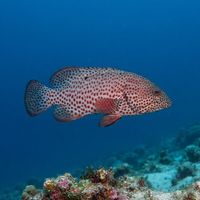
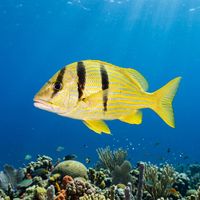
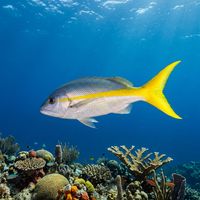
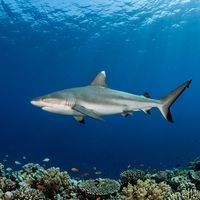
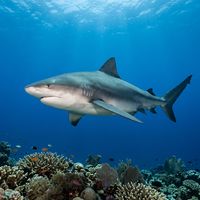
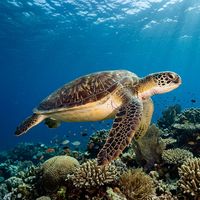
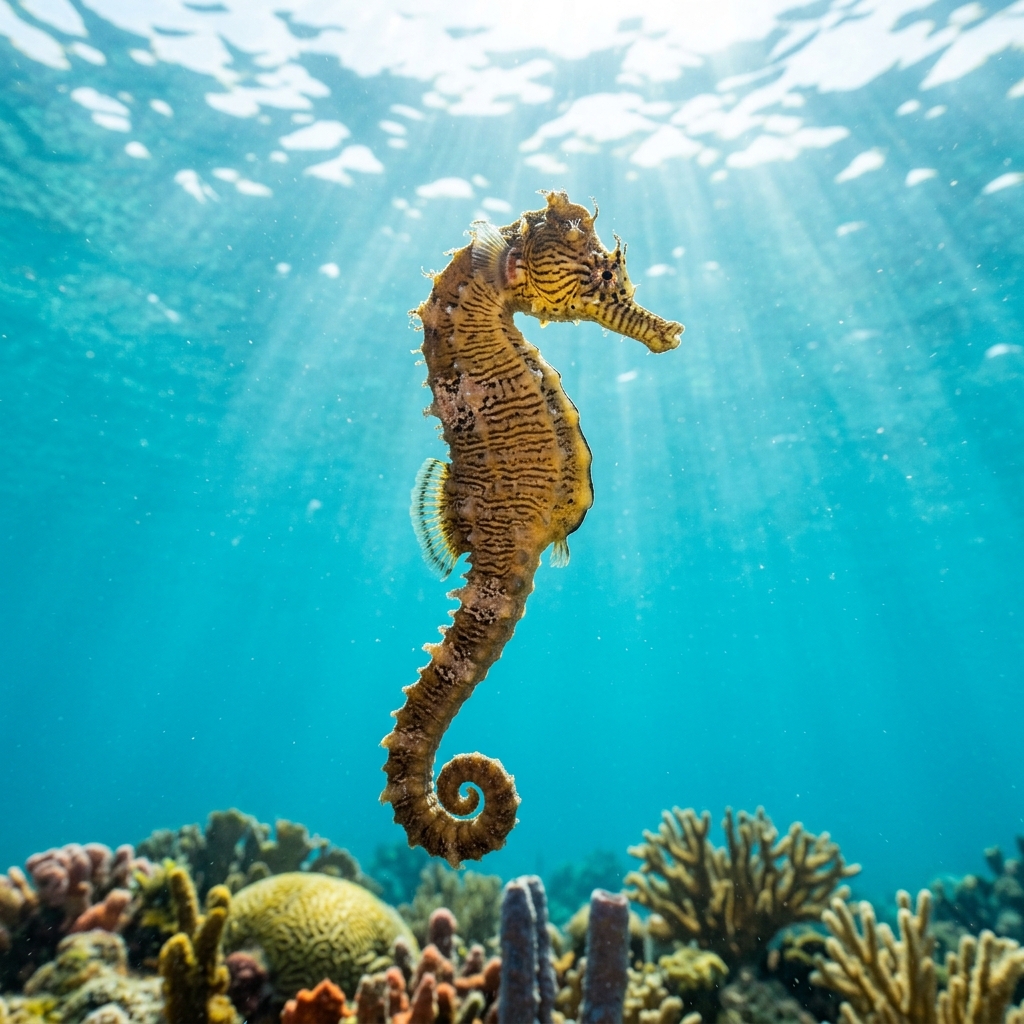
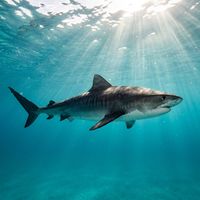
The reefs here are reliably populated with Rock Beauty, Coney, Graysby, Porkfish and Yellowtail Snapper. Atlantic Goliath Grouper makes occasional appearances, and observers have also recorded Grey Reef Shark, Bull Shark, Tiger Shark, Green Sea Turtle and West Indian Manatee across various sites. Lined Seahorse and Honeycomb Cowfish add variety for those who look carefully.
Several sites are rated for beginners, including Tumble Rock, Briney Breezes and Boynton Ledges. Garrett's Reef is a shore-entry option at a very shallow depth, making it approachable for less experienced divers. However, drift conditions at some sites require good buoyancy control, so beginners should discuss current conditions with the operator before choosing a site.
Almost all sites are boat-access, and Splashdowndivers is the local operator serving the area. Garrett's Reef is the notable exception, accessible directly from shore. The boat sites sit offshore, so timing departures around current and weather conditions is advisable.
The site mix spans natural reef ledges, drift dives, artificial reefs and a wreck. Boynton Ledges features a north-to-south running wall with dramatic edges, while the Castor Wreck is an artificial reef suitable for advanced divers. Boynton Comb Reef combines natural and artificial elements and drops to considerable depth, requiring careful planning. This variety means divers can return repeatedly and find quite different underwater landscapes.