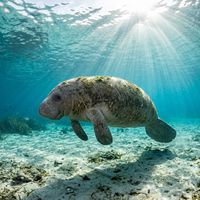
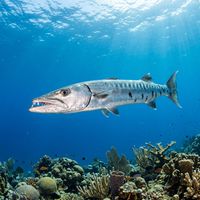
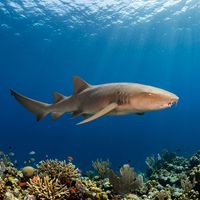
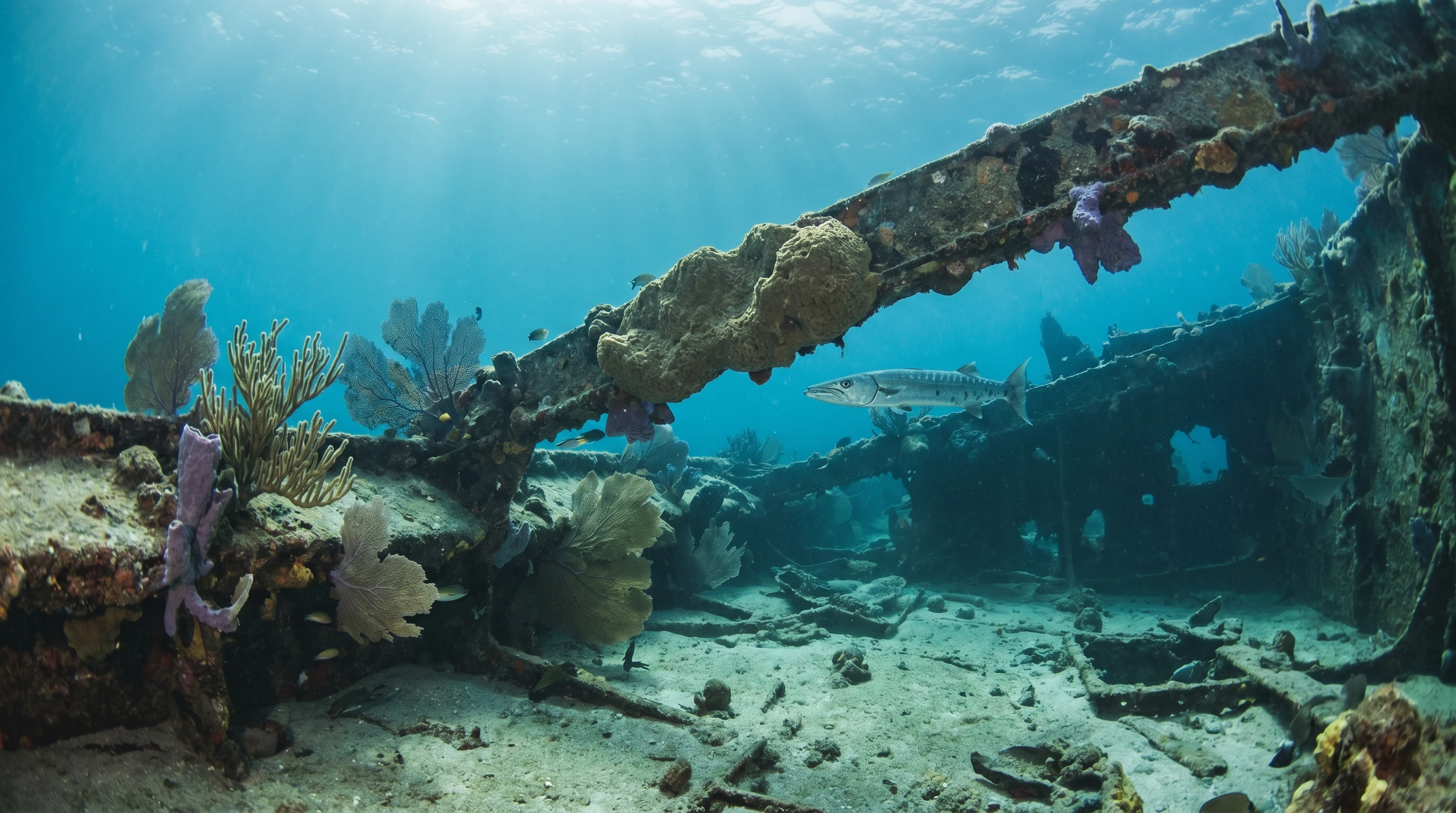
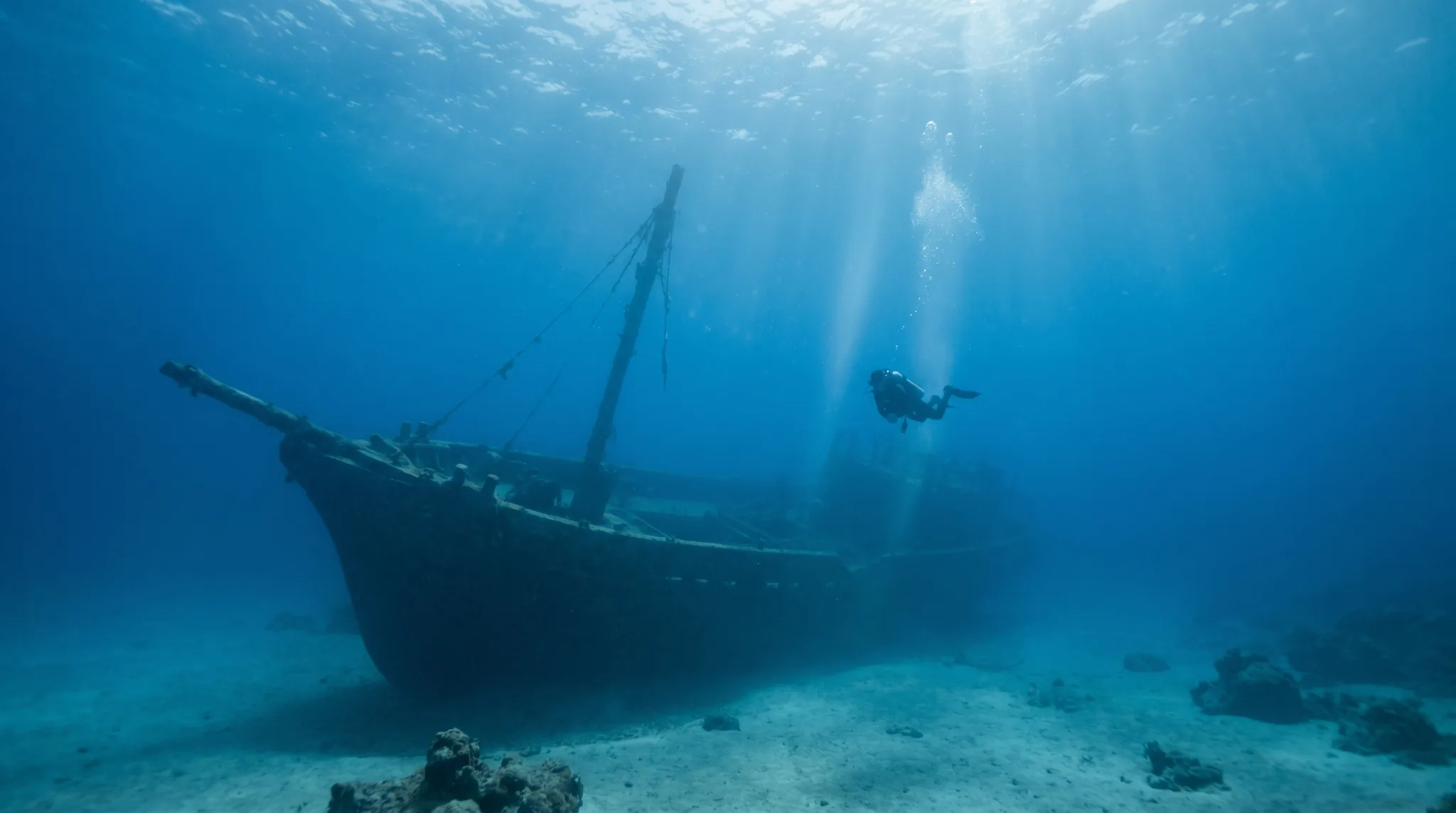
Hollywood Beach is defined by an extensive collection of artificial reef wrecks spread across a range of depths, from shallow structures suitable for beginners to deep hulls reserved for advanced divers. Natural reef also features, and the site mix produces a broad species list led by West Indian Manatee, Great Barracuda, Spotted Eagle Ray, and Nurse Shark. All diving is boat access. Conditions peak from late spring through early autumn.
Monthly water temperature across Hollywood Beach's sites, from satellite sea-surface data corrected for depth. The band shows the site-to-site spread.
Water temperatures remain consistently warm through the year, rising to their highest from summer into early autumn, which also coincides with the strongest peak in diver activity. Cooler months from winter into early spring are still comfortable but see far fewer visits, making them quieter options for those willing to dive outside the prime window.
22 operators
United States
33 more sites to explore
Water temperature around Hollywood Beach ranges from about 25°C in January to 29°C in July, based on satellite sea-temperature data for its dive sites.
In the warm season (about 29°C) a rash guard or 3mm shorty is comfortable in Hollywood Beach; in the coldest months (about 25°C) step up to a 3mm full suit.
Fin maps 45 sites in Hollywood Beach (45 scuba diving sites and 8 snorkelling spots, with some suited to both).
Across Hollywood Beach's dive sites, May, June, July, August and September are most often reported as the best months to visit.
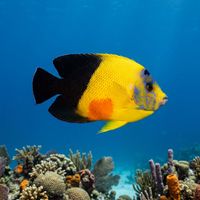
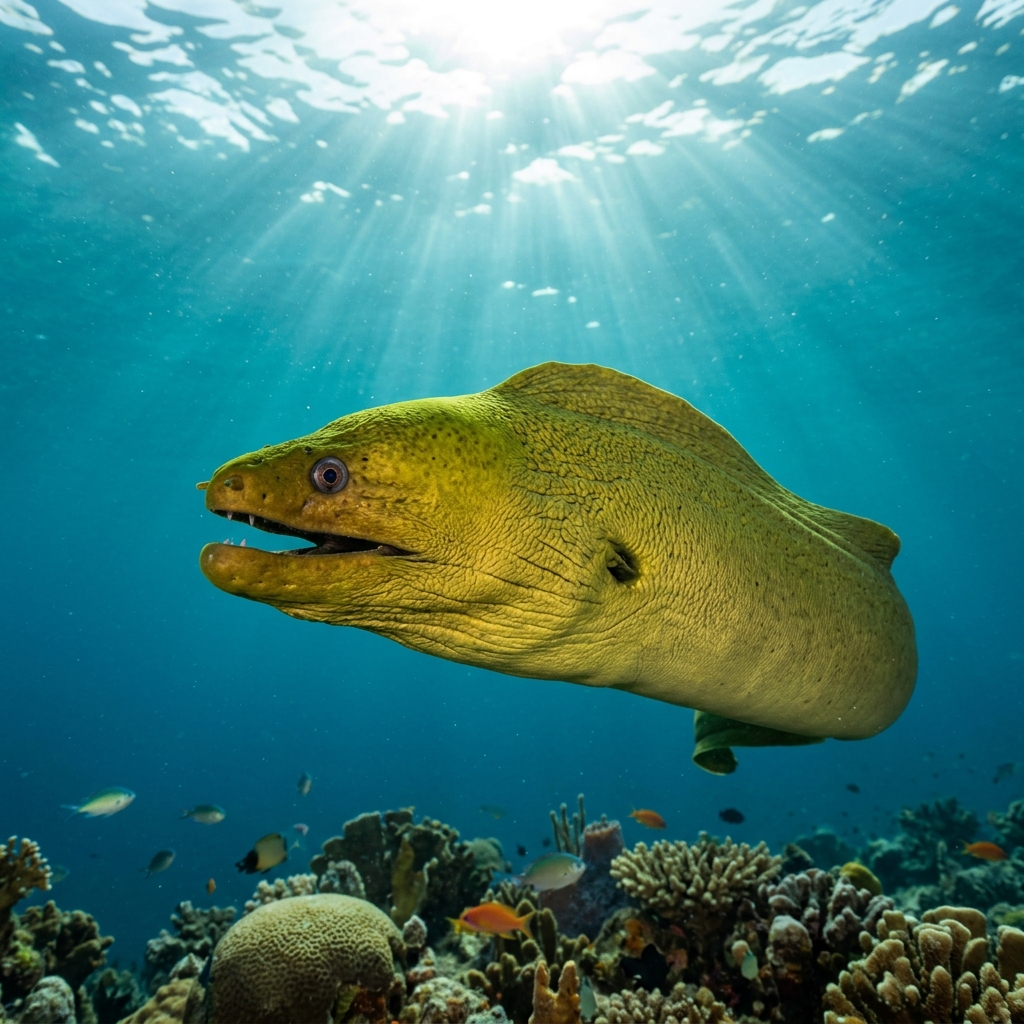
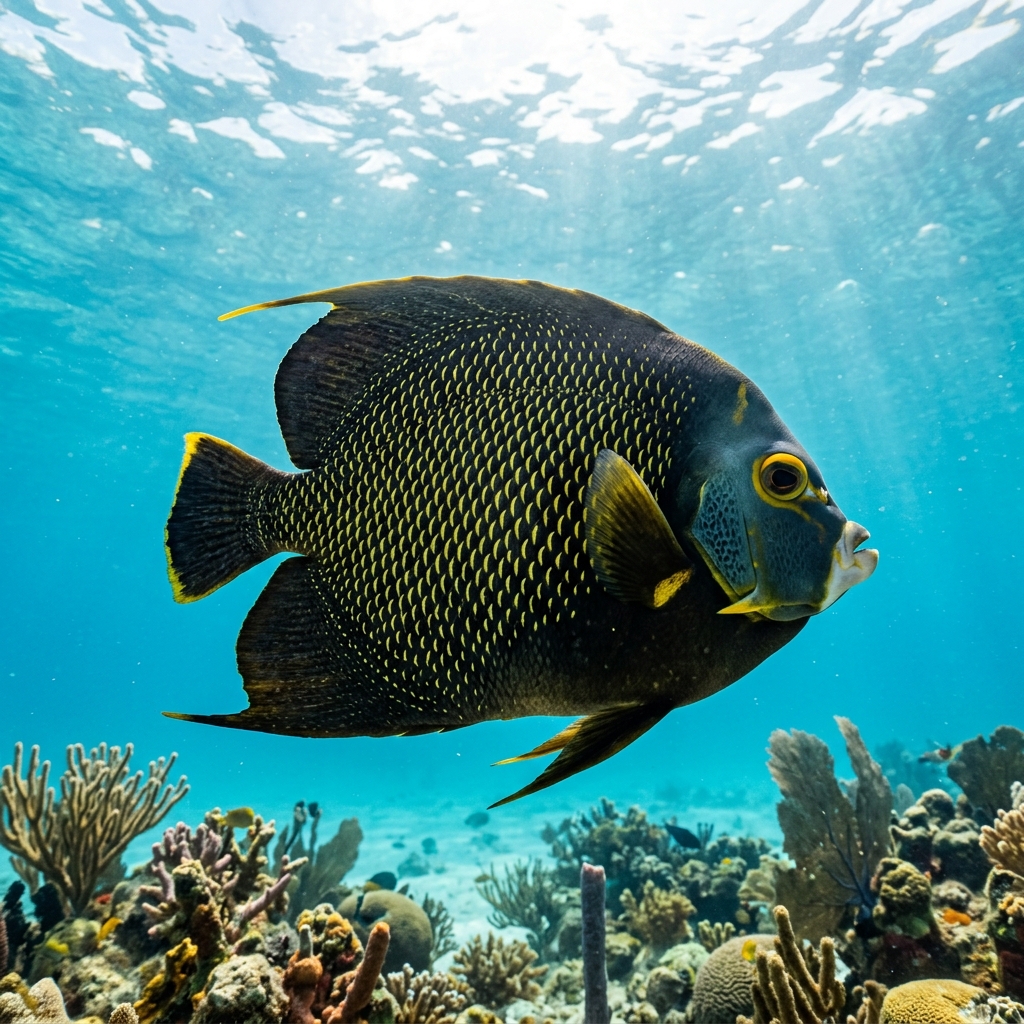
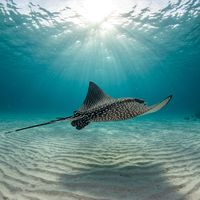
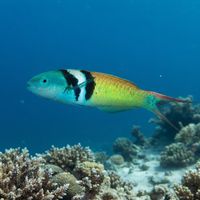
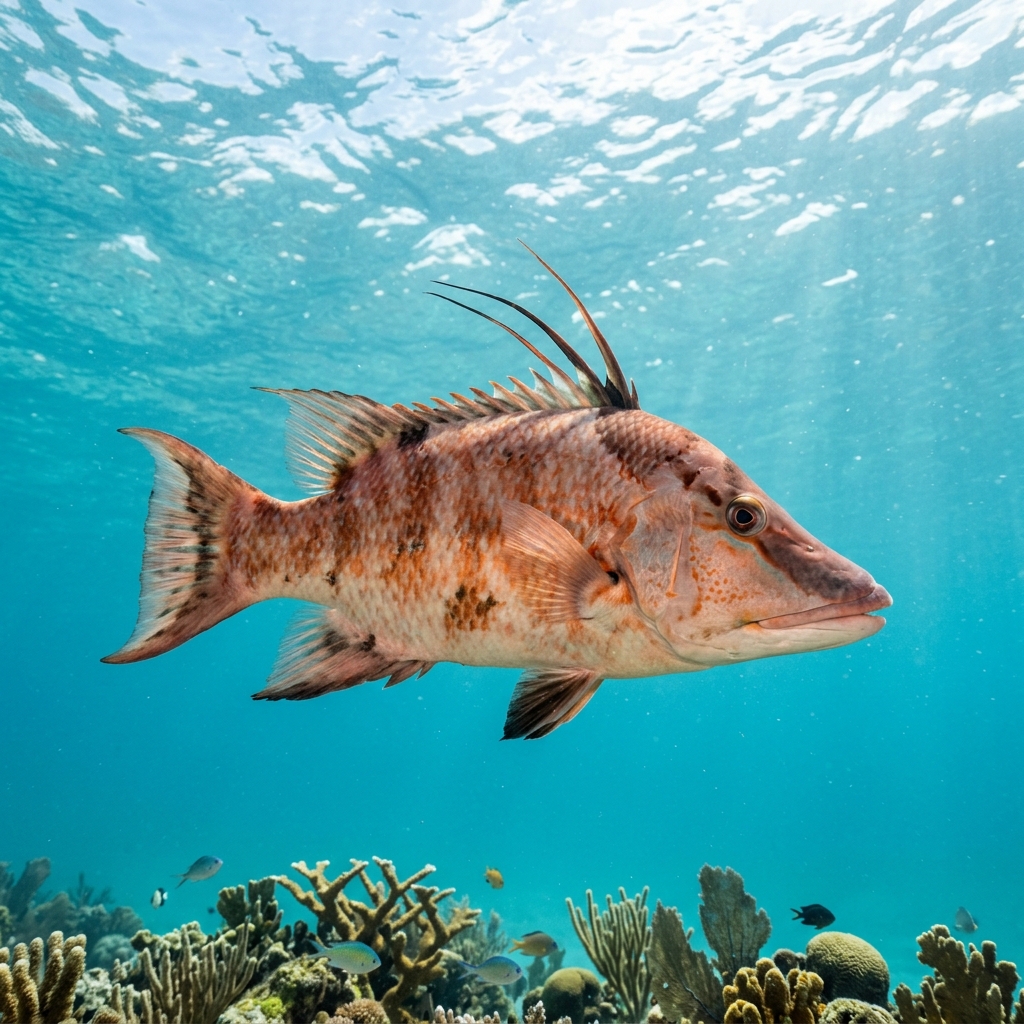
The reefs and wrecks host a wide variety of species. West Indian Manatee and Great Barracuda are among the most frequently observed, alongside Spotted Eagle Ray, Nurse Shark, Green Moray, French Angelfish, Gray Angelfish, and Rock Beauty. Spotted Scorpionfish are also present, so good buoyancy and situational awareness matter.
Yes, a solid portion of the site mix caters to beginners. Sites such as Neptune Memorial Reef, Army Tanks, Emerald Reef, and African Queen all sit at shallow depths and are rated beginner level. All require boat access, so divers should be comfortable entering and exiting from a dive boat.
Advanced sites like the Narwall, Ultra Freeze, Orion Wreck, and Sheri-Lynn sit at considerably greater depths and some require wreck certification. Tenneco Towers, formed from decommissioned oil rig platforms, also creates a complex overhead environment. By contrast, beginner sites rarely push beyond shallow reef territory, making the overall portfolio truly varied in character and challenge.
Every site in the Hollywood Beach area is reached by boat. There are multiple operators running trips from the area, including South Beach Divers, Aquatic Explorers, Dive Miami, Tarpoon Lagoon Dive Center, and Coral Diving Club, LLC, among others. Booking through a local operator is the standard approach for reaching the offshore reefs and wrecks.