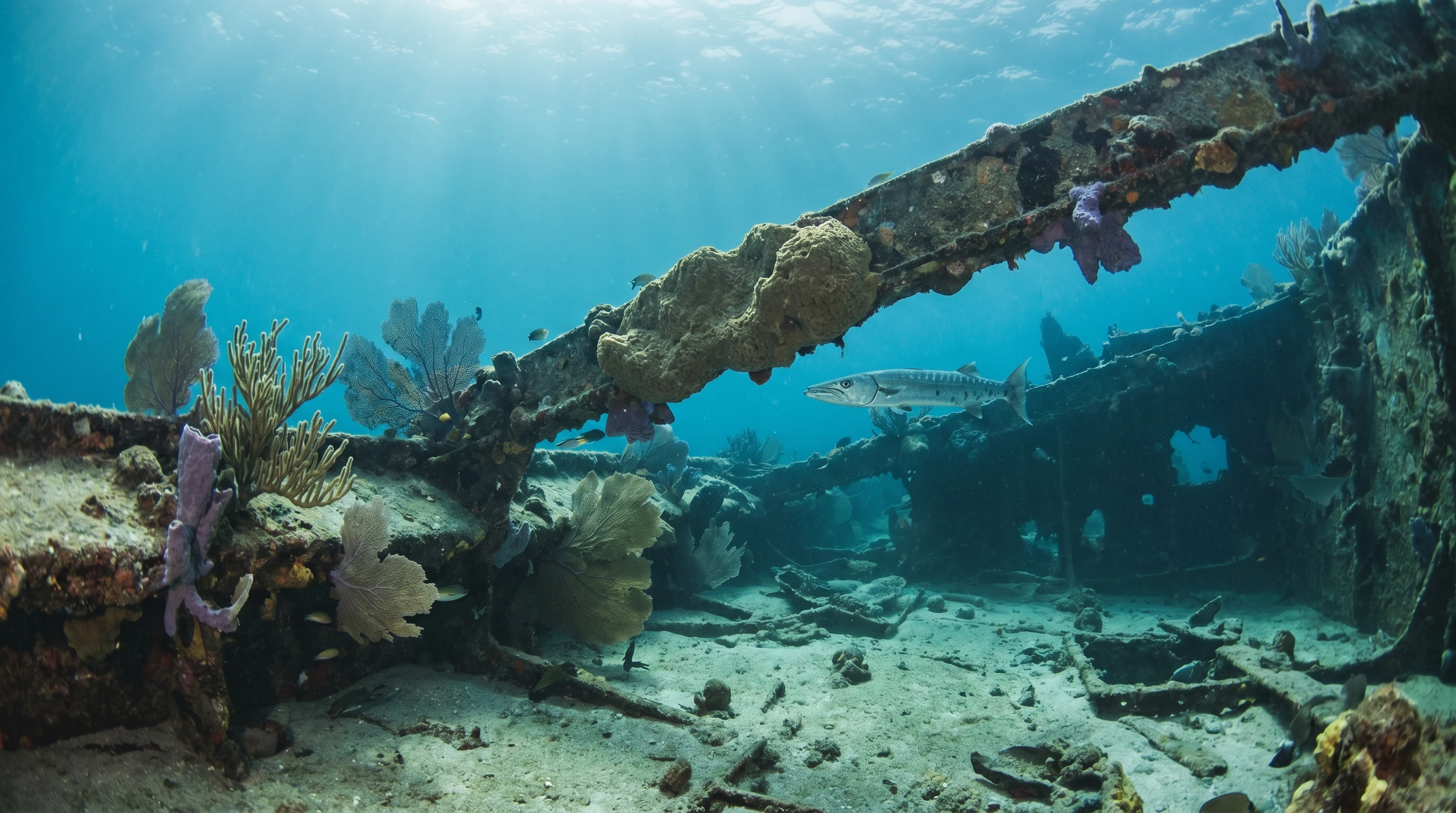
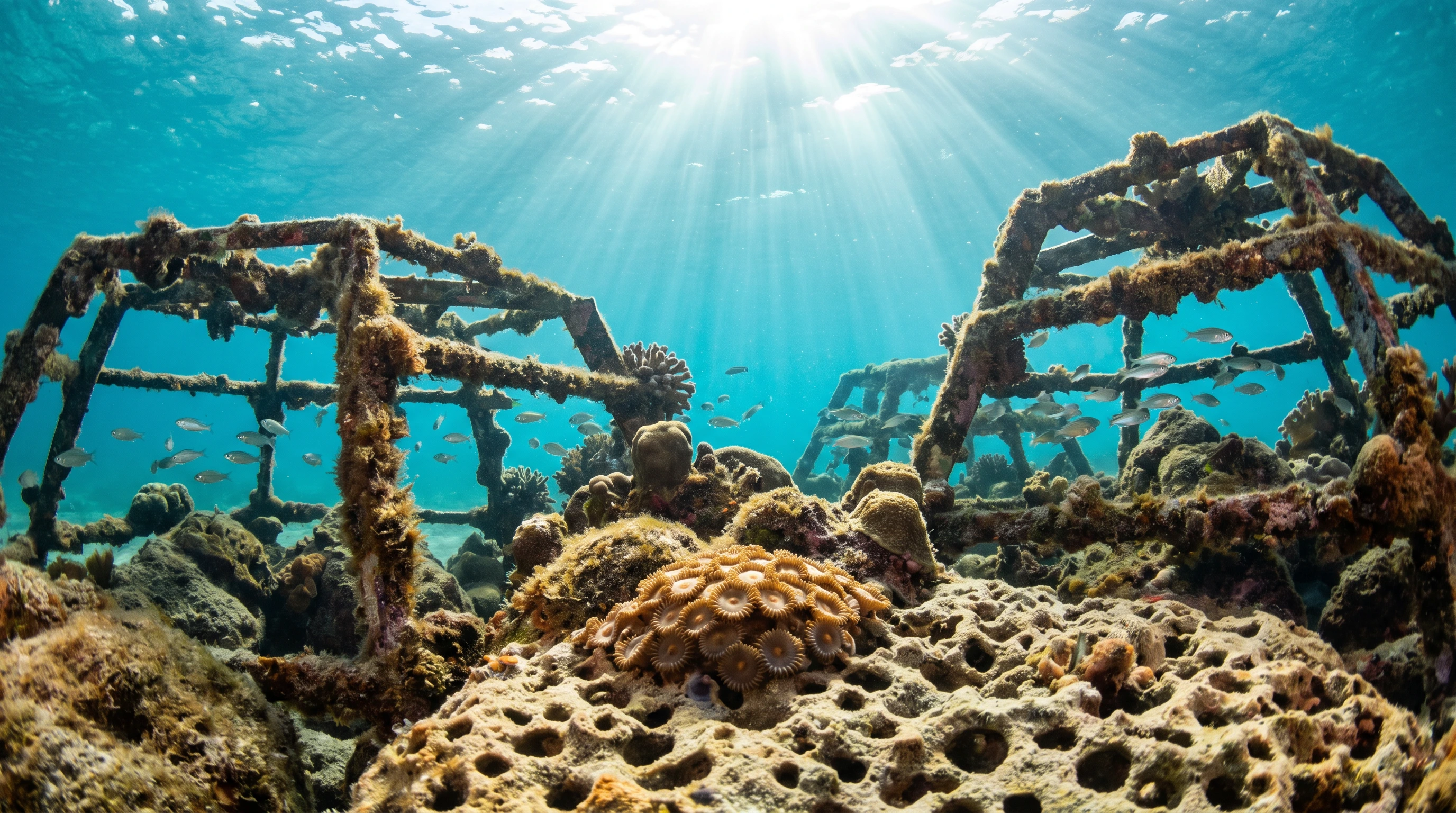
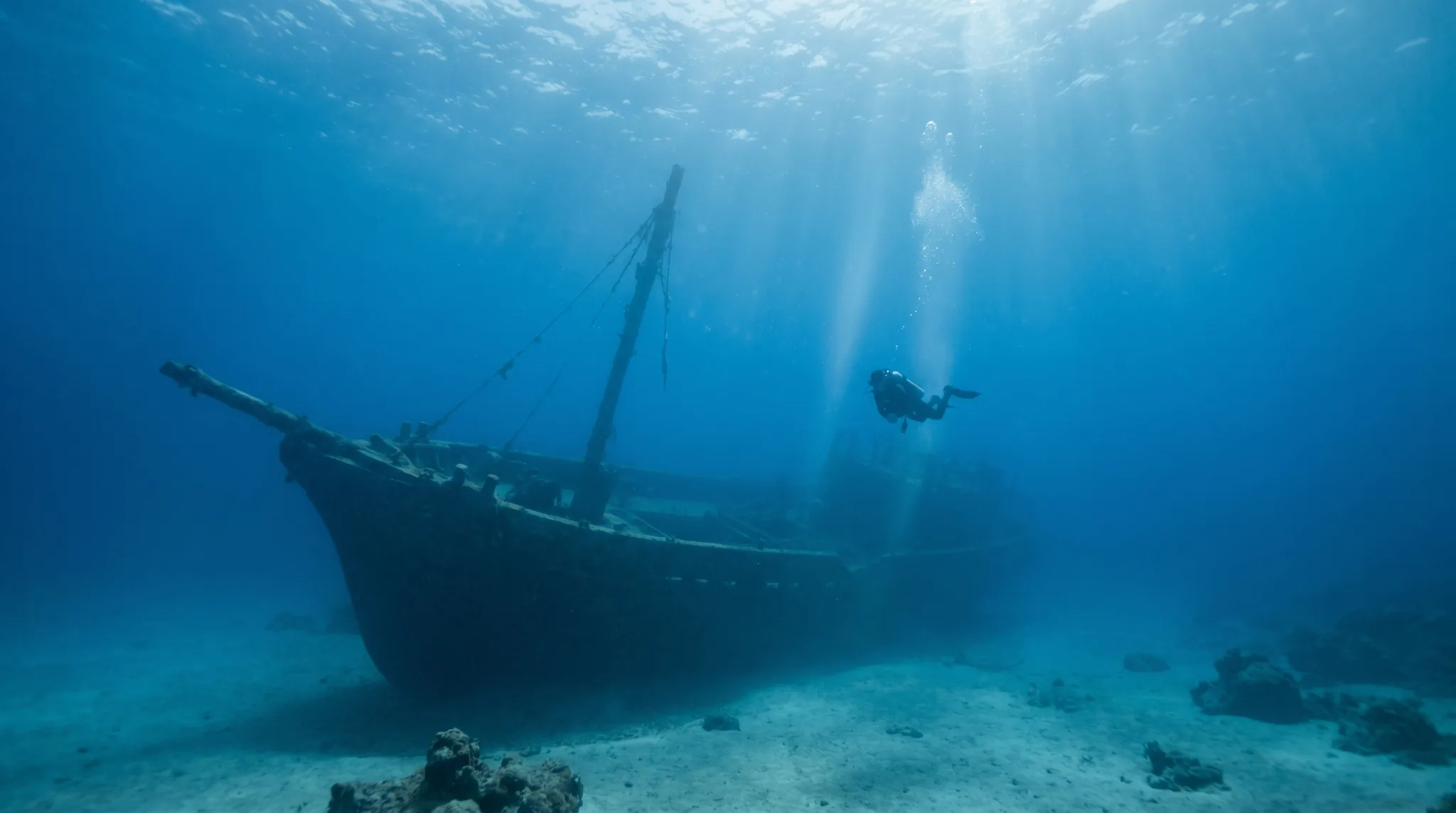
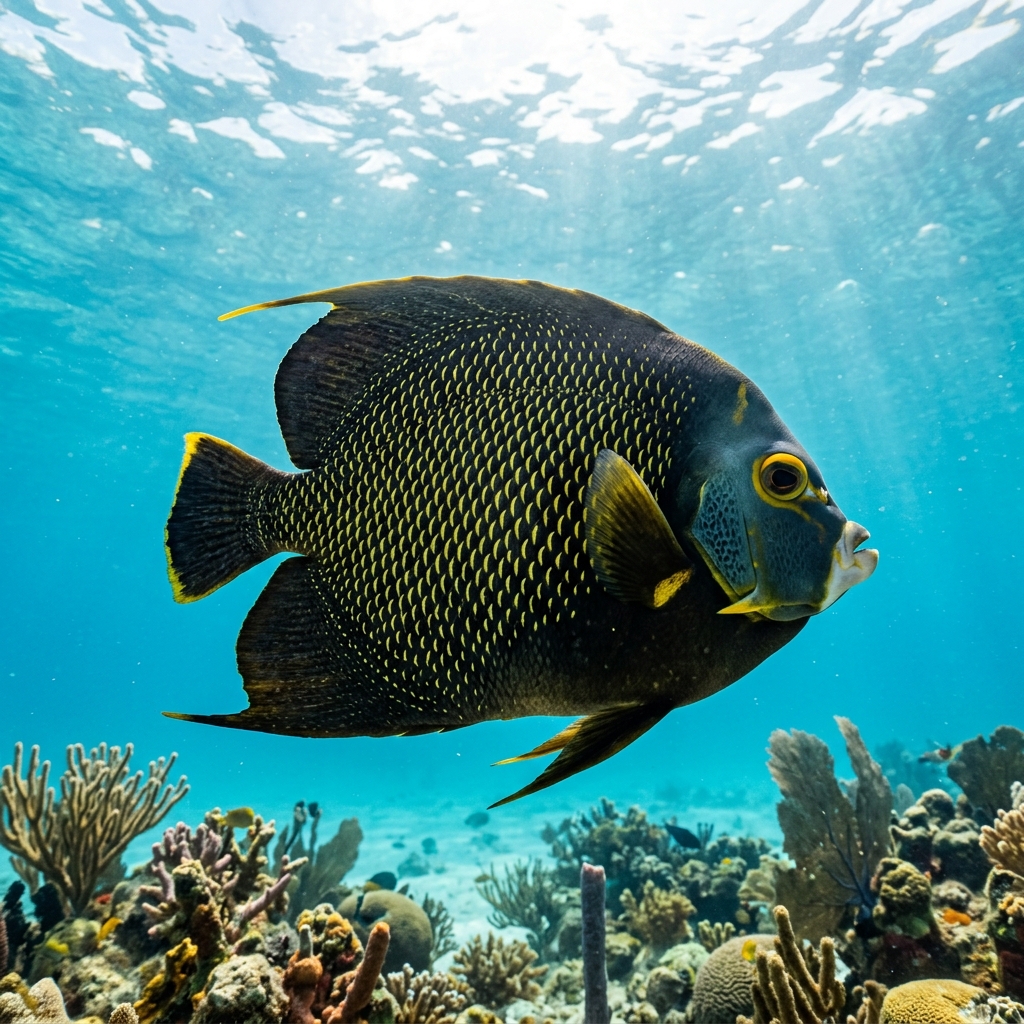
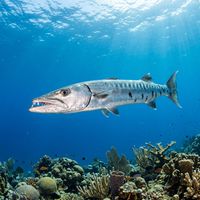
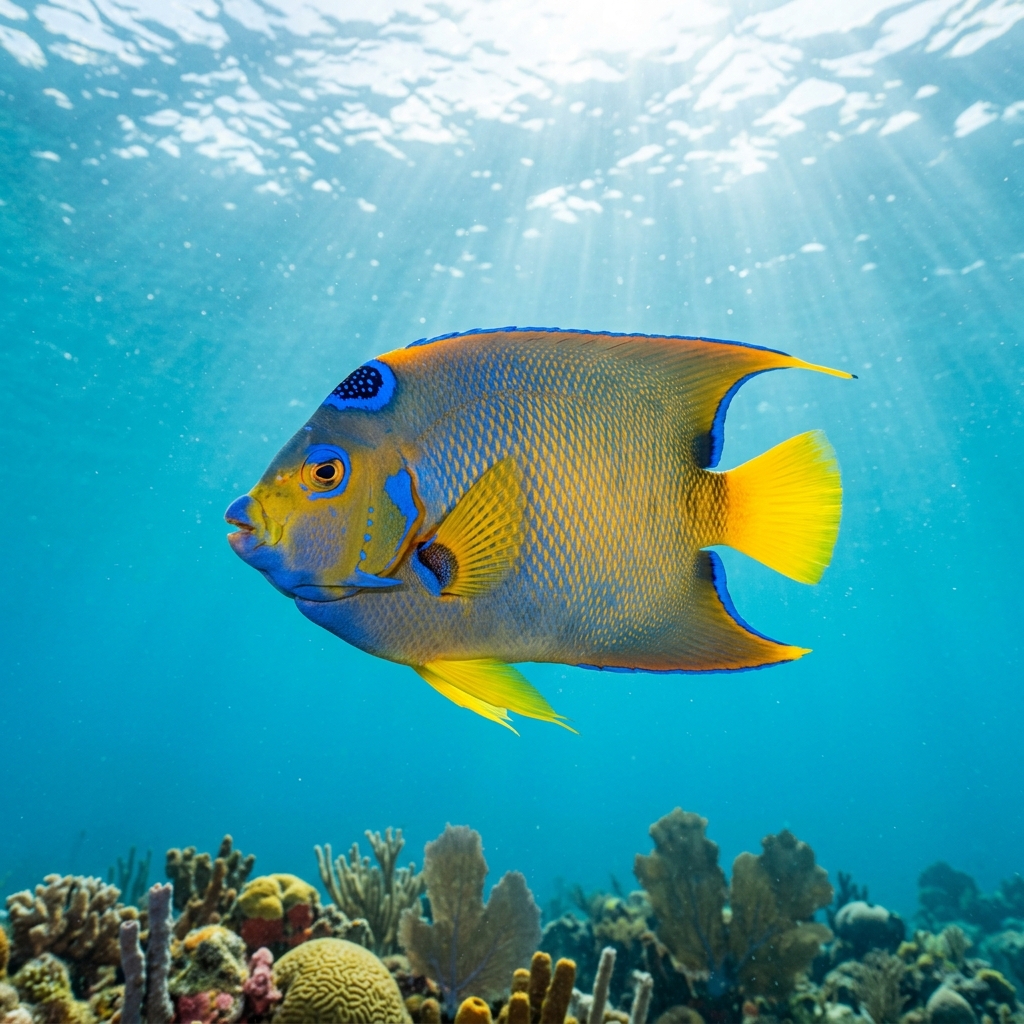
Lauderdale-by-the-Sea packs a broad range of site types into a compact stretch of coastline: natural ledges, purpose-sunk wrecks, and biorock artificial reefs cover everything from shallow beginner dives to serious technical descents. Nurse Shark, Great Barracuda, French Angelfish, and Queen Angelfish are consistently observed across sites. Shore entry is possible at several spots, while boat diving opens up the deeper wrecks.

Monthly water temperature across Lauderdale-by-the-Sea's sites, from satellite sea-surface data corrected for depth. The band shows the site-to-site spread.
Water stays warm year-round, with the coolest months running from January through April and peak warmth from June through October. The histogram favours late spring through summer and the early winter months, when conditions tend to be most settled. Drift potential exists at ledge sites, so checking current conditions before diving is worthwhile.
24 operators
Terra Mar, United States
Deerfield Beach, United States
United States
United States
United States
21 more sites to explore
Water temperature around Lauderdale-by-the-Sea ranges from about 25°C in January to 28°C in June, based on satellite sea-temperature data for its dive sites.
In the warm season (about 28°C) a rash guard or 3mm shorty is comfortable in Lauderdale-by-the-Sea; in the coldest months (about 25°C) step up to a 3mm full suit.
Fin maps 33 sites in Lauderdale-by-the-Sea (33 scuba diving sites and 8 snorkelling spots, with some suited to both).
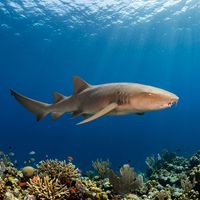
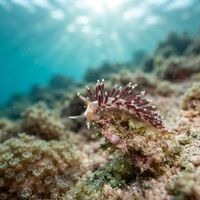
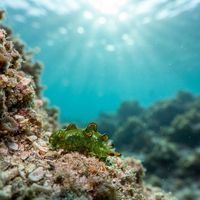
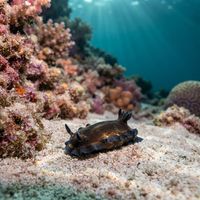
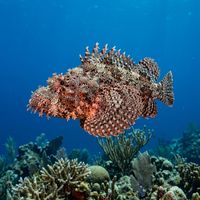
Nurse Shark and Great Barracuda are observed very commonly across sites, along with French Angelfish and Queen Angelfish. Spotted Scorpionfish, Long-spine Porcupinefish, and Grey Triggerfish round out a diverse reef community. Nudibranch enthusiasts will find Lettuce Slug, Learchis Poica, and Nero Porostome regularly recorded here too.
Yes. A good proportion of sites are rated beginner, including the LBTS Biorock Reef, The Nursery, and Anglin Pier Ledge, all of which are shallow and manageable. Shore entry is available at several of these, reducing the logistics for newer divers. More experienced divers can step up to intermediate and advanced wrecks such as RSB-1 and the Hydro Atlantic.
Some wrecks sit close enough for shore entry, including Datura, which lies only a short swim from the beach. The SS Copenhagen and Pompano Beach sites also offer both shore and boat entry options. Deeper and more remote wrecks such as the Hydro Atlantic, Noula Express, and Capt Dan require a boat.
Shallow sites like Miss Lourdies, Datura, and the LBTS Biorock Reef offer relaxed, reef-focused dives with plenty of fish life and easy conditions for building experience. Mid-range wrecks such as Rodeo 25 and Noula Express introduce more structure to explore. At the deeper end, RSB-1 and the Hydro Atlantic demand advanced or technical certification and reward divers with larger, more atmospheric wreck environments.