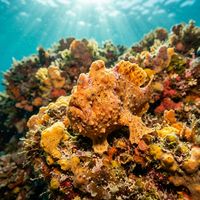
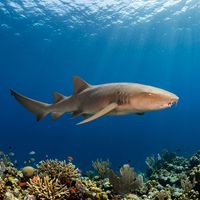
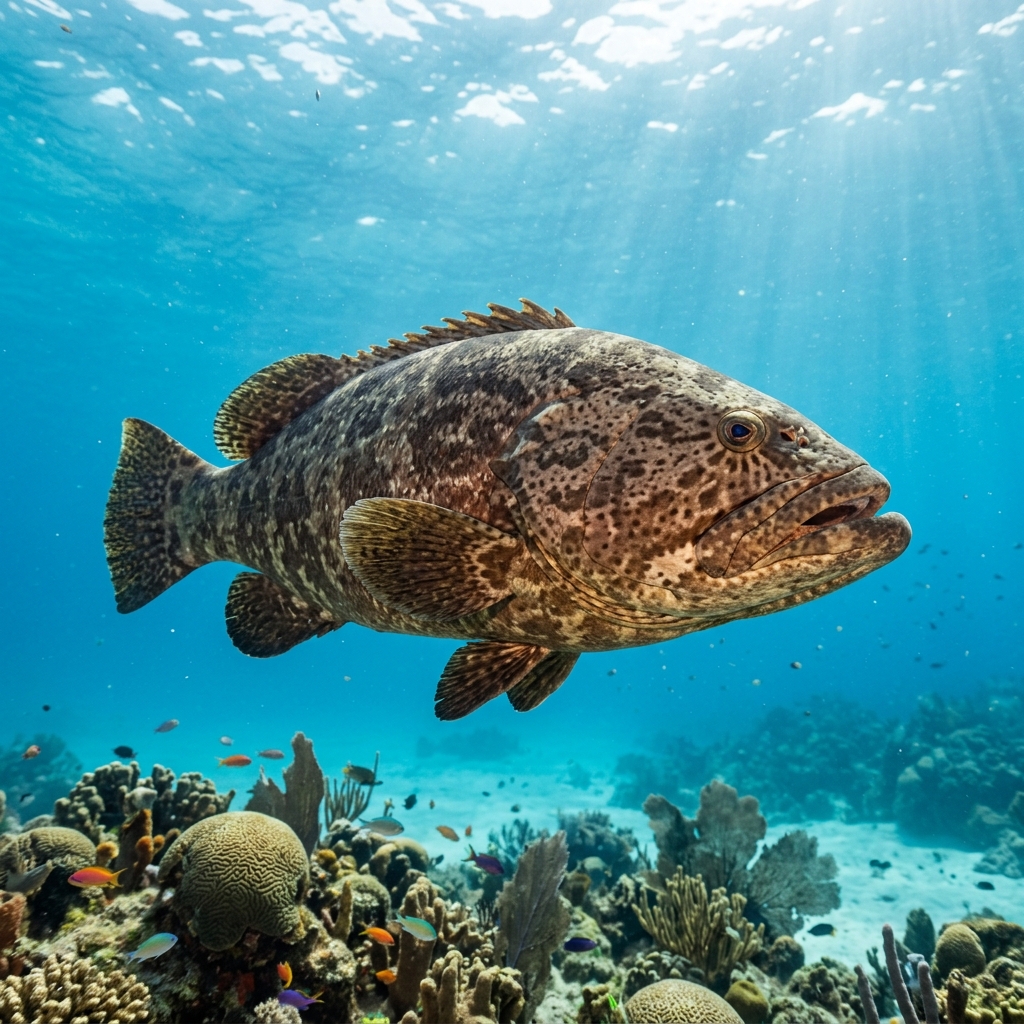
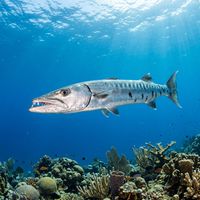
Palm Beach Island's diving centres on natural reef, purpose-sunk wrecks, and drift diving, with almost all sites accessed by boat. The current-fed reefs draw Nurse Shark, Atlantic Goliath Grouper, and several angelfish species, while Blue Heron Bridge stands apart as a shore-accessible muck and artificial reef site rich in critters like Frogfish and Shortnose Batfish. Most sites suit beginners, though deeper wrecks such as Princess Anne and The Corridor step up to advanced level.
Monthly water temperature across Palm Beach Island's sites, from satellite sea-surface data corrected for depth. The band shows the site-to-site spread.
Water stays warm year-round, climbing to its peak through summer and early autumn, which also aligns with the highest-rated diving months from May through October. The cooler winter months see a slight dip but remain comfortable. Drift conditions are a defining feature across many sites, so divers should be comfortable reading current.
12 operators
Palm Beach Shores, United States
24 more sites to explore
Water temperature around Palm Beach Island ranges from about 25°C in January to 28°C in July, based on satellite sea-temperature data for its dive sites.
In the warm season (about 28°C) a rash guard or 3mm shorty is comfortable in Palm Beach Island; in the coldest months (about 25°C) step up to a 3mm full suit.
Fin maps 36 sites in Palm Beach Island (35 scuba diving sites and 2 snorkelling spots, with some suited to both).
Across Palm Beach Island's dive sites, May, June, July, August and September are most often reported as the best months to visit.
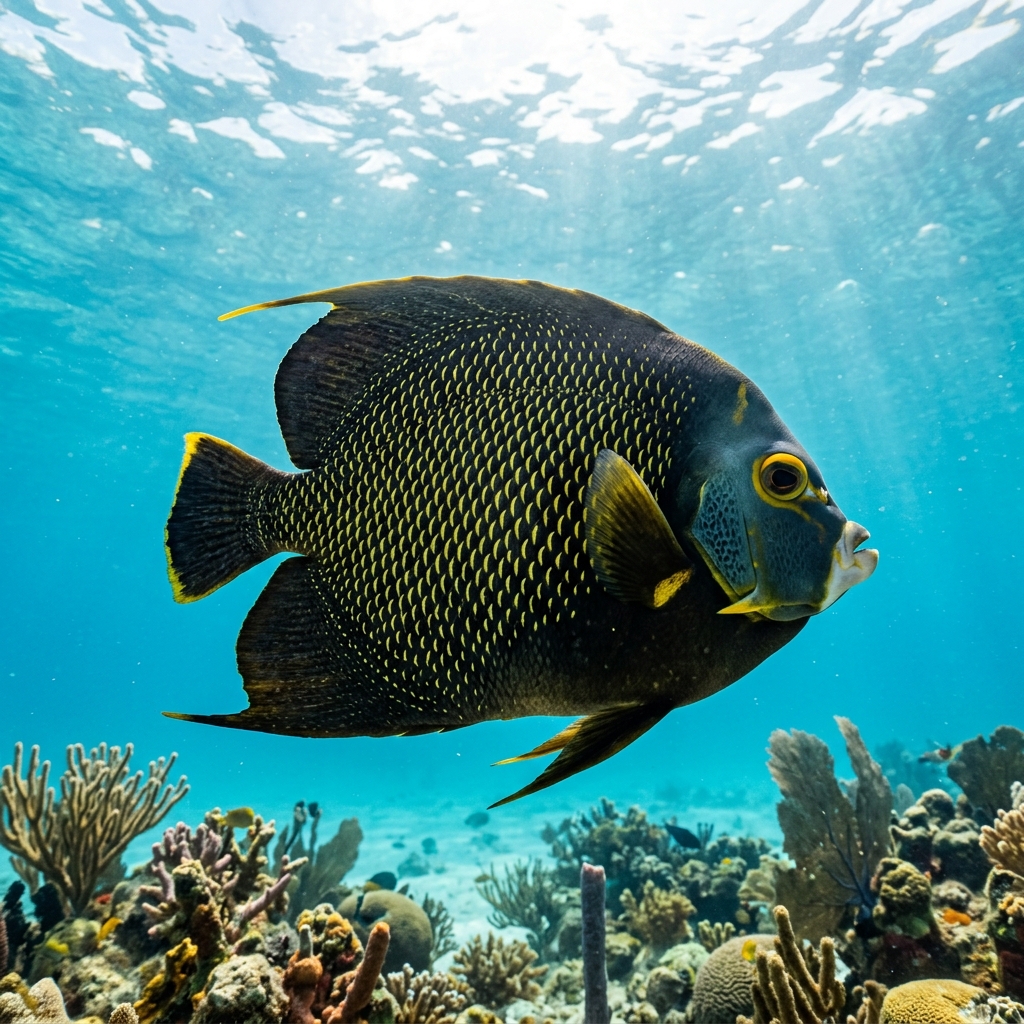
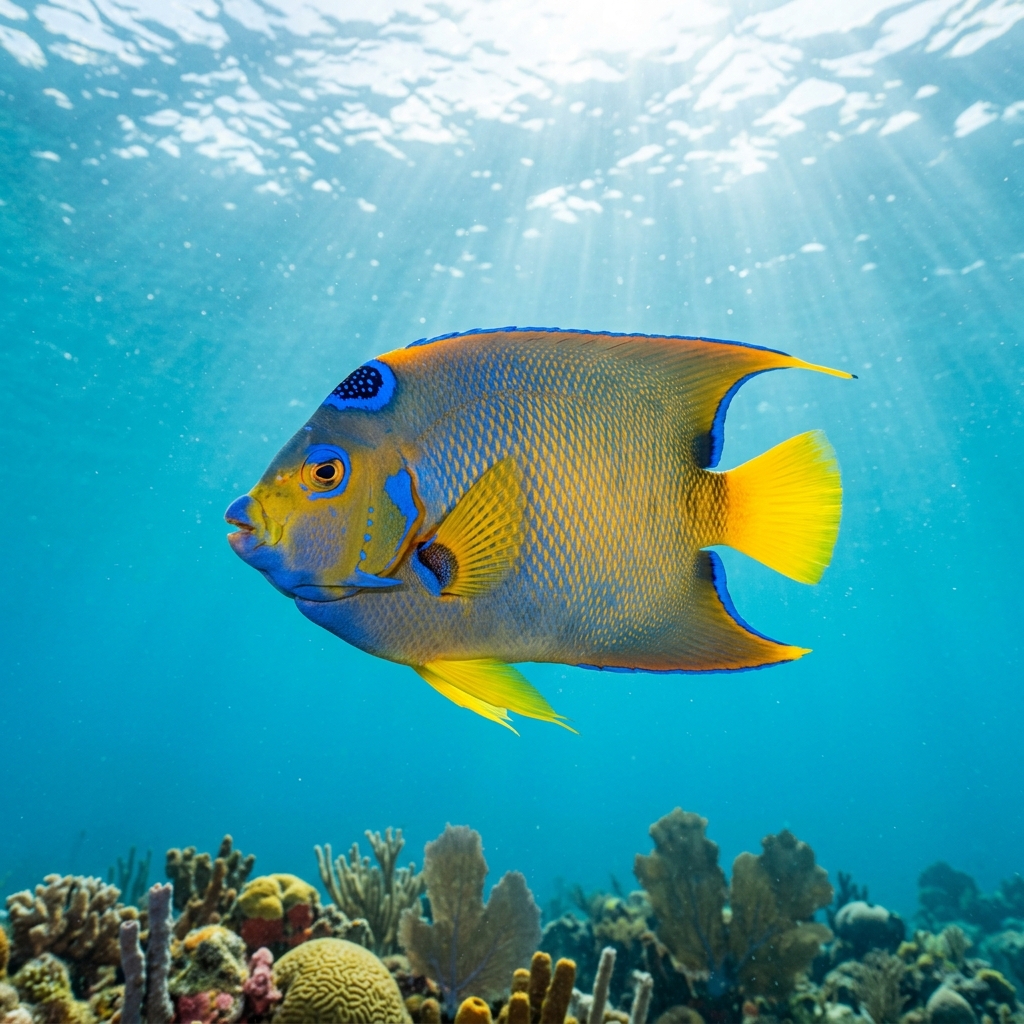
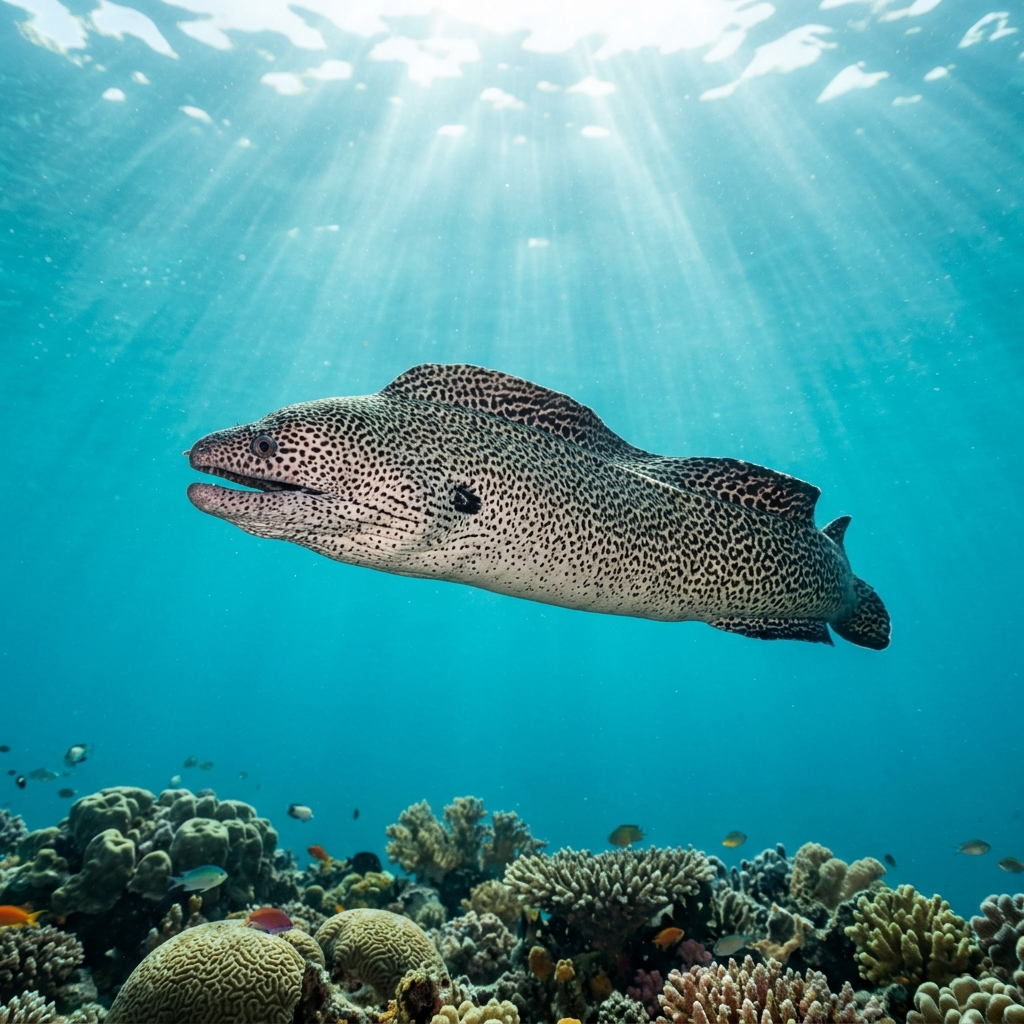
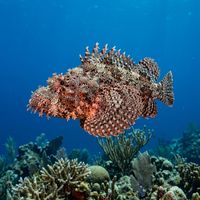
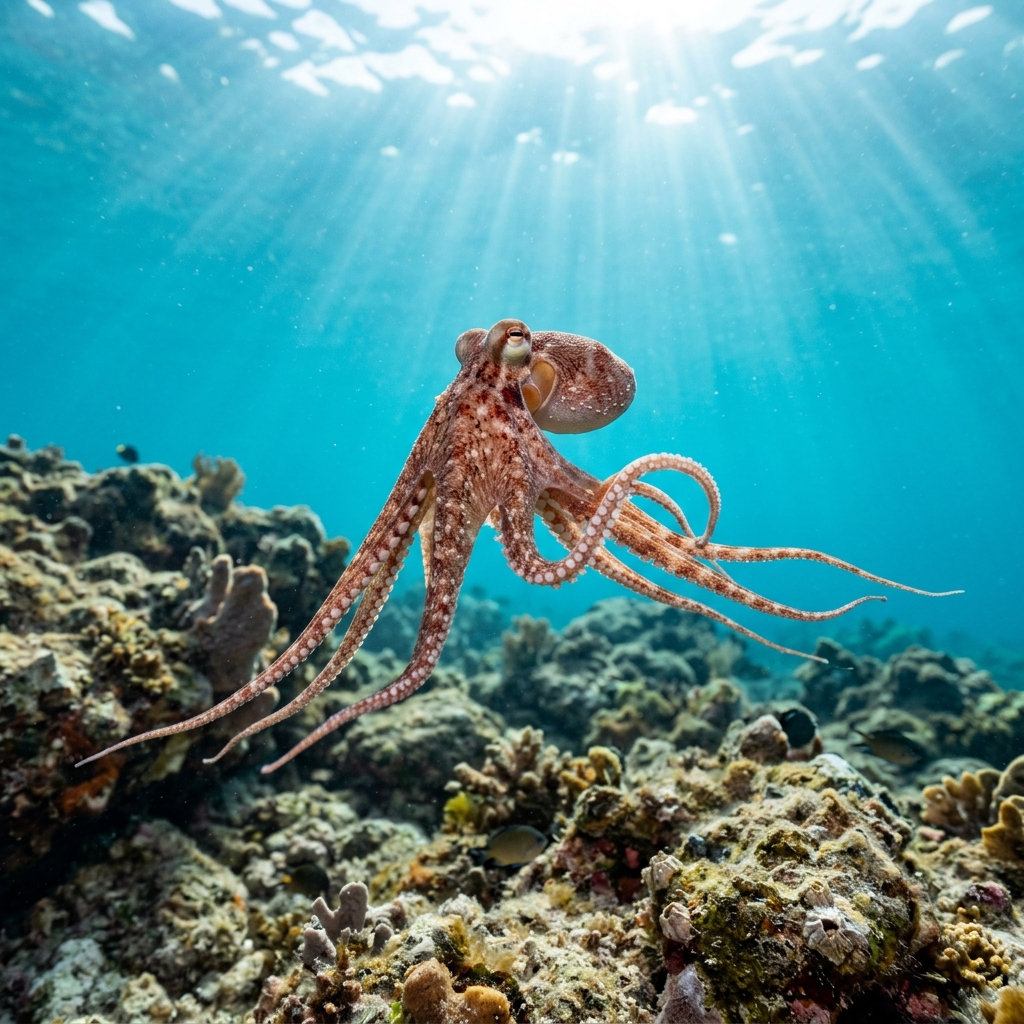
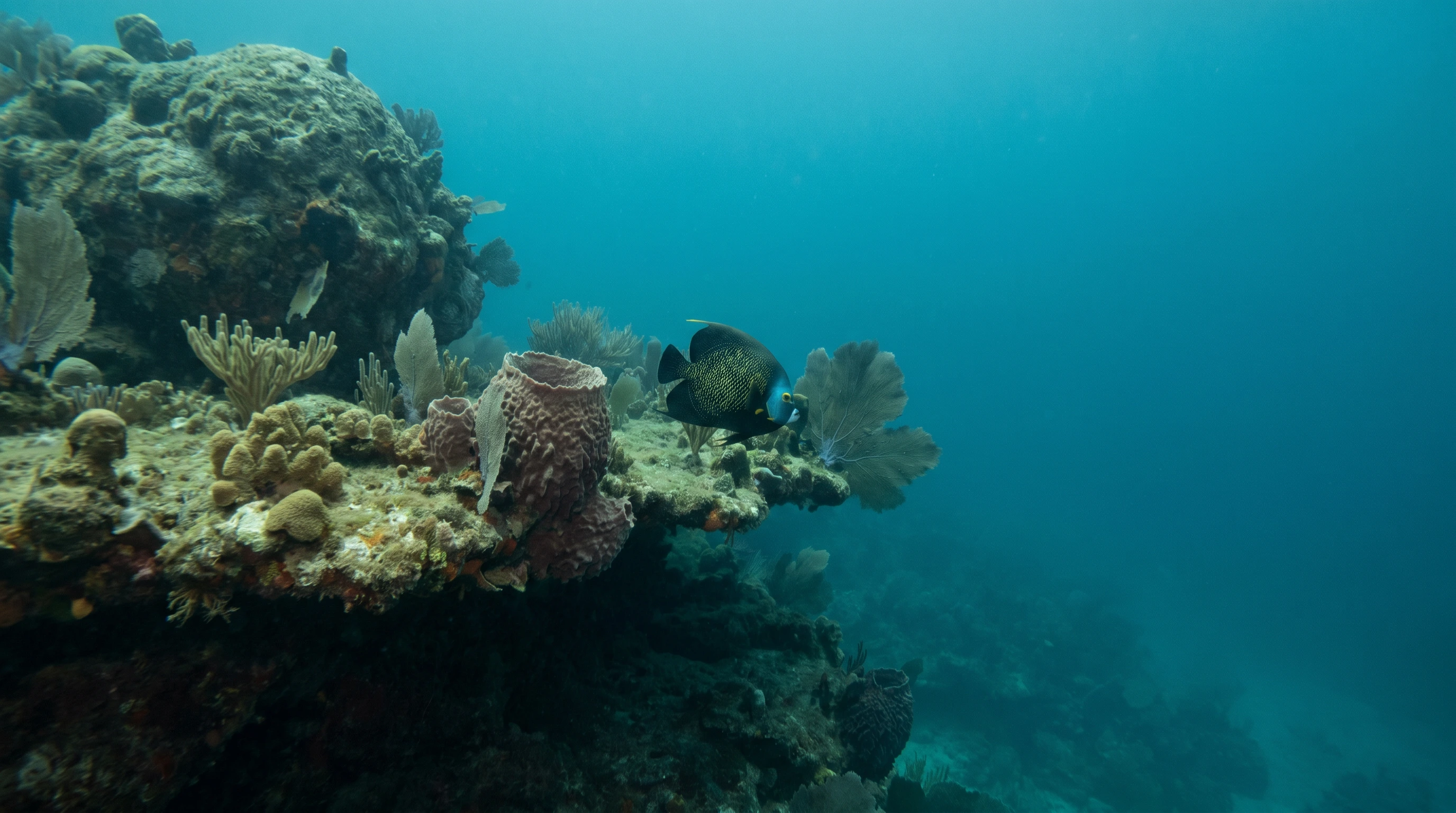
Nurse Shark is the most frequently observed species across sites, and Atlantic Goliath Grouper appears at a majority of them. Divers also commonly encounter Great Barracuda, French Angelfish, Queen Angelfish, Gray Angelfish, Spotted Moray, Spotted Scorpionfish, Atlantic Longarm Octopus, and Frogfish. Caribbean Spiny Lobster and Honeycomb Cowfish round out a diverse cast of reef residents.
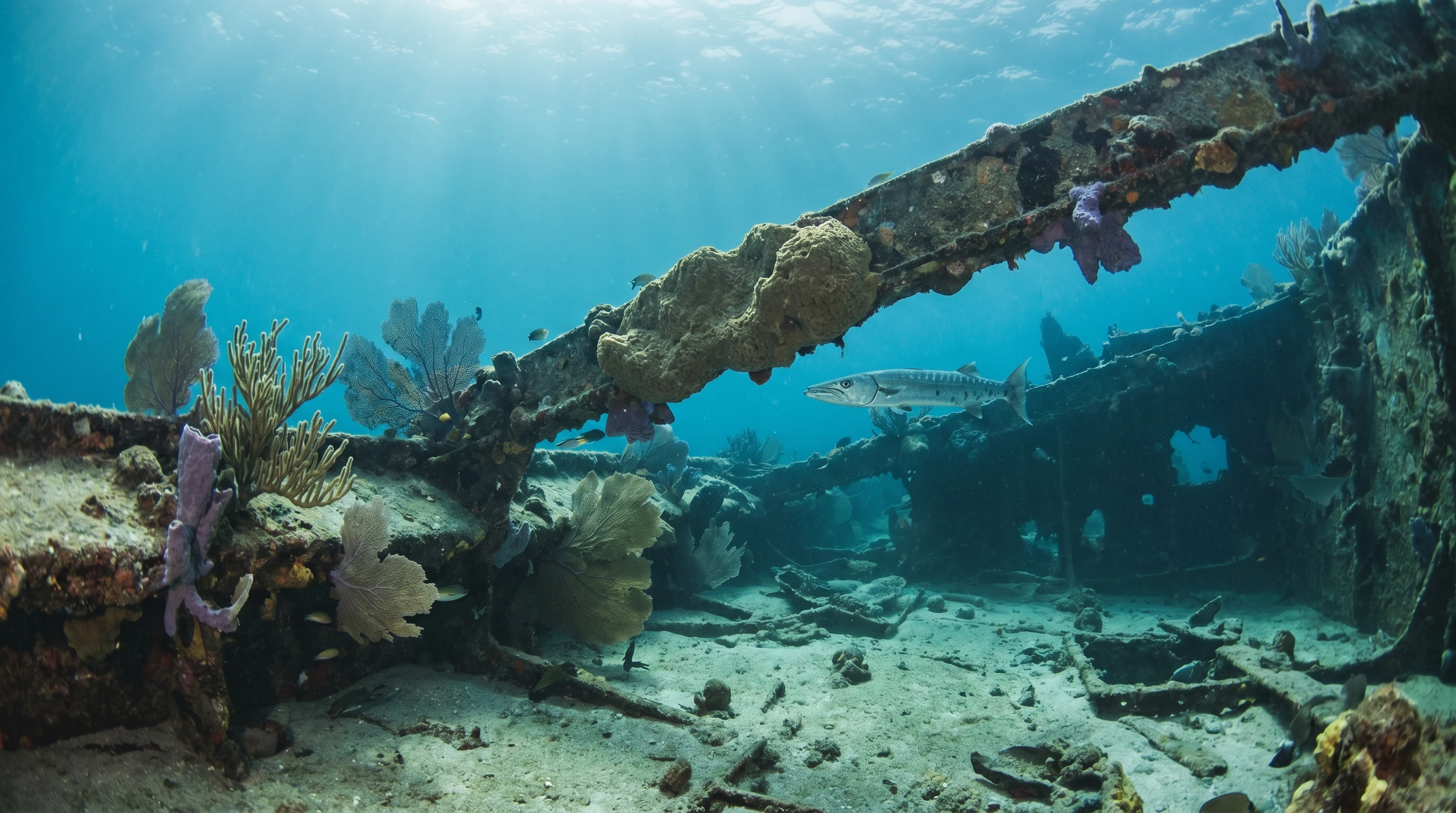
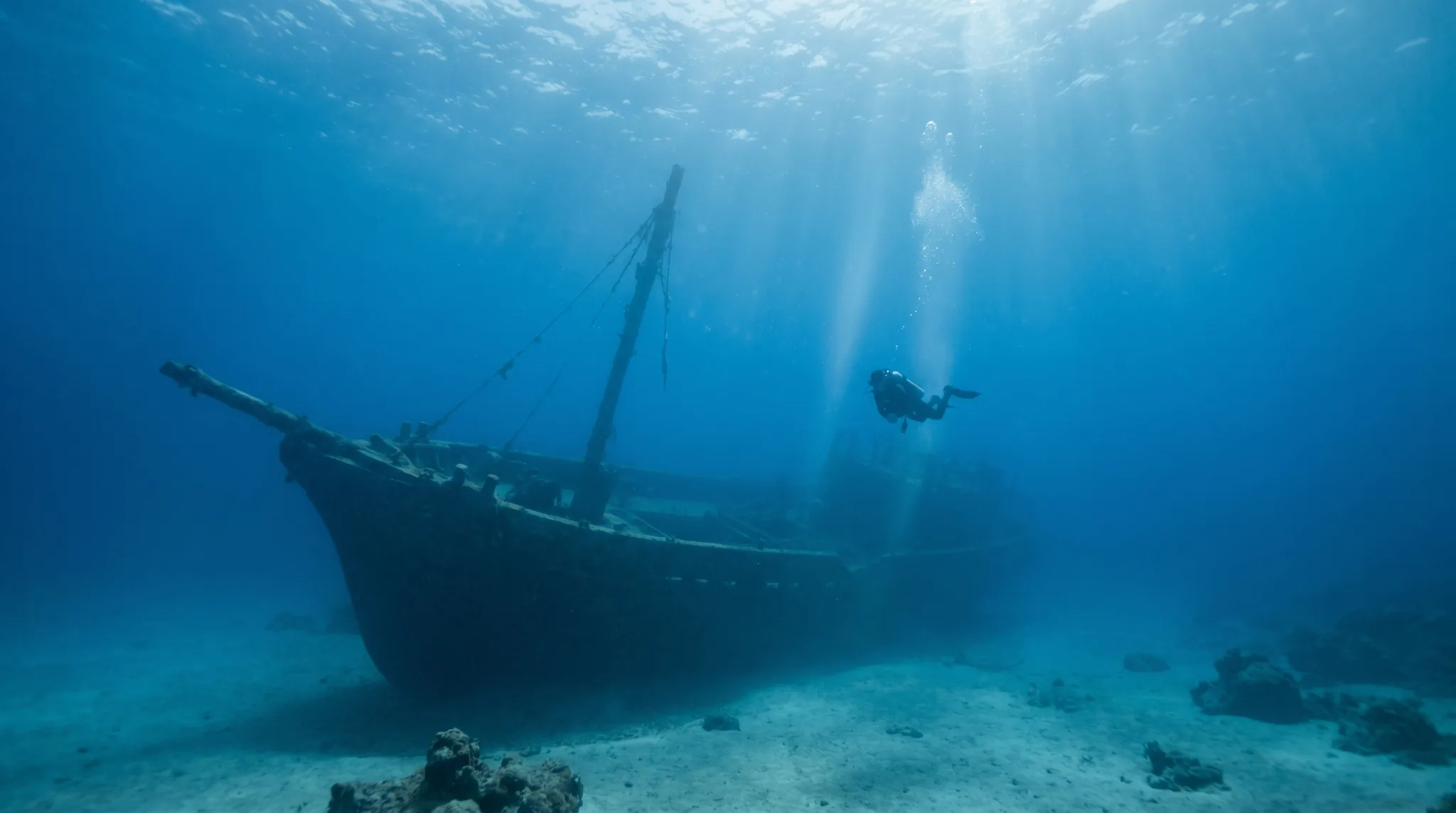
The majority of sites are rated for beginners, including shallow boat dives like Ballantine Reef and Drifting Spot, as well as the popular shore entry at Blue Heron Bridge. Drift diving features at several sites, so beginners should have at least basic comfort with current. A handful of deeper wrecks, including Princess Anne and The Corridor, are designated advanced.
The large majority of sites are boat-access only, served by a strong selection of local operators including Pura Vida Divers, Force-E Riviera Beach, and Brownie's Palm Beach Divers among others. Shore diving is available at Blue Heron Bridge, Pink House, and Worth Avenue Pier Debris, making those sites convenient for independent divers without a charter.
Blue Heron Bridge is the island's primary shore dive and combines artificial reef, natural reef, wreck, and muck environments in a single accessible site. It is rated for beginners and spans a wide depth range from very shallow to moderate. The muck element makes it particularly productive for spotting camouflaged and cryptic species such as Frogfish and Shortnose Batfish.