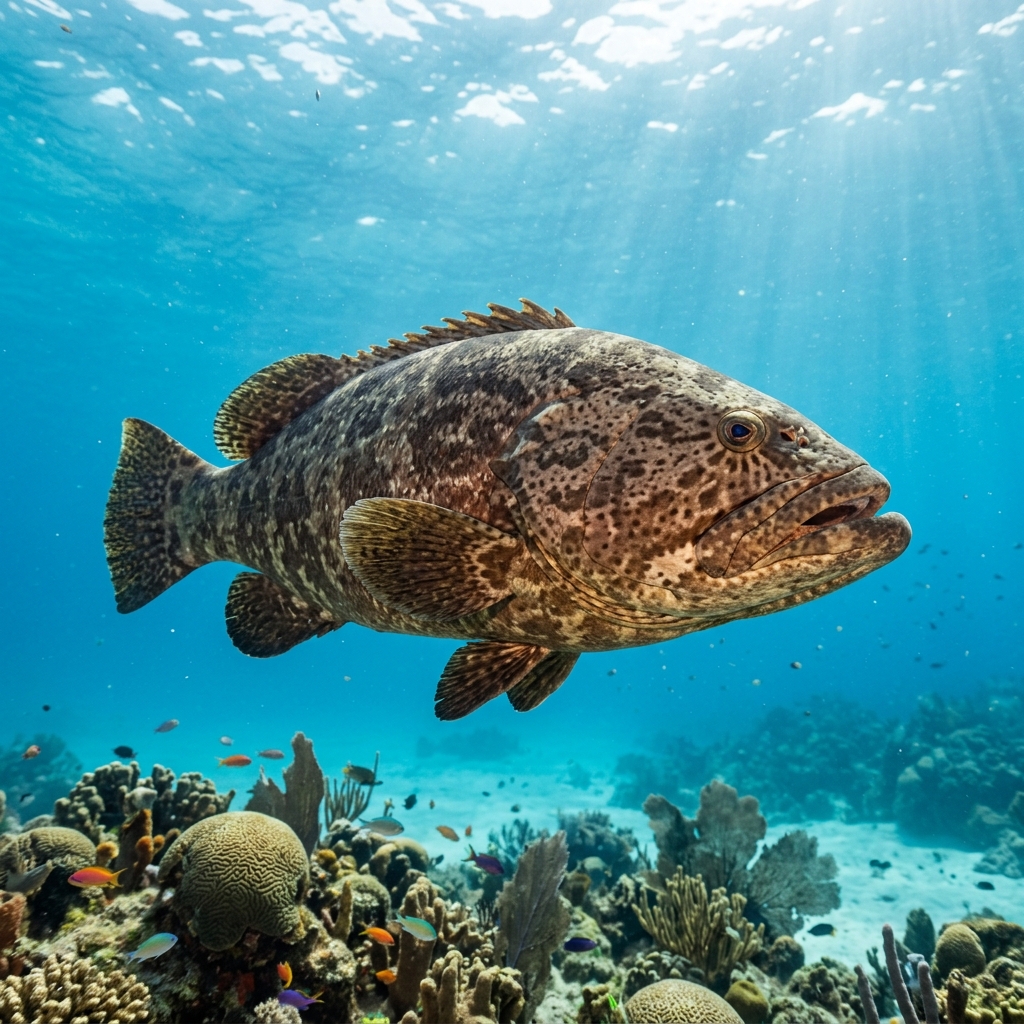
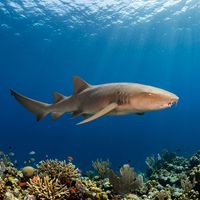
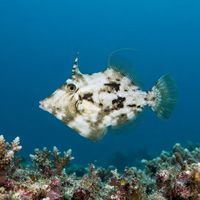
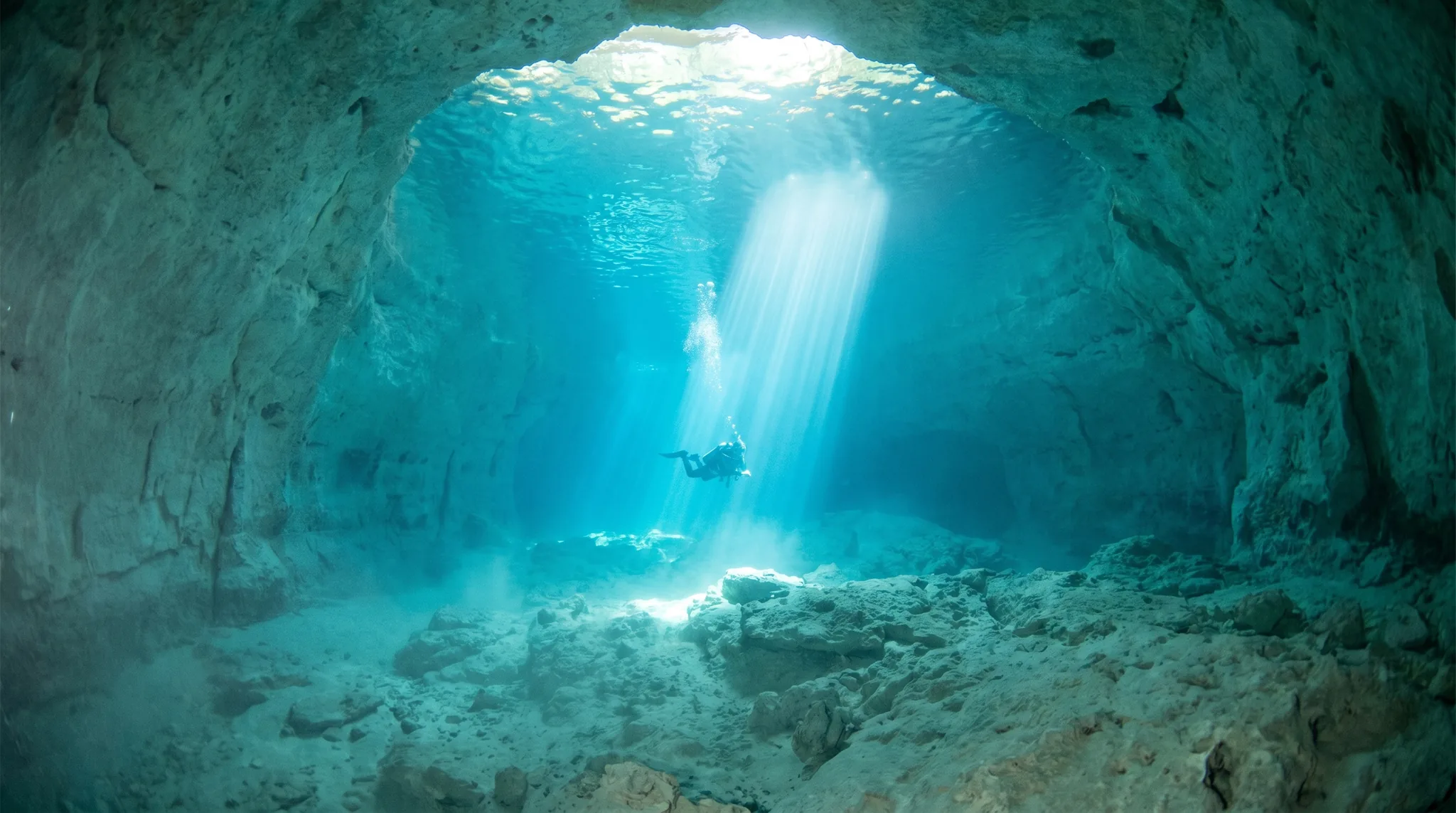
Panama City Beach divides neatly into offshore wrecks and inshore artificial reefs, giving divers a structured choice between deeper, more exposed dives and shallower, accessible sites closer to shore. Decommissioned vessels such as the USS Strength and USS Chickasaw sit alongside bridge spans and sculptural installations like the Underwater Museum of Art. Freshwater springs, including Vortex Springs and Morrison Springs, add a cave and cavern dimension rarely found alongside saltwater diving. Signature encounters include the Atlantic Goliath Grouper, Nurse Shark, and the peculiar Shortnose Batfish.
2 areas
Monthly water temperature across Panama City Beach's sites, from satellite sea-surface data corrected for depth. The band shows the site-to-site spread.
Water temperatures follow a clear seasonal curve, rising from cool winter lows through spring and peaking in summer, then easing back through autumn. Spring and autumn attract the most diver activity, offering comfortable water without the peak summer heat. Inshore sites remain diveable year-round, while offshore wrecks are best approached when calmer conditions prevail in the shoulder months.
11 operators
United States
United States
30 more sites to explore
 14
14Artificial reefs and sunken vessels off Panama City Beach, with Atlantic Goliath Grouper and Nurse Shark among the documented sightings.
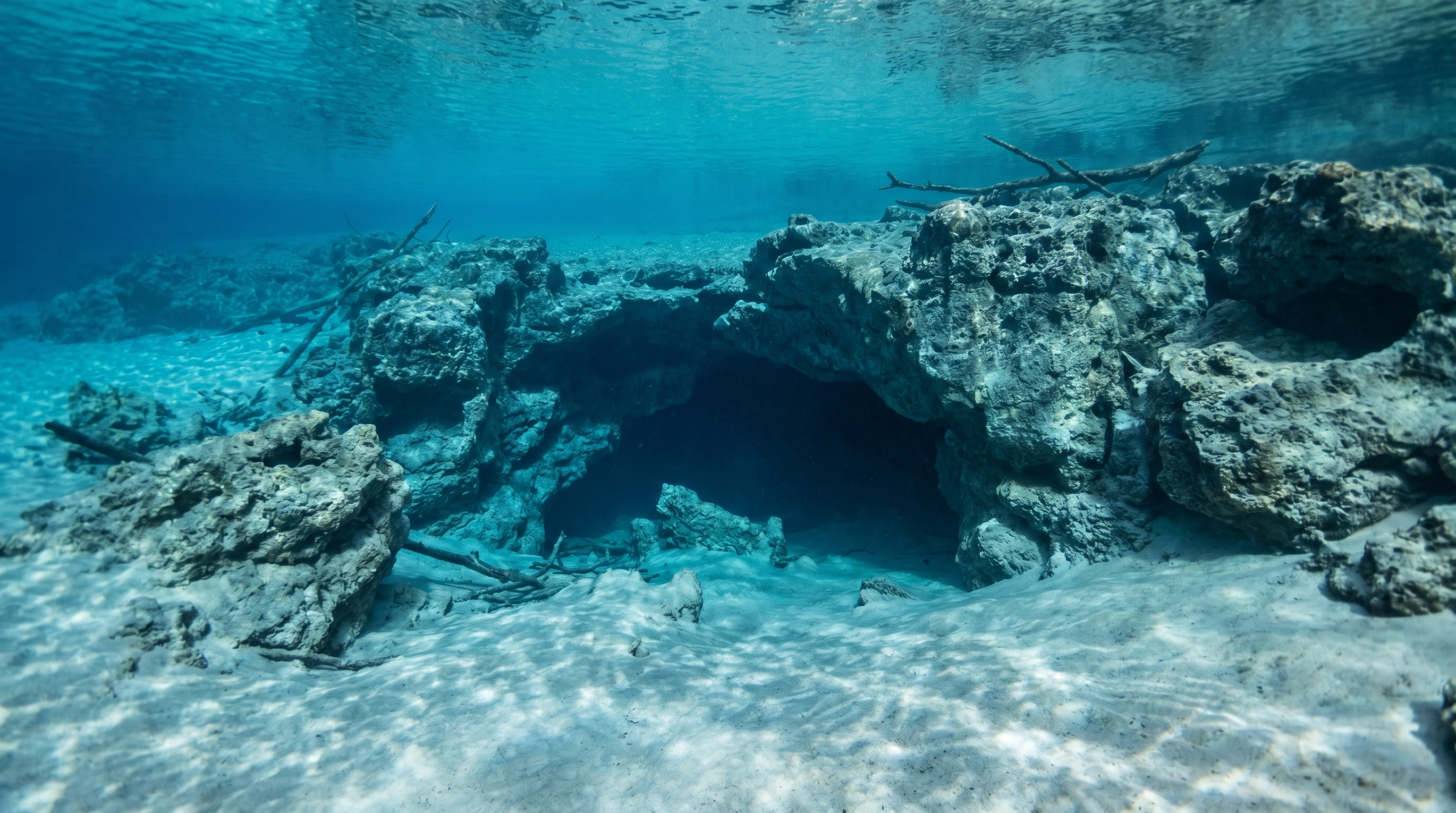
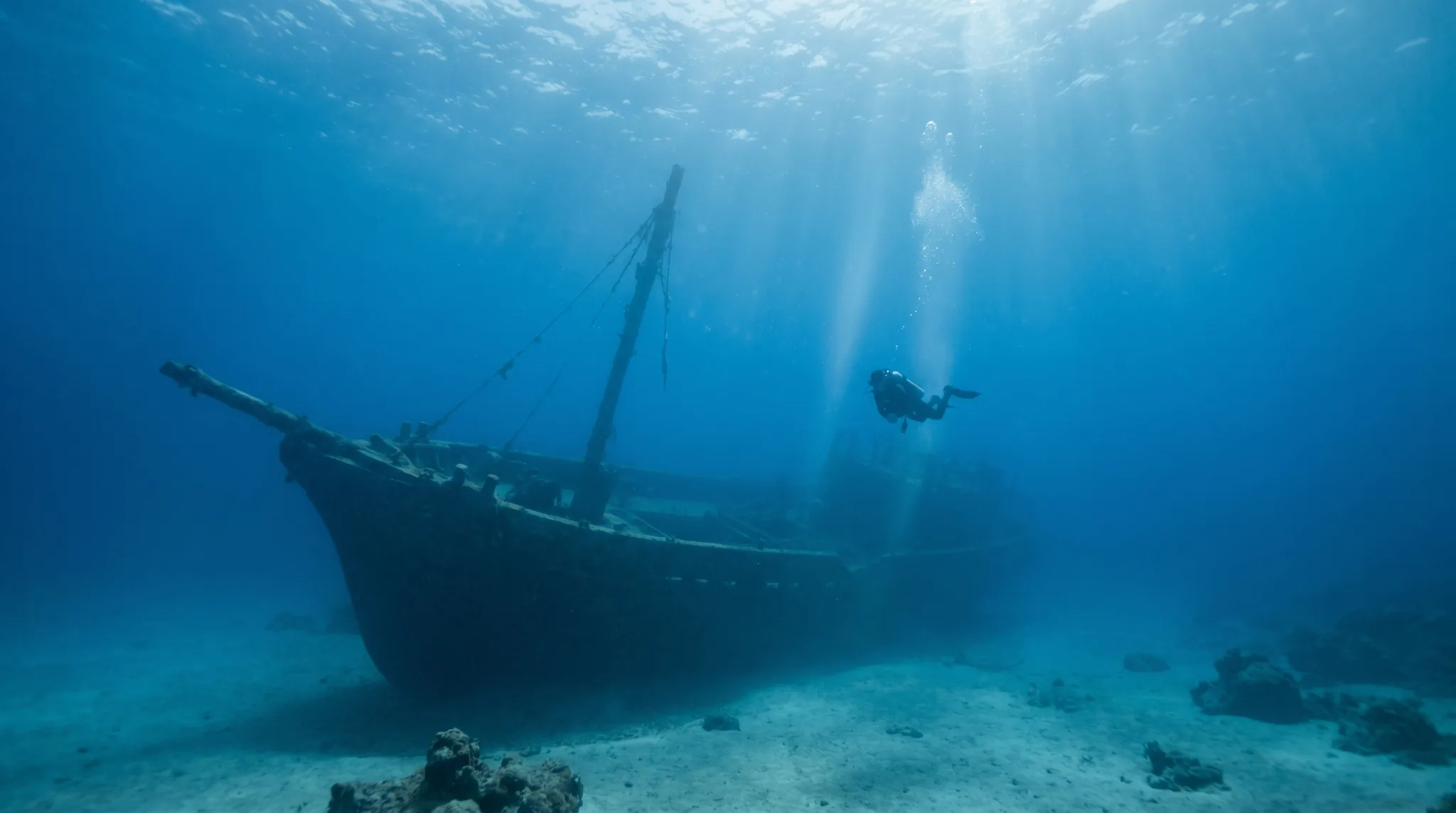
Water temperature around Panama City Beach ranges from about 17°C in January to 28°C in August, based on satellite sea-temperature data for its dive sites.
In the warm season (about 28°C) a rash guard or 3mm shorty is comfortable in Panama City Beach; in the coldest months (about 17°C) step up to a 7mm or semi-dry suit.
Fin maps 42 sites in Panama City Beach (40 scuba diving sites and 5 snorkelling spots, with some suited to both), organised into 2 areas.
Across Panama City Beach's dive sites, March, April, May, September, October and November are most often reported as the best months to visit.
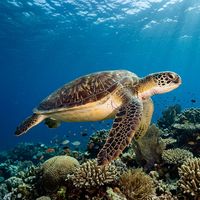
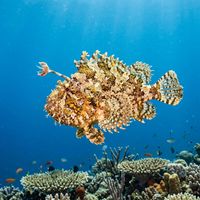
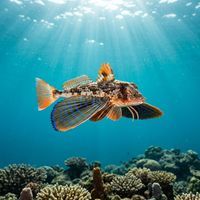
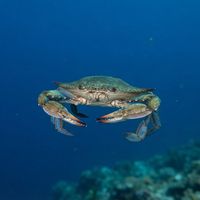
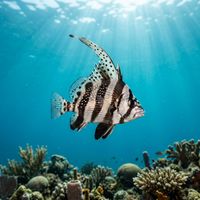
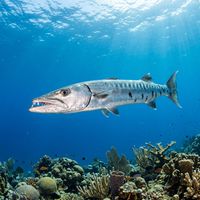
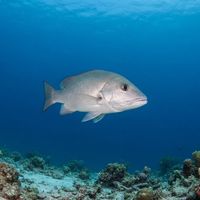
Observation-backed sightings include the Atlantic Goliath Grouper, Green Sea Turtle, Nurse Shark, Spotted Scorpionfish, Shortnose Batfish, and Sargassum Fish. Common species across many sites include Sea Hare and Pigfish, while occasional encounters with Great Barracuda, Spotted Eagle Ray, and Flying Gurnard add variety. The artificial reef structures concentrate Gray Snapper, Atlantic Spadefish, and Cocoa Damselfish in good numbers.
The Inshore Artificial Reefs sub-area sits closer to shore and generally offers shallower, more sheltered conditions, making it well-suited to newer divers. The Offshore Wrecks sub-area places divers on deeper sites with more exposure, requiring boat access and, for several sites, intermediate skills. Both sub-areas contain a similar number of sites, so there is plenty to explore at either level.
A good proportion of the sites are rated beginner level, including shore-entry freshwater springs such as Vortex Springs and Morrison Springs, as well as many inshore artificial reef and bridge span sites. Some offshore wrecks, including the USS Chickasaw and Tug Boat Janet, are graded intermediate, and Jackson Blue Springs carries an advanced rating due to its extensive cave system. There is a clear progression path from sheltered springs through to deeper offshore wrecks.
Both options exist. Shore entry is available at Vortex Springs, Morrison Springs, and St. Andrews Jetties, covering a range of environments from freshwater cave systems to artificial reef structures. The majority of sites, particularly the offshore wrecks and deeper artificial reefs, require boat access. Operators including Panama City Diving, Panama City Dive Center, Steel Slinger Dive Charters, and Dive Locker run regular charter trips to these sites.