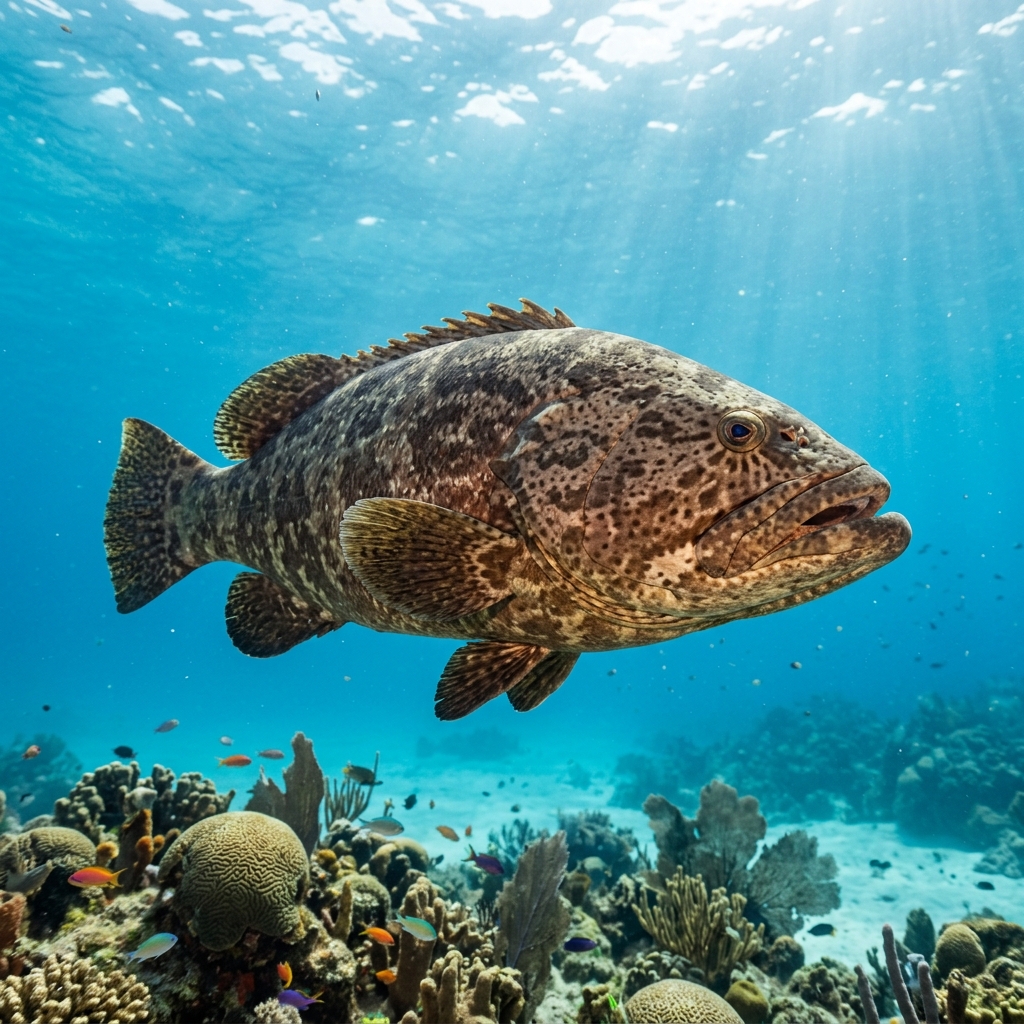
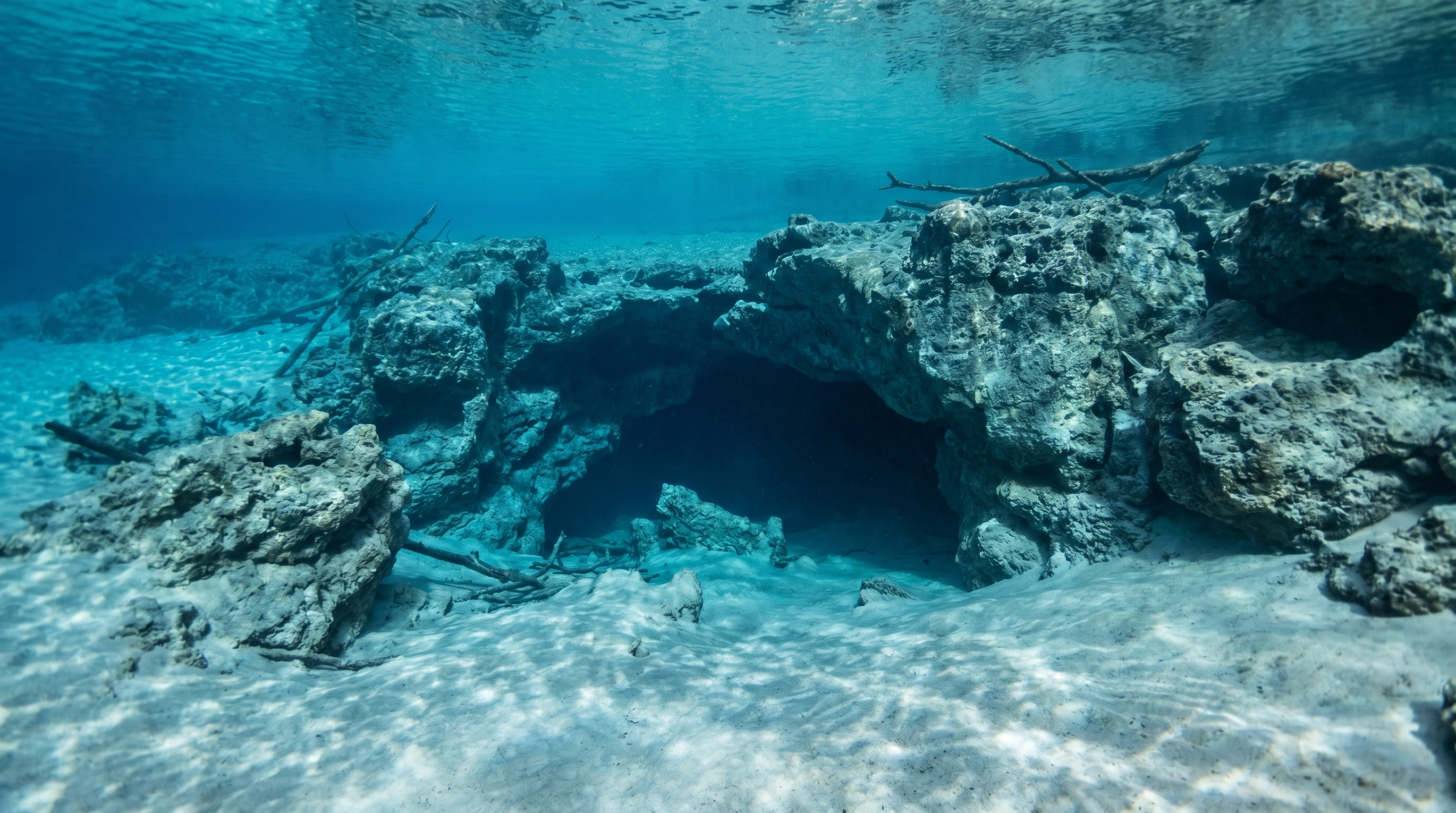
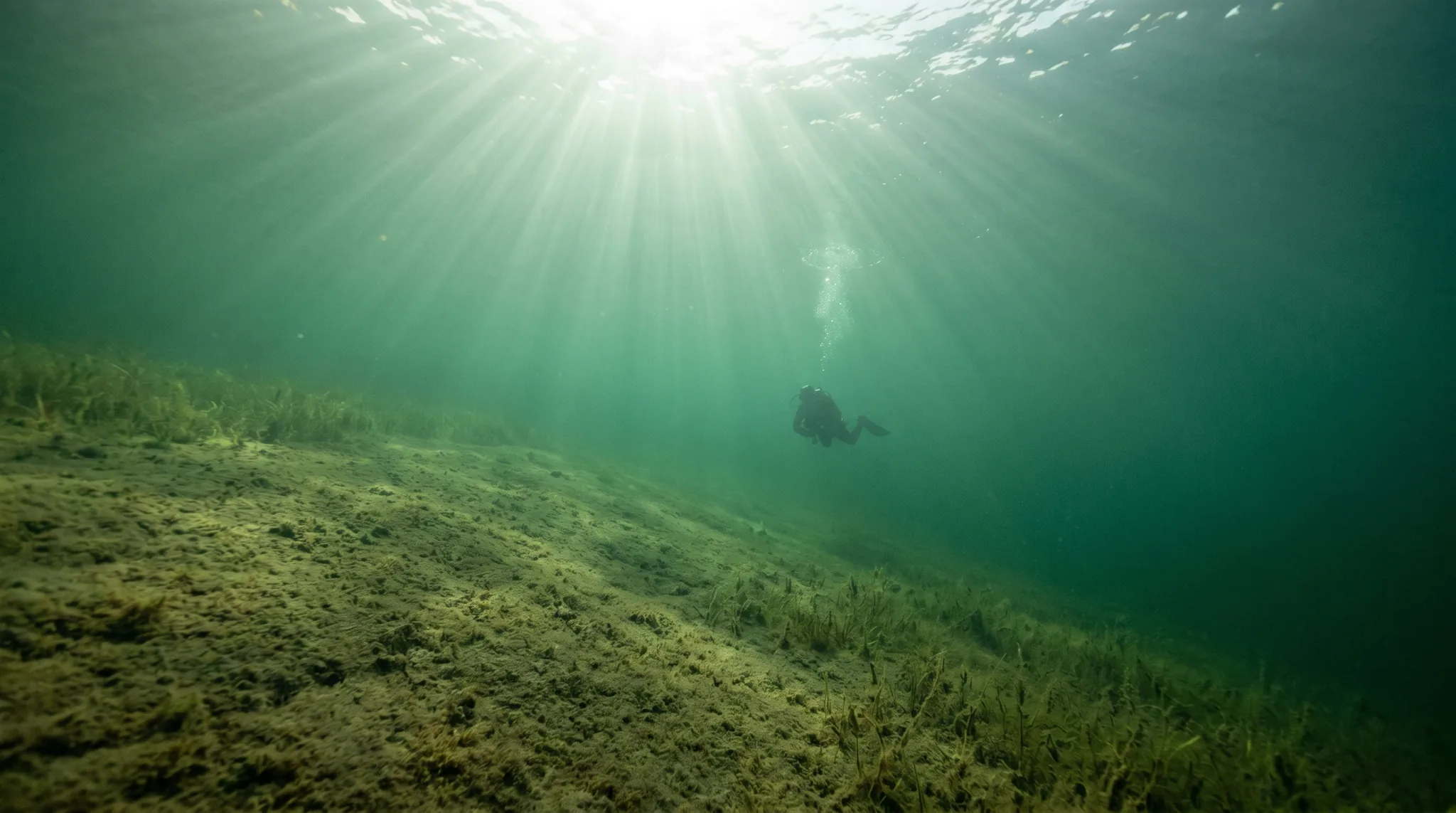
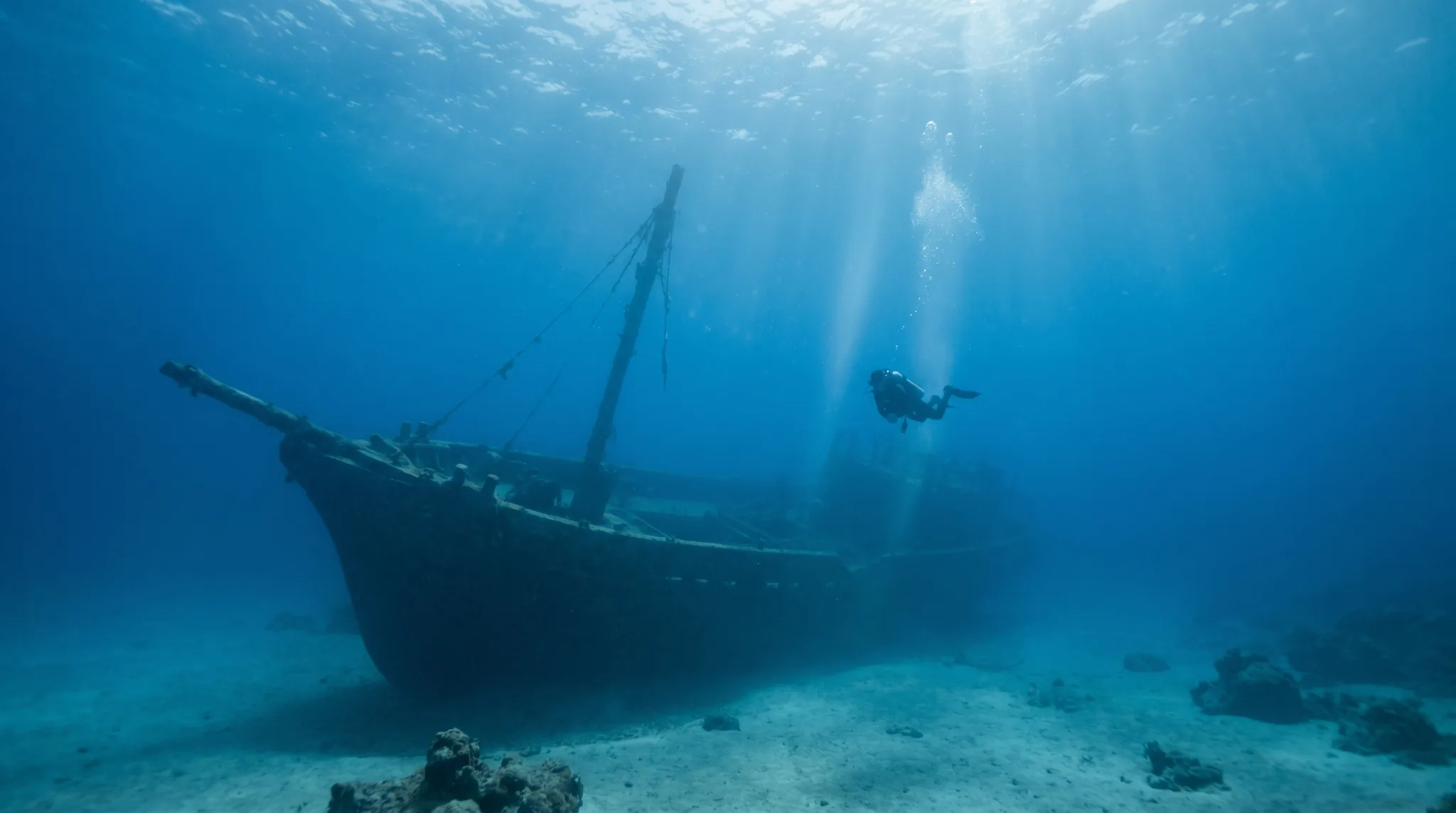
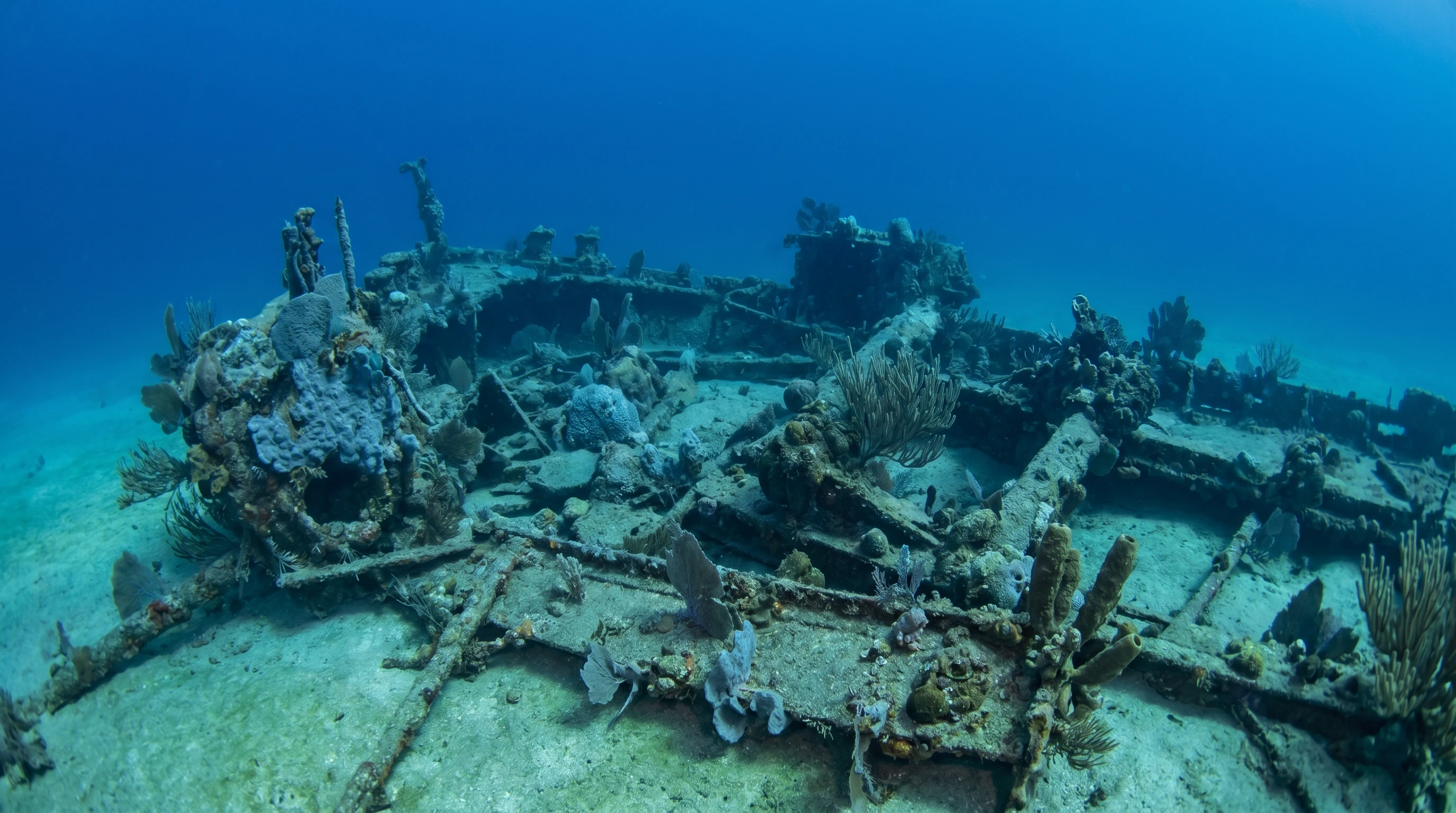
Pensacola's underwater character is defined by an extensive network of artificial reefs and deliberately sunk wrecks, from shallow shore-accessible structures suited to beginners through to deep offshore wrecks requiring advanced certification. The Panhandle's warm summer waters bring peak conditions, while cooler months still offer rewarding diving. Signature encounters include the Atlantic Goliath Grouper, Green Sea Turtle, Whale Shark, and multiple shark species, all observed regularly across the site mix.
Monthly water temperature across Pensacola's sites, from satellite sea-surface data corrected for depth. The band shows the site-to-site spread.
Water temperature rises steadily from spring into summer, peaking in August before easing through autumn, making May through October the most comfortable period for extended dives. The warmest months coincide with peak marine life activity, including Whale Shark encounters. Winter and early spring water is noticeably cooler, though offshore wreck diving remains viable for those prepared for the conditions.
21 operators
Warrington, United States

United States
50 more sites to explore
Water temperature around Pensacola ranges from about 17°C in February to 28°C in August, based on satellite sea-temperature data for its dive sites.
In the warm season (about 28°C) a rash guard or 3mm shorty is comfortable in Pensacola; in the coldest months (about 17°C) step up to a 7mm or semi-dry suit.
Fin maps 62 sites in Pensacola (61 scuba diving sites and 10 snorkelling spots, with some suited to both).
Across Pensacola's dive sites, May, June, July, August and September are most often reported as the best months to visit.
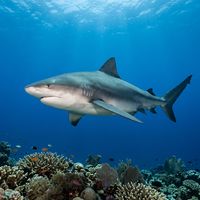
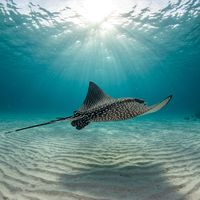
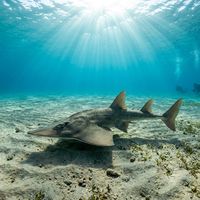
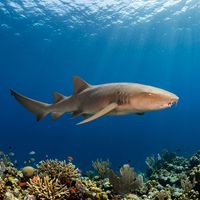
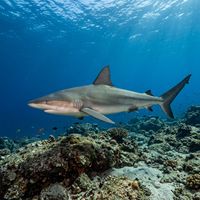
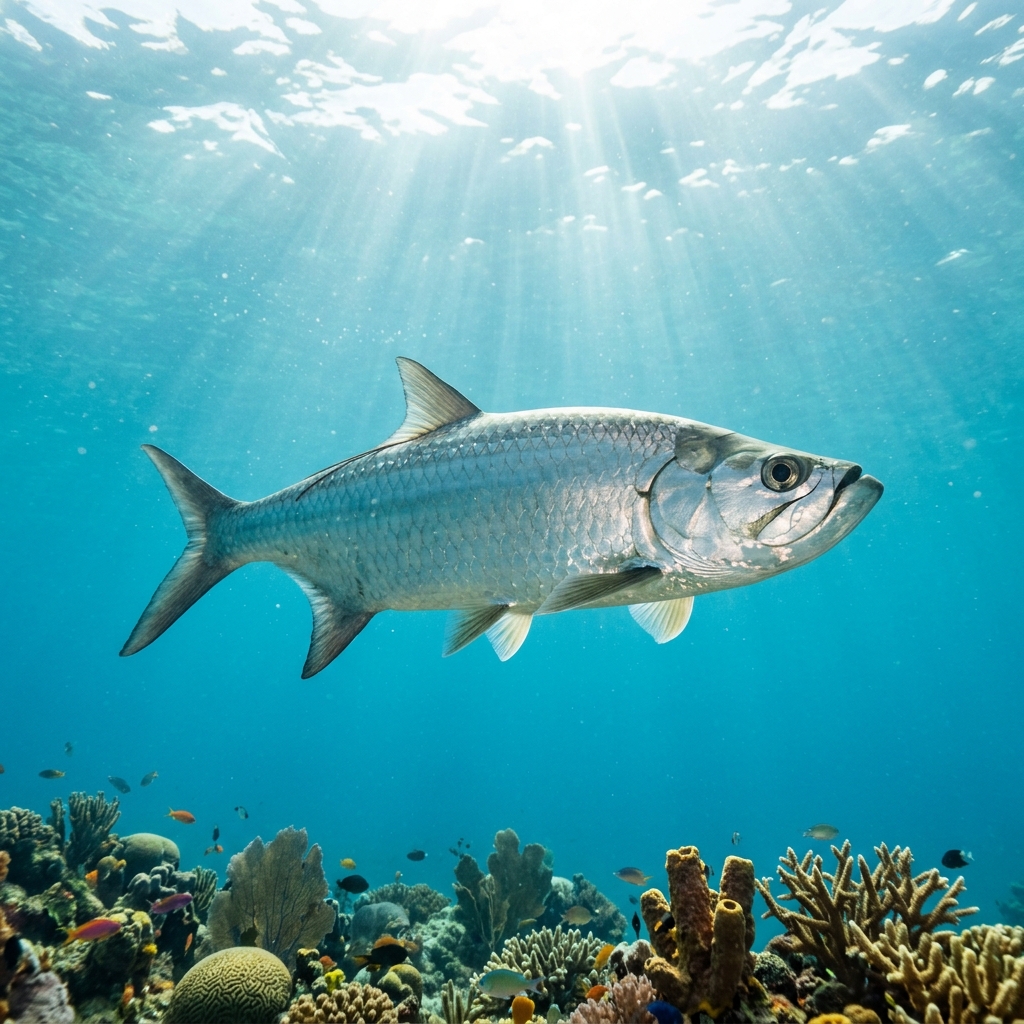
Pensacola's wrecks and artificial reefs are well known for Atlantic Goliath Grouper and Green Sea Turtle sightings, both observed commonly across the site network. Whale Shark and Loggerhead Sea Turtle are also regularly encountered, alongside Nurse Shark, Sandbar Shark, Bull Shark, and Spotted Eagle Ray. Guitarfish, Atlantic Tarpon, and Spadefish round out a notably varied roster of larger species.
Yes, several sites cater specifically to beginner divers. Destin Jetties and Destin East Jetty are shore-accessible artificial reefs with shallow maximum depths, while SR Access 2 is a very shallow shore entry ideal for building confidence. Joe Patti Reef and the Whiskey Wreck are also rated beginner-friendly, with the Whiskey Wreck reachable from both shore and boat in very shallow water.
Nearshore sites like Destin East Jetty and the Whiskey Wreck offer easy access, shallow depths, and a mix of natural and artificial reef structure. The offshore wrecks, including the Anteres, Avocet, Brass Wreck, and Chevron Rig, sit in significantly deeper water and require boat access and advanced certification. These deeper sites offer more complex wreck structures and tend to attract larger pelagic species.
Pensacola has a well-developed operator infrastructure, with options including Shark Quest Dive Shop, Dive Pros, Bay Breeze Dive Center, Scuba Shack, Down Under Dive Shop, MBT Divers, Niuhi Dive Charters, Florida Dive Pros, and BlueWater Divers, among others. Most run boat charters to offshore wrecks as well as guiding divers to shallower shore sites, so there are options to suit most experience levels and trip styles.