Carcharhinus leucas
Spot bull sharks in Florida, Queensland, and Fiji reefs year-round in warm 23-29 °C water. Here's where divers actually log them.
Safety warning
Bull sharks are listed among the shark species most frequently involved in unprovoked incidents with humans, partly because they share shallow coastal and river habitats with people. Underwater, maintain a respectful distance, keep movements slow and predictable, and never attempt to feed or touch them. Avoid diving at dawn, dusk, or night when they are most actively hunting, and exit the water calmly if one shows sustained interest or begins tightening its patrol circle.
If you're bitten
BiteGeneral first-aid guidance, not a substitute for professional medical care. In an emergency, call your local emergency number.
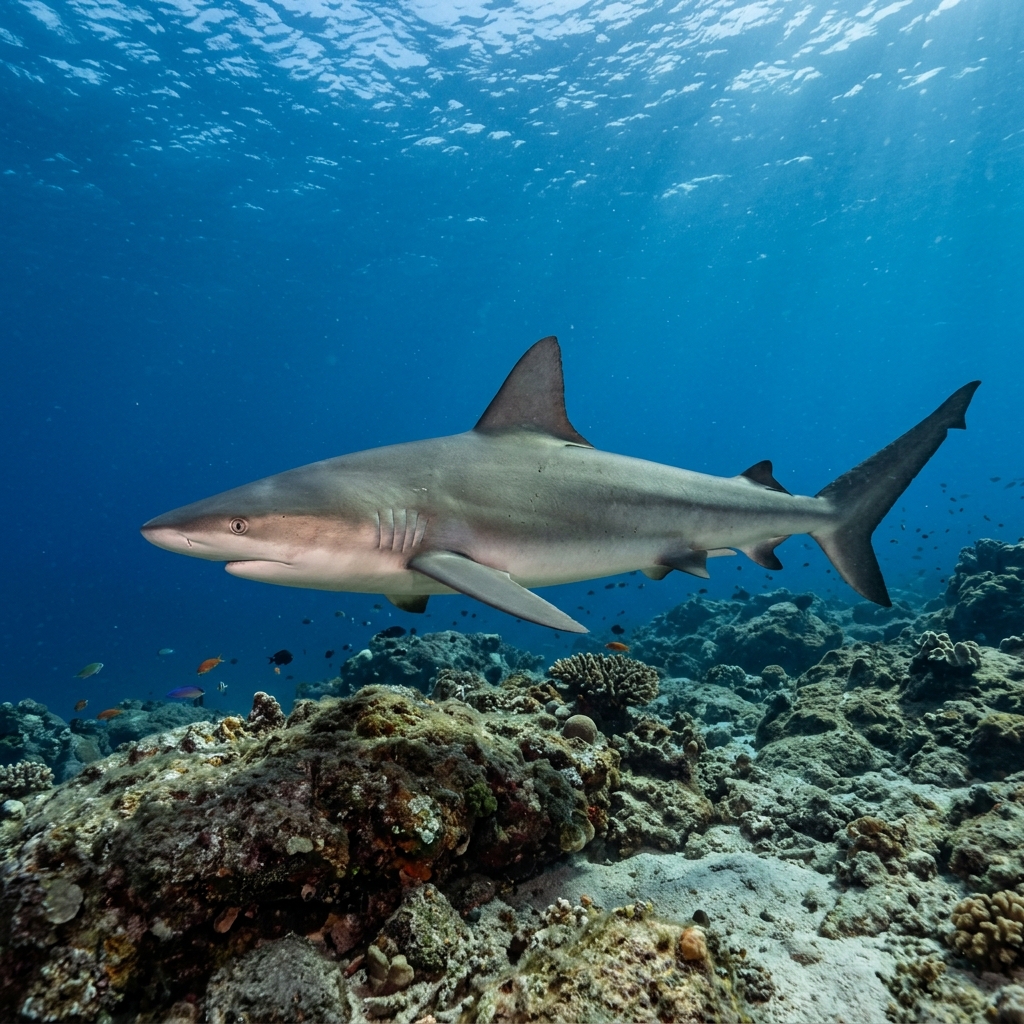
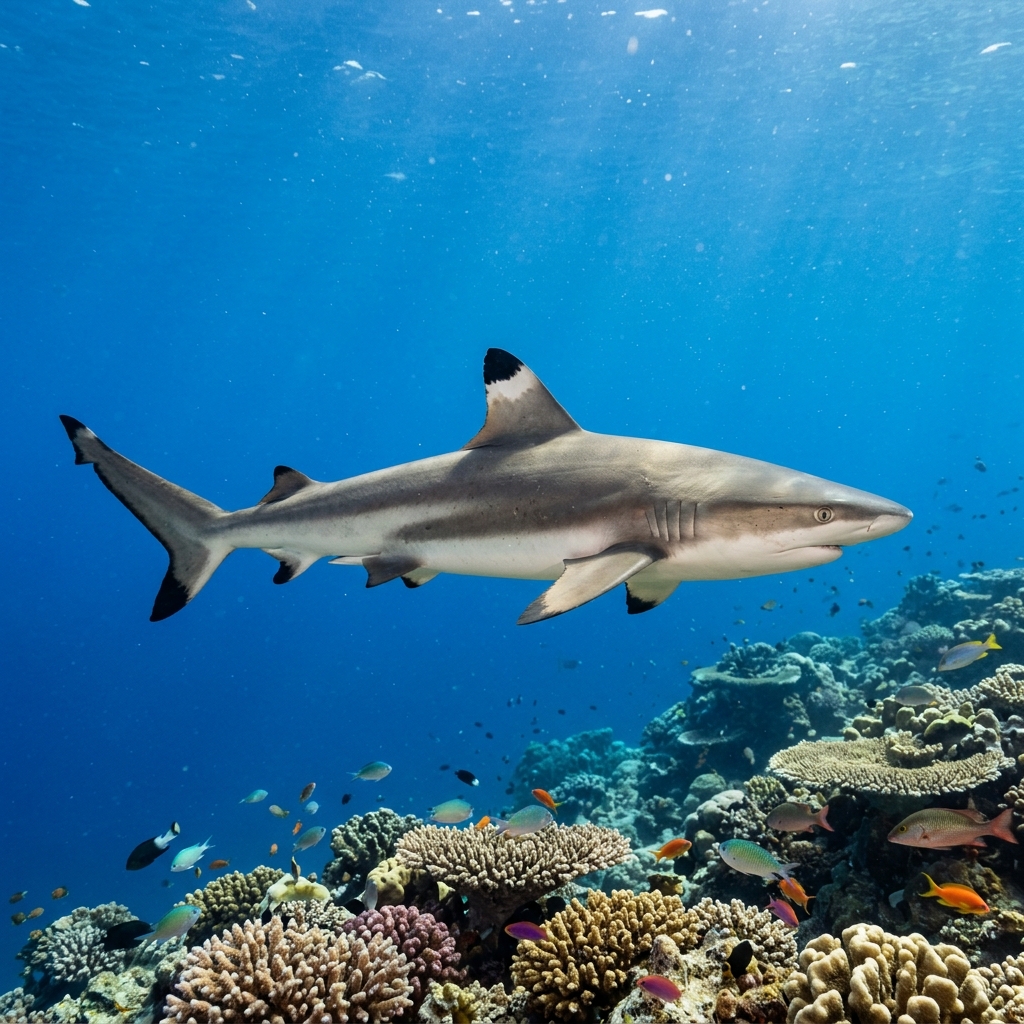
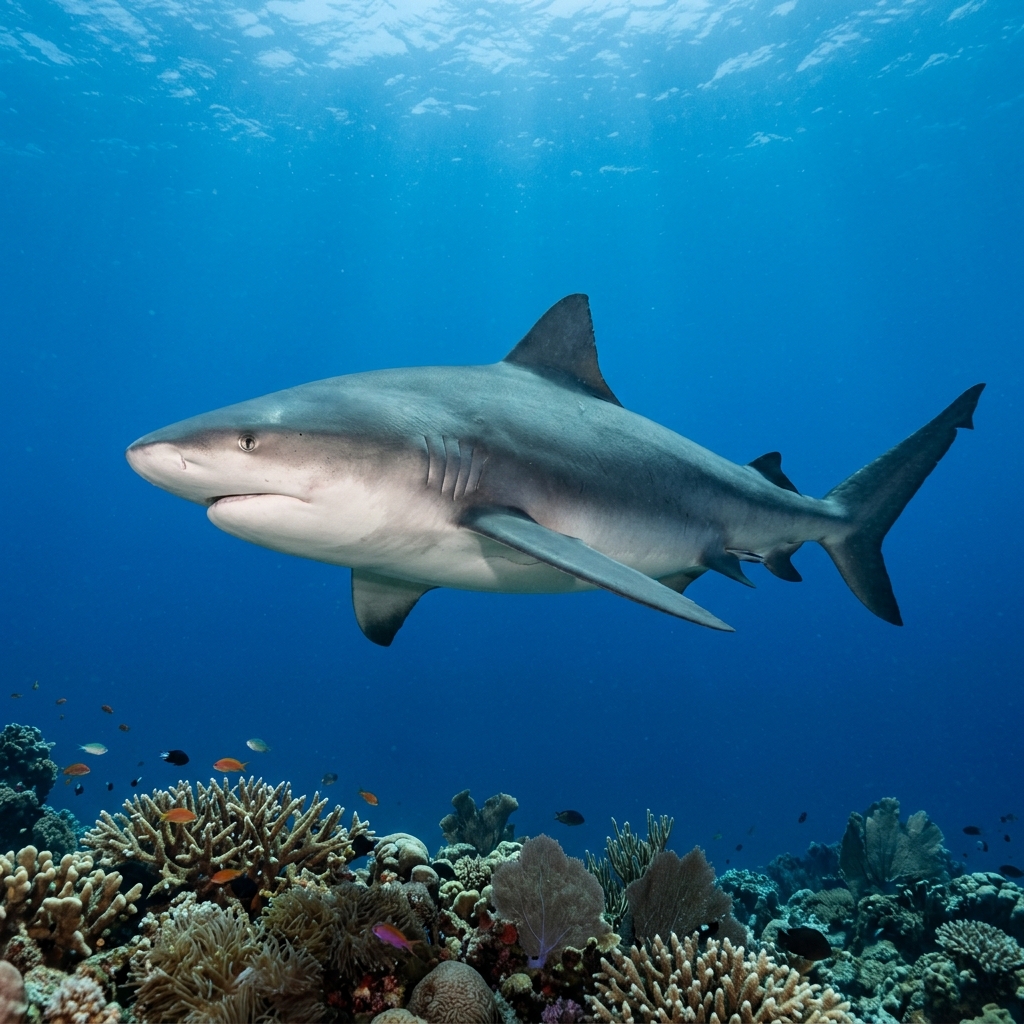
A heavy, stocky build and a distinctively broad, blunt snout set this shark apart from most reef species you'll encounter. Colouration is grey above and pale to white on the belly, with no obvious patterning. It typically exceeds 2.5 metres, and females are noticeably bulkier and longer than the slimmer males. The combination of sheer girth, short snout, and relatively small eyes makes it unmistakable once you know what to look for.
Expect to see them patrolling reef edges or cruising mid-water with a slow, deliberate roll, often appearing more curious than actively defensive. They are crepuscular hunters (most active at dawn and dusk), so early morning or late-afternoon dives give you the best chance of an encounter. They tend to hold their ground when approached but will alter course to look you over; give them space and avoid sudden lateral movements.
Bull sharks are one of the few sharks capable of osmoregulation (adjusting their body chemistry to survive in fresh water), allowing them to travel far up rivers and into lakes. They have been recorded hundreds of kilometres inland in major river systems, which broadens their range far beyond any reef.
Sighting data shows no clear seasonal peak, so encounters are possible year-round wherever conditions suit. The species is comfortable in the 23-29 °C water typical of tropical and subtropical reefs, meaning warm-water destinations like Queensland, Fiji, and the Caribbean can all produce sightings in any month.
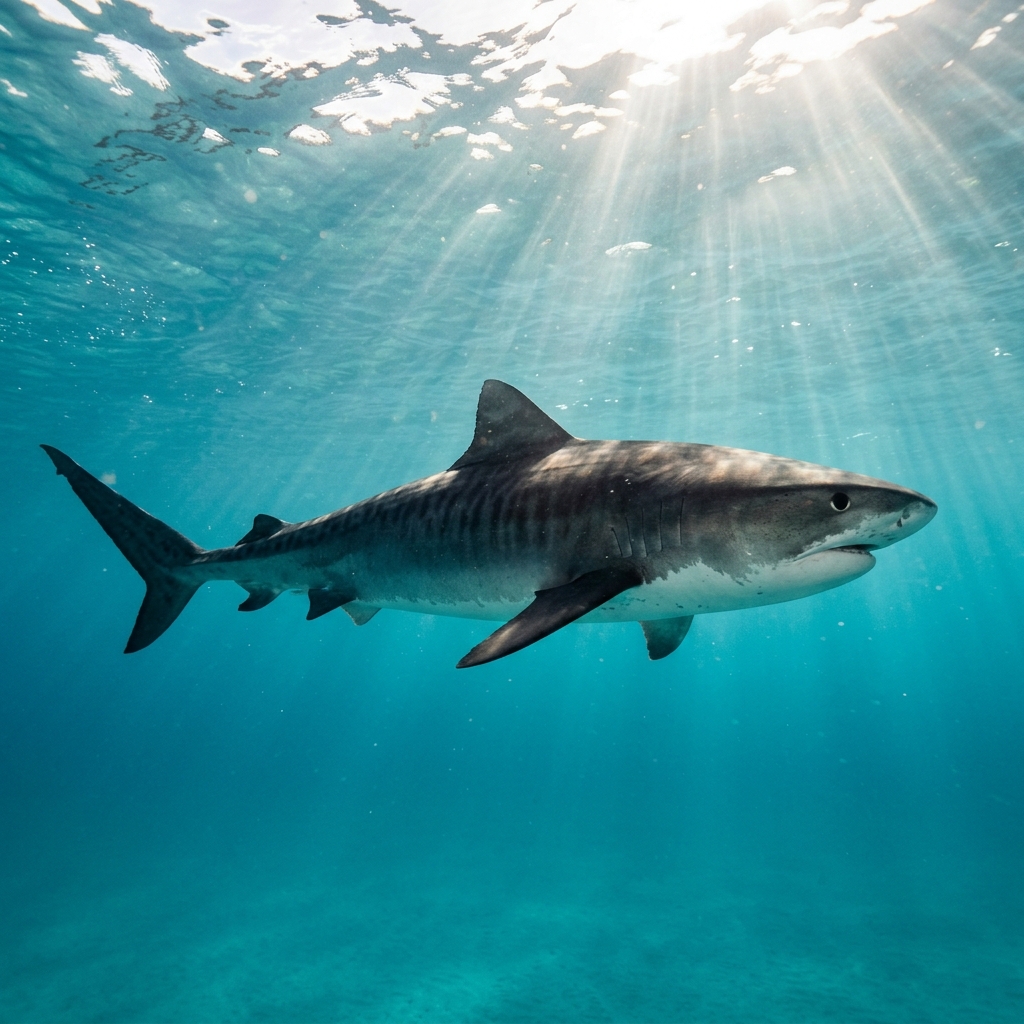
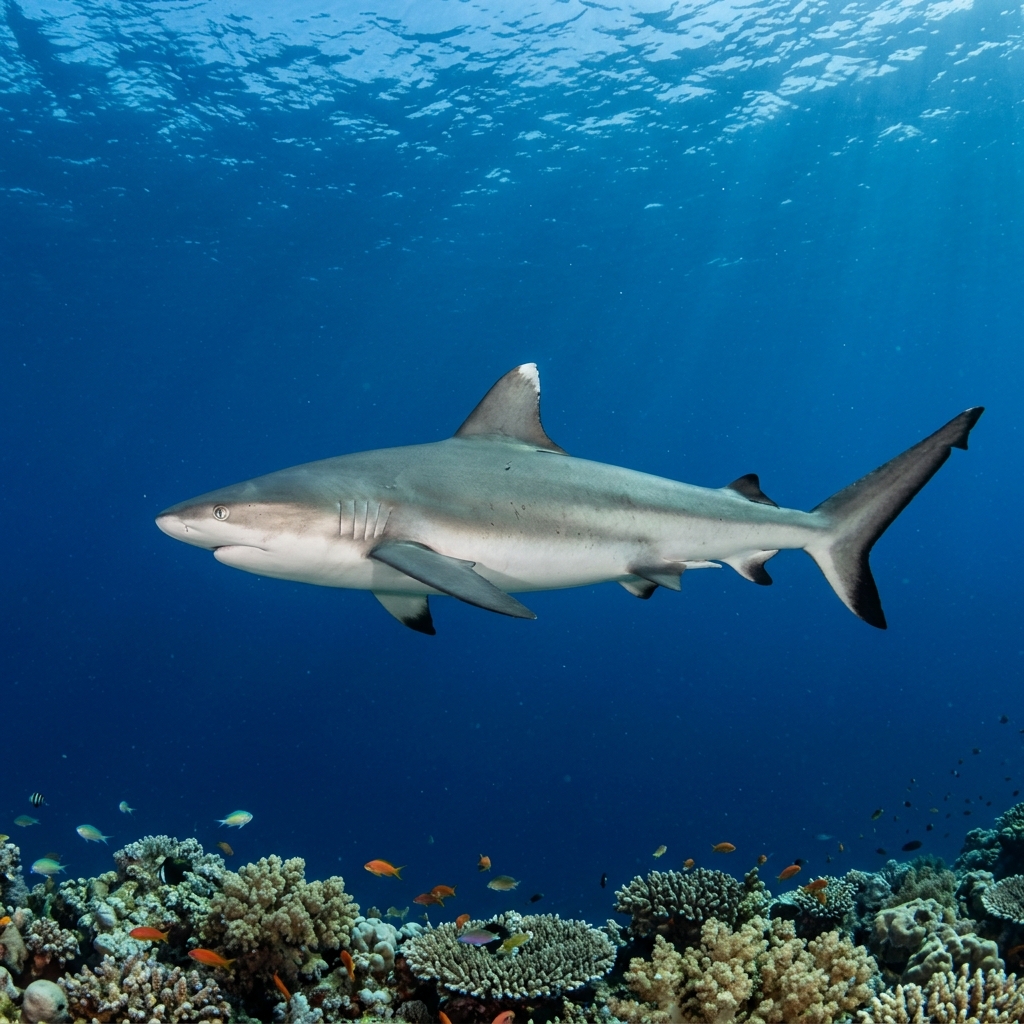
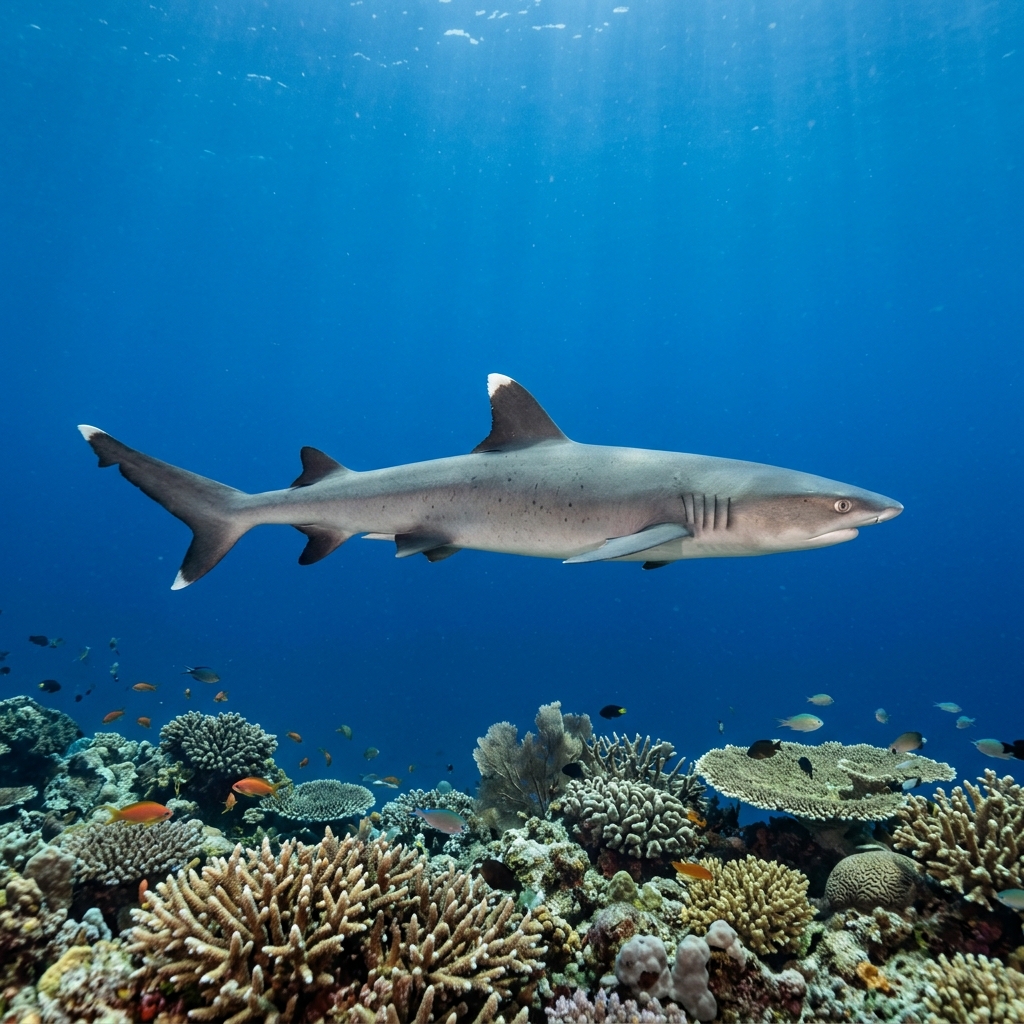
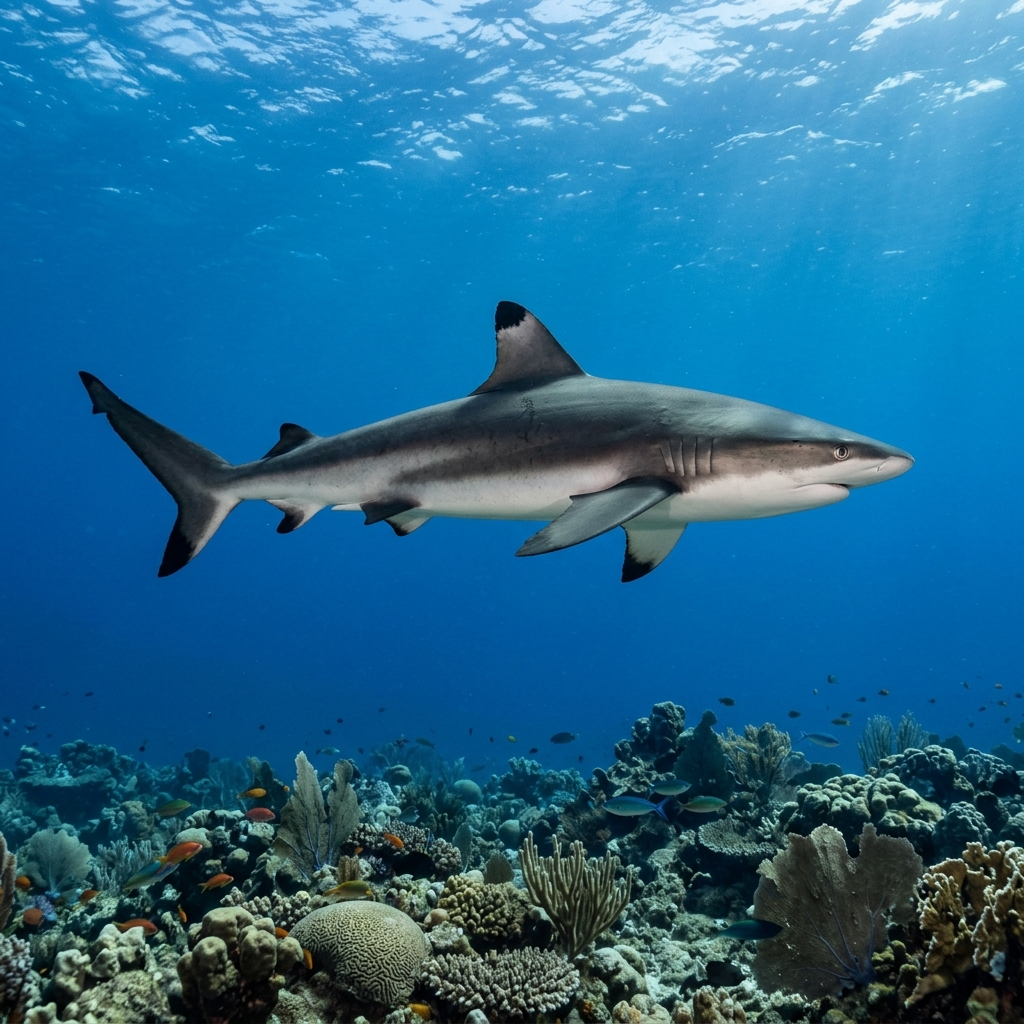
Reef neighbours a diver could mistake it for. Use the identification notes above to tell them apart.
Most commonly logged in Florida and the broader south-eastern United States, with strong populations also recorded across Queensland, Australia and throughout Viti Levu, Fiji. The Caribbean Coast of Colombia, Cuba's Canarreos Archipelago, and Venezuela's Central Coast are further hotspots worth targeting. Fiji and the Bahamas round out the list of regions where divers report the most consistent encounters.
Mapping where Bull Shark is logged…
Bull sharks are most reliably logged in Florida and the south-eastern United States, Queensland in Australia, and Viti Levu in Fiji. The Caribbean Coast of Colombia, the Bahamas, and Cuba's Canarreos Archipelago are also well-documented regions. Sightings are rated uncommon, so encounters are a bonus rather than a guarantee.
There is no single peak season in the sighting data. Bull sharks thrive in water between 23 and 29 °C, which means tropical and subtropical destinations can produce encounters year-round. Dawn and dusk dives improve your odds as these are the sharks' most active periods.
Yes. Bull sharks are considered one of the higher-risk shark species for divers and swimmers, largely because they inhabit shallow coastal water where people are common. In practice, most in-water encounters are uneventful if divers stay calm, avoid erratic movements, and keep a respectful distance. Never attempt to feed or handle them.
Look for a very stocky, heavyset body with a short, broadly rounded snout and plain grey upper colouration fading to white underneath. Compared to the tiger shark, the bull shark has no obvious banding or patterning and a blunter, more compact head. Size matters too: females especially are thick and powerful, often well over two metres.
Females are the larger sex, regularly exceeding 2.5 metres and weighing over 200 kg. Males are smaller and slimmer. The typical size logged by divers is around 2.5 metres, making this one of the more impressively sized sharks you can encounter on a reef dive.
Bull sharks are classified as Vulnerable by the IUCN. They are slow to mature and produce small litters, which makes populations slow to recover from fishing pressure. Their coastal habitat also puts them in frequent contact with human activity, adding further risk.
The Bull Shark is listed as vulnerable by the IUCN. Observe from a distance, avoid touching or feeding it, and report sightings to local marine research organisations.
Listed as Vulnerable on the IUCN Red List, bull sharks face pressure from targeted fishing and bycatch across much of their range. Divers can help by diving with operators who follow responsible shark-diving codes, reporting sightings to citizen-science platforms, and never supporting any interaction that involves feeding or baiting.
Site and sighting data is aggregated from diver logs, iNaturalist and GBIF. For taxonomy and conservation status:
Sandbar Shark
1,474 sites