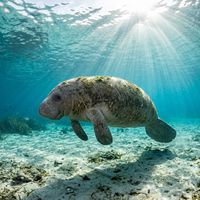
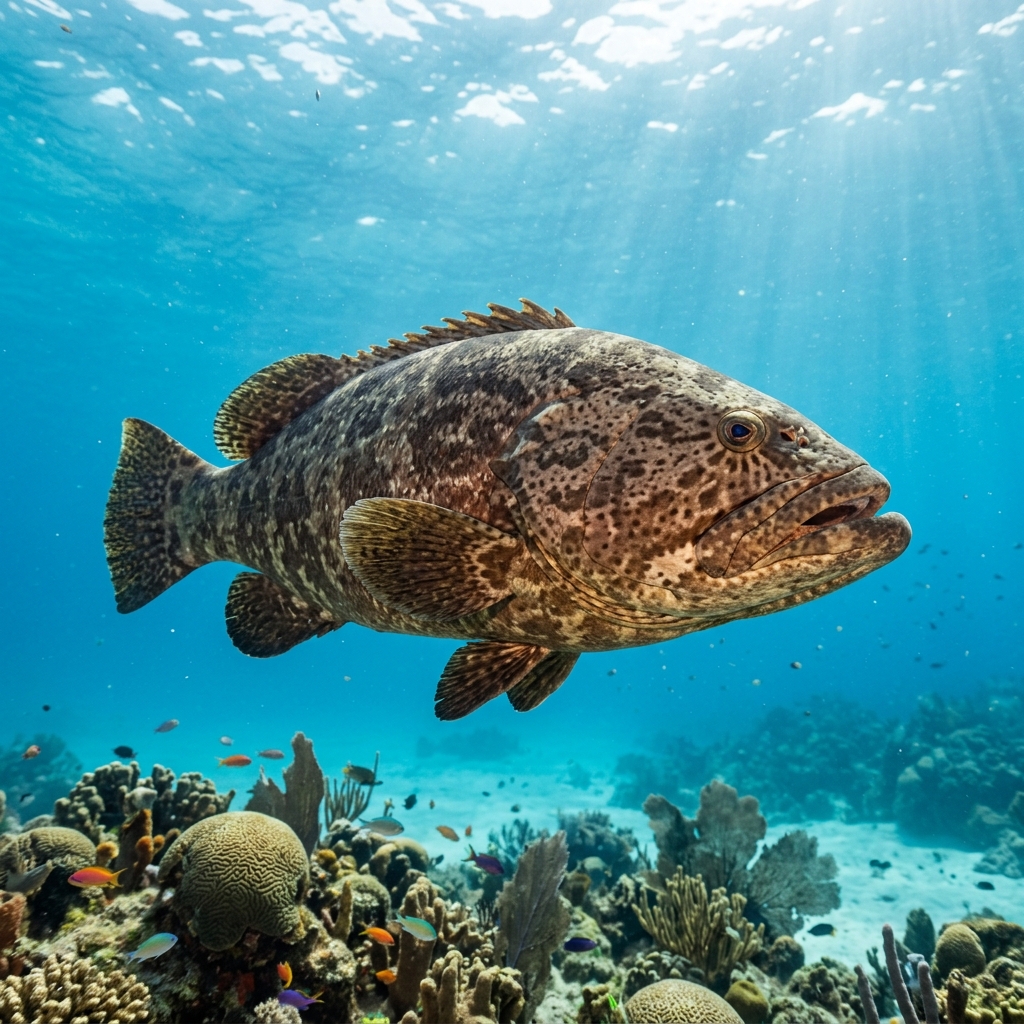
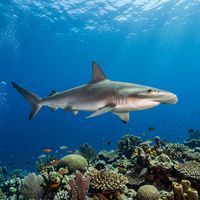
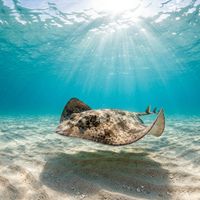
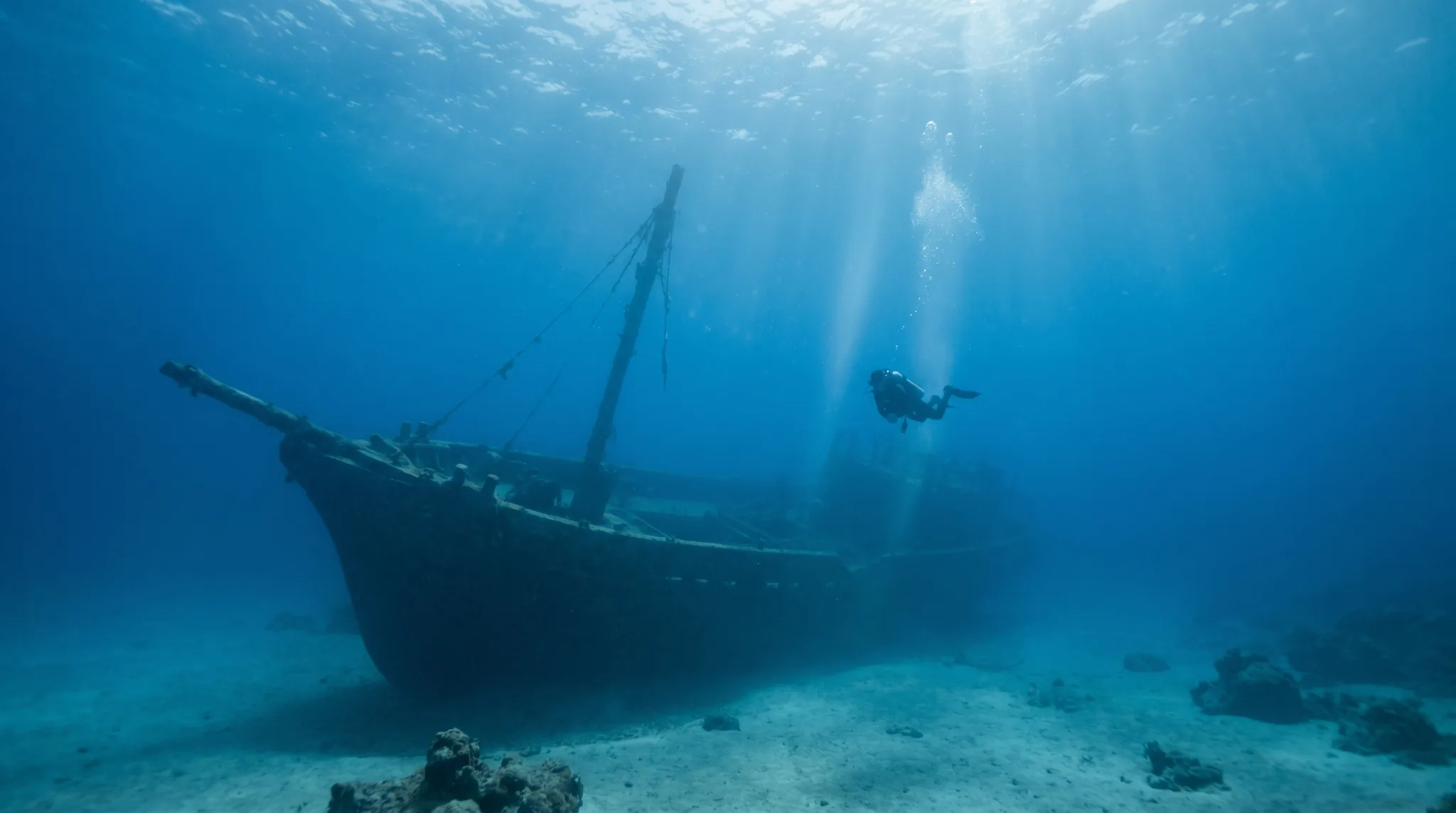
Tampa Bay's underwater character is shaped by an extensive network of artificial reefs and deliberately sunk wrecks, from shallow barges and tugboats accessible to beginners through to deeper, more demanding structures like the Sheridan. The West Indian Manatee and Atlantic Goliath Grouper are among the most noted sightings, alongside the Bonnethead, Nurse Shark, and Butterfly Ray. Most sites are boat-accessed, though shore entries at Spanish Rocks and The Living Seas offer convenient alternatives. Conditions suit a wide range of experience levels year-round.
Monthly water temperature across Tampa Bay's sites, from satellite sea-surface data corrected for depth. The band shows the site-to-site spread.
Water temperatures follow a clear seasonal arc, warming from cool winter conditions through to notably warm summer months, then easing back through autumn. The warmest, most comfortable diving falls across the summer and early autumn period, while spring and late autumn remain pleasant. Winter months are cooler but still diveable, and the best-months data suggests diving is rewarding across the full year.
33 operators
United States
Pinellas Park, United States
37 more sites to explore
Water temperature around Tampa Bay ranges from about 18°C in January to 30°C in July, based on satellite sea-temperature data for its dive sites.
In the warm season (about 30°C) a rash guard or 3mm shorty is comfortable in Tampa Bay; in the coldest months (about 18°C) step up to a 5mm suit.
Fin maps 49 sites in Tampa Bay (41 scuba diving sites and 13 snorkelling spots, with some suited to both).
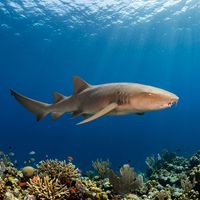
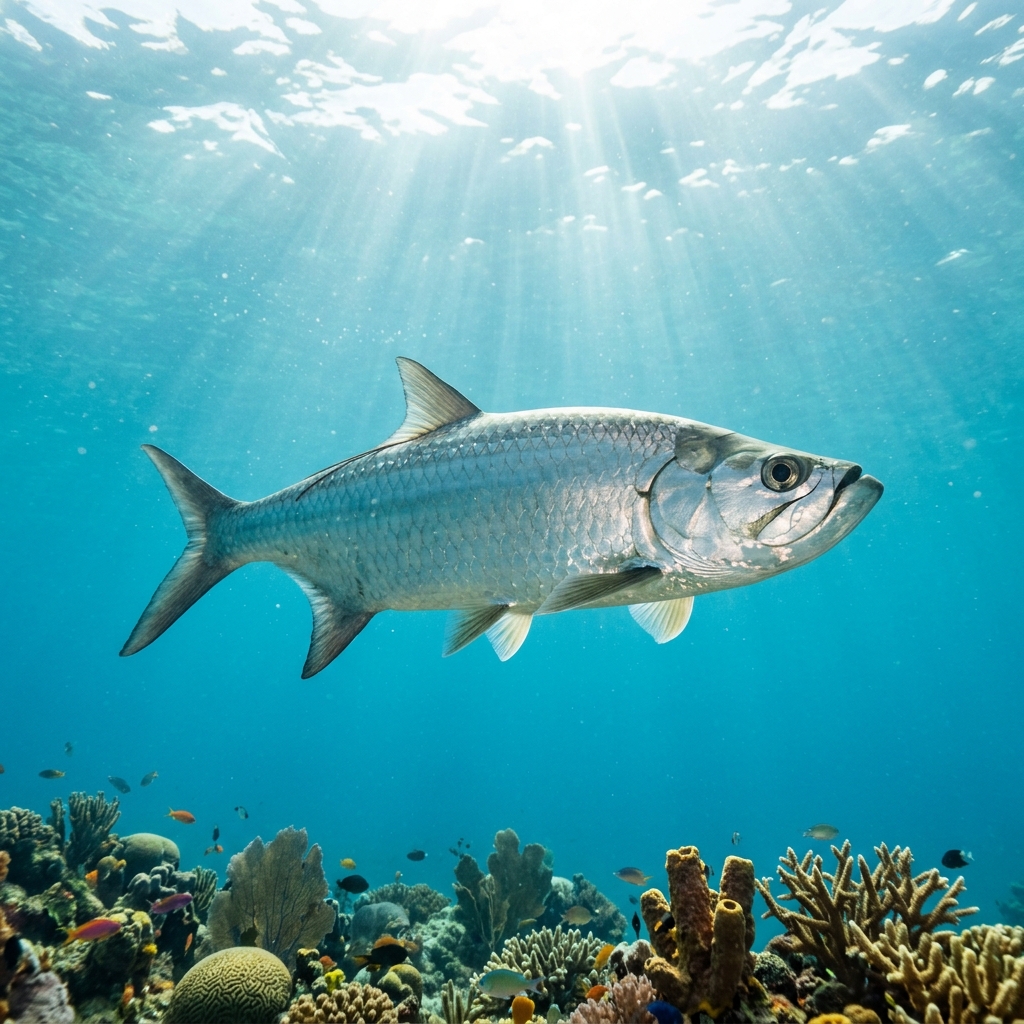
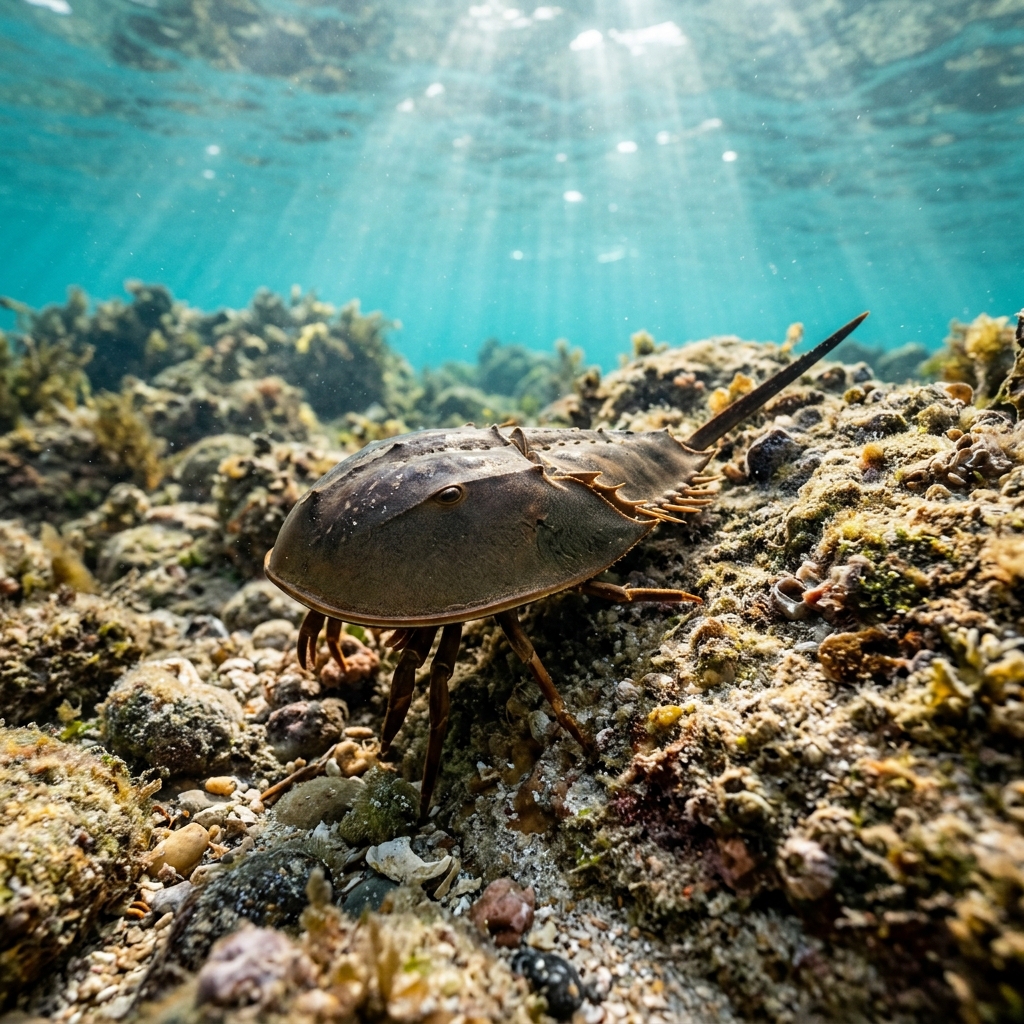
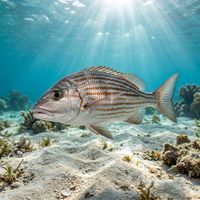
Tampa Bay has a diverse species list drawn from observation records. Signature sightings include the West Indian Manatee, Atlantic Goliath Grouper, Bonnethead, Nurse Shark, and Butterfly Ray. Commonly encountered fish include the Honeycomb Cowfish, Lane Snapper, White Grunt, and Atlantic Tarpon, while invertebrates such as Brittle Star, Hermit Crab, and Horseshoe Crab appear regularly across sites.
The majority of sites in Tampa Bay are rated beginner level, including deliberately sunk wrecks like the Betty Rose and the Tug Orange, as well as artificial reefs such as Rube Allyn Reef and Circle of Heroes. These sites sit at manageable depths and tend to offer mild conditions. Intermediate and deeper sites like the Sheridan and the Blackthorn are also available for those with more experience.
Most Tampa Bay dive sites require a boat, and there are numerous dive operators in the area who run trips to wrecks and artificial reefs. Shore entry is available at a handful of sites, notably Spanish Rocks and The Living Seas, both off St Petersburg. Venice Beach offers the flexibility of both shore and boat entry, which is useful for independent divers.
Artificial reefs and wrecks make up the bulk of Tampa Bay's dive sites. Many of these were deliberately sunk to create reef habitat, including barges, tugboats, and larger vessel wrecks. Natural reef ledges such as Nestle Ledge and Table Top Ledge add variety, and Venice Beach includes a drift element alongside its reef structures.