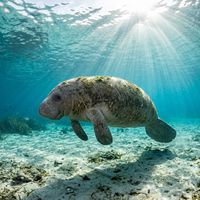
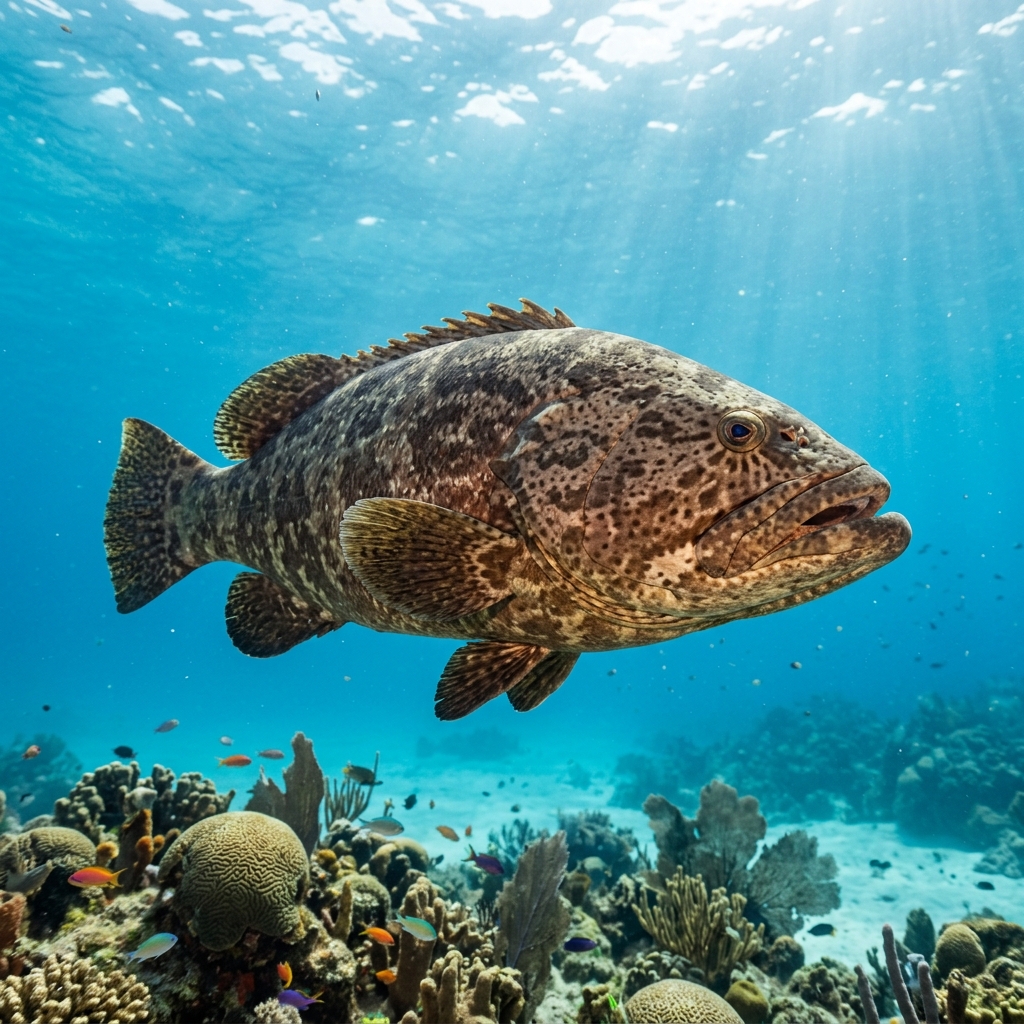
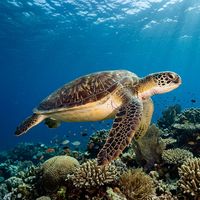
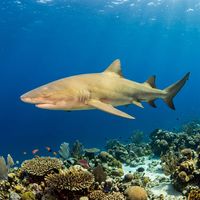
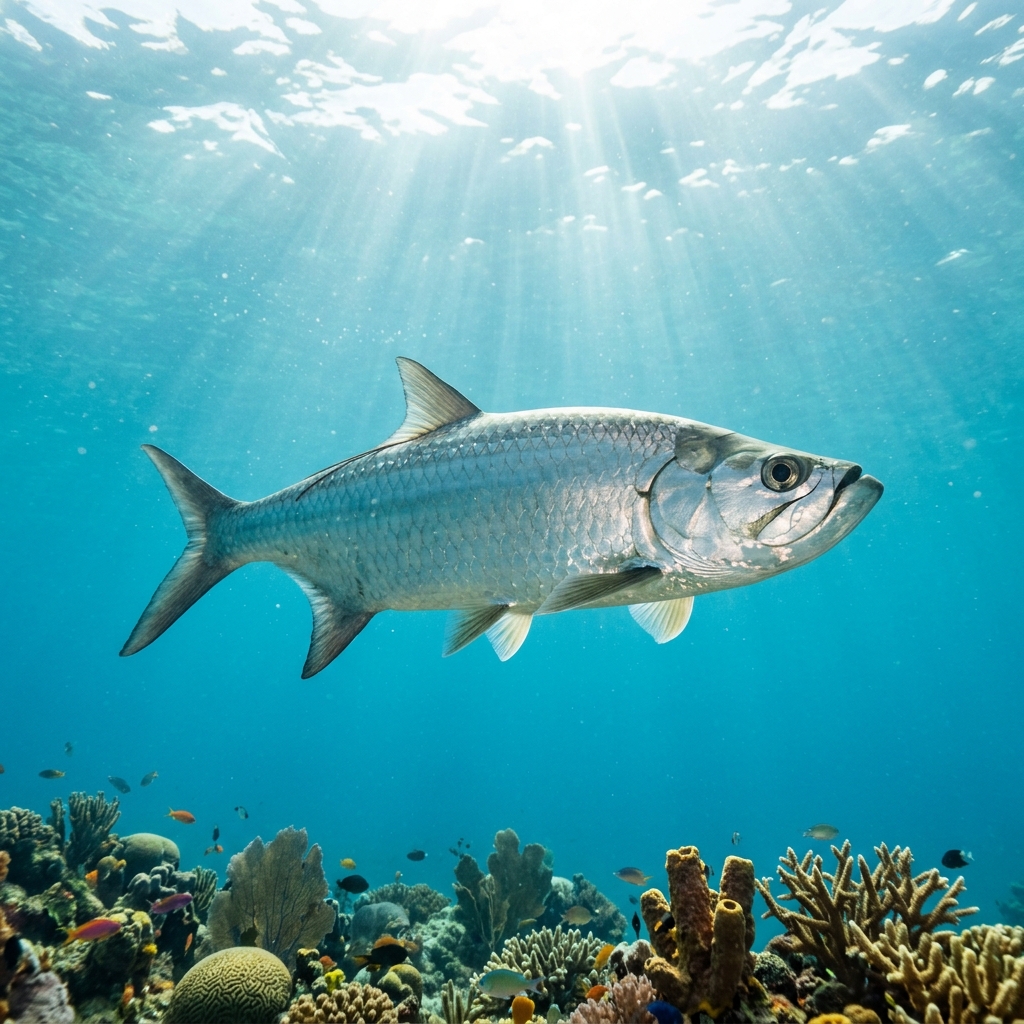
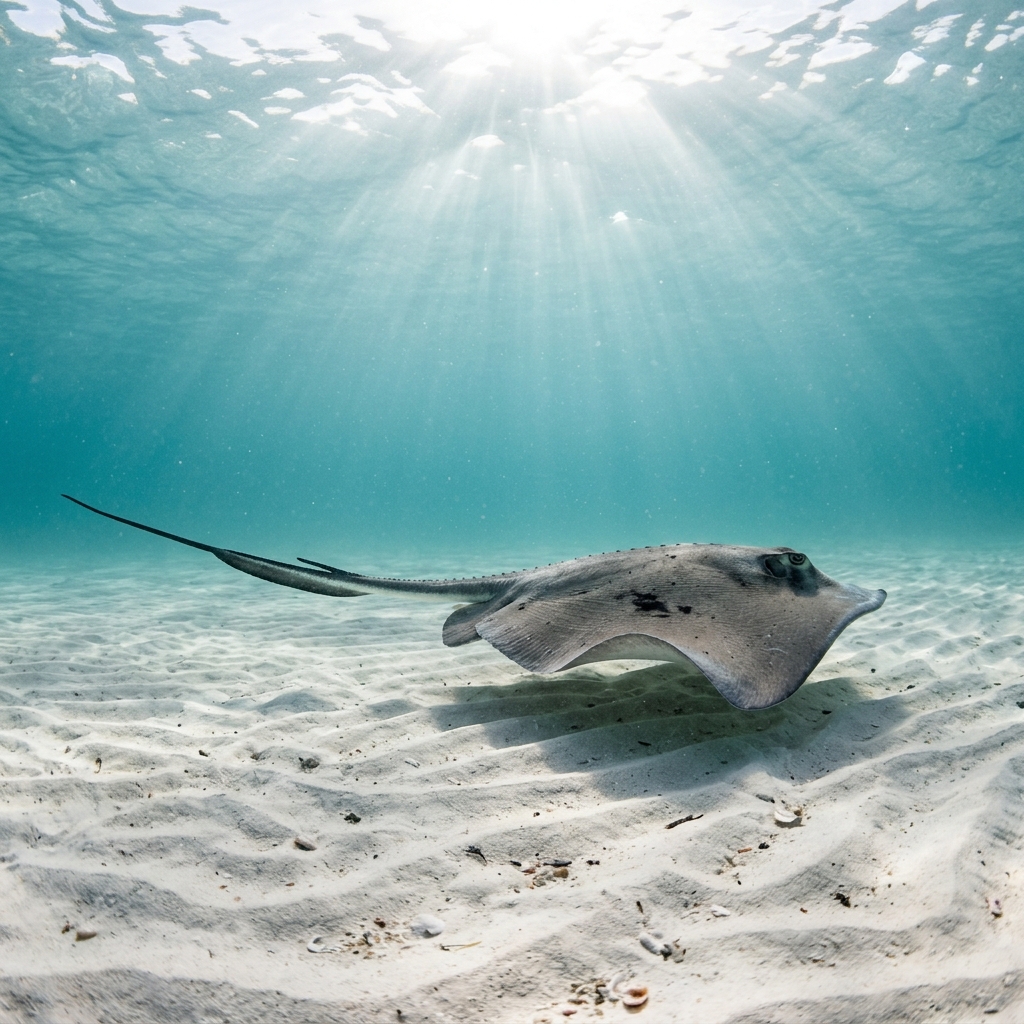
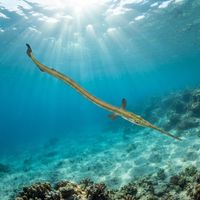
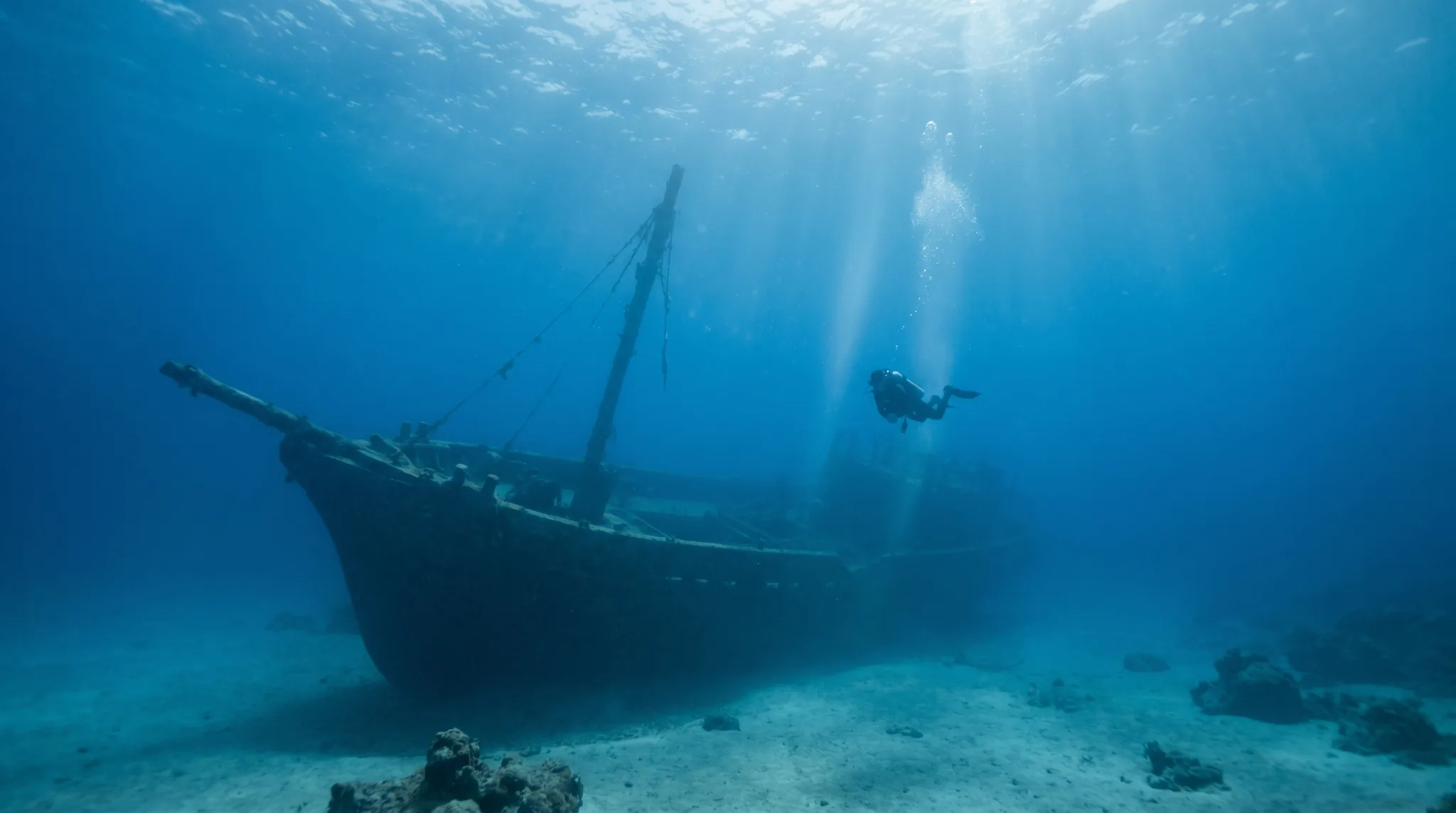
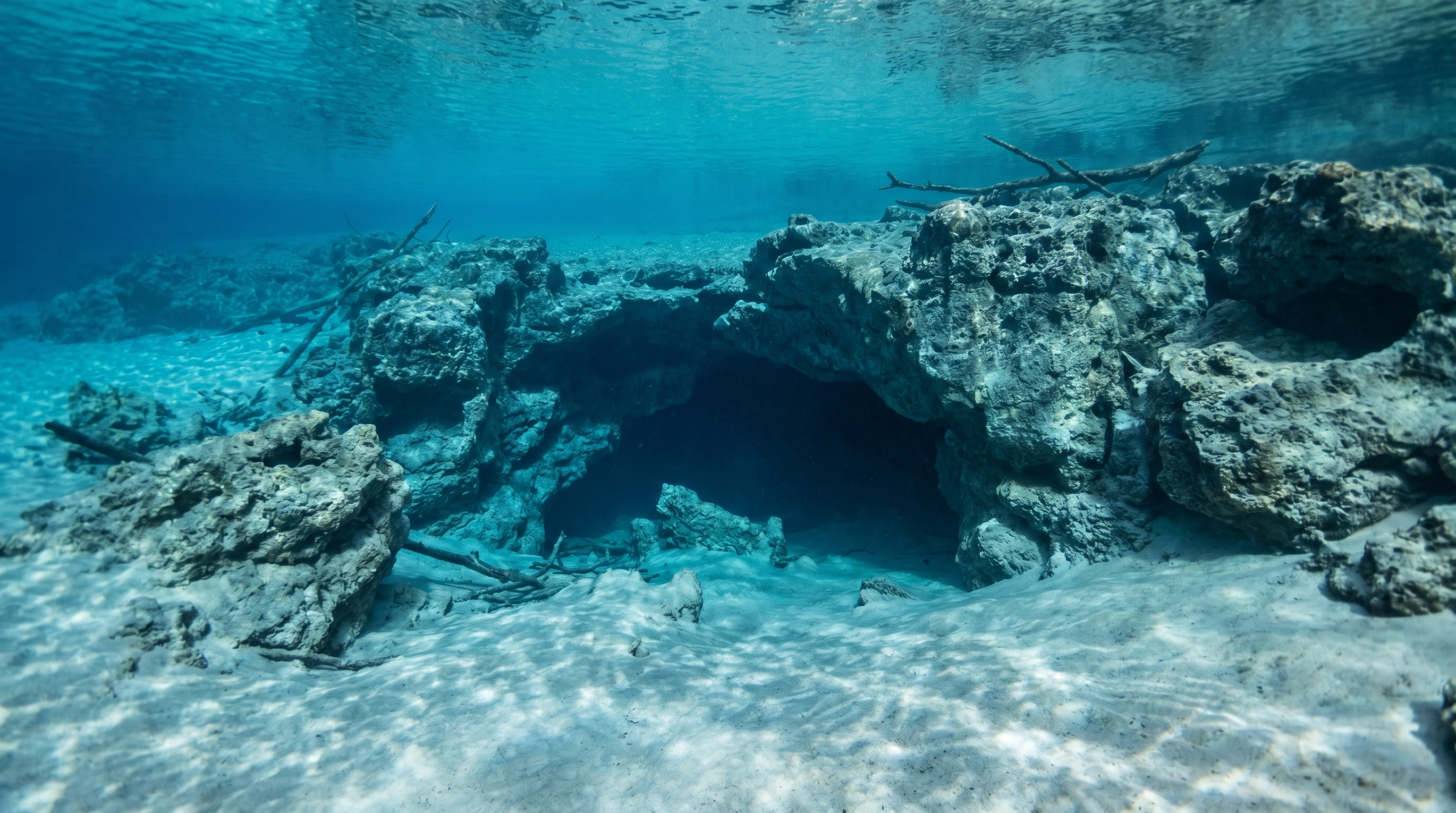
Crystal River is defined by its freshwater spring systems, where cave and cavern diving dominate the site mix alongside shallow drift dives and seagrass snorkelling. Sites range from beginner-friendly basins like Catfish Hotel Sink and Rainbow River to the extreme technical demands of Eagle's Nest. The West Indian Manatee is the region's signature encounter, with Atlantic Tarpon, Atlantic Goliath Grouper, Green Sea Turtle, and Lemon Shark also observed across sites.
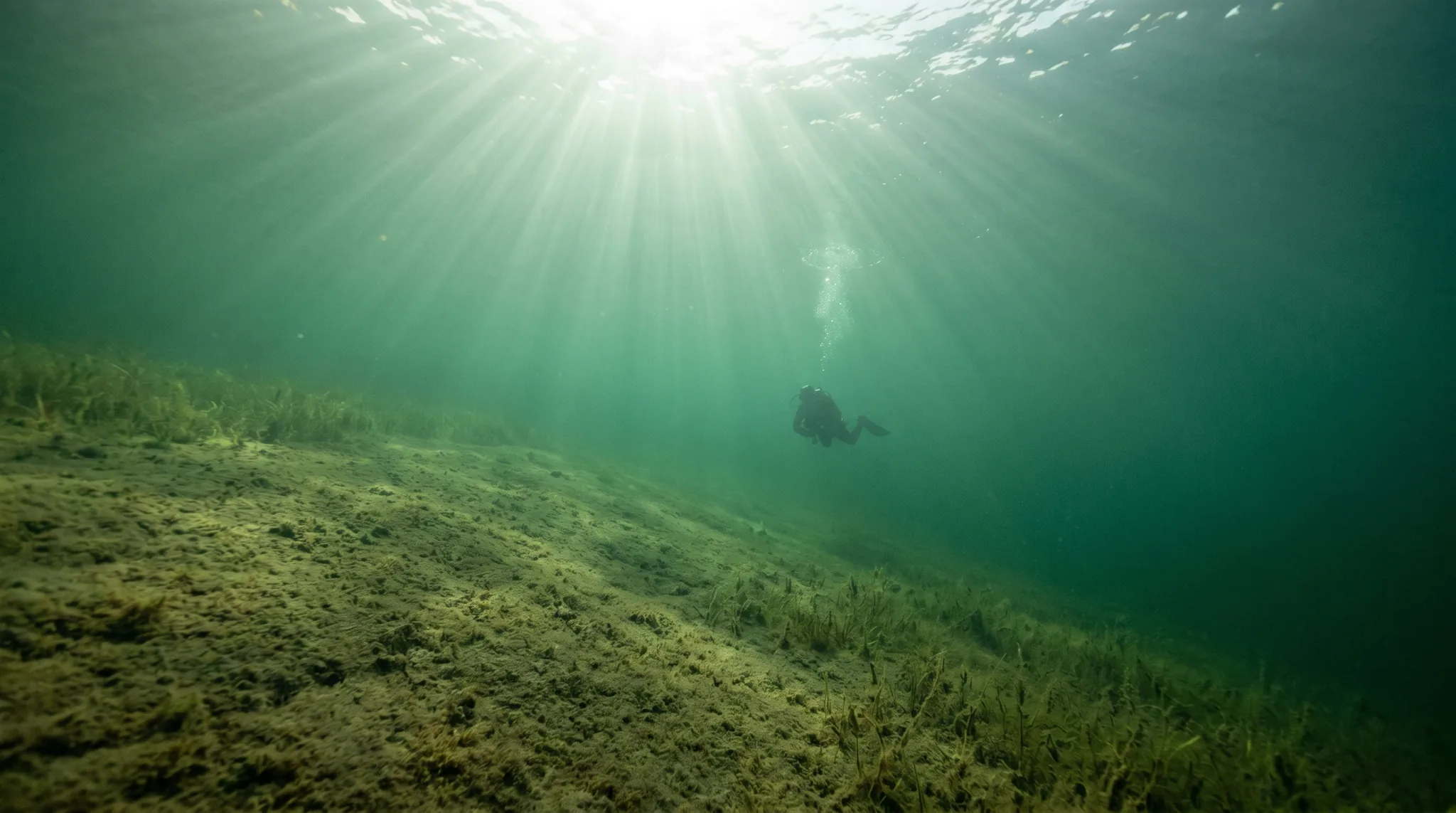
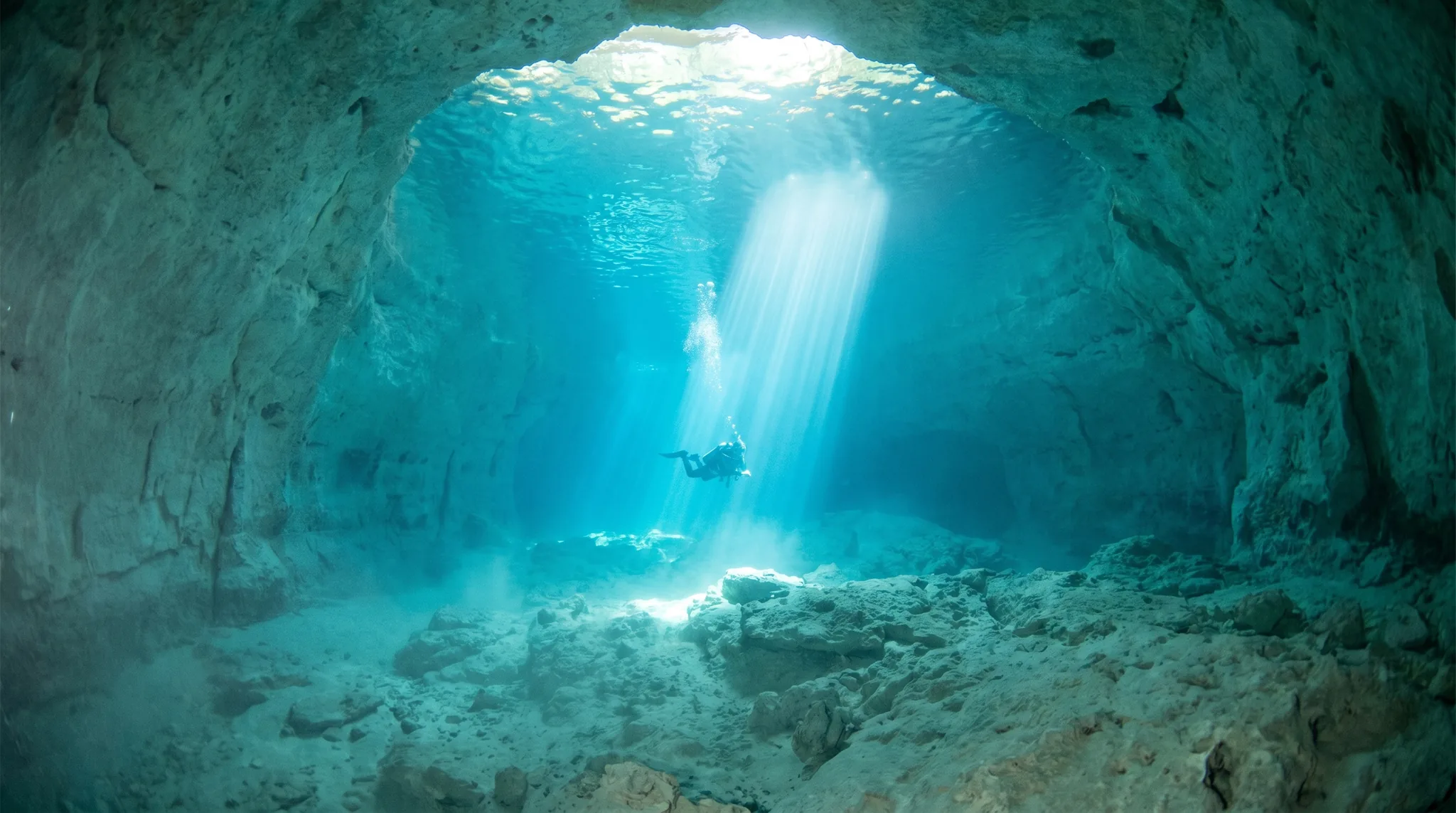
Monthly water temperature across Crystal River's sites, from satellite sea-surface data corrected for depth. The band shows the site-to-site spread.
Water temperature rises steadily from cool winter lows to warm summer peaks, making a full suit essential in the cooler months. Spring and autumn offer comfortable conditions for both open-water and cave diving, and the spring systems maintain consistent visibility year-round regardless of season. November scores particularly highly among divers, suggesting the transition out of summer warmth suits many visitors well.
16 operators
Crystal River, United States


Crystal River, United States
37 more sites to explore
Water temperature around Crystal River ranges from about 16°C in January to 30°C in July, based on satellite sea-temperature data for its dive sites.
In the warm season (about 30°C) a rash guard or 3mm shorty is comfortable in Crystal River; in the coldest months (about 16°C) step up to a 7mm or semi-dry suit.
Fin maps 49 sites in Crystal River (42 scuba diving sites and 20 snorkelling spots, with some suited to both).
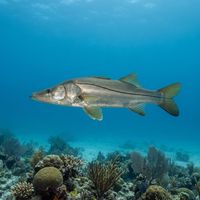
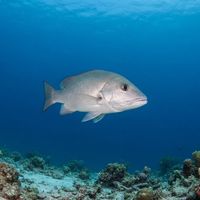
Crystal River's most distinctive sighting is the West Indian Manatee, which has been observed across a wide proportion of sites. Atlantic Tarpon, Atlantic Goliath Grouper, Green Sea Turtle, and Lemon Shark are also observation-backed species. Freshwater spring sites add their own cast of residents, including Common Snook, Gray Snapper, Sheepshead, and Hardhead Catfish.
A large share of Crystal River's sites are rated beginner level, including Catfish Hotel Sink, Rainbow River, Ginnie Springs, and Alexander Springs. These offer shallow depths and calm spring-fed conditions ideal for those new to freshwater or cavern environments. Advanced and expert sites like Eagle's Nest and Forty Fathom Grotto require cave certifications and are not appropriate for recreational divers.
Most sites here are spring-fed freshwater systems, so the distinction is less about open water versus reef and more about cavern versus full cave penetration. Beginner cavern sites stay within natural light and shallow depths, while sites like Eagle's Nest descend through a vertical shaft into an extensive cave network requiring technical training. Drift diving on Rainbow River and KP Hole Park offers a different character again, with a gentle current through grass beds and spring vents.
The majority of sites offer shore entry, including Buford Sink, Eagle's Nest, Ginnie Springs, and Alexander Springs. A short walk to the water is sometimes required. Boat access is used for sites such as Rainbow River and Hospital Hole, and several operators including Manatee Tour and Dive, Bird's Underwater Manatee Dive Center, and Crystal River Watersports can arrange guided trips to both types of site.