Negaprion spp.
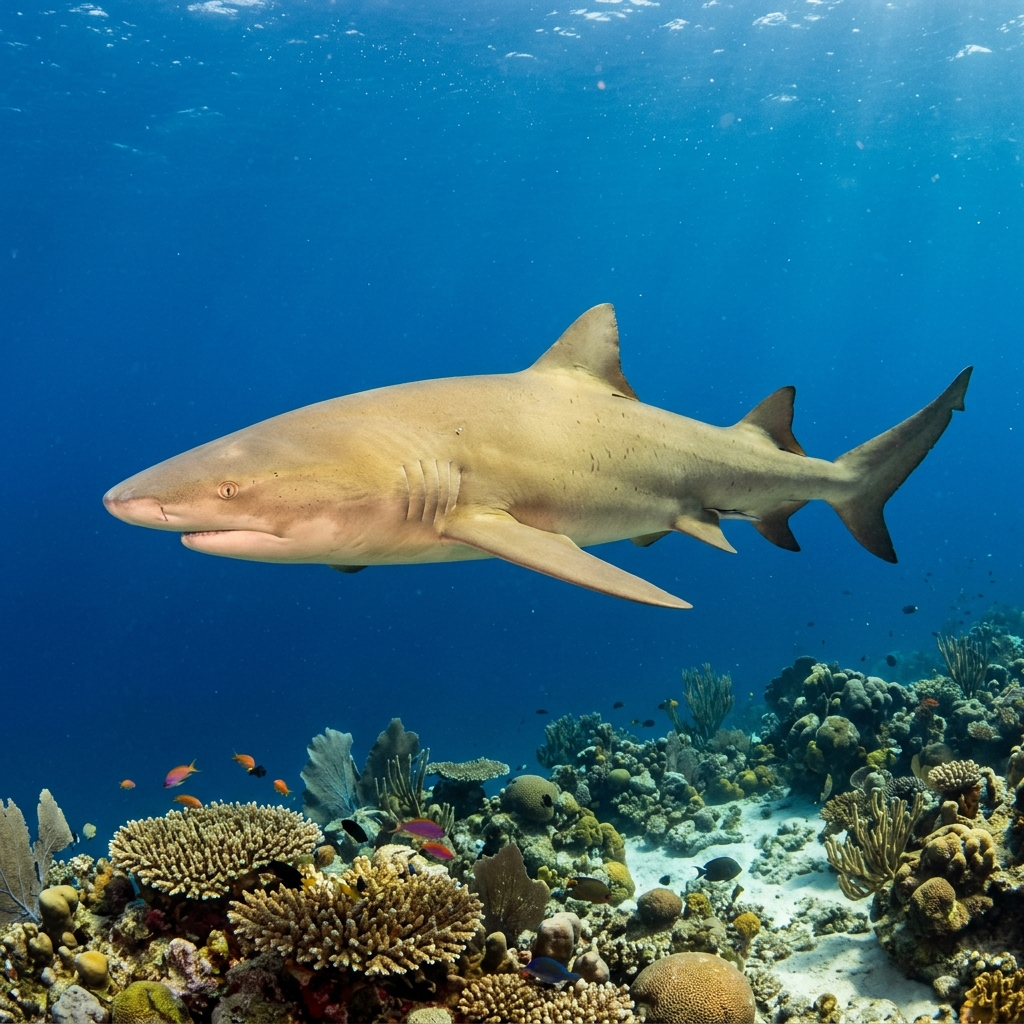
Spot lemon sharks in Florida, the Bahamas, and Brazil. Know the yellow-brown colouration and twin dorsal fins that set them apart underwater.
Safety warning
Lemon sharks are marked as potentially dangerous to divers and should be treated with respect at all times. They have been involved in unprovoked incidents, most often when divers crowded them or made erratic movements. Keep a calm, measured pace, avoid blocking their path, and never handle or feed them. Maintain a comfortable distance and exit the water if one begins circling closely or showing tight, jerky body posture.
If you're bitten
BiteGeneral first-aid guidance, not a substitute for professional medical care. In an emergency, call your local emergency number.
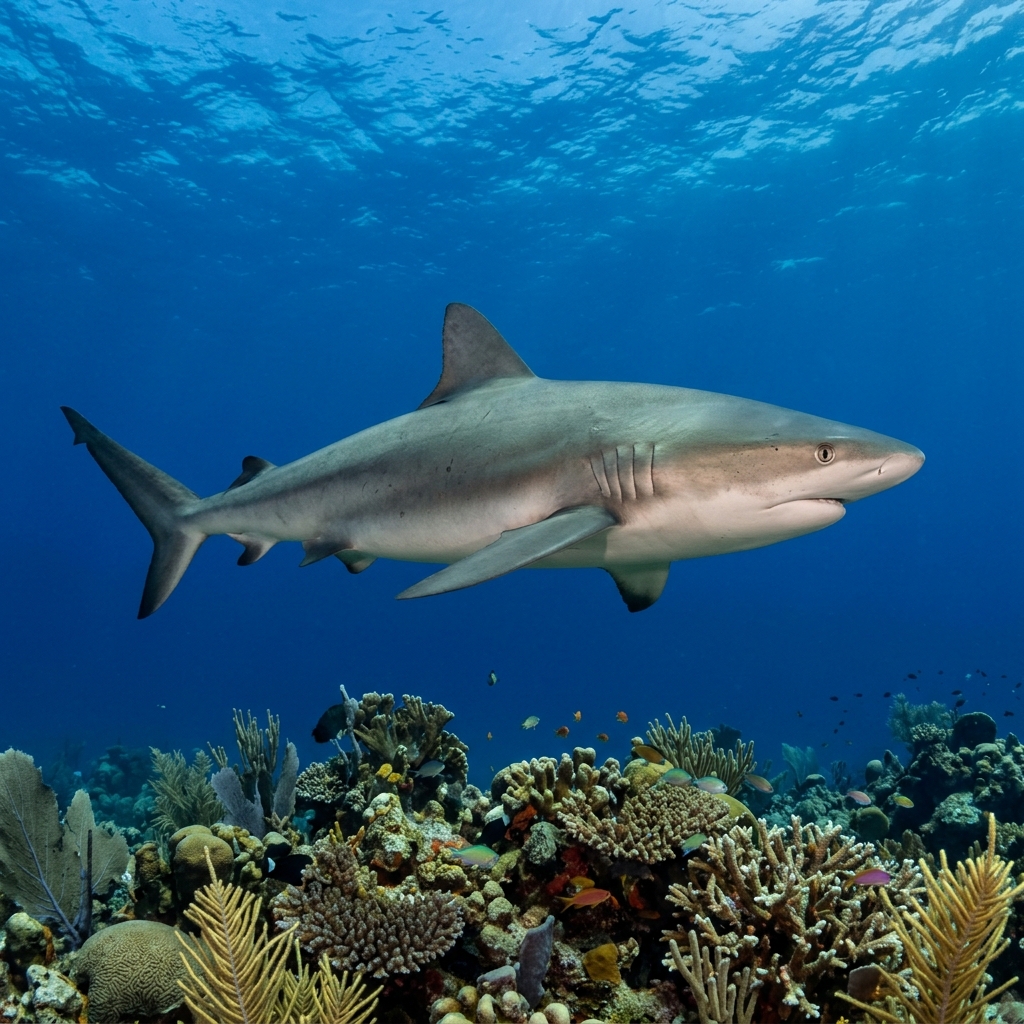
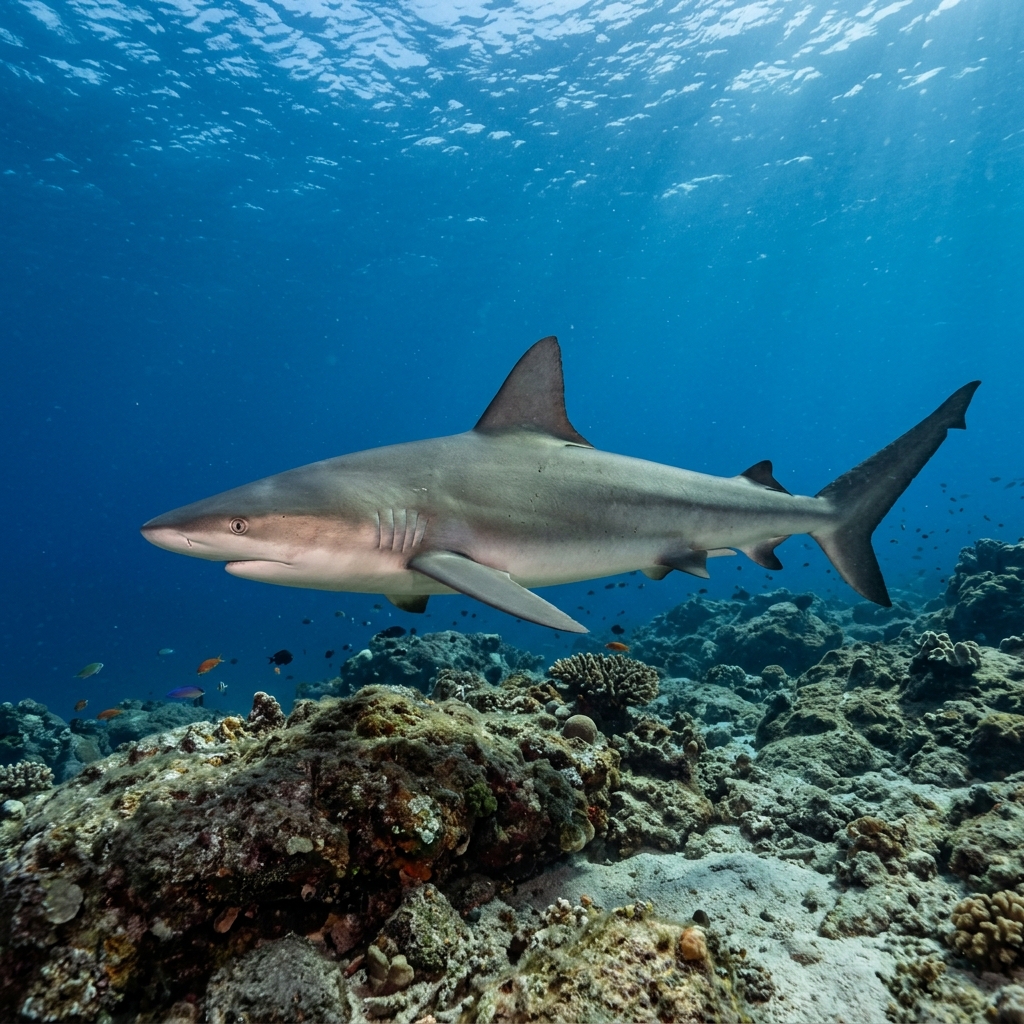
A stocky, yellow-brown to olive-grey body gives this genus its name, and the colour is often visible even in deeper water. The most reliable field mark is having two dorsal fins of nearly equal size, unusually matched for a shark of this build. Adults reach roughly 2.4 metres, giving them a solid, broad-snouted silhouette that distinguishes them from slimmer reef sharks. The flat, wide snout is noticeably blunt compared to most carcharhinids.
Lemon sharks are most active around dawn and dusk, when they patrol sandy flats and reef edges hunting fish and crustaceans. During the day they often rest or move slowly near the bottom, which is when most divers get their best look. They are known to tolerate diver presence without obvious stress, but they are curious animals and will investigate; social grouping behaviour has been observed, particularly during the mating season.
Lemon sharks are one of the few sharks known to form social hierarchies, with individuals repeatedly associating with familiar companions over months or even years, a level of social memory rare among sharks.
In the Northern Hemisphere, lemon sharks are logged year-round across Florida and the Caribbean, consistent with their preference for water between roughly 22 and 28 °C. Southern Hemisphere sightings concentrate between September and January, making that the prime window for encounters in Australia and similar latitudes.
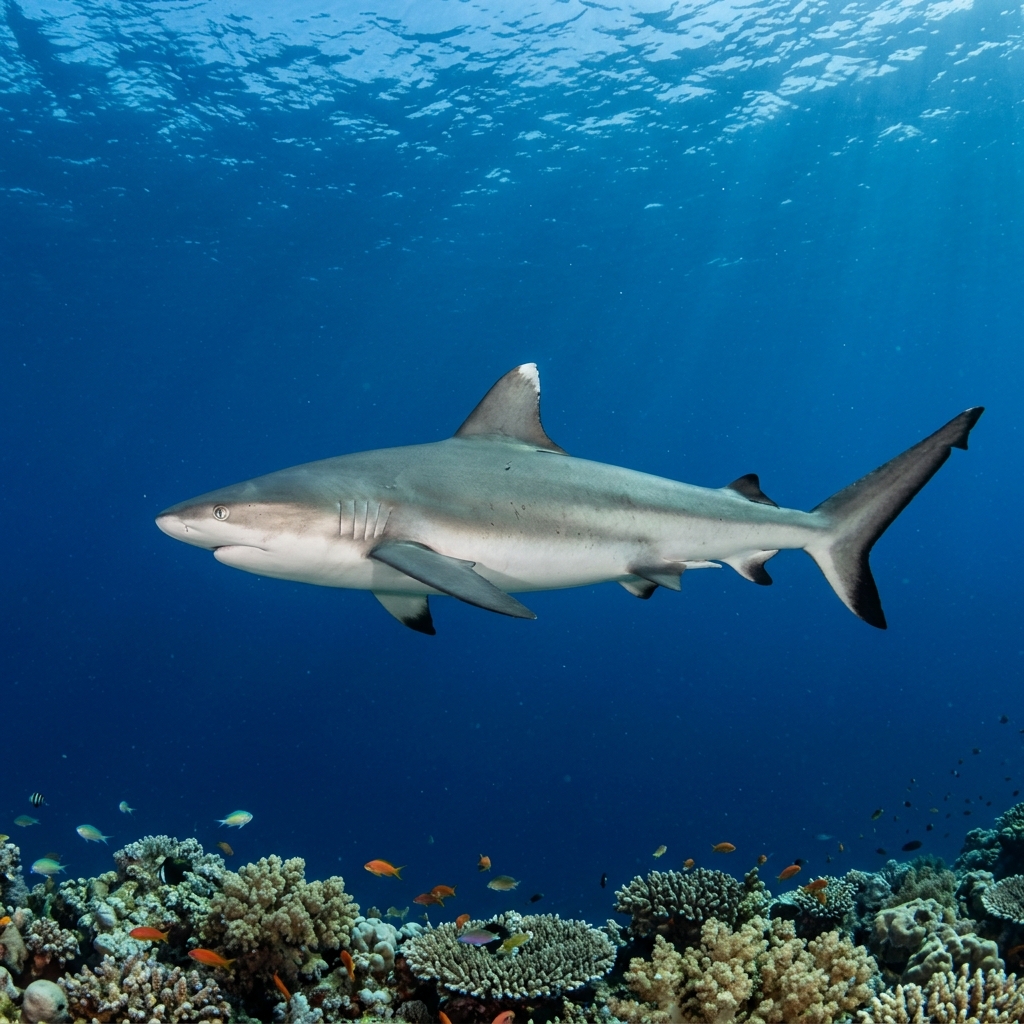
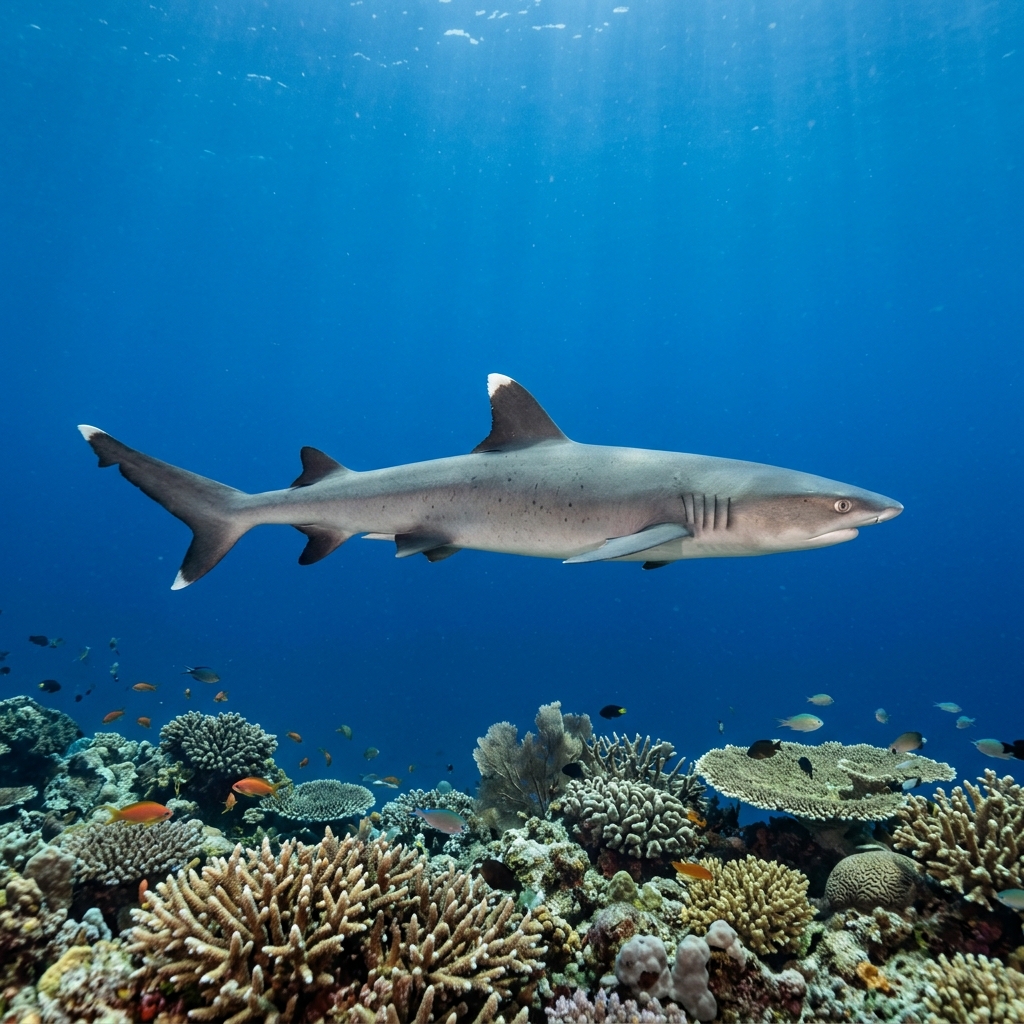
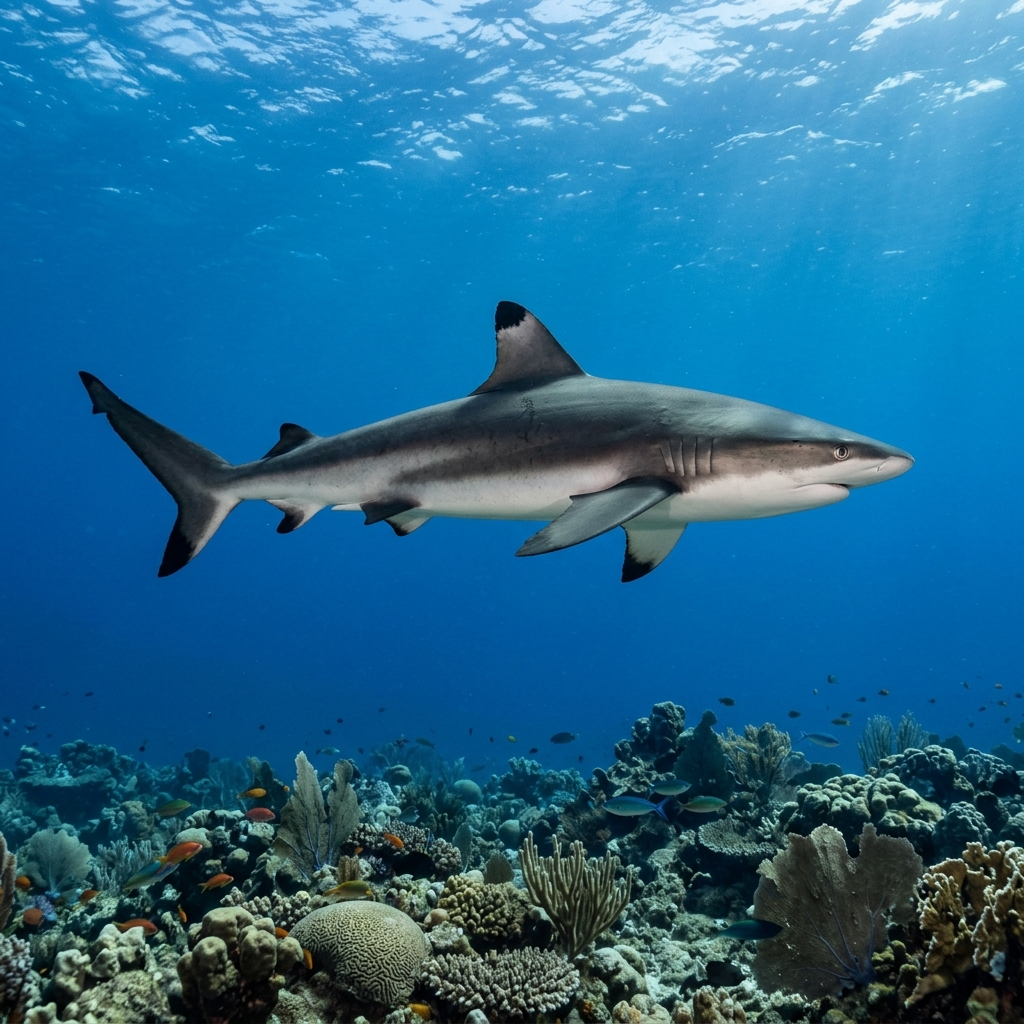
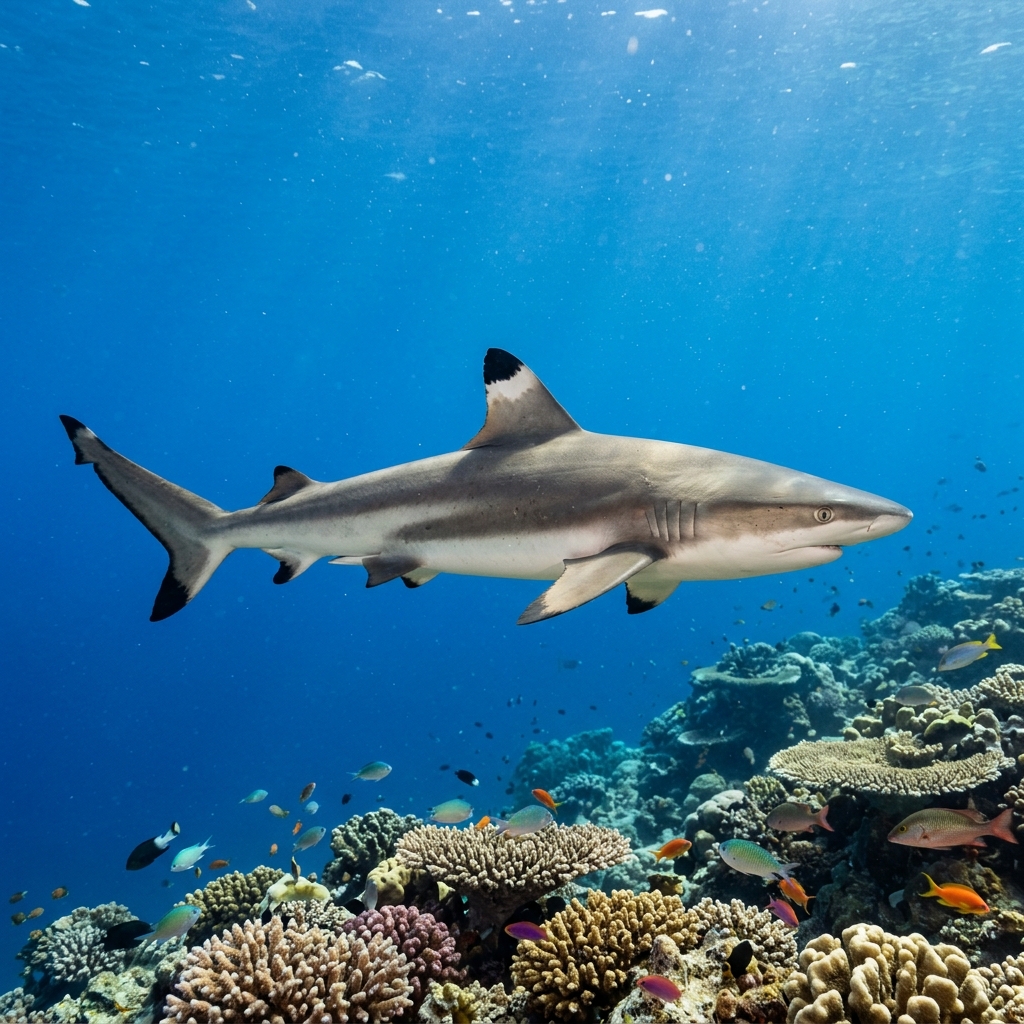
Reef neighbours a diver could mistake it for. Use the identification notes above to tell them apart.
The strongest concentration of logged sightings sits firmly in the western Atlantic, with Florida and the broader south-east United States accounting for more records than anywhere else. The Bahamas, Cuba, and Brazil are also well-represented, and Belize and Venezuela round out reliable Caribbean options. Outside the Americas, Western Australia holds the most consistent Indo-Pacific records for the sicklefin lemon shark.
Mapping where Lemon Sharks is logged…
The best-documented diving with lemon sharks is in Florida and across the wider Caribbean, with the Bahamas, Cuba, Belize, and Brazil all producing regular sightings. Western Australia is the standout Indo-Pacific location for the sicklefin lemon shark.
In Florida and the Caribbean they are present year-round thanks to consistently warm water. If you are diving in the Southern Hemisphere, particularly around Australia, September through January is when sightings are most concentrated.
Look for the yellow-brown to olive colouration and, most importantly, two dorsal fins that are nearly equal in size. That matched dorsal pair is the quickest way to separate lemon sharks from other large reef sharks, which typically have a much smaller second dorsal. The broad, flat snout adds further confirmation.
Adults in this genus typically reach around 2.4 metres in length, making them one of the larger inshore reef sharks in the Atlantic. Females tend to be slightly longer than males at full maturity.
They are considered potentially dangerous but attacks on divers are rare and almost always linked to provocation, feeding situations, or divers crowding the animal. Staying calm, moving slowly, and keeping a respectful distance makes for a safe encounter in the vast majority of cases.
Site and sighting data is aggregated from diver logs, iNaturalist and GBIF. For taxonomy and conservation status:
Sandbar Shark
1,474 sites