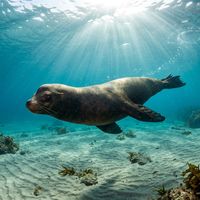
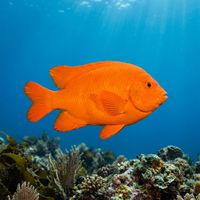
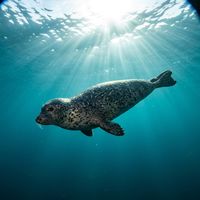
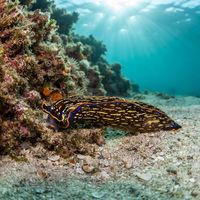
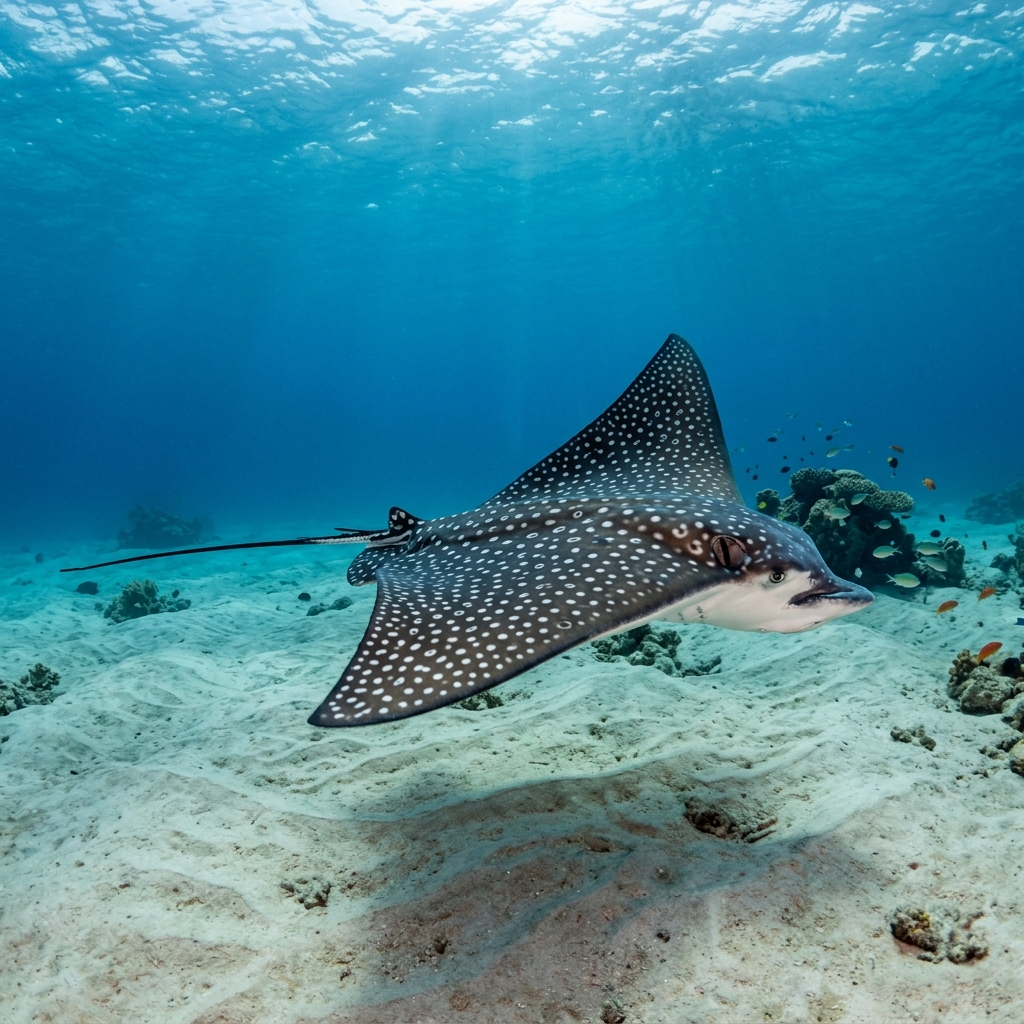
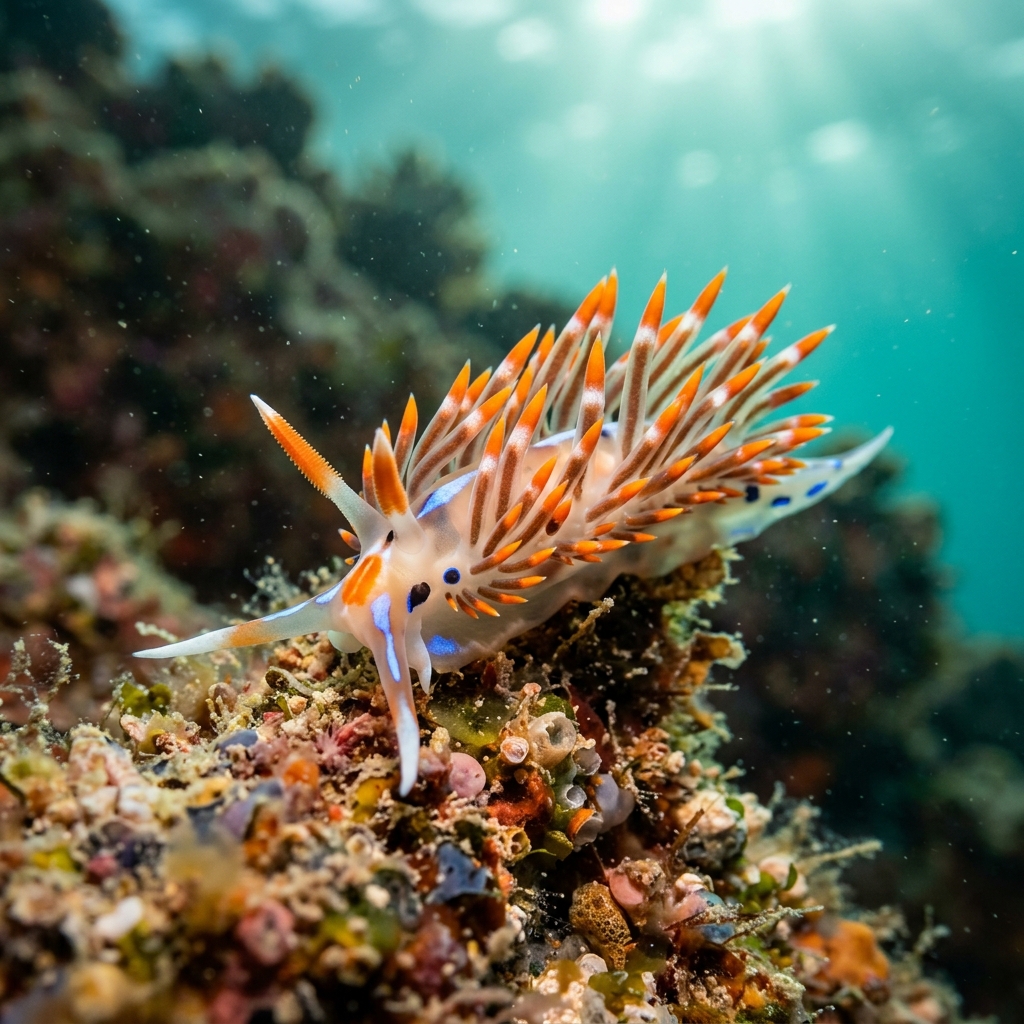
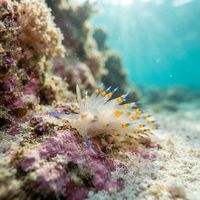
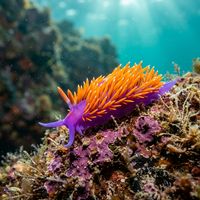
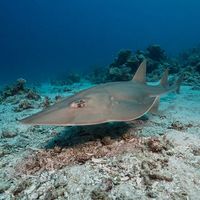
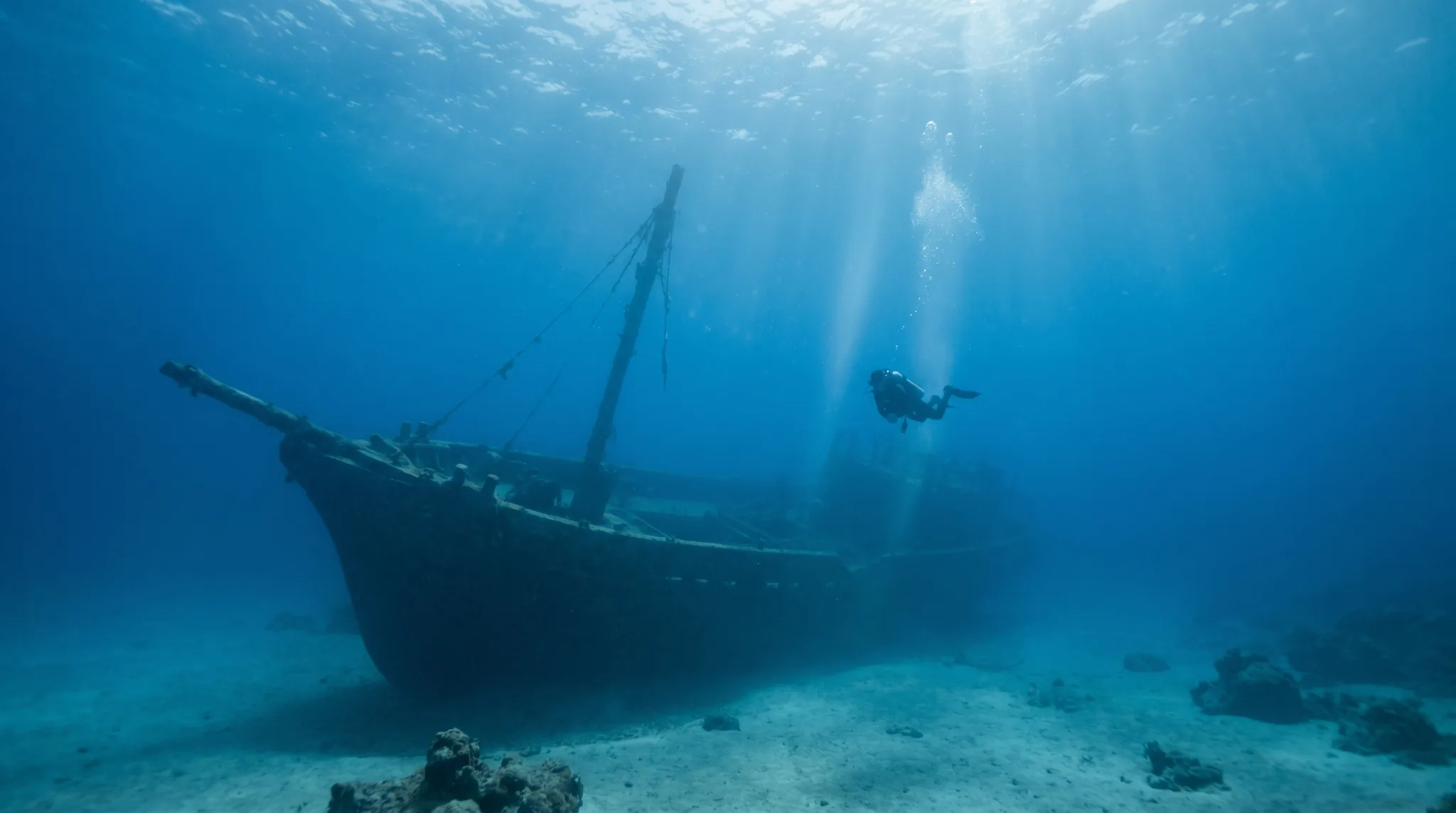
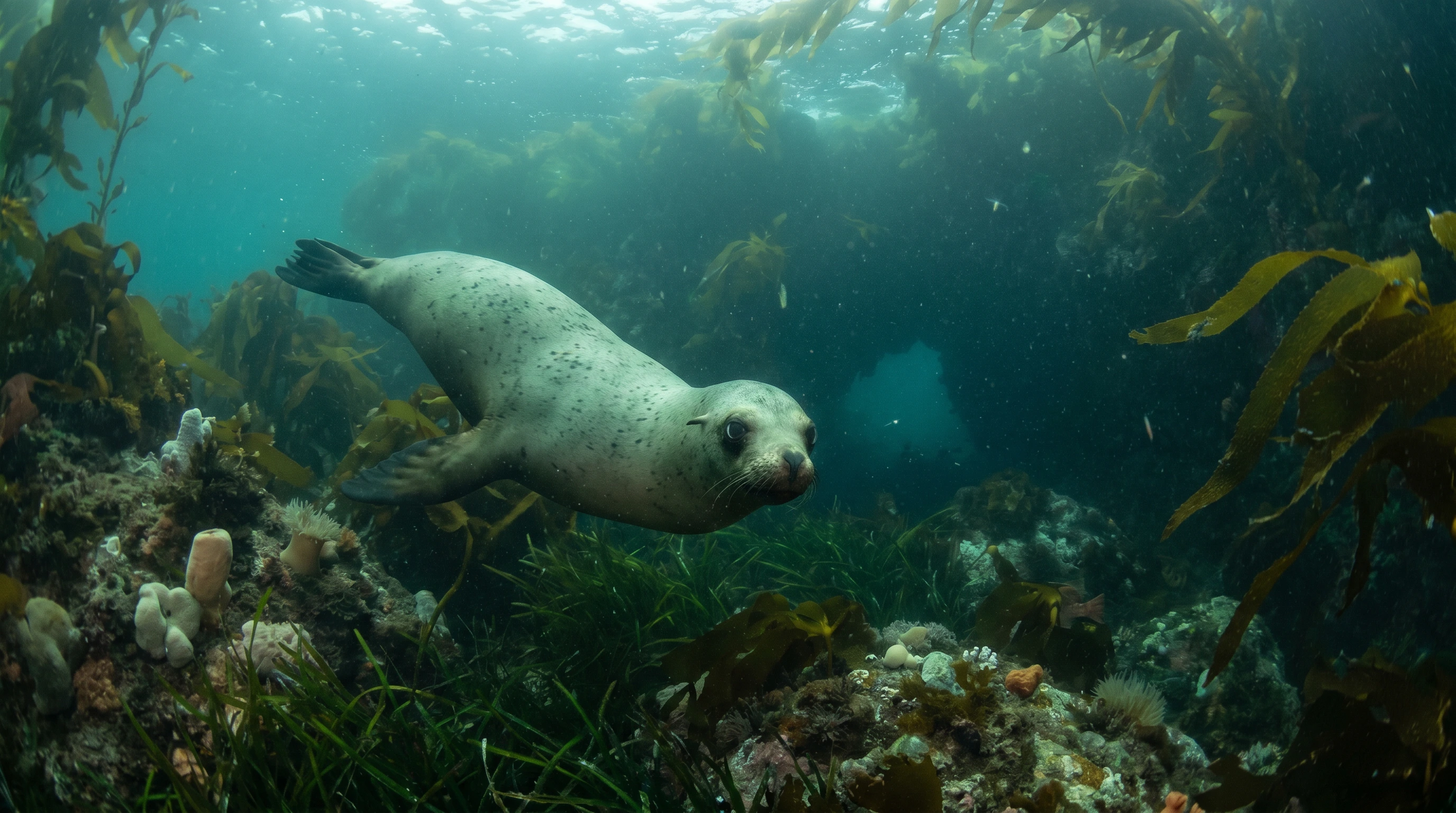
La Jolla's diving is defined by dense kelp forest over mixed reef, seagrass, and cave terrain, nearly all of it accessible from shore. California Sea Lion, Harbor Seal, and the bright orange Garibaldi are constant presences, while Horn Shark, Leopard Shark, and Shovelnose Guitarfish patrol the sandy margins. Nudibranch diversity is a quiet highlight, with Hermissenda and Spanish Shawl found across most sites. Conditions suit beginners well, though cooler winter water rewards those who visit year-round.

Monthly water temperature across La Jolla's sites, from satellite sea-surface data corrected for depth. The band shows the site-to-site spread.
Water temperature climbs gradually from late spring into late summer and early autumn, making those months the warmest for diving. Winter and early spring bring cooler conditions but remain diveable, and the best-months data shows strong diver activity in autumn and into December. Surge and surface chop can affect exposed entries, so calm-day timing rewards careful planning.
2 operators
United States
6 more sites to explore
Water temperature around La Jolla ranges from about 15°C in January to 19°C in August, based on satellite sea-temperature data for its dive sites.
In the warm season (about 19°C) a 5mm suit is comfortable in La Jolla; in the coldest months (about 15°C) step up to a 7mm or semi-dry suit.
Fin maps 10 sites in La Jolla (10 scuba diving sites and 1 snorkelling spots, with some suited to both).
Across La Jolla's dive sites, November are most often reported as the best months to visit.
California Sea Lion and Harbor Seal are very commonly encountered across sites, alongside the vivid Garibaldi. Horn Shark, Leopard Shark, and Shovelnose Guitarfish are regularly observed on the reef and sandy areas, and nudibranch species including Hermissenda and Spanish Shawl appear throughout the kelp and reef habitats. Occasional sightings of Green Sea Turtle and East Pacific Red Octopus add further interest.
The majority of sites, including La Jolla Kelp Forest, Marine Room, The Cave, and La Jolla Cove, are rated for beginner divers. Most involve shallow to moderate depths and shore or combined shore and boat entry. Beginners should be comfortable with mild surge, as exposed entries can be more challenging on rougher days.
Shore entry is the dominant access method across La Jolla's sites, with the kelp forest reachable within a short surface swim from the beach. La Jolla Cove also offers shore entry to its reef, cave, and kelp habitat. The Cave can be reached from shore or by boat, giving slightly more flexibility for that particular site. Local operators La Jolla Dive and Dive California can assist with guided access.
Kelp forest and reef are the dominant site types, with several sites also featuring seagrass meadows and at least one incorporating cave topography. La Jolla Cove combines all four habitat types in a single dive, making it the most varied site in the area. This mix of terrain supports the wide species diversity observed across the region.