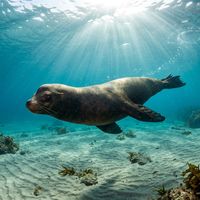
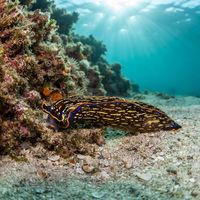
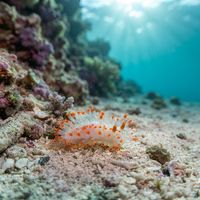
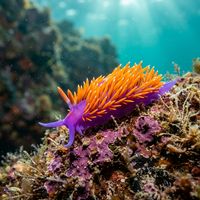
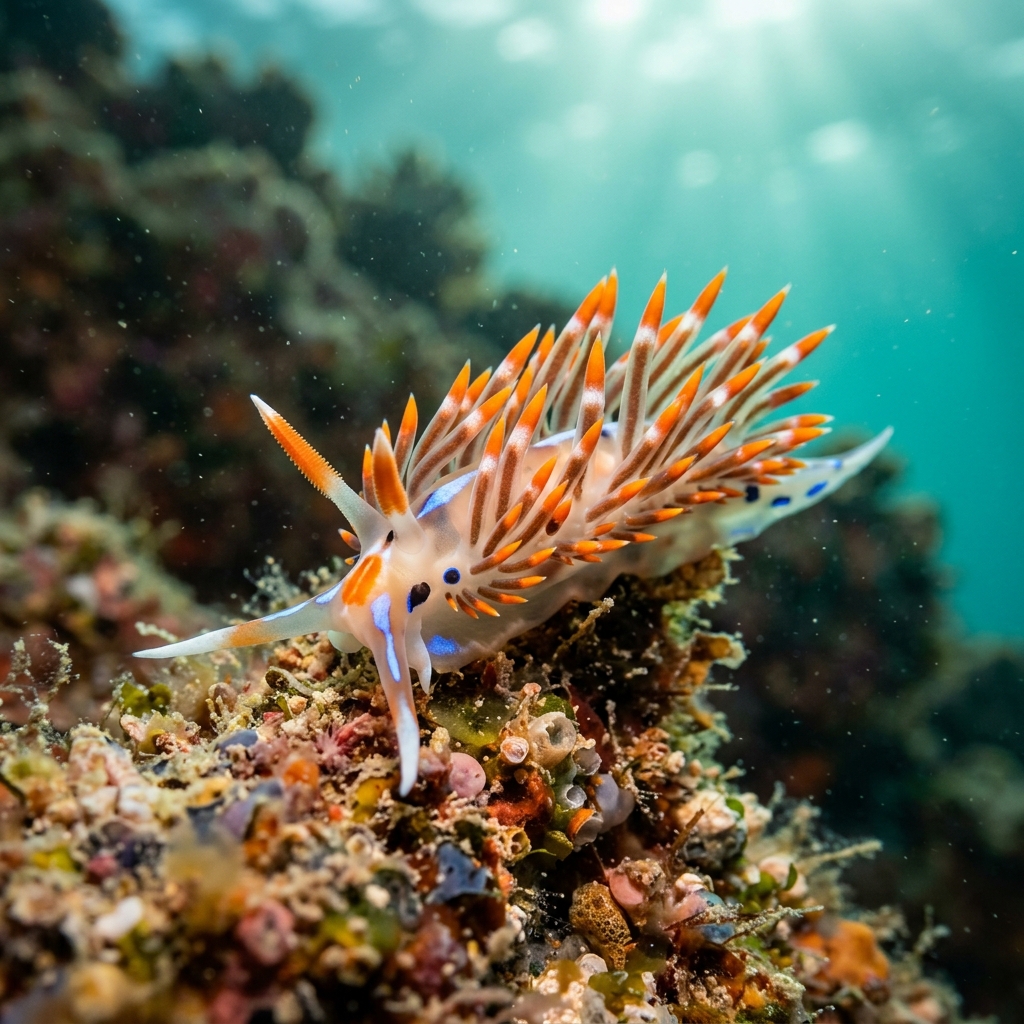
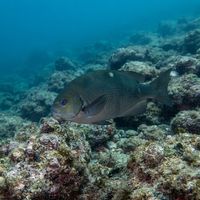
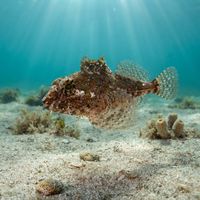
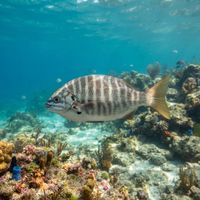
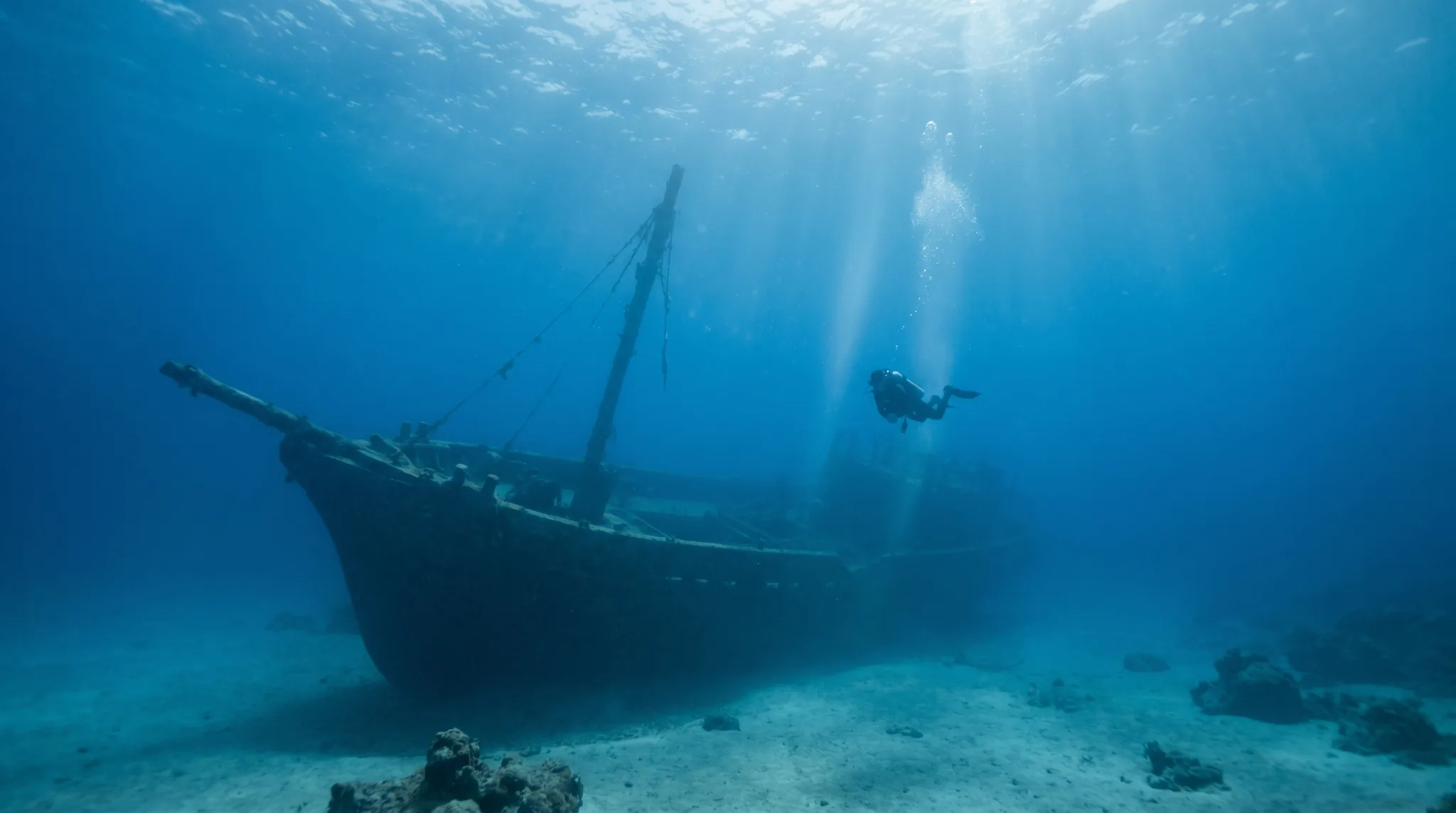
Point Loma and Mission Bay offers a compact but varied dive scene built around kelp forest reefs and a pair of notable wrecks. The Ruby E, a decommissioned Coast Guard cutter, and the deeper Yukon provide artificial reef structure alongside natural sites like New Hope Rock. California Sea Lion and Sea Star are observed across most sites, while nudibranchs including Spanish Shawl, Hermissenda, and Limacia Mcdonaldi reward attentive divers. All sites are boat-access.
Monthly water temperature across Point Loma & Mission Bay's sites, from satellite sea-surface data corrected for depth. The band shows the site-to-site spread.
Water stays cool year-round, warming through summer and into early autumn when conditions are rated most favourably by local divers. Late autumn and winter bring cooler temperatures but remain diveable, and the best-months data shows a clear peak from September through December. Exposure is offshore, so surface conditions depend on swell and wind rather than tidal patterns.
5 operators
8 more sites to explore
Water temperature around Point Loma & Mission Bay ranges from about 15°C in January to 20°C in August, based on satellite sea-temperature data for its dive sites.
In the warm season (about 20°C) a 5mm suit is comfortable in Point Loma & Mission Bay; in the coldest months (about 15°C) step up to a 7mm or semi-dry suit.
Fin maps 11 sites in Point Loma & Mission Bay (11 scuba diving sites and 2 snorkelling spots, with some suited to both).
Across Point Loma & Mission Bay's dive sites, September, October, November and December are most often reported as the best months to visit.
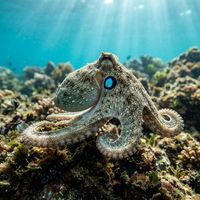
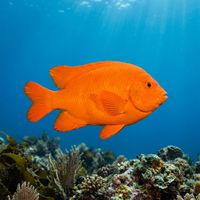
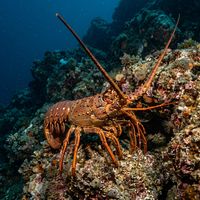
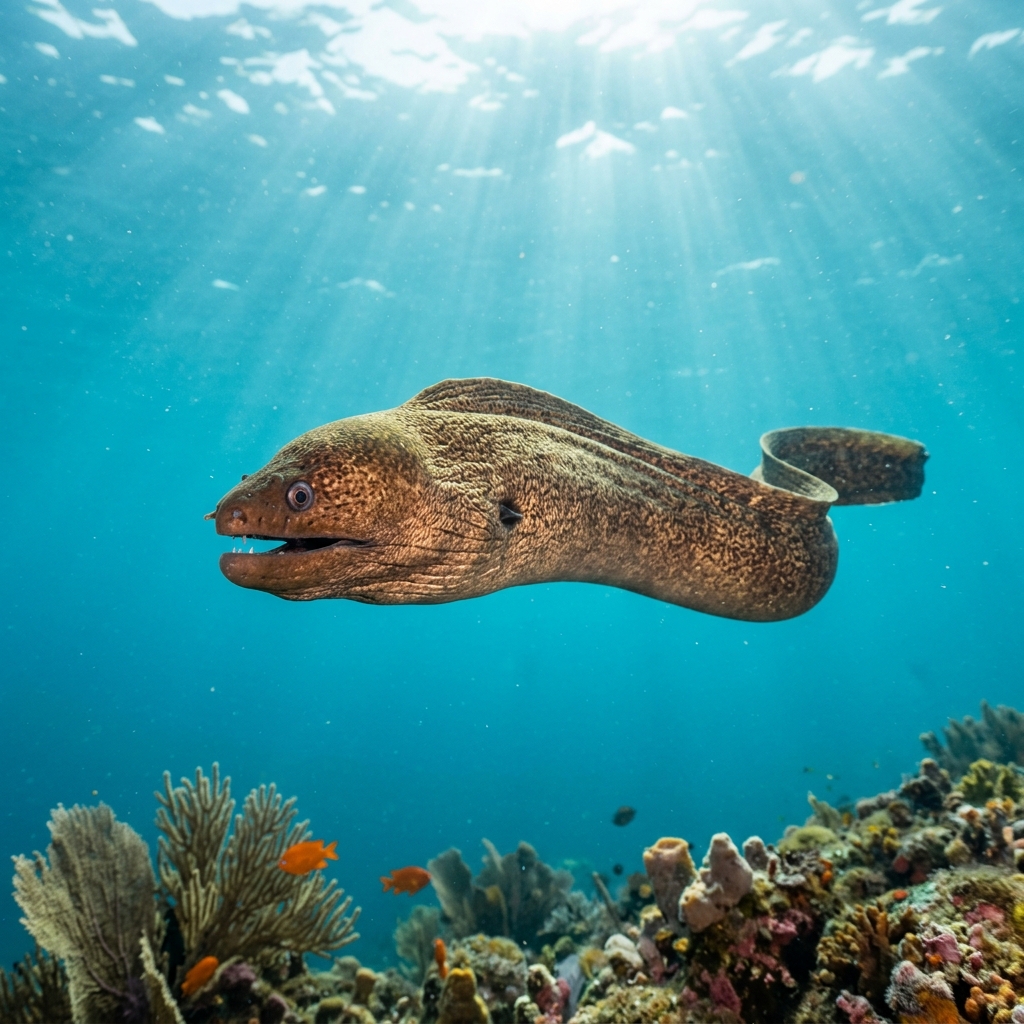
California Sea Lion is observed at the vast majority of sites and is the most reliable encounter in the area. Sea Star is similarly widespread, and the reefs host a strong selection of nudibranchs including Spanish Shawl, Hermissenda, and Navanax. Keen observers also find Lesser Two-spot Octopus, California Spiny Lobster, Garibaldi, and California Moray tucked into the reef structure.
It depends on which wreck you plan to dive. The Ruby E is rated intermediate and sits at moderate depth, making it accessible to qualified open-water divers with some experience. The Yukon reaches deeper and carries an advanced rating, so prior deep-dive experience and solid buoyancy control are important before attempting it.
All the listed sites in this area are boat-access only, so you will need to go out with one of the local operators. Ocean Enterprises, Odyssea Adventures, Waterhorse Charters, Marissa Charters, and Spear Shack all run trips from the San Diego area. Booking through a charter is also the most practical way to reach the offshore wrecks safely.
The reef and kelp forest sites, such as New Hope Rock, tend to be shallower and suit intermediate divers looking for marine life in a natural setting. The wrecks offer enclosed structure, resident fish communities, and a different kind of exploration, with the Yukon in particular requiring more experience due to its depth. Both site types share a good cross-section of the local species list.