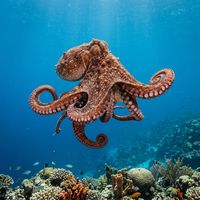
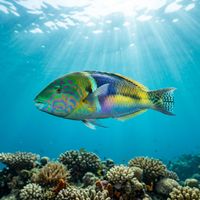
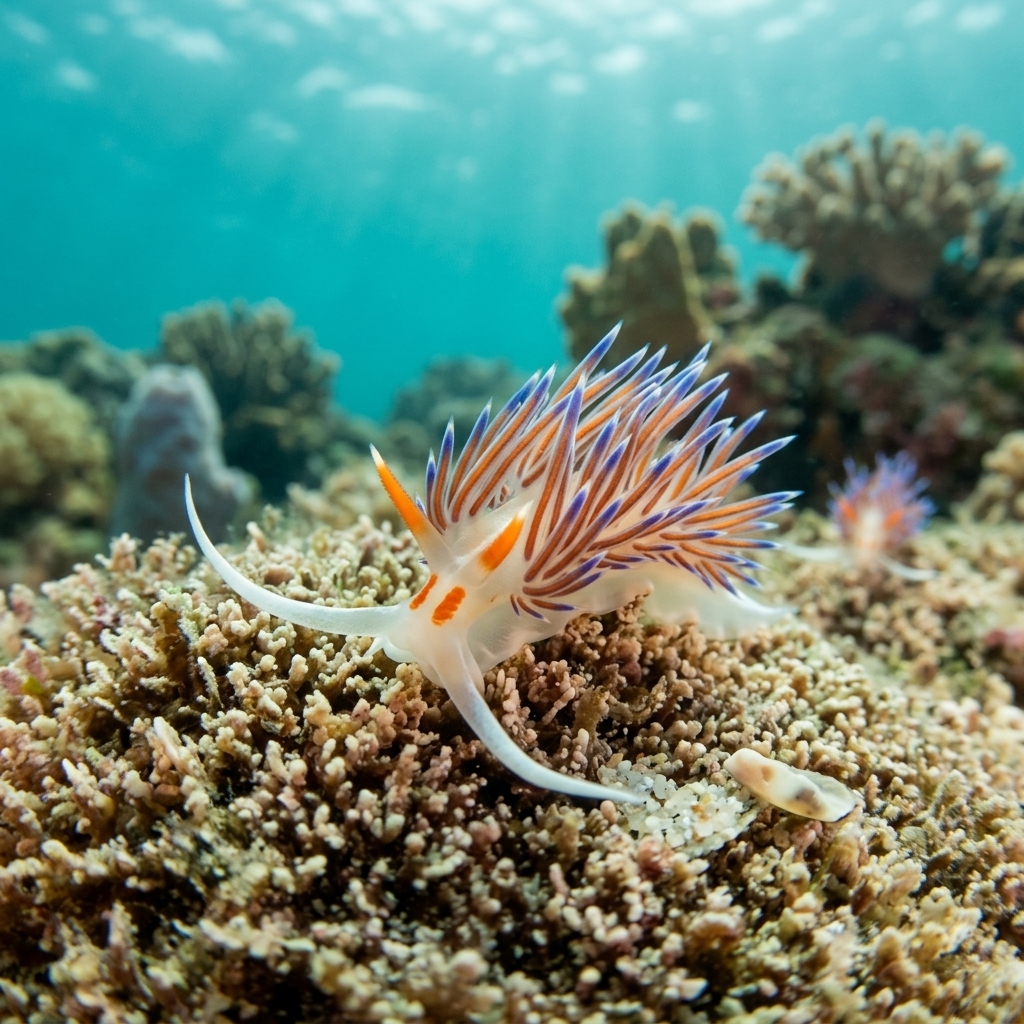
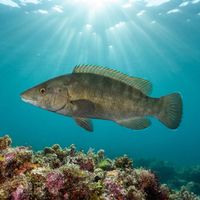
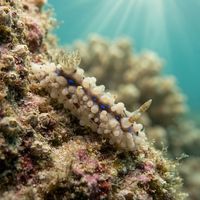
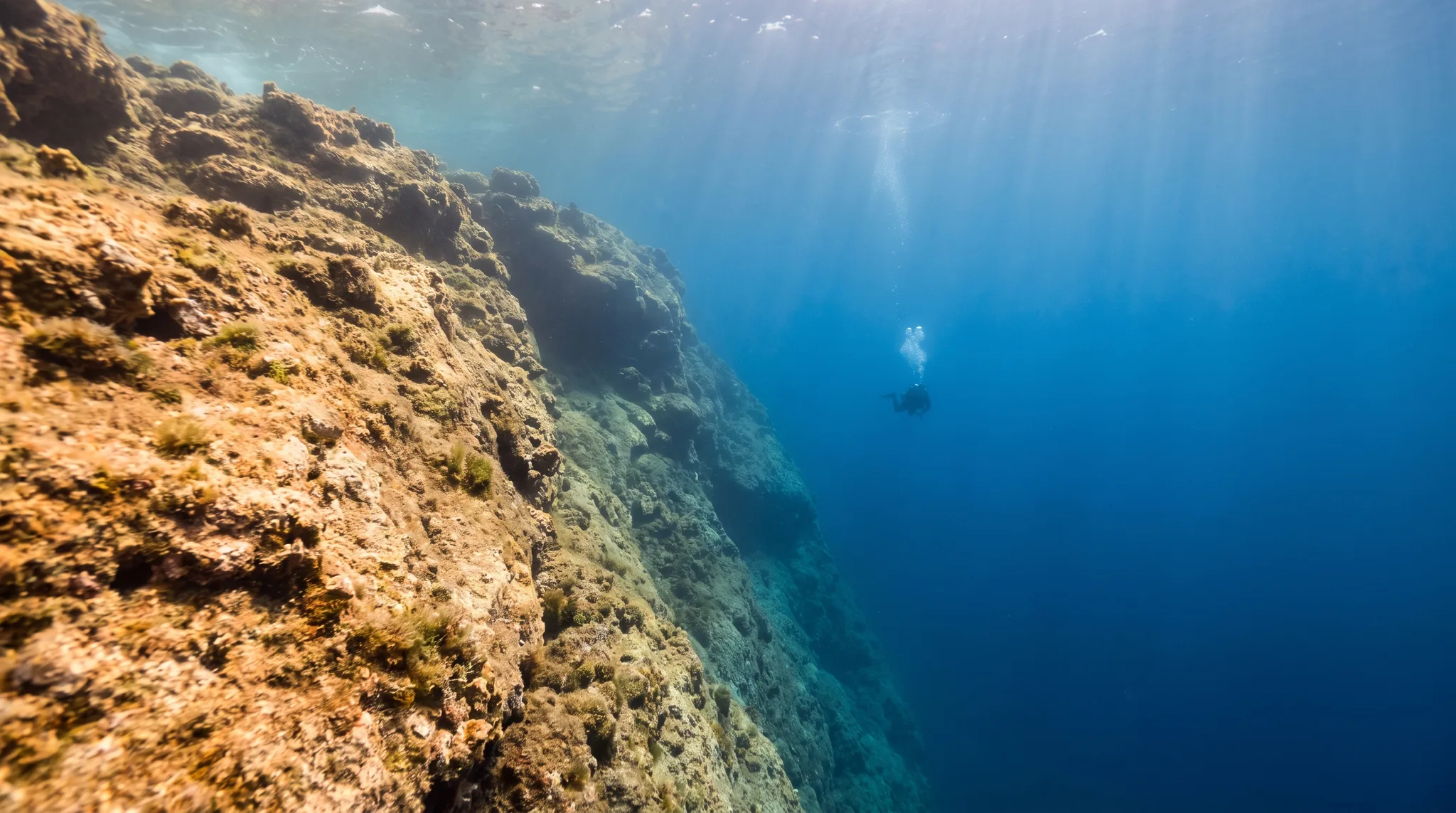
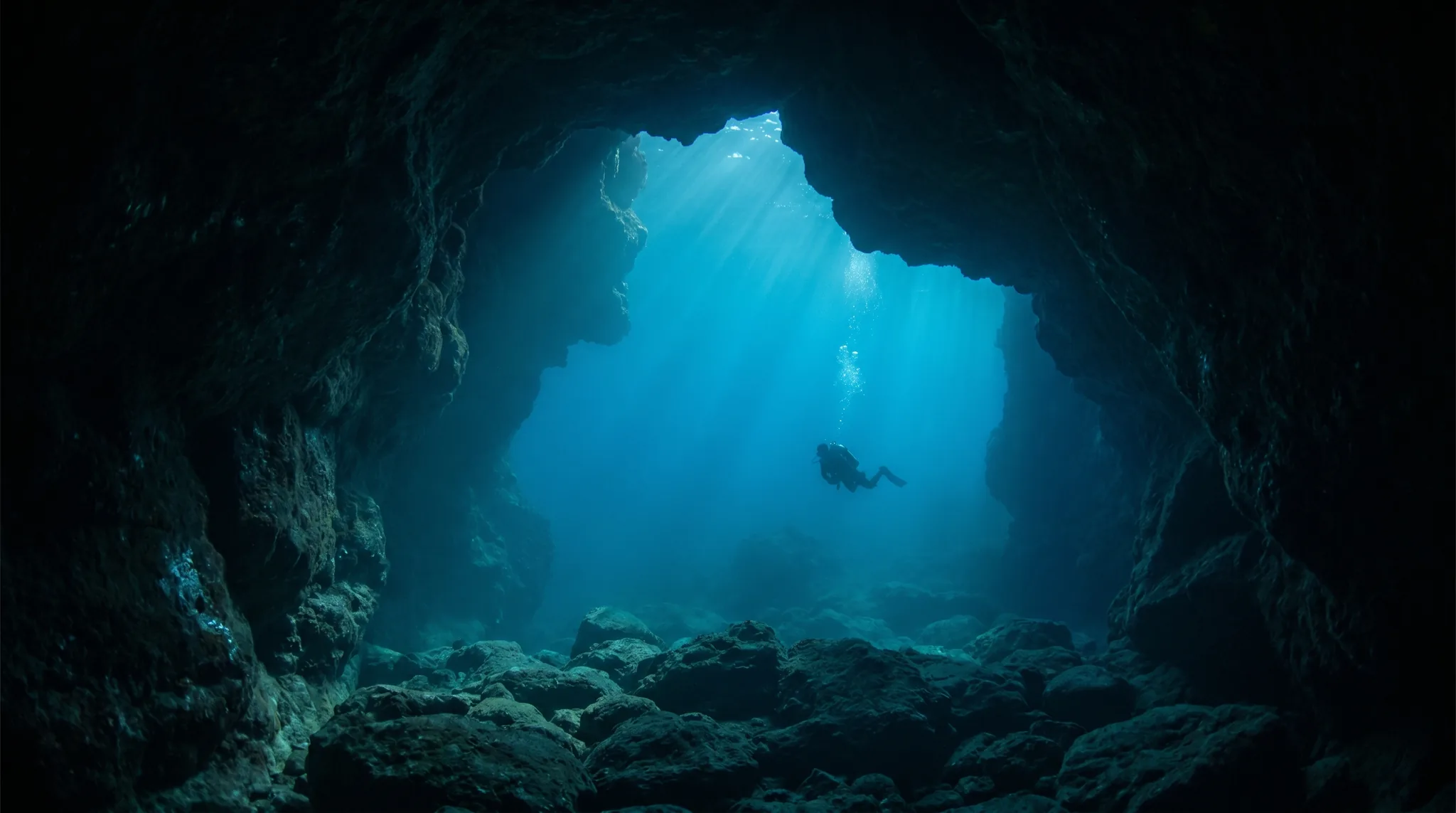
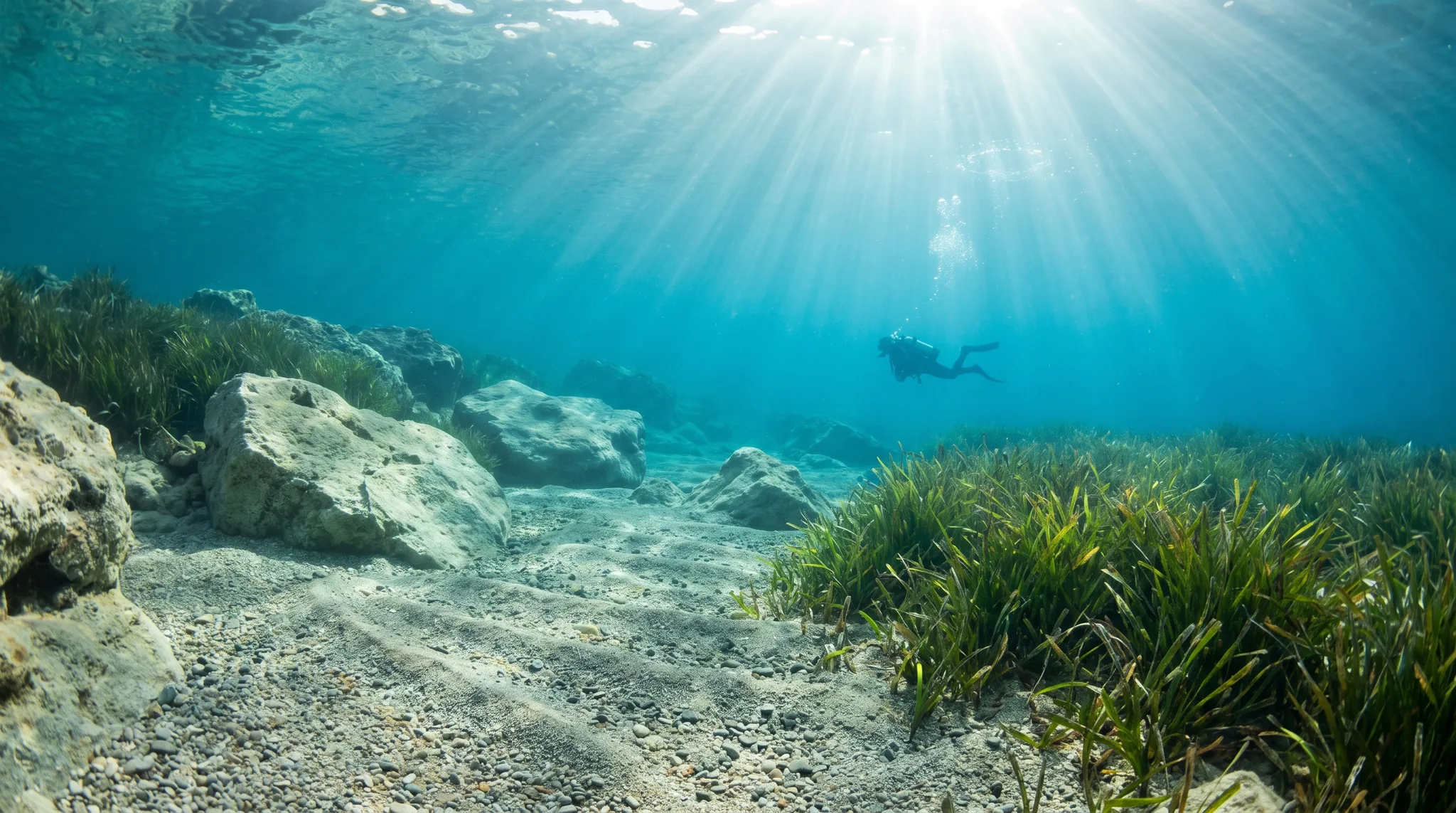
Cala Ratjada offers a compact but varied diving scene built around rocky reefs, walls, caves, and caverns spread across shore and boat-access sites. The character shifts from shallow, beginner-friendly cave dives at spots like Maria's Grotte and Hide and Seek to deeper reef and wall dives off the Cabrera Islands at Sa Mula and El Farella. Common Octopus, Turkish Wrasse, Castagnole, and Cratena Slug are consistently observed, with occasional sightings of Loggerhead Sea Turtle and Dusky Grouper adding reward for patient divers.
Monthly water temperature across Cala Ratjada's sites, from satellite sea-surface data corrected for depth. The band shows the site-to-site spread.
Water is cool through winter and early spring, warming steadily from late spring into summer when conditions are at their most comfortable. The peak months run from late spring through to mid-autumn, covering the warmest temperatures and calmest conditions. Most sites carry only mild currents, so exposure is rarely a concern, though deeper boat dives off the Cabrera Islands demand more attention to conditions.
16 operators
Spain
Capdepera, Spain
4 more sites to explore
Water temperature around Cala Ratjada ranges from about 15°C in January to 25°C in August, based on satellite sea-temperature data for its dive sites.
In the warm season (about 25°C) a 3mm full suit is comfortable in Cala Ratjada; in the coldest months (about 15°C) step up to a 7mm or semi-dry suit.
Fin maps 13 sites in Cala Ratjada (12 scuba diving sites and 2 snorkelling spots, with some suited to both).
Across Cala Ratjada's dive sites, May, June, July, August, September and October are most often reported as the best months to visit.
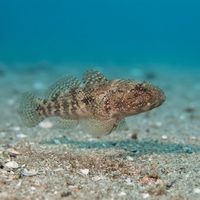
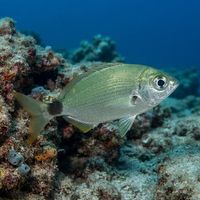
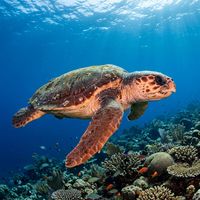
Common Octopus and Nudibranch are the signature species here, and both are consistently observed across sites. Turkish Wrasse, Brown Wrasse, Castagnole, Giant Goby, Saddled Bream, and Flat Crab are all very frequently recorded. Rarer encounters include Loggerhead Sea Turtle, Dusky Grouper, European Common Cuttlefish, and Flying Gurnard.
A good proportion of sites are rated for beginners, including Maria's Grotte, El Farella, La Mula, and Hide and Seek. These sites feature shallow to moderate depths and mild currents. Intermediate divers are also well served by deeper reef, wall, and cavern sites such as Sa Mula, Cap Freu, and Cala Lliteras.
Both options are available. Shore-entry sites include Maria's Grotte, Hide and Seek, Faro Cala Gat, and Cala Lliteras, making independent diving straightforward at those locations. The deeper and more varied sites off the Cabrera Islands, such as Sa Mula, El Farella, and La Foguera, require a boat and are best arranged through one of the local operators.
There are many operators working the area, giving good flexibility for guided dives and courses. Named centres include Skualo, Blau Sub, Acqua Life Dive Center, Dive Inn Mallorca, Dive Center Mallorca, Dive and Fun Font de Sa Cala, Dive and Fun, and Mero Diving. Most can arrange boat access to the offshore sites as well as guided shore dives.