Caloria quatrefagesi
A small orange-tufted nudibranch turning up on Mediterranean reefs, most reliably in Catalonia and Valencia at 16-22C year-round.
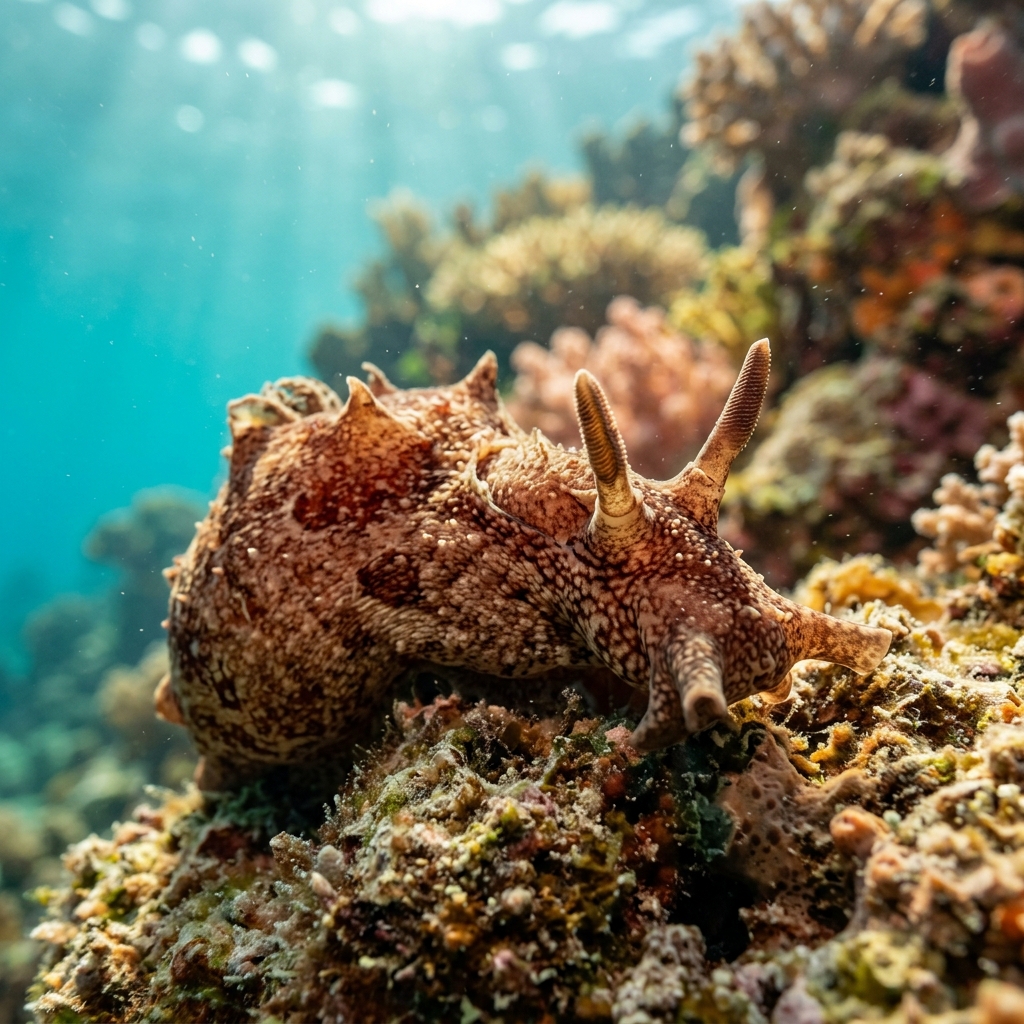
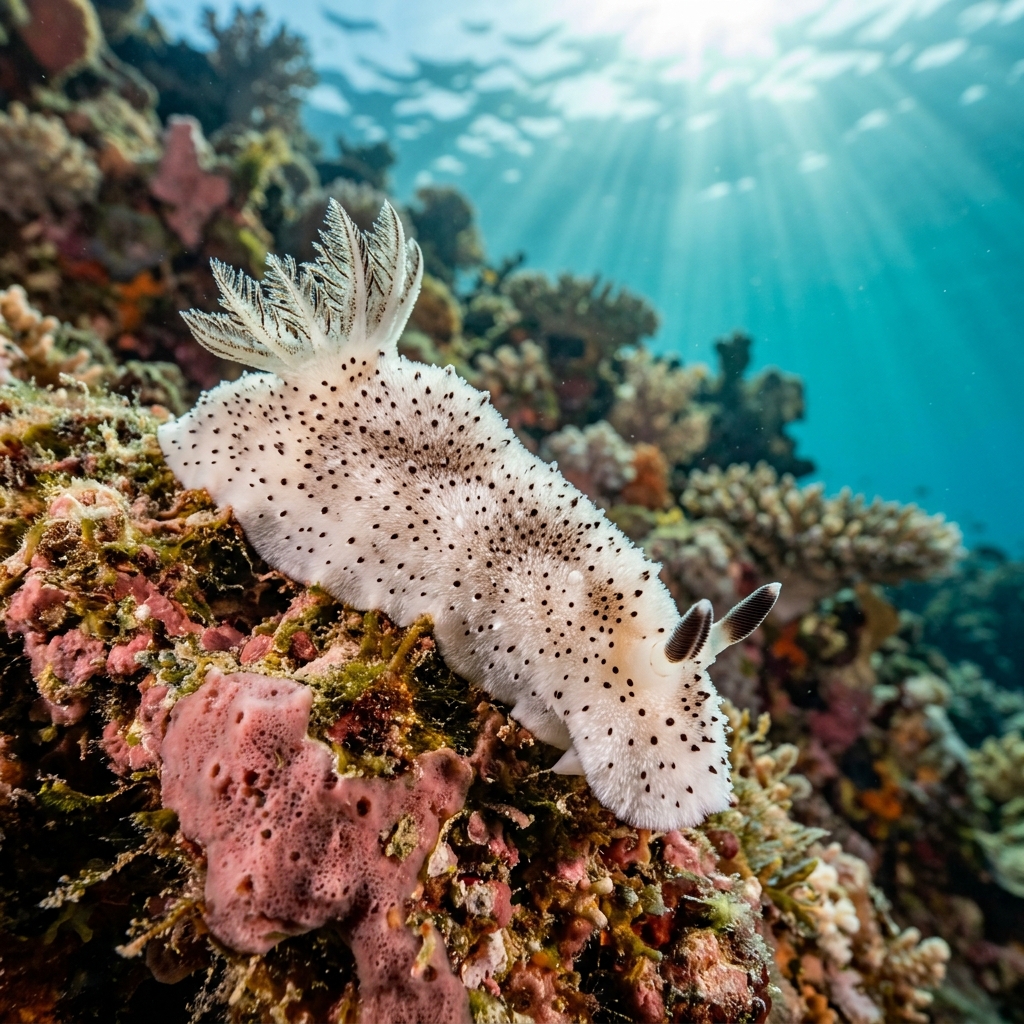
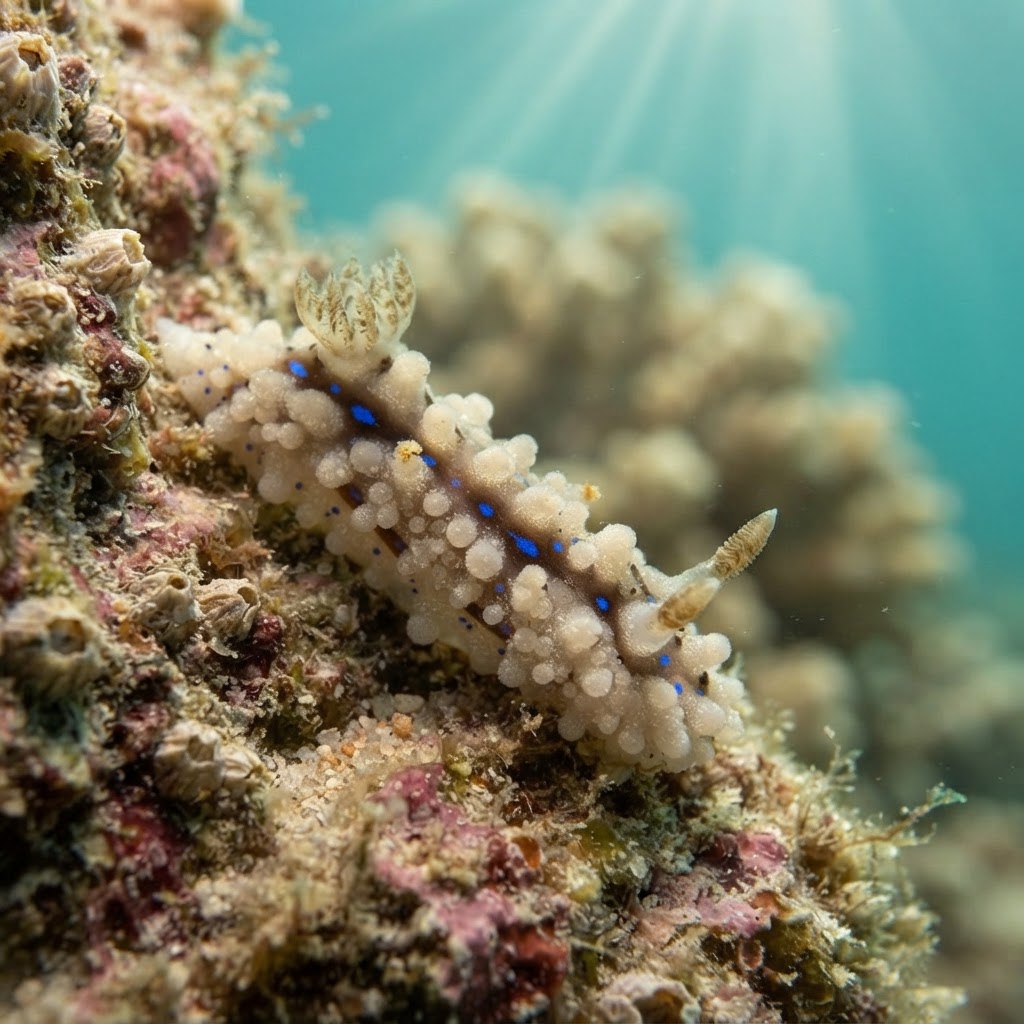
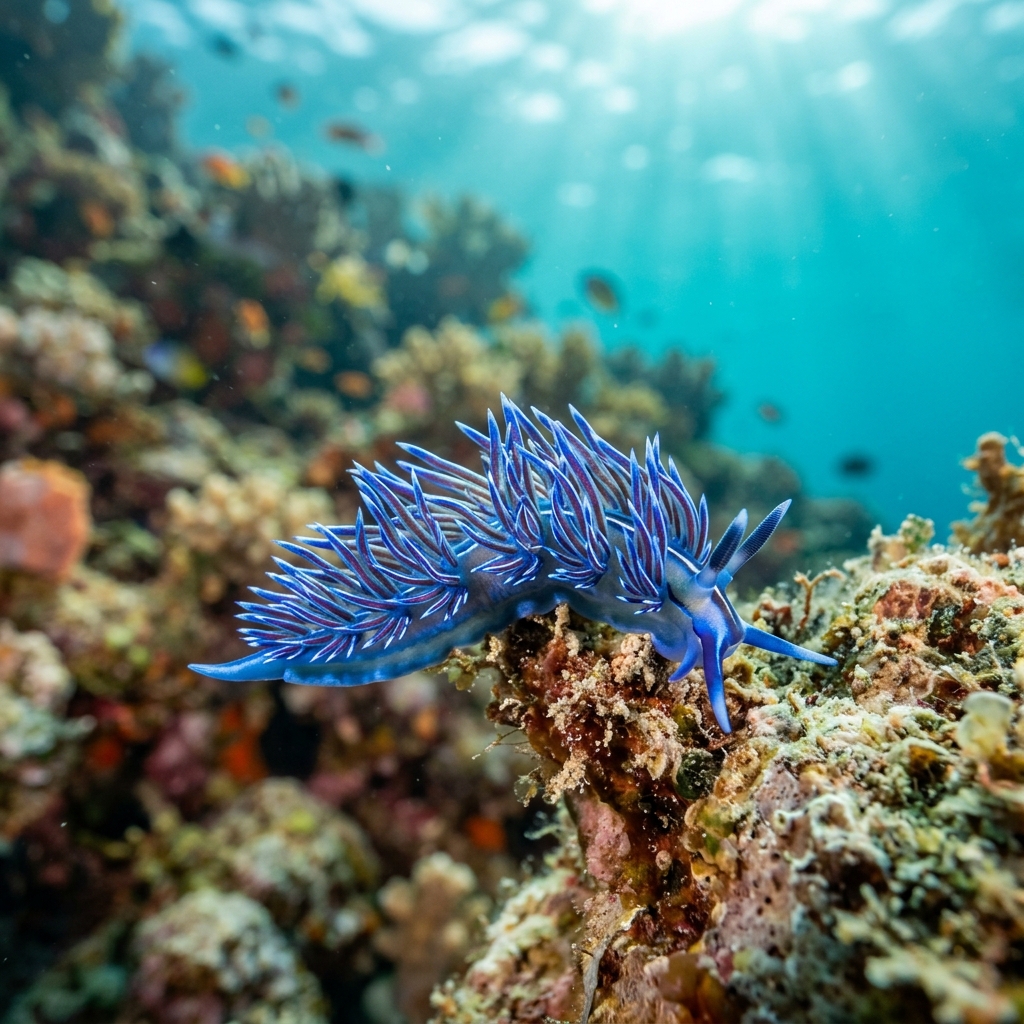
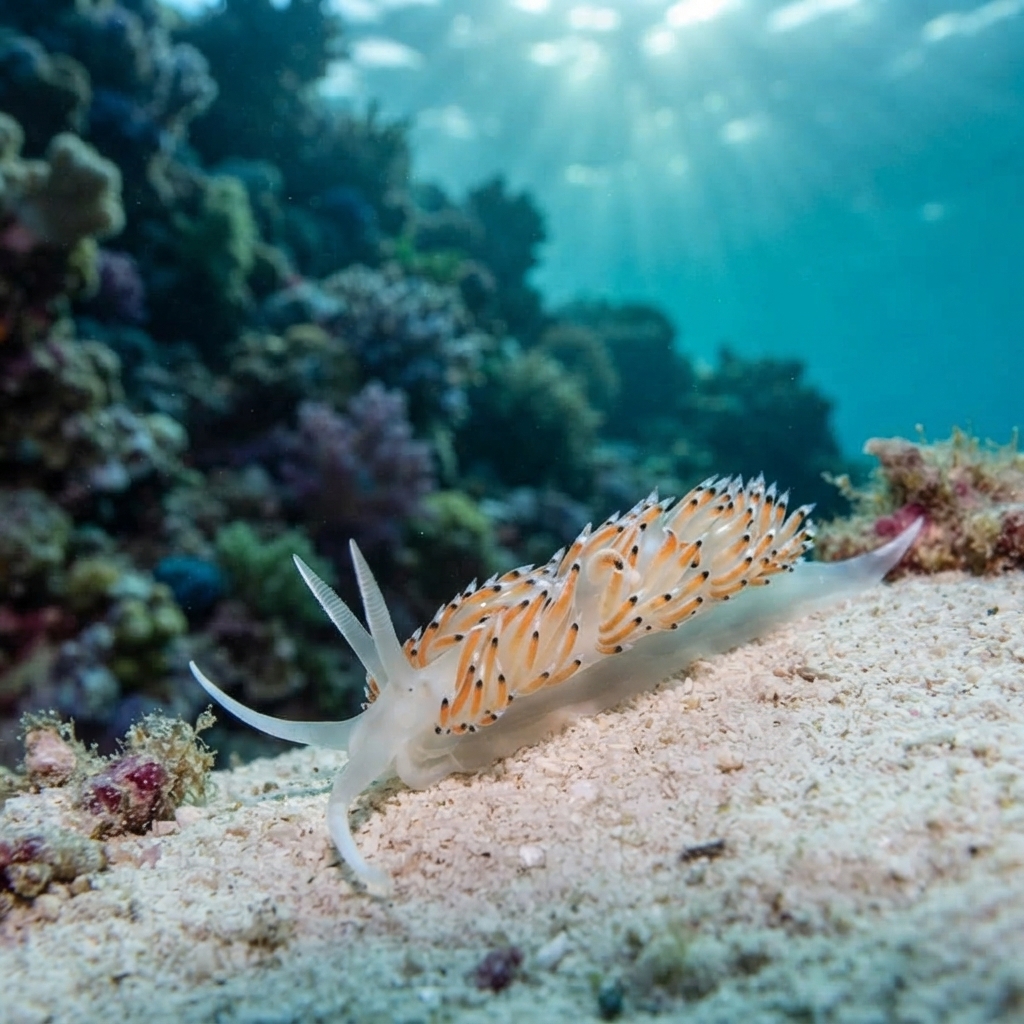
A small nudibranch (sea slug) covered in dense clusters of slender, upright cerata (finger-like projections on its back) that give it a bristly, tufted look. The cerata typically show warm orange to reddish tones with paler, often white, tips, set against a translucent or pale body. Look for it moving slowly over rock and algae rather than swimming, with the cerata catching the light as the main giveaway rather than any bold pattern.
Divers find it grazing slowly across rock, algae turfs and encrusting growth, feeding on hydroids in typical facelinid fashion rather than doing anything dramatic. It shows no reaction to divers beyond its usual unhurried pace, so a close, steady light and a macro lens are all you need to get a good look. Most logs come from shallower rocky reef habitat rather than open water or deep walls.
Like other facelinids, it likely stores stinging cells from the hydroids it eats in the tips of its cerata, turning its food source into its own defence.
Sightings show no clear seasonal pattern, so it is logged across the year within its observed range of about 15.7 to 21.7C, meaning any dive trip timed for comfortable Mediterranean water temperatures should give you a fair shot.
This one is a Mediterranean speciality, most heavily logged in Spain, especially Catalonia, Valencia and the Balearic Islands, with the French Riviera and Provence also producing steady sightings. Smaller numbers turn up in Italy, particularly Campania and Liguria, and along Portugal's coast, so it is worth checking rocky reef and algae-covered walls anywhere in the western Mediterranean.
Mapping where Quatrefages' Caloria is logged…
It is most consistently found in Spain, particularly Catalonia, Valencia and the Balearic Islands, with a further stronghold along the French Riviera and Provence. Smaller numbers appear in Italy's Campania and Liguria regions and off Portugal.
There is no strong seasonal pattern in the sightings, so it is logged year-round within its observed 15.7 to 21.7C range. Plan around good general Mediterranean diving conditions rather than a specific month.
Look for a small nudibranch dense with slender orange-toned cerata tipped in white, crawling slowly over rock and algae. It lacks a bold pattern, so the bristly texture of the cerata clusters is the main feature to key on.
Exact size data is not documented, but like most facelinid nudibranchs it stays small, generally in the centimetre range, making it an animal you spot by looking closely at rock and algae rather than scanning open water.
It probably recycles stinging cells from the hydroids it feeds on, storing them in the tips of its cerata as a borrowed defence, a trick common across this nudibranch family.
Site and sighting data is aggregated from diver logs, iNaturalist and GBIF. For taxonomy and conservation status:
Light-spotted Aegires
3,168 sites