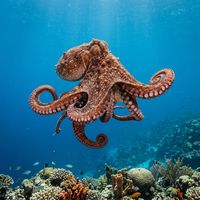
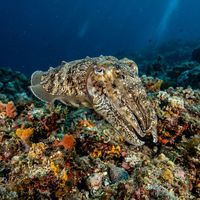
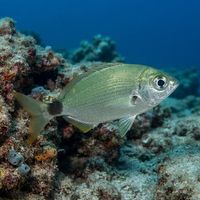
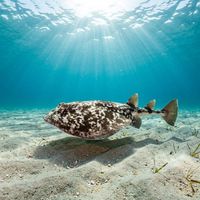
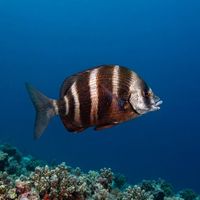
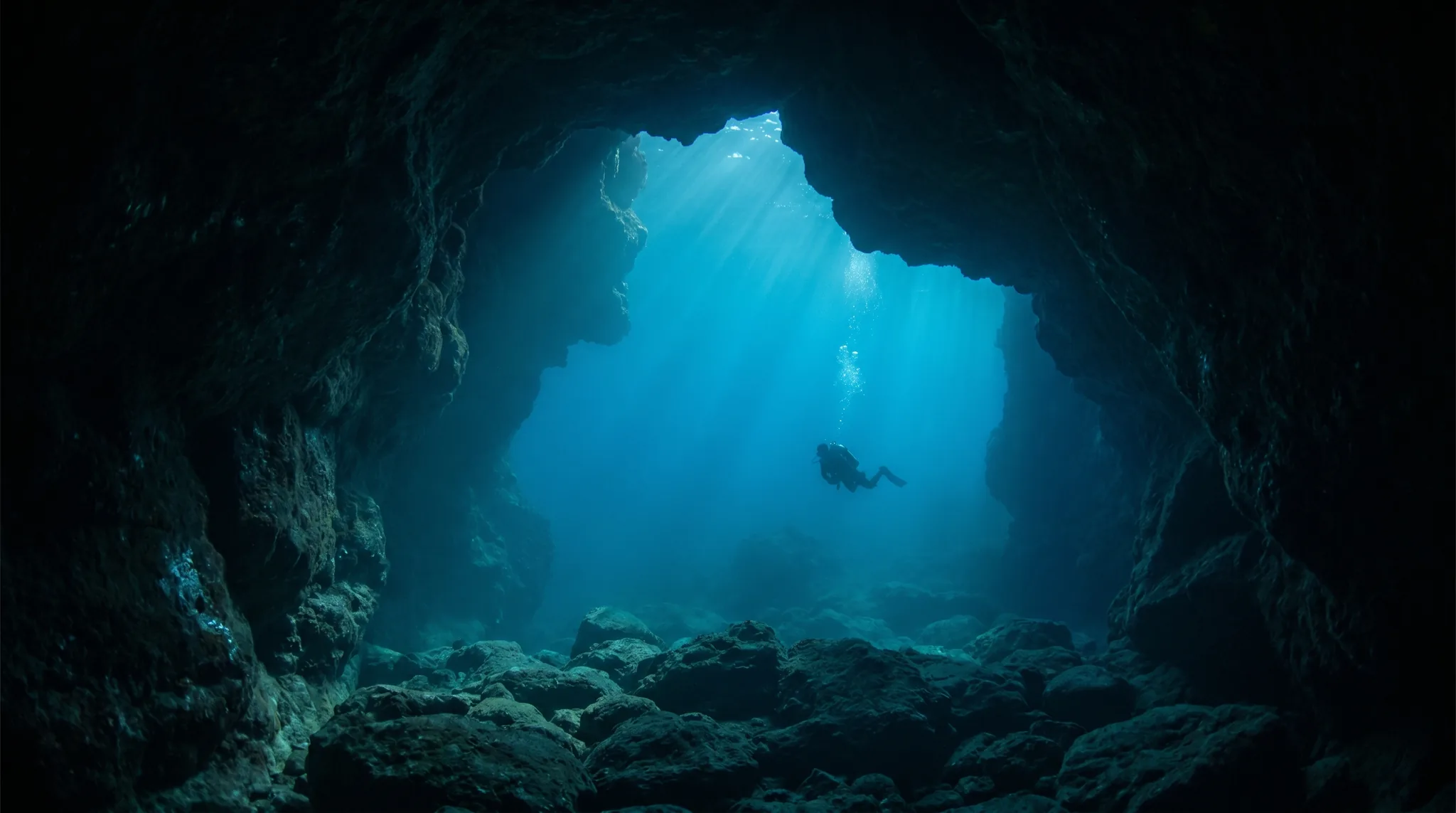
Andalusia spans four distinct sub-areas, each with its own character. Cabo de Gata leads for site count, pairing shore-accessible beginner reefs like Los Escullos with deeper gorgonian walls. Costa Tropical adds a further strong concentration of sites. Marbella and Tarifa round out the region, with Tarifa in particular built around challenging drift and wreck diving at the confluence of two bodies of water. Wrecks are a thread throughout: from shallow artificial reefs to deep steamship remains. The resident marine life is rich, with Common Octopus, European Common Cuttlefish, Tompot Blenny and Two-banded Seabream observed across nearly every site, and occasional Ocean Sunfish adding an element of surprise.
4 areas
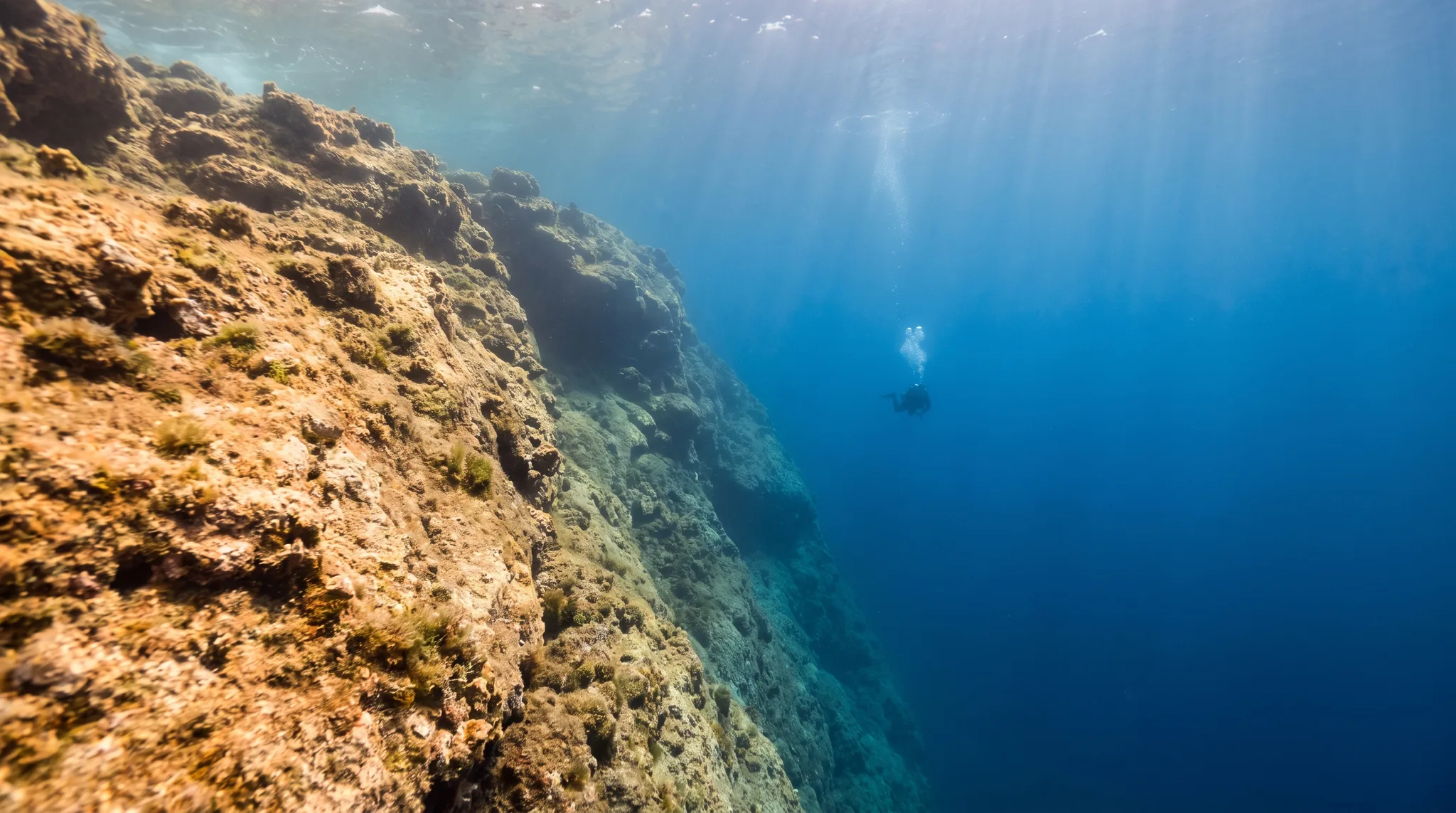 53
53Volcanic reefs, seagrass meadows and wreck sites hosting octopus, cuttlefish and resident Dusky Grouper.
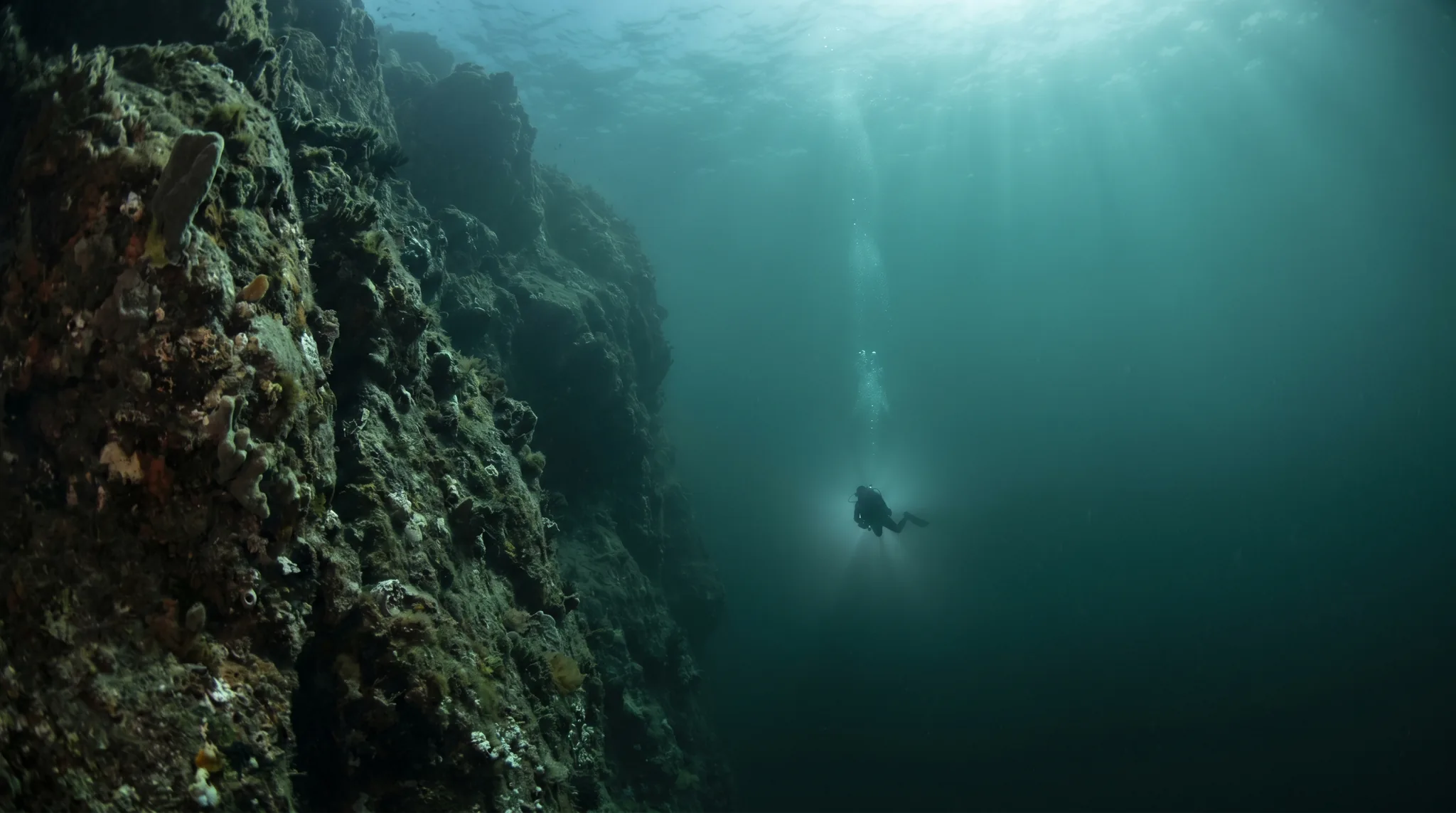 43
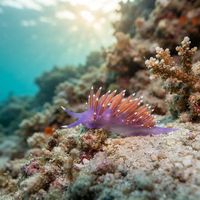
43Wreck, wall and reef diving around Almunecar, with Marbled Electric Ray, Ocean Sunfish and an outstanding nudibranch count observed across sites.
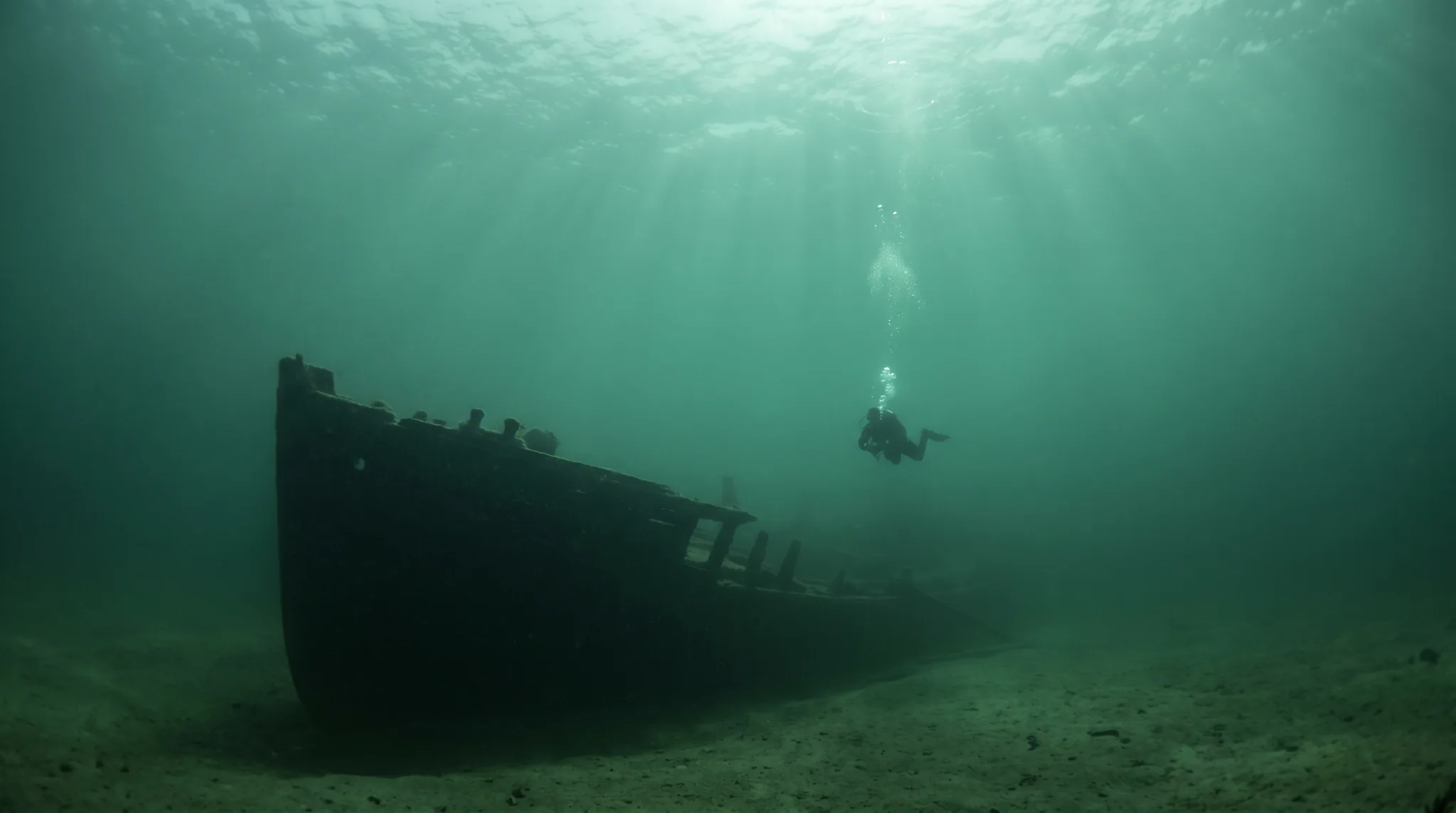 27
27Shore reefs and offshore wrecks with reliable sightings of Marbled Electric Ray and European Common Cuttlefish along the Andalusian coast.
22
Monthly water temperature across Andalusia's sites, from satellite sea-surface data corrected for depth. The band shows the site-to-site spread.
Water temperature stays moderate through winter and rises to its warmest in late summer, with the peak period for diver activity running from late spring through October. Tarifa's exposed sites carry strong currents year-round, making conditions there demanding at any season. Spring and autumn offer a good balance of comfortable water and favourable visibility across the calmer sub-areas.
58 operators

Current-swept wrecks, rocky walls, and an exceptional cast of cephalopods and electric rays make Tarifa one of Andalusia's most distinctive dive destinations.
Water temperature around Andalusia ranges from about 16°C in January to 22°C in August, based on satellite sea-temperature data for its dive sites.
In the warm season (about 22°C) a 3mm full suit is comfortable in Andalusia; in the coldest months (about 16°C) step up to a 7mm or semi-dry suit.
Fin maps 145 sites in Andalusia (131 scuba diving sites and 32 snorkelling spots, with some suited to both), organised into 4 areas.
Across Andalusia's dive sites, May, June, July, August, September and October are most often reported as the best months to visit.
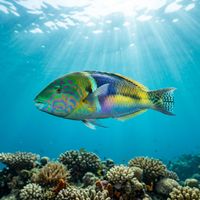
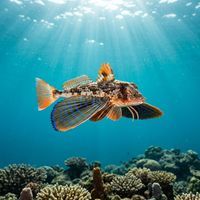
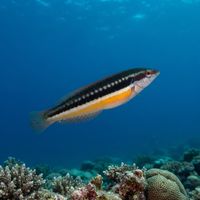
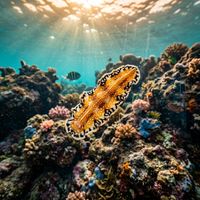
Observed species across the region include Common Octopus and European Common Cuttlefish, both very commonly recorded, alongside Marbled Electric Ray, Conger Eel, Scorpionfish and the distinctive Flying Gurnard. The Dusky Grouper appears occasionally on rocky reefs, and Ocean Sunfish have been sighted, particularly in open-water conditions. Tompot Blenny and Two-banded Seabream are among the most consistent reef fish throughout.
Yes, the region has a solid mix of entry-level sites. Los Escullos and Las Cuatro Uñas in Cabo de Gata are rated beginner-friendly, with shallow reef and seagrass habitats and shore-entry options. Little Bay in Tarifa is another gentle introduction, despite Tarifa's reputation for more demanding drift diving at advanced sites. Intermediate and advanced divers are equally well served across all four sub-areas.
Cabo de Gata has the largest site count and a strong emphasis on accessible reef diving, including seagrass beds, with several shore-entry options. Costa Tropical offers a comparable volume of sites with a similarly varied character. Marbella focuses more on boat-access reef and wreck diving, including sites near Estepona. Tarifa stands apart for its advanced drift and wreck diving at the meeting point of two very different bodies of water, where currents can be powerful and conditions unpredictable.
Both options exist, though boat access is more common overall. Shore-entry sites such as Los Escullos in Cabo de Gata and Little Bay in Tarifa are available to divers who prefer to enter from land. Las Cuatro Uñas accommodates both modes of entry. The majority of deeper and more advanced sites, including the region's wrecks around Tarifa and Marbella, are boat-access only. Several operators across the region run guided boat trips to these sites.