
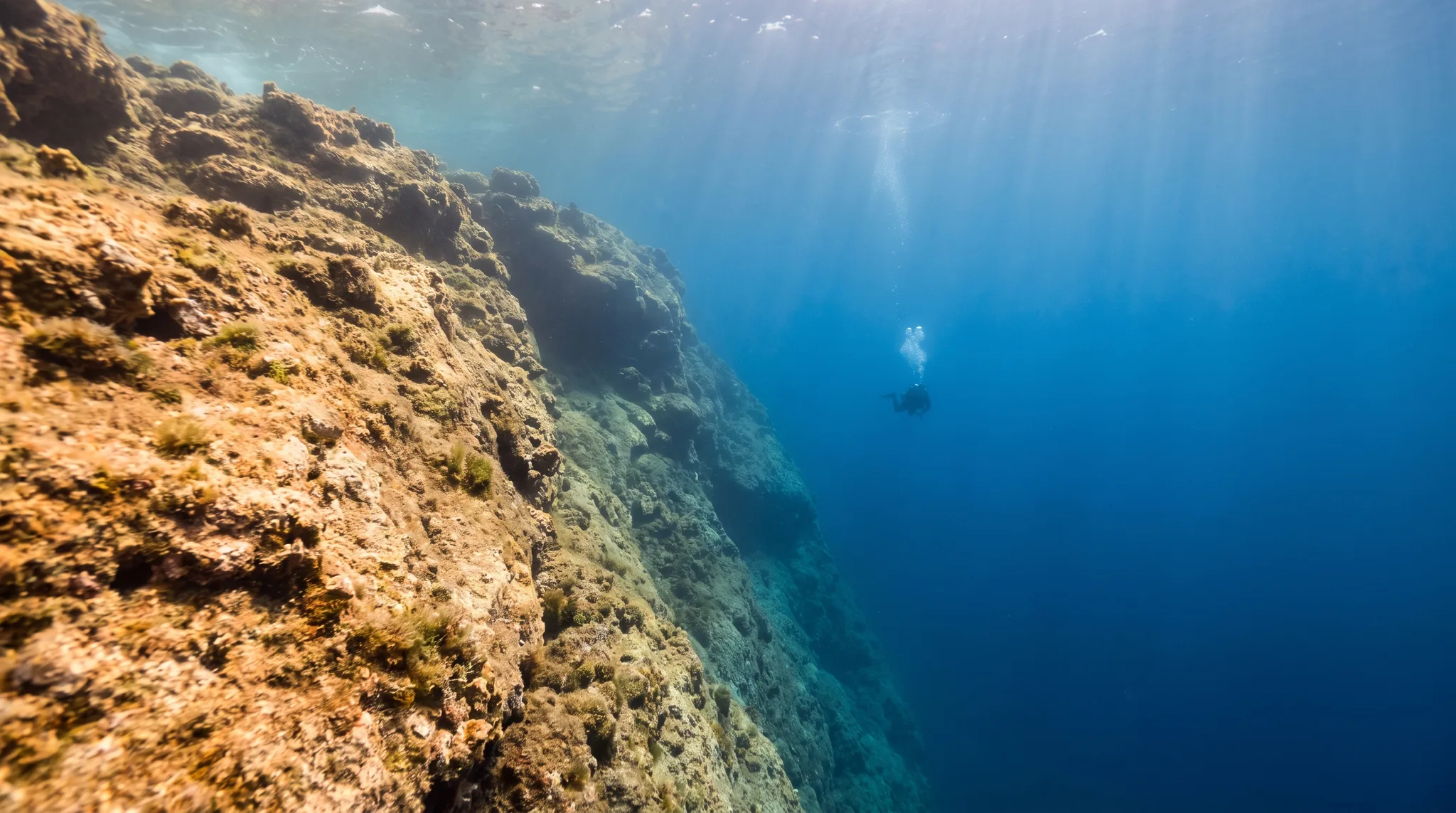
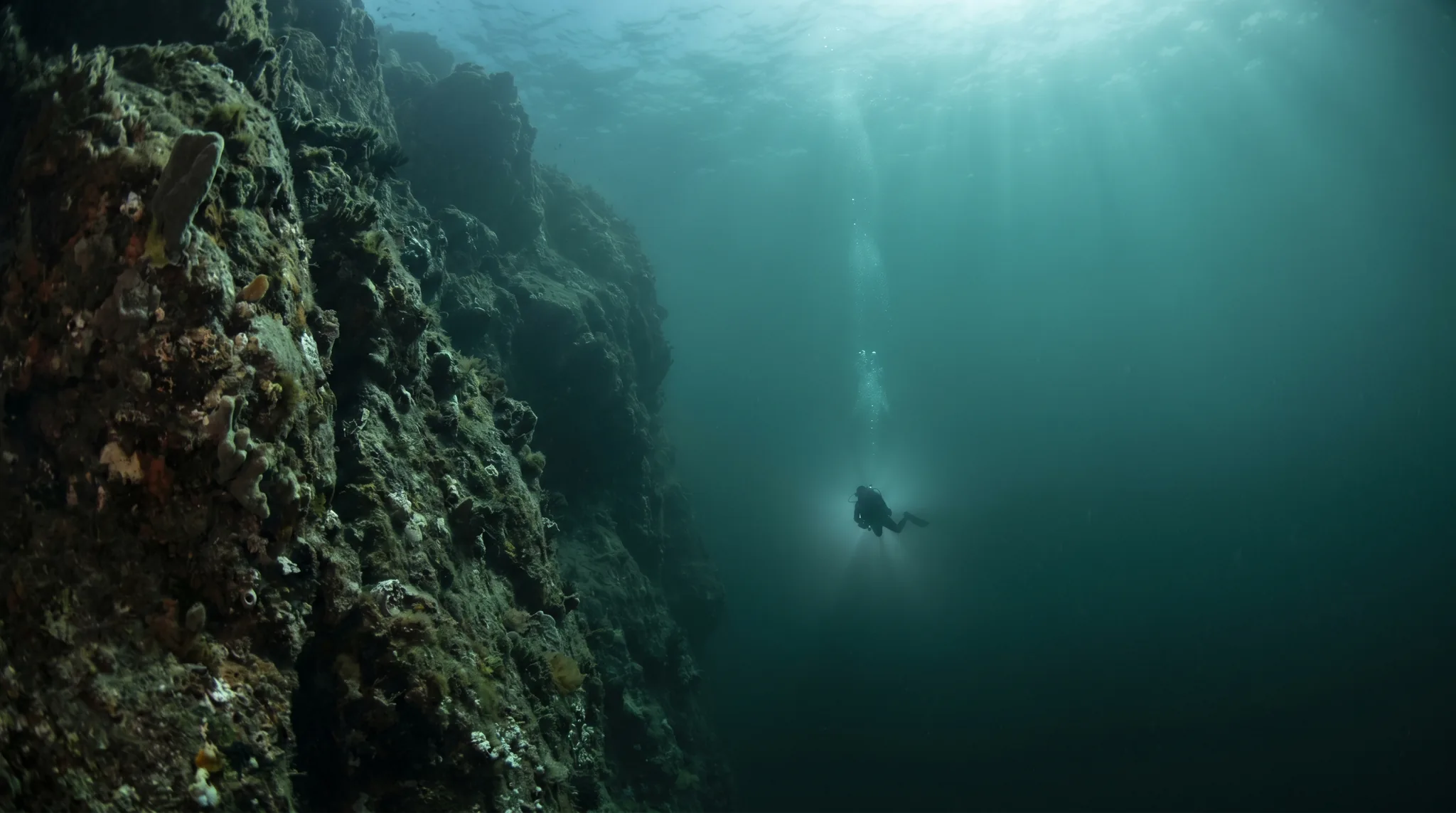
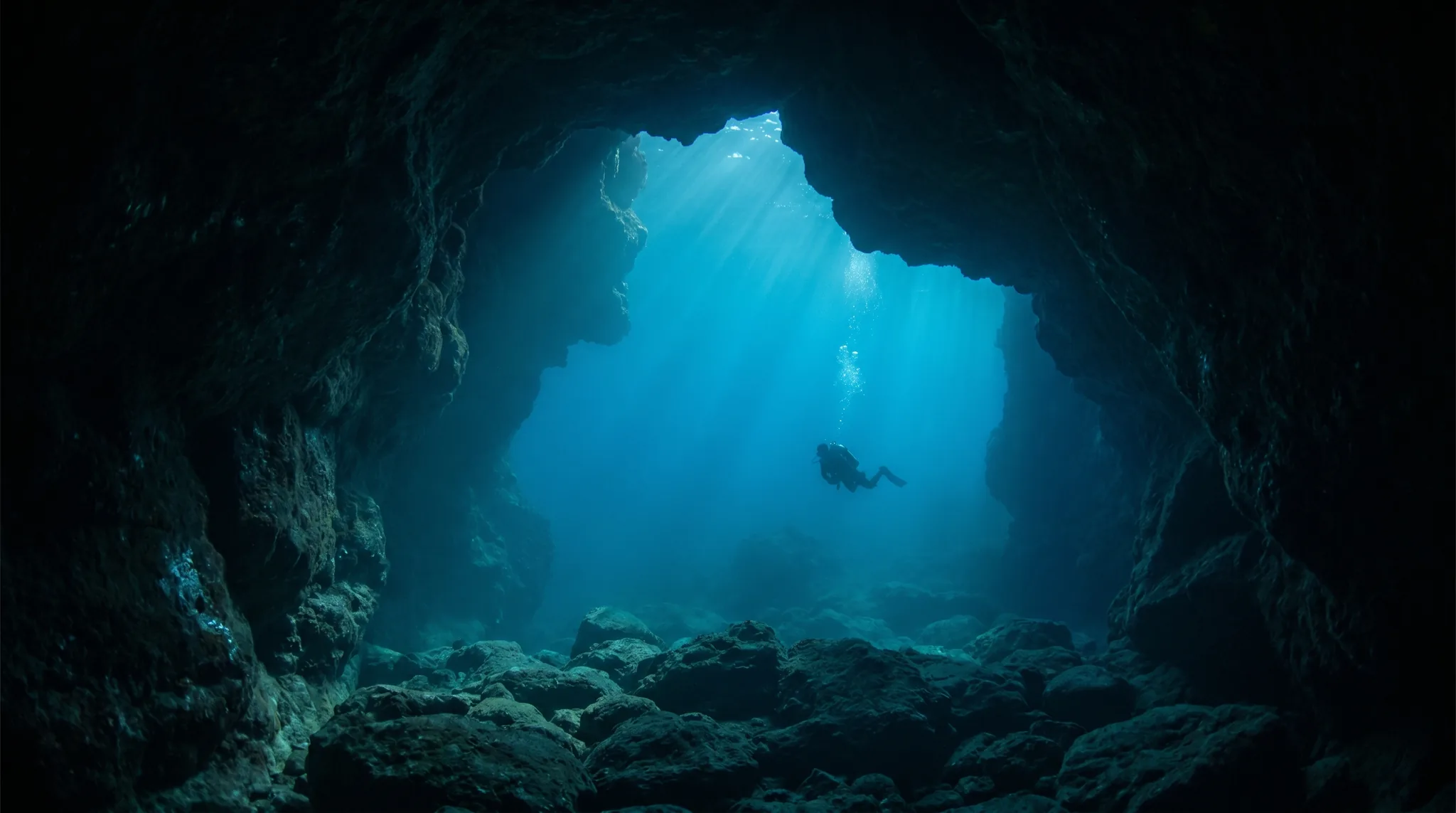
Cabo de Gata offers a varied underwater landscape built on volcanic rock, with reef, wall, seagrass meadow, cave and pinnacle sites spread across the area. The majority of sites suit beginners, though deeper walls and wrecks such as La Avioneta and El Motor reward intermediate and advanced divers. Wrasse, Tompot Blenny, Common Octopus and European Common Cuttlefish are observed across almost all sites, while the Dusky Grouper and Mediterranean Moray reward attentive exploration.
Monthly water temperature across Cabo de Gata's sites, from satellite sea-surface data corrected for depth. The band shows the site-to-site spread.
Water is coolest from winter through early spring, making a thicker wetsuit advisable for those months. Conditions warm noticeably from late spring onward, with the warmest water through summer and into September. October draws the highest number of diver visits, suggesting a sweet spot of settled seas and good visibility that experienced divers particularly favour.
20 operators
41 more sites to explore
Water temperature around Cabo de Gata ranges from about 15°C in January to 24°C in August, based on satellite sea-temperature data for its dive sites.
In the warm season (about 24°C) a 3mm full suit is comfortable in Cabo de Gata; in the coldest months (about 15°C) step up to a 7mm or semi-dry suit.
Fin maps 53 sites in Cabo de Gata (49 scuba diving sites and 10 snorkelling spots, with some suited to both).
Across Cabo de Gata's dive sites, May, June, July and October are most often reported as the best months to visit.
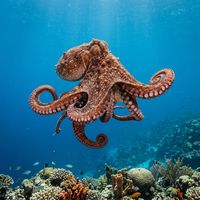
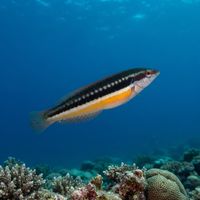
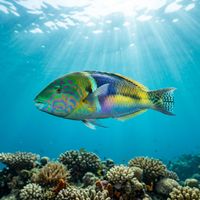
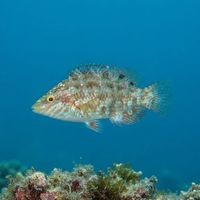
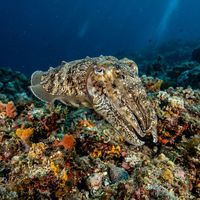
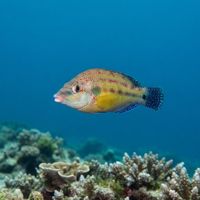
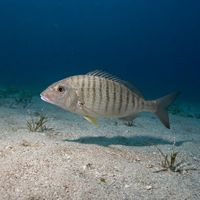
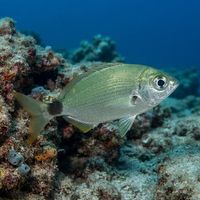
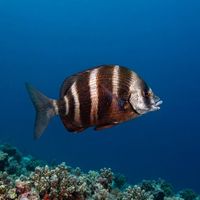
Observed species are varied and widespread across sites. Wrasse, Tompot Blenny, Painted Comber and Two-banded Seabream are encountered on almost every dive. Signature species include Common Octopus, European Common Cuttlefish, Mediterranean Moray, Dusky Grouper, Flying Gurnard and Great Barracuda, with the latter two appearing occasionally rather than on every outing.
The majority of listed sites are rated for beginners, with many offering shore entry and shallow maximum depths. Sites such as Los Escullos 1, El Jardín de San Andrés and Las Cuatro Uñas are particularly accessible. Deeper walls and wreck sites like Piedra de Blas and El Motor are reserved for advanced divers, so there is a clear progression available within the same area.
Both options exist. Shore-entry sites include Los Escullos 1, and several others such as Las Cuatro Uñas and El Jardín de San Andrés offer the choice of shore or boat access. The majority of dive sites, particularly the deeper walls, pinnacles and wrecks, are boat-only. Centro de buceo Agua Amarga is the local operator listed for the area.
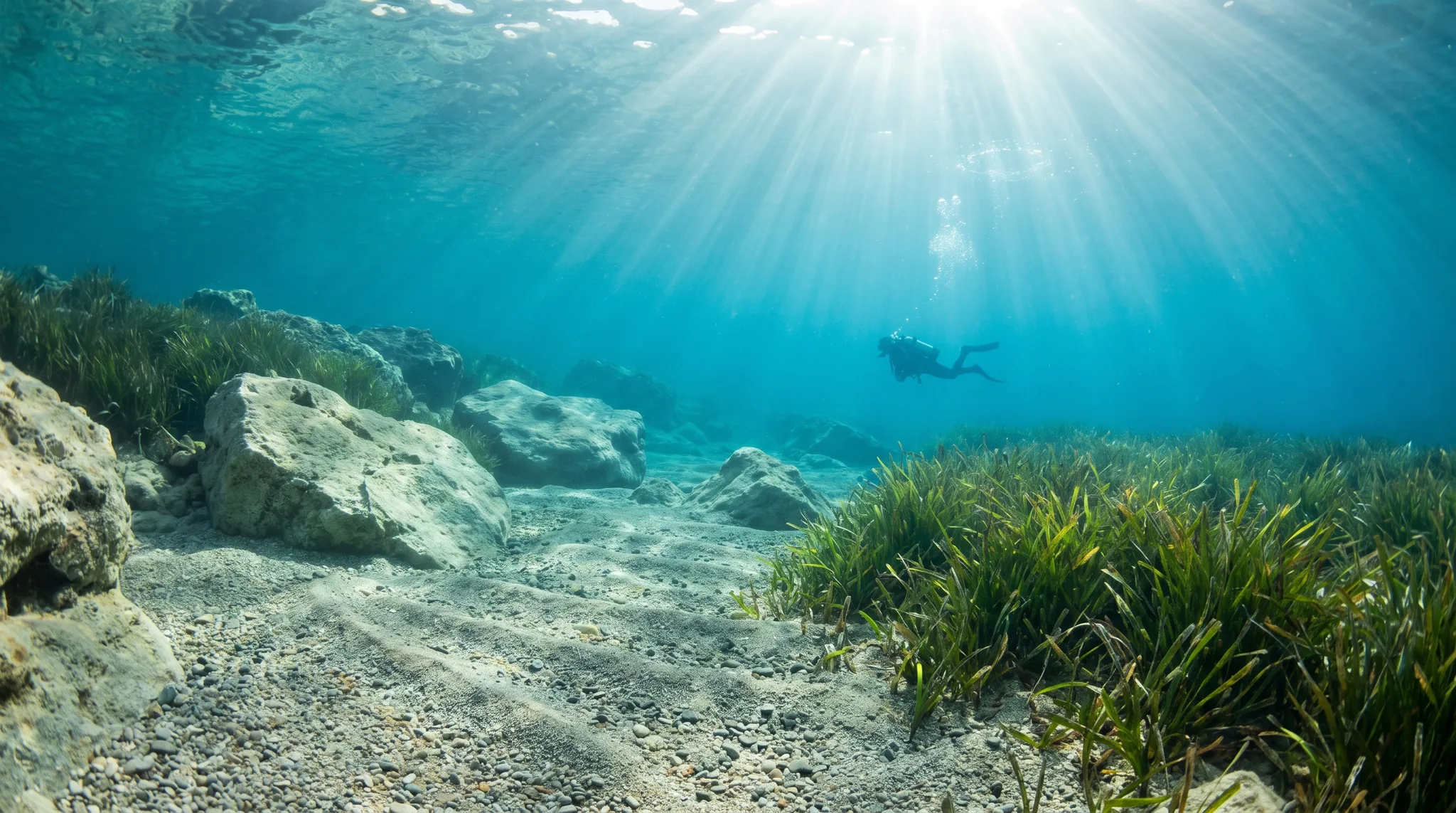
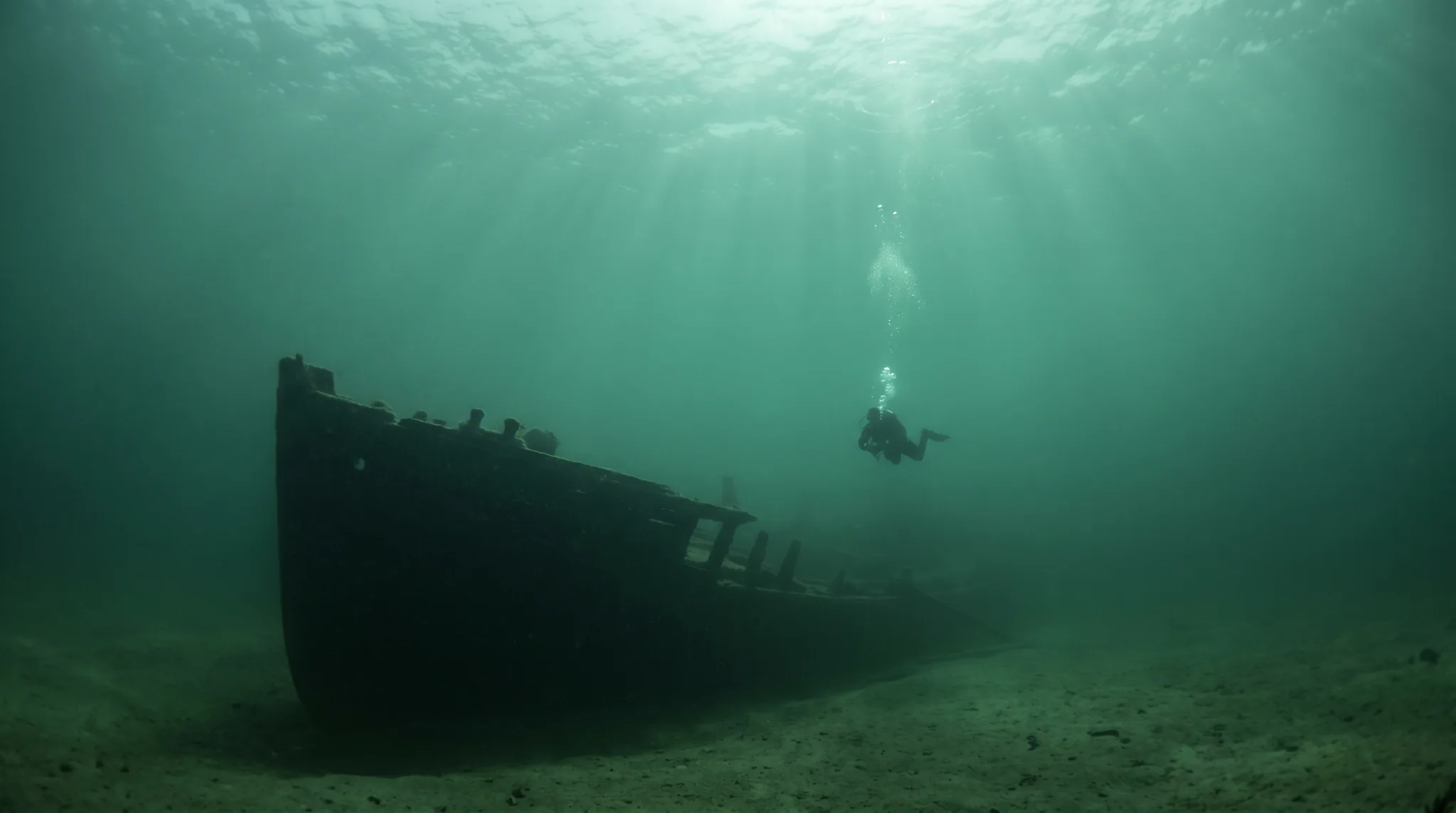
The site mix is broad: volcanic rock reefs, seagrass meadows of Posidonia, caves and tunnel systems, drop-offs, pinnacles and both artificial and natural wrecks. Cave systems such as Los Túneles and Lajas de Cerrillos add variety, while sites like El Acuario combine reef, seagrass, drop-off and artificial reef structures within a single dive.