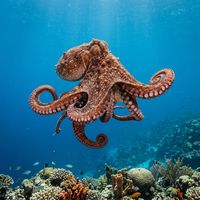
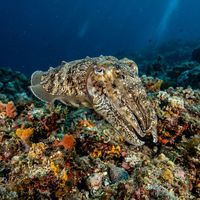
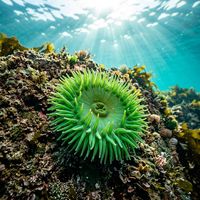
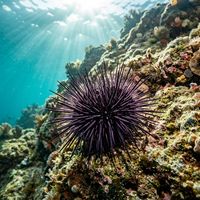
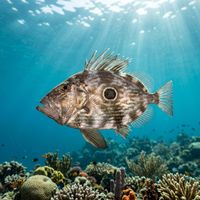
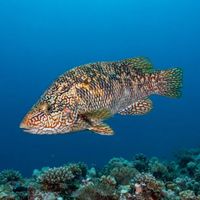
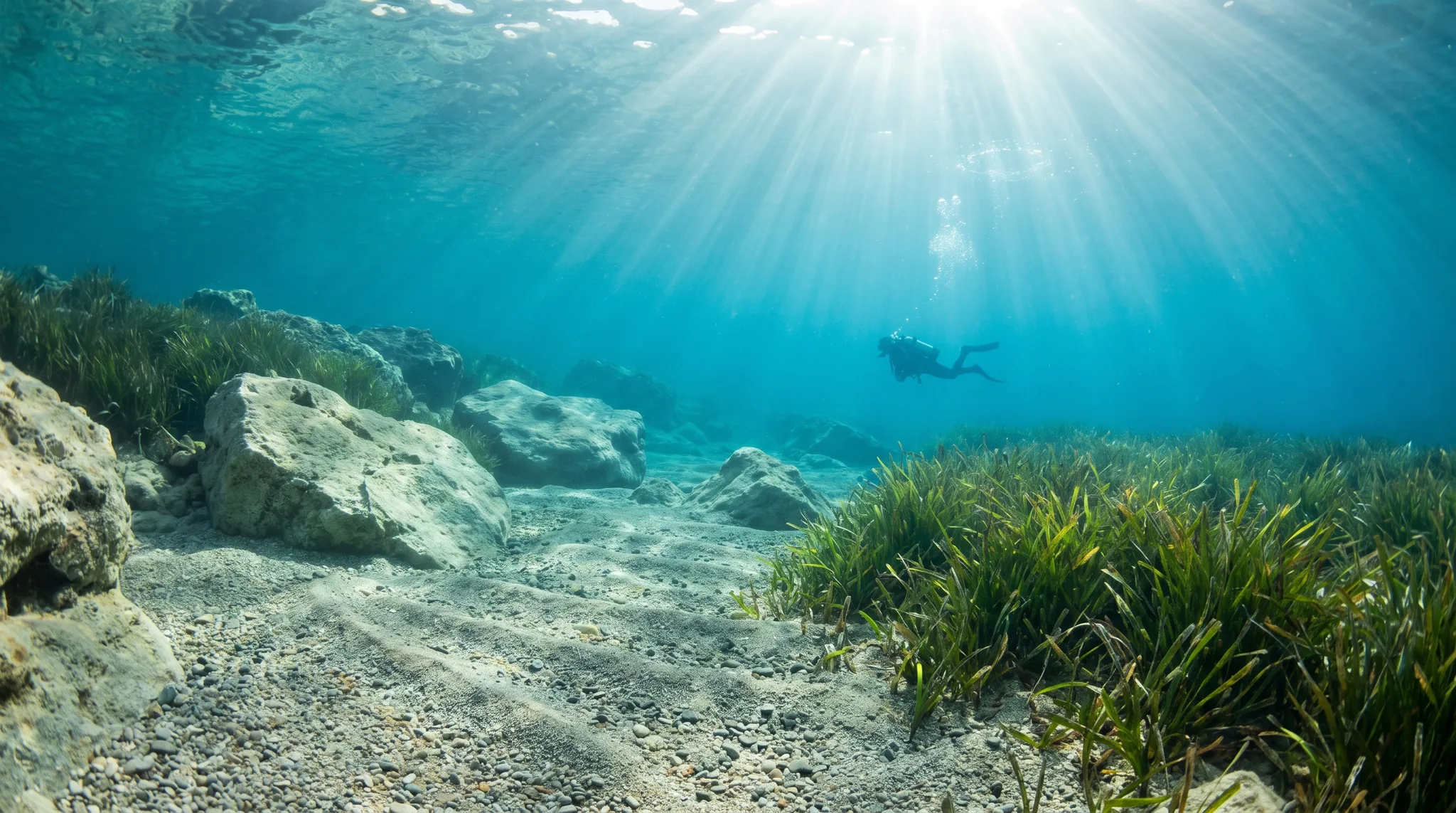
Galicia offers a varied underwater landscape shaped by exposed coastline, strong seasonal conditions, and cool, temperate water. Reefs dominate the site mix, complemented by walls, caves, wrecks, and muck diving. The Common Octopus and European Common Cuttlefish are the region's signature animals, but Catshark, Conger Eel, Tompot Blenny, Sea Hare, and Brittle Star are consistently observed across sites. A Coruña holds the larger share of sites, while Rías Baixas adds wreck diving alongside its reefs. Most sites require a boat. Skill levels range from beginner-friendly shallows to deeper, current-exposed dives suited to advanced divers.
2 areas
Monthly water temperature across Galicia's sites, from satellite sea-surface data corrected for depth. The band shows the site-to-site spread.
Water temperature stays cool year-round, rising slightly through summer before dropping back in autumn and winter. The best-months data points firmly to summer as the prime season, with June through August drawing the most diver activity. Exposed sites can carry meaningful current, so conditions vary considerably between sheltered ría dives and open-coast sites.
38 operators
Cangas, Spain
Nigran, Spain
Water temperature around Galicia ranges from about 13°C in March to 17°C in July, based on satellite sea-temperature data for its dive sites.
With water around 13–17°C, a 7mm or semi-dry suit works in Galicia year-round.
Fin maps 84 sites in Galicia (73 scuba diving sites and 16 snorkelling spots, with some suited to both), organised into 2 areas.
Across Galicia's dive sites, June, July, August and September are most often reported as the best months to visit.
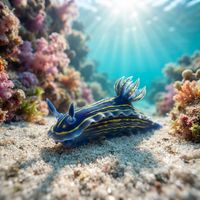
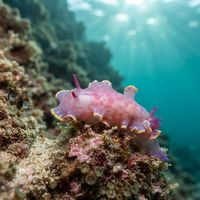
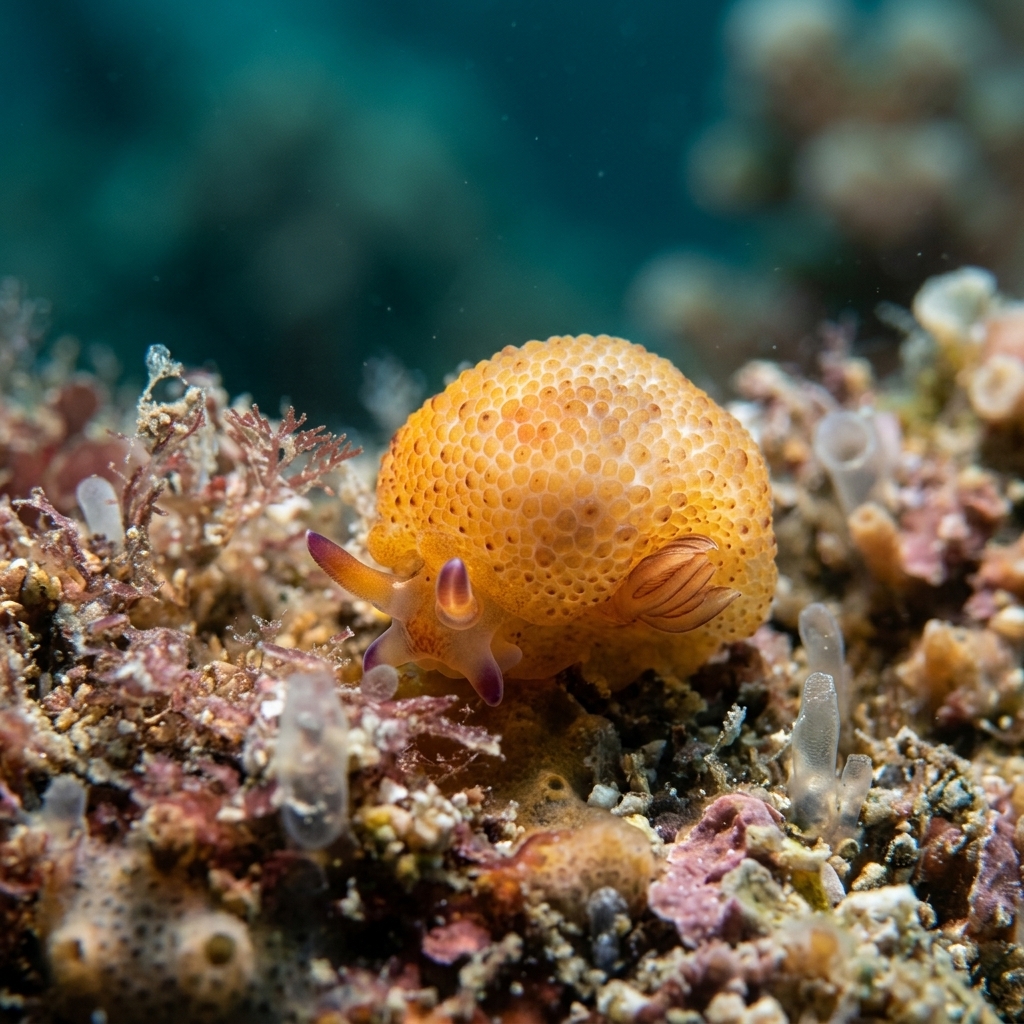
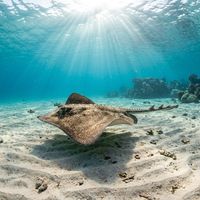
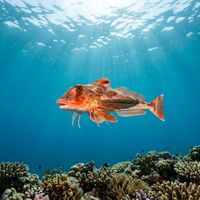
The Common Octopus and European Common Cuttlefish are the most reliably observed animals across Galician sites. Catshark, Tompot Blenny, Sea Hare, and Brittle Star are very commonly recorded, while Conger Eel, Squat Lobster, Skate, Gurnard, and John Dory appear regularly. Nudibranch enthusiasts will find Sea Slug and Felimare villafranca at many reef sites, and Gorgonian has been observed at a notable share of locations.
A good portion of Galicia's sites are rated beginner level, including shallow reefs such as As Dovas de Fora, Os Cairos, and the wall at Piedra de los Sargos. Sites like Barizo offer both shore and boat entry at manageable depths, making them accessible to newly certified divers. That said, some open-coast sites carry stronger currents and are better suited to intermediate or advanced divers.
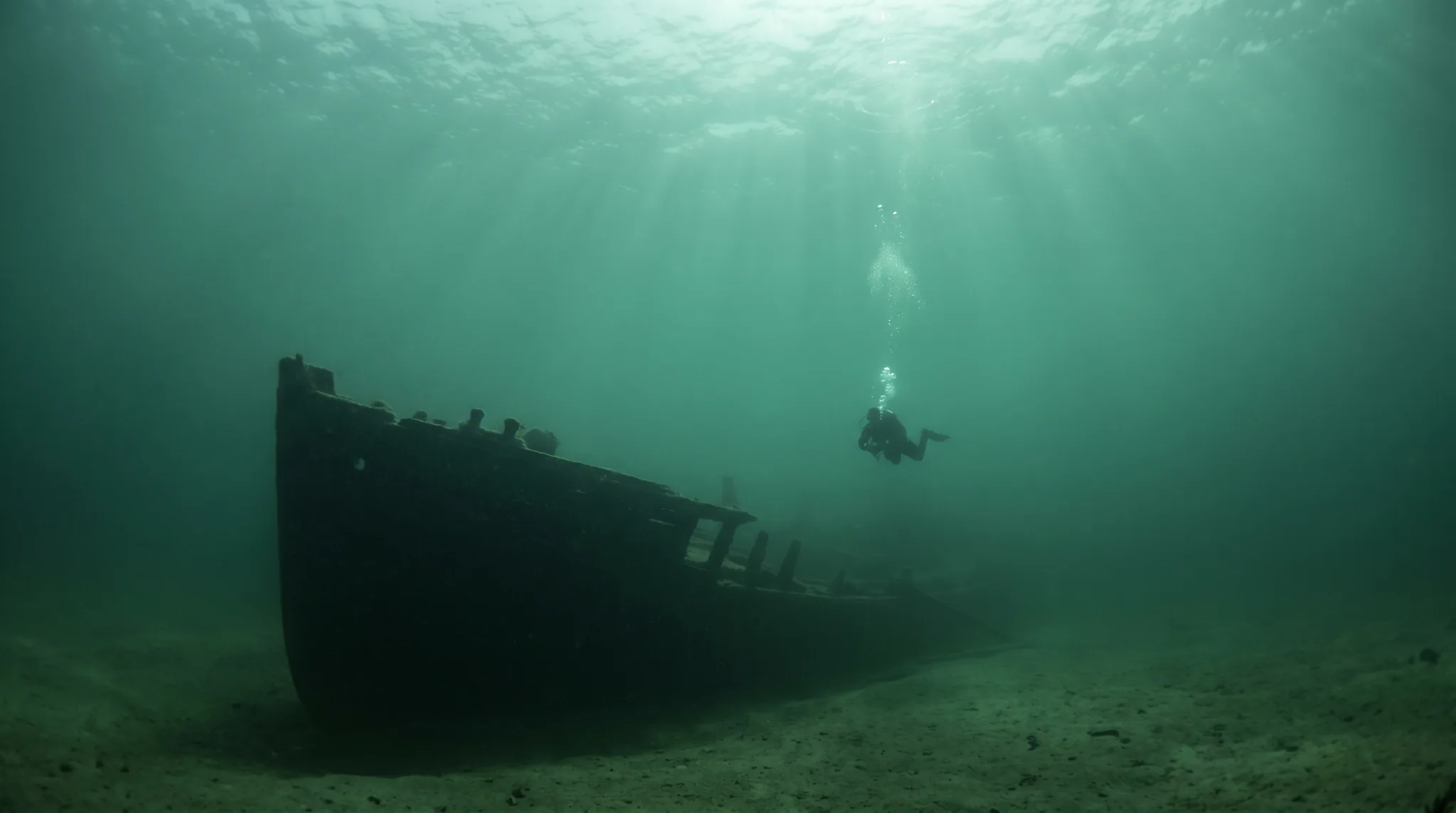
A Coruña accounts for the larger share of sites and features a wide variety of reef and wall diving, including exposed offshore locations such as Islas Sisargas Sur and Pedra Talieiro. Rías Baixas adds wreck diving to the mix, with Pecio Maracaibo being a notable intermediate wreck site resting on a muck bottom. Both sub-areas are served by local dive operators and are predominantly boat-access.
The majority of Galicia's sites are boat-access only, so booking with one of the region's operators is the most practical approach. A handful of sites, including Bajos del Buey and El Desfiladero, can be entered from shore, and Barizo offers the option of either. Operators such as Buceo Rías Baixas, Mergullo Galicia, and Náutica Medusa cover the main sub-areas.