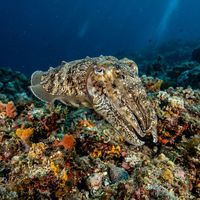
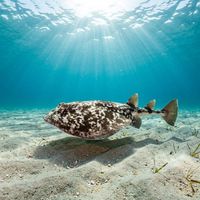
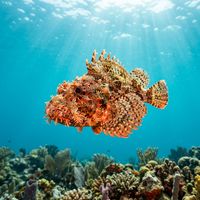
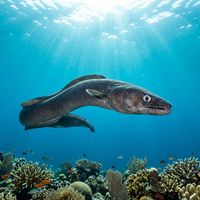
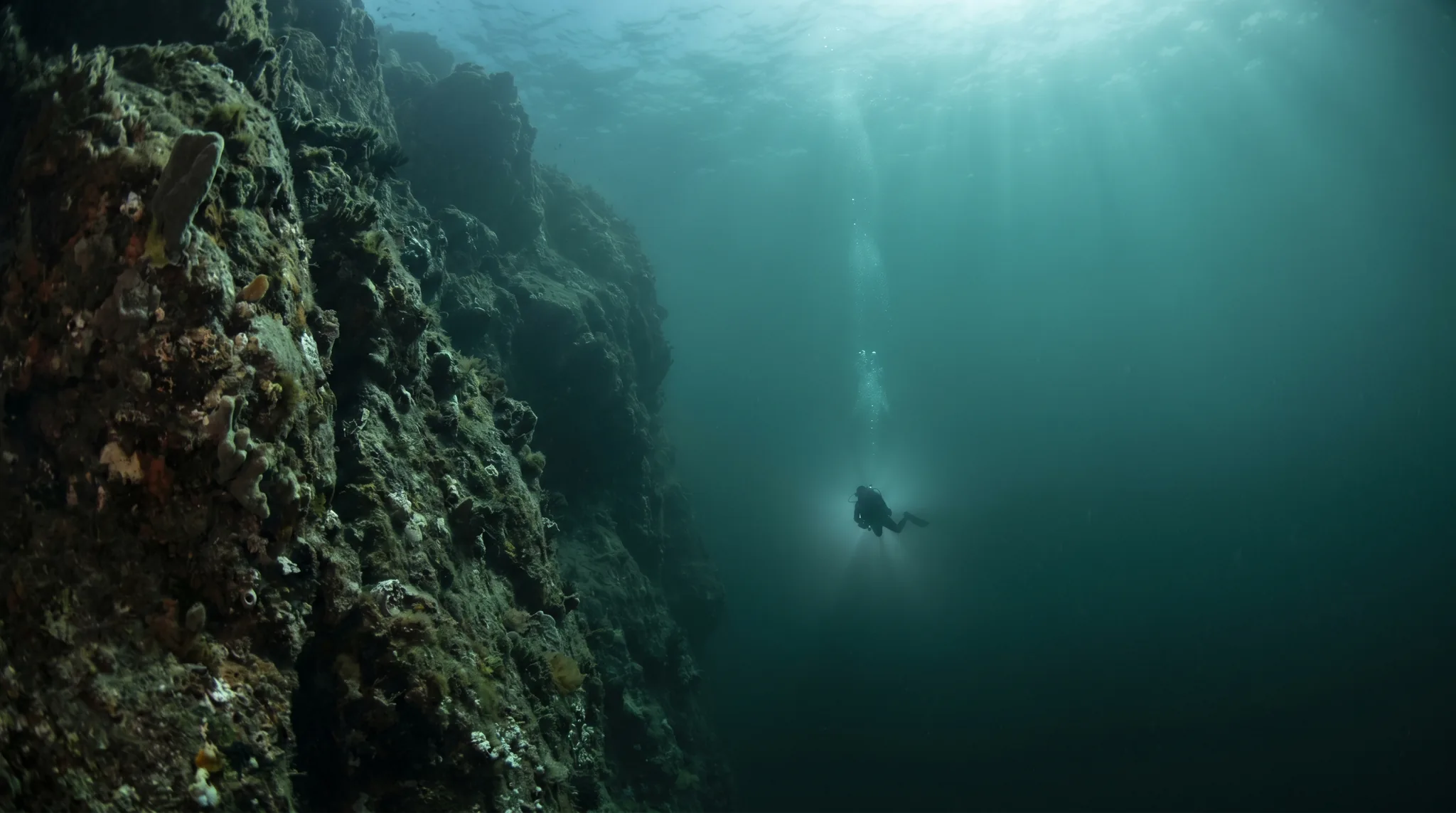
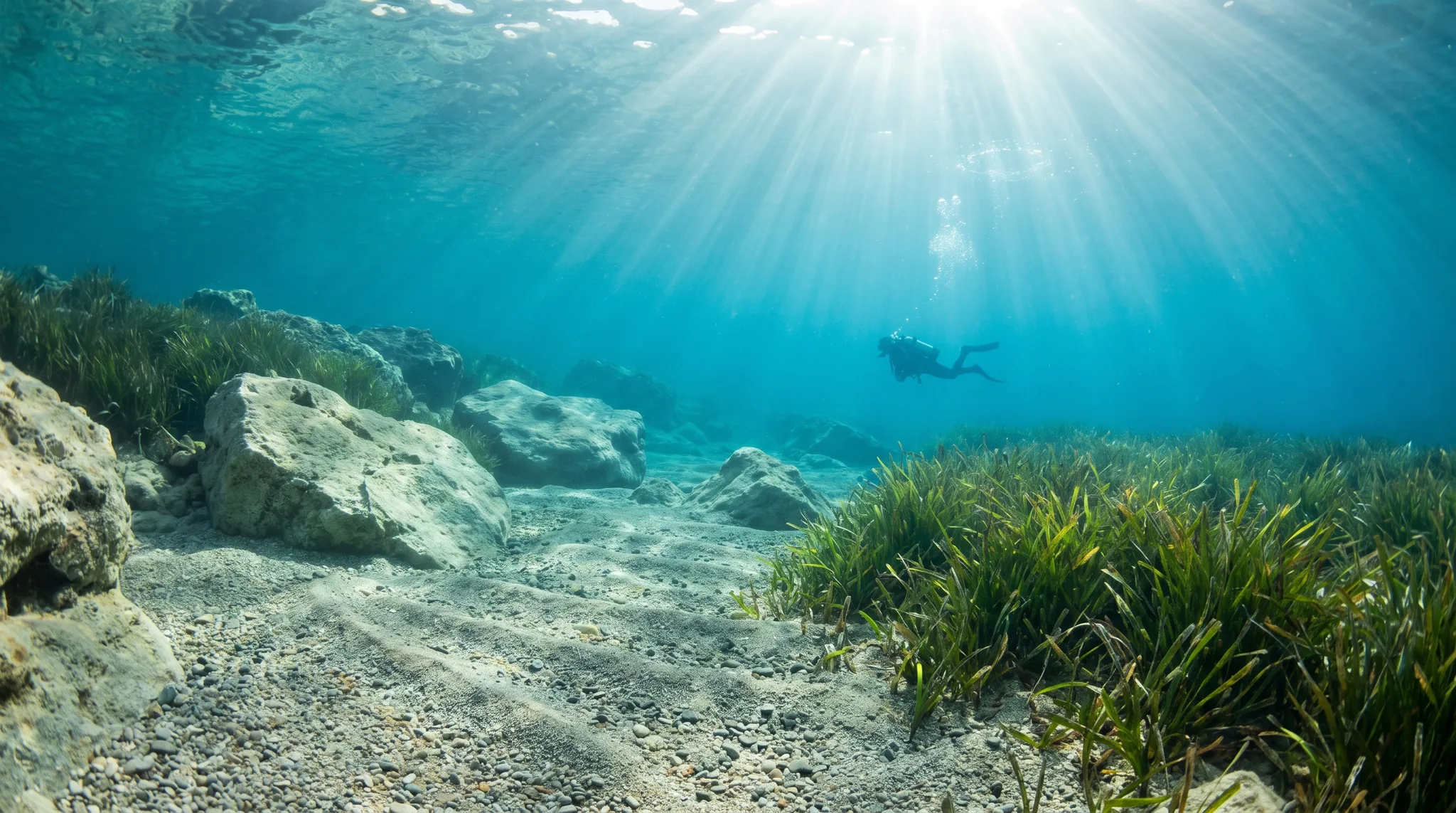
Marbella's underwater character is shaped by a mix of shallow shore reefs, artificial structures, and deeper boat-access wrecks. Beginners have plenty of sheltered entries along the coast, while intermediate divers can explore wrecks resting at significant depth offshore. The European Common Cuttlefish and Marbled Electric Ray are sighted across sites, with Posidonia Seagrass, Gorgonian, Scorpionfish and Conger Eel adding texture to the rocky reefs. Conditions are warmest from late spring through early autumn.
Monthly water temperature across Marbella's sites, from satellite sea-surface data corrected for depth. The band shows the site-to-site spread.
Water temperatures rise through late spring and peak in summer, making the warmest months the most comfortable for extended dives without heavy exposure protection. Spring through early autumn offers the widest choice of conditions, from calm, shallow shore entries to deeper boat dives on wrecks. Winter temperatures are cooler and activity quietens noticeably, though the reefs remain accessible.
13 operators




19 more sites to explore
Water temperature around Marbella ranges from about 16°C in January to 21°C in August, based on satellite sea-temperature data for its dive sites.
In the warm season (about 21°C) a 5mm suit is comfortable in Marbella; in the coldest months (about 16°C) step up to a 7mm or semi-dry suit.
Fin maps 27 sites in Marbella (21 scuba diving sites and 10 snorkelling spots, with some suited to both).
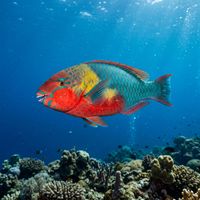
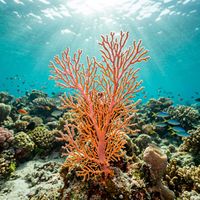
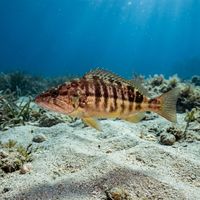
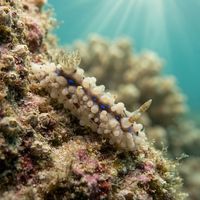
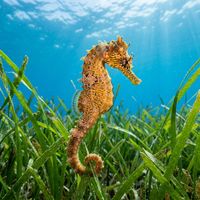
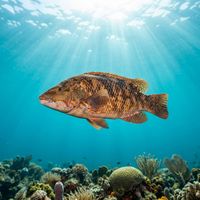
The European Common Cuttlefish and Marbled Electric Ray are the most reliably spotted species across Marbella's sites. Scorpionfish, Conger Eel, Comber, European Parrotfish and Gorgonian are very common on the reefs. Less frequent but observed sightings include Eagle Ray, Grouper and, occasionally, Seahorse.
A good proportion of Marbella's dive sites are rated for beginners, including several with straightforward shore entries from beaches and calm bays. Sites such as Playa Seghers, Sunset Beach and Playa El Chaparral offer shallow depths and sheltered conditions well suited to new divers. The mix of beginner and intermediate sites means there is also room to progress without leaving the area.
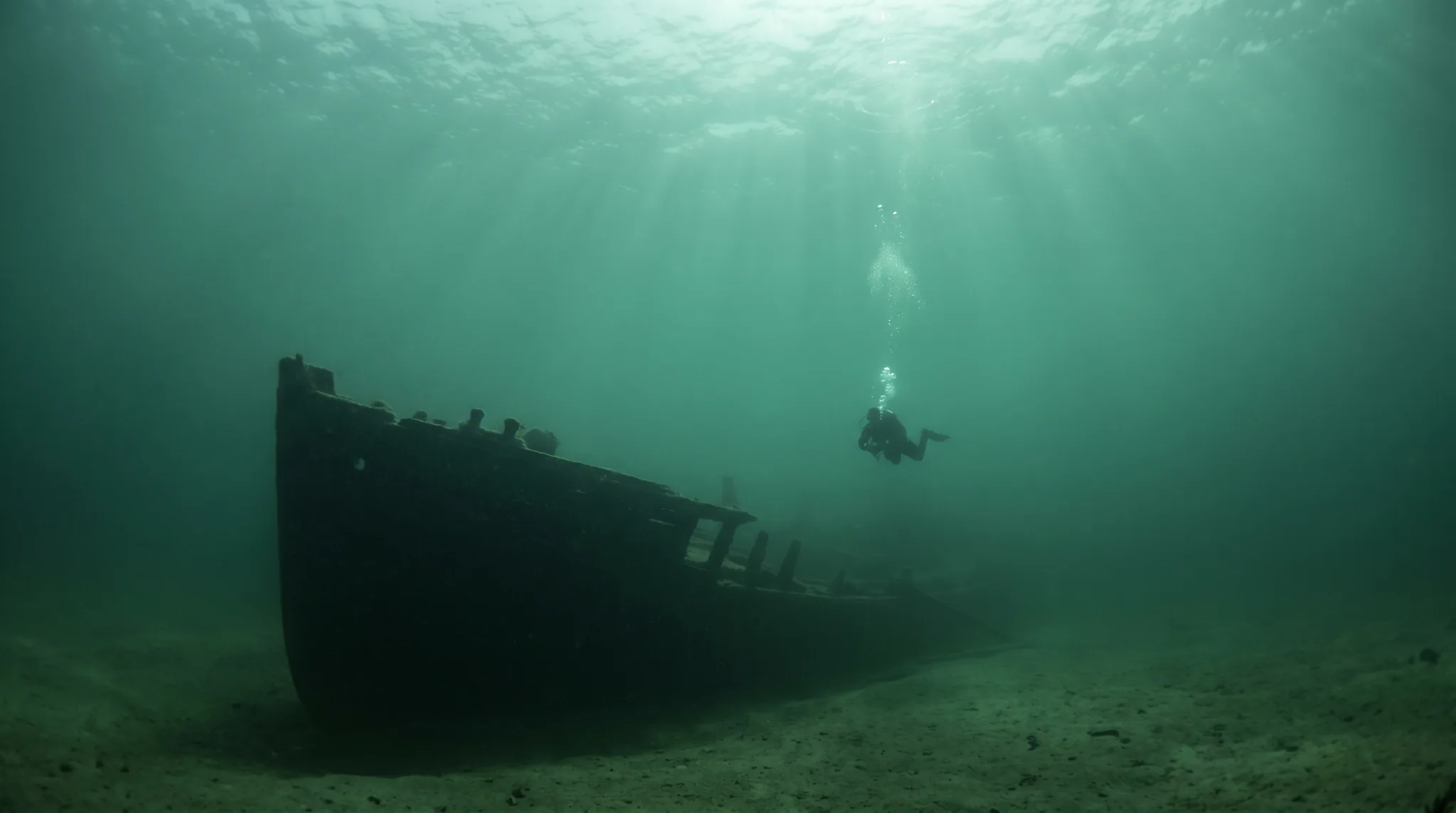
The deeper wrecks, including SPM Nortomra and Yate de las Ánforas, require boat access and are rated for intermediate divers. El Galeon is a shallower wreck reachable from the shore and is rated for beginners. Several local operators, including Estepona Dive Center, Simply Diving Marbella and Diving Into the Blue, offer boat dive services to the offshore sites.
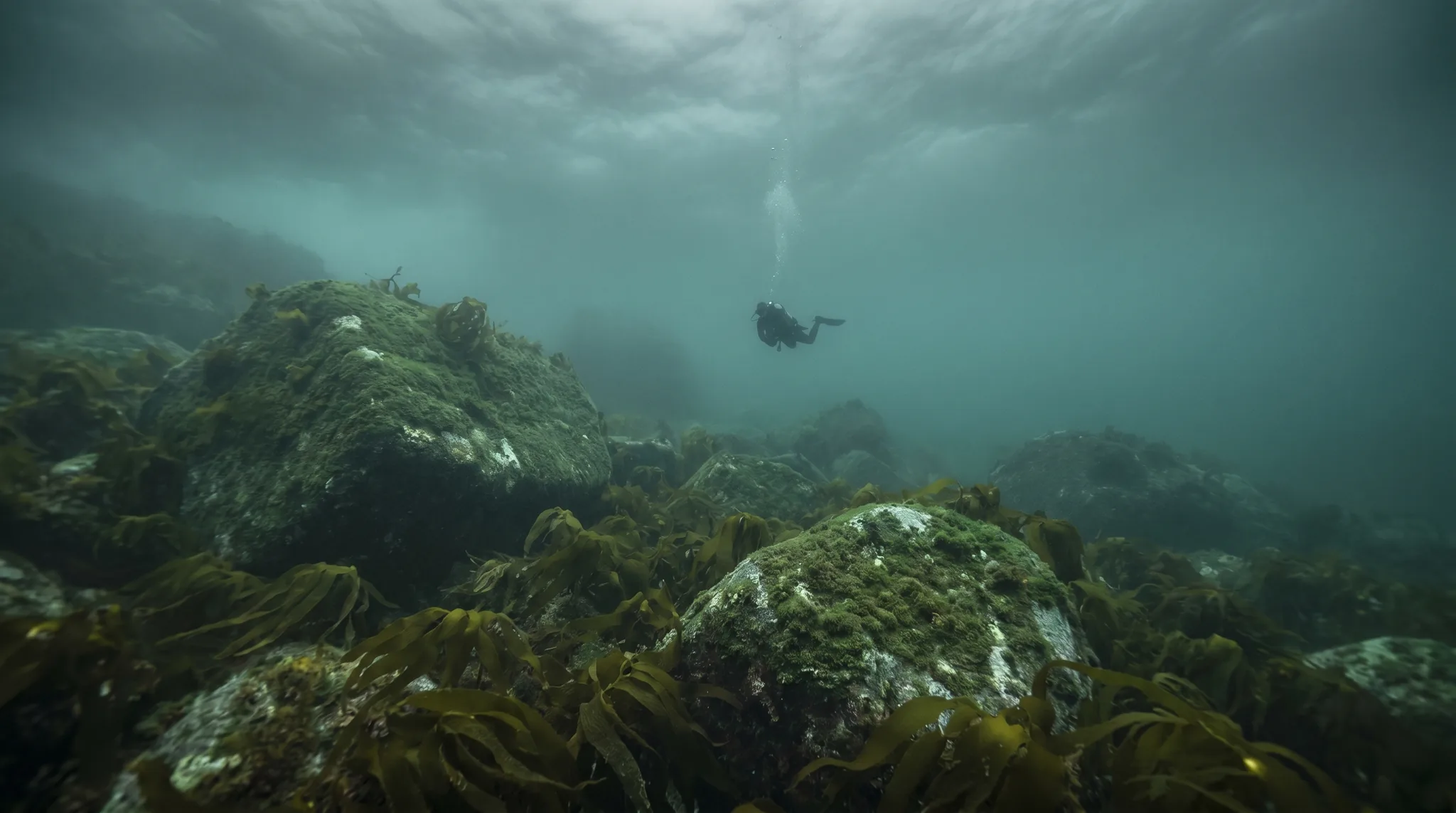
Marbella offers rocky reefs, artificial reefs, walls and wrecks across its sites. The shallow shore sites tend to be reef or artificial reef structures, some originally built for beach defence, while the offshore boat sites include proper shipwrecks resting at greater depth. This variety means the experience shifts considerably depending on whether you enter from the beach or head out by boat.