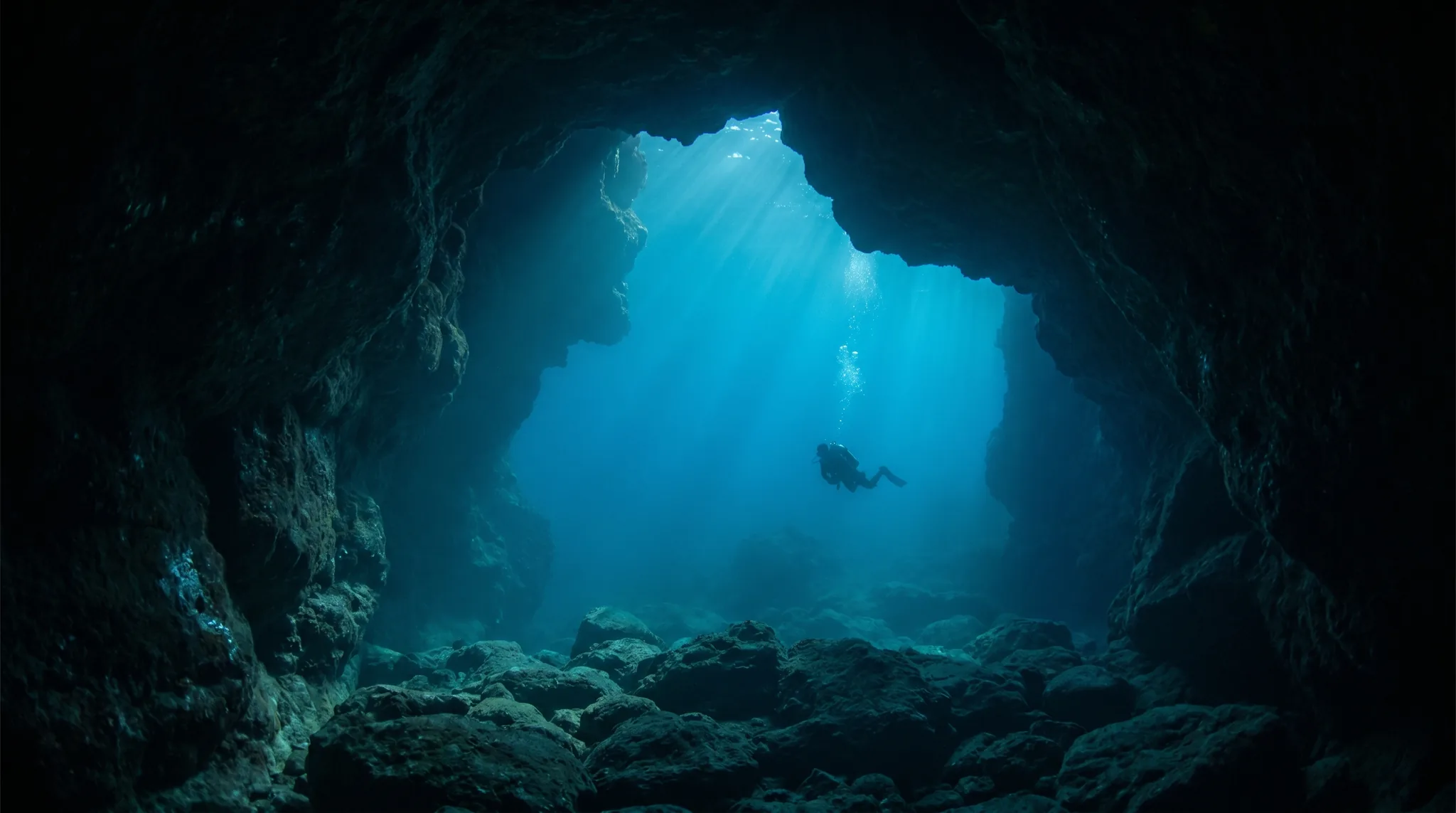
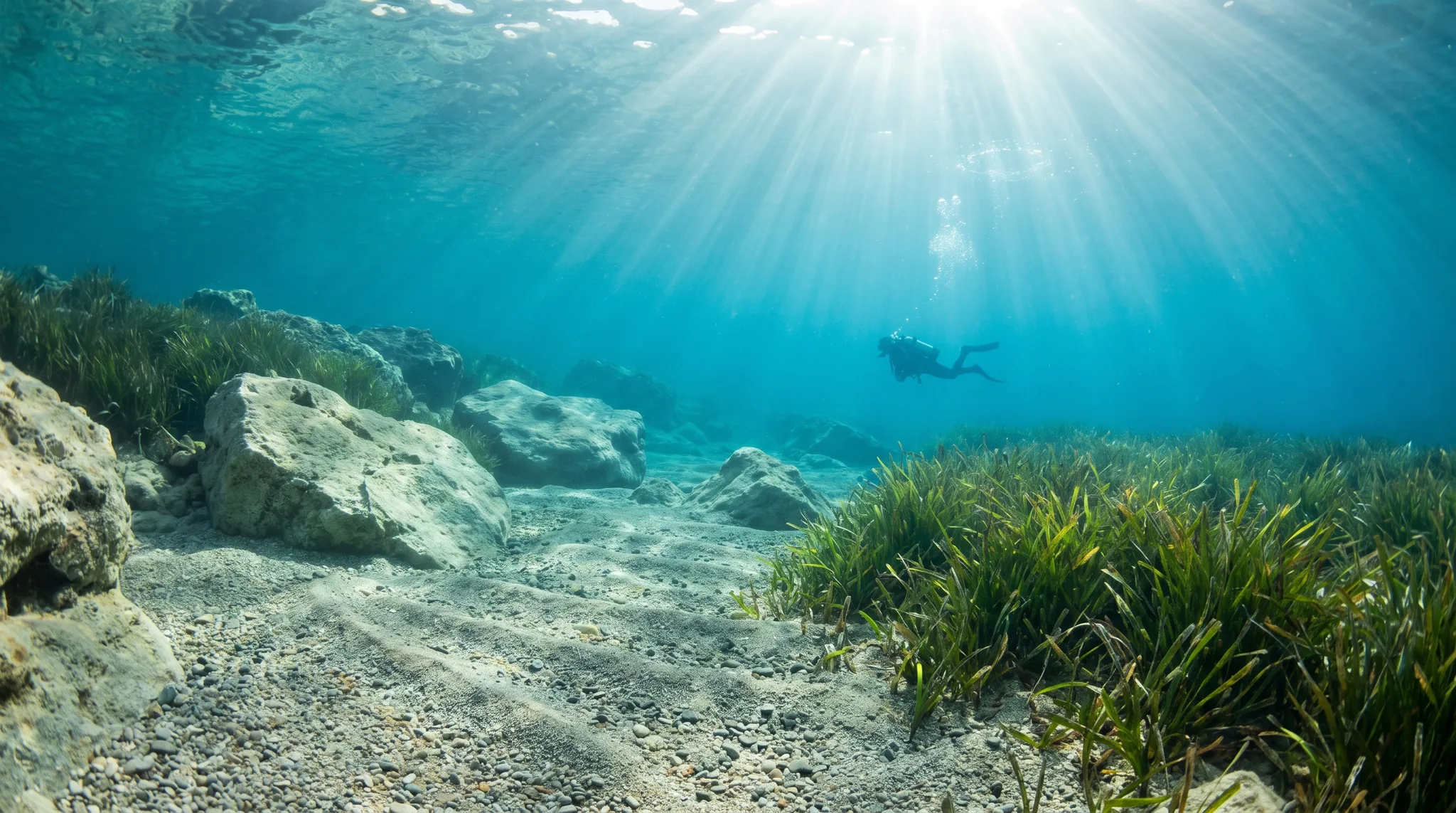
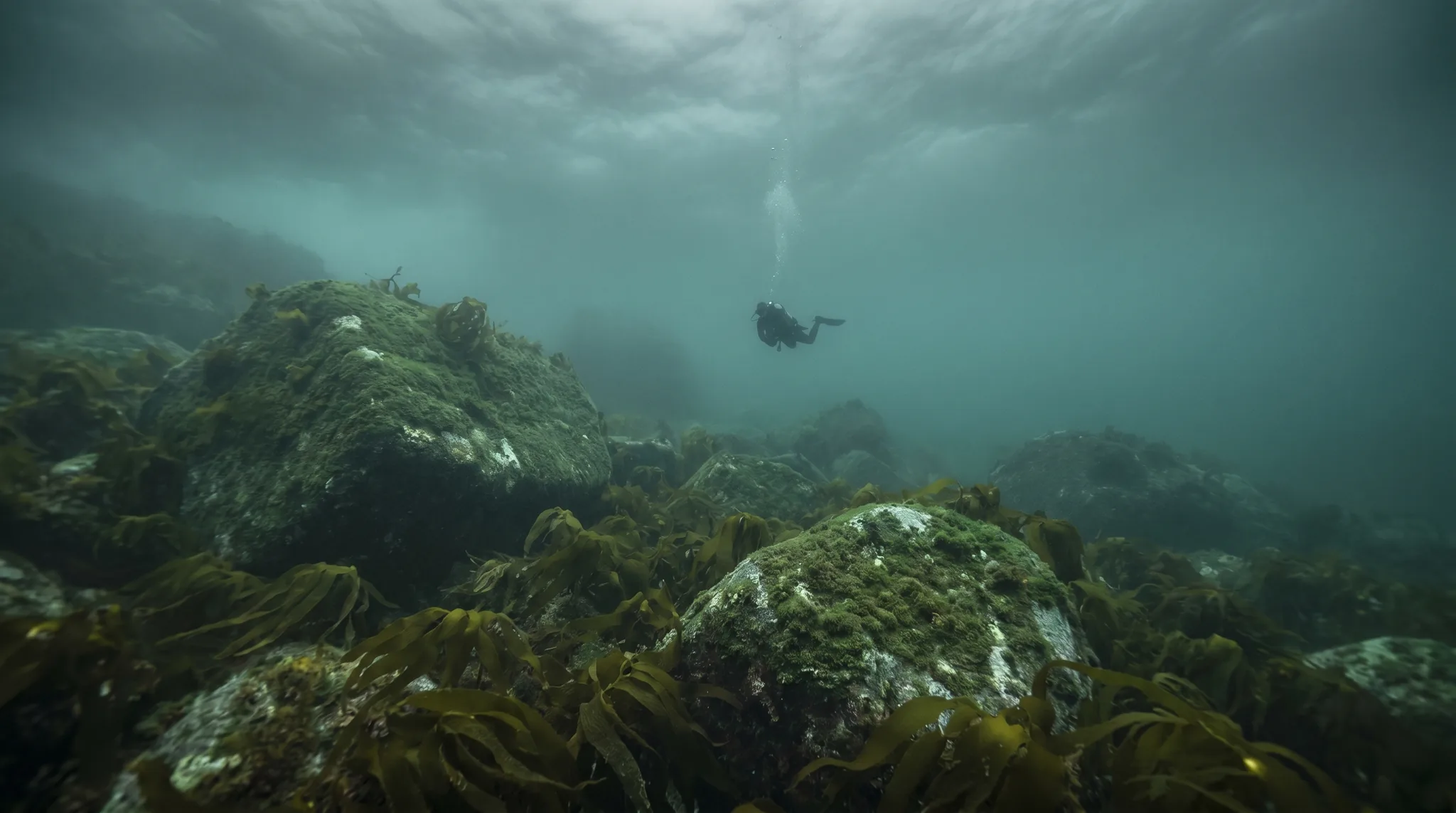
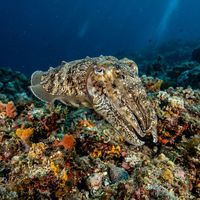
The Cantabrian Coast offers a varied diving character shaped by cool, temperate waters and an exposed northern coastline. Rocky reefs, dramatic walls, pinnacles, caves, and wrecks sit across two distinct sub-areas: San Sebastián, with the greater share of sites, and Santander & Cantabria to the west. Conditions reward those who plan around the warmer months, when visibility and water temperature are at their most comfortable. The Marbled Electric Ray, Common Octopus, and European Common Cuttlefish are signature encounters, while Scorpionfish, Conger Eel, Tompot Blenny, and a rich variety of Sea Slug and nudibranch life make every dive dense with detail.
2 areas
 31
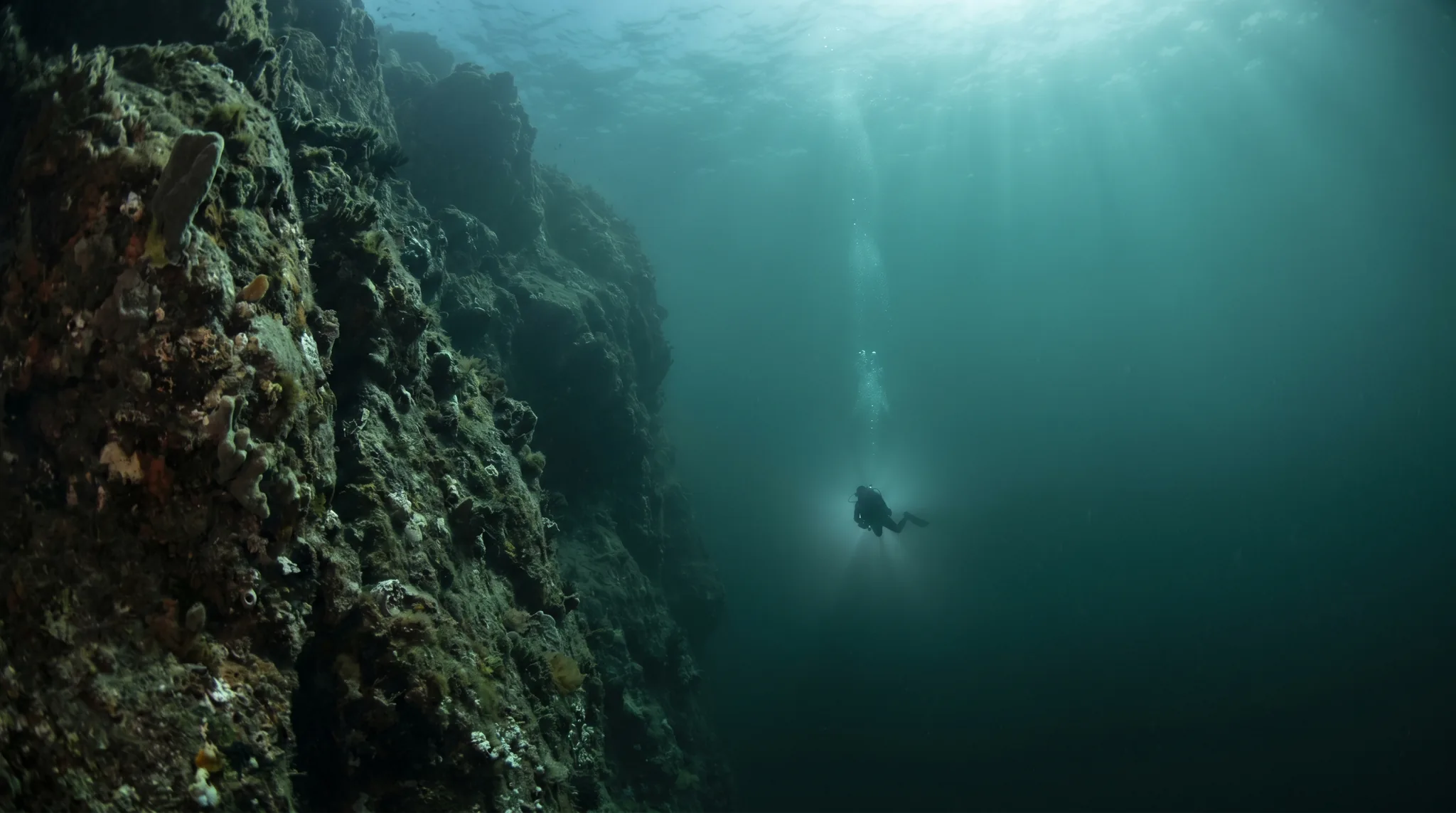
31Rocky reefs, walls, wrecks, and caves on the Cantabrian Coast, with Marbled Electric Ray and Common Octopus as standout sightings.
 21
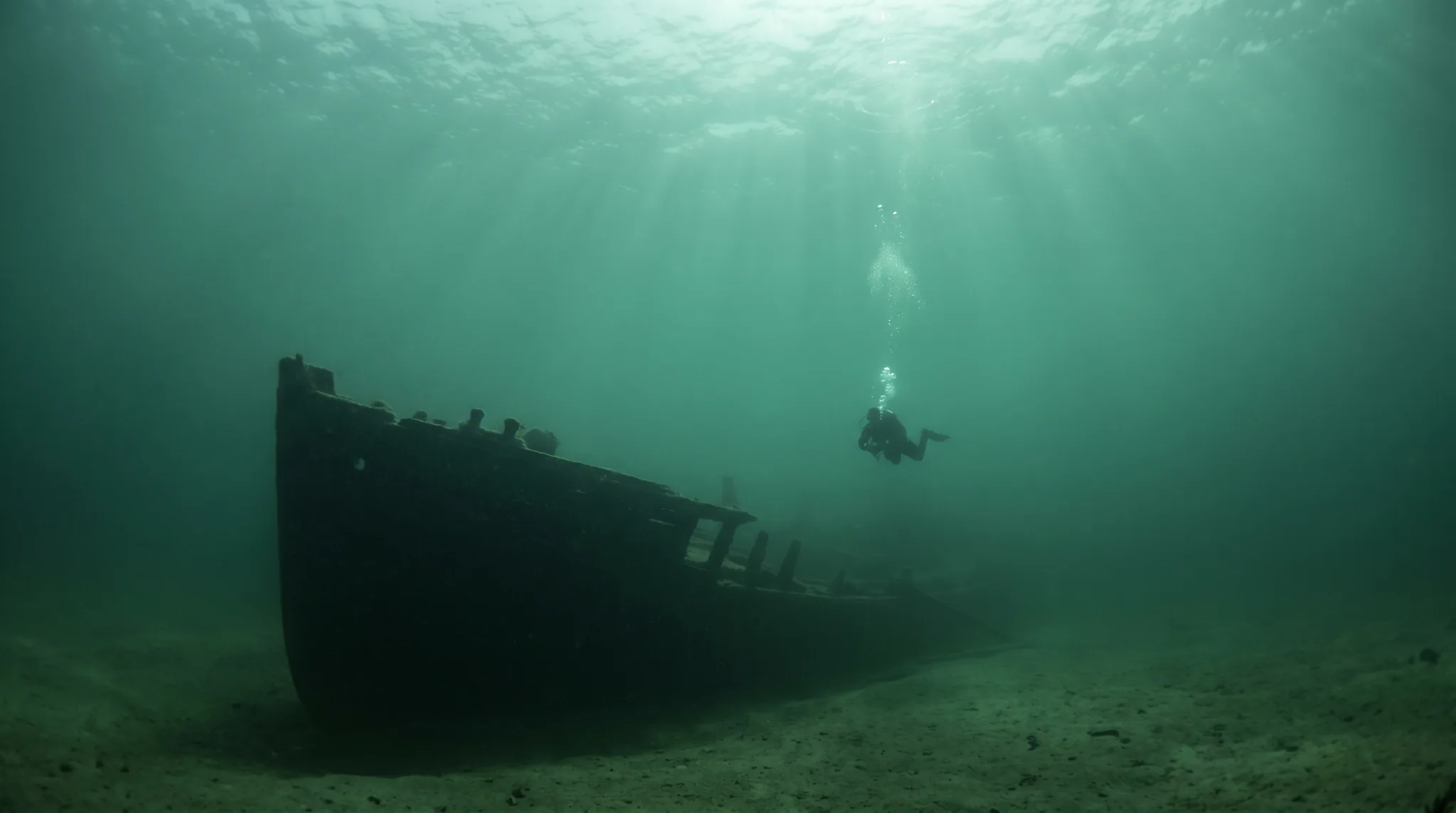
21Diverse diving from shallow reefs to deep wrecks and a technical cave system, with outstanding cephalopod and pelagic encounters along the Cantabrian Coast.
Monthly water temperature across Cantabrian Coast's sites, from satellite sea-surface data corrected for depth. The band shows the site-to-site spread.
Water temperatures climb steadily from spring through to late summer, reaching their warmest in August and September, then cool again through autumn and into winter. The peak window from late spring through October offers the most comfortable conditions for sport diving, while winter dives are truly cold and suit those properly equipped for it. Visibility on this exposed coast can be influenced by swell and seasonal surge, so conditions vary site to site.
40 operators
Pasaia, Spain
Santander, Spain
Water temperature around Cantabrian Coast ranges from about 12°C in January to 20°C in August, based on satellite sea-temperature data for its dive sites.
In the warm season (about 20°C) a 5mm suit is comfortable in Cantabrian Coast; in the coldest months (about 12°C) step up to a 7mm or semi-dry suit.
Fin maps 52 sites in Cantabrian Coast (52 scuba diving sites and 4 snorkelling spots, with some suited to both), organised into 2 areas.
Across Cantabrian Coast's dive sites, May, June, July, August, September and October are most often reported as the best months to visit.
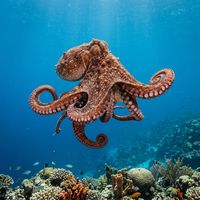
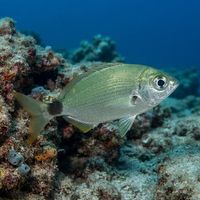
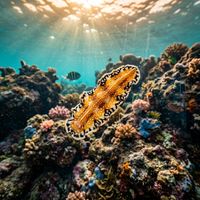
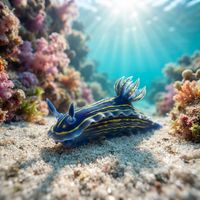
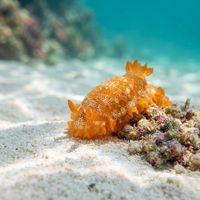
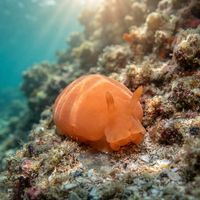
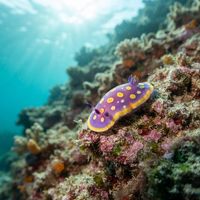
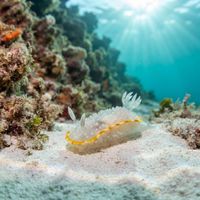
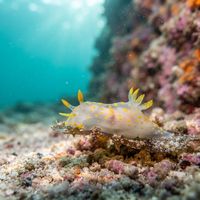
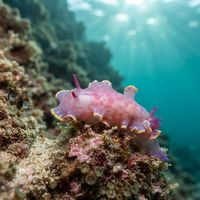
The Cantabrian Coast is particularly known for the Marbled Electric Ray, Common Octopus, and European Common Cuttlefish. Beyond those signature species, divers regularly encounter Scorpionfish, Conger Eel, Tompot Blenny, Striped Red Mullet, Comber, Sea Star, Brittle Star, and an impressive range of Sea Slug and Flatworm species. Wrasse, Squat Lobster, and the occasional Ocean Sunfish round out a diverse temperate fauna.
San Sebastián holds the larger share of sites and includes notable wreck and wall dives such as Pikatxilla and Cañonero el Tajo, as well as the reef at Bajo de las Gorgonias. Santander & Cantabria offers its own varied portfolio, including the complex topography of La Corbera and Las Agujas near Mouro Island, plus deeper wrecks like Pecio Skotland and Pecio Rio Miera for advanced divers. Both sub-areas have active operators and a mix of shore and boat entry sites.
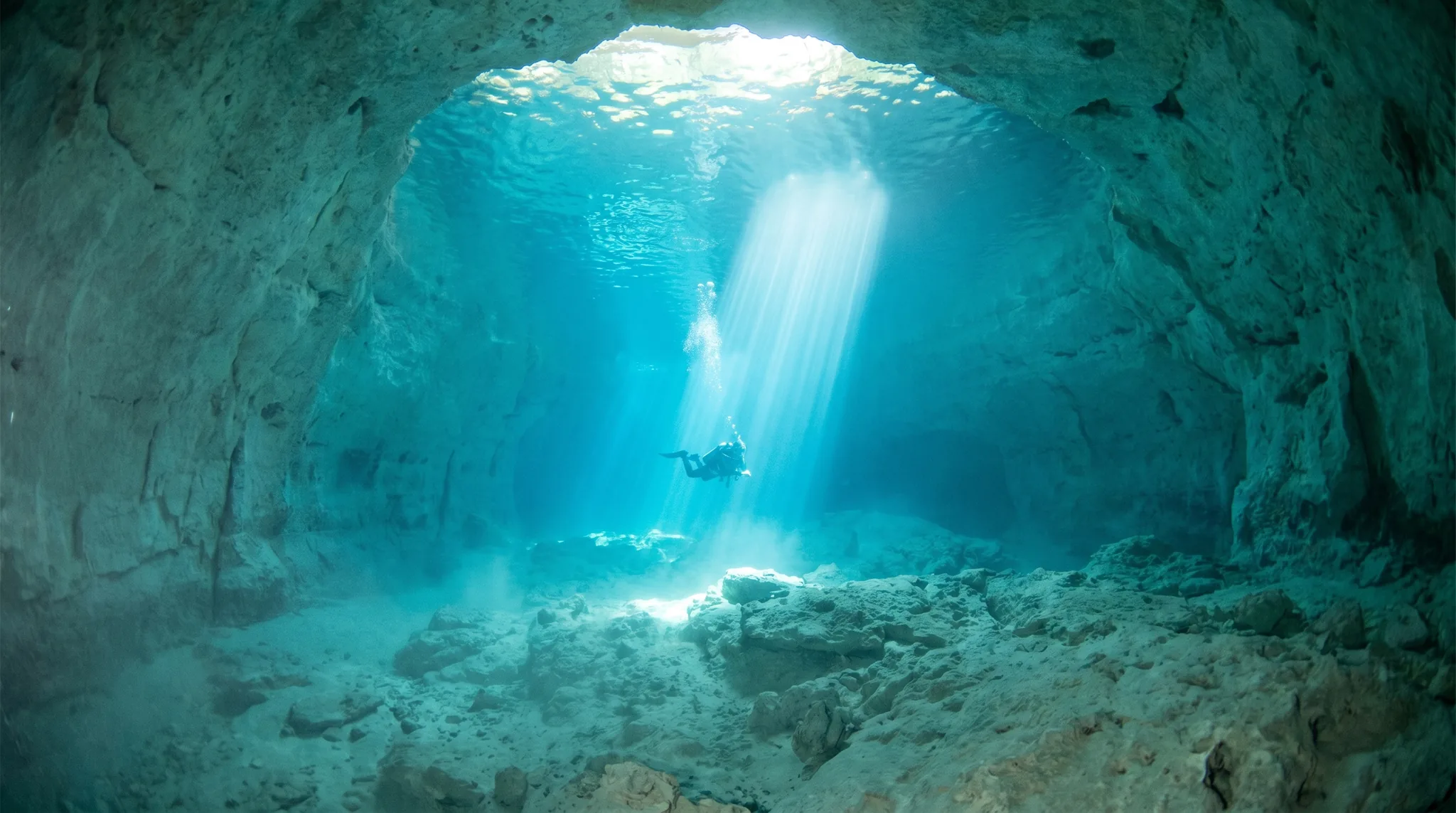
A good proportion of sites across the region are rated for beginner level, including shore-entry reefs and sheltered boat dives at manageable depths. Sites such as Piscina Profunda YoBuceo, Bancha del Este, and Los Canones are well suited to those earlier in their diving journey. Intermediate and advanced sites, including deep wrecks and the technical cave system at El Pozo Azul, are also available for more experienced divers progressing their skills.
Sites are accessible by both shore and boat entry, depending on the location. Several beginner-friendly reefs can be reached from shore, while more exposed or offshore sites require a boat. There are many active dive operators across the region, including Buceo Donosti, MOUROSUB, Centro de Buceo Ostende, Diving Hondarribia, and Club de Buceo Cantabria Abisal, among others, offering guided dives and equipment support across both sub-areas.