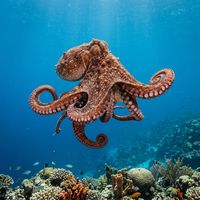
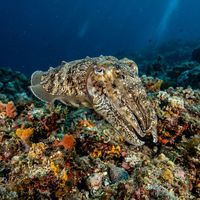
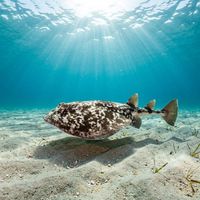
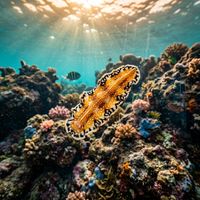
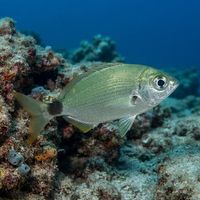
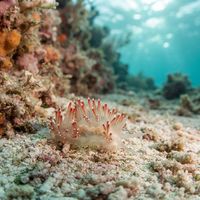
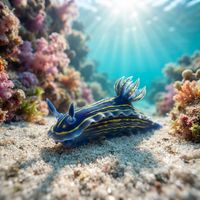
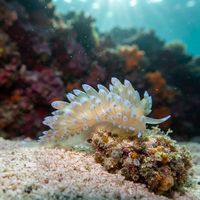
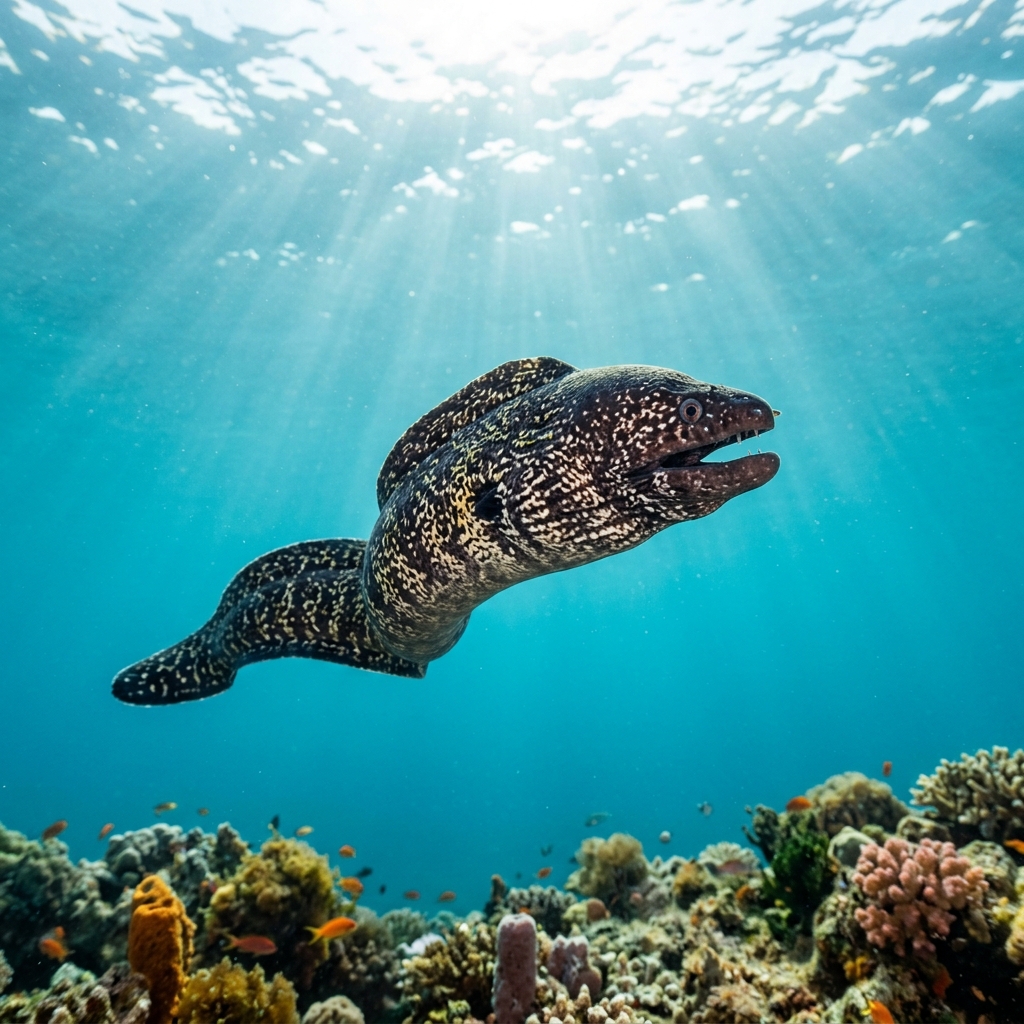
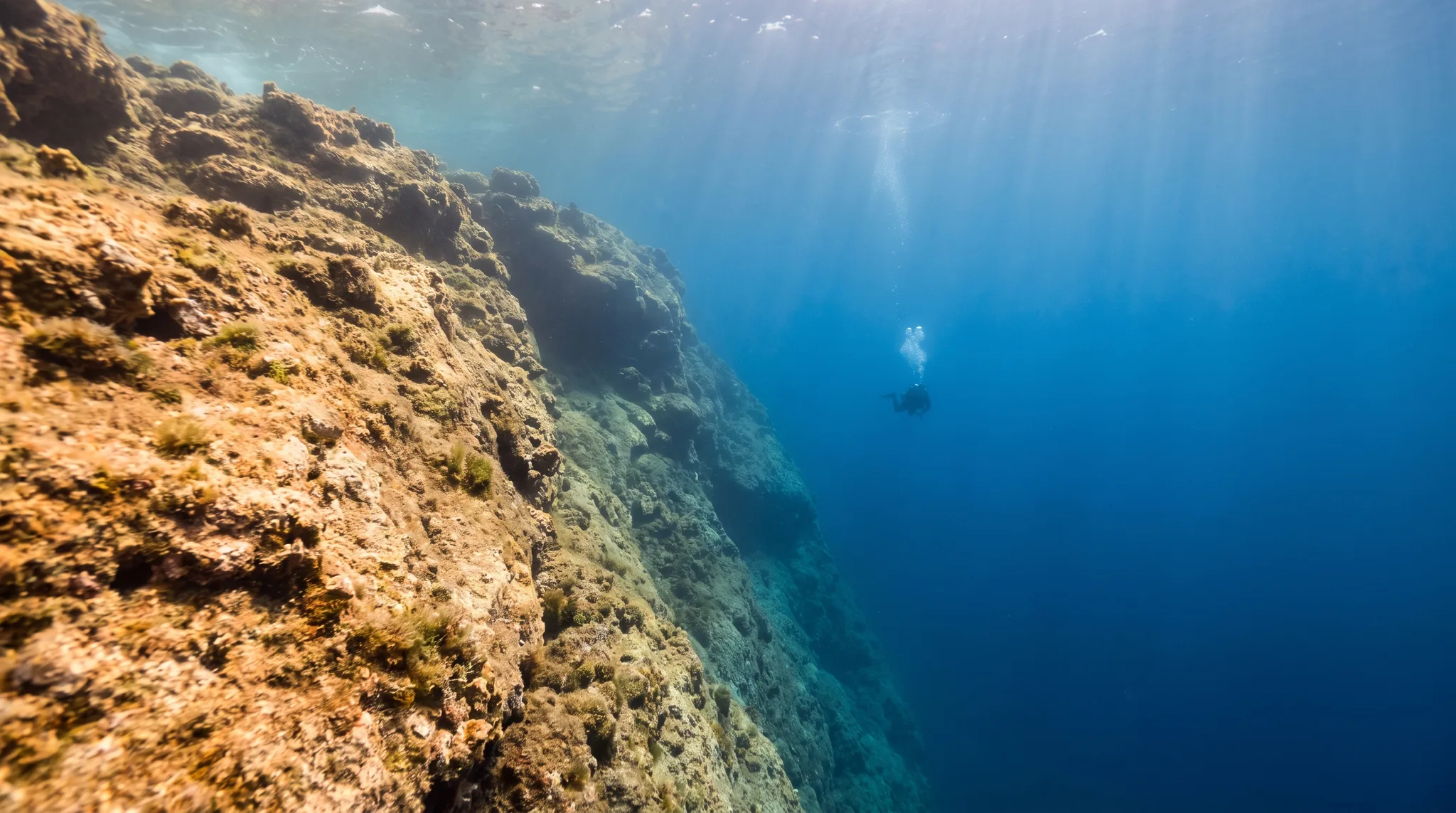
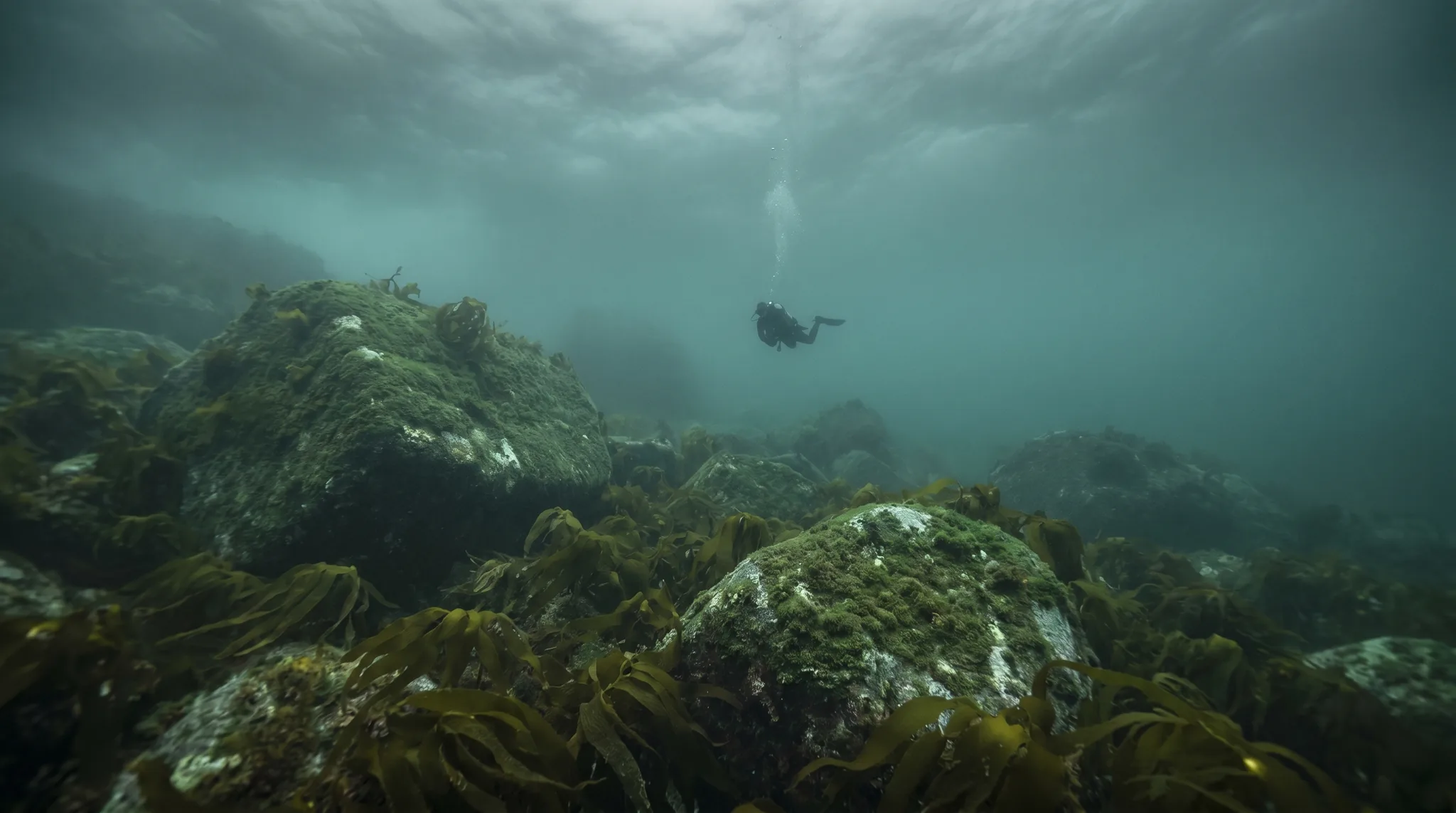
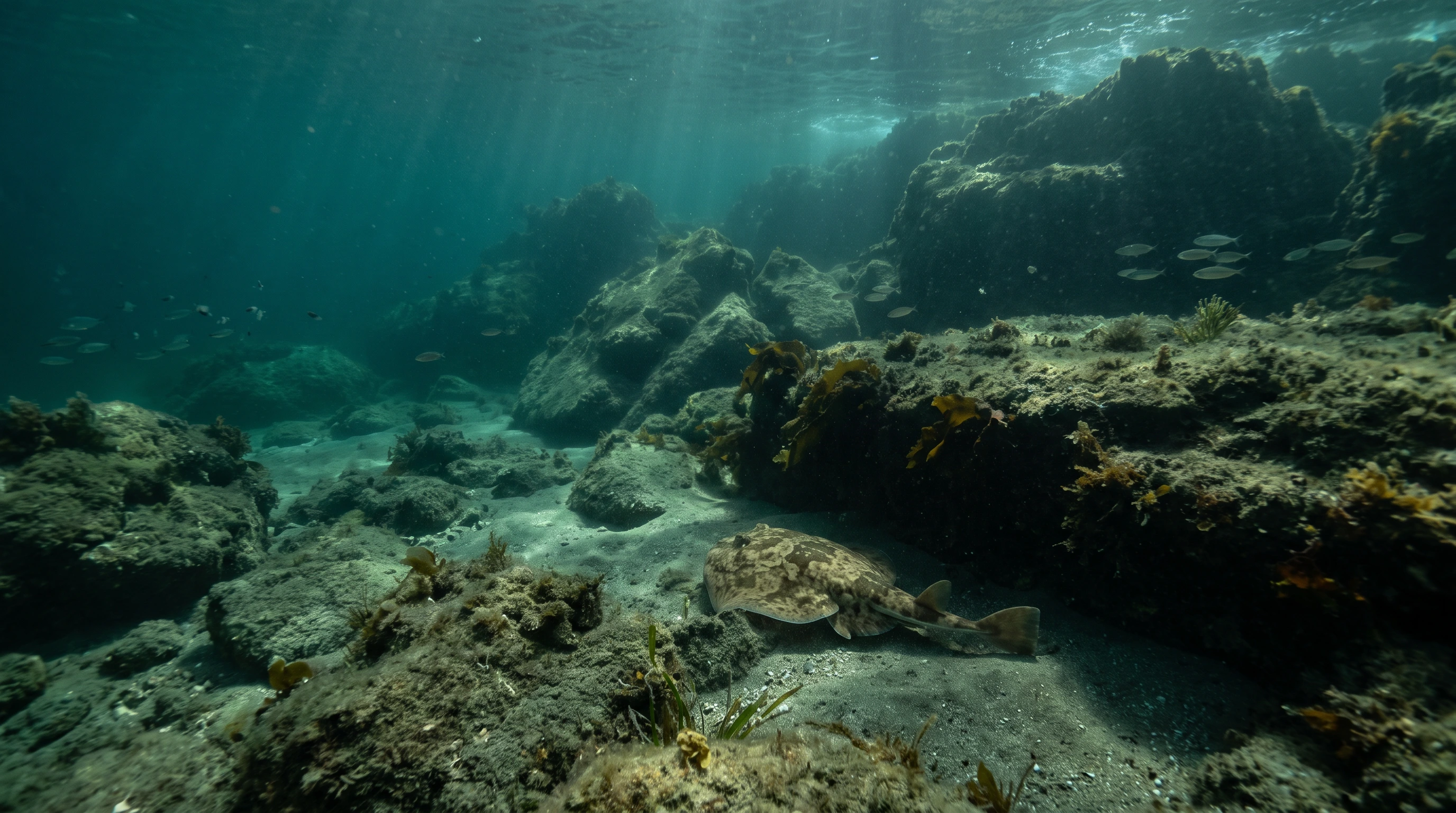
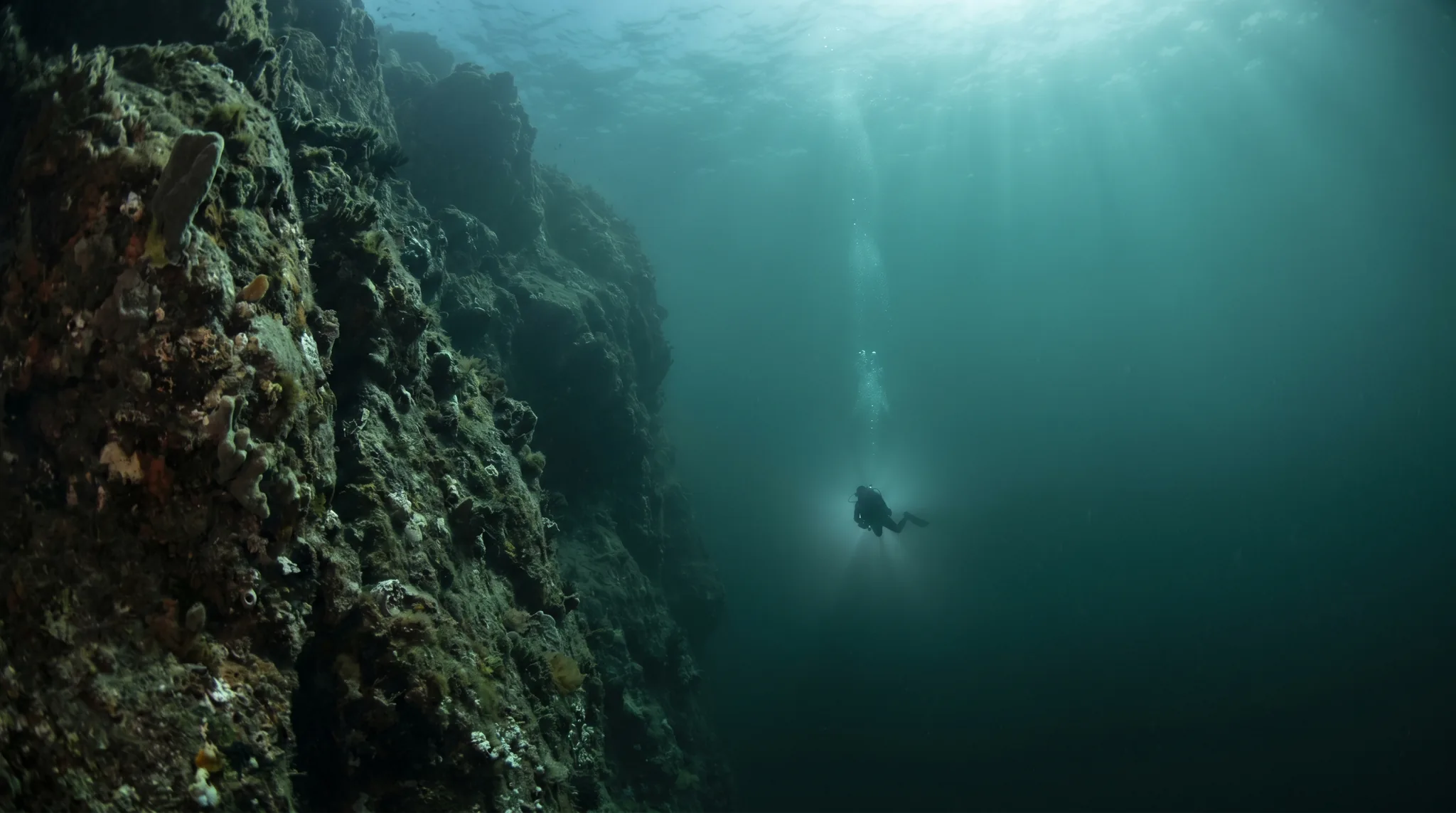
Tarifa's diving is shaped by strong currents and a varied seabed where wrecks, rocky reefs, walls, and even a kelp forest site sit within reach of a boat. Most sites demand advanced skills, but a handful of shallow shore entries suit beginners. The signature marine life leans heavily on ambush predators and cephalopods: the Marbled Electric Ray, Common Octopus, European Common Cuttlefish, and Mediterranean Moray are all regularly observed, alongside a rich nudibranch community and the Stargazer buried in the sand.
Monthly water temperature across Tarifa's sites, from satellite sea-surface data corrected for depth. The band shows the site-to-site spread.
Water temperature stays relatively stable through the year, with the coolest period running through late winter into early spring and a modest warm peak from early summer through autumn. The best-months data points strongly to late spring and autumn as the most rewarding windows, when conditions and underwater activity combine well. Currents can run hard at any time of year, particularly at exposed sites like Punta Marroquí and Piedra del Abadejo, so divers should plan entries around slack water.
8 operators
Spain
10 more sites to explore
Water temperature around Tarifa ranges from about 16°C in March to 19°C in June, based on satellite sea-temperature data for its dive sites.
In the warm season (about 19°C) a 5mm suit is comfortable in Tarifa; in the coldest months (about 16°C) step up to a 7mm or semi-dry suit.
Fin maps 22 sites in Tarifa (20 scuba diving sites and 2 snorkelling spots).
Across Tarifa's dive sites, May, June, July, August, September and October are most often reported as the best months to visit.
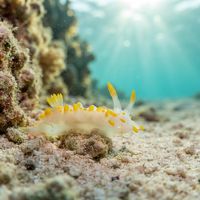
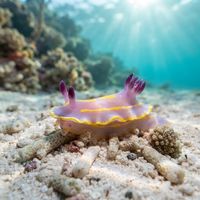
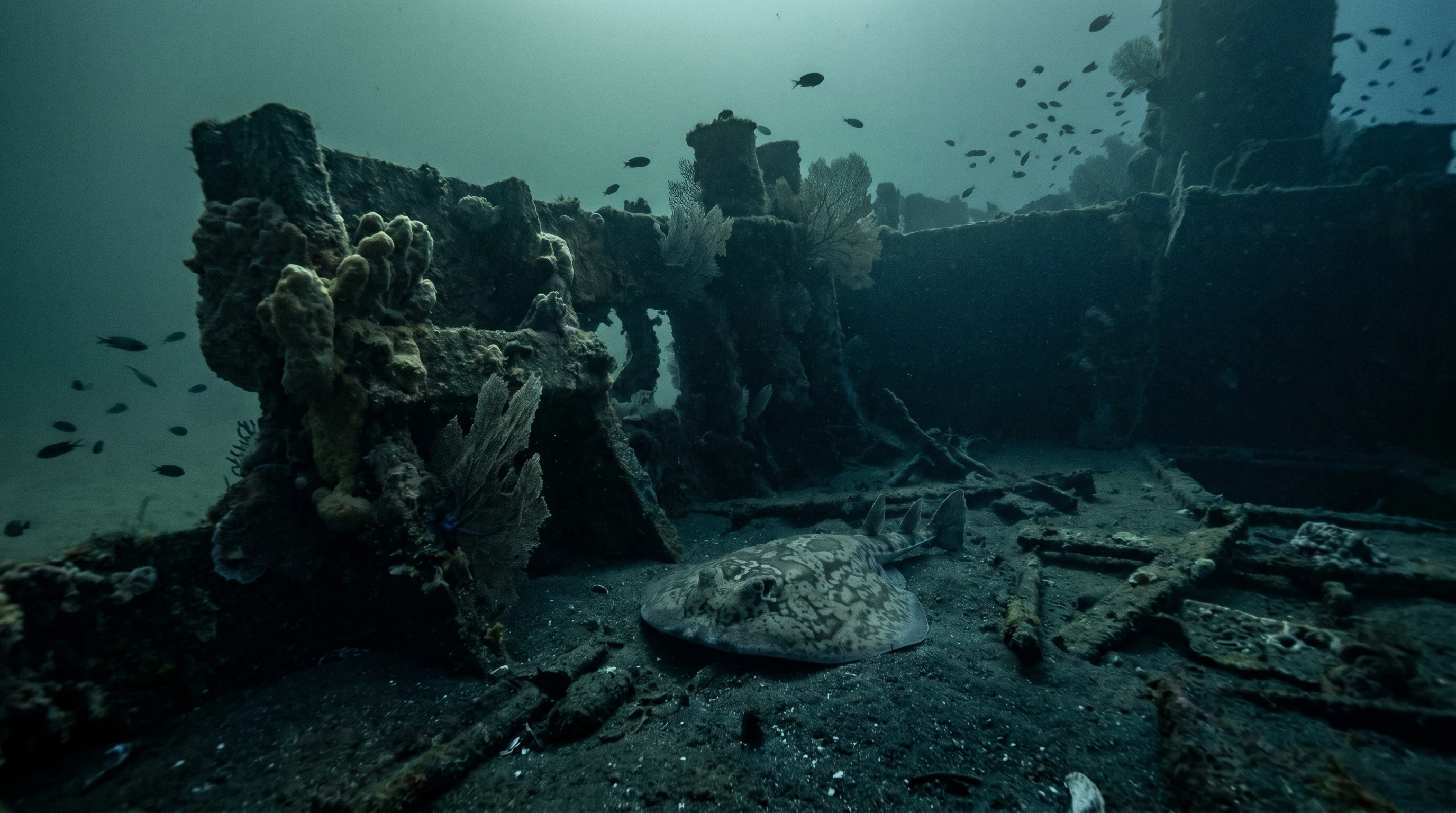
Tarifa has a strong showing of cephalopods and elasmobranchs across its sites. The Common Octopus, European Common Cuttlefish, and Marbled Electric Ray are observed very frequently, and the Mediterranean Moray and Conger Eel are reliable finds around rocky structure. Nudibranch diversity is notable too, with the Cratena Slug, Giant Doris, Tricolor Doris, and Mediterranean Violet Aeolid all recorded across many sites.
Yes, though the majority of Tarifa's sites are rated advanced due to depth and current. Little Bay, La Garita, La Fortuleza, and Puerto Fenicio are all beginner-rated, with shallow depths and calmer conditions. La Garita offers both shore and boat entry, and La Fortuleza is a shore-entry reef and canyon site, making both accessible introductions to the area.
A good proportion of sites require boat access, especially the deeper wrecks and drift dives. However, several sites including Little Bay, La Fortuleza, and Puerto Fenicio are reachable from shore. La Garita offers both options. With no listed operators in the region data, divers should confirm local boat charter arrangements independently before travelling.
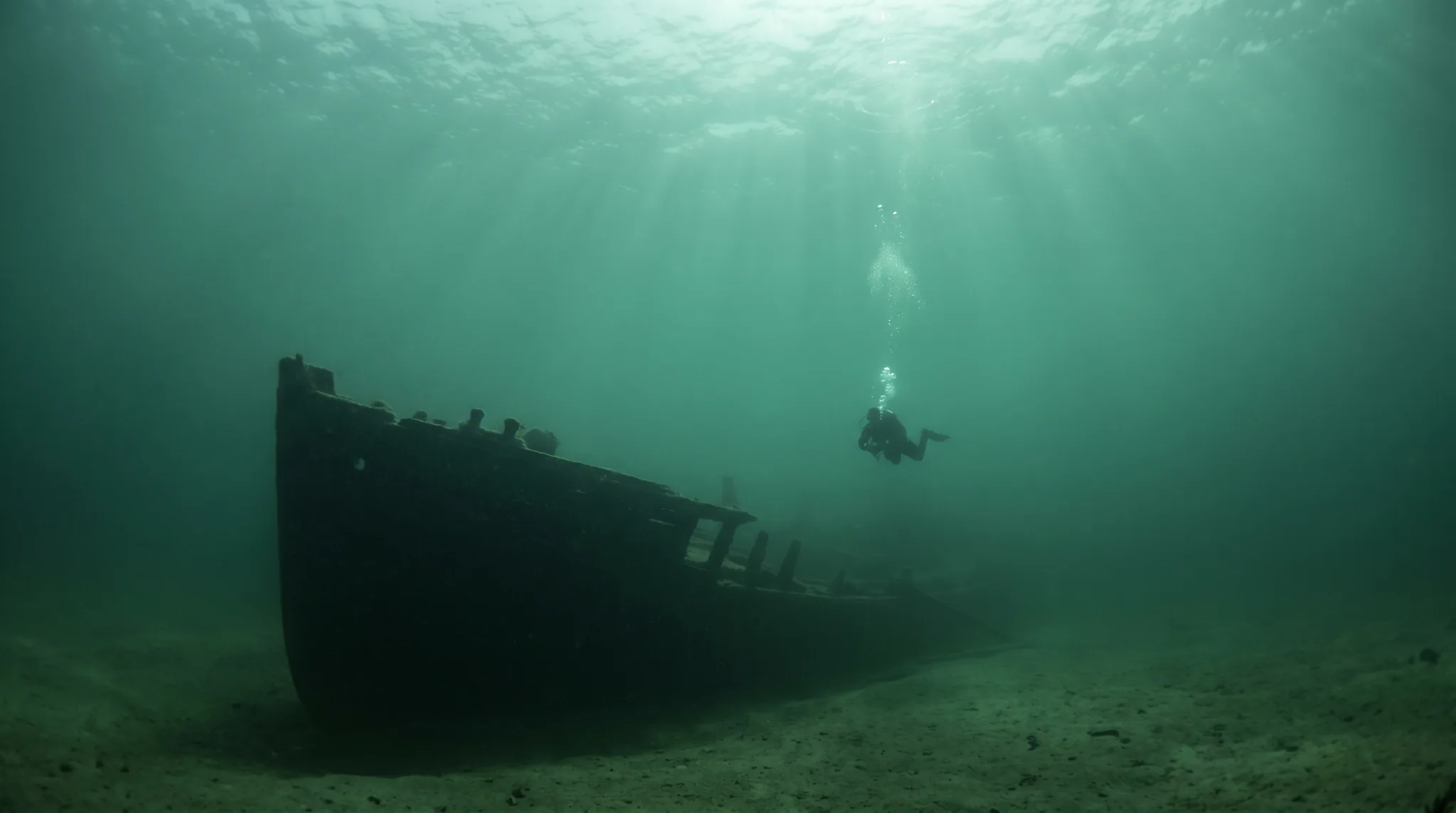
Tarifa has a strong collection of wrecks that vary considerably in character. El Avión combines a wreck with drift diving and functions as an artificial reef, while Puerto Pajares is described as largely intact on the seabed. Pecio San Andrés is an iron steamship wreck spread across a wide depth range, and Las Calderas features steamboat remains alongside boilers from different vessels. Most wreck dives here are advanced-rated and boat-access only.