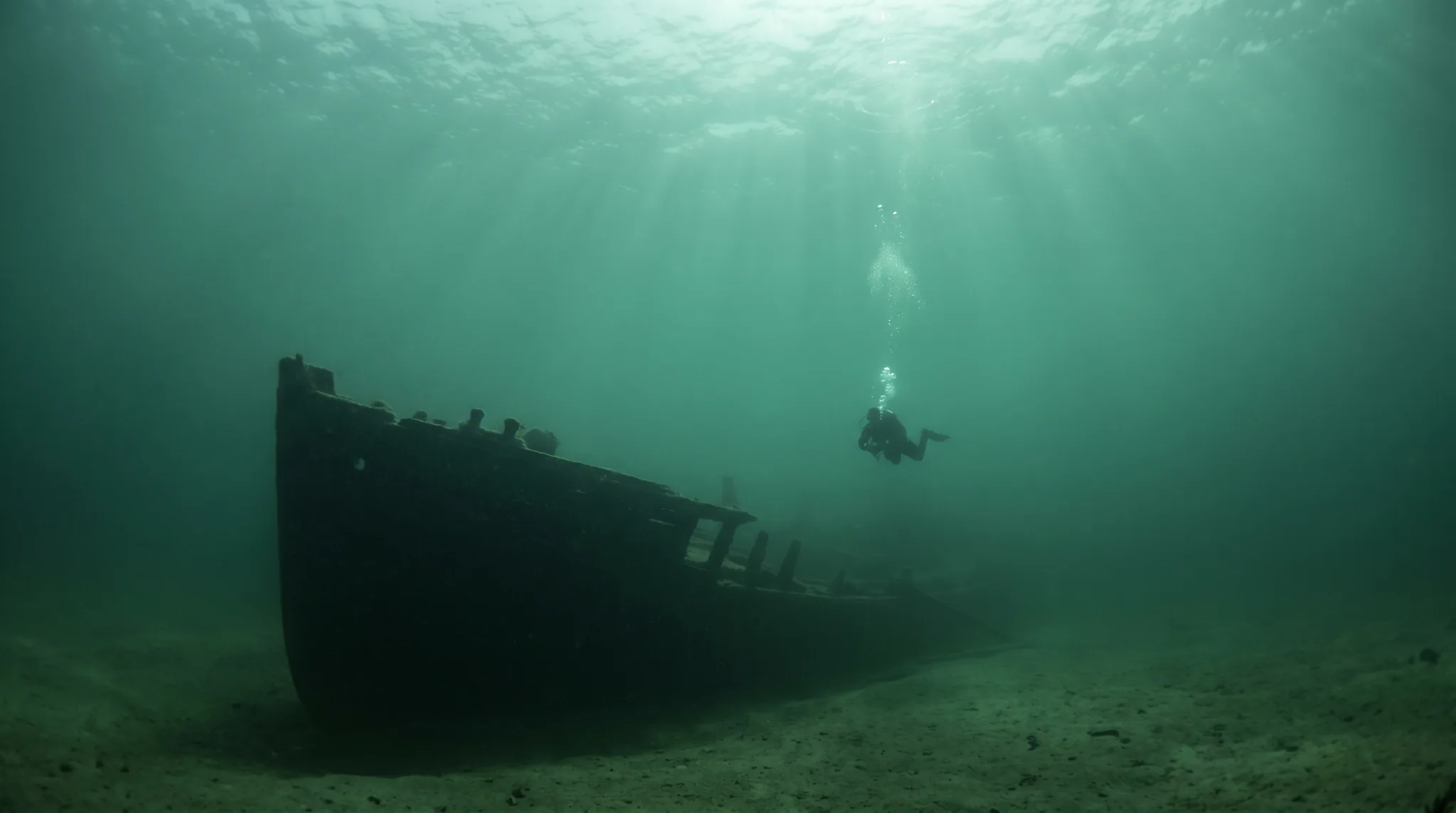
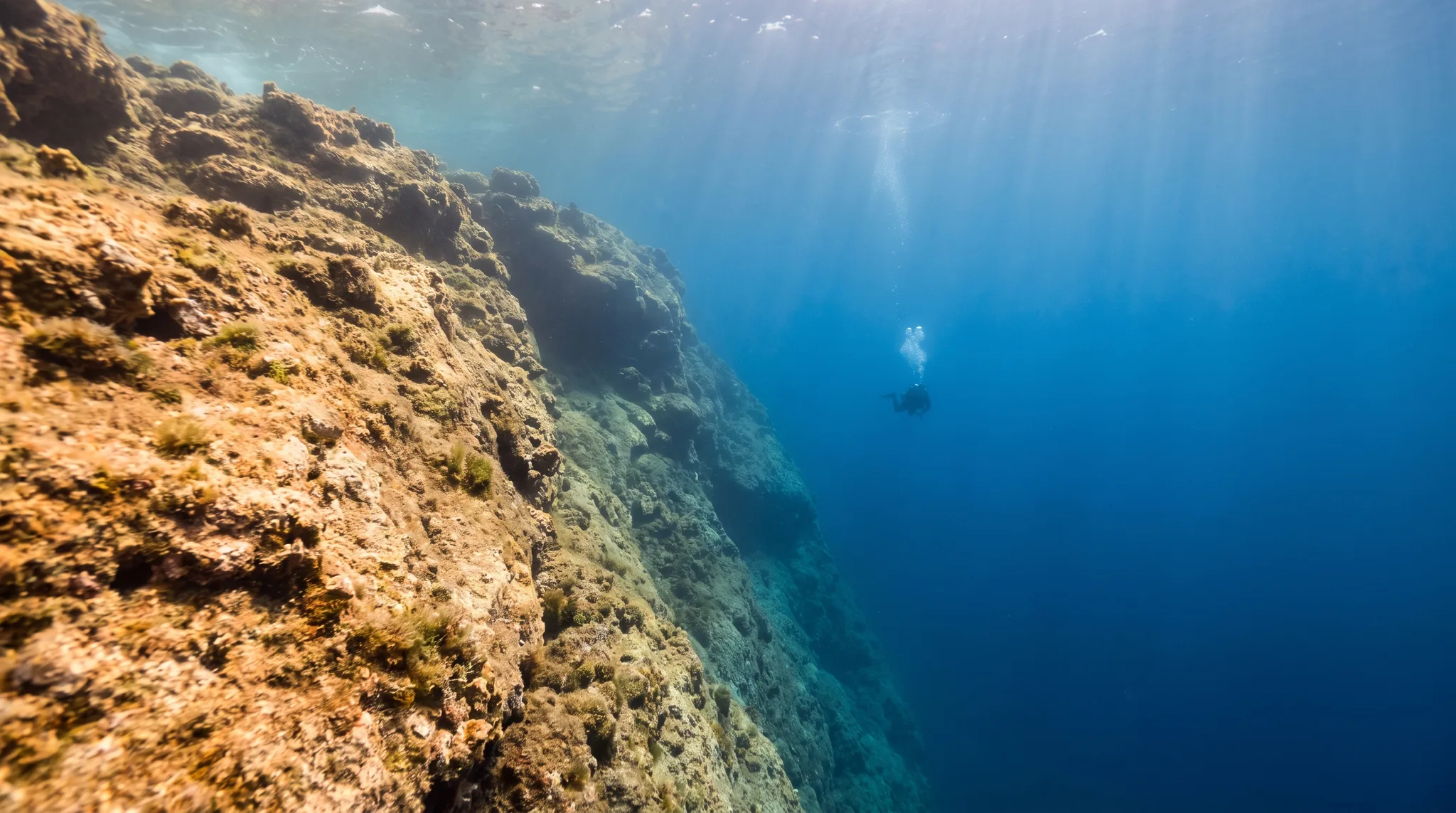
Costa Tropical rewards divers with a varied mix of wrecks, walls, reefs, caves and drift sites, most of them concentrated around Almunecar. The marine life leans heavily towards cephalopods and elasmobranchs, with the Common Octopus, European Common Cuttlefish and Marbled Electric Ray observed across nearly every site. Ocean Sunfish and Flying Gurnard add pelagic interest, while the reef hosts a remarkable diversity of nudibranchs. Most sites suit beginners, with a handful of deeper walls and pinnacles reserved for intermediate and advanced divers.
Monthly water temperature across Costa Tropical's sites, from satellite sea-surface data corrected for depth. The band shows the site-to-site spread.
Water temperature sits at its coolest from winter through early spring, then climbs steadily from May onwards, peaking in late summer before easing back through autumn. The warmest, most popular diving window runs from May through October, when conditions are most inviting and site coverage is highest. Exposed sites can pick up current, making some walls and drift dives more dynamic in stronger conditions.
17 operators
31 more sites to explore
Water temperature around Costa Tropical ranges from about 16°C in January to 21°C in August, based on satellite sea-temperature data for its dive sites.
In the warm season (about 21°C) a 5mm suit is comfortable in Costa Tropical; in the coldest months (about 16°C) step up to a 7mm or semi-dry suit.
Fin maps 43 sites in Costa Tropical (41 scuba diving sites and 10 snorkelling spots, with some suited to both).
Across Costa Tropical's dive sites, May, June, July, August, September and October are most often reported as the best months to visit.
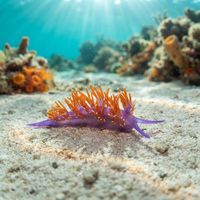
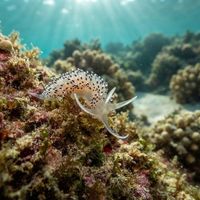
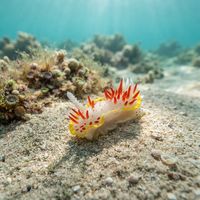
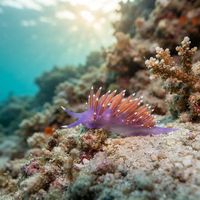
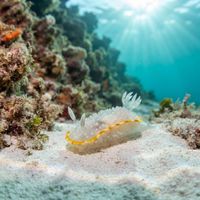
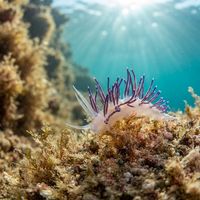
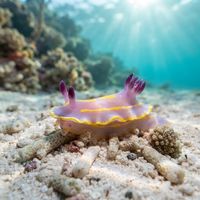
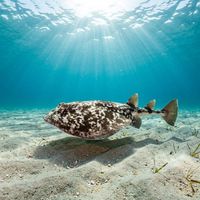
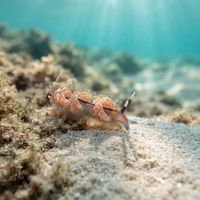
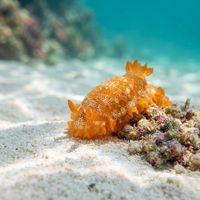
The region has a strong showing of cephalopods, with Common Octopus and European Common Cuttlefish observed at nearly every site. The Marbled Electric Ray is very commonly recorded, and Ocean Sunfish and Flying Gurnard add variety for those diving offshore sites. Nudibranchs are a particular highlight, with species including the Cratena Slug, Giant Doris, Tricolor Doris, Mediterranean Violet Aeolid and Felimare villafranca all well documented.
The majority of sites in Costa Tropical are rated for beginners, including shore-accessible wrecks and shallow reef and wall dives. Sites like Barco del Arroz, Peñones de San Cristóbal and La Herradura Beach offer straightforward entries and modest depths that suit newly qualified divers well. Intermediate and advanced sites such as Cueva Del Jarro, The 3 Peaks and Los Tres Picos are available for more experienced divers seeking deeper or more complex topography.
Both options are well represented across the region's sites. Several popular dives, including Barco del Arroz, Peñones de San Cristóbal and Roqueo del 14, are accessible directly from shore. Other sites, including Ensenada De Marina, Pecio Los Candelabros and La Pared Amarilla, require a boat. A number of sites such as Cueva Del Jarro and La Herradura Beach can be reached by either method.
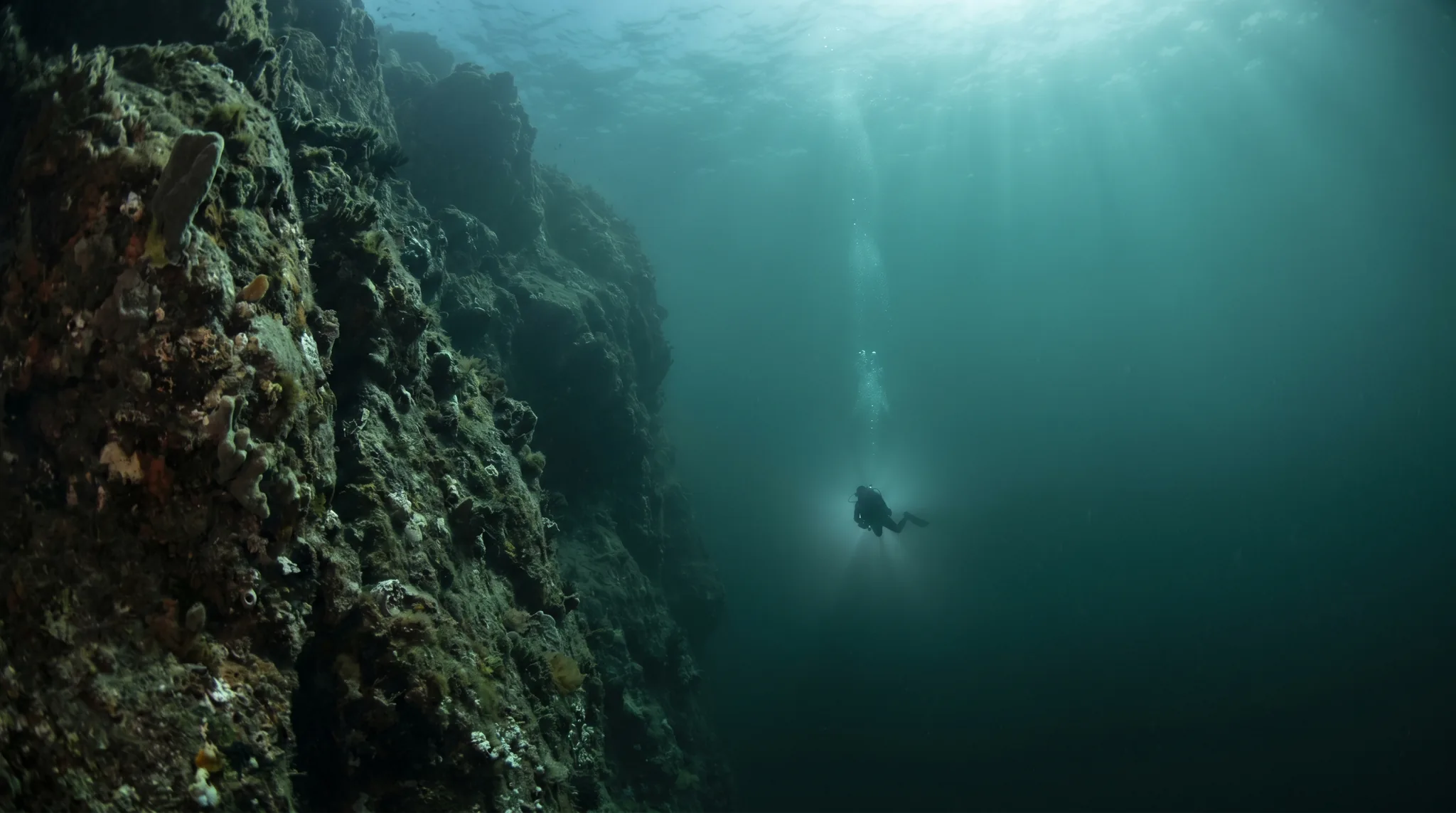
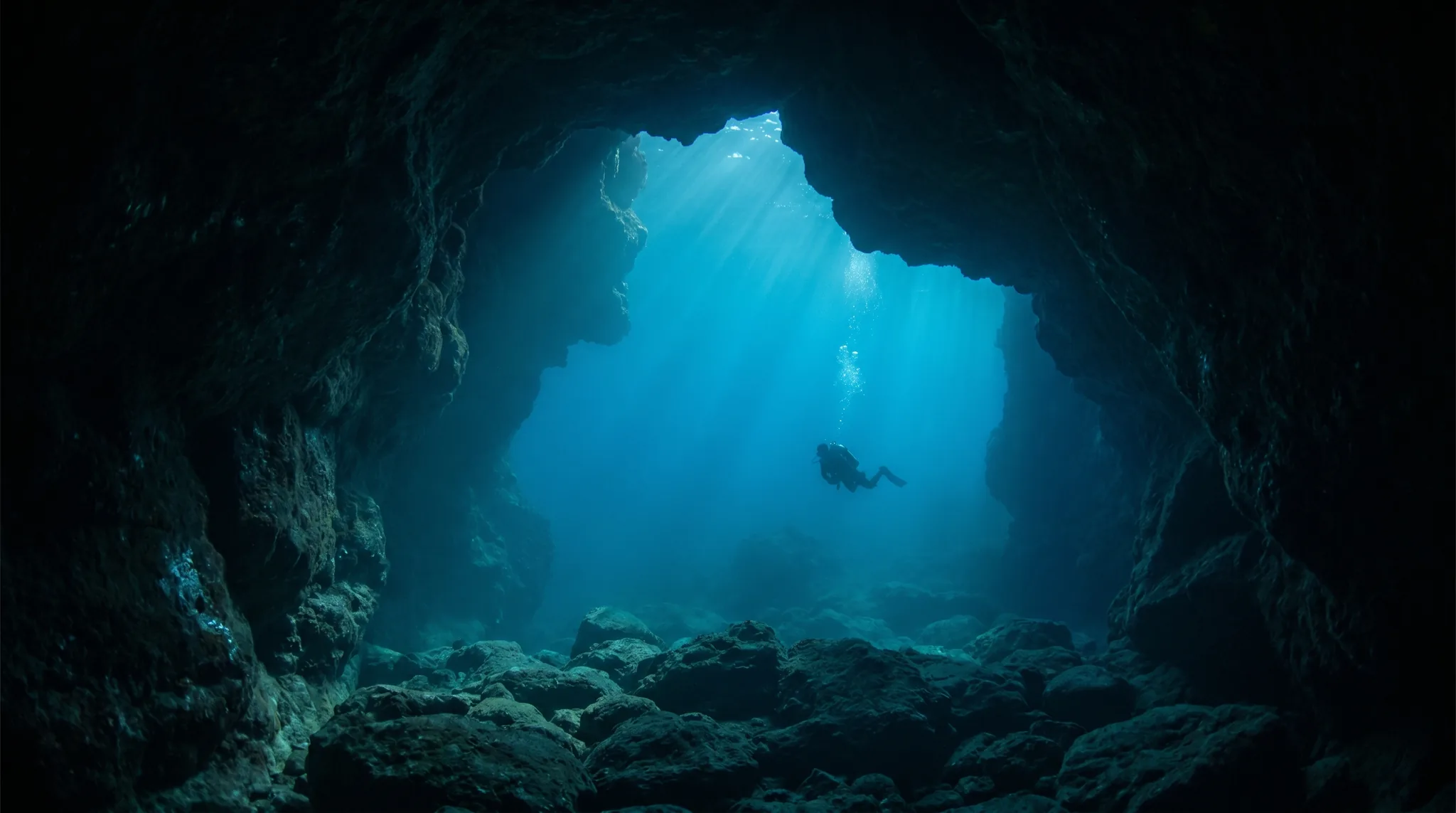
Costa Tropical has a broad mix of site types suited to different interests. Wreck divers can explore Barco del Arroz and Pecio Los Candelabros, while wall divers have many options ranging from shallow reef walls to deeper drop-offs. Cave and cavern sites like Cueva Del Jarro and Cueva de las Palomas provide atmospheric diving with distinctive light effects. Drift diving is also available at sites including La Huerta, La Pared Amarilla and The 3 Peaks.