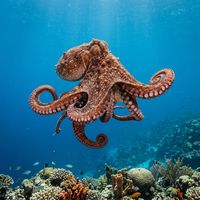
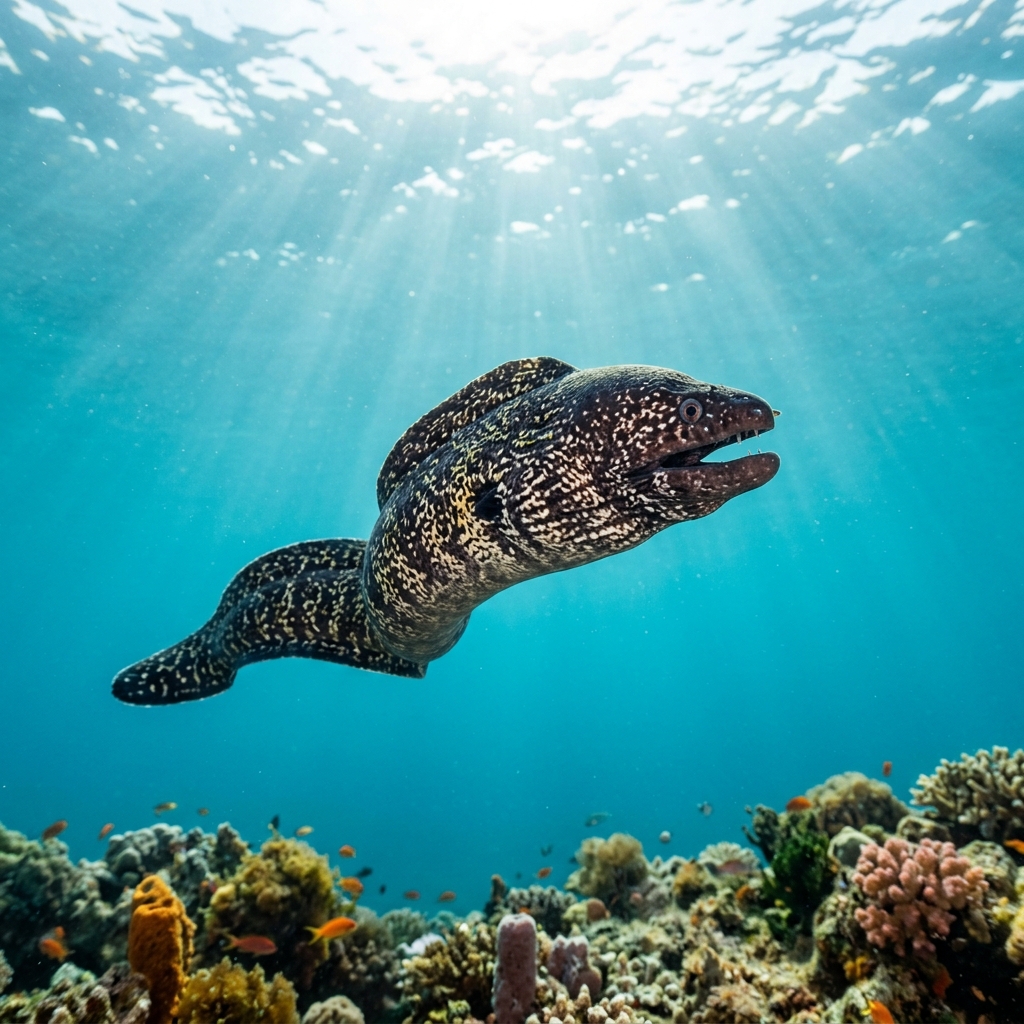
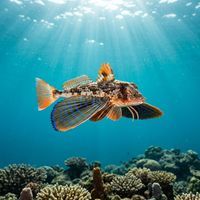
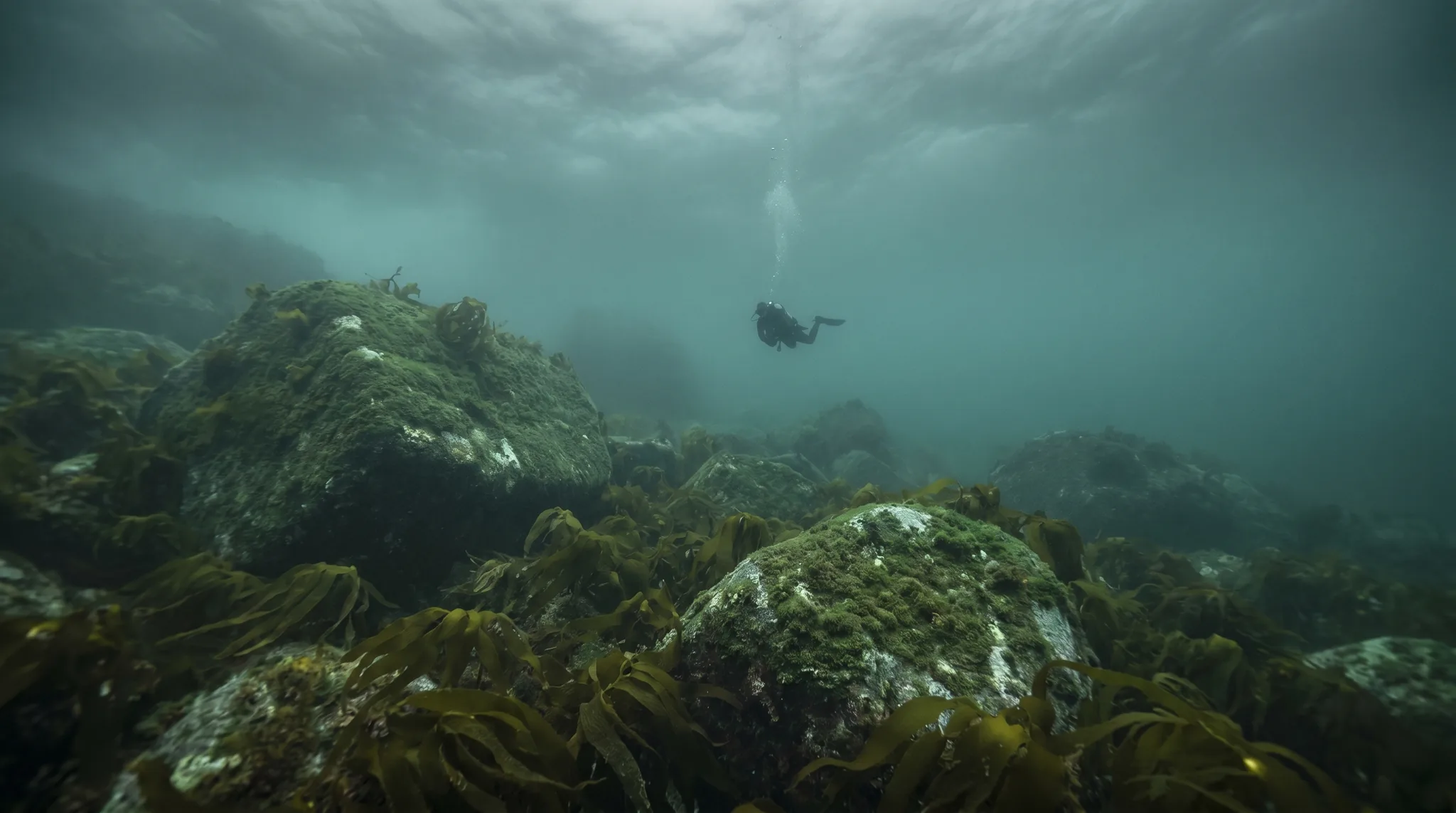
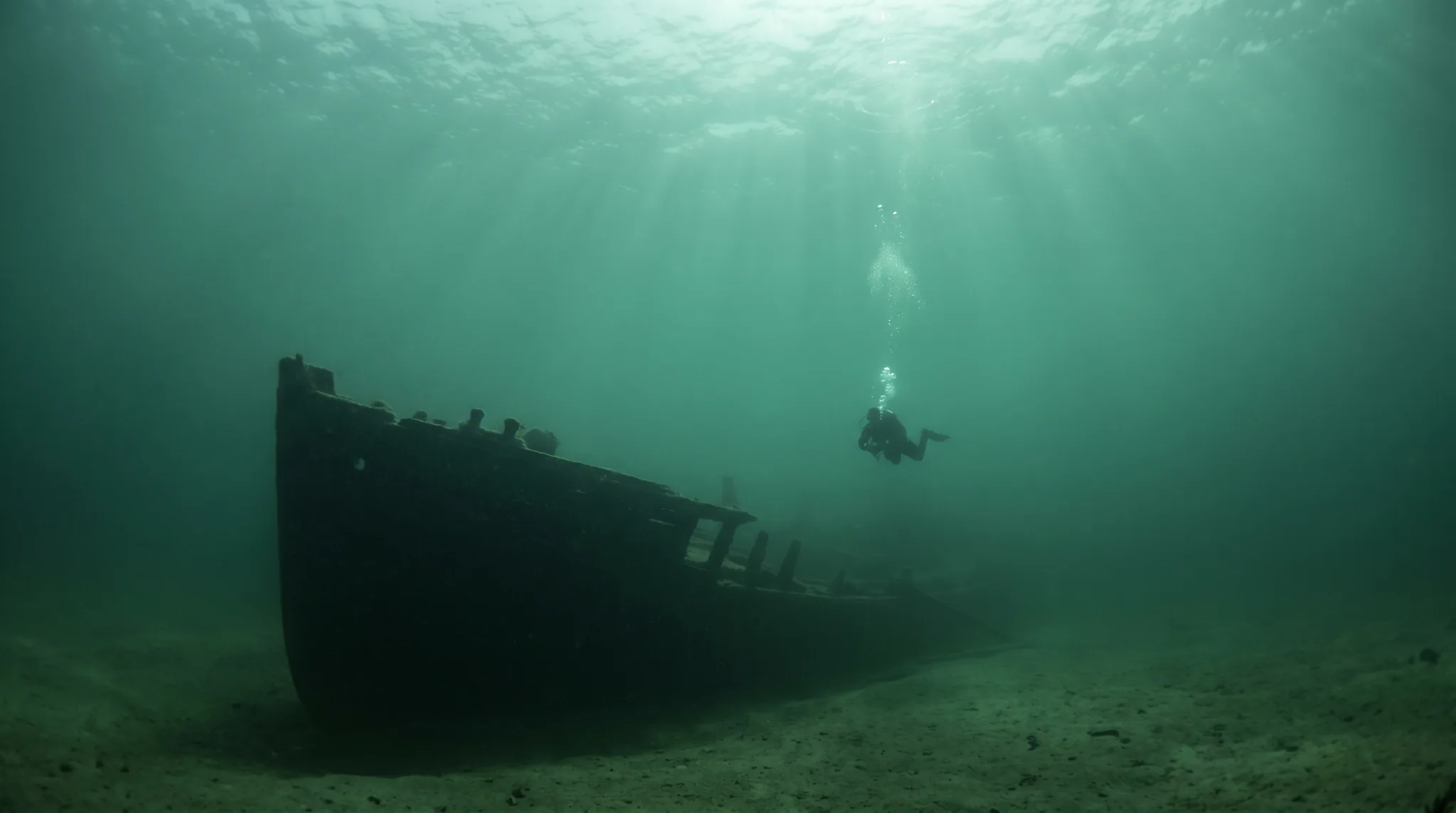
Valencia's underwater character is shaped by the Costa Blanca's reef-dominated coastline, where cave systems, walls, pinnacles and seagrass beds sit within easy reach of shore or boat. Sites span all skill levels, from calm, shallow bays suited to beginners through to deep drop-offs and boat-access pinnacles for advanced divers. The signature species list is strong: Common Octopus and Mediterranean Moray appear across the vast majority of sites, while Flying Gurnard, European Common Cuttlefish, Great Barracuda and the occasional Marbled Electric Ray reward attentive divers. Water warms noticeably from late spring, with the peak season running from early summer through to October.
1 areas
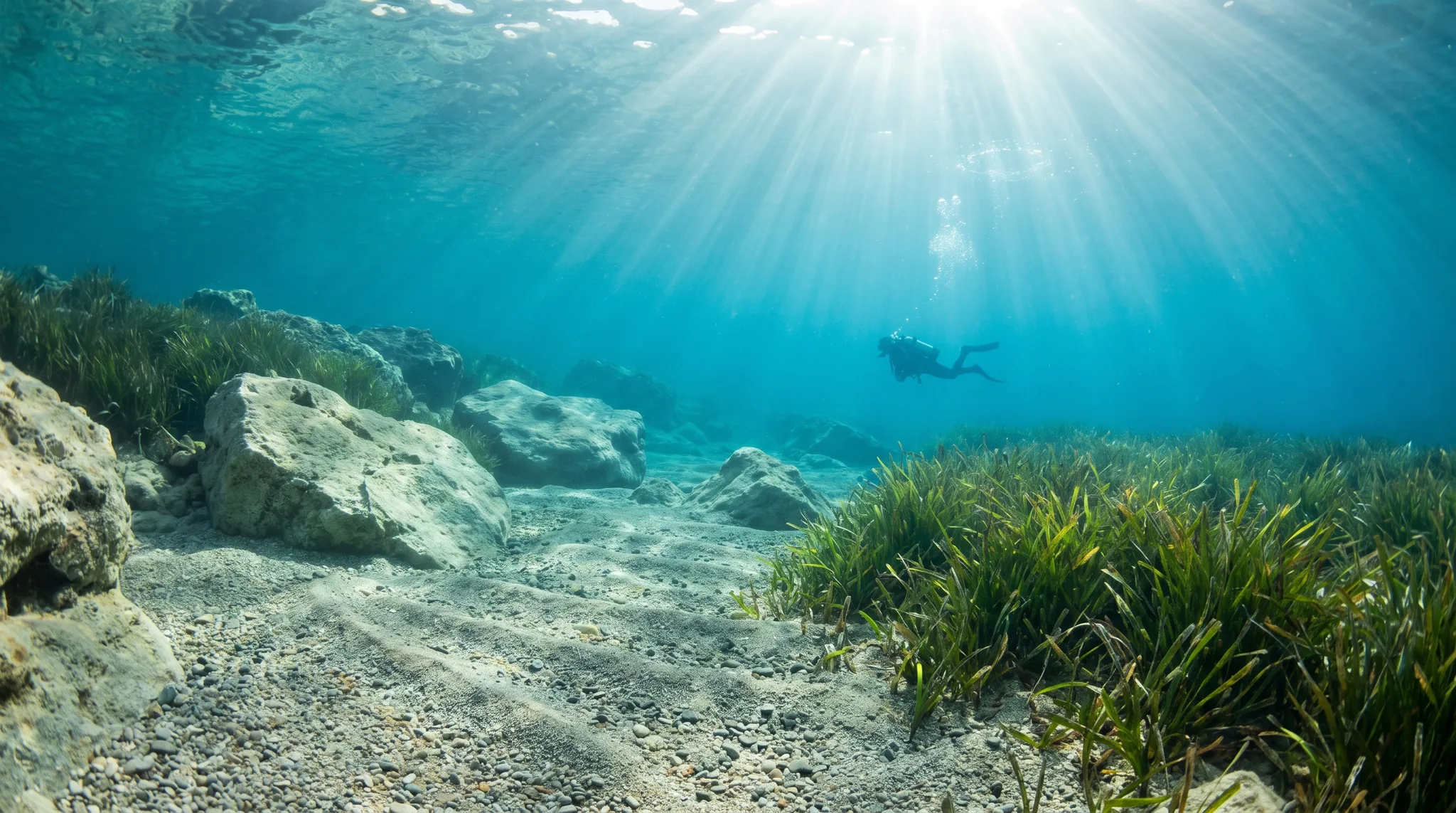
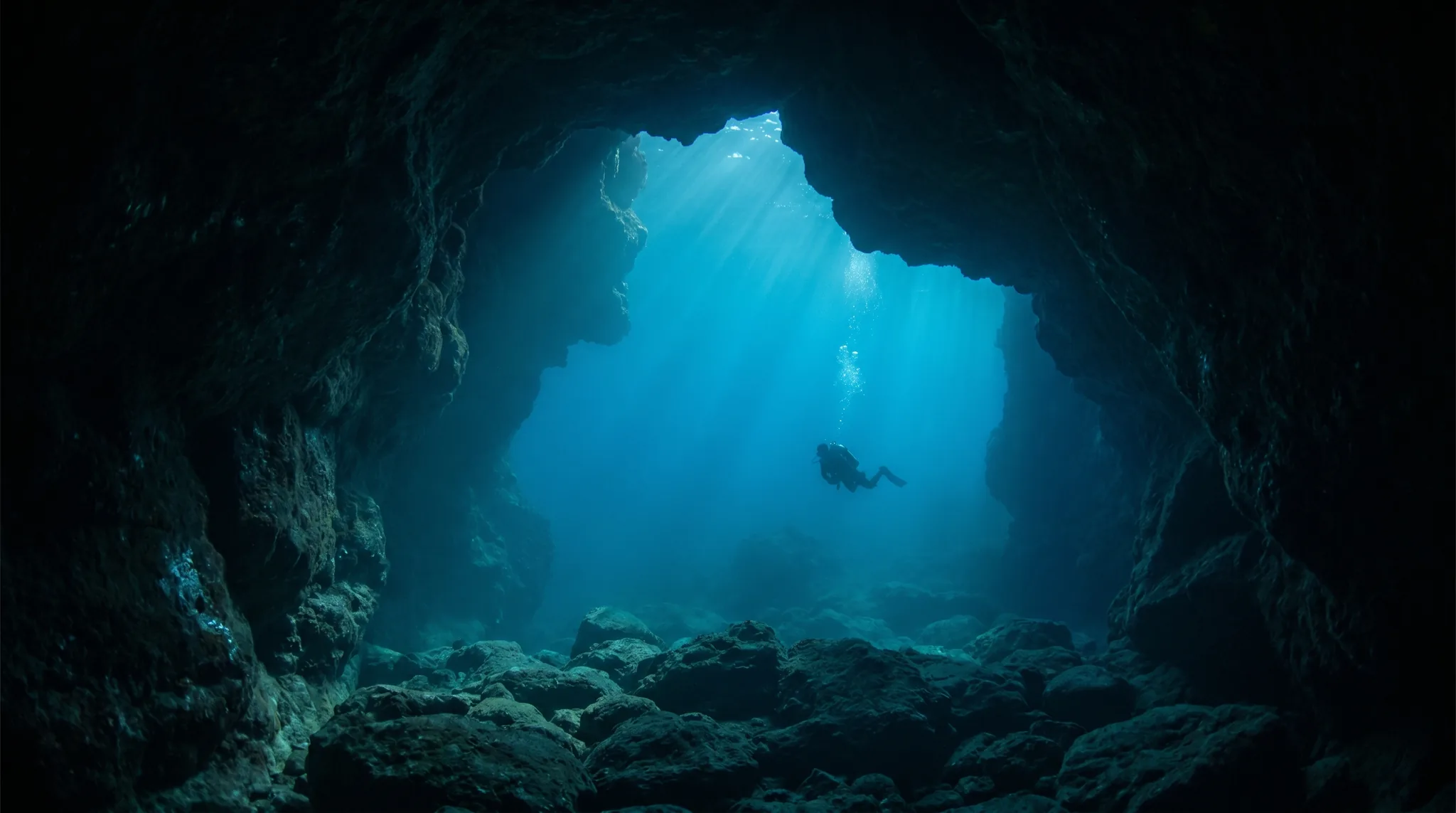
Monthly water temperature across Valencia's sites, from satellite sea-surface data corrected for depth. The band shows the site-to-site spread.
Water temperatures sit at their coolest through winter and early spring, then climb steadily from May onward, reaching their warmest in late summer and early autumn. This warmer period also draws the highest diver activity, with June, September and July and August all scoring strongly in the best-months data. Conditions ease back through November, making a longer shoulder season viable for those happy in cooler water.
43 operators


Water temperature around Valencia ranges from about 15°C in January to 25°C in September, based on satellite sea-temperature data for its dive sites.
In the warm season (about 25°C) a 3mm full suit is comfortable in Valencia; in the coldest months (about 15°C) step up to a 7mm or semi-dry suit.
Fin maps 114 sites in Valencia (100 scuba diving sites and 26 snorkelling spots, with some suited to both).
Across Valencia's dive sites, May, June, July, August, September and October are most often reported as the best months to visit.
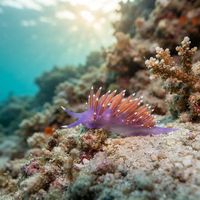
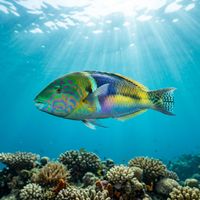
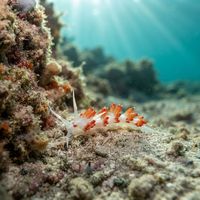
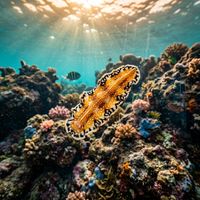
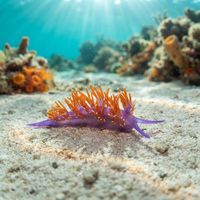
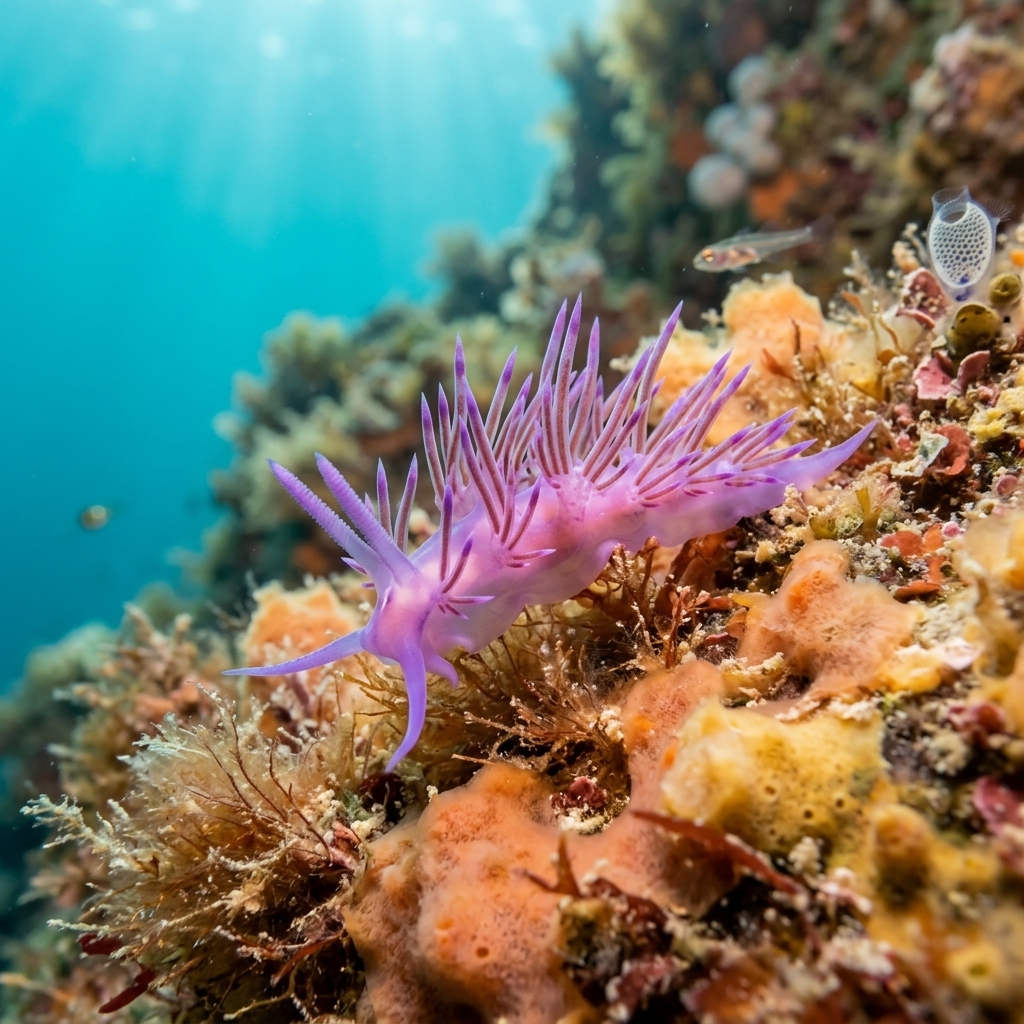
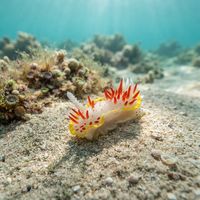
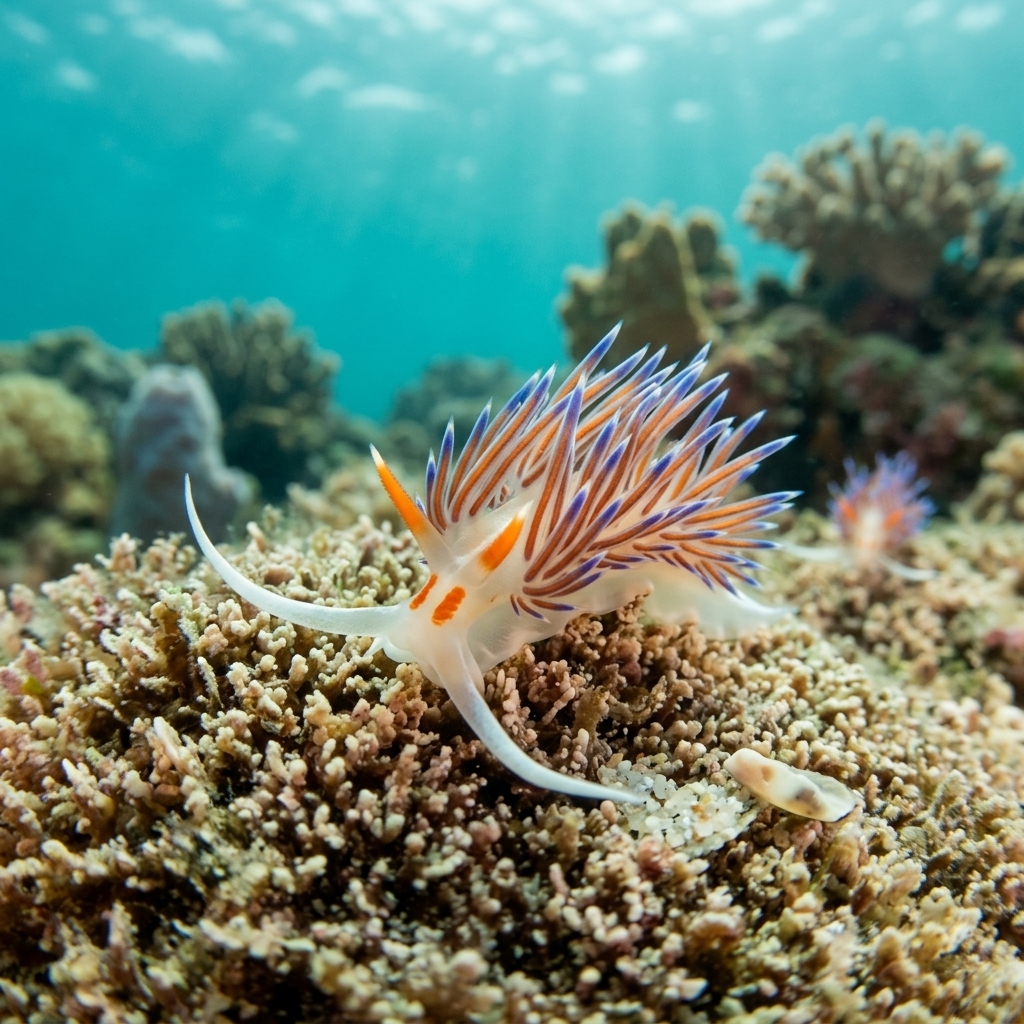
The reefs here hold a rich mix of species observed across a wide range of sites. Common Octopus and Mediterranean Moray are encountered very frequently, while European Common Cuttlefish, Flying Gurnard, Great Barracuda and Scorpionfish are all well-documented sightings. Nudibranch enthusiasts will find the Mediterranean Violet Aeolid, Cratena Slug and Tricolor Doris recorded regularly, and a Marbled Electric Ray is an occasional reward on sandy patches.
A good proportion of sites are rated for beginners, including several shallow shore-entry reef sites around Javea such as Sillón rockero, El Pesebre, Fondo de Bikini and BCLN Confined Waters. These offer calm, shallow conditions well suited to new divers building confidence. Intermediate and advanced sites, including boat-access walls and deeper drop-offs like Rock Lobster, provide clear progression for those with more experience.
Reefs form the backbone of diving in Valencia, but the region also offers caves, walls, pinnacles, drop-offs, seagrass beds and artificial reefs. Shore entry is very common, particularly around Javea, making independent diving straightforward at many sites. Boat access becomes necessary for some of the more exposed or deeper sites, such as Cova del Camel and Rock Lobster, and a number of operators based along the Costa Blanca run guided boat trips.
Costa Blanca accounts for all of Valencia's listed sites, so the two names effectively describe the same diving area at different scales. The bulk of the top sites are concentrated around Javea, with additional sites at Calpe and further south. Operators are spread along the coast, including Scuba Moraira S.L., Buceo Puerto Jávea, Buceo Nisos Benidorm and Dive Academy Santa Pola, giving good coverage of different stretches of coastline.