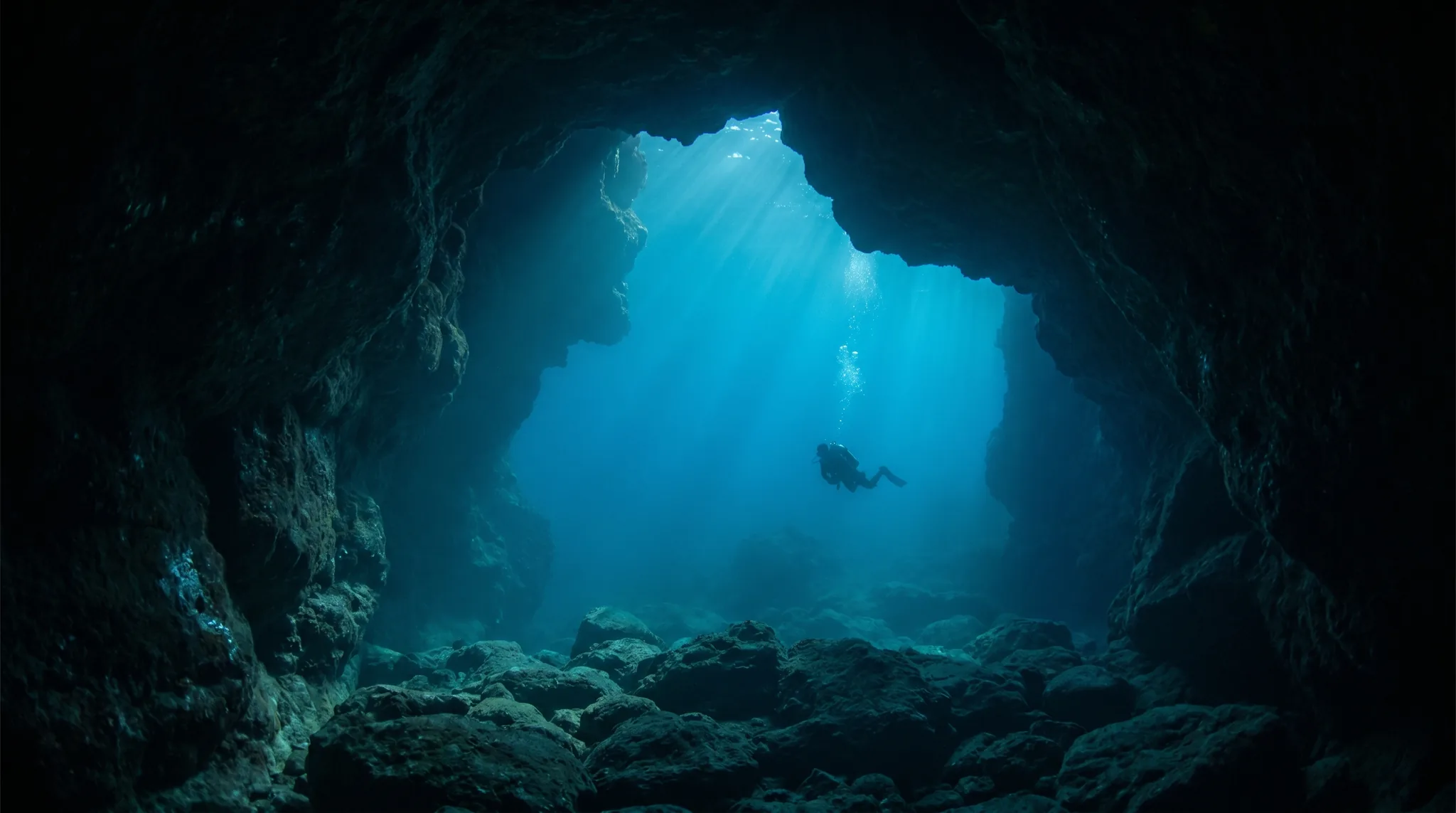
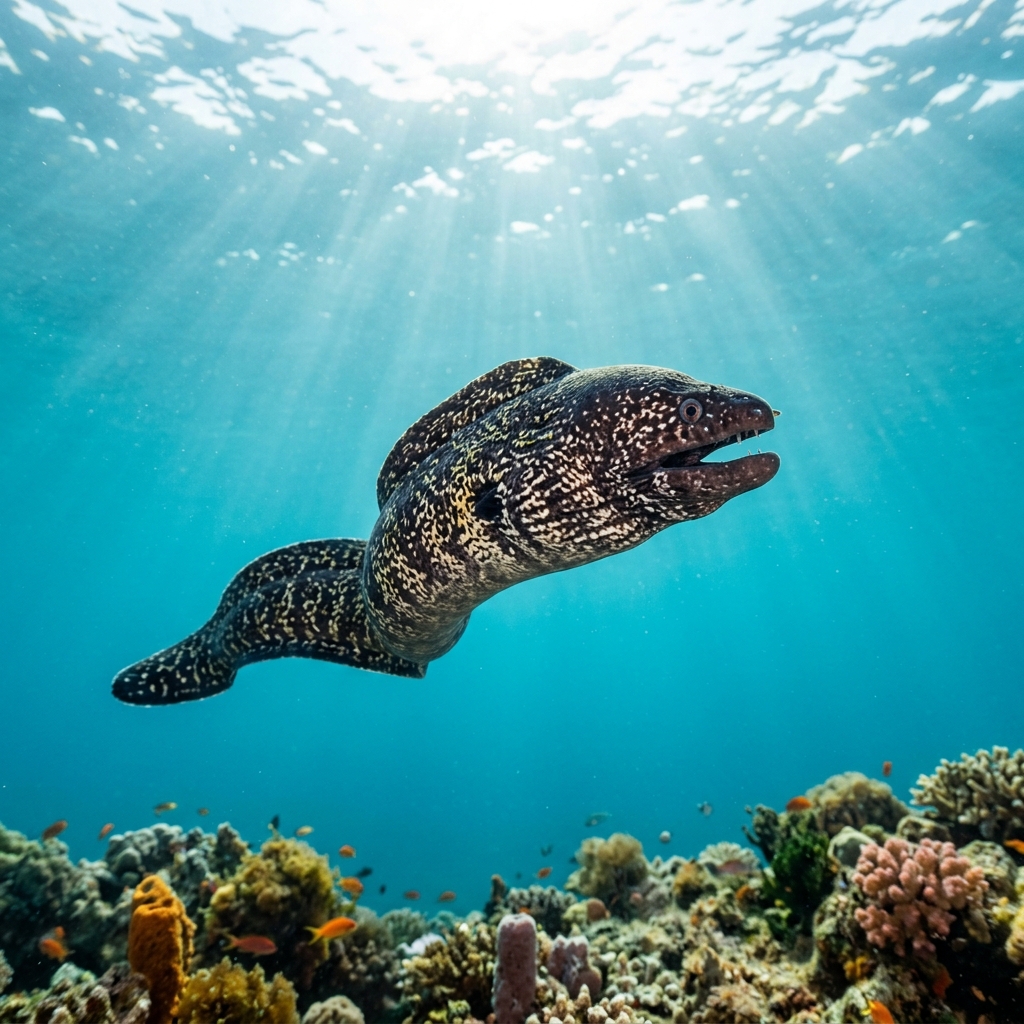
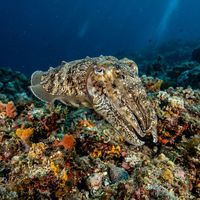
Murcia divides neatly into two sub-areas: Cartagena, which holds the lion's share of sites, and Cabo de Palos, which punches above its weight with complex offshore terrain. Between them the region spans shallow confidence-builders, reef walls, pinnacles, caves and wrecks ranging from recreational to technical depth. The rocky structure suits Mediterranean reef species well: Common Octopus and European Common Cuttlefish are ubiquitous, Great Barracuda patrol open water, and Mediterranean Moray lurks in every crevice. Visibility climbs through spring and peaks around autumn, which also marks the most popular window for diving. Virtually all sites require a boat.
2 areas
Monthly water temperature across Murcia's sites, from satellite sea-surface data corrected for depth. The band shows the site-to-site spread.
Water temperature climbs steadily from its winter low through spring, reaching its warmest in late summer before cooling again through autumn. The best-months data shows two strong peaks: one in late spring and a pronounced one in October, suggesting that autumn offers particularly favourable conditions, likely combining warm residual water with improving visibility. Most sites are exposed and boat-accessed, so wind-driven swell can affect surface conditions year-round.

35 operators



Water temperature around Murcia ranges from about 15°C in January to 23°C in August, based on satellite sea-temperature data for its dive sites.
In the warm season (about 23°C) a 3mm full suit is comfortable in Murcia; in the coldest months (about 15°C) step up to a 7mm or semi-dry suit.
Fin maps 124 sites in Murcia (108 scuba diving sites and 28 snorkelling spots, with some suited to both), organised into 2 areas.
Across Murcia's dive sites, May, June, September and October are most often reported as the best months to visit.
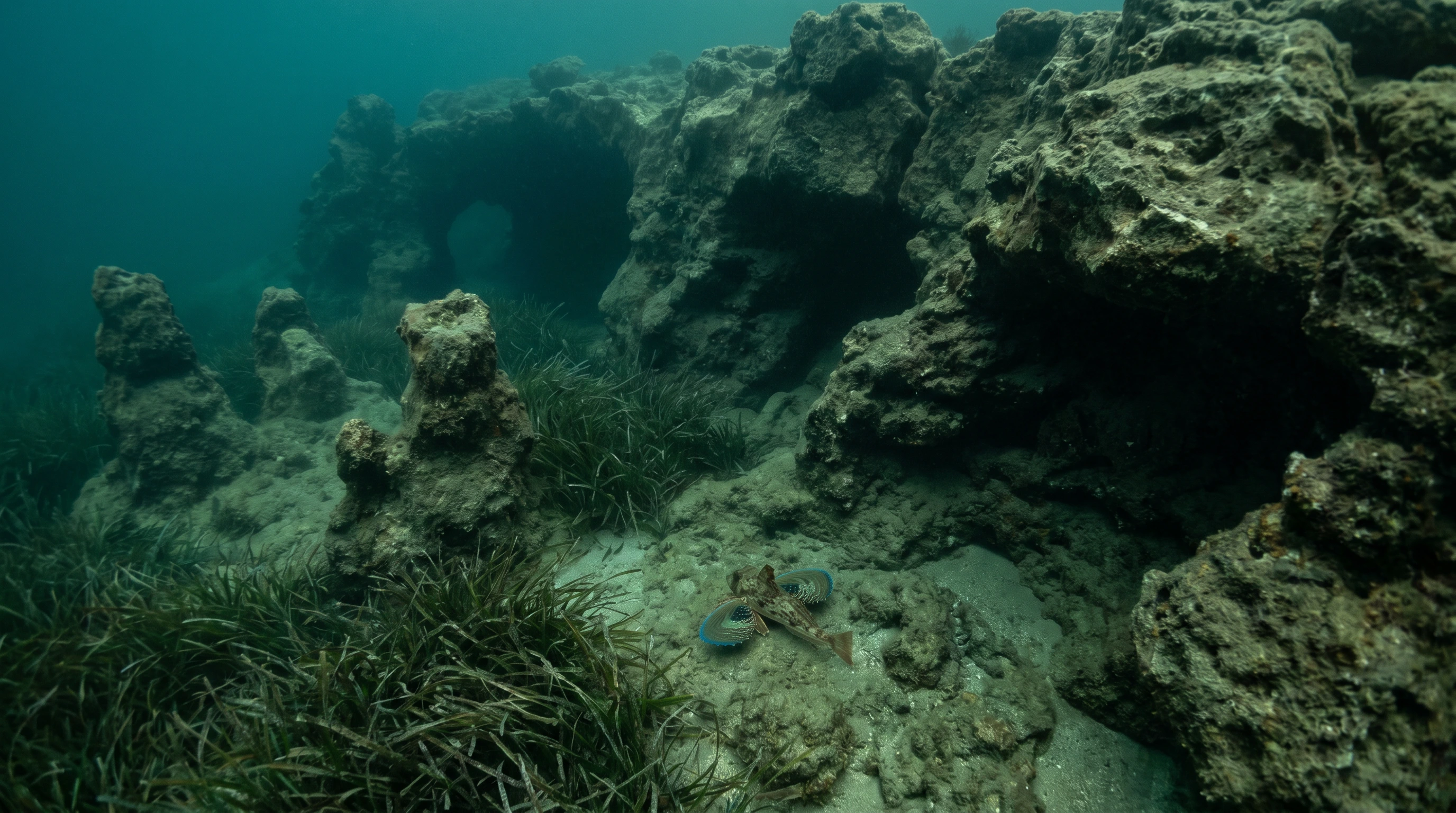
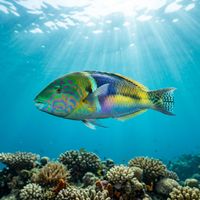
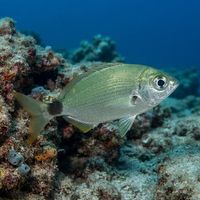
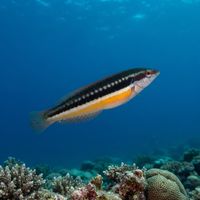
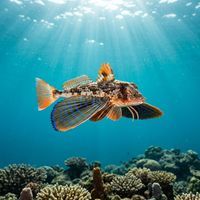
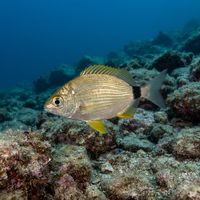
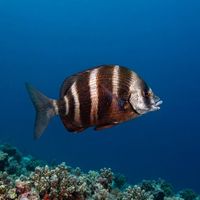
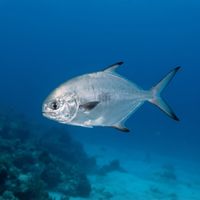
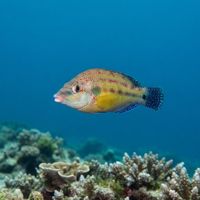
The region's rocky reefs support a wide cast of Mediterranean species. Common Octopus and European Common Cuttlefish are among the most frequently observed animals on the seabed, while Great Barracuda and Mediterranean Moray are reliably encountered across both sub-areas. Reef fish such as Bream, White Seabream, Painted Comber and Wrasses are ever-present, and the unusual Flying Gurnard is a notable find.
Yes, the region caters well to newer divers. Sites such as La Cresta offer reef and wall diving at accessible depths with mild currents, and very shallow sites near Cartagena provide a low-pressure environment for building confidence. Intermediate sites are also plentiful, and advanced or technical sites such as the SS Stanfield are available for experienced divers seeking deeper wrecks.
Cartagena holds the majority of sites and includes a wide range of skill levels, from very shallow beginner dives to cave systems such as Cueva de la Virgen. Cabo de Palos is characterised by more complex offshore terrain, with rocky plateaux, deep reefs, pinnacles and wrecks including the technical-grade SS Stanfield. Both sub-areas are primarily boat-access diving.
The vast majority of dive and snorkel sites in Murcia are reached by boat. Divers and snorkellers should plan to go out with one of the many local operators based across the region, including those in Cartagena, Cabo de Palos and Mazarrón. Booking with an operator also gives access to guided knowledge of the best sites for the prevailing conditions.