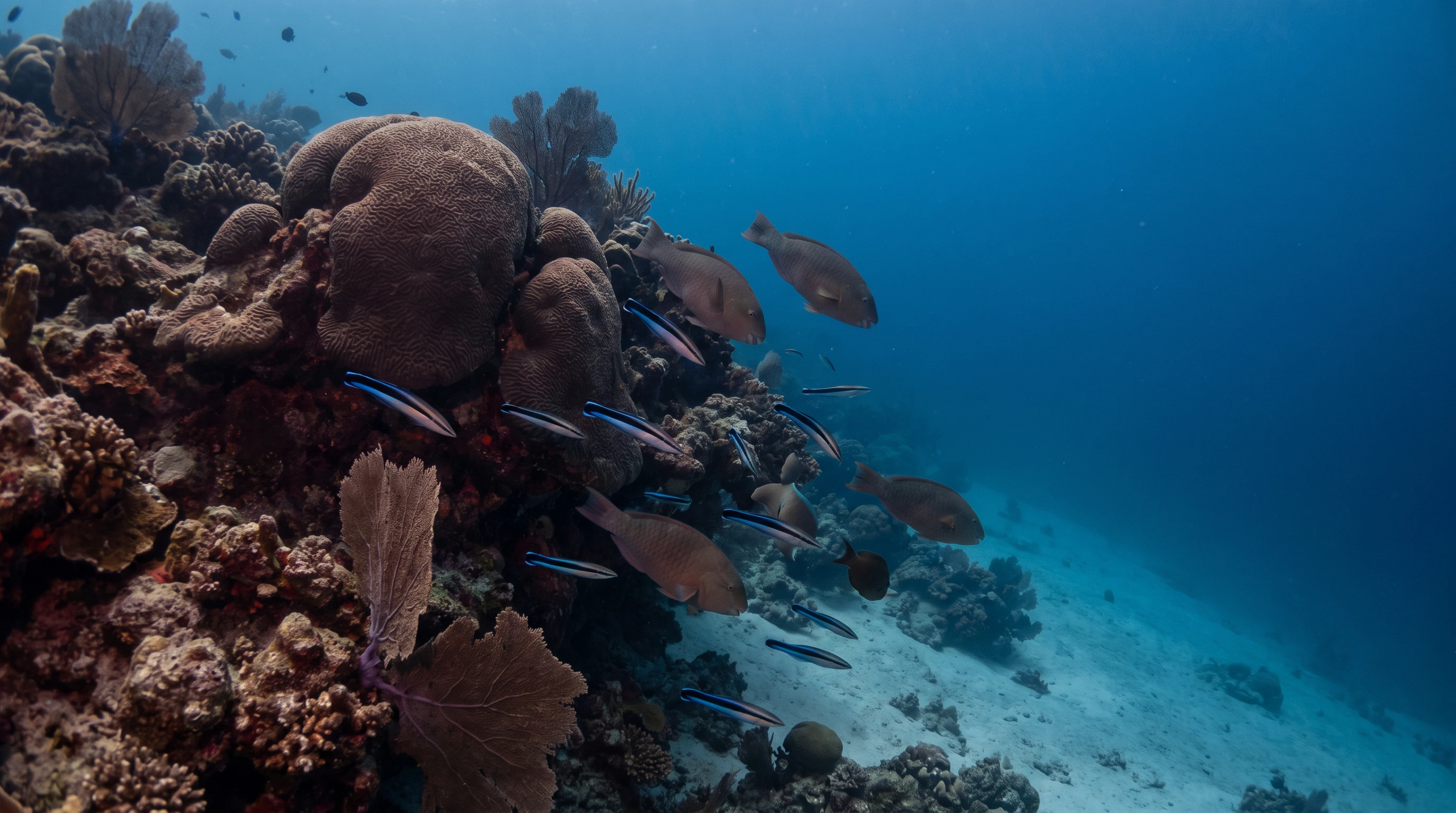
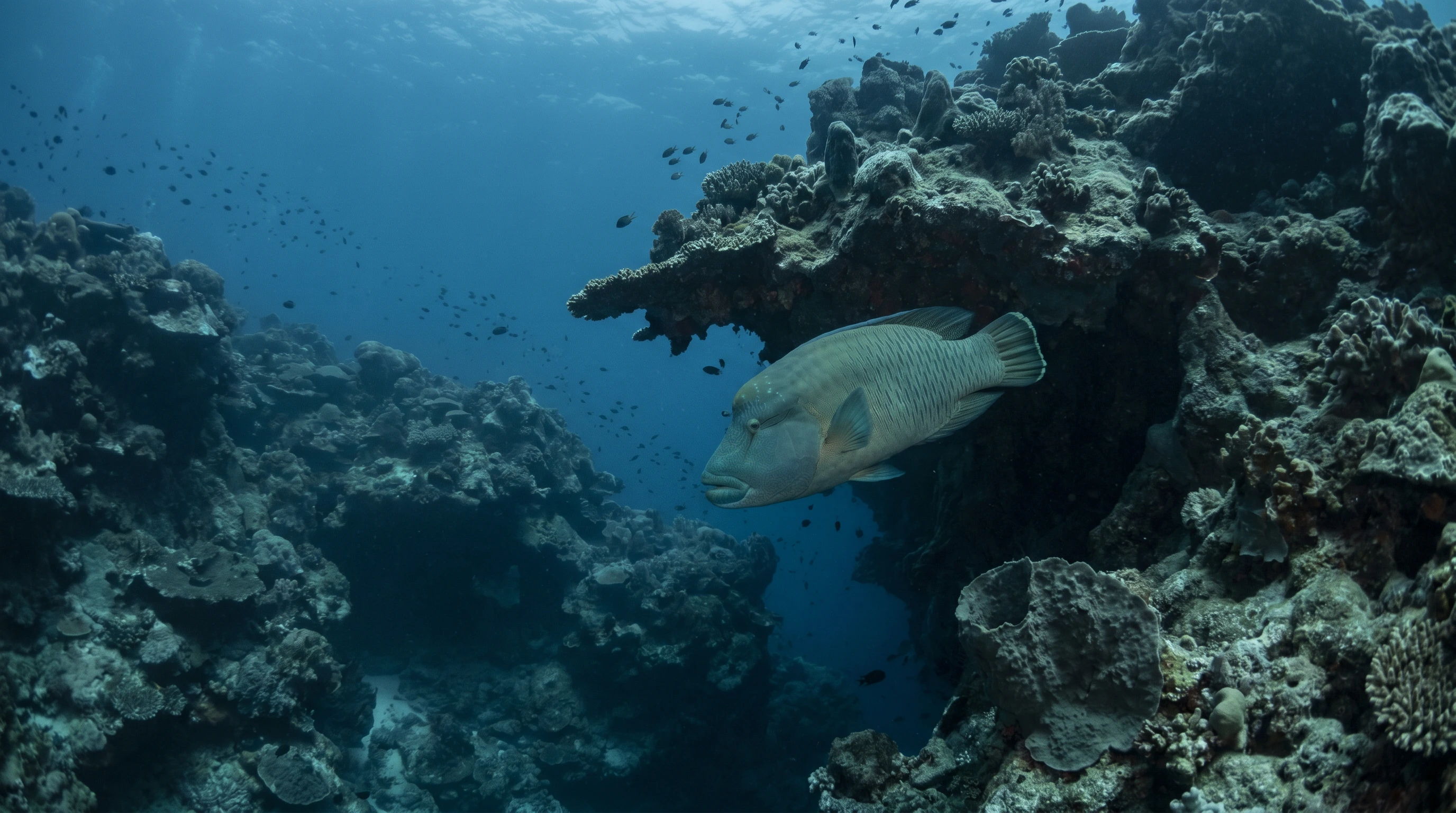
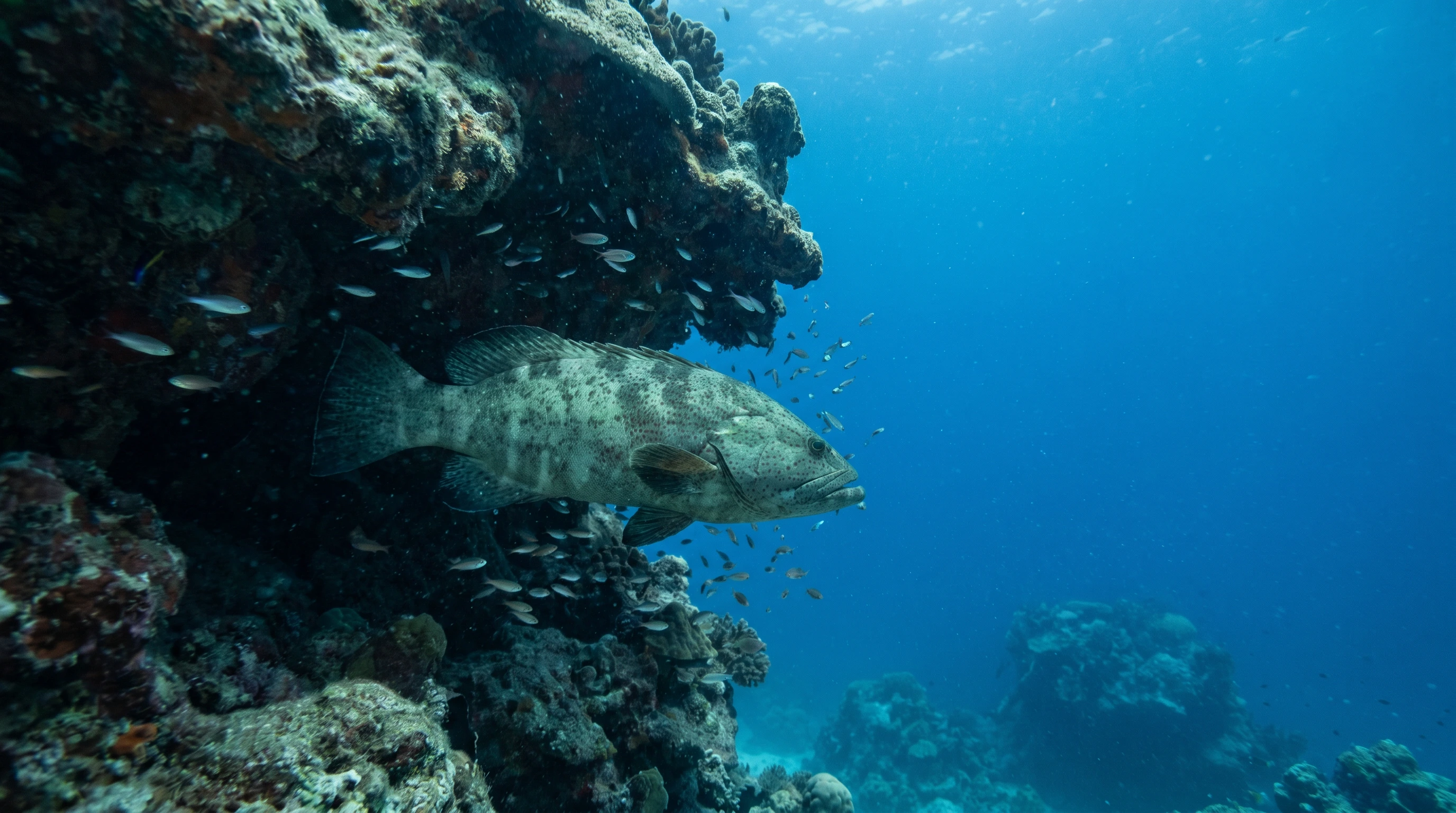
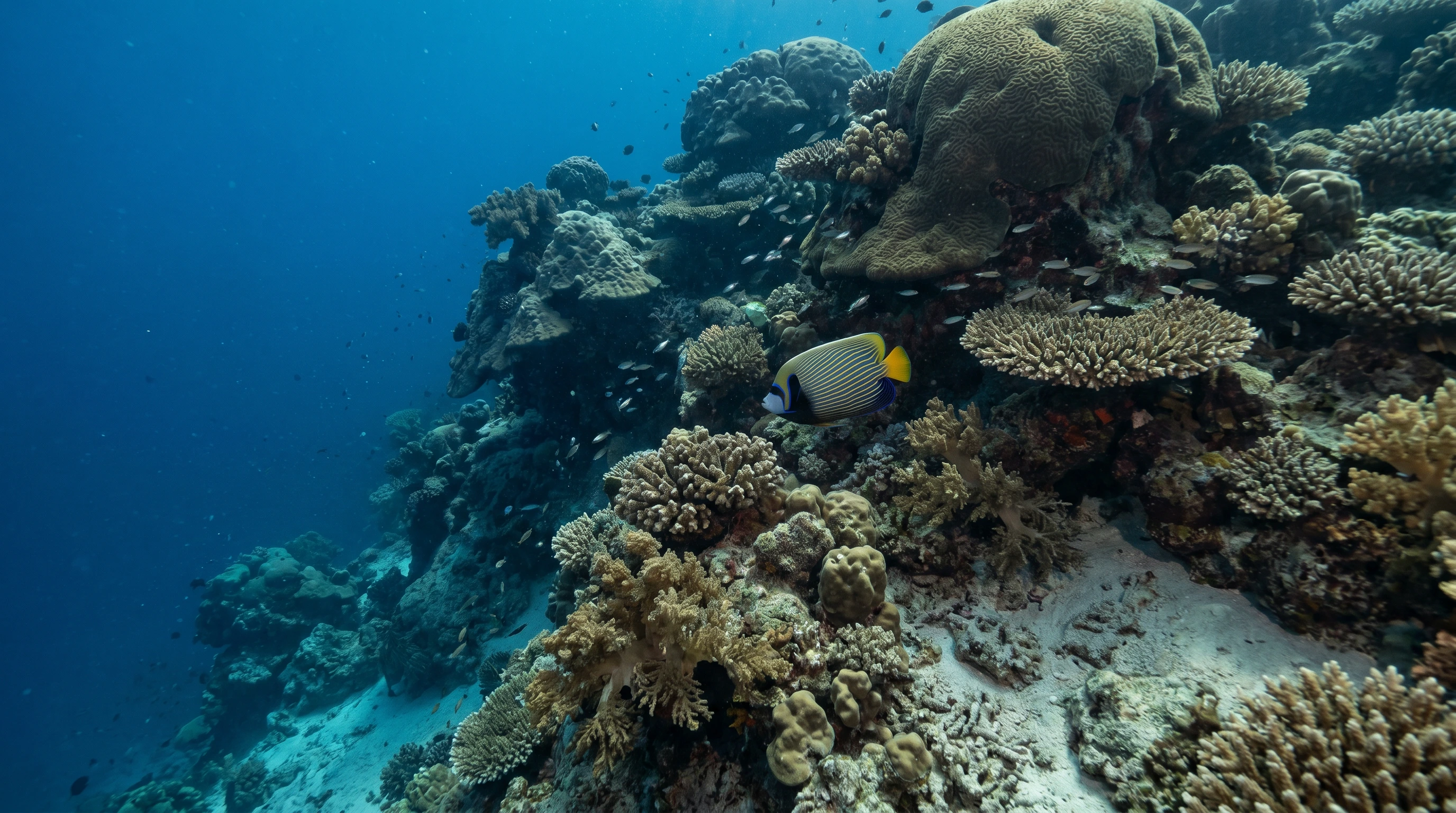
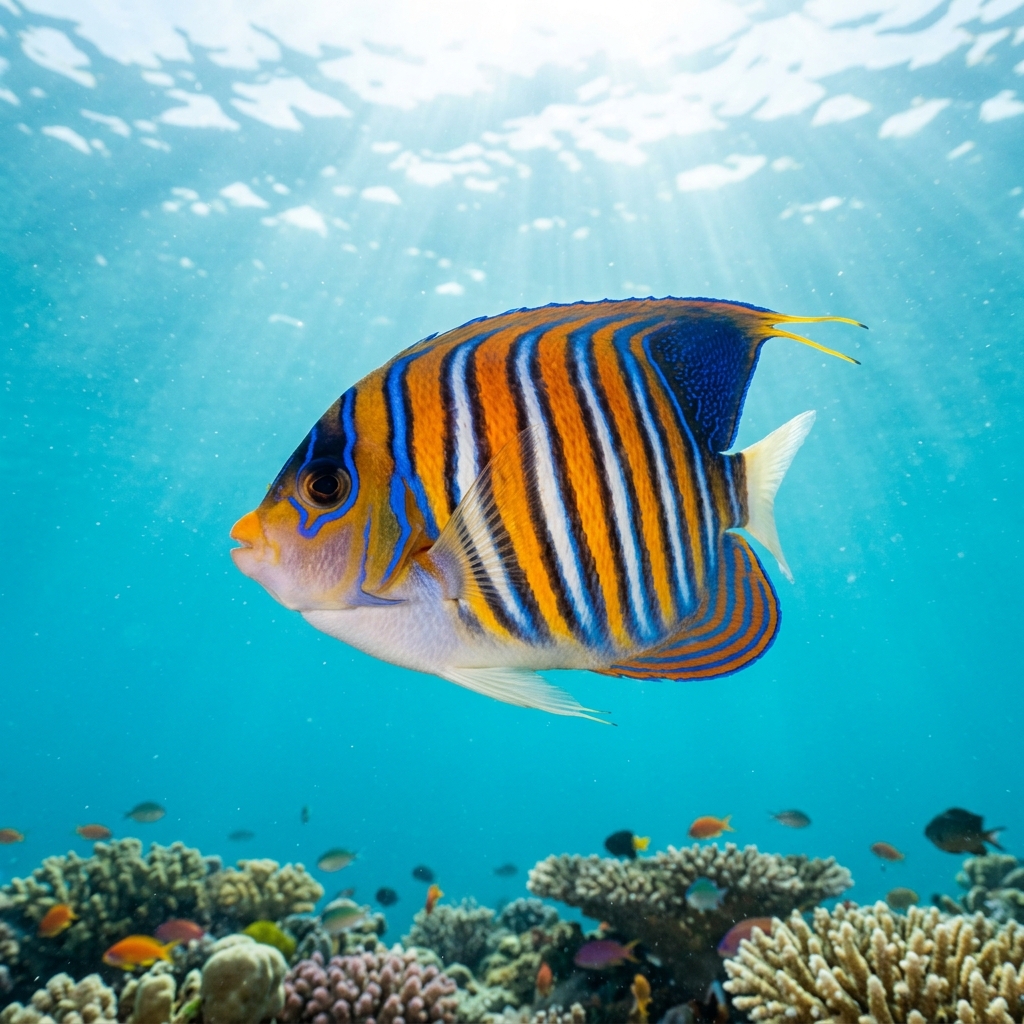
Maamigili Whale Shark sits at the southern tip of South Ari Atoll and is defined by one thing above all: reliable Whale Shark encounters across a spread of reef, pinnacle, wall and drift sites. The topography ranges from shallow beginner reefs to deep drop-offs suited to advanced divers. Bluefin Trevally, Whitetip Reef Shark, Spotted Eagle Ray and Emperor Angelfish are consistent presences across the area's sites.
Monthly water temperature across Maamigili Whale Shark's sites, from satellite sea-surface data corrected for depth. The band shows the site-to-site spread.
Water temperature stays warm throughout the year, with the curve barely shifting between months. The best-months data points clearly to the period from December through April as the peak window, aligning with calmer surface conditions and stronger visibility. From May through November, conditions can be more variable, though dive sites remain accessible.
16 operators
18 more sites to explore
Water around Maamigili Whale Shark stays near 30°C all year, based on satellite sea-temperature data for its dive sites.
With water around 29–30°C, a rash guard or 3mm shorty works in Maamigili Whale Shark year-round.
Fin maps 30 sites in Maamigili Whale Shark (27 scuba diving sites and 6 snorkelling spots, with some suited to both).
Across Maamigili Whale Shark's dive sites, January, February, March, April and December are most often reported as the best months to visit.
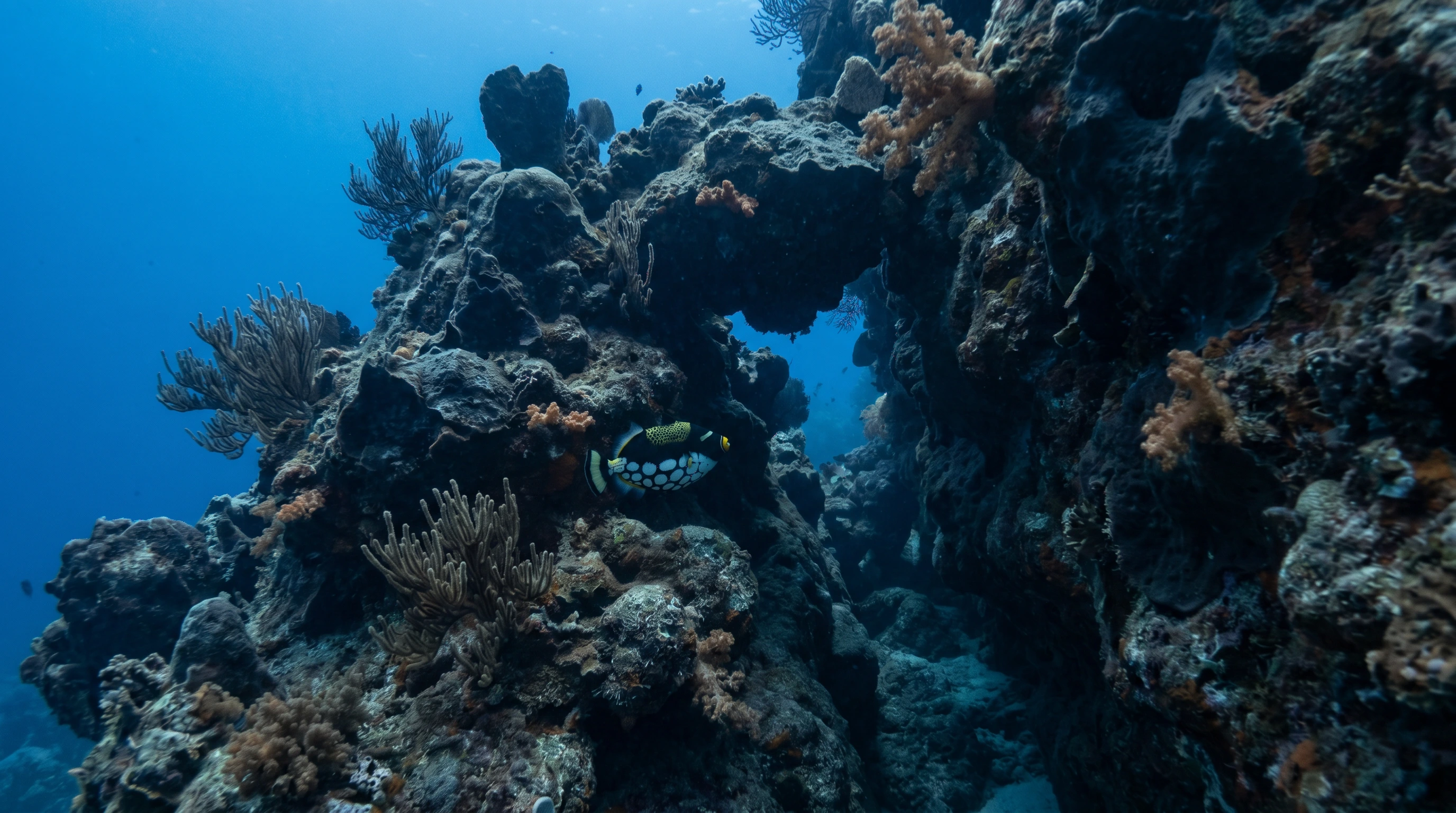
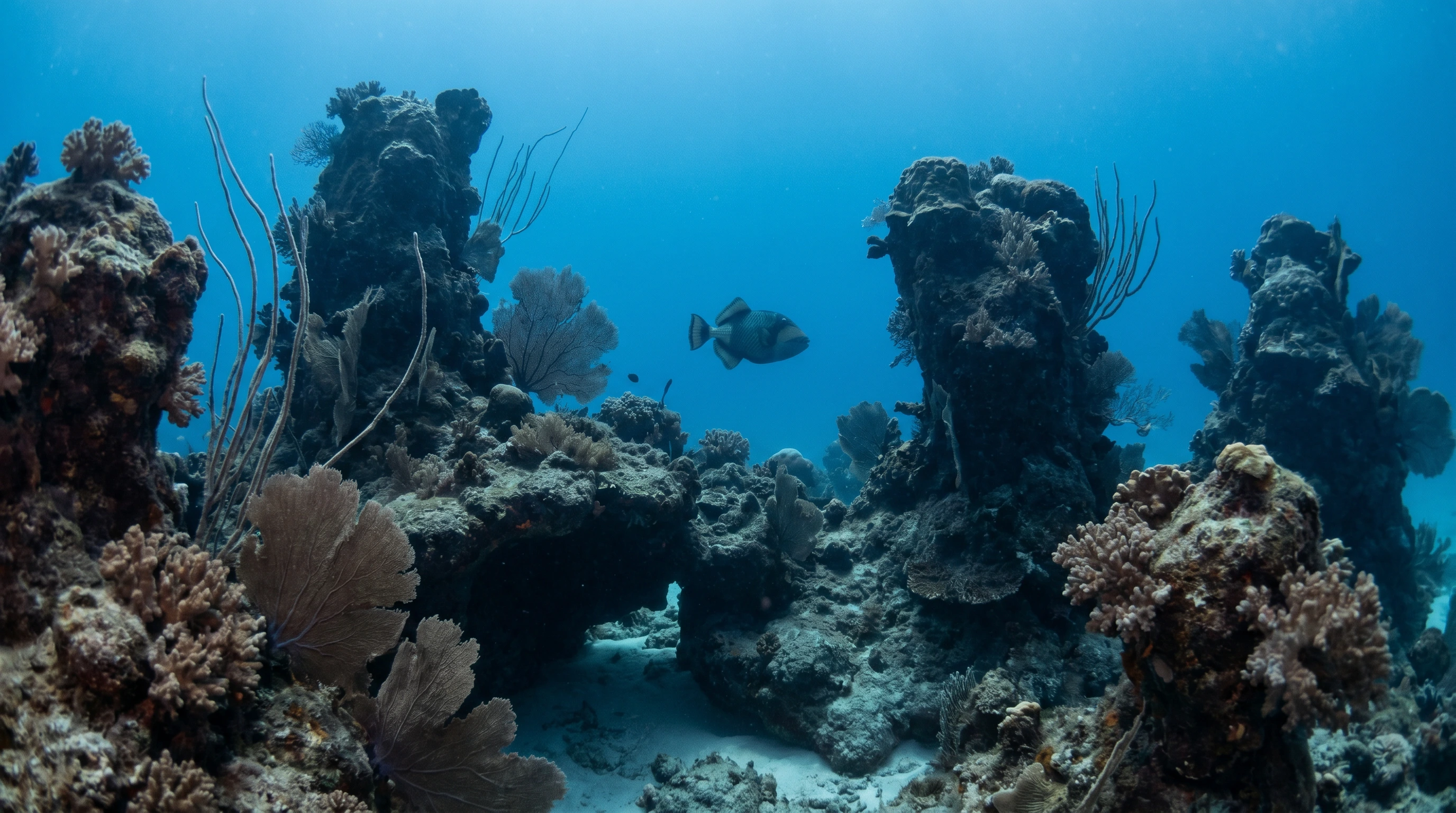
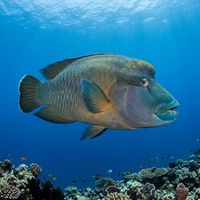
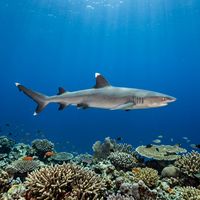
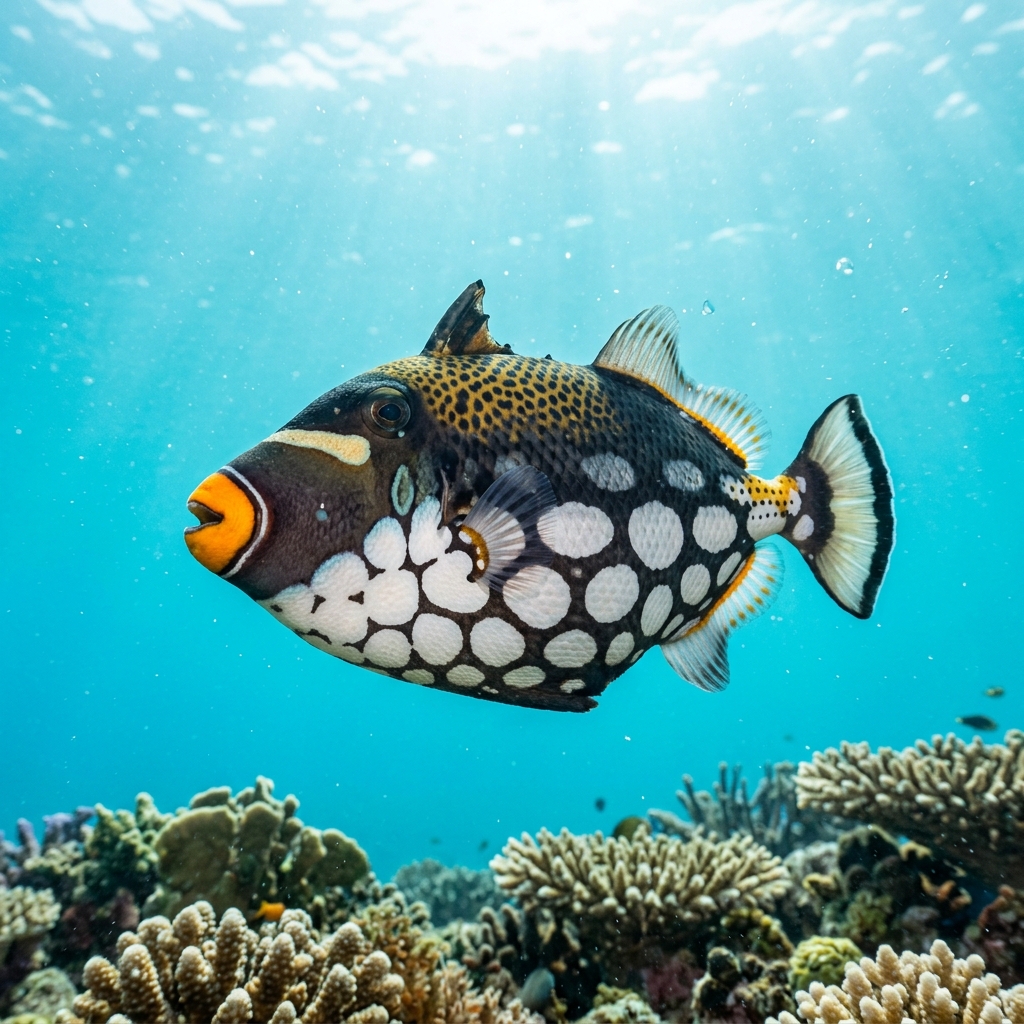
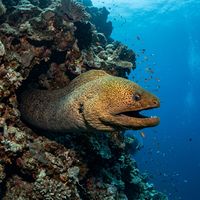
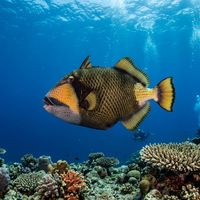
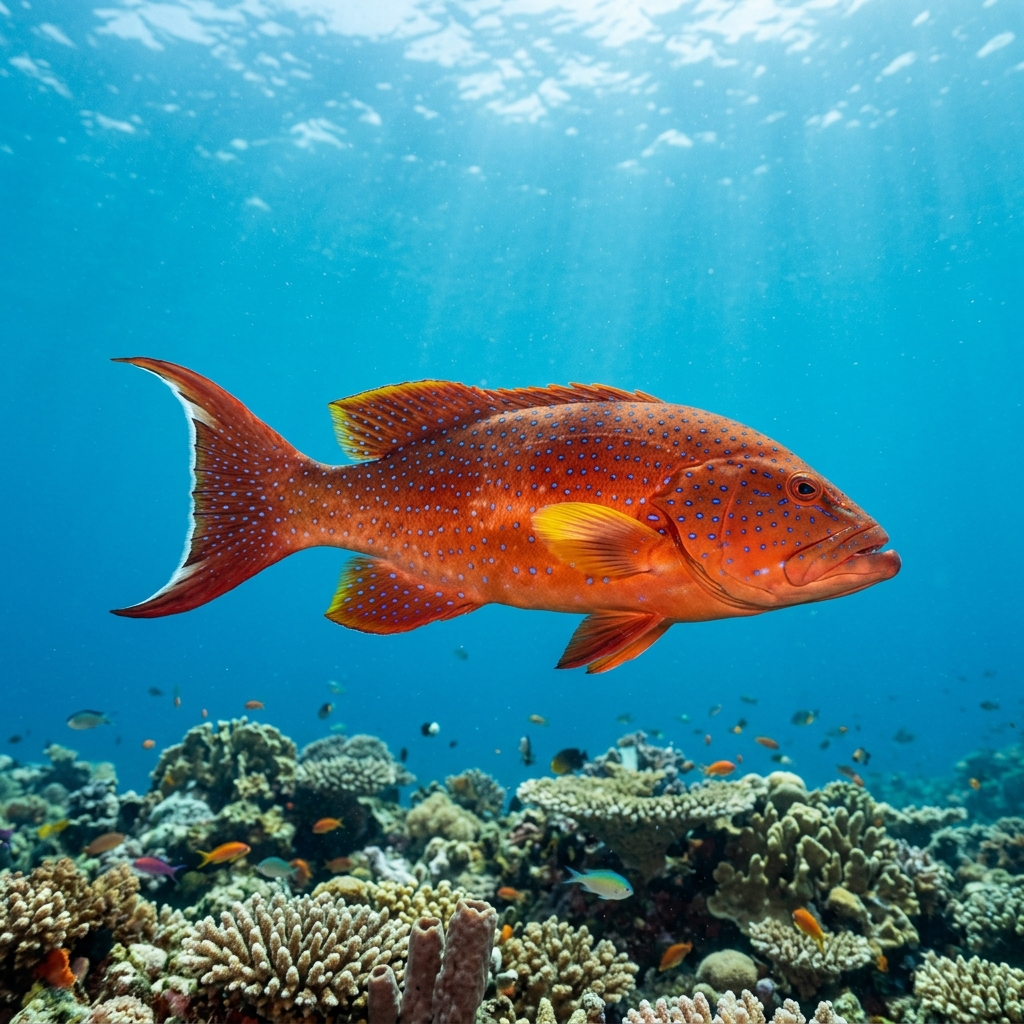
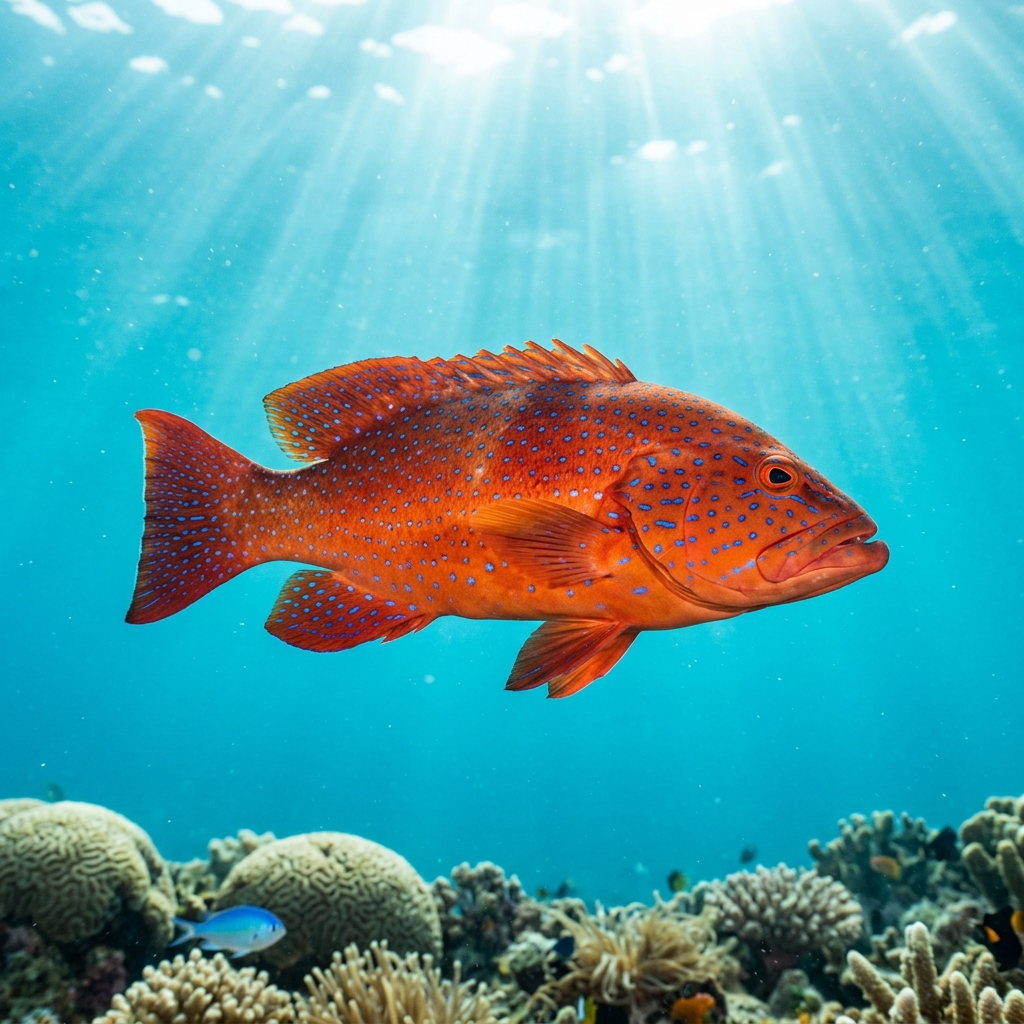
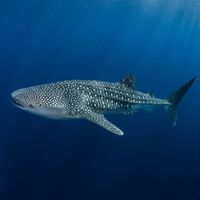
The Whale Shark is the headline species, with sightings recorded across the area. Beyond that, divers regularly encounter Whitetip Reef Shark, Spotted Eagle Ray, Napoleon Wrasse and Emperor Angelfish. Bluefin Trevally, Giant Moray, Titan Triggerfish and Maldive Clownfish are all very commonly observed across the sites.
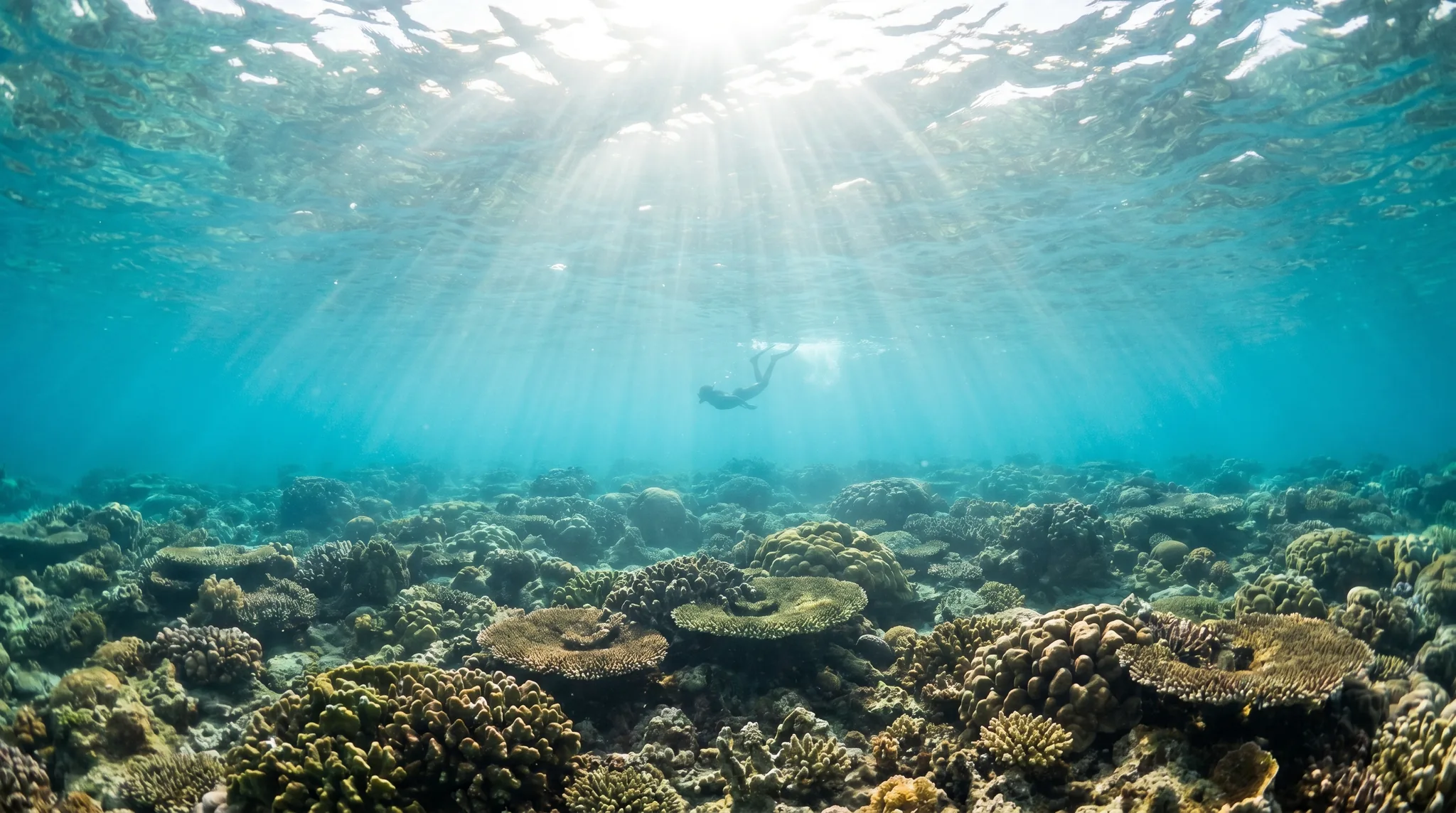
A handful of sites are rated beginner level, including Whale Shark Point and Dhidhdhoo, which offers shallow depths and shore access. The majority of sites, however, are rated intermediate or advanced, with drift diving, strong currents and deeper drop-offs common. Beginners should stick to the shallower sites and dive with a qualified guide.
Almost all sites in the area are reached by boat, which is standard for this part of South Ari Atoll. A small number of sites, including Dhidhdhoo and Dhidhoo Beru, offer shore entry. Operators such as Euro-Divers LUX* South Ari Atoll, Fari Dive Center Dhigurah and Endheri Marine Center are among those providing local access.
The area offers considerable variety: submerged pinnacles (thilas), outer reef walls, drift dives through channels, drop-offs and cave formations. Sites such as Broken Rock feature canyon topography, while Five Rocks presents overhangs and caverns. Drift conditions are present at several sites, particularly along the outer reef corners.