Forsterygion maryannae
A tiny reef fish found almost only around New Zealand's North Island, in cool 14 to 17C water, year-round.
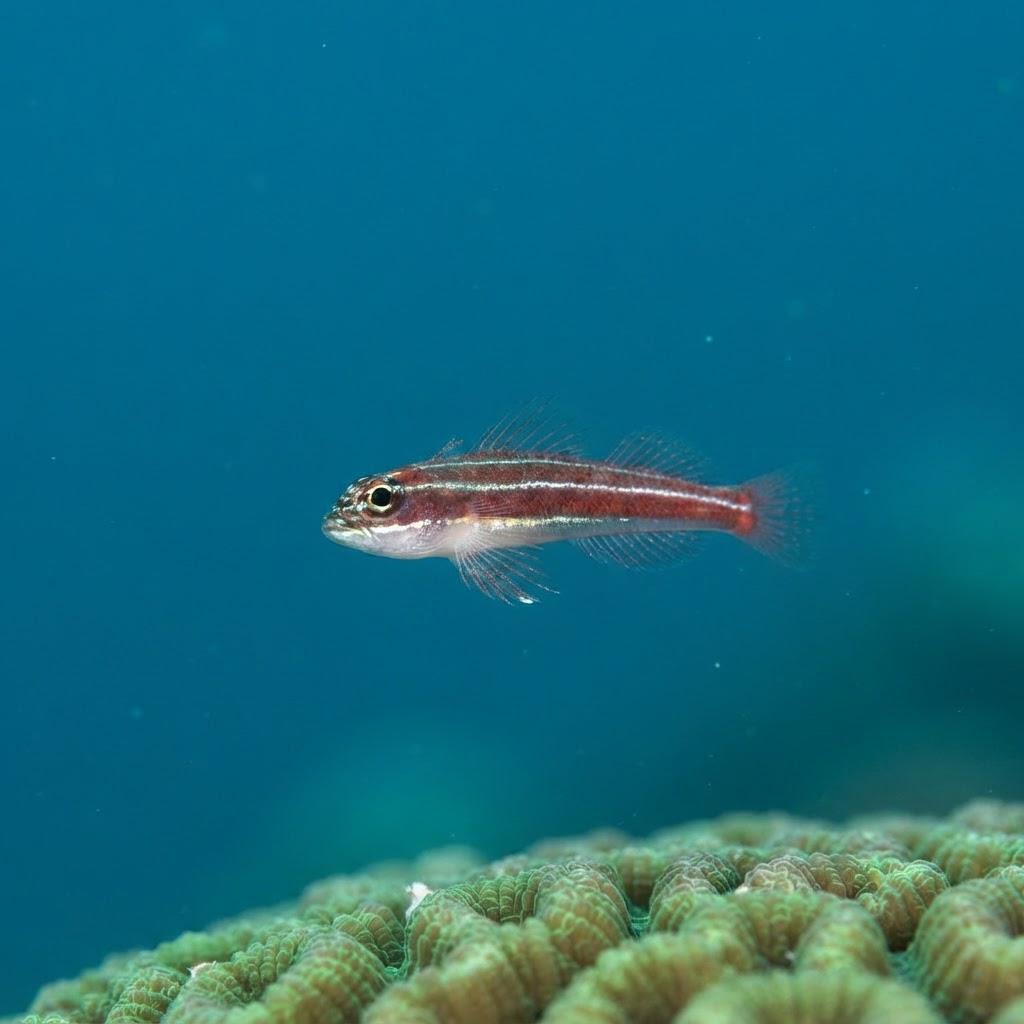
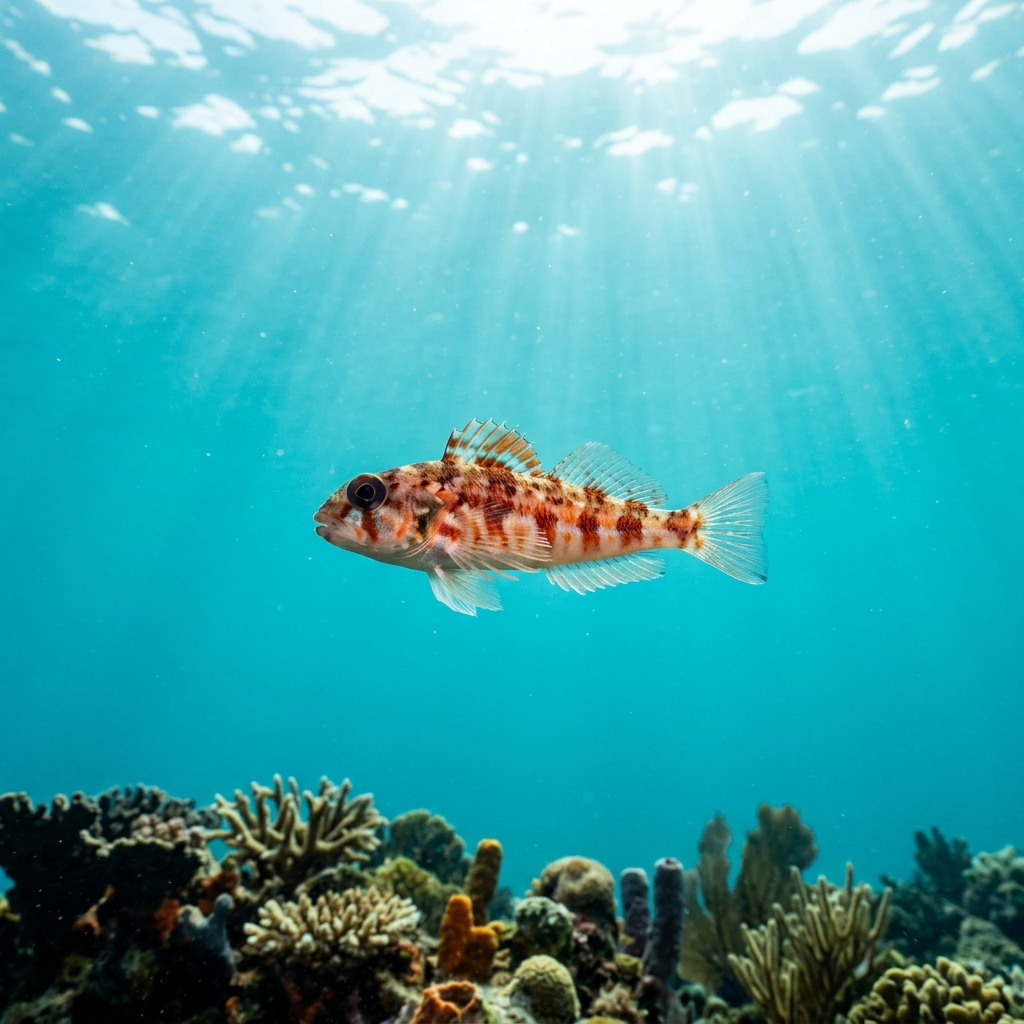
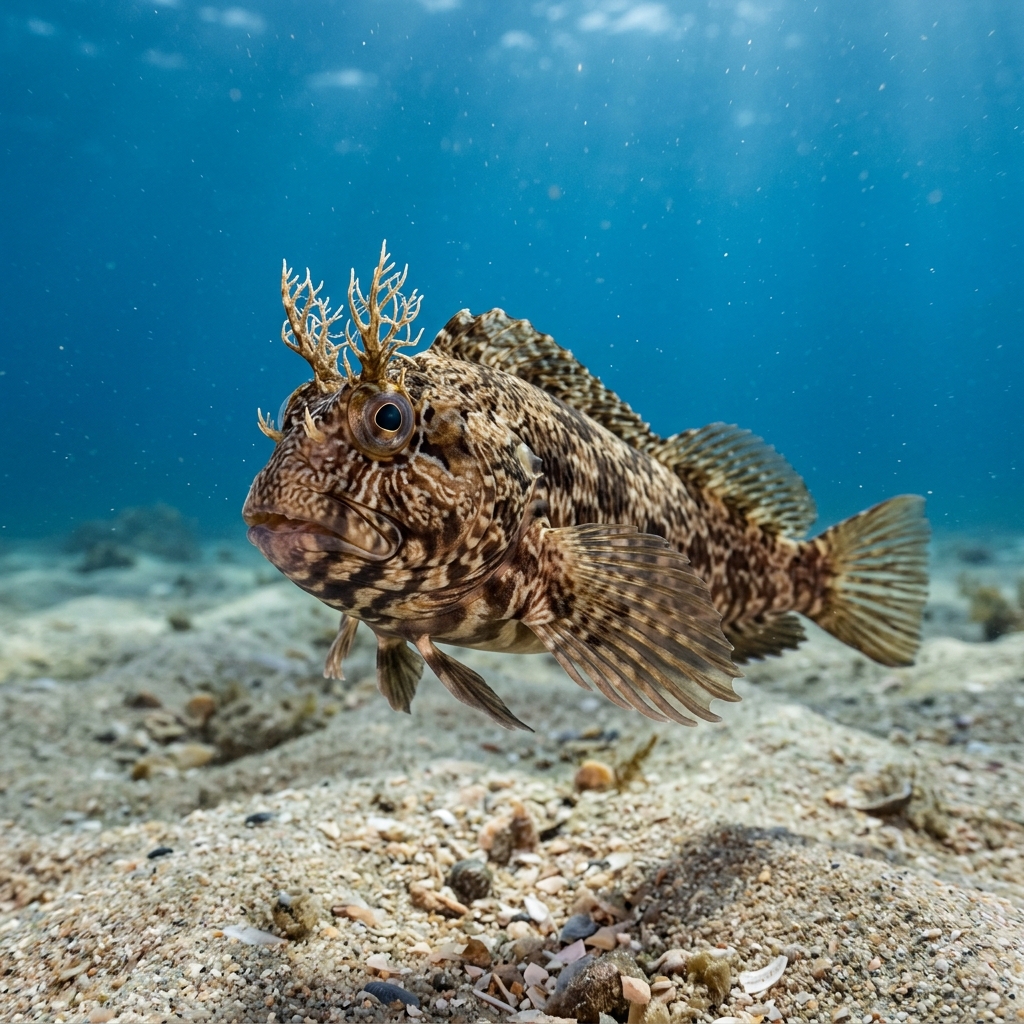
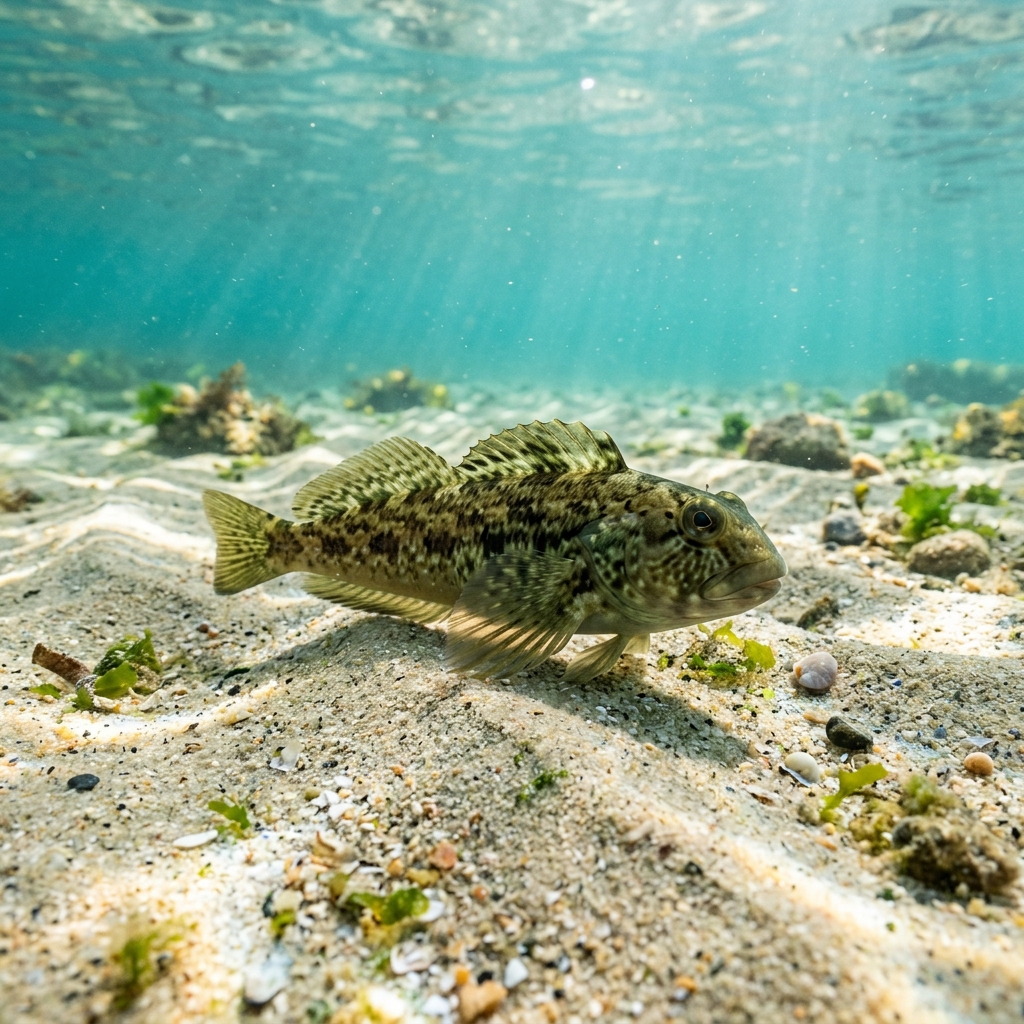
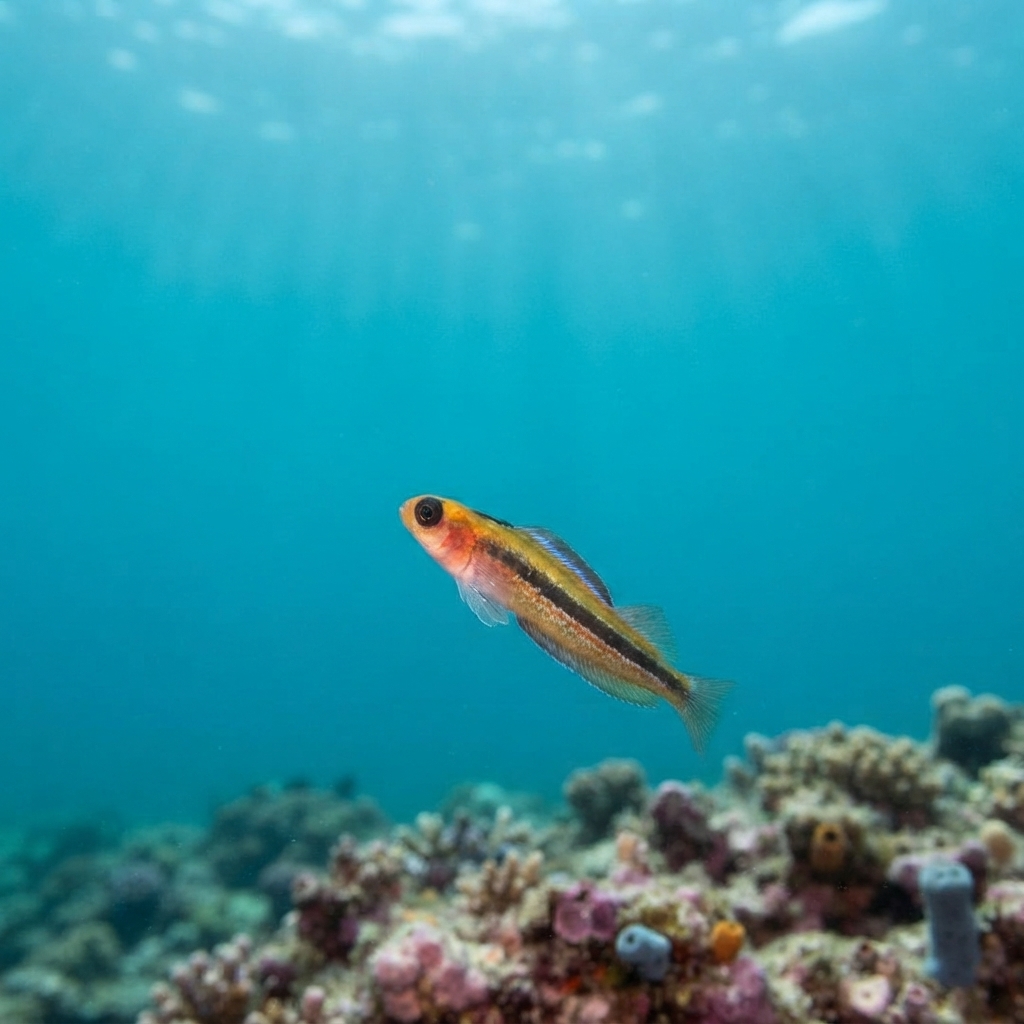
A tiny, slender fish at around 4cm, easy to miss unless you slow down and scan the rock and rubble close to the seabed. It perches propped on its pelvic fins rather than swimming freely, with the three separate dorsal fins typical of triplefins breaking up its outline. Look for a mottled brown to olive body that blends into rock and encrusting growth, with no bold single stripe or patch to key on, which is exactly why patient, close-focus looking pays off.
Watch the rock and rubble at the base of a reef rather than the open water, since this fish spends its time perched motionless on its pelvic fins rather than swimming in the column. It relies on camouflage and stillness around divers, holding position on a rock or ledge and only darting a short distance if approached too quickly. Slow, close-focus looking along cracks and low reef structure is the reliable way to pick one out.
Like other triplefins, it lacks a swim bladder, which is why it rests propped on its fins on the substrate instead of hovering in midwater like most small reef fish.
Sightings show no detected seasonal pattern, and it has been recorded in a narrow cool-water band of 14.4 to 16.6C, consistent with New Zealand's temperate coastal waters holding steady enough for year-round diving. Treat it as a species you can look for on any dive in its range rather than one tied to a particular month.
Reef neighbours a diver could mistake it for. Use the identification notes above to tell them apart.
This one is essentially a New Zealand speciality, most commonly logged around the North Island, with a smaller but reliable spread of sightings on the South Island. Divers looking for it should focus time on North Island rocky reef sites, where it turns up as an uncommon to common find depending on the site.
Mapping where Oblique-swimming Triplefin is logged…
It is found almost entirely around New Zealand, most reliably on North Island rocky reefs, with a smaller number of South Island sites also recording it.
There is no clear seasonal pattern in sightings, so it is logged year-round in New Zealand's cool coastal waters, typically between 14.4 and 16.6C.
Look for a small, mottled brown to olive fish around 4cm long, perched still on the rock rather than swimming, with the three-part dorsal fin typical of triplefins. It has no bold single marking, so slow scanning of rocky, rubble-strewn ground is the key to spotting it.
They are small, reaching only around 4cm, which makes them easy to overlook against rocky New Zealand reef habitat.
No. They are harmless, tiny reef fish that pose no risk to divers and simply hold still or dart away if approached.
Triplefins lack a swim bladder, the gas-filled organ most fish use to stay buoyant, so they prop themselves on their pelvic fins on rock or rubble instead of hovering in midwater.
Site and sighting data is aggregated from diver logs, iNaturalist and GBIF. For taxonomy and conservation status:
Rusty Blenny
2,605 sites