Helicolenus percoides
Mottled red-brown scorpionfish logged at 21 sites across New Zealand, from cool 10.5-16.6C water, mostly around the North Island.
Safety warning
Its dorsal spines carry venom, and because it sits so still against the reef it's easy to miss and brush against by accident. Watch where you place hands and knees on rocky bottoms, and avoid touching or handling it even if it looks inactive.
If you're stung
Venomous spinesGeneral first-aid guidance, not a substitute for professional medical care. In an emergency, call your local emergency number.
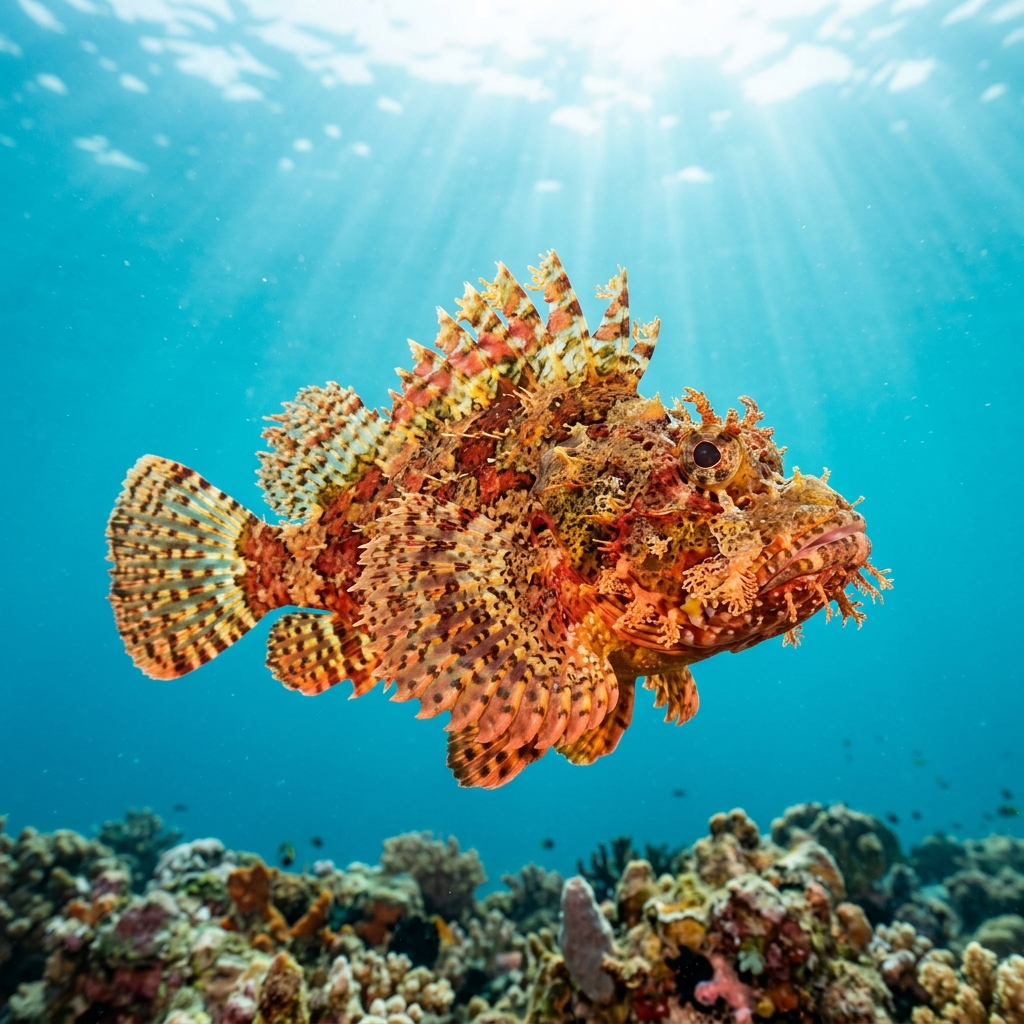
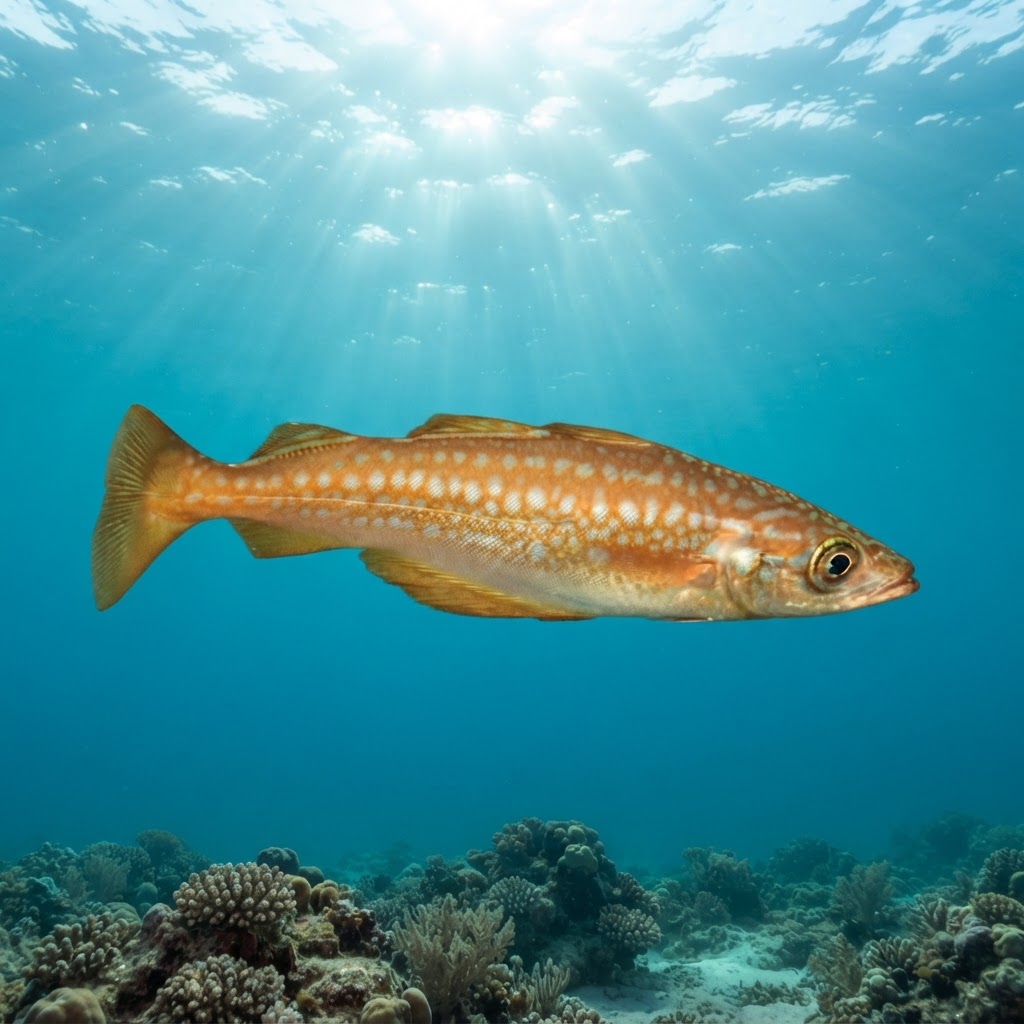
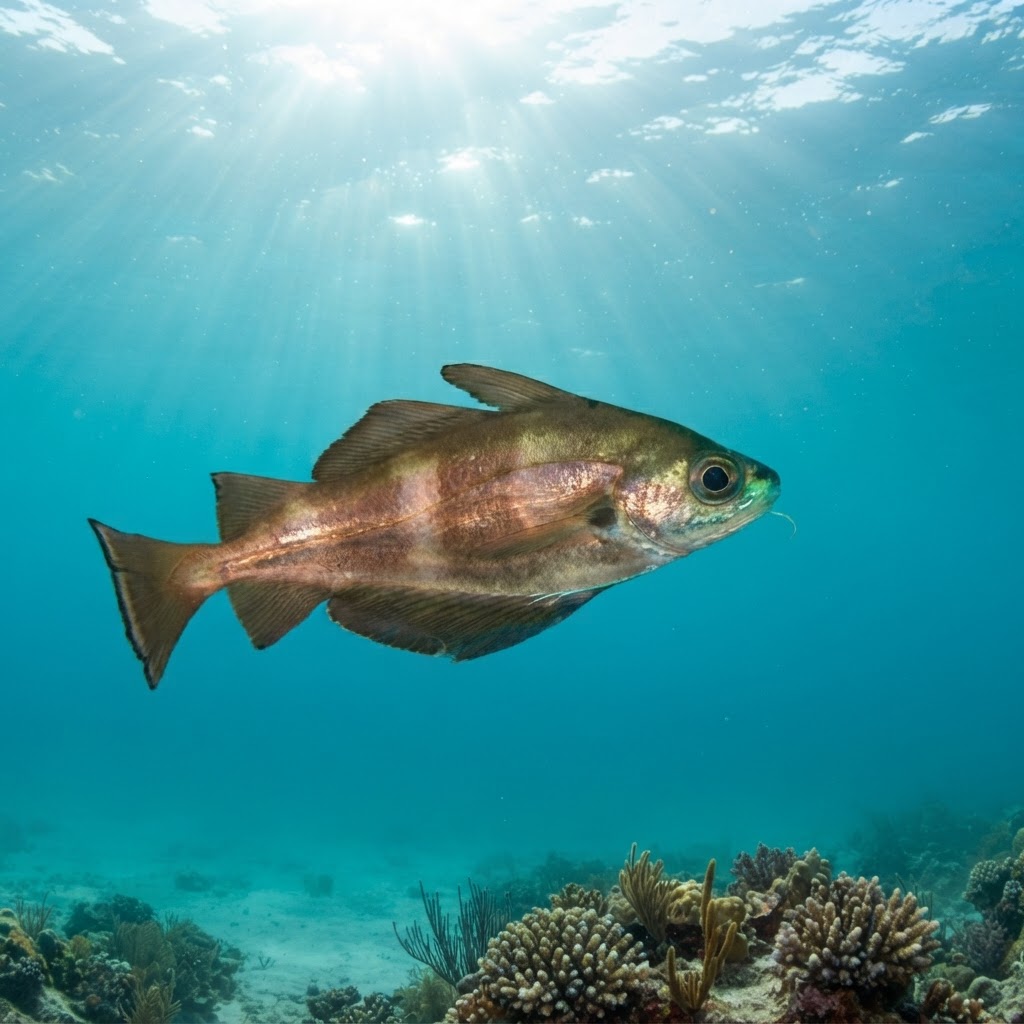
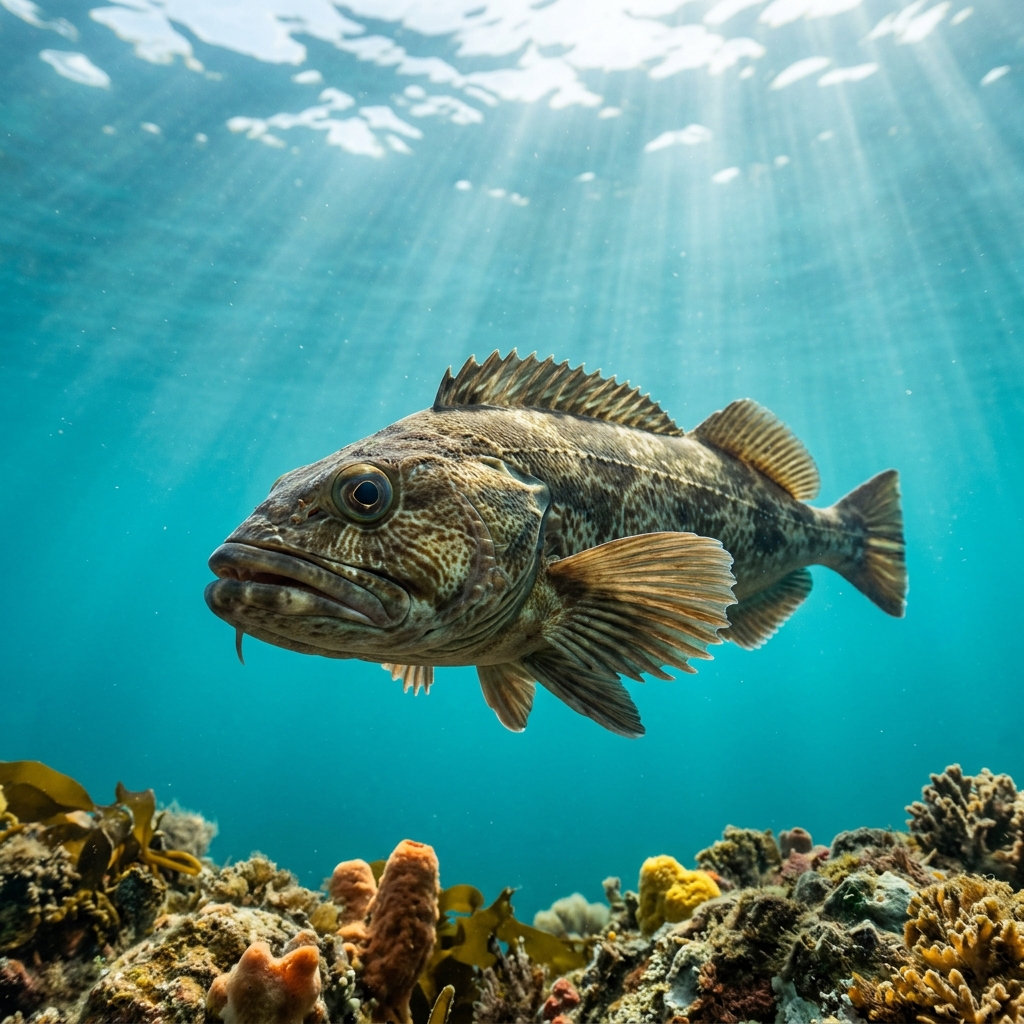
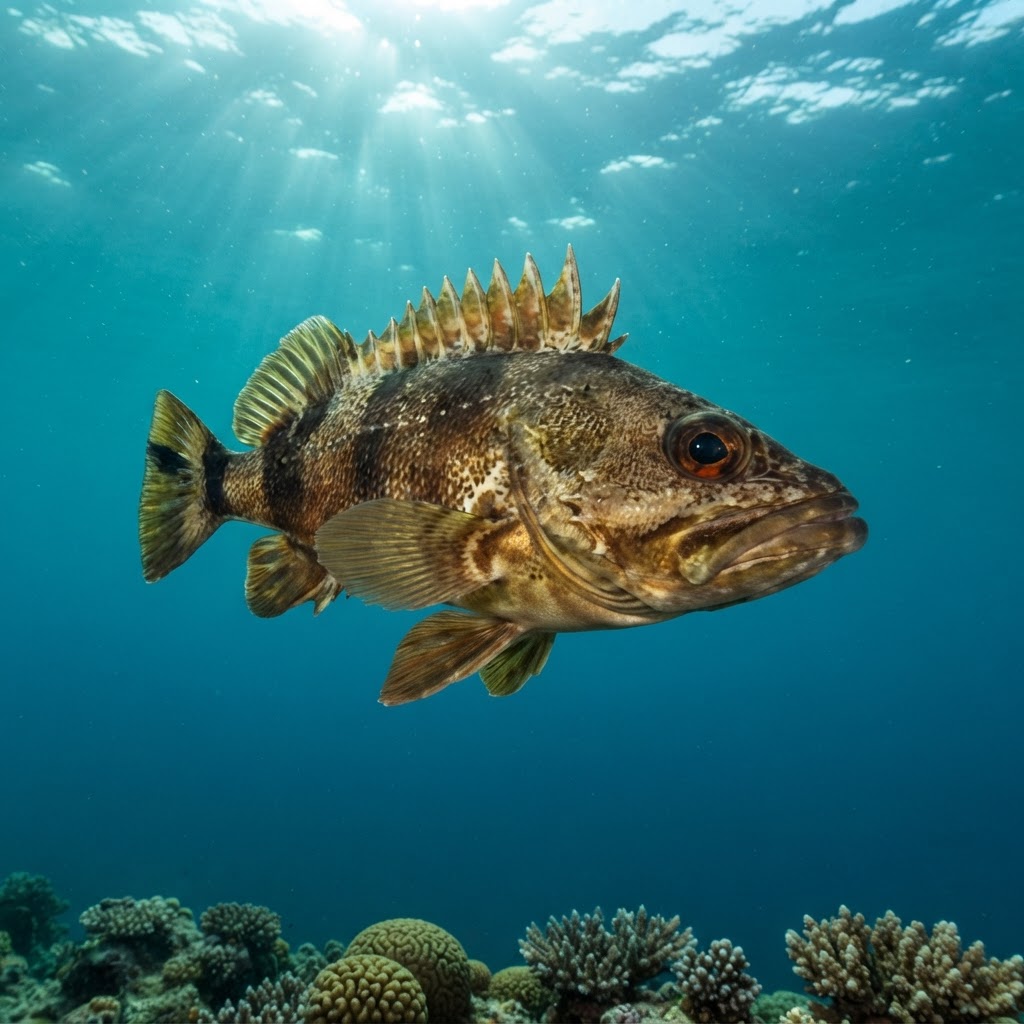
Chunky, big-headed fish to about 33cm with a mottled red-brown and pale cream pattern that blends against rock and rubble. Look for the heavy, spine-ridged head, large mouth angled slightly upward, and fan-like pectoral fins it uses to prop itself on ledges. It sits motionless on the bottom rather than swimming in open water, which is often the giveaway.
Expect to find it wedged into a crevice or lying still on rock and rubble bottoms, relying on its mottled colouring to disappear rather than fleeing. It's an ambush feeder, so divers who slow down and scan ledges closely tend to spot it before it reacts, and it generally holds its ground unless approached very closely.
Like other scorpionfish, it hunts by sitting still and letting camouflage do the work, ambushing small fish and crustaceans that wander too close rather than chasing them down.
Sightings don't show a clear seasonal pattern, and with a water-temperature niche of 10.5 to 16.6C it's active across New Zealand's cooler-water range for most of the year. Treat it as a year-round find rather than something tied to a particular month.
Reef neighbours a diver could mistake it for. Use the identification notes above to tell them apart.
Almost all logged sightings come from New Zealand, making it effectively a local specialty rather than a species you'd plan a trip abroad for. The North Island turns up the most reports, with the South Island offering a smaller but reliable spread of sites as well.
Mapping where Ocean Perch is logged…
Almost every logged sighting is in New Zealand, with the North Island producing the most reports and the South Island a smaller but steady number of sites.
There's no strong seasonal pattern in the sightings data, and its temperature range of roughly 10.5 to 16.6C spans most of the year in New Zealand waters, so it's a year-round possibility rather than a seasonal target.
Yes, it carries venomous dorsal spines and its camouflage makes it easy to overlook on the reef. Keep an eye on where you put your hands and knees and don't handle it.
Look for a heavy-headed, mottled red-brown and cream fish around 33cm long, sitting motionless on rocky ledges or rubble rather than swimming freely. The spiny head profile and camouflage pattern are the main tells.
They typically reach about 33cm in length, making them a solidly sized reef fish rather than a small, easy-to-miss species once you know what to look for.
It's an ambush predator that stays almost perfectly still against the reef, using camouflage instead of speed to catch passing small fish and crustaceans.
Site and sighting data is aggregated from diver logs, iNaturalist and GBIF. For taxonomy and conservation status:
Pollack
282 sites