Antipatharia spp.
Black coral turns up from Florida to the Maldives in water as cool as 12°C. Here's how to spot it and where divers log it most.
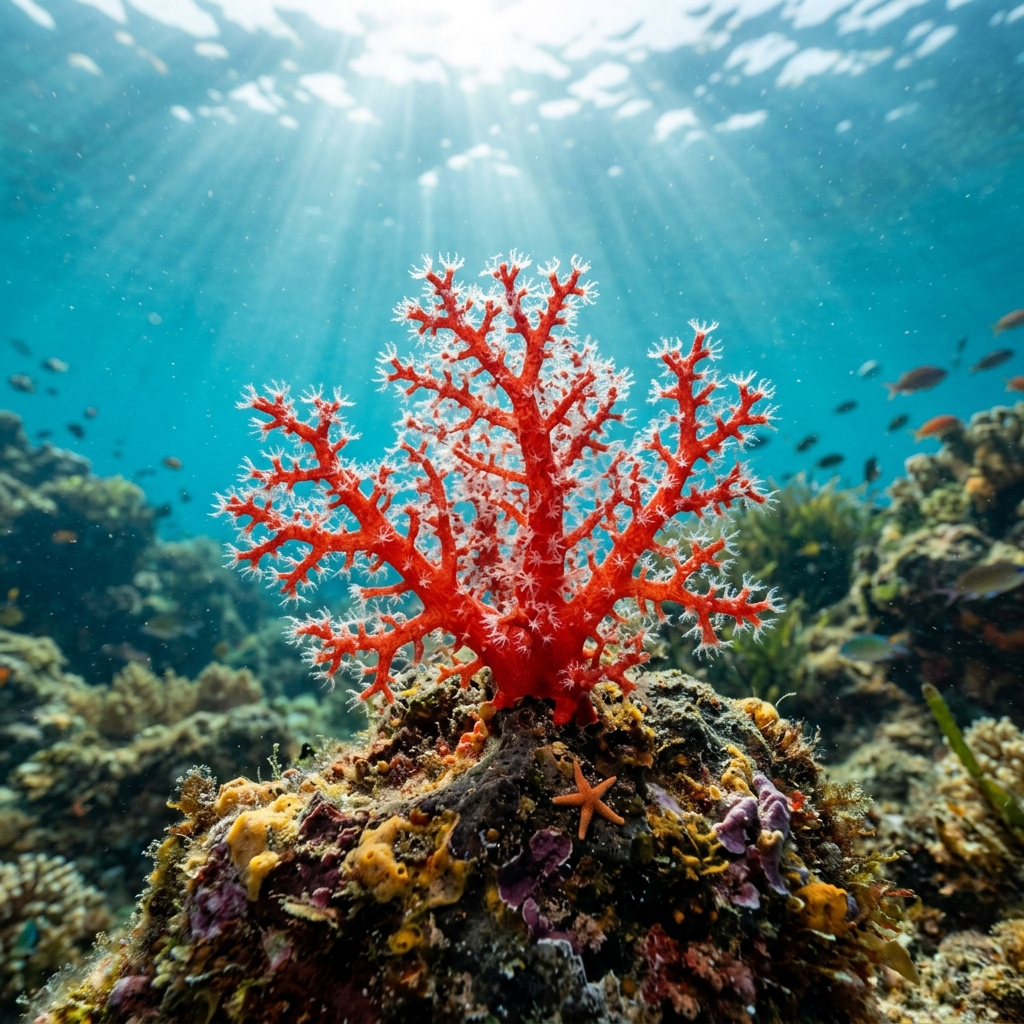
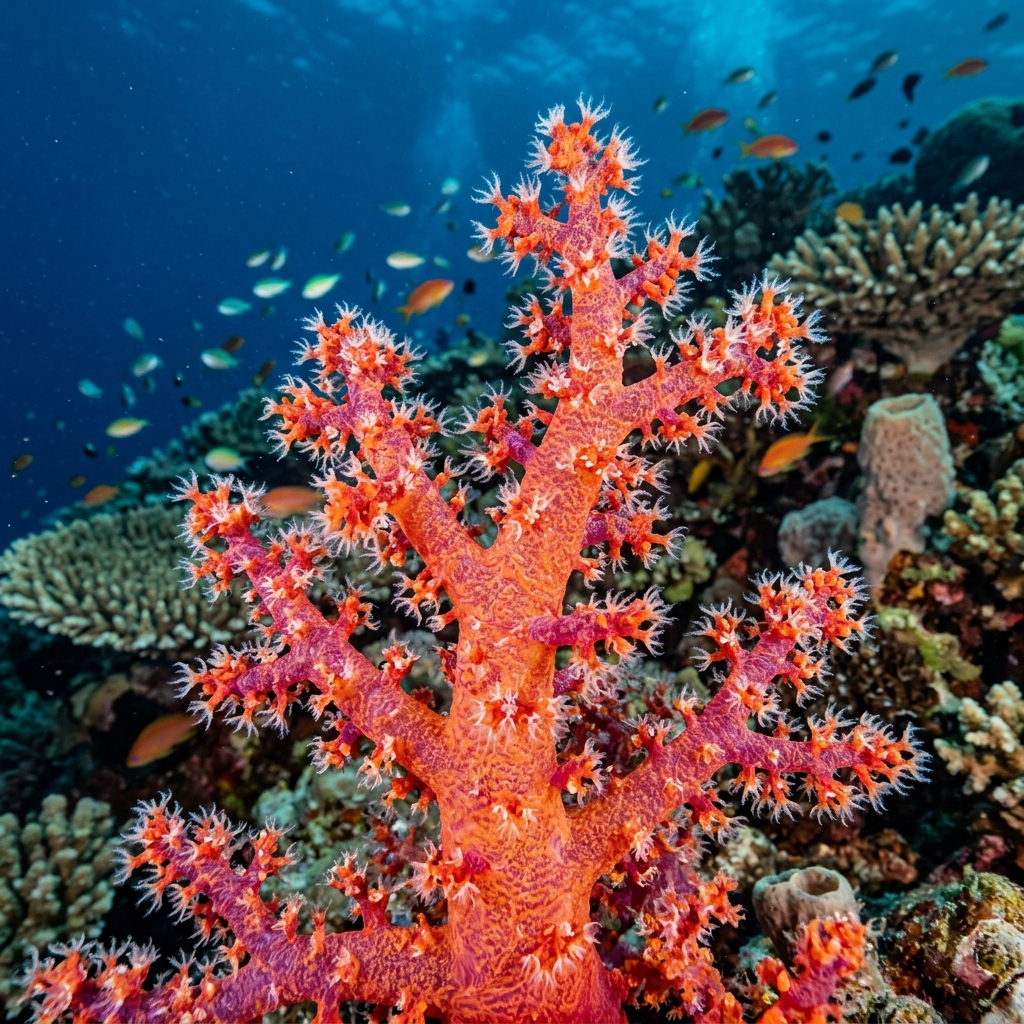
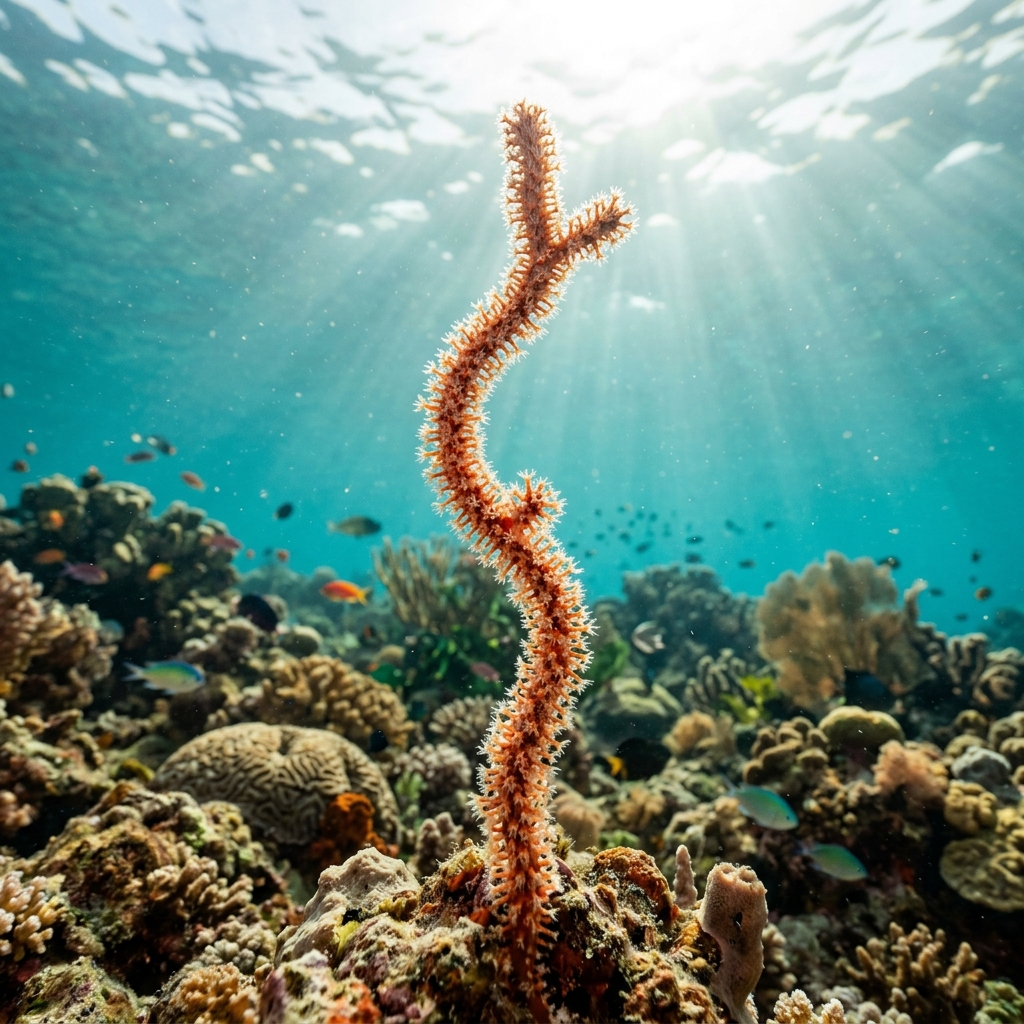
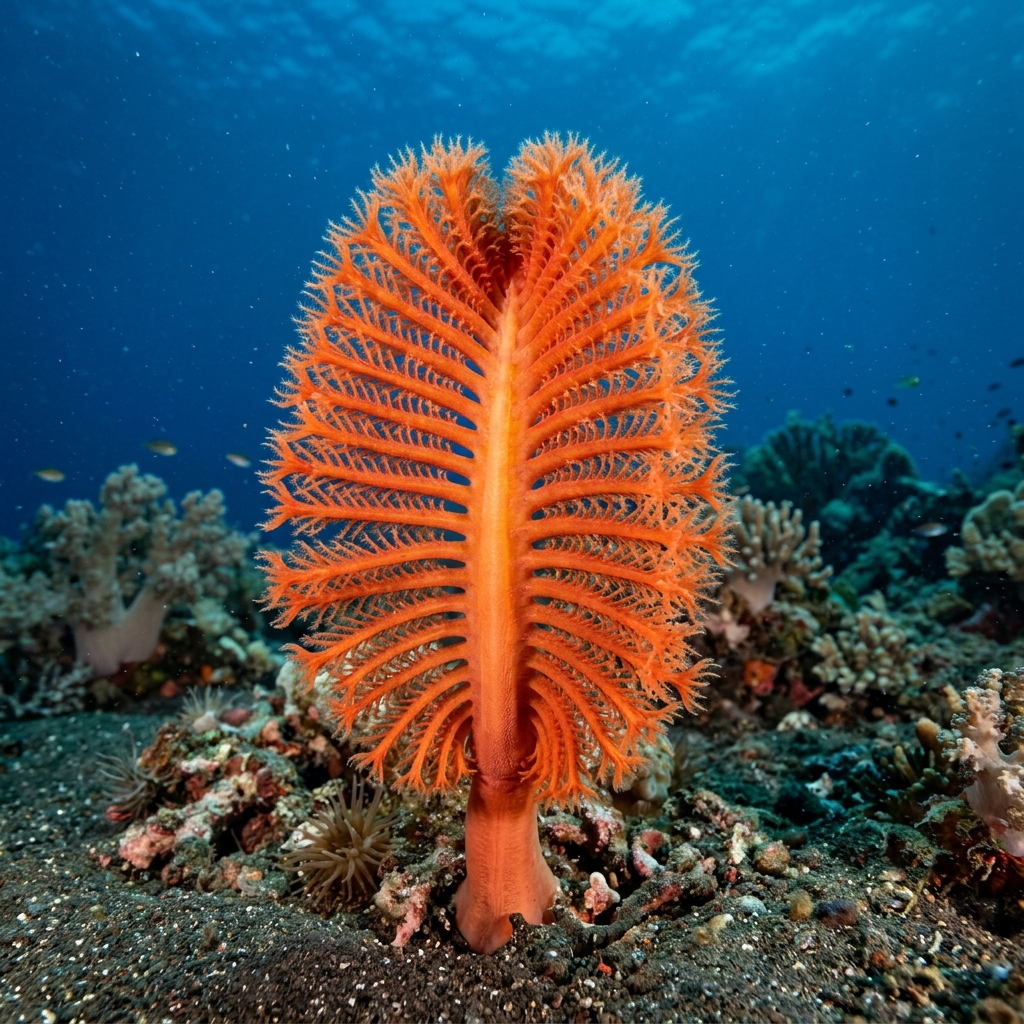
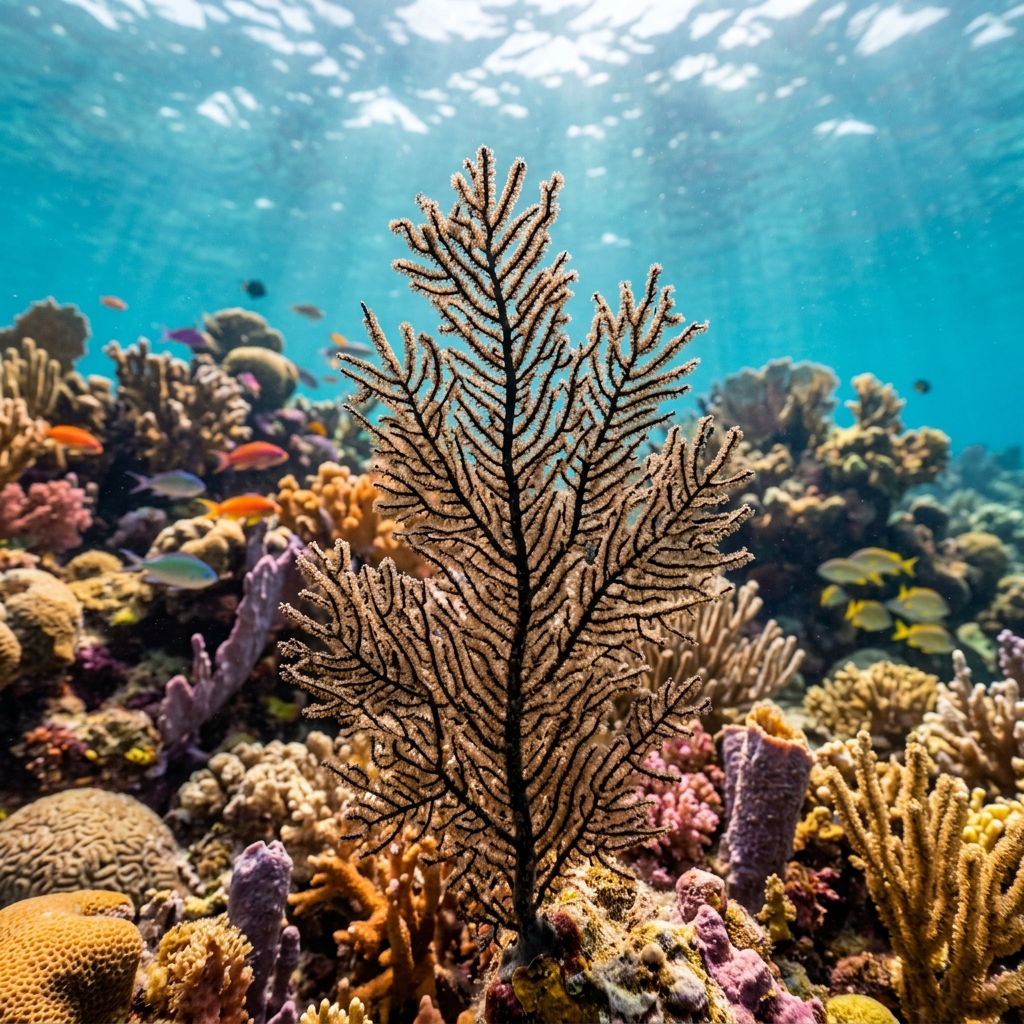
Despite the name, most black coral colonies appear white, yellow, green, or orange underwater, it is the bare skeleton that is black, not the living tissue. Colonies grow in a variety of forms: bushy trees, spiralling whips, feathery fans, or tangled thickets. The tiny polyps (individual feeding animals) are arranged in rows along the branches and are usually translucent or pale-coloured. The combination of a clearly branched or whip-like colony with fine polyp rows running along each branch is the key underwater identifier.
Black coral is sessile (fixed in place), so what you are watching for is the colony itself rather than movement, polyps extend their tentacles into the current to feed on plankton, often making a colony look feathery or fuzzy when flow is good and retracted and smooth when disturbed. They are most commonly found on drop-offs, walls, and overhangs where current delivers food, typically from mid-water depths downwards. Many colonies also host small commensal shrimps and gobies that shelter among the branches, so scanning a black coral closely often rewards you with bonus sightings.
Black corals are among the slowest-growing and longest-lived marine invertebrates; some colonies have been aged at over 4,000 years, making them among the oldest living organisms on the planet.
Northern Hemisphere sightings concentrate in April, making spring the most productive period for targeted dives in the Mediterranean and Florida. The group tolerates a broad temperature range (around 12°C to 28°C), so colonies are accessible on tropical reefs throughout the year where conditions are otherwise suitable.
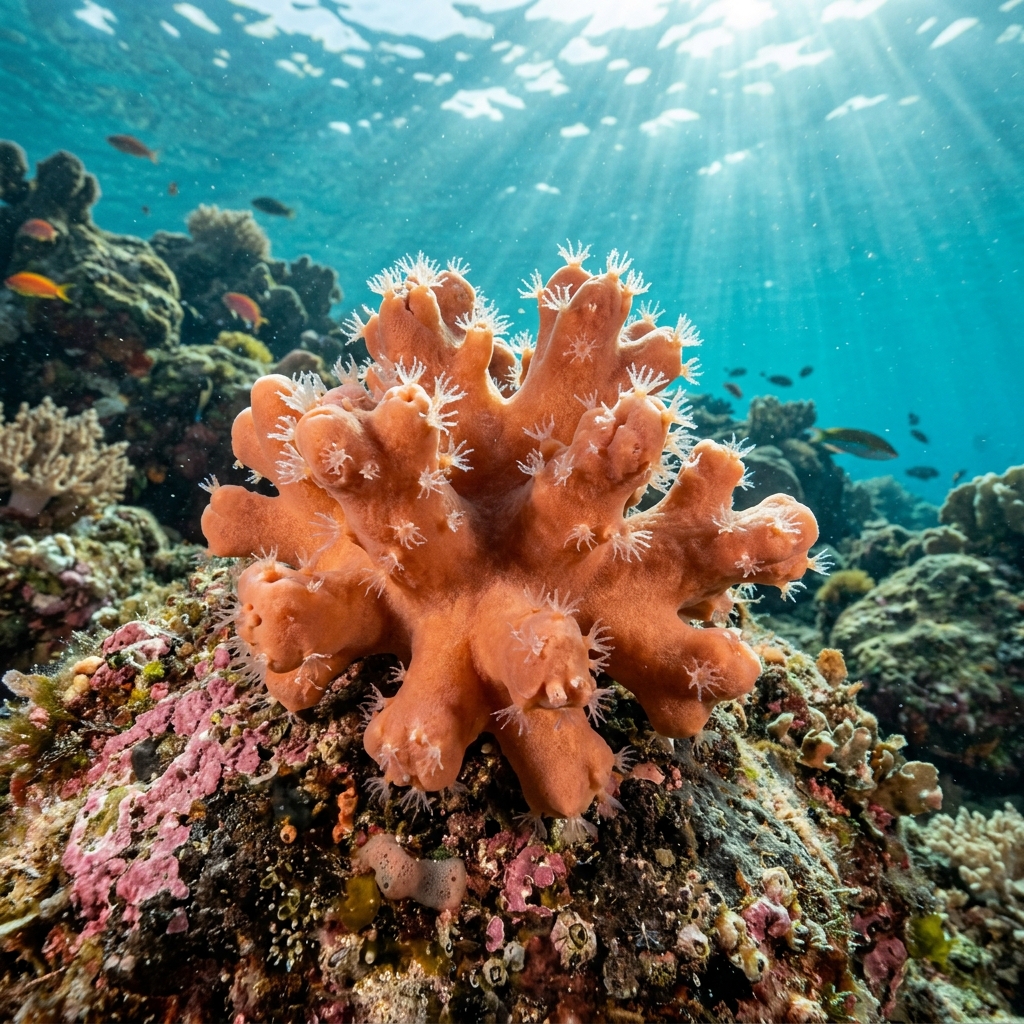
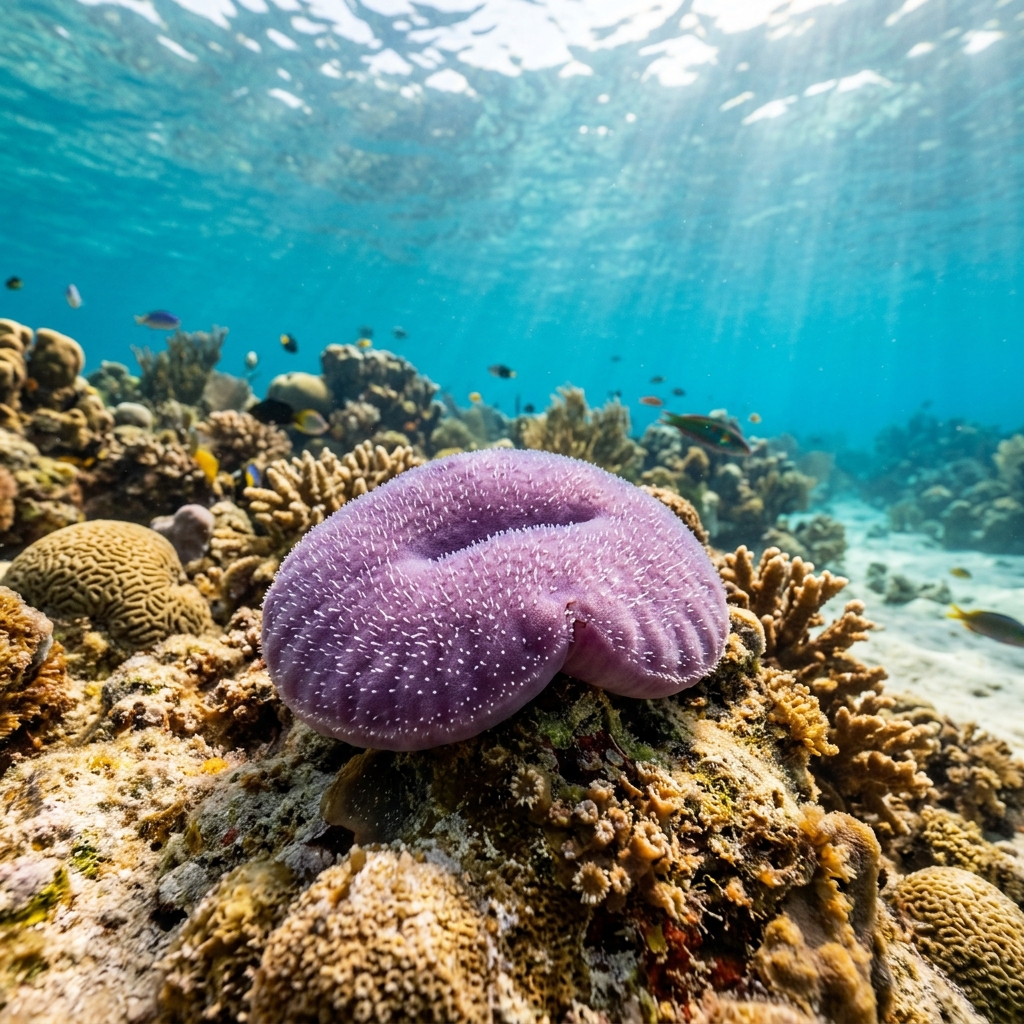
Reef neighbours a diver could mistake it for. Use the identification notes above to tell them apart.
Black coral is logged across a wide spread of countries, with the strongest records coming from the United States (particularly Florida and the Southeast), Australia (Queensland and Western Australia), and the Mediterranean across Italy, Greece, France, and Spain. The Philippines and Japan's Izu Peninsula and Hachijojima are also well-represented, and the North and Central Atolls of the Maldives stand out as a reliable region in the Indo-Pacific.
Mapping where Black Coral is logged…
Black coral is logged at sites across a large number of countries. The most consistent records come from Florida and the Southeast United States, Queensland and Western Australia, the Maldives' North and Central Atolls, and Mediterranean regions including Italy, Greece, and France. Japan's Izu Peninsula and the Philippines are also strong locations.
In the Northern Hemisphere, diver sightings concentrate in April, so spring is the most productive season to target black coral in places like the Mediterranean and Florida. In tropical regions, colonies are present year-round given the group's wide temperature tolerance.
Look past the name, living black coral colonies are typically white, yellow, green, or orange, not black. The giveaway is the growth form: branched trees, spiralling whips, or fans with tiny polyps arranged in neat rows along each branch. The skeleton underneath is jet black, which you may see on damaged or dead sections.
Colony size varies widely across the Antipatharia group. Some whip-like species reach only a few tens of centimetres, while large bushy tree forms can exceed two metres in height. Growth is extremely slow, so large colonies represent many decades or even centuries of development.
Some black coral colonies have been radiocarbon-dated to over 4,000 years old, placing them among the oldest living organisms on Earth. Their extremely slow growth rate means that even small colonies may be decades old, which is one reason collection pressure can have lasting effects on populations.
Site and sighting data is aggregated from diver logs, iNaturalist and GBIF. For taxonomy and conservation status:
Dead Man's Fingers
2,774 sites