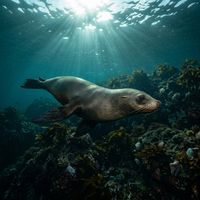
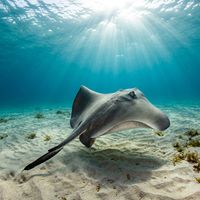
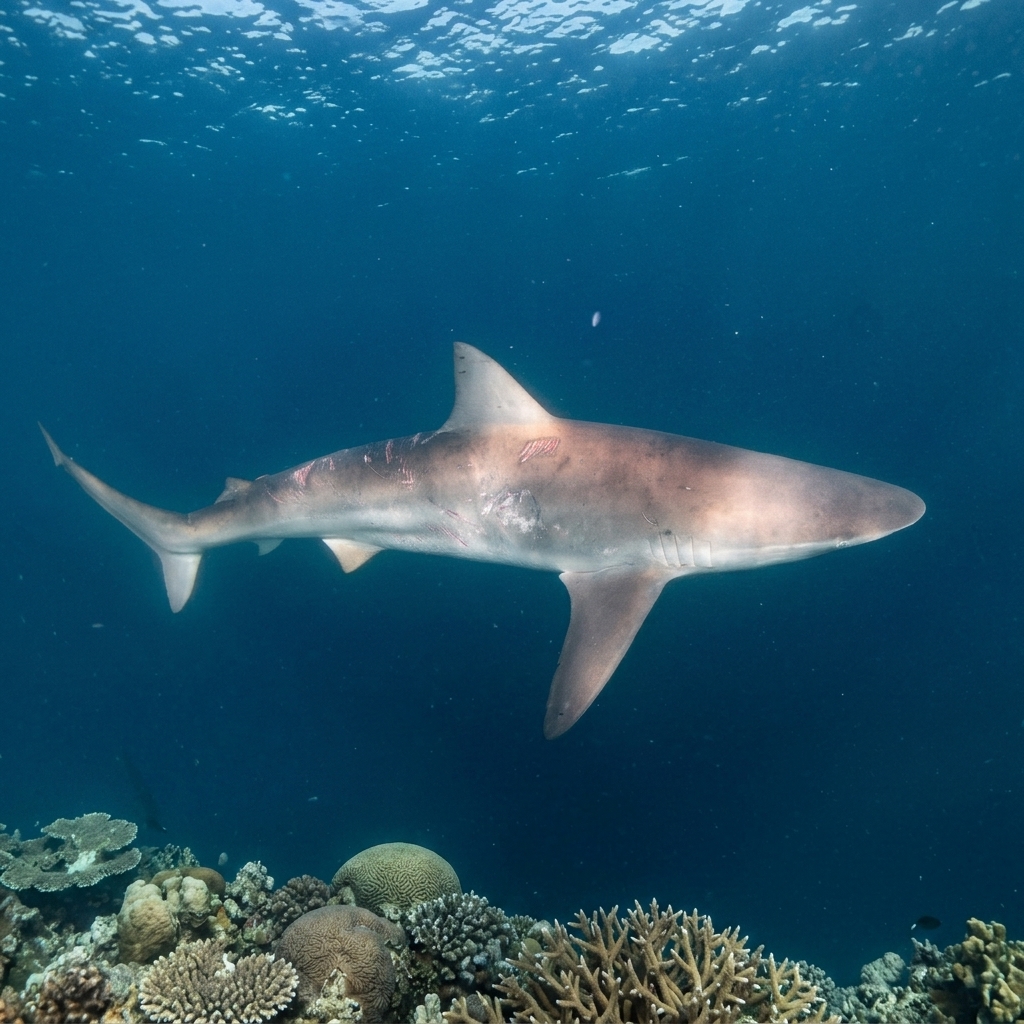
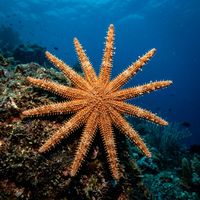
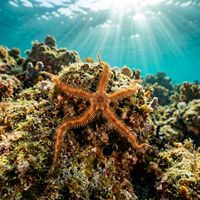
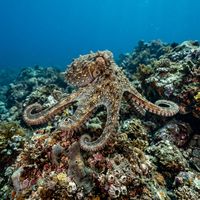
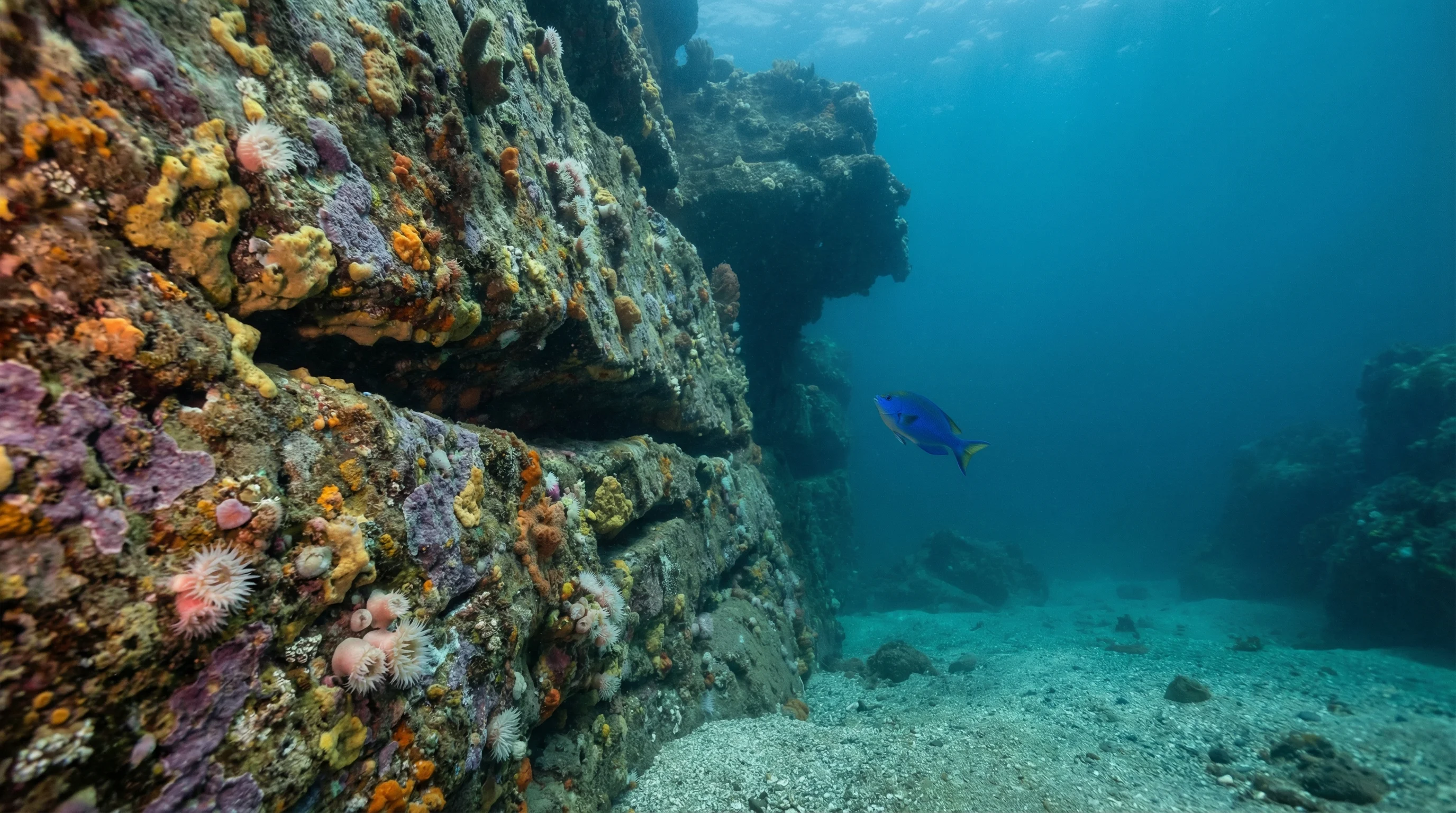
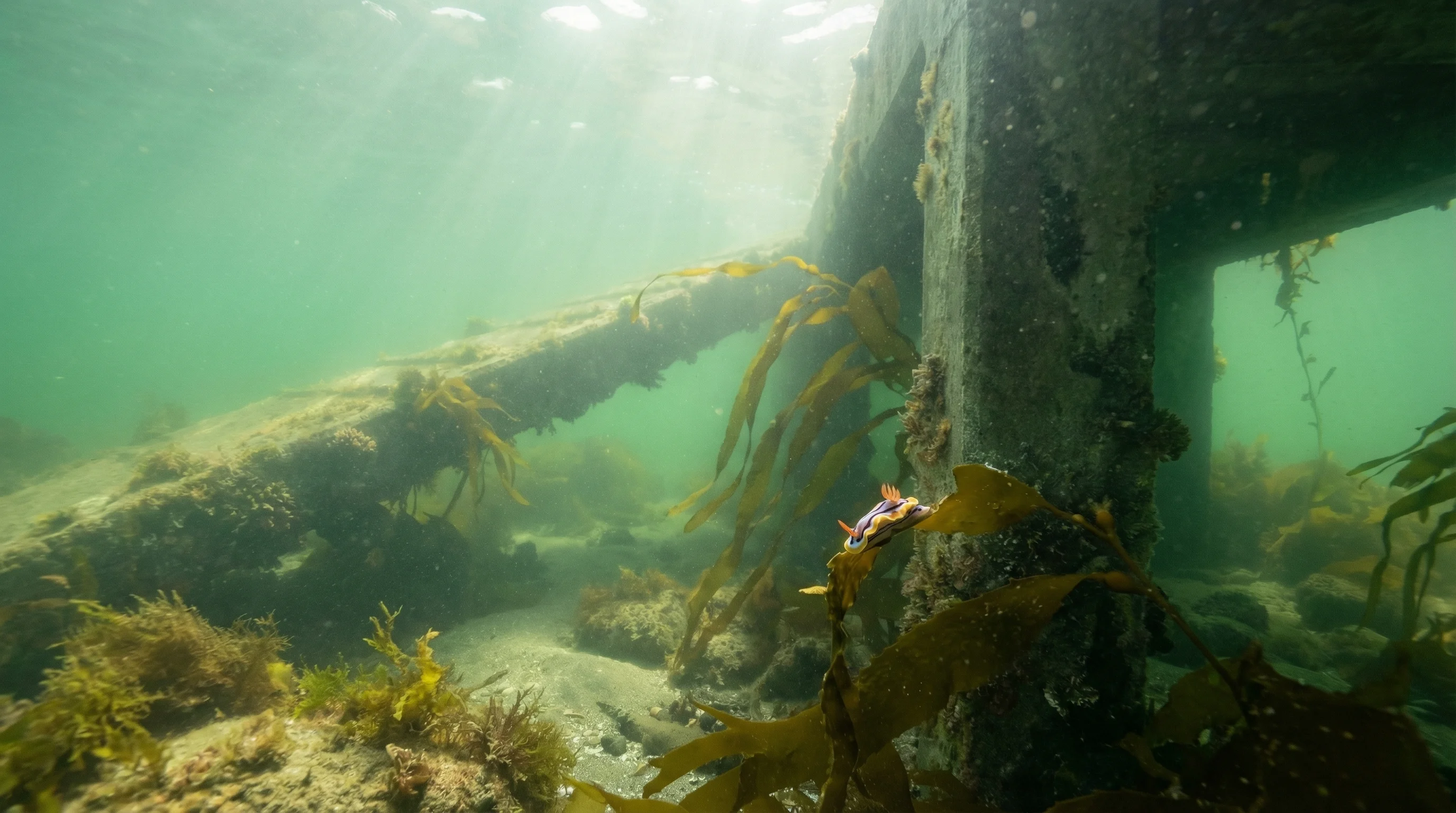
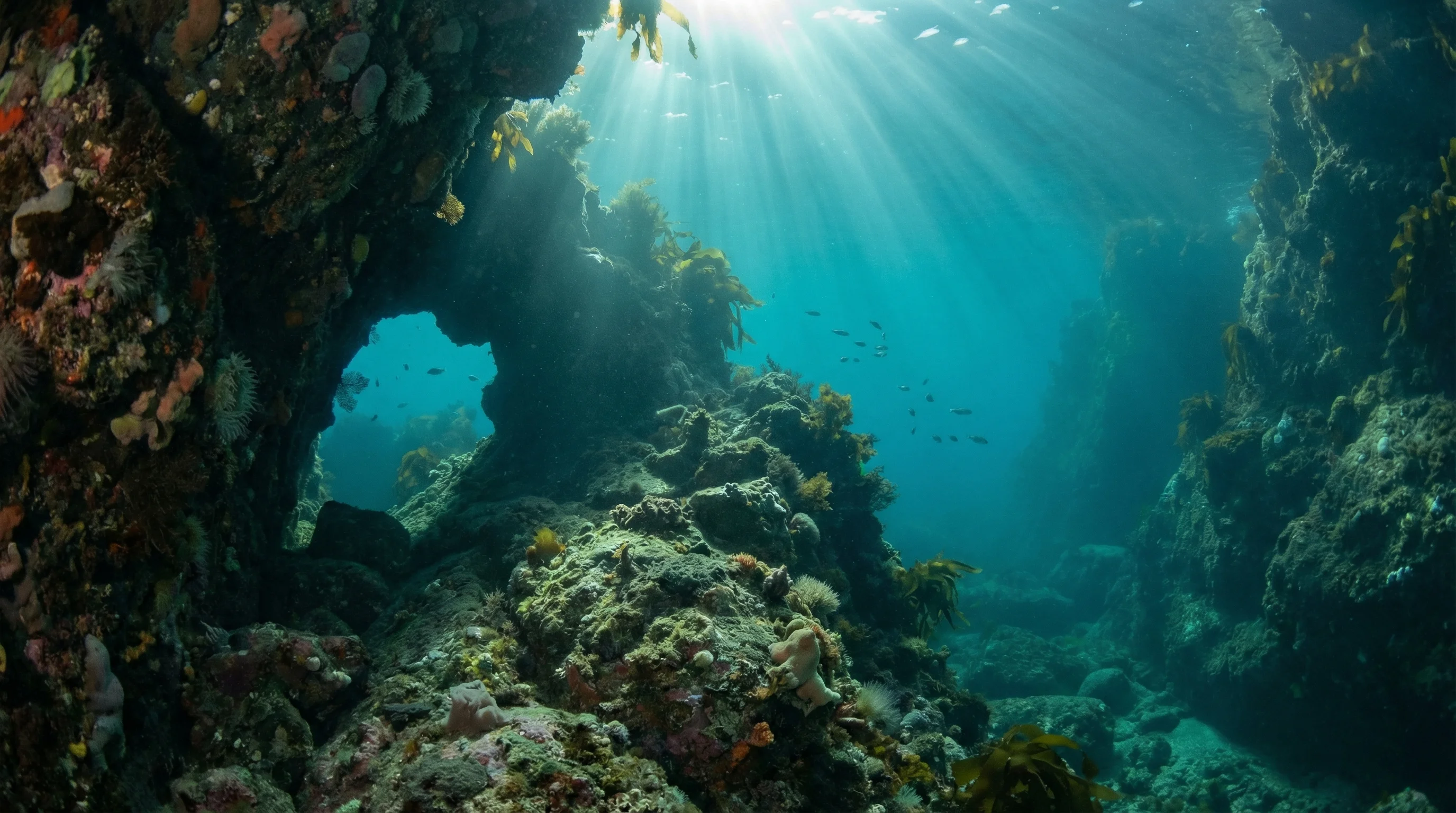
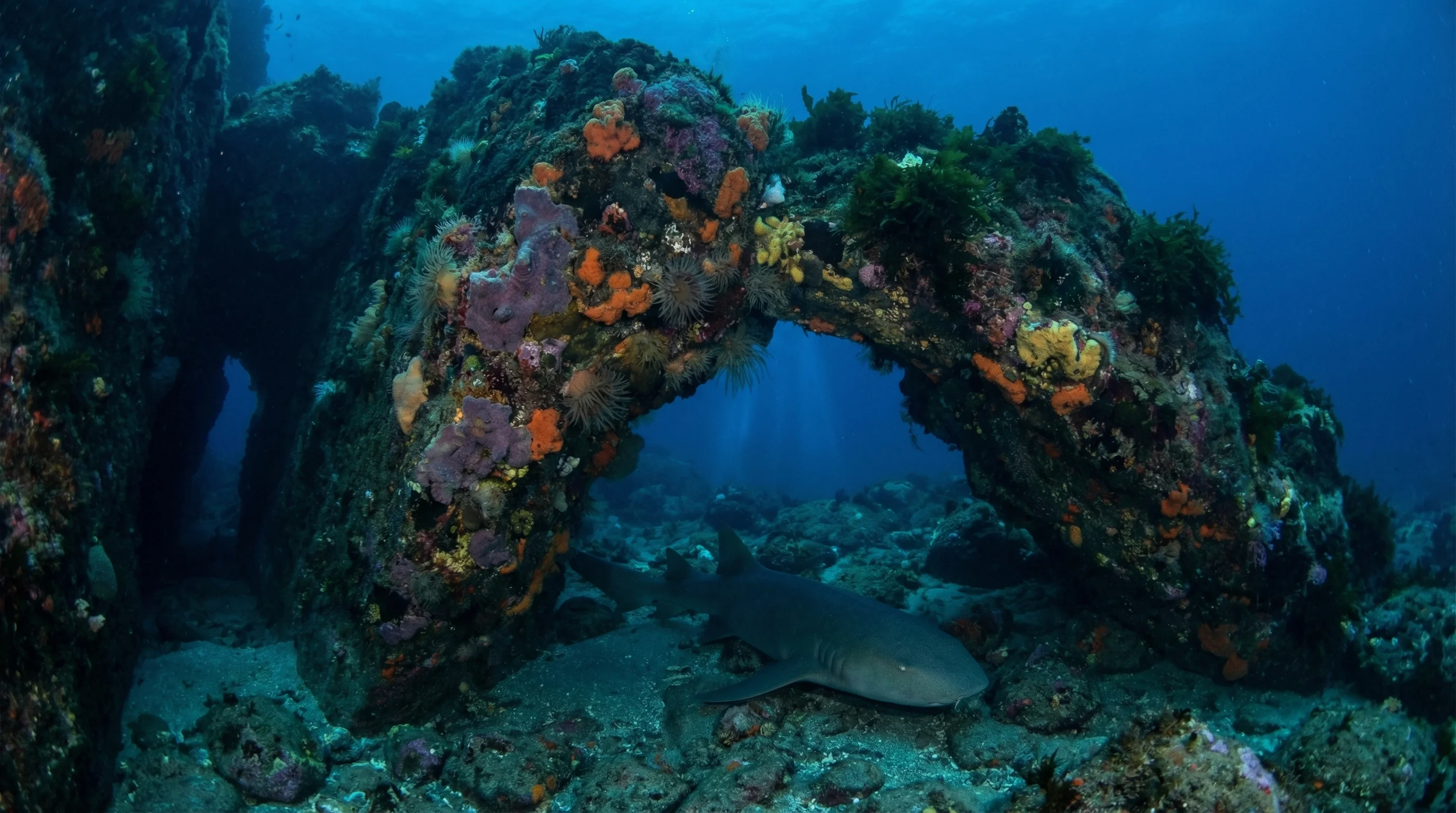
The Bay of Plenty offers a varied underwater character shaped by two distinct sub-areas. Mayor Island concentrates reef, pinnacle and wreck diving, including the Taioma Wreck and Karewa, while White Island adds volcanic drama through drop-offs and offshore pinnacles such as Lazens Reef and Te Paepae o Aotea. Long-nosed Fur Seal, Smooth Ray and Bronze Whaler Shark are the signature encounters. Drift options along the Waikato River suit newcomers, while deeper offshore reefs reward intermediate divers.
2 areas
Monthly water temperature across Bay of Plenty's sites, from satellite sea-surface data corrected for depth. The band shows the site-to-site spread.
Water temperatures peak through late summer, making January to March the warmest period for diving, while midwinter months bring noticeably cooler conditions. The best-months data points firmly toward the summer and early-autumn window. Offshore sites around White Island and Mayor Island are fully boat-dependent and can carry moderate currents, so conditions vary with the season.
5 operators


16 more sites to explore
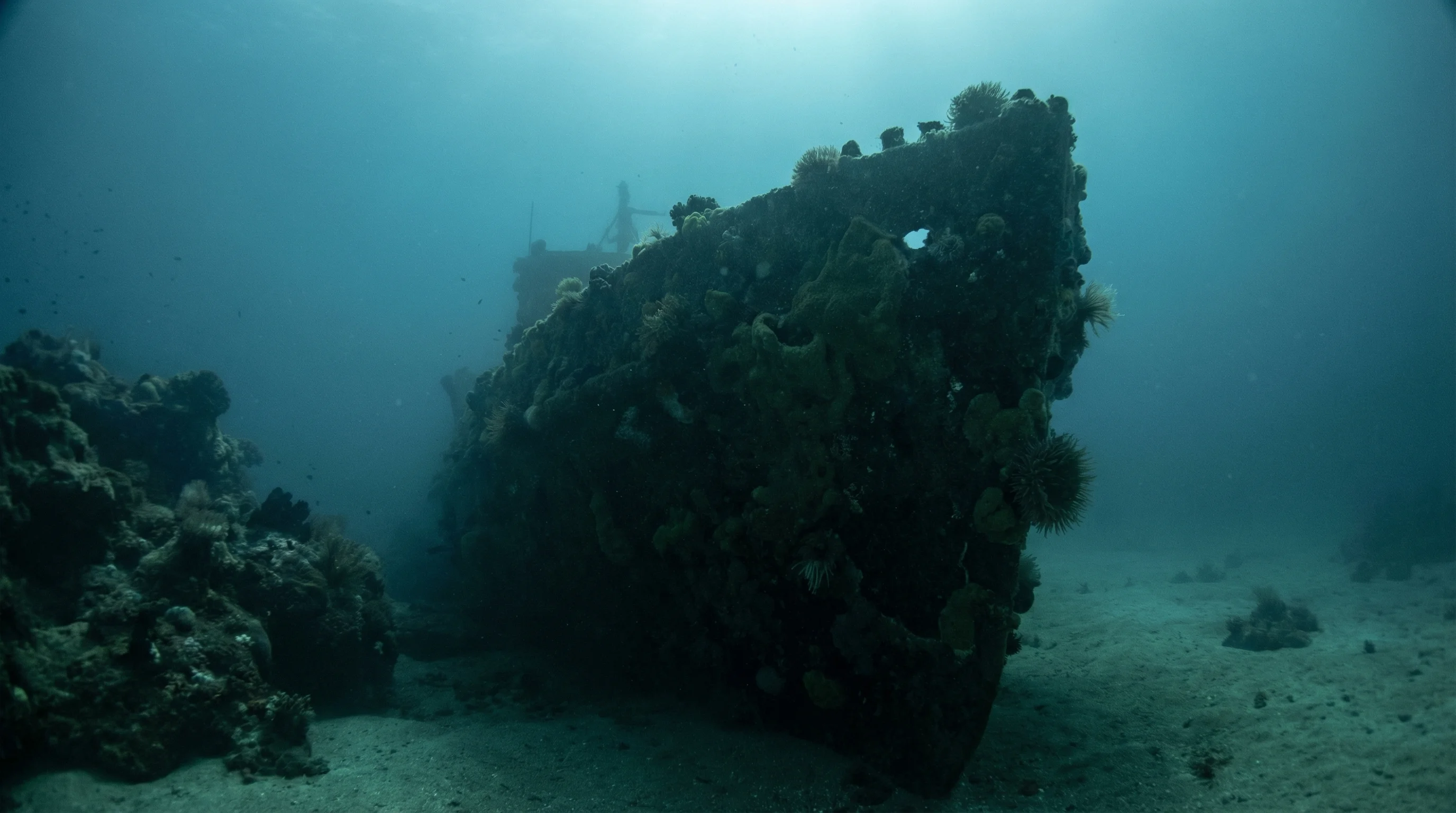
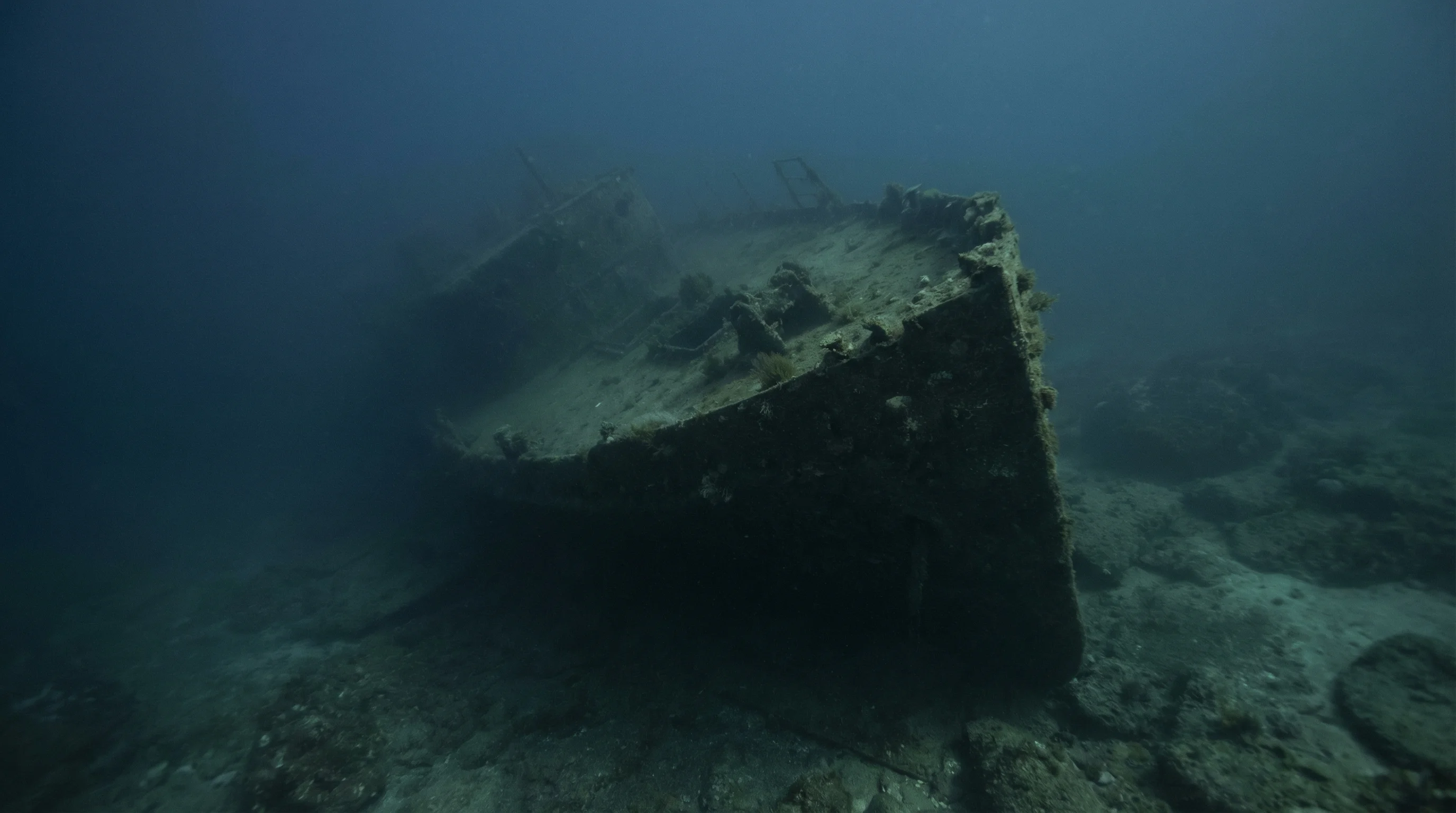
Pinnacles, wrecks and regular Bronze Whaler Shark sightings off a compact island in the Bay of Plenty.
Water temperature around Bay of Plenty ranges from about 15°C in July to 22°C in February, based on satellite sea-temperature data for its dive sites.
In the warm season (about 22°C) a 3mm full suit is comfortable in Bay of Plenty; in the coldest months (about 15°C) step up to a 7mm or semi-dry suit.
Fin maps 27 sites in Bay of Plenty (24 scuba diving sites and 10 snorkelling spots, with some suited to both), organised into 2 areas.
Across Bay of Plenty's dive sites, January, February, March, April, November and December are most often reported as the best months to visit.
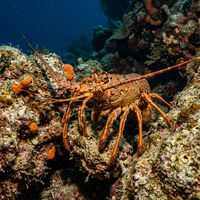
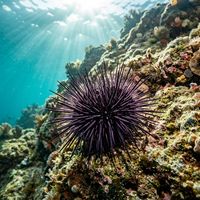
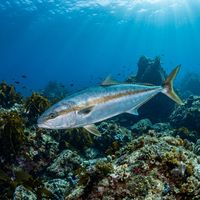
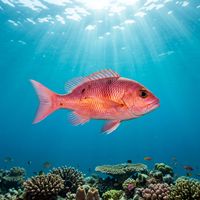
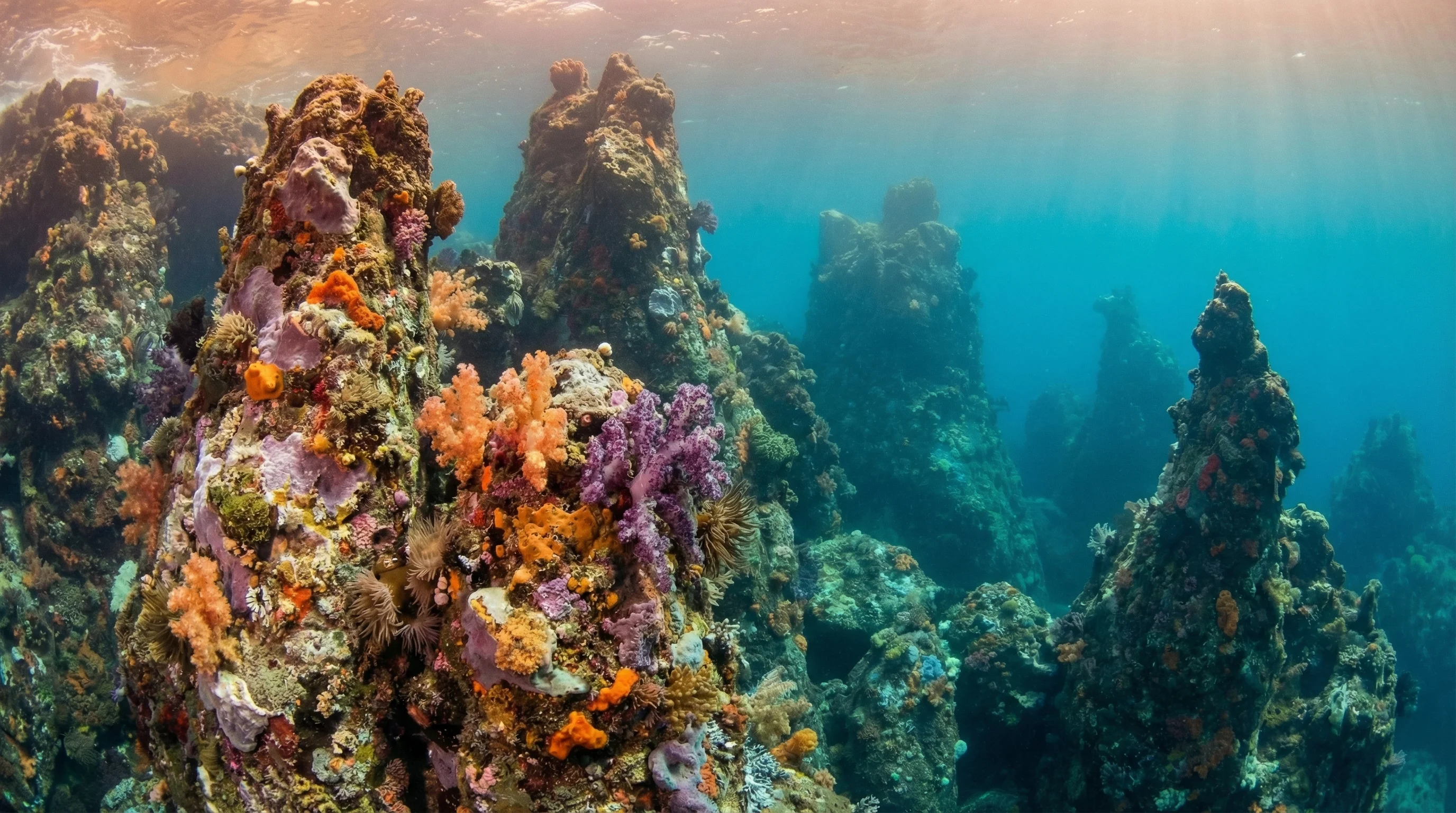
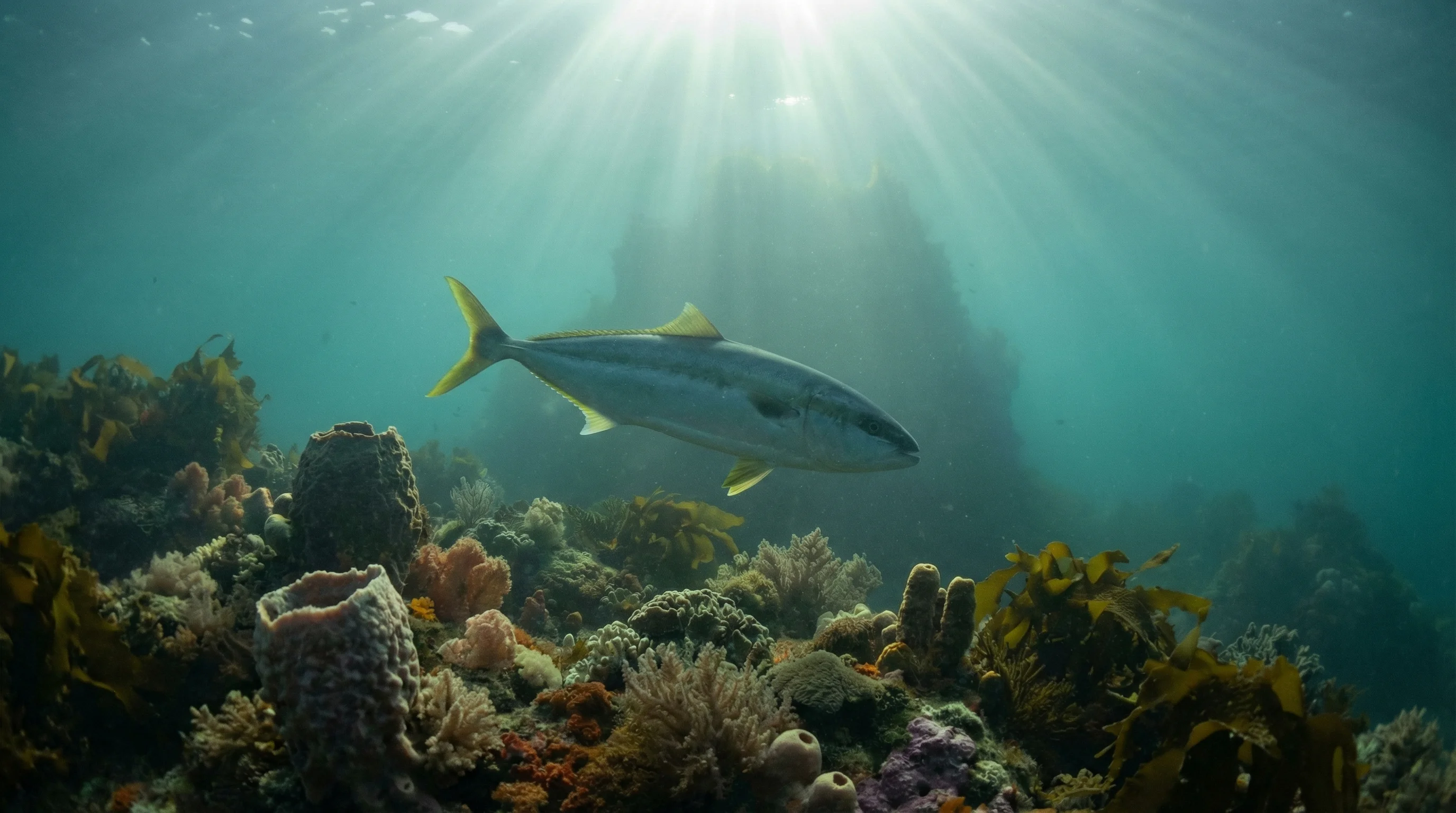
The Bay of Plenty has a strong record of Long-nosed Fur Seal, Smooth Ray and Bronze Whaler Shark sightings, making these the signature encounters. Kingfish, Pink Maomao and Blue Maomao are commonly observed on reefs, while Crayfish and Scorpionfish turn up with regularity. Less frequent but observed species include Grey Reef Shark, Orca and Humpback Whale.
Several sites are rated beginner-friendly, including Turanganui Point at Mayor Island, the Waikato River drift, Karewa and Whale Island. Shore entry is available at the Waikato River, lowering the barrier for newer divers. Intermediate divers have plenty of options too, particularly around White Island's pinnacles and the Taioma Wreck.
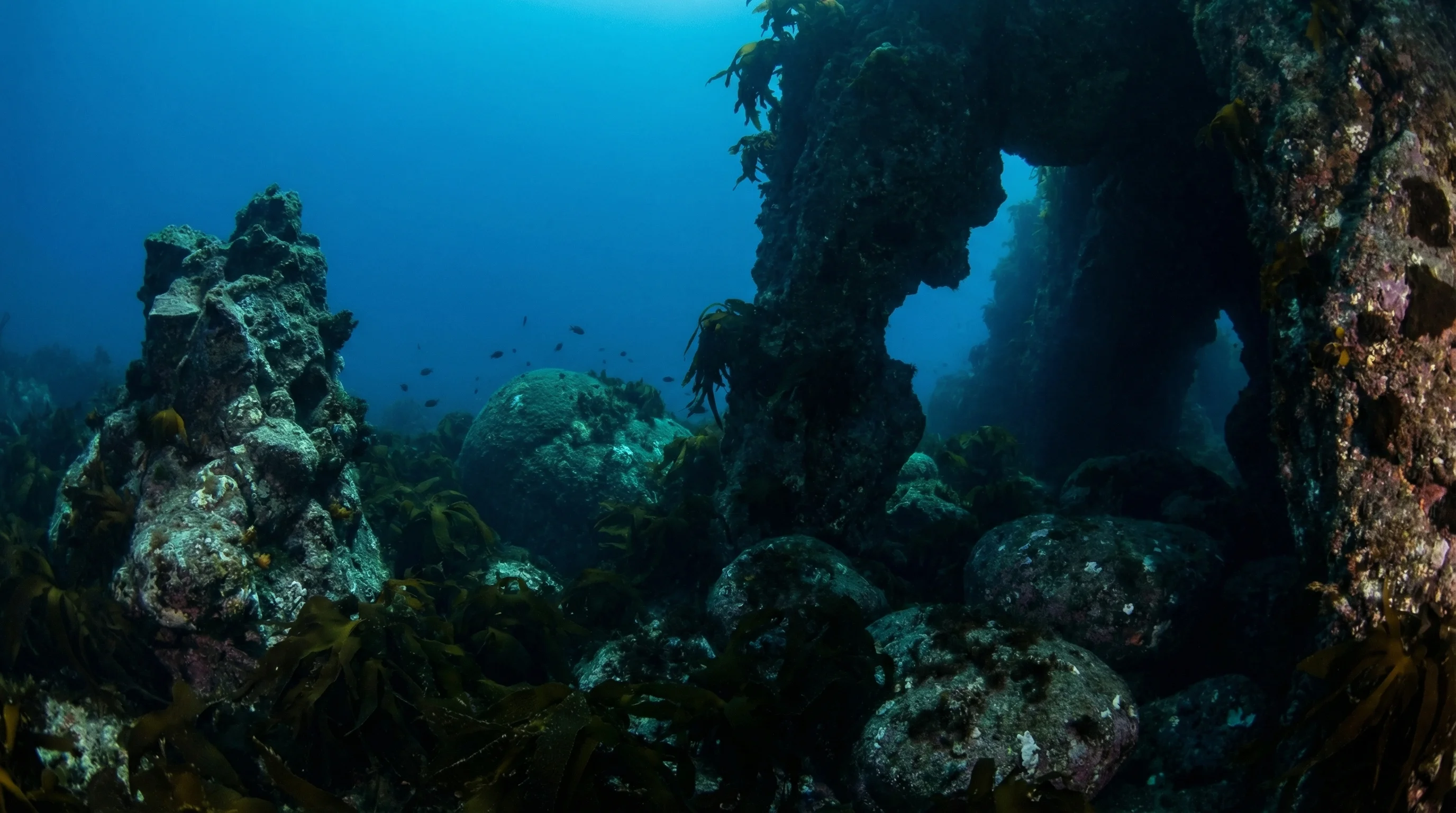
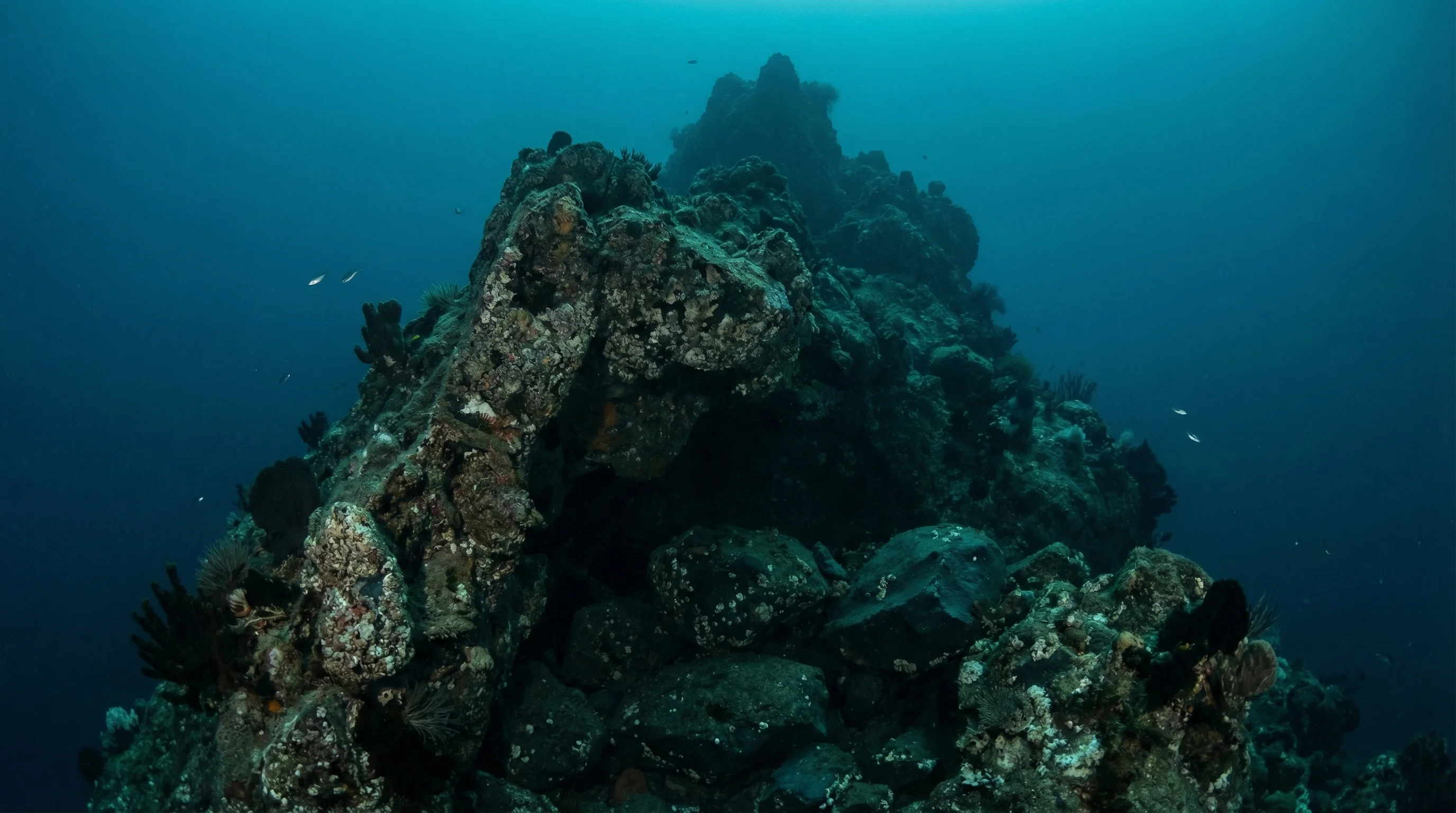
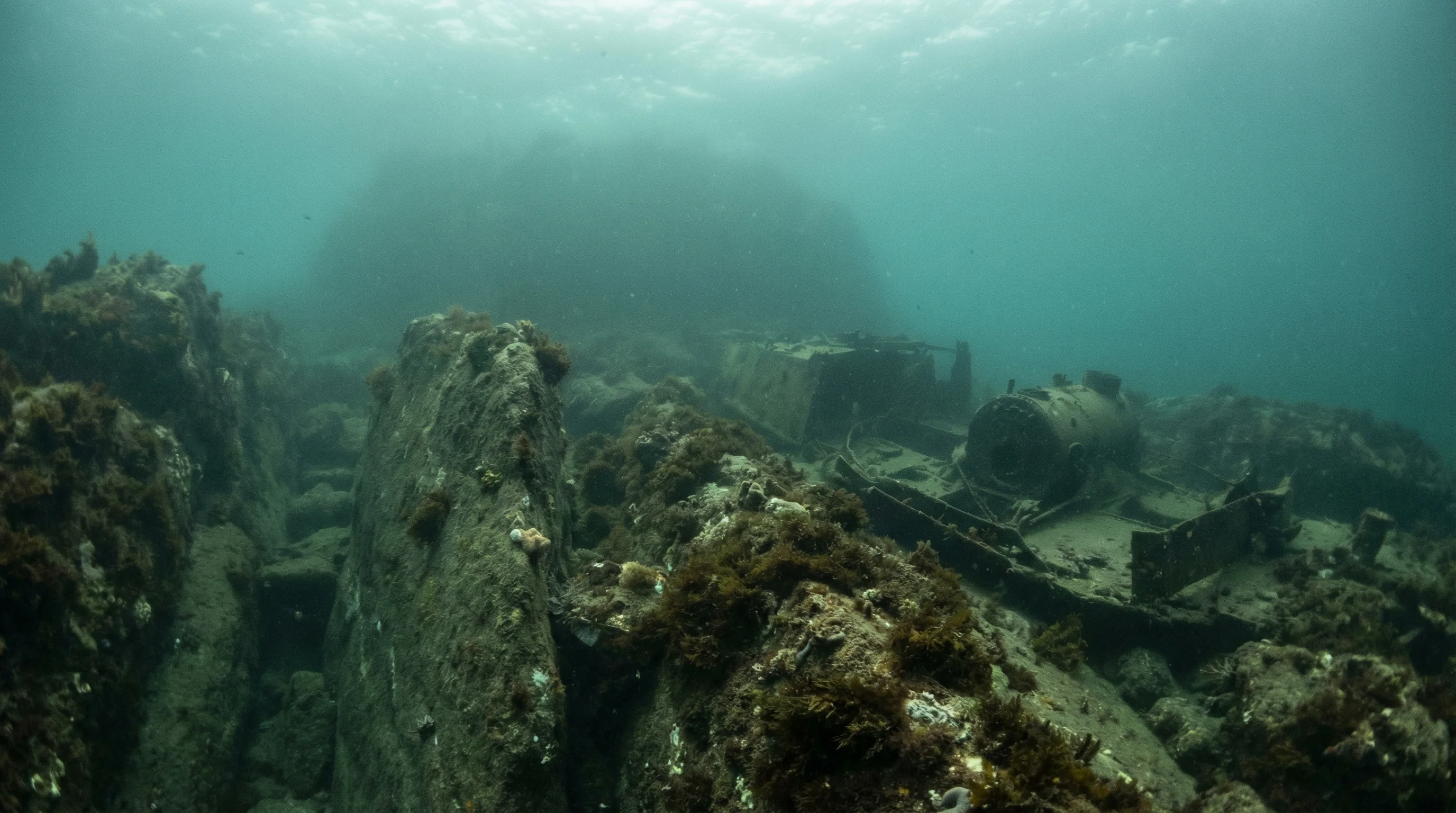
Mayor Island concentrates wreck diving alongside reef and pinnacle structures, with sites like the Taioma Wreck and Karewa offering accessible depths. White Island is defined by its volcanic character, with reefs, drop-offs and offshore pinnacles such as Lazens Reef delivering strong visibility on good days. Both sub-areas are boat-access only.
Four operators are listed for the region: Oceans Alive New Zealand, Dive Zone Tauranga, Aotearoa Dive and Splash Dive. Between them they cover the main sub-areas and site types, so it is worth checking which operators serve Mayor Island versus White Island depending on your priorities.