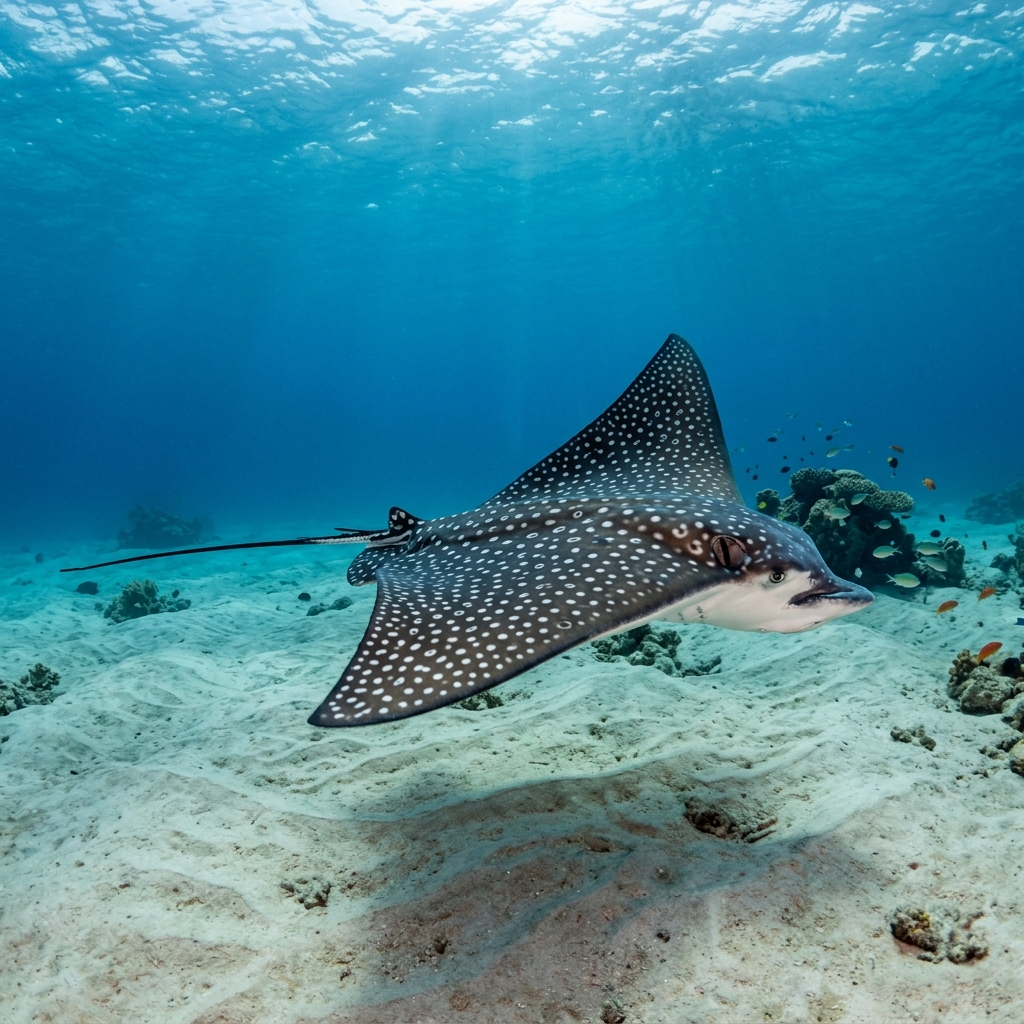
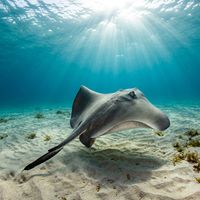
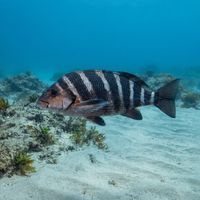
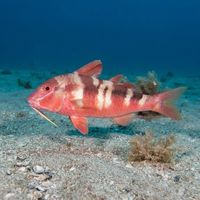
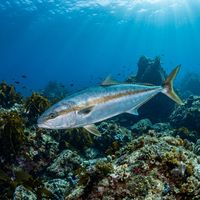
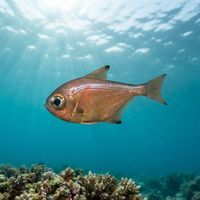
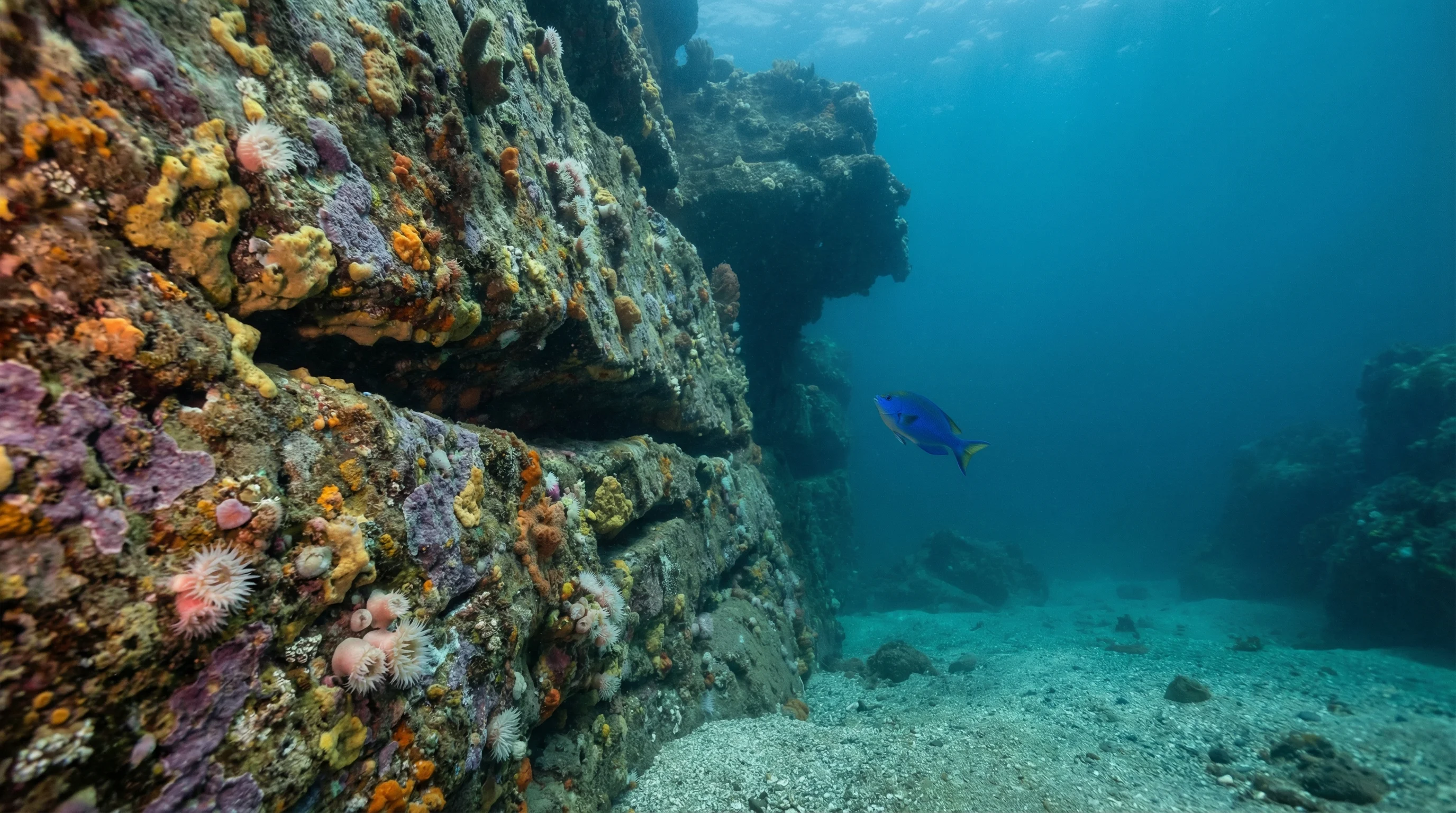
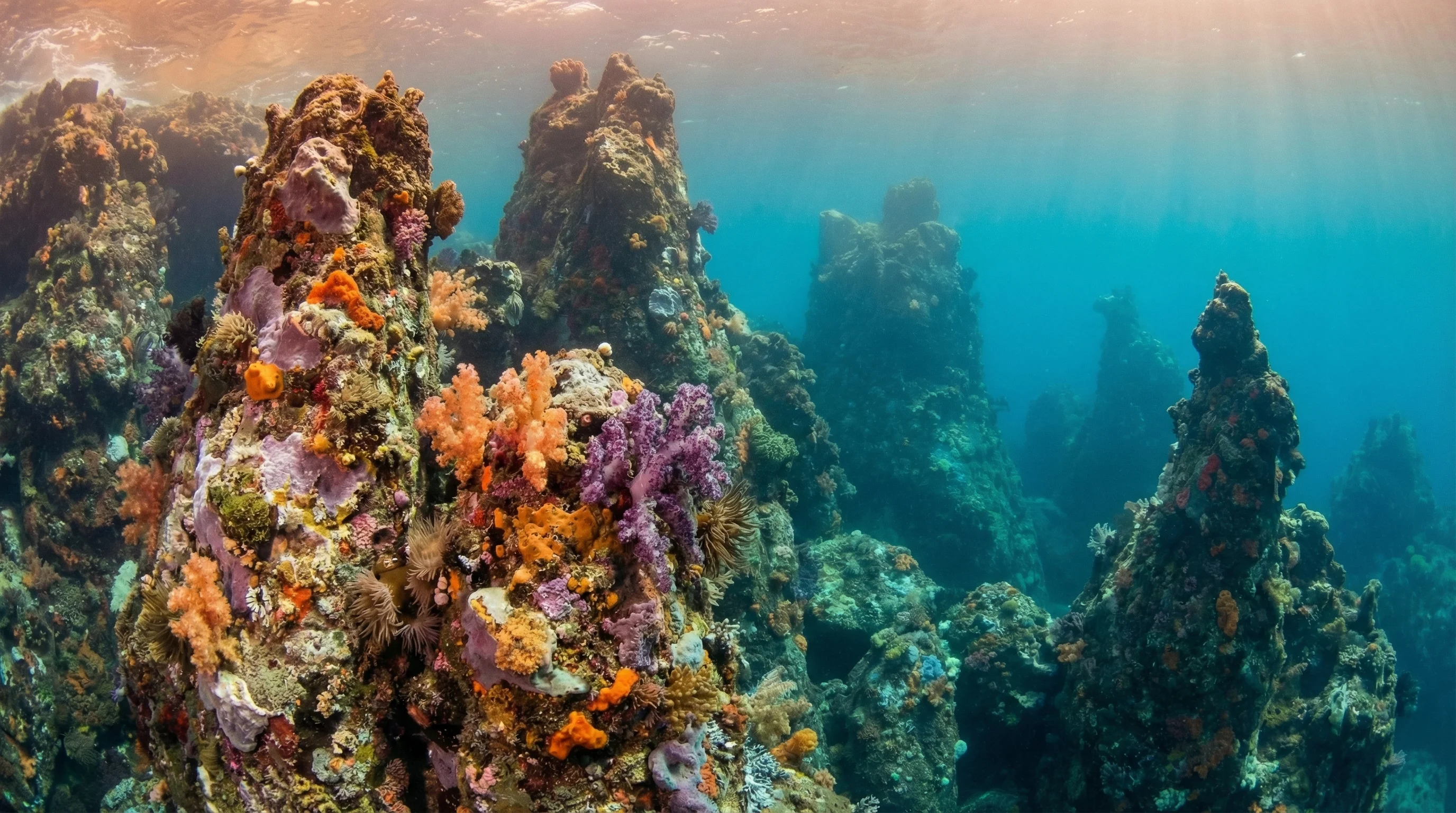
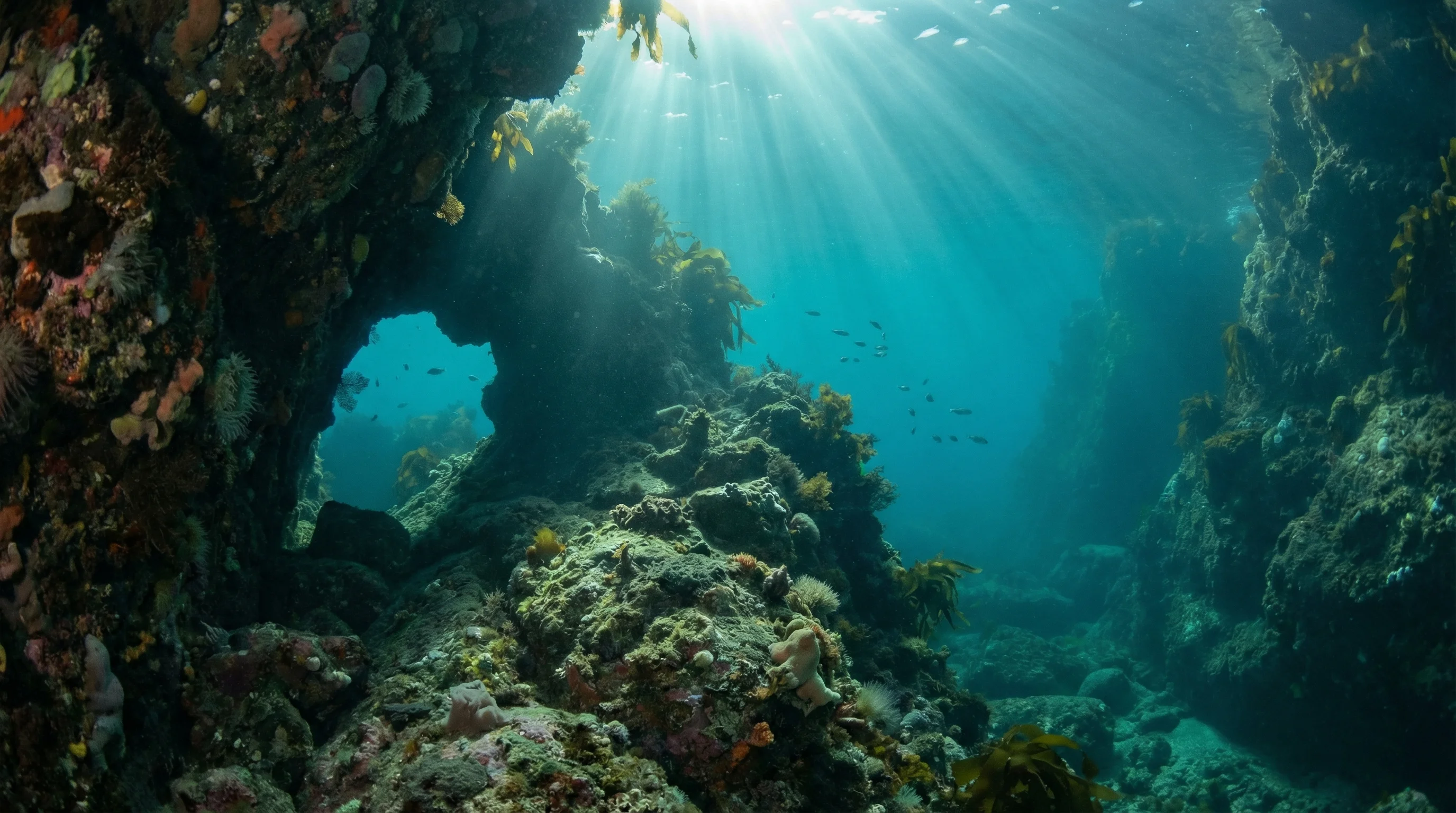
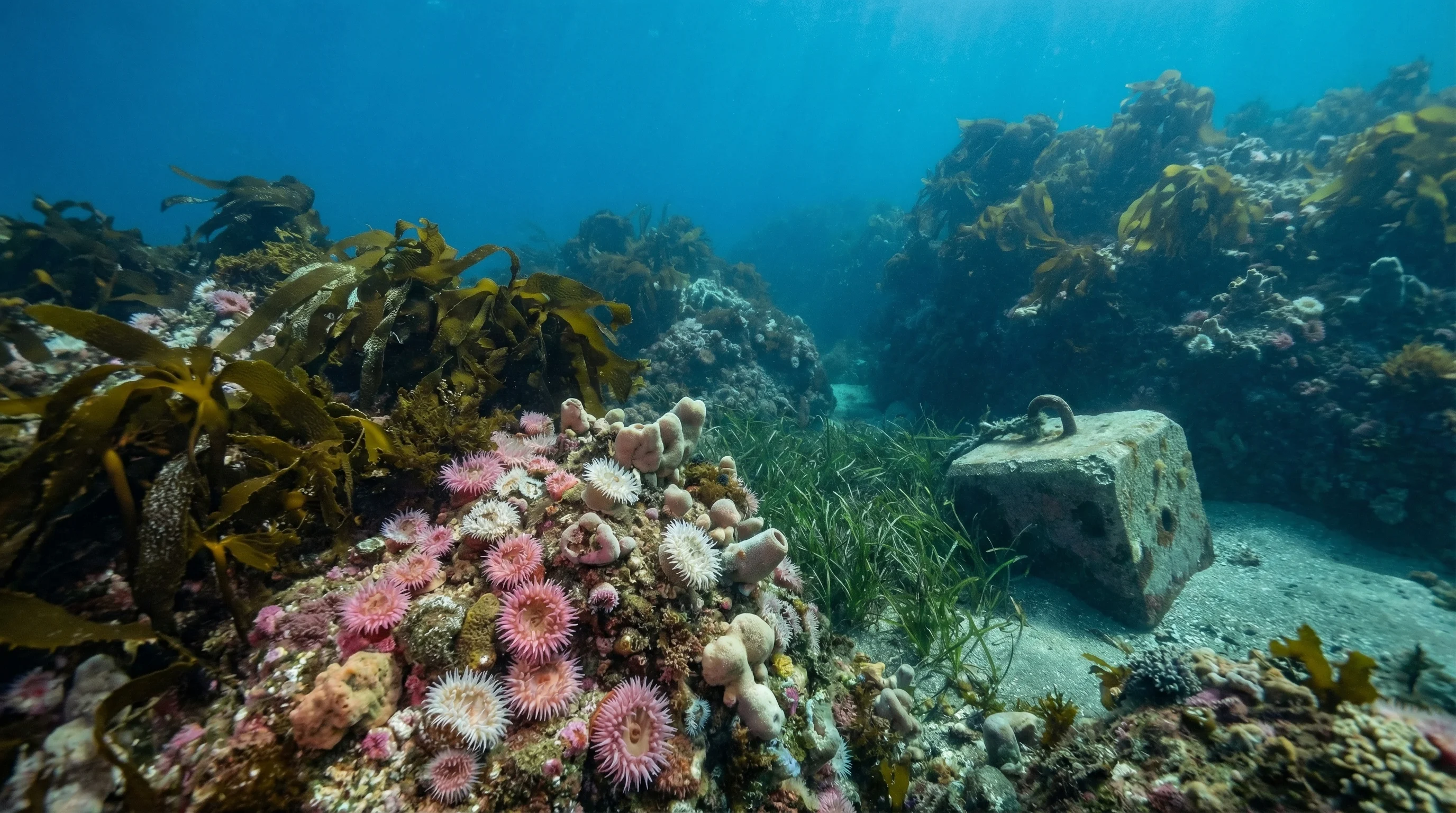
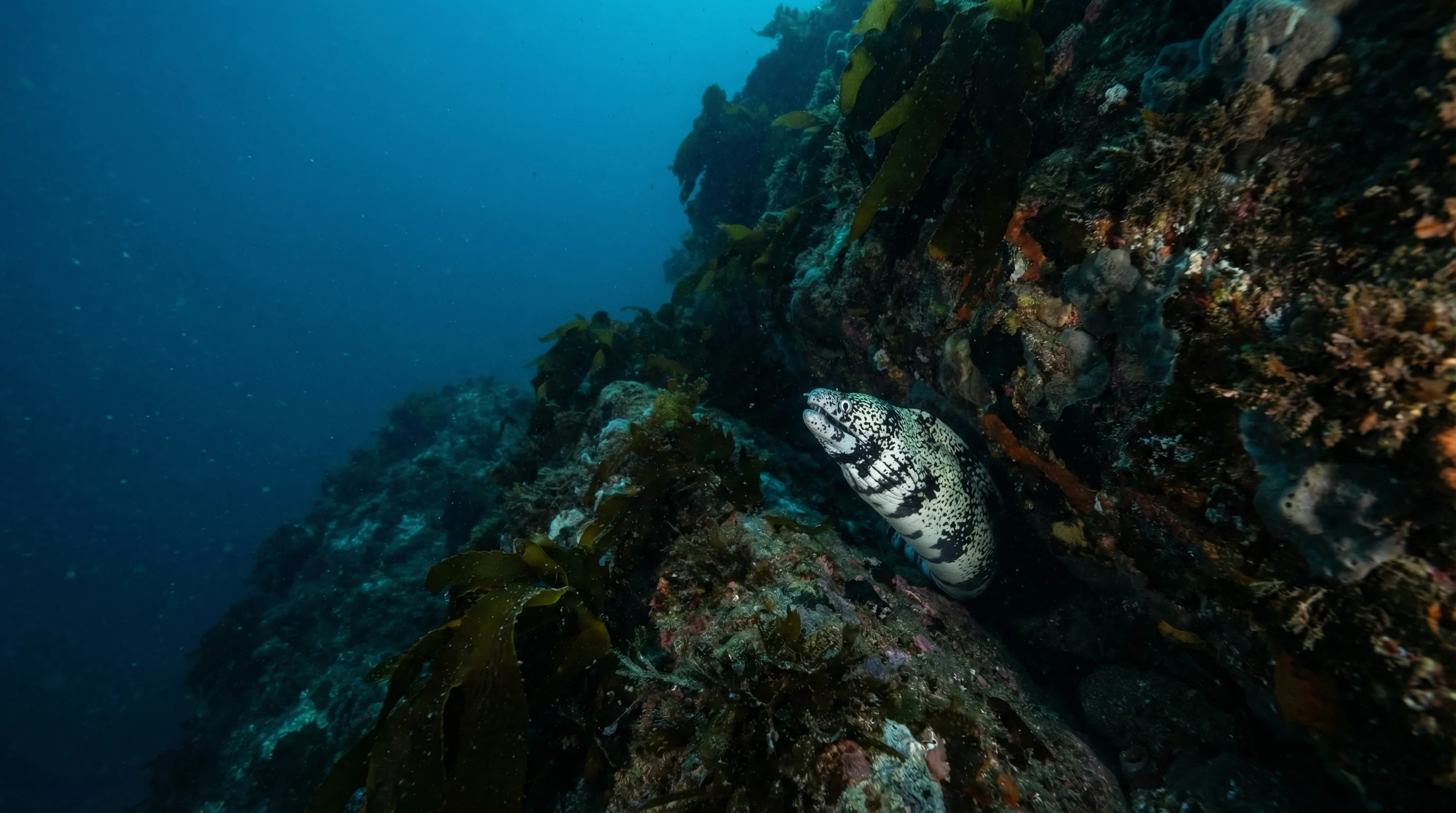
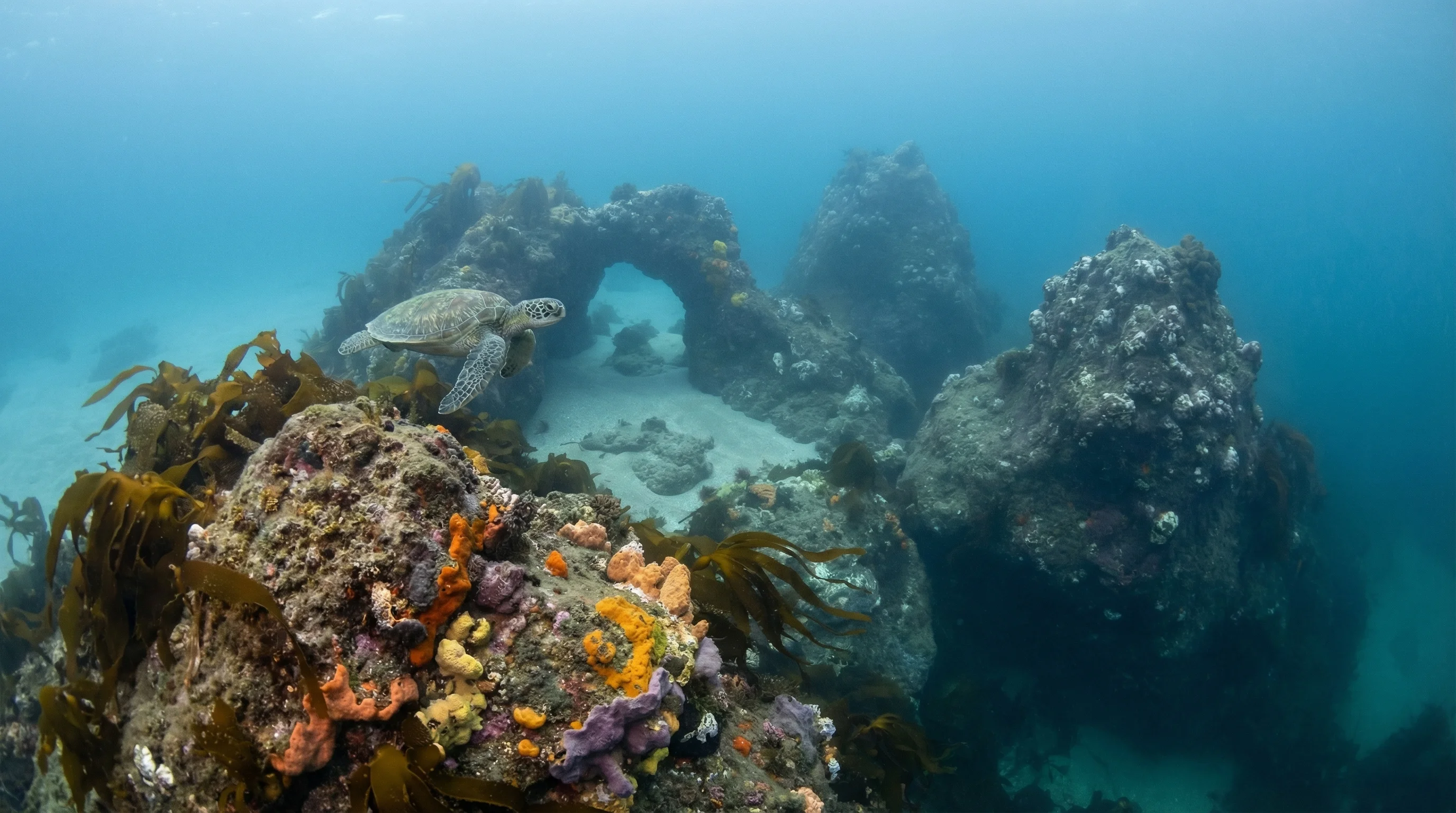
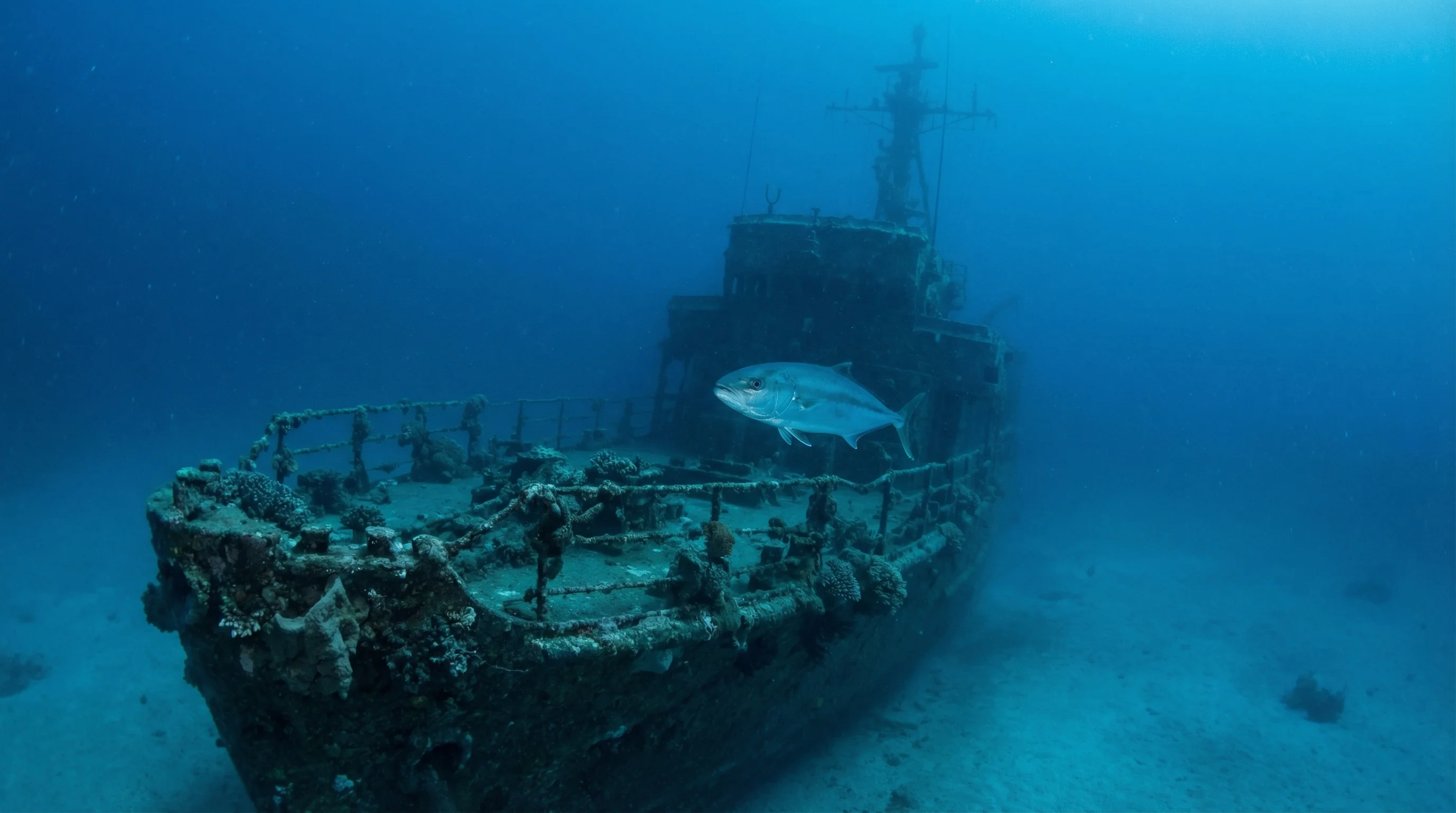
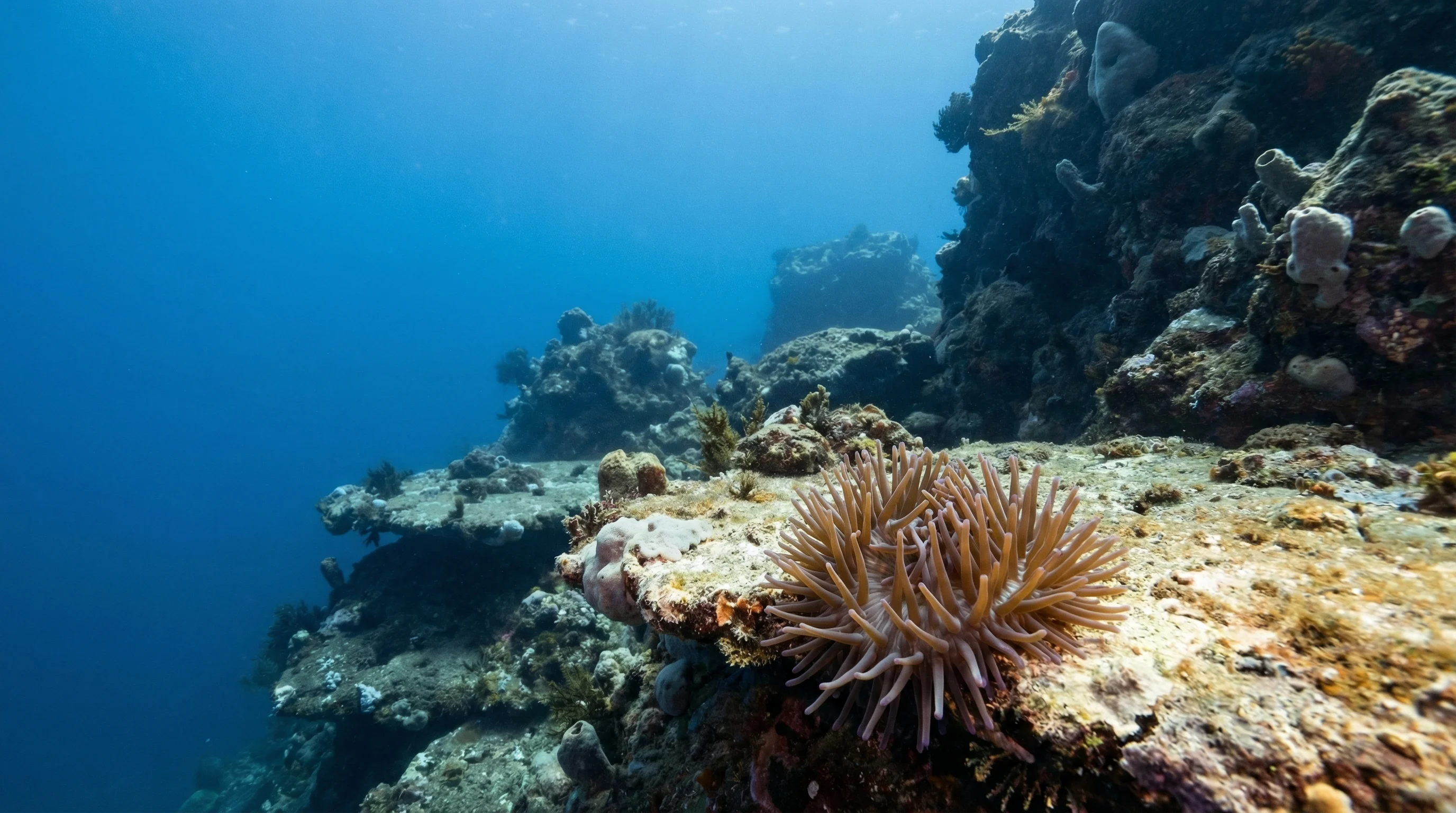
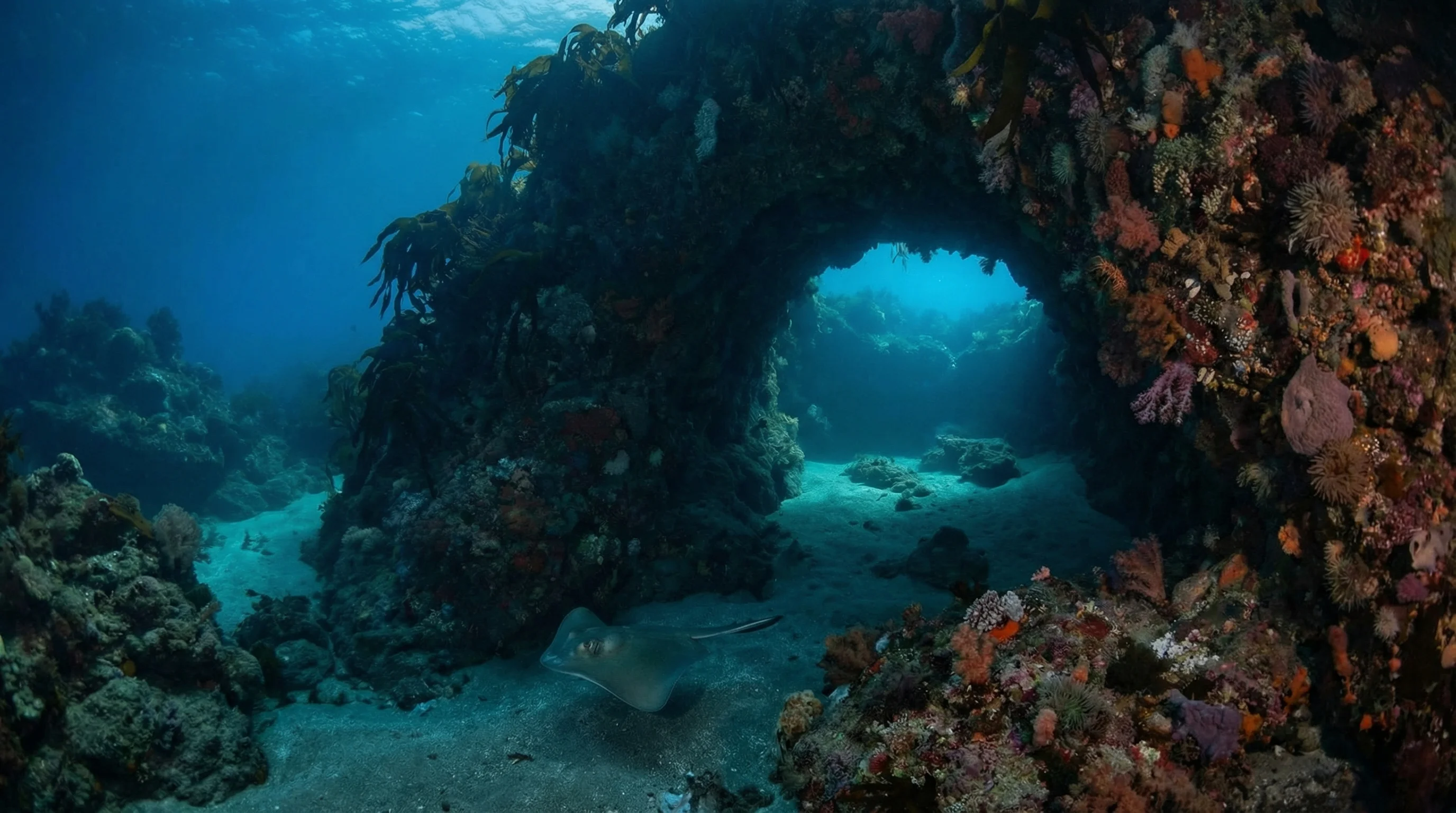
Northland divides into three distinct sub-areas: the Poor Knights Islands, the Bay of Islands, and the Tutukaka Coast. The Poor Knights dominates the site count and delivers the region's most varied topography, with arches, sea caves, pinnacles, walls, and kelp forests all accessible by boat. The Bay of Islands adds wreck diving, most notably the HMSNZ Canterbury and the Rainbow Warrior. Green Moray, Smooth Ray, Eagle Ray, Pink Snapper, and Bullseye are observed across the region, with Long-nosed Fur Seal and Mosaic Moray appearing at selected sites.
3 areas
Monthly water temperature across Northland's sites, from satellite sea-surface data corrected for depth. The band shows the site-to-site spread.
Water is warmest from December through March and coolest between July and September, shaping two distinct seasons. Summer brings the most favourable conditions and draws the highest diver traffic, particularly at the Poor Knights. Winter diving is quieter and cooler but remains viable, with visibility that can be exceptional on calm days.
11 operators
28 more sites to explore
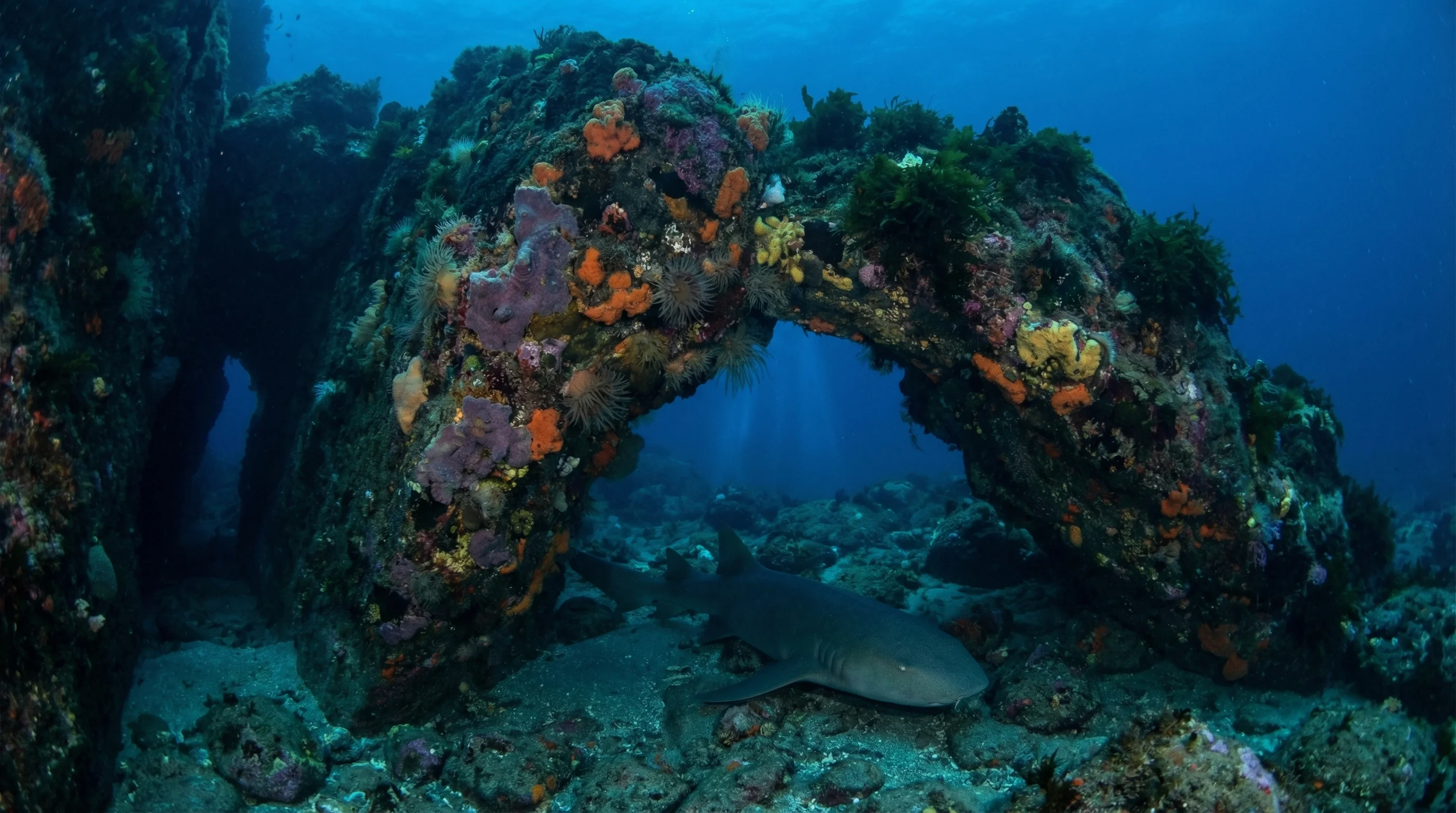
Cave, arch and wall diving around a single dramatic island group, with a rich array of morays, rays and nudibranchs observed across all skill levels.
Water temperature around Northland ranges from about 16°C in July to 21°C in February, based on satellite sea-temperature data for its dive sites.
In the warm season (about 21°C) a 5mm suit is comfortable in Northland; in the coldest months (about 16°C) step up to a 7mm or semi-dry suit.
Fin maps 40 sites in Northland (38 scuba diving sites and 8 snorkelling spots, with some suited to both), organised into 3 areas.
Across Northland's dive sites, January, February, March and December are most often reported as the best months to visit.
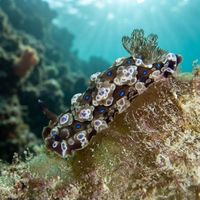
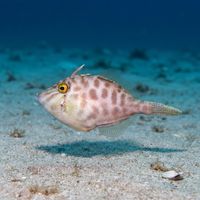
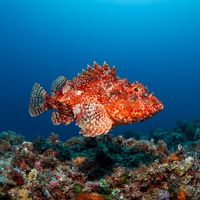
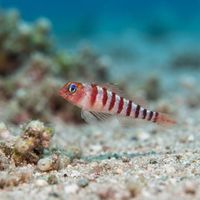
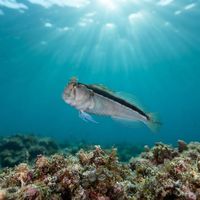
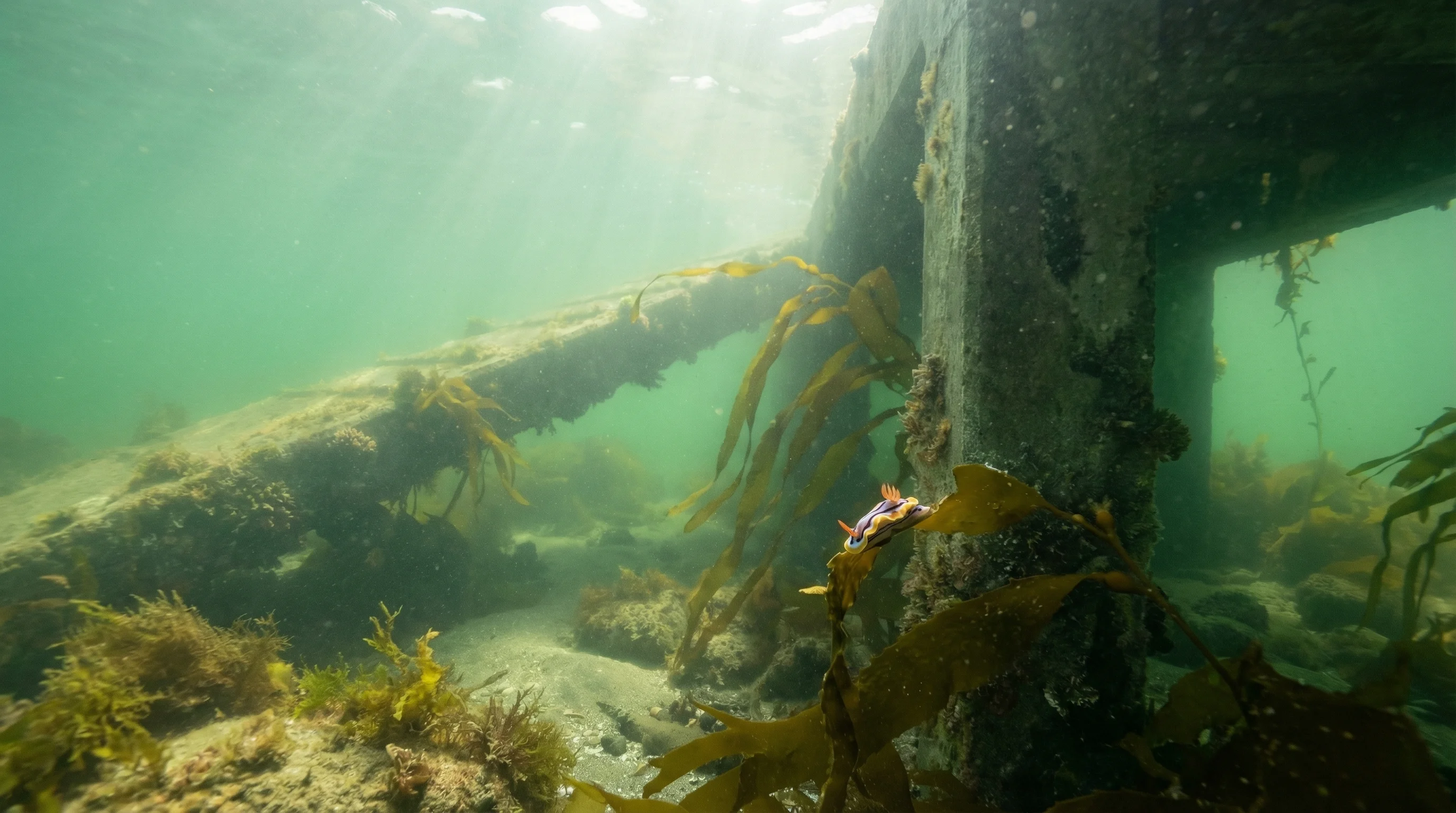
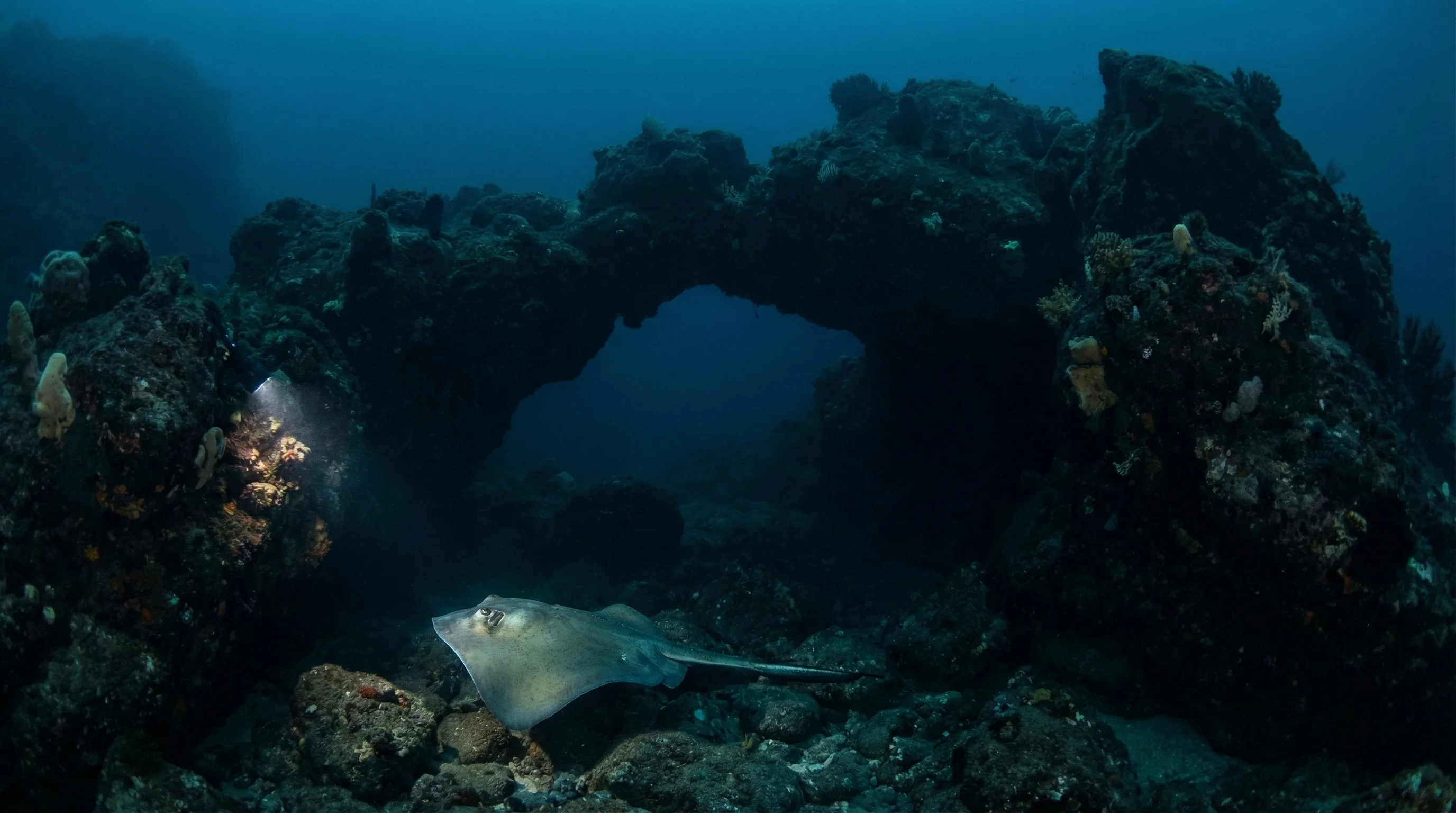
Observation-backed species include the Green Moray, Mosaic Moray, Smooth Ray, Eagle Ray, and Long-nosed Fur Seal among the signature encounters. Pink Snapper, Bullseye, Blue Maomao, Kingfish, and Wrasses are very commonly sighted across the region's sites. Nudibranch hunters will find the Clown Doris and Blue-spotted Wrinkle Dorid, while the Common Sydney Octopus appears at select locations.
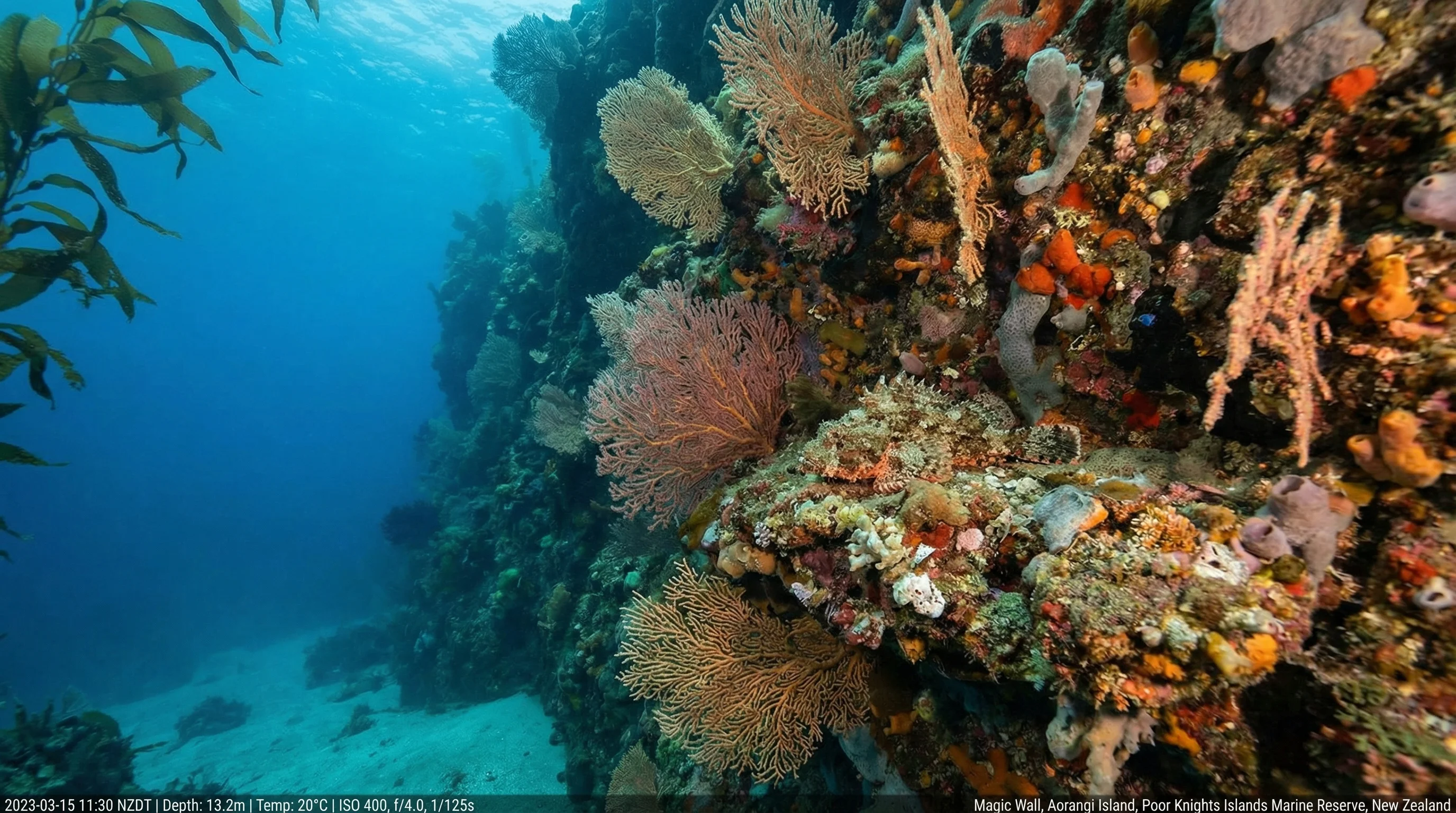
The region caters to a wide range of skill levels. Sites such as Mao Mao Arch, Brady's Corner, Magic Wall, Nursery Cove, and The Gardens Pinnacles are rated beginner-friendly and feature relatively shallow, sheltered conditions. Intermediate divers are well served by RikoRiko Cave and the two wrecks, while Landing Bay Pinnacle and Northern Arch demand advanced experience due to depth and complexity.
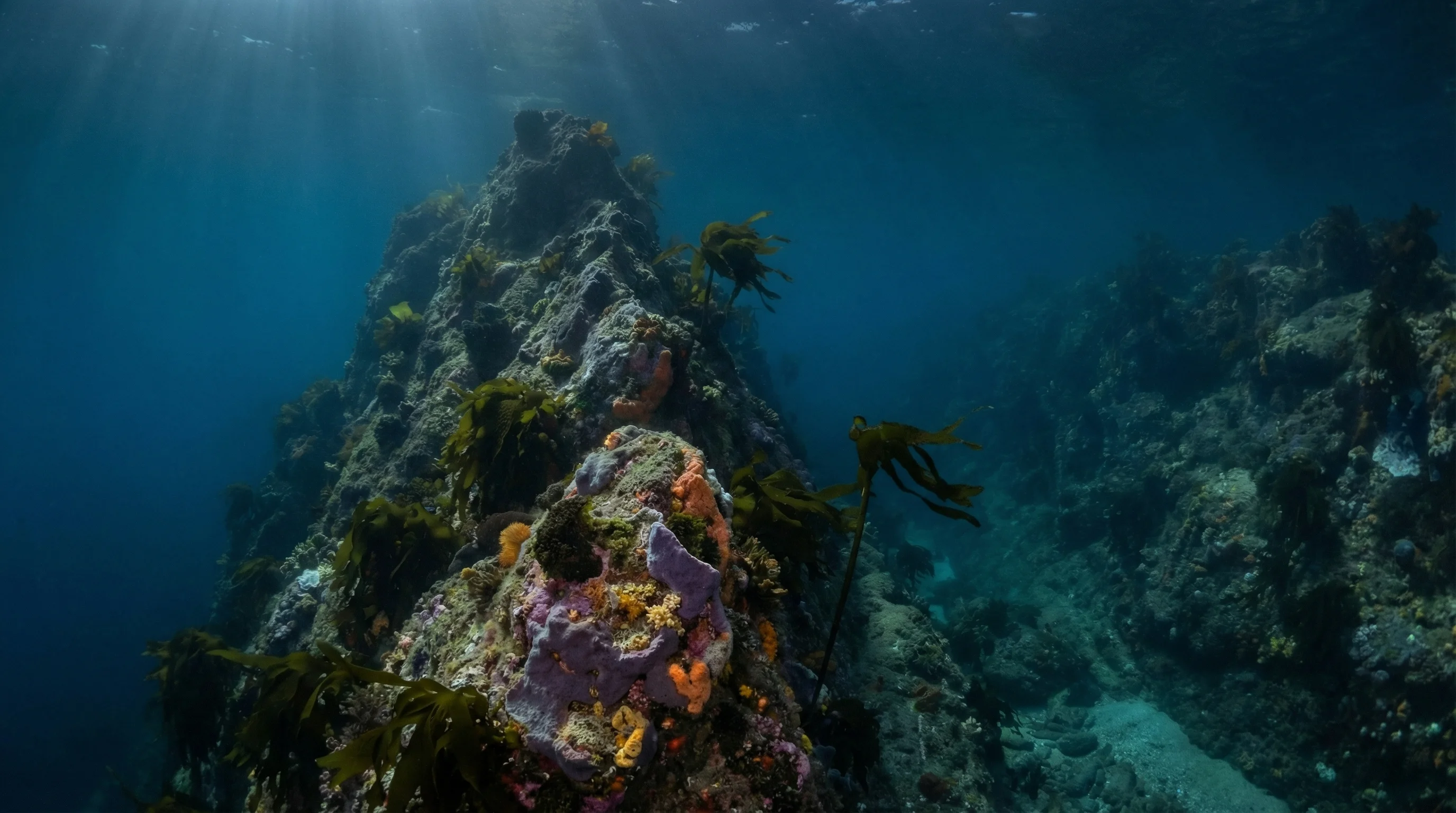
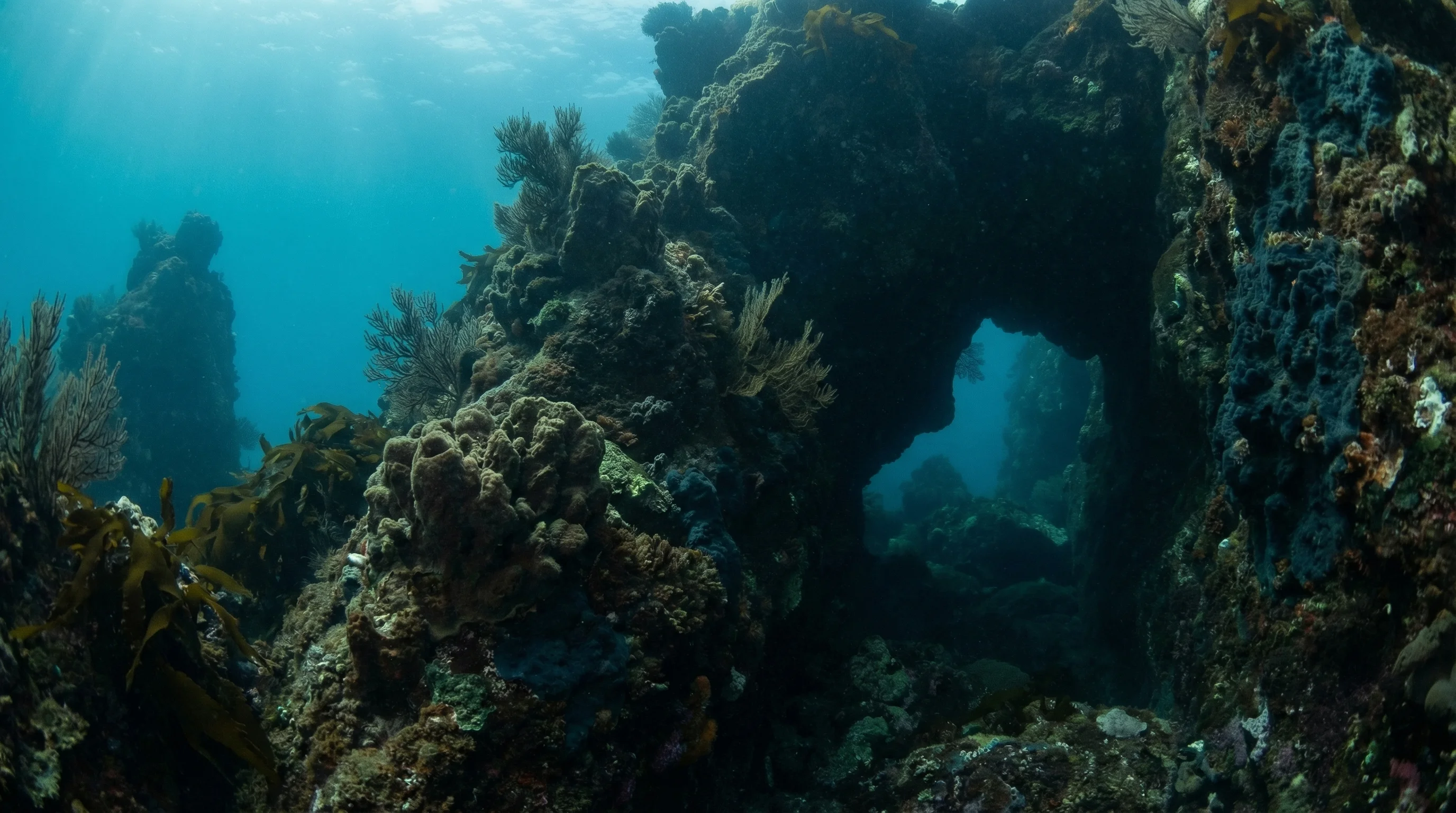
The Poor Knights Islands offers the greatest variety of site types, including arches, sea caves, pinnacles, walls, and kelp forests, making it the region's primary draw. The Bay of Islands is the place to dive wrecks, with both the HMSNZ Canterbury and the Rainbow Warrior located here. The Tutukaka Coast is the smallest sub-area by site count and serves largely as the departure point for Poor Knights trips.
Every listed site in Northland is boat-access only, so divers will need to join an organised trip or charter. Operators including Dive! Tutukaka, Paihia Dive, Dive Zone Bay of Islands, and Dive Now cover the main sub-areas. Booking in advance is advisable during the summer peak months when demand for Poor Knights departures is at its highest.