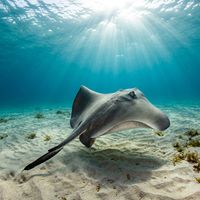
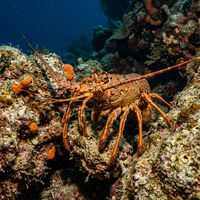
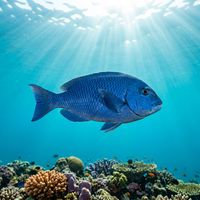
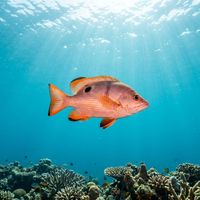
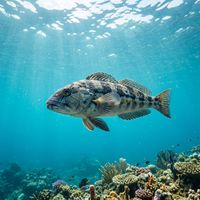
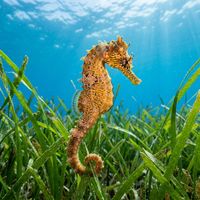
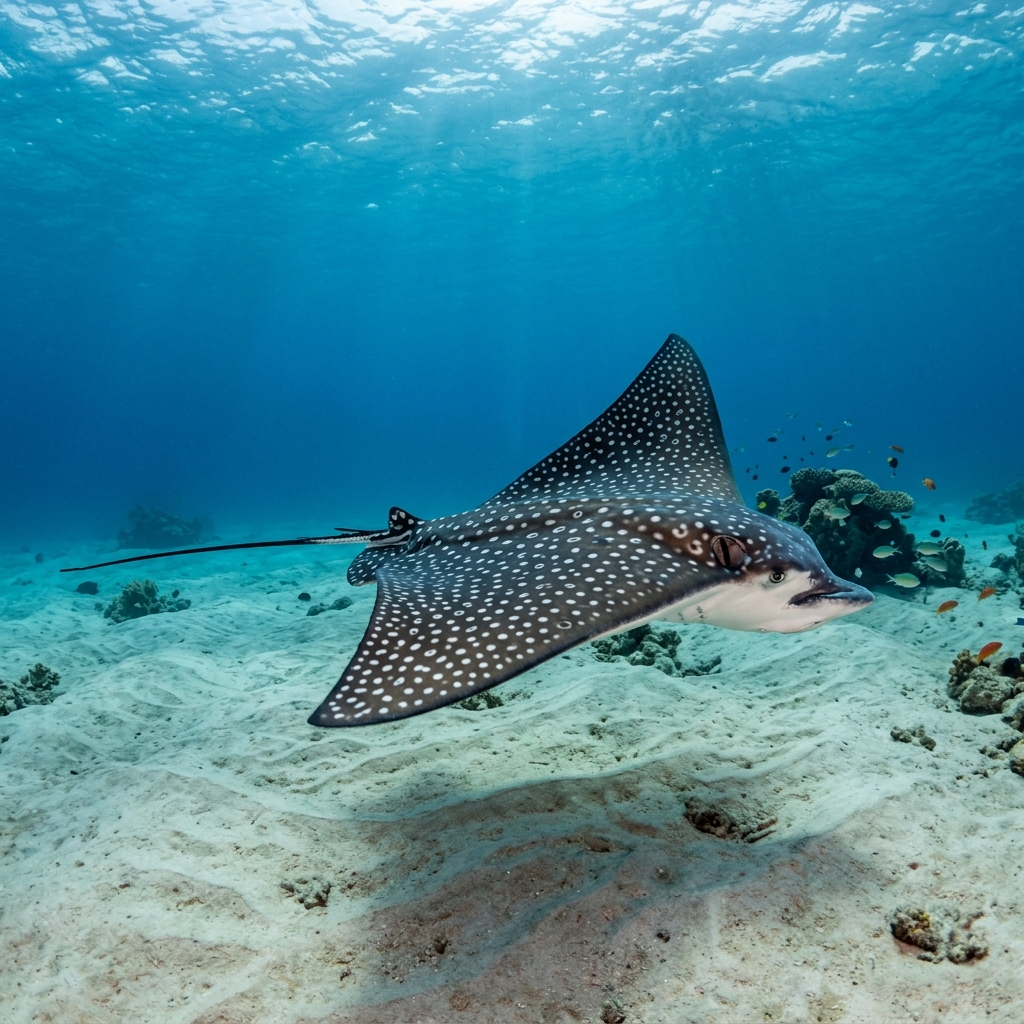
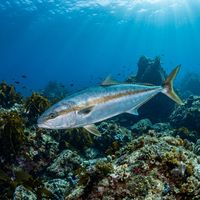
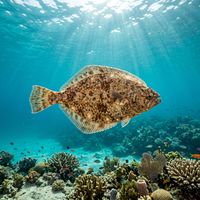
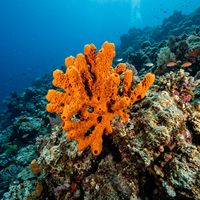
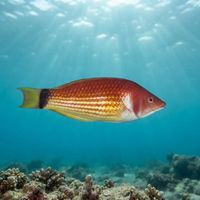
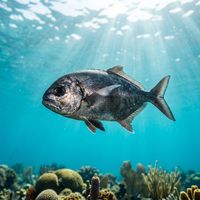
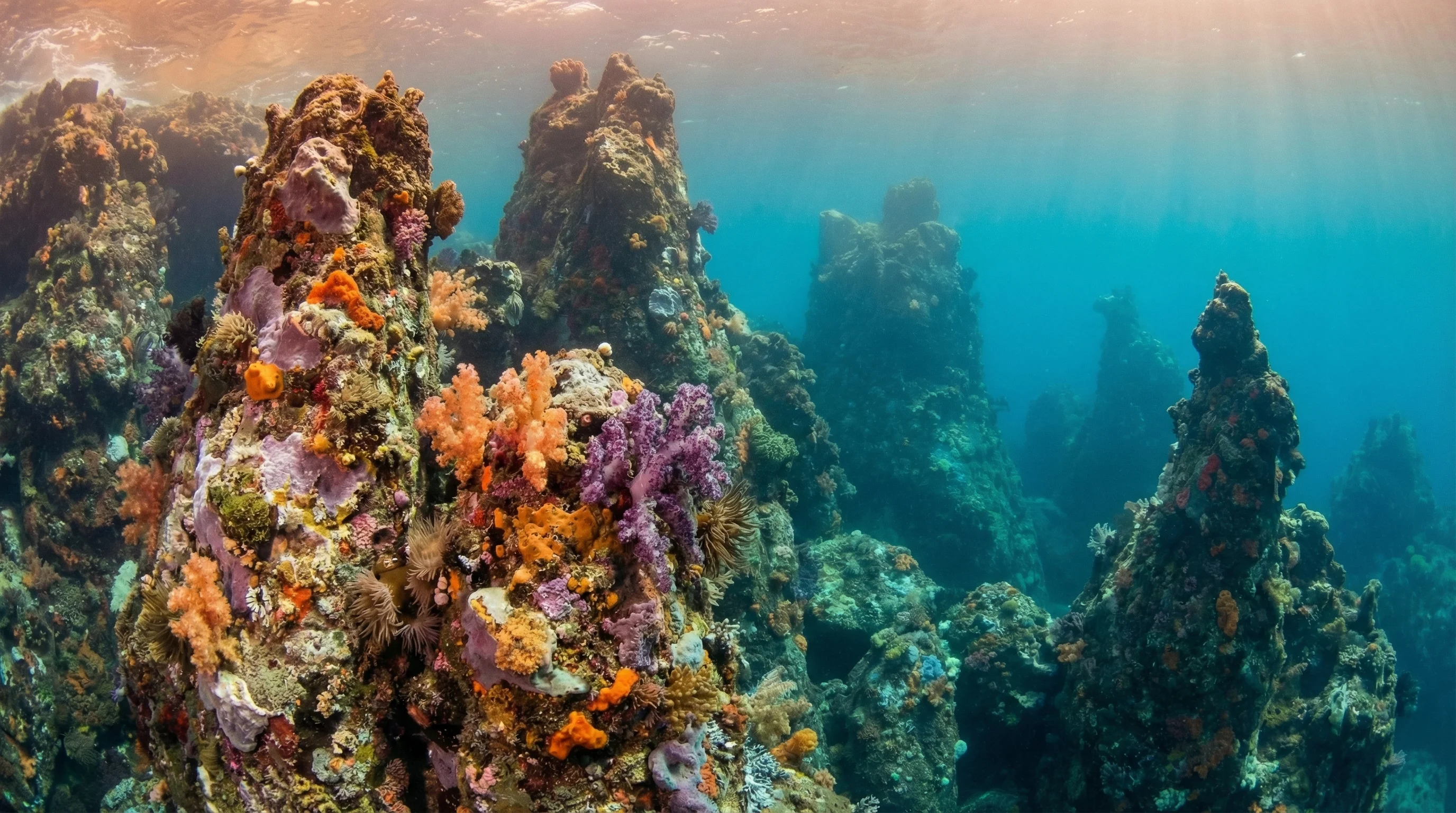
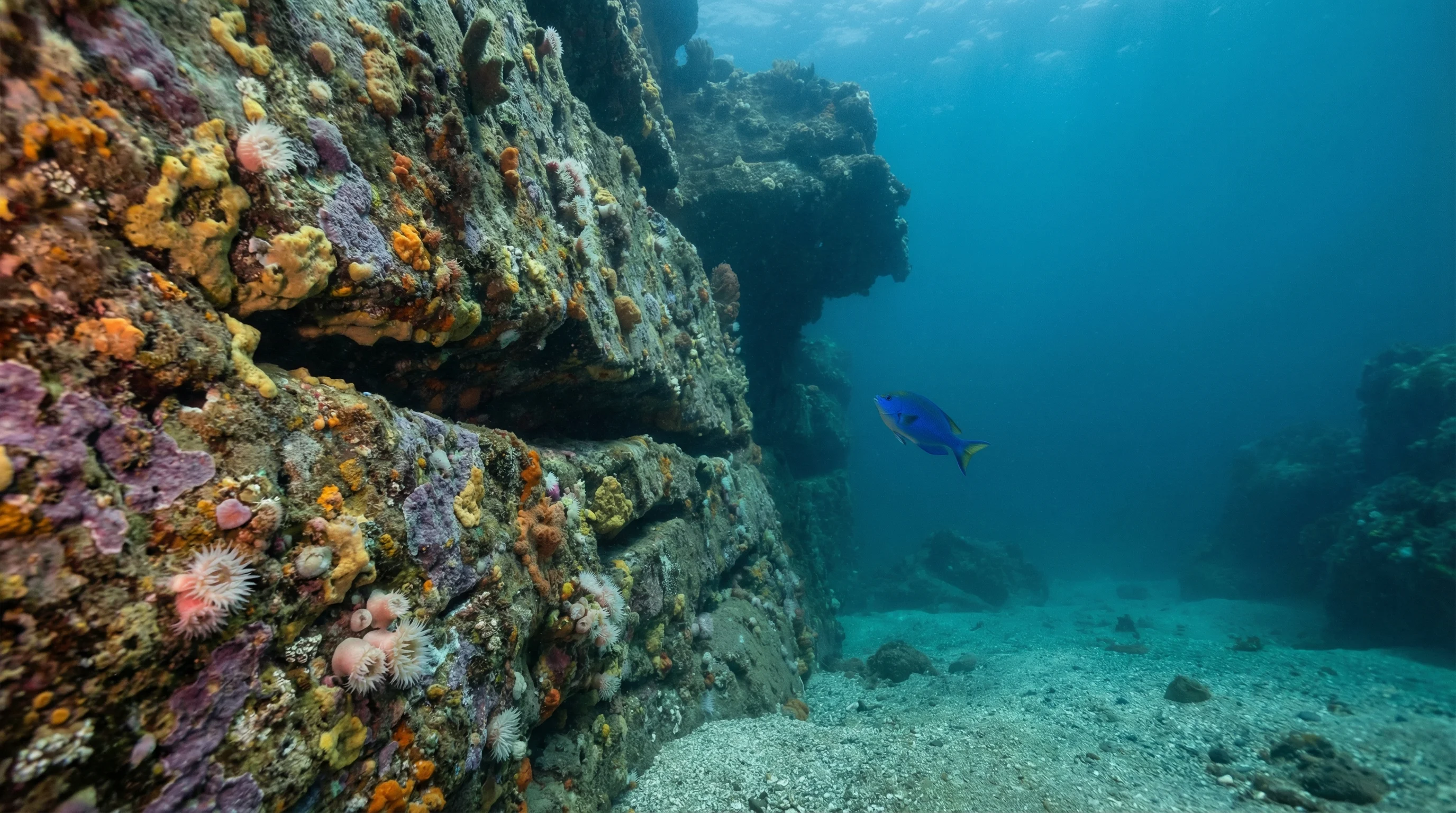
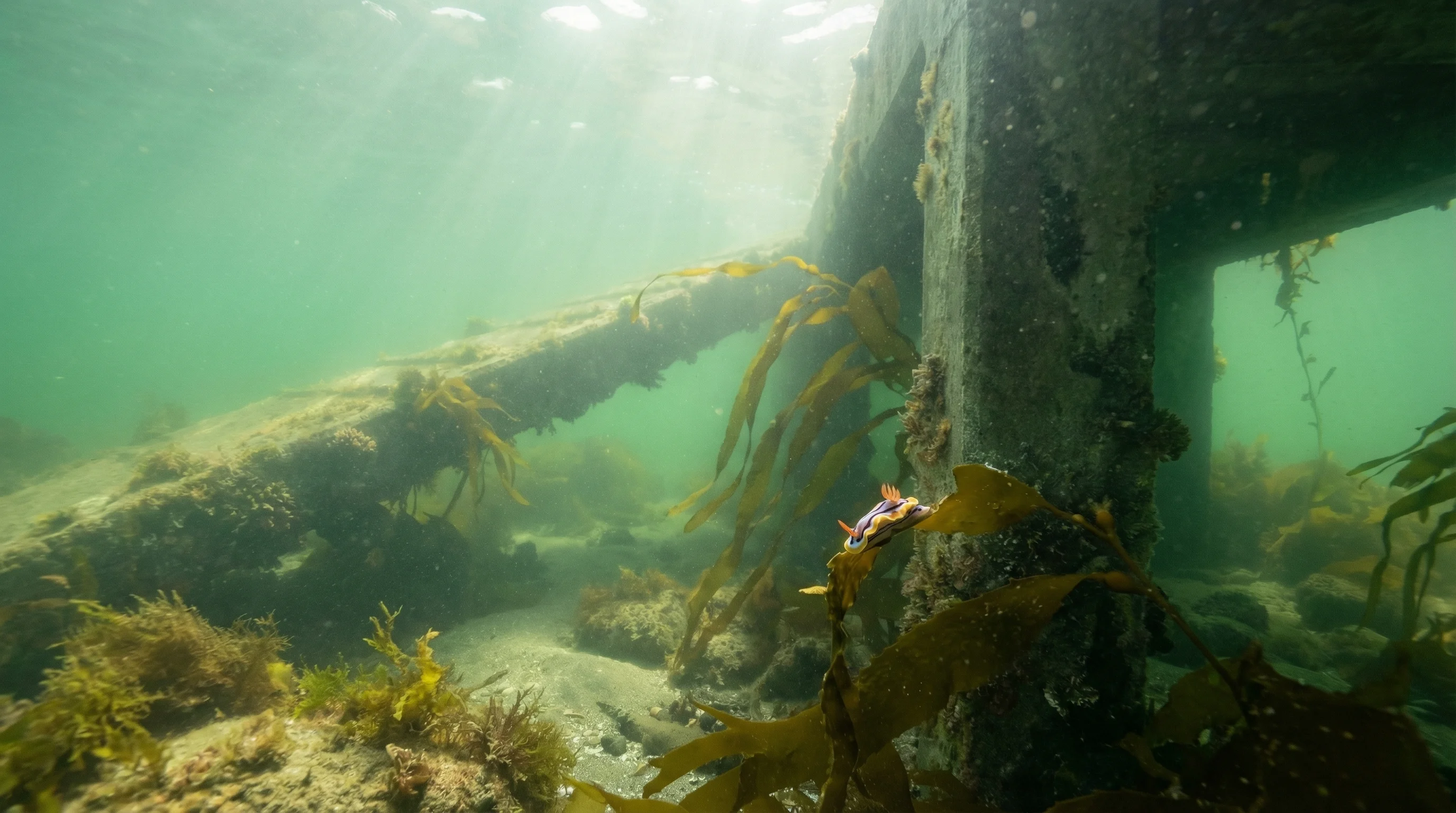
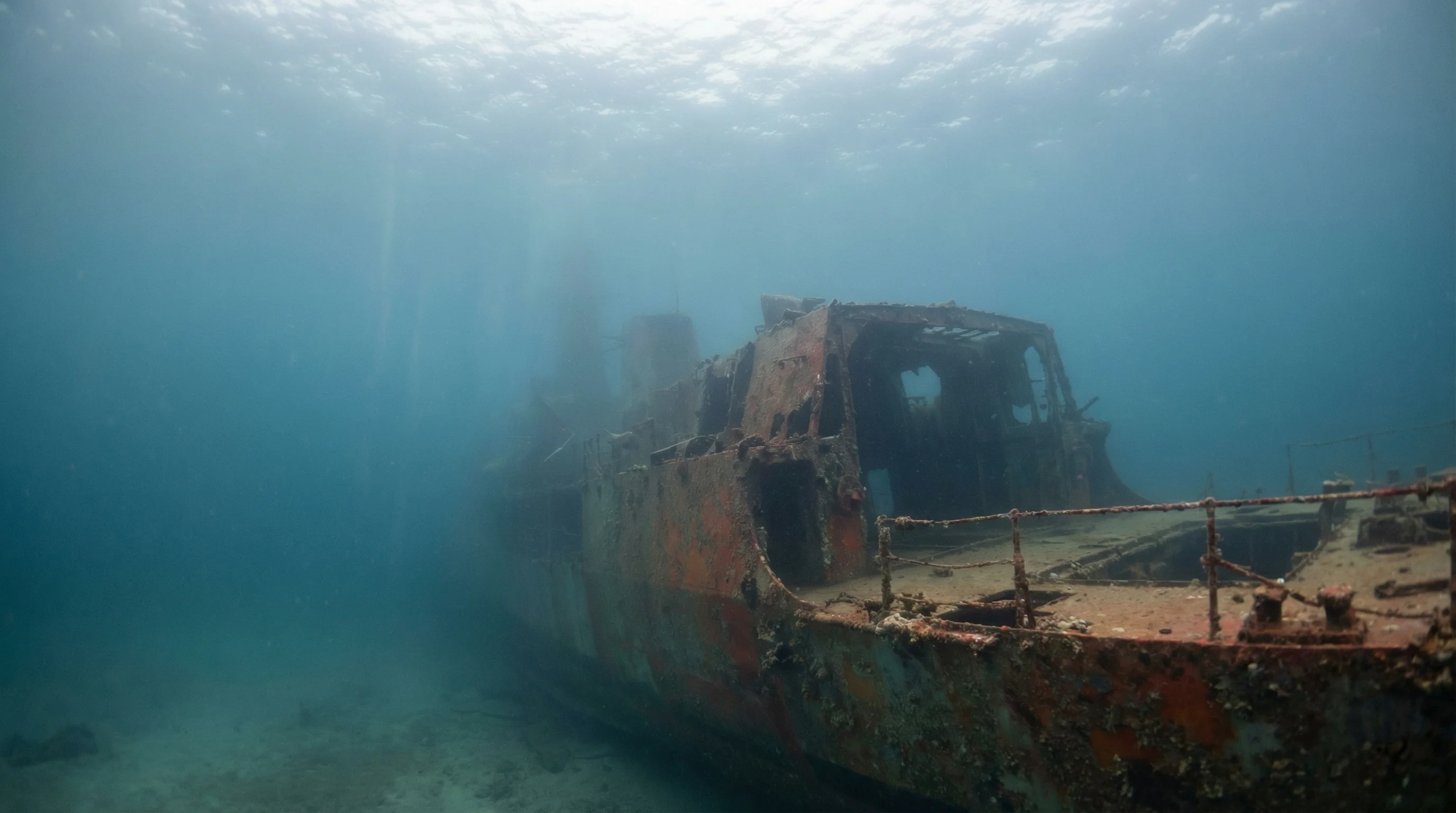
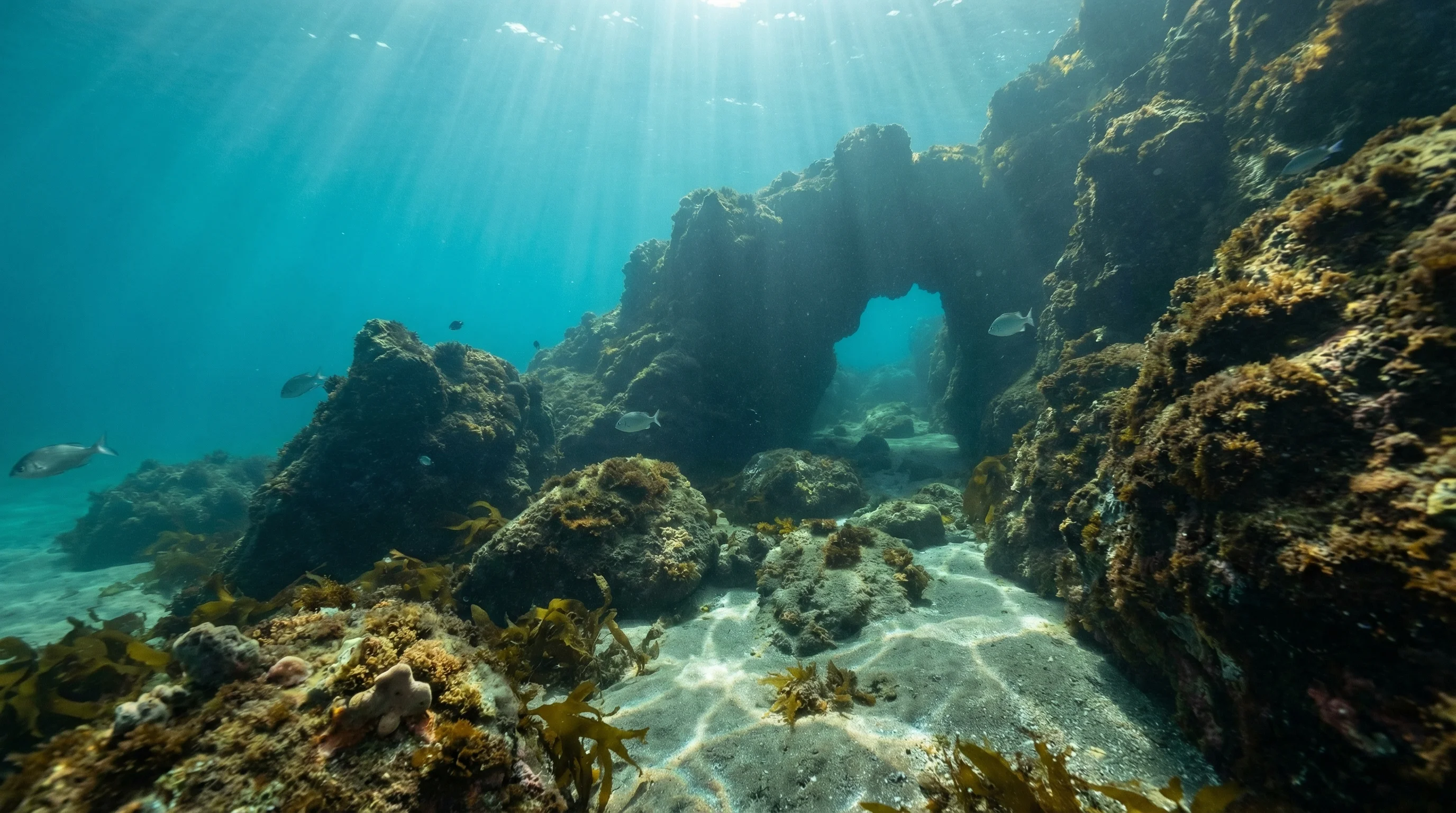
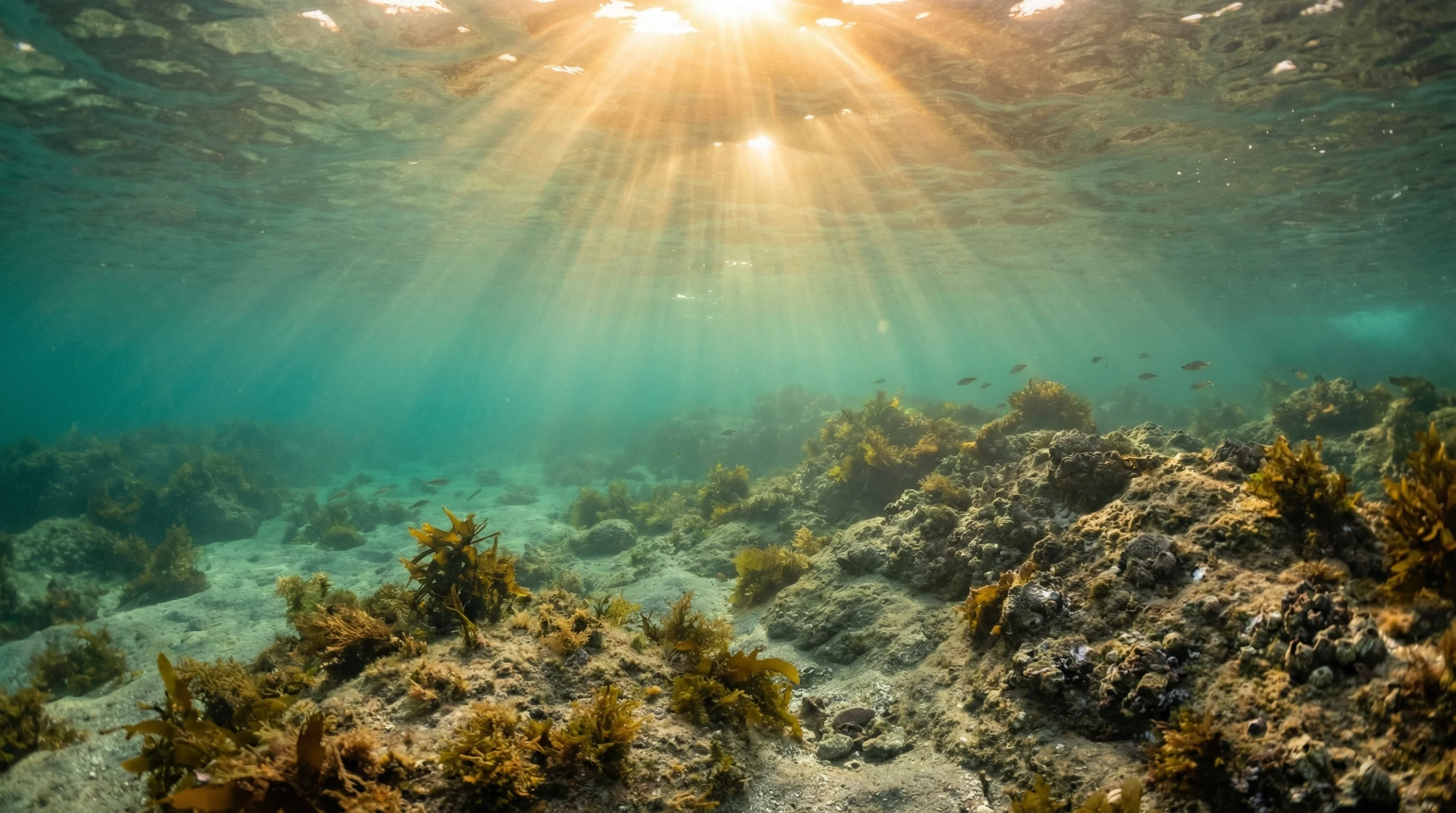
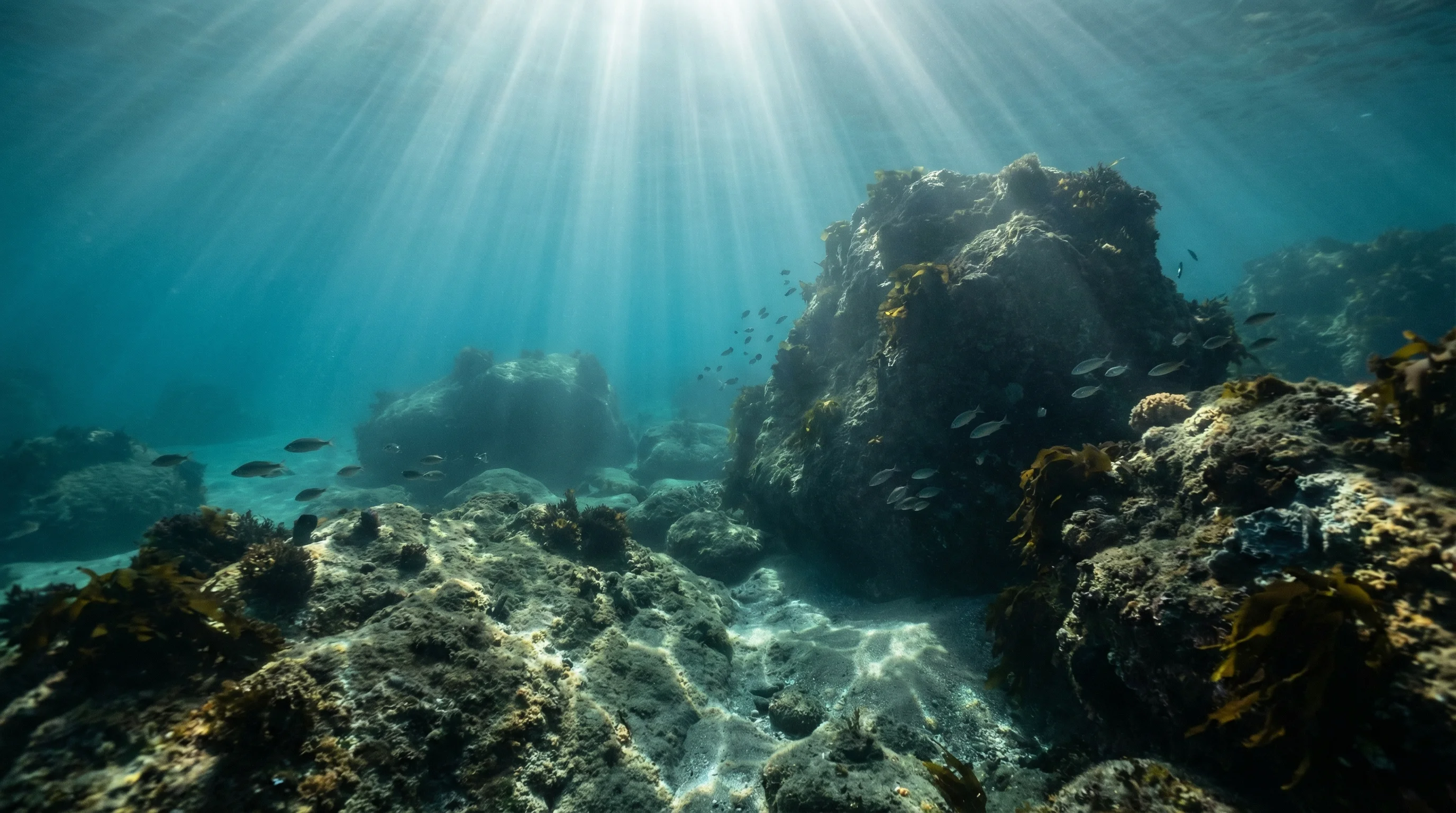
The East Coast of New Zealand's North Island offers a mix of dive and snorkel sites shaped by temperate conditions and rocky coastal terrain. Smooth Ray is the signature encounter here, appearing across nearly all sites alongside Crayfish, Blue Maomao, Butterfly Perch and dense sponge growth. Blue Cod is reliably present, while Kingfish, Eagle Ray and Righteye Flounder add variety. Water is warmest from late spring through late summer, with visibility that rewards calm-day planning.
Monthly water temperature across East Coast's sites, from satellite sea-surface data corrected for depth. The band shows the site-to-site spread.
Water temperatures peak through summer and ease into cooler conditions from mid-autumn, reaching their coldest in late winter before climbing again in spring. The histogram shows fairly consistent diver interest across most of the year, with a slight dip in late winter when conditions are at their coolest. Exposed coastal sites can bring variable visibility, so calm spells between autumn and early summer tend to offer the most rewarding dives.
3 operators
New Zealand
New Zealand
18 more sites to explore
Water temperature around East Coast ranges from about 14°C in July to 20°C in January, based on satellite sea-temperature data for its dive sites.
In the warm season (about 20°C) a 5mm suit is comfortable in East Coast; in the coldest months (about 14°C) step up to a 7mm or semi-dry suit.
Fin maps 18 sites in East Coast (13 scuba diving sites and 9 snorkelling spots, with some suited to both).
Smooth Ray is the signature species and is observed across almost all sites. Crayfish, Blue Maomao, Butterfly Perch and sponge growth are equally widespread. Blue Cod is common, and there are observation-backed records of Eagle Ray, Kingfish, Righteye Flounder, Butterfish and Seahorse for those who look carefully.
The region includes a mix of dive sites, and with only one local operator listed, Dive Tatapouri, it is worth contacting them directly about site-specific skill requirements. Exposed coastal conditions and variable visibility mean some sites will suit more experienced divers, particularly during unsettled weather.
The East Coast has both dive-only and snorkel-only sites, with a number accessible to both activities. Dive Tatapouri is the local operator and can advise on boat versus shore entry options. Checking sea state before heading out is important, as exposed sections can become difficult on swell-affected days.
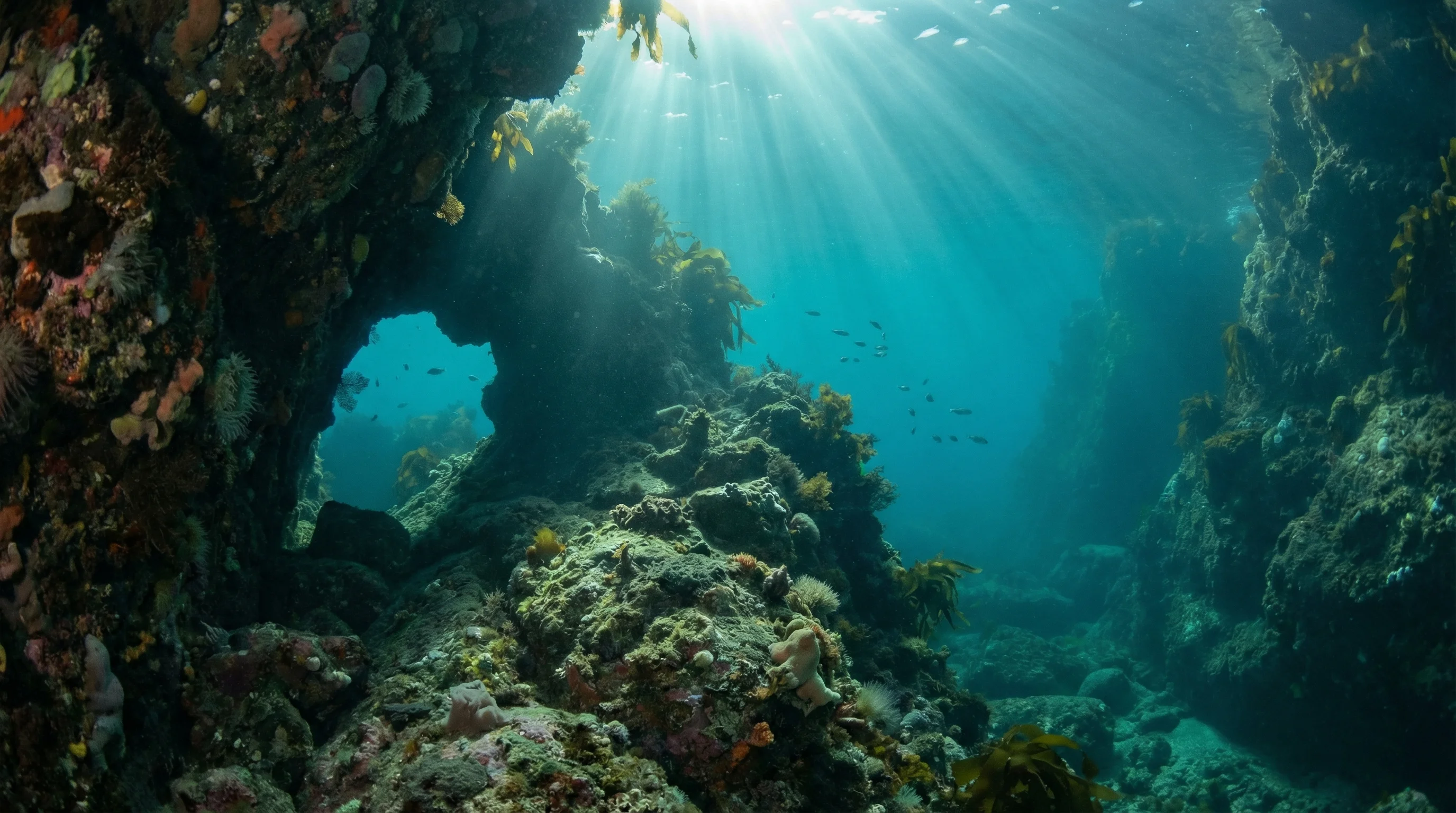
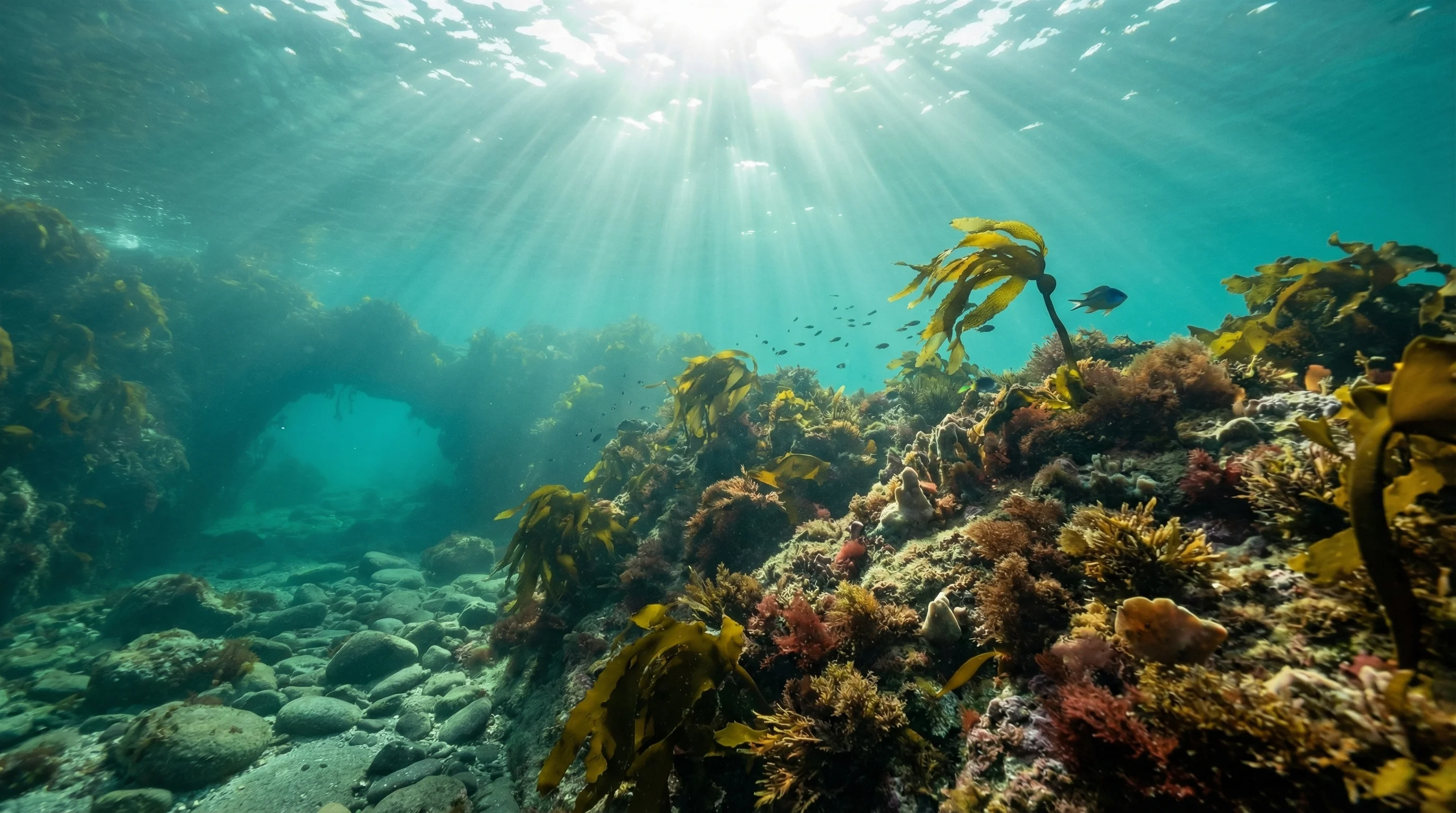
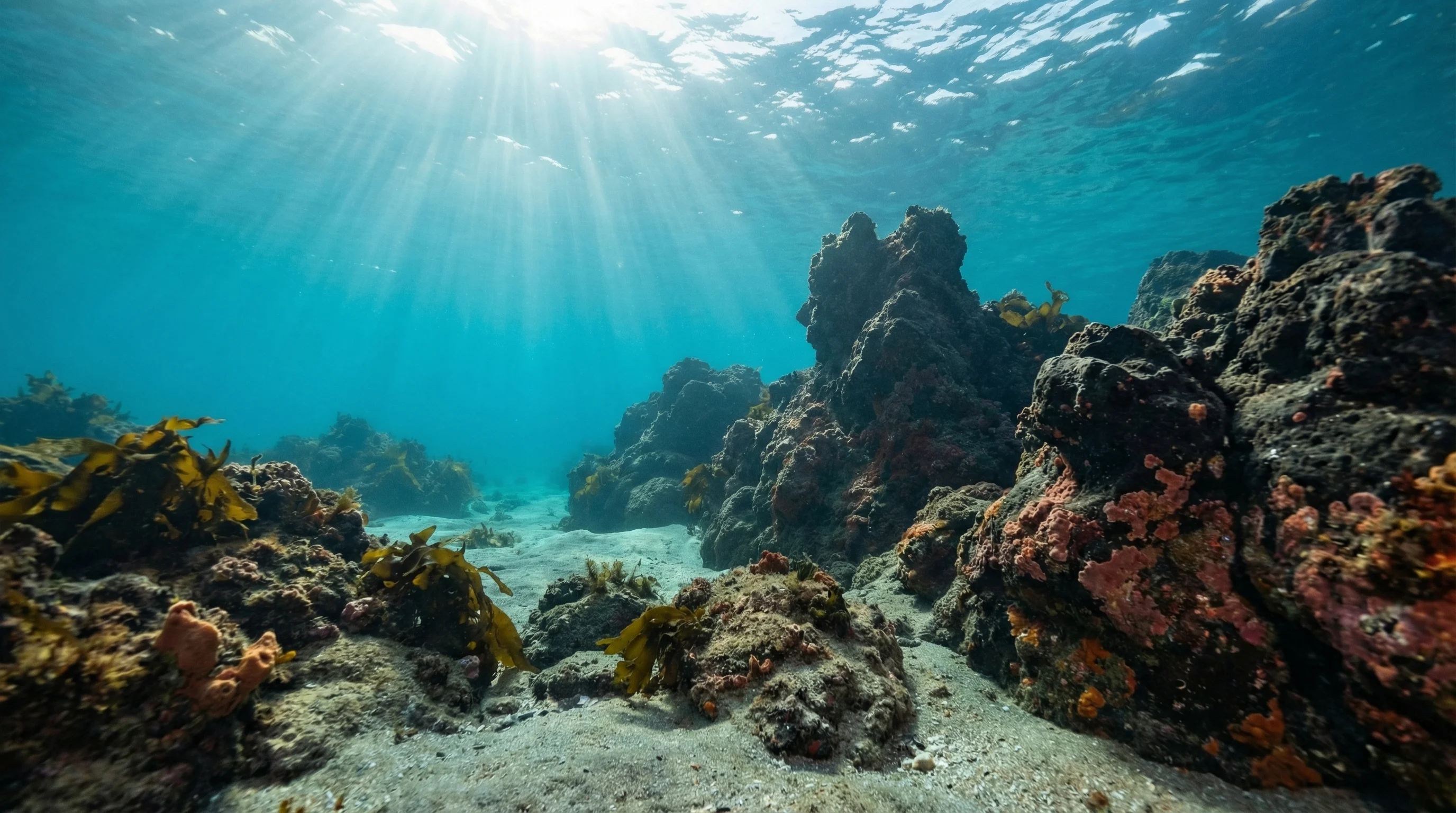
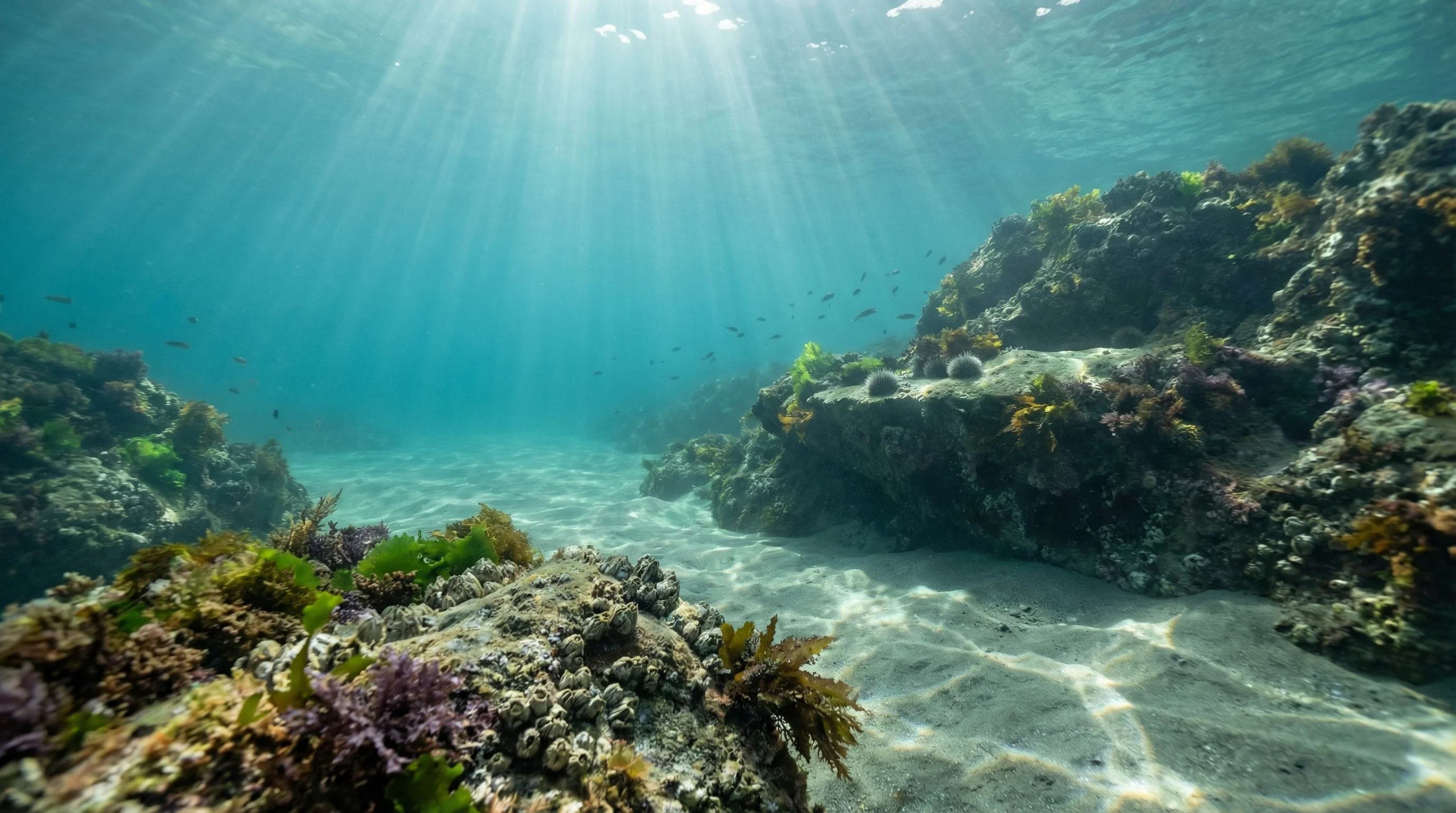
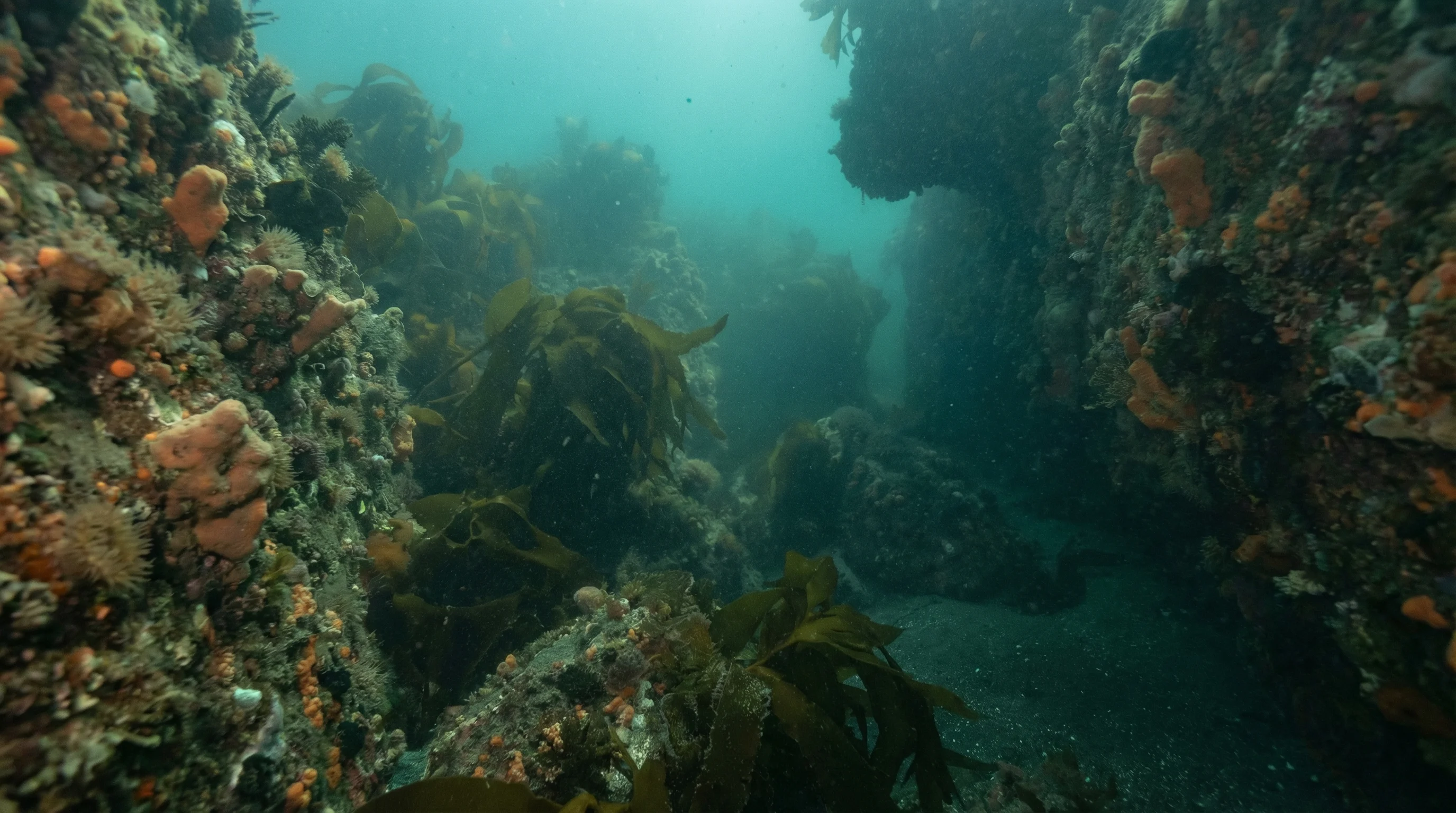
The combination of Smooth Ray as a near-guaranteed sighting, dense Crayfish populations and colourful reef fish like Blue Maomao and Butterfly Perch gives the East Coast a distinct temperate reef character. Sponge growth is a consistent feature across sites, providing structure that supports a wide range of species in relatively compact dive areas.