Astropecten spp.
Common but easy to miss: sand stars bury in sandy seabeds from the Carolinas to Florida, spotted year-round in temperate and warm waters.
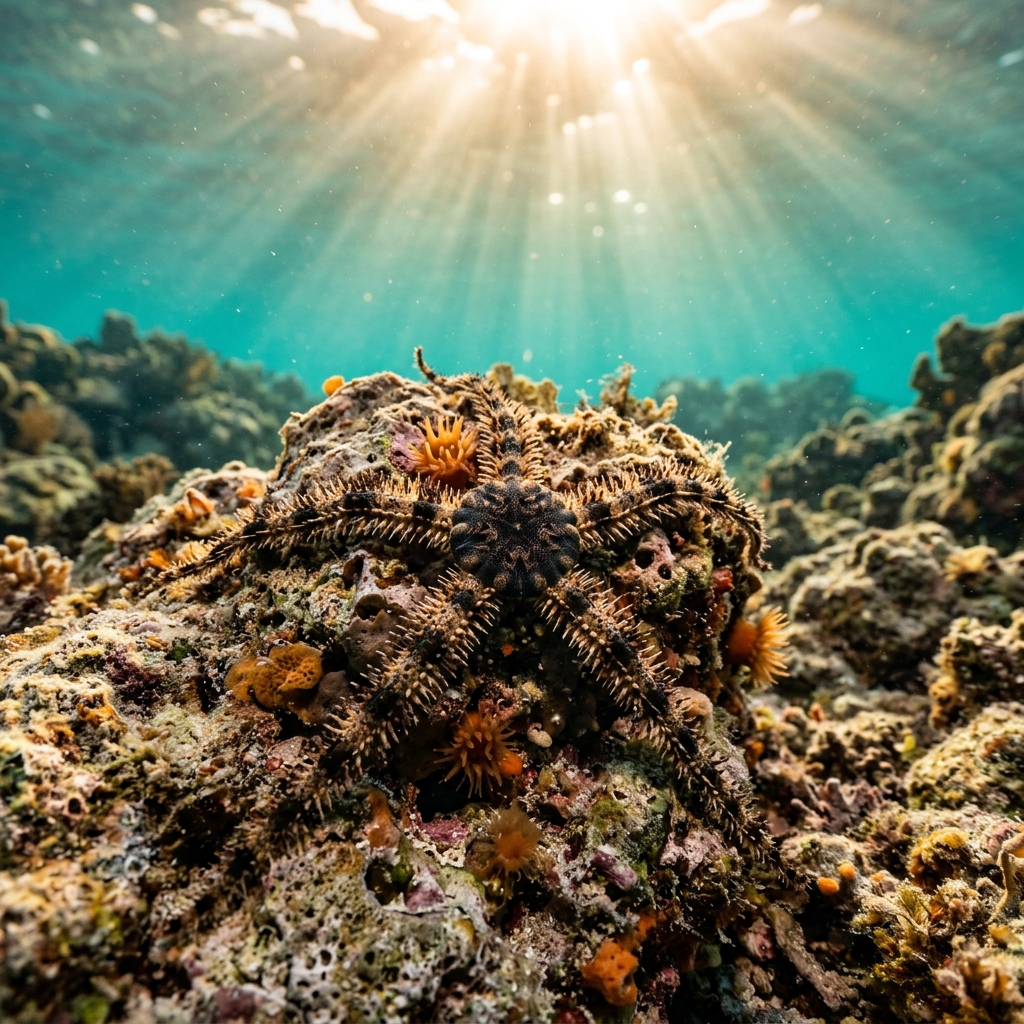
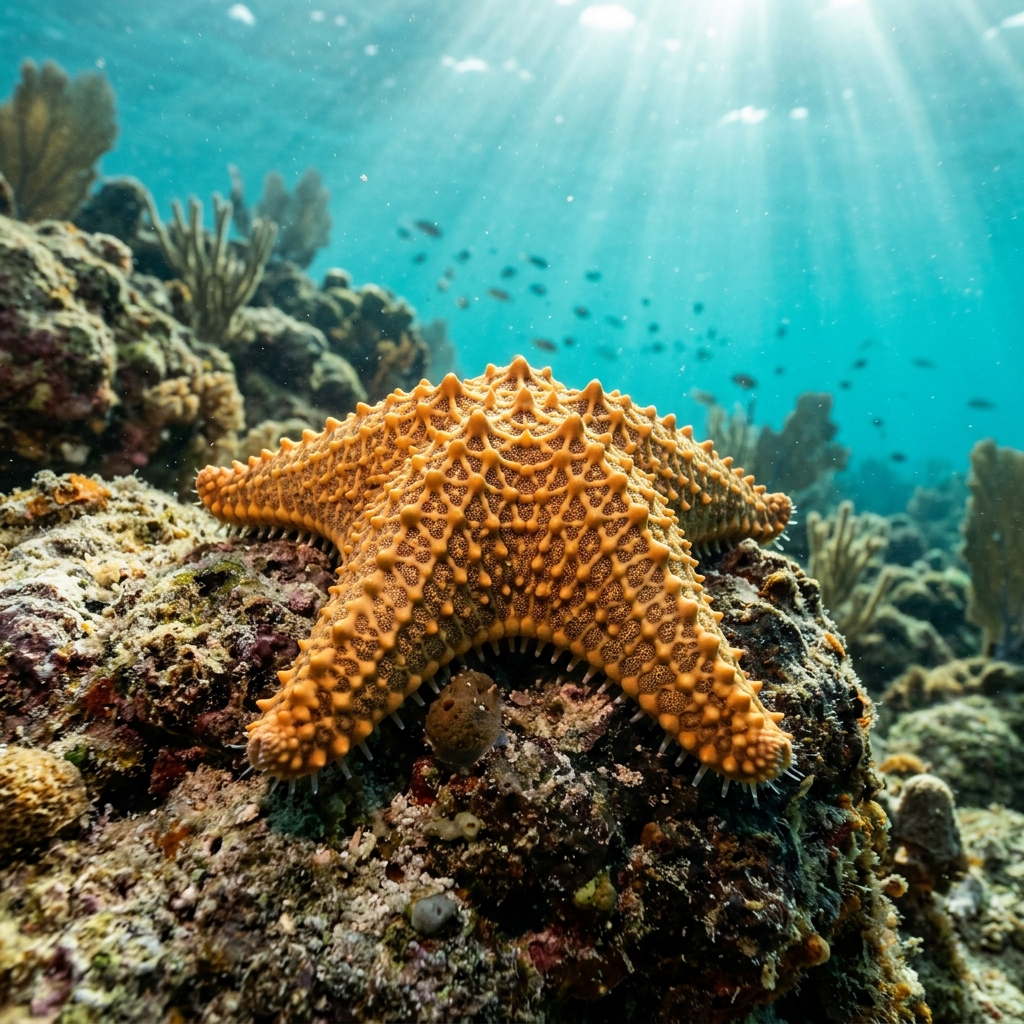
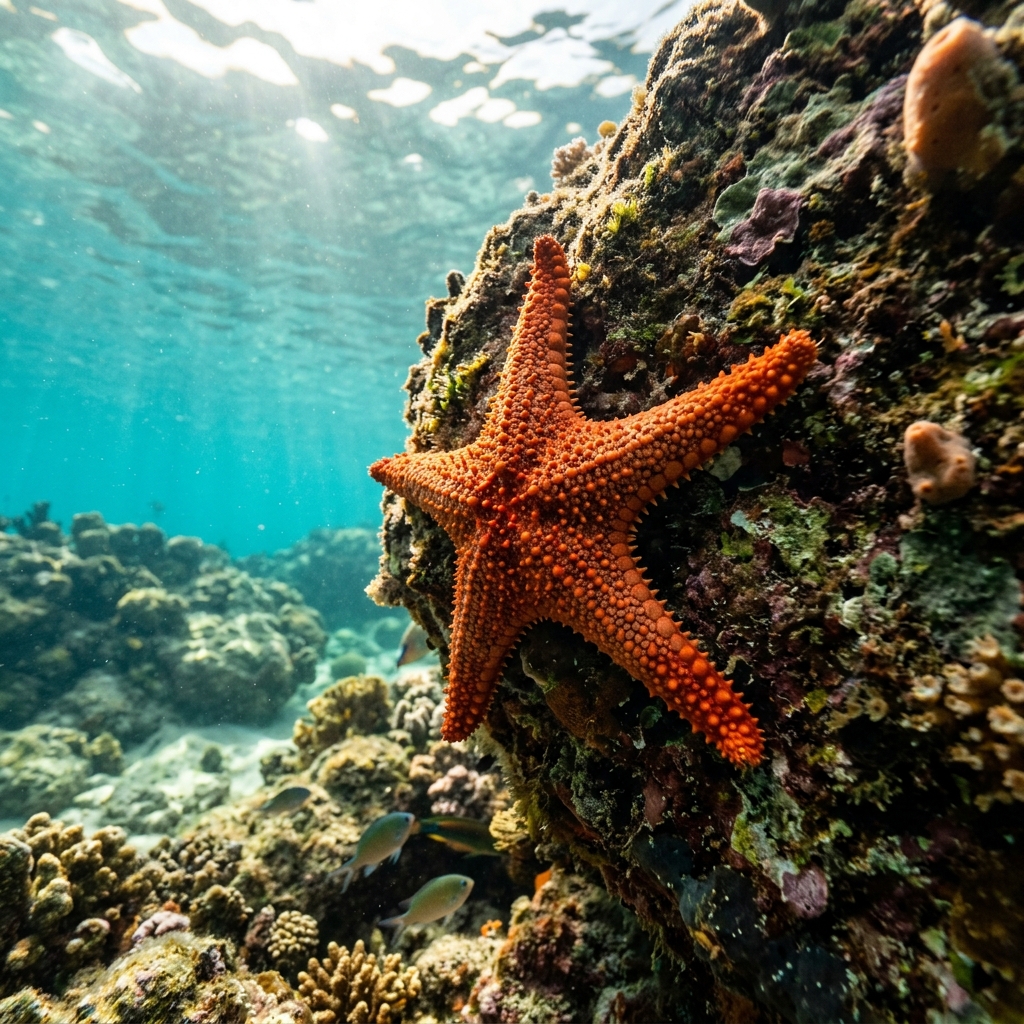
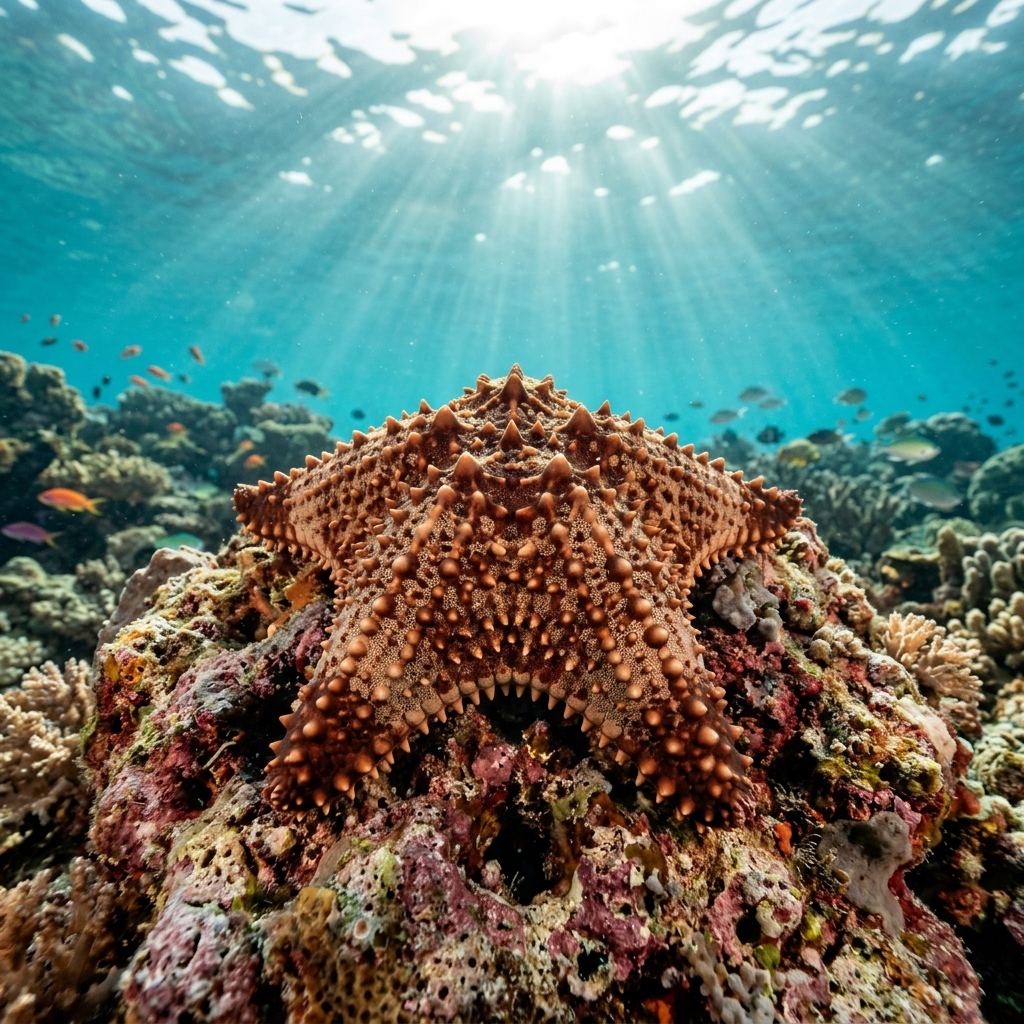
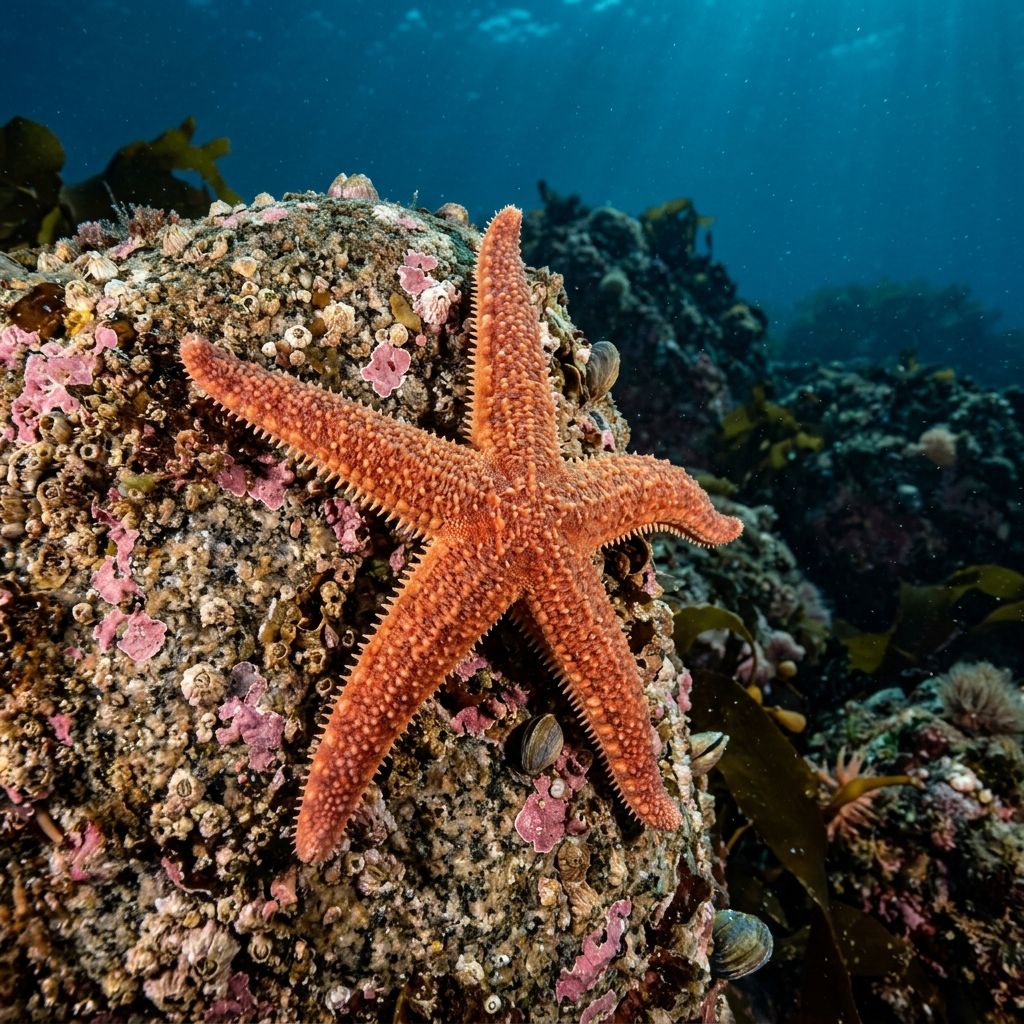
Look for a flattened sea star with five slender, tapering arms edged in a distinct row of small spines, giving the outline a fringed look rather than smooth. Colour runs pale tan to grey or sandy brown, which combined with the flattened shape makes it blend into the seabed it sits on. Unlike the chunkier, thick-armed sea stars divers usually picture, this genus stays low and lean, often half-buried with just the arm tips or edges showing through the sand.
Spend most daylight hours partly or fully buried in sand, so divers usually spot one by noticing the faint outline of arms or a slight mound in an otherwise flat sandy patch. Slow-moving and unbothered by divers, it will not flee or react much if you hover close, making it an easy one to photograph once found. Best searched for by scanning open sand and sediment flats away from the reef itself, rather than on coral or rock.
Unlike many sea stars that evert their stomachs to digest prey externally, Astropecten species swallow small molluscs and other invertebrates whole, digesting them internally before the shells are later expelled.
No clear seasonal pattern shows in the data, and with a temperature range spanning 6.9 to 26.5 C it turns up across cool temperate and warm sites alike, so it is fair to call this a year-round find wherever it occurs.
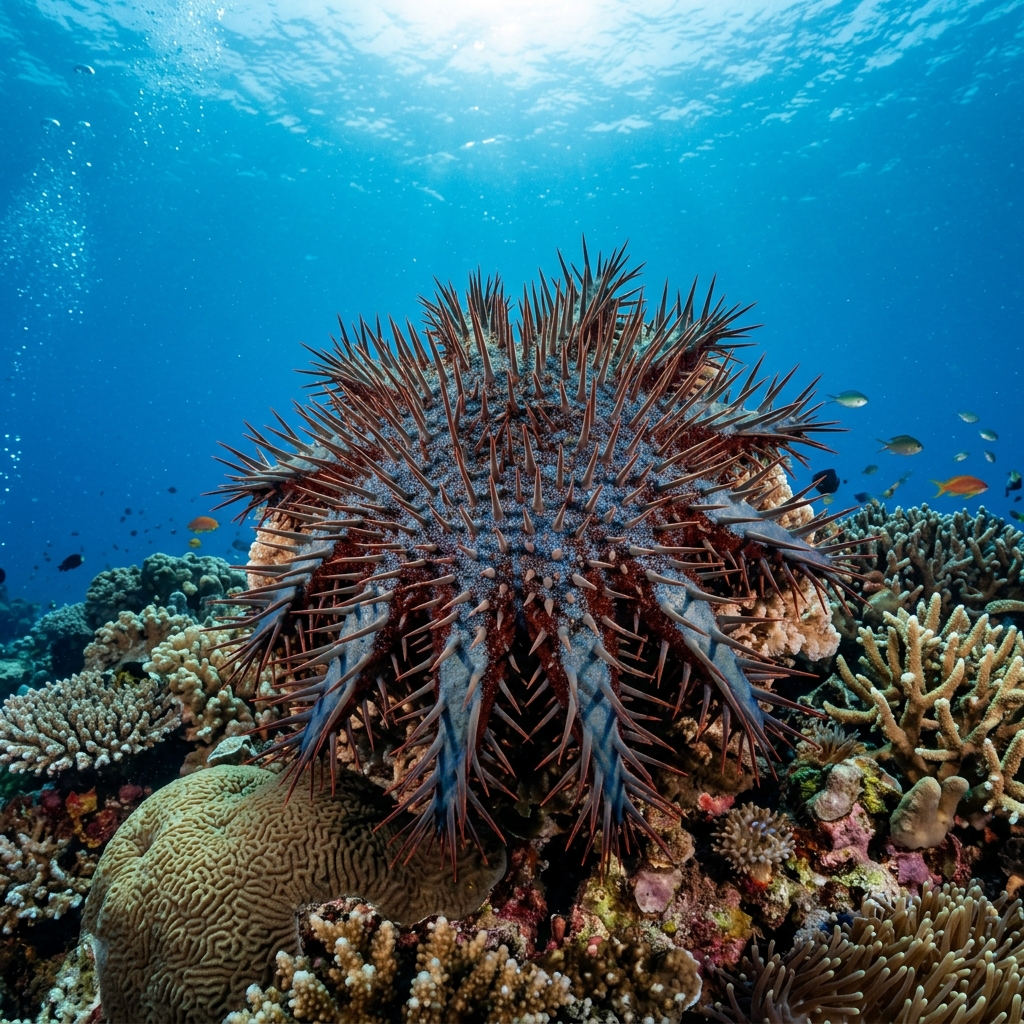
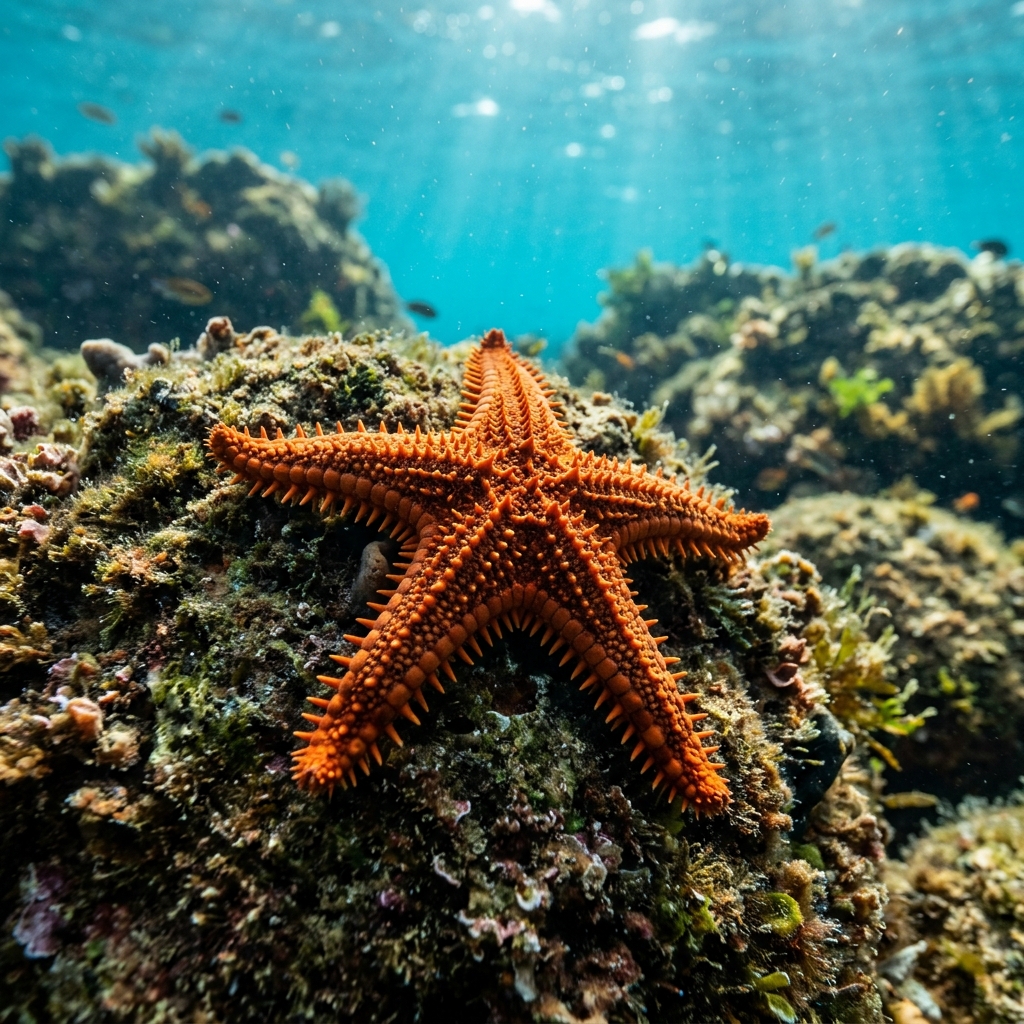
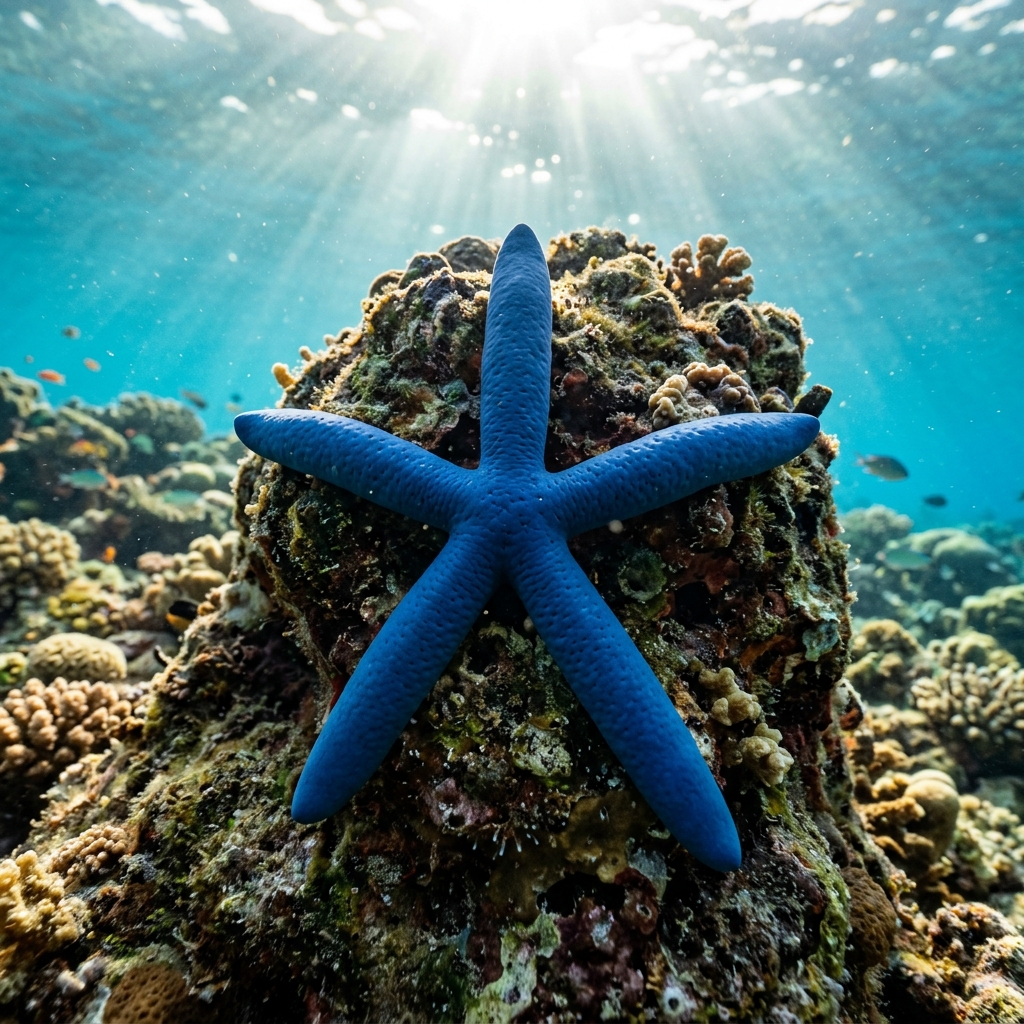
Reef neighbours a diver could mistake it for. Use the identification notes above to tell them apart.
Most reliably logged on sandy sites in the United States, especially the Carolinas, Florida, and the Northeast, with strong showings in France (French Riviera & Provence), Italy, Greece, and Spain around the Mediterranean. Also a solid find in Australia, from Western Australia to Queensland, and in the UK, especially Scotland, plus Canada.
Mapping where Sand Star is logged…
It shows up widely on sandy dive sites, most notably in the Carolinas, Florida, and the Northeast US, plus the French Riviera, Italy, Greece, and Spain in the Mediterranean, and Western Australia and Queensland in Australia.
There is no strong seasonal pattern in the sightings, and it tolerates a wide temperature range from under 7 C to over 26 C, so it can be found year-round wherever it lives.
Look for a flattened, sandy-coloured sea star with five slender tapering arms lined with small spines along the edges, usually half-buried in sand rather than sitting exposed on rock or reef.
No, they pose no danger to divers and can be observed or photographed up close without any risk.
Rather than digesting prey outside its body like many sea stars, it swallows small molluscs and invertebrates whole and digests them internally, a trait shared across the Astropecten genus.
Exact size data is not available for this genus, but Astropecten sea stars are generally small to medium sized compared to bulkier sea stars like the cushion star, with a flattened, low profile.
Site and sighting data is aggregated from diver logs, iNaturalist and GBIF. For taxonomy and conservation status:
Crown of Thorns Sea Star
2,168 sites