Caprodon longimanus
Pink Maomao patrol cool New Zealand reefs from Northland to the Coromandel. Here's how to spot them and where they're most reliably logged.
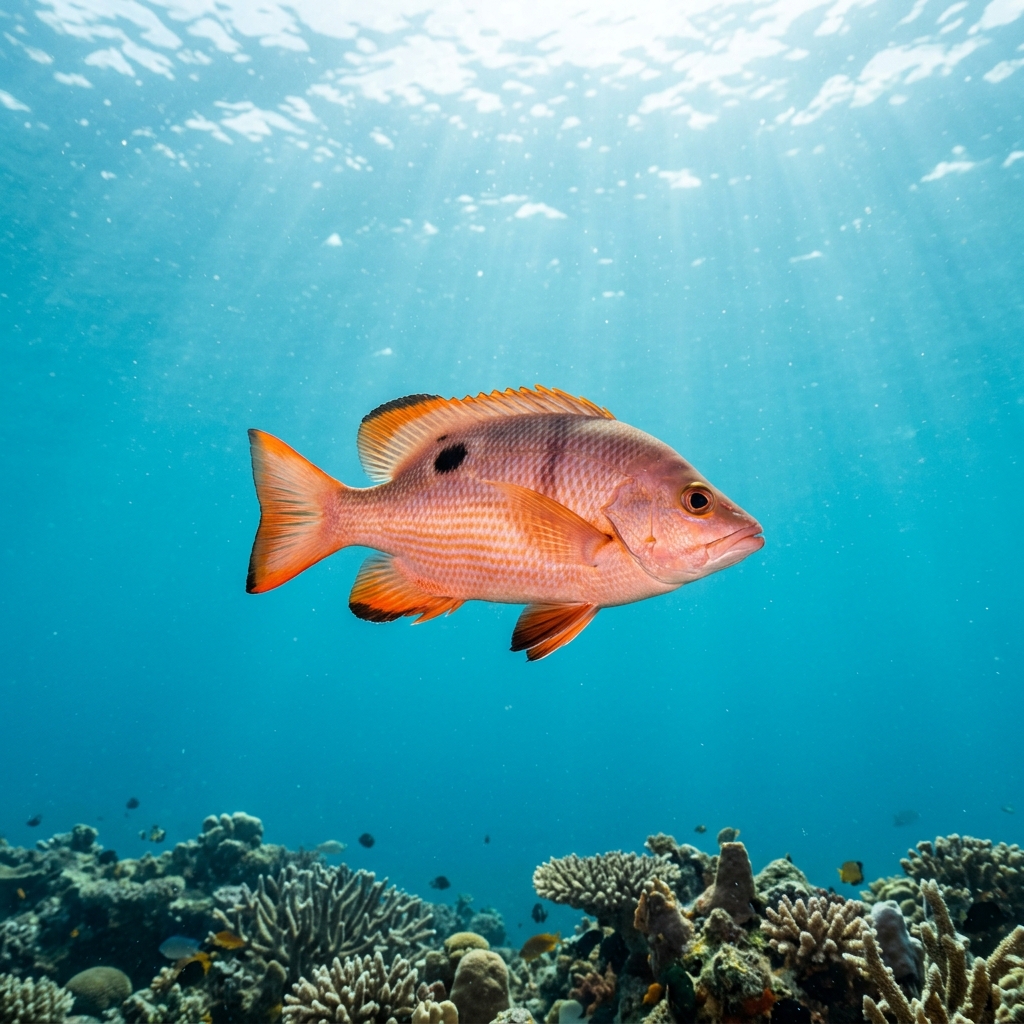
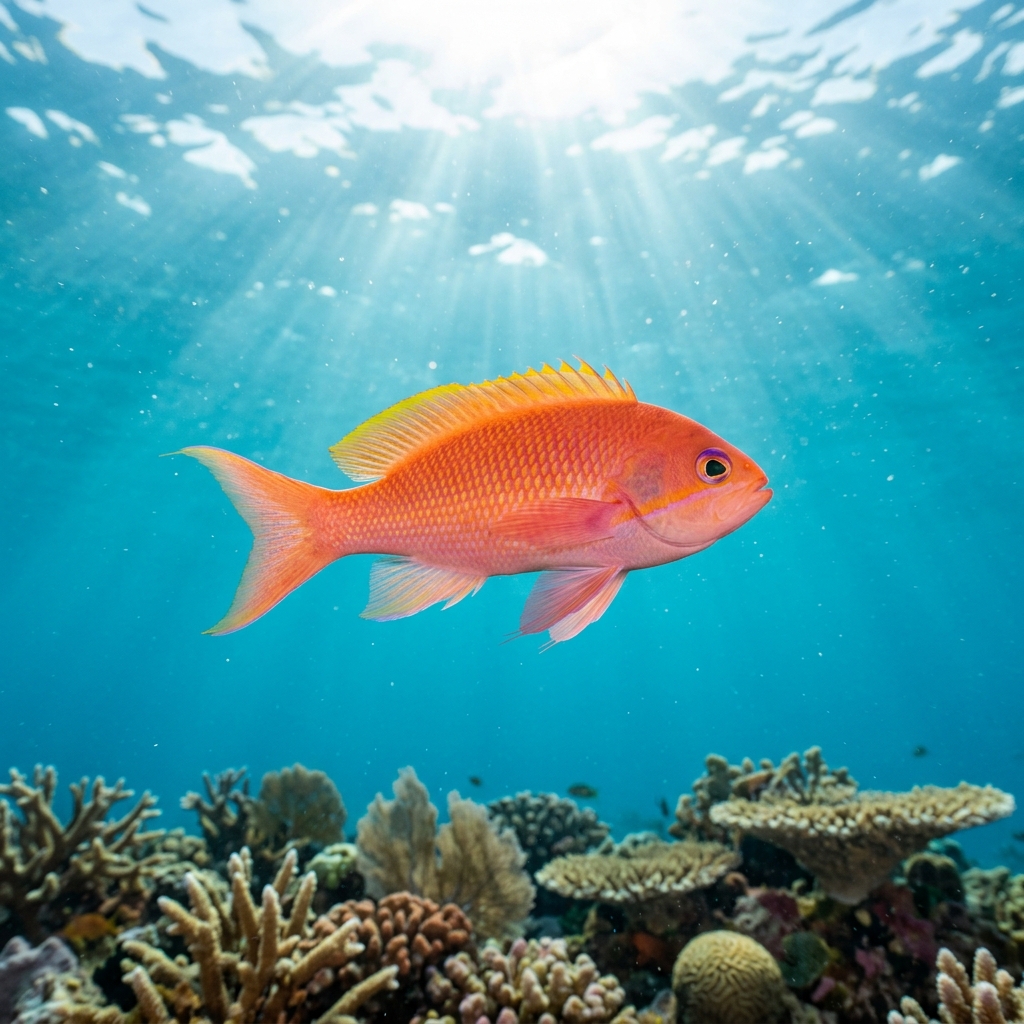
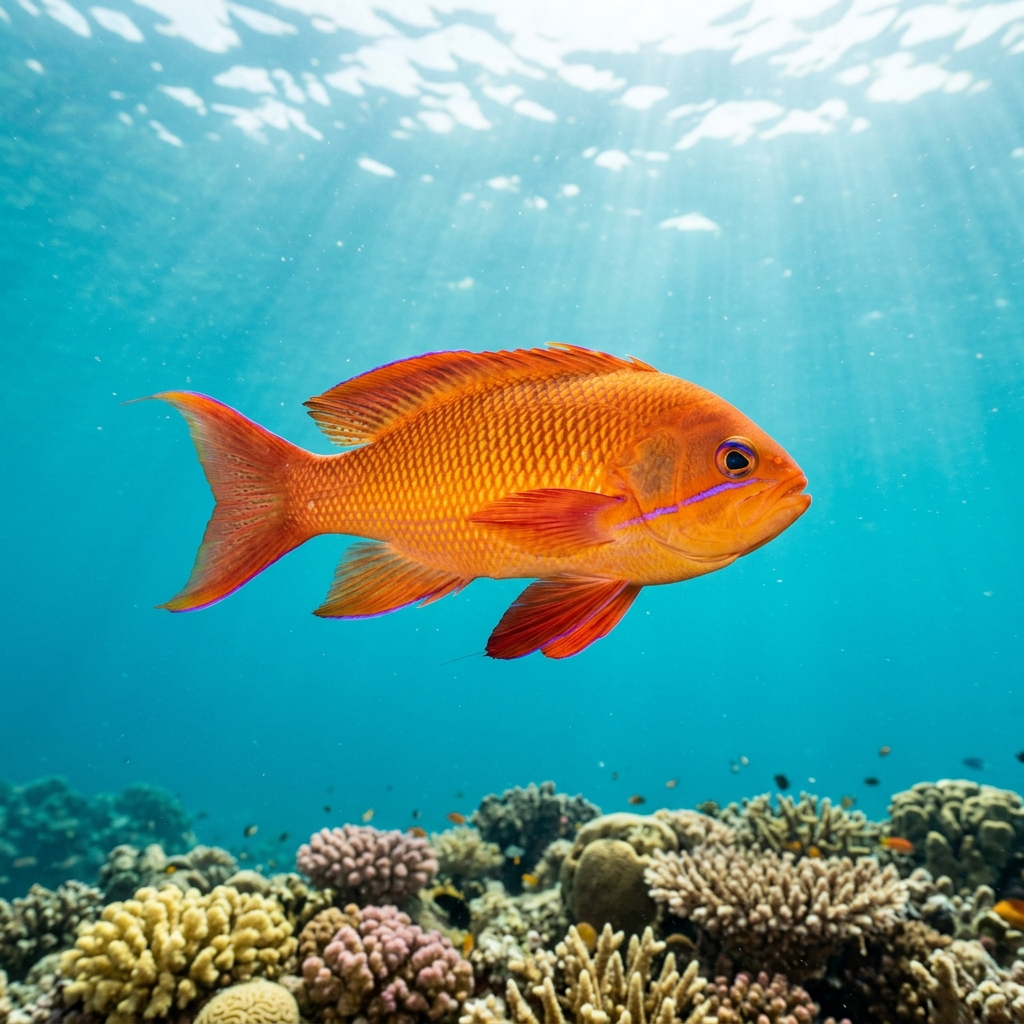
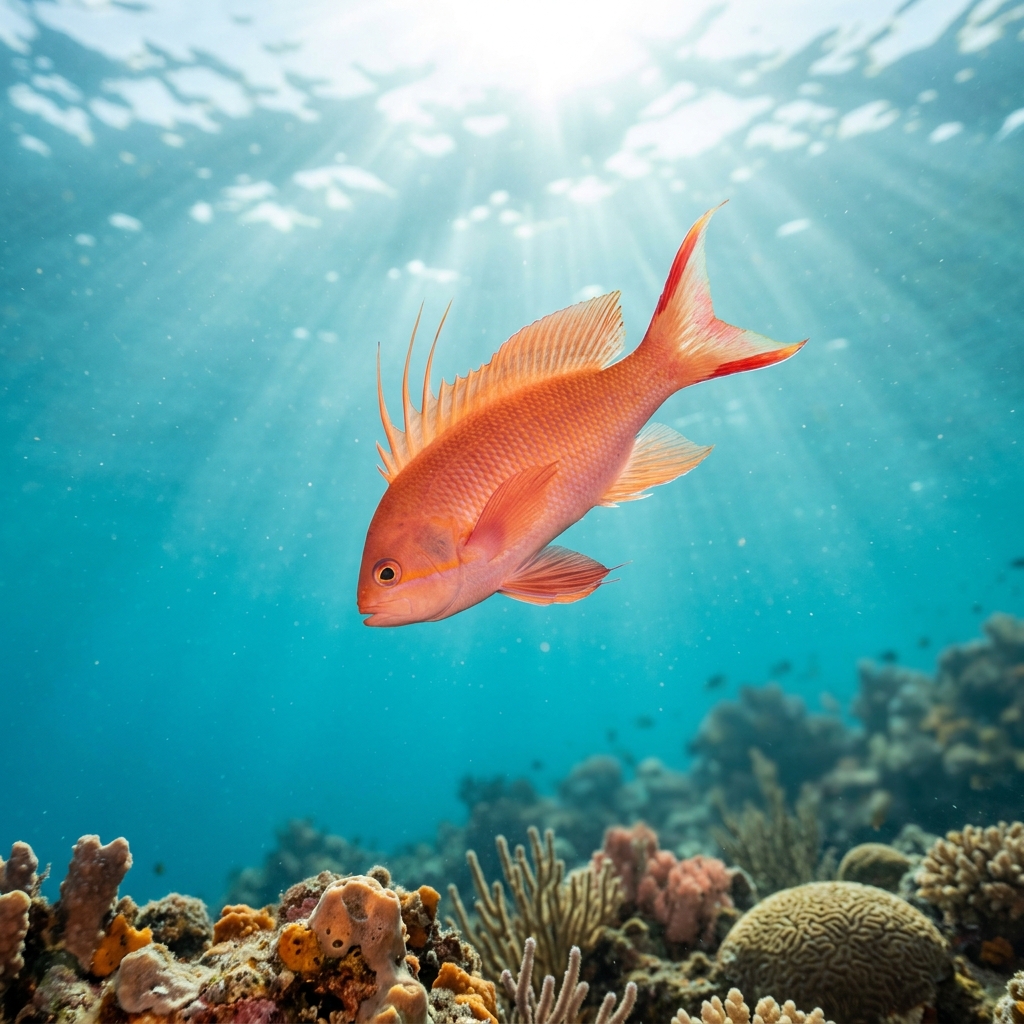
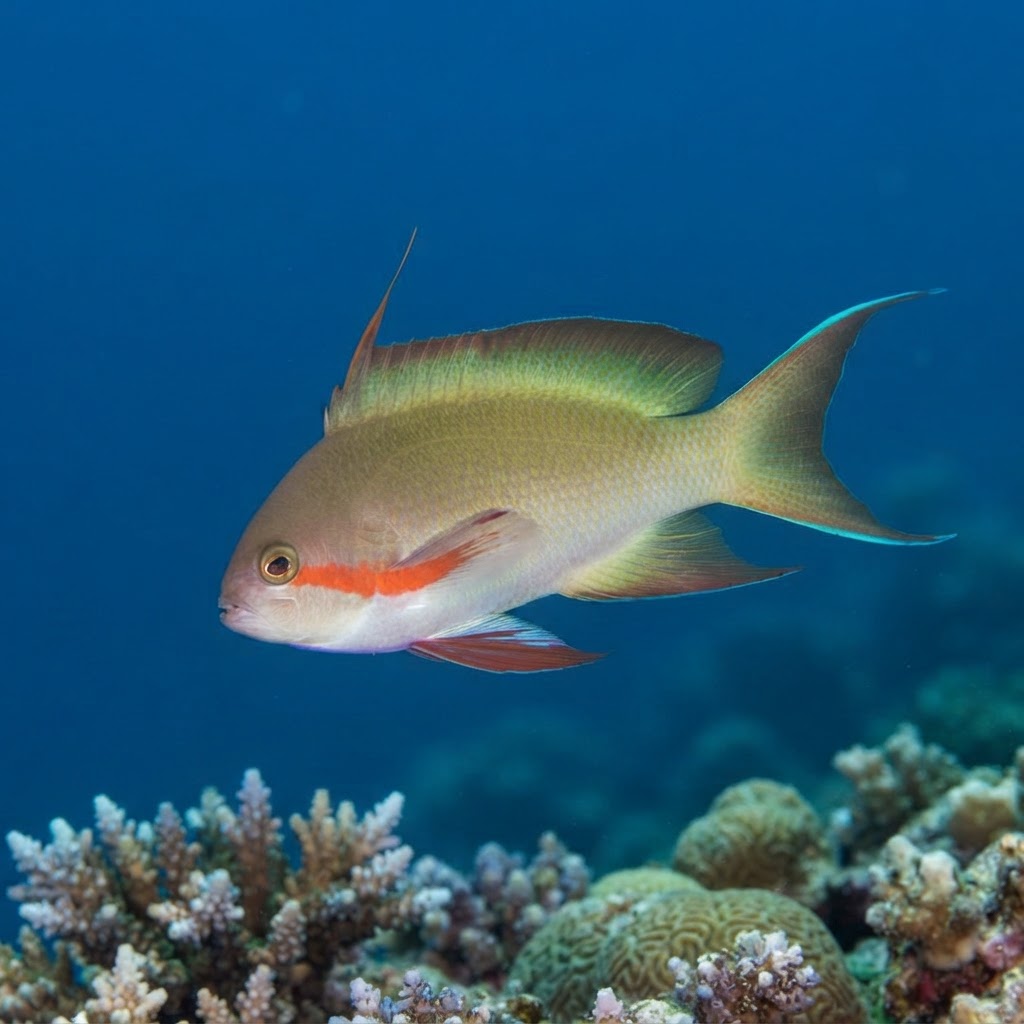
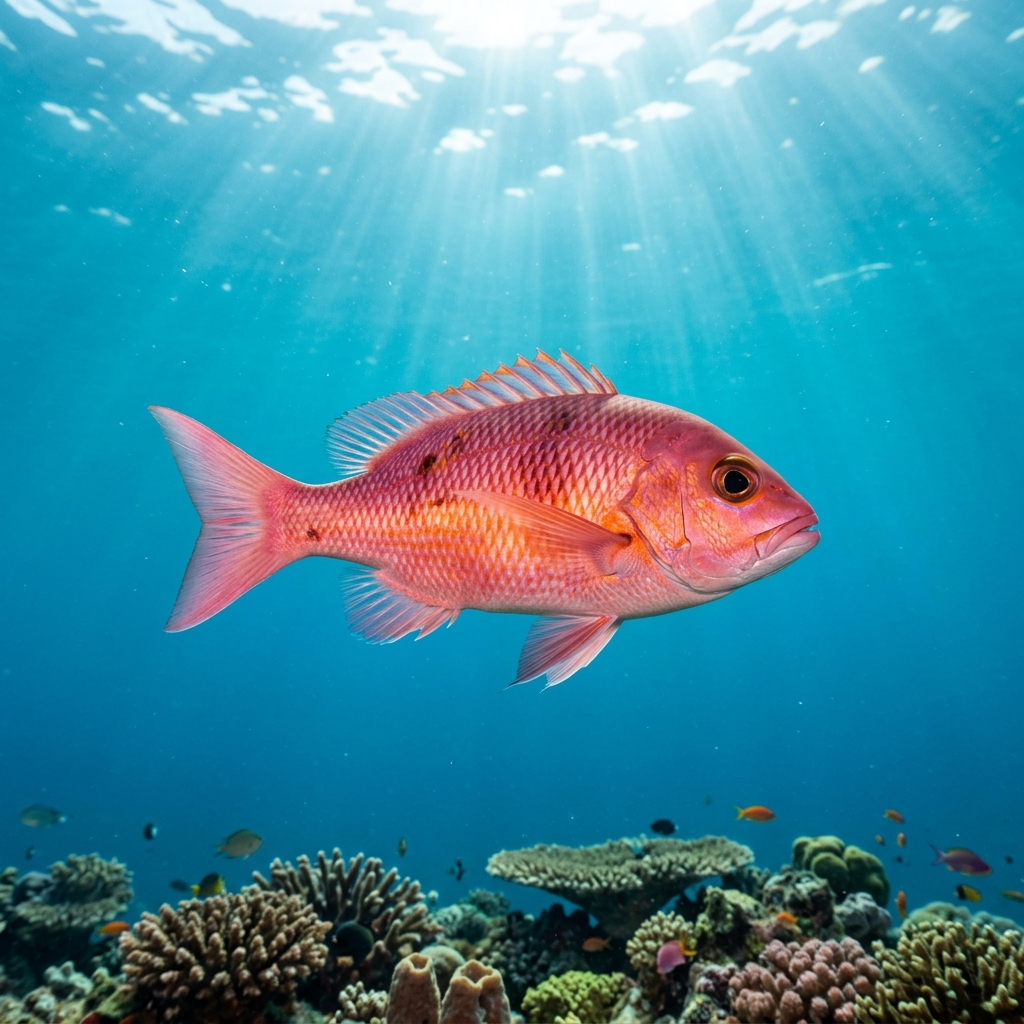
A deep-bodied, oval-shaped fish dressed in soft rose-pink to salmon colouring across the whole body, reaching roughly 38 cm in length. The long, trailing pectoral fins (the broad fins on the sides, used for manoeuvring) are the clearest field mark and the source of the species name. Males tend to show brighter, more saturated pink with a pale patch behind the eye, while females and juveniles run slightly duller overall. On cool-water reefs this warm pink colour stands out immediately against darker rocky substrate.
Pink maomao tend to form loose aggregations (small social groups that hover in the water column) around rocky reef walls and pinnacles, often mid-water rather than tight to the bottom. They are not particularly skittish, and patient divers can approach reasonably close before the group drifts deeper. Sightings are most often reported during daylight dives, with fish actively picking small invertebrates and zooplankton from the current.
Like other anthiadids, pink maomao are protogynous hermaphrodites: large, dominant females can change sex and become functional males, complete with brighter colouration. This means the most vibrantly pink individual in a group is likely the dominant male.
There is not enough monthly sighting data to point to a peak season, so treat it as a year-round resident. Its observed temperature window of roughly 16 to 23 °C matches the cool-temperate water that dominates New Zealand and south-eastern Australian reefs throughout the year.
Reef neighbours a diver could mistake it for. Use the identification notes above to tell them apart.
New Zealand is by far the best place to look, with Northland and Auckland leading the count and the Coromandel and Bay of Plenty coast close behind. A scatter of sites along the New South Wales and Victorian coasts of Australia also produce sightings, and there is one confirmed location in the Valparaíso region of Chile, hinting at a broader Pacific range.
Mapping where Pink Maomao is logged…
New Zealand is the stronghold, particularly the Northland and Auckland coastline and the Coromandel and Bay of Plenty region. Smaller numbers of sites are recorded along New South Wales and Victoria in Australia, and there is a confirmed location near Valparaíso, Chile.
No clear seasonal peak has emerged from diver records, so they appear to be present year-round. Their preferred water temperature of 16 to 23 °C fits the cool-temperate conditions of New Zealand and south-eastern Australia in all seasons.
Look for an oval, deep-bodied fish about 38 cm long covered in uniform rose-pink colouring, with noticeably long pectoral fins trailing from the sides. Males are brighter with a pale patch behind the eye. The warm pink tone against cool, dark rocky reef makes them easy to pick out.
They typically reach around 38 cm, making them a medium-sized reef fish. At that length they are noticeably larger than many other anthiadids, which helps distinguish them underwater.
Yes. Pink maomao are protogynous hermaphrodites, meaning individuals start life as female and the dominant fish in a group can switch to become a functional male. Males develop more intense pink colouration, so the brightest fish in a group is usually the dominant male.
Site and sighting data is aggregated from diver logs, iNaturalist and GBIF. For taxonomy and conservation status:
Red-cheeked Anthias
425 sites