Carcharhinus brachyurus
Spot bronze whaler sharks in Western Australia, New Zealand and South Africa. Cool-water reef shark, commonly logged at sites across all three regions.
Safety warning
This species is confirmed dangerous to divers and has been involved in unprovoked incidents, particularly where fish or bait are present. Maintain a respectful distance, avoid erratic movements, and never dive with speared fish in the water when bronze whalers are around. If one begins to make close, repeated passes with a hunched posture and lowered pectoral fins, that is a threat display and the safest response is a slow, controlled exit.
If you're bitten
BiteGeneral first-aid guidance, not a substitute for professional medical care. In an emergency, call your local emergency number.
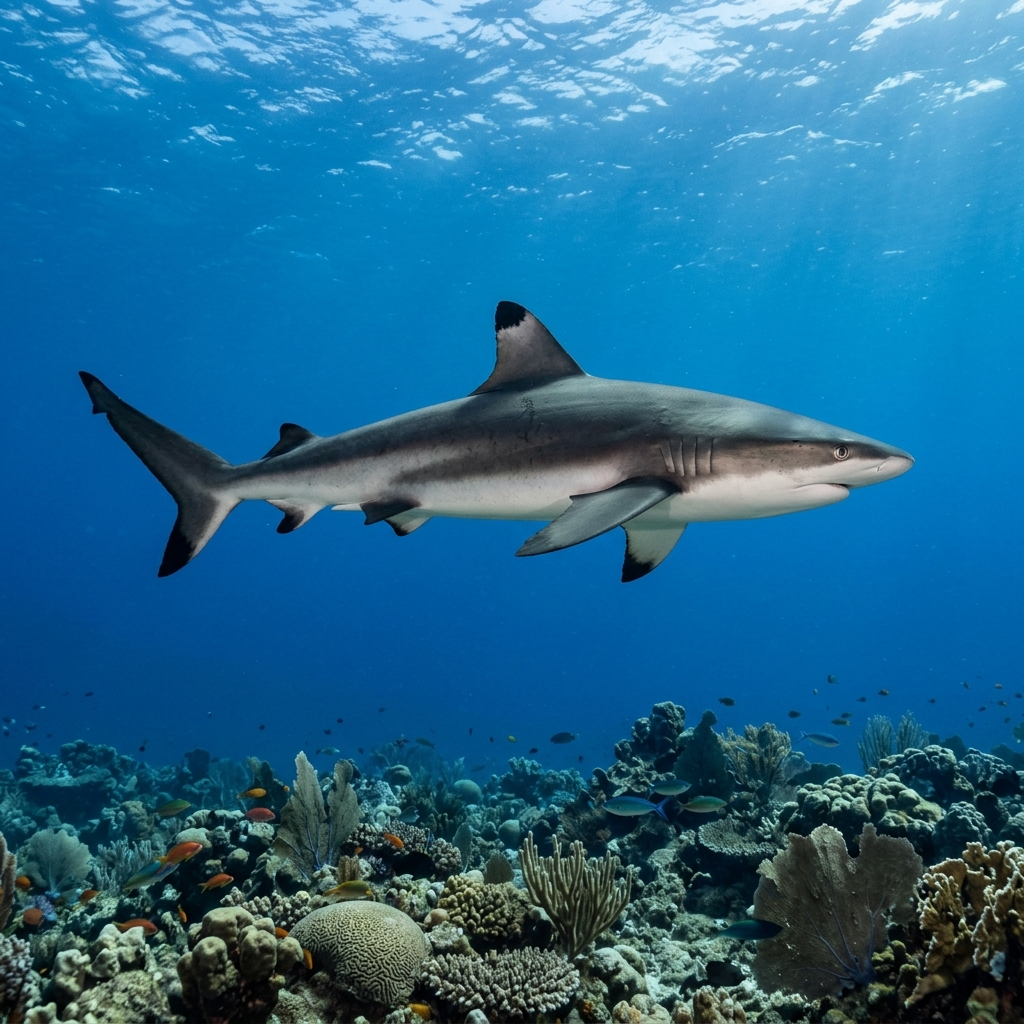
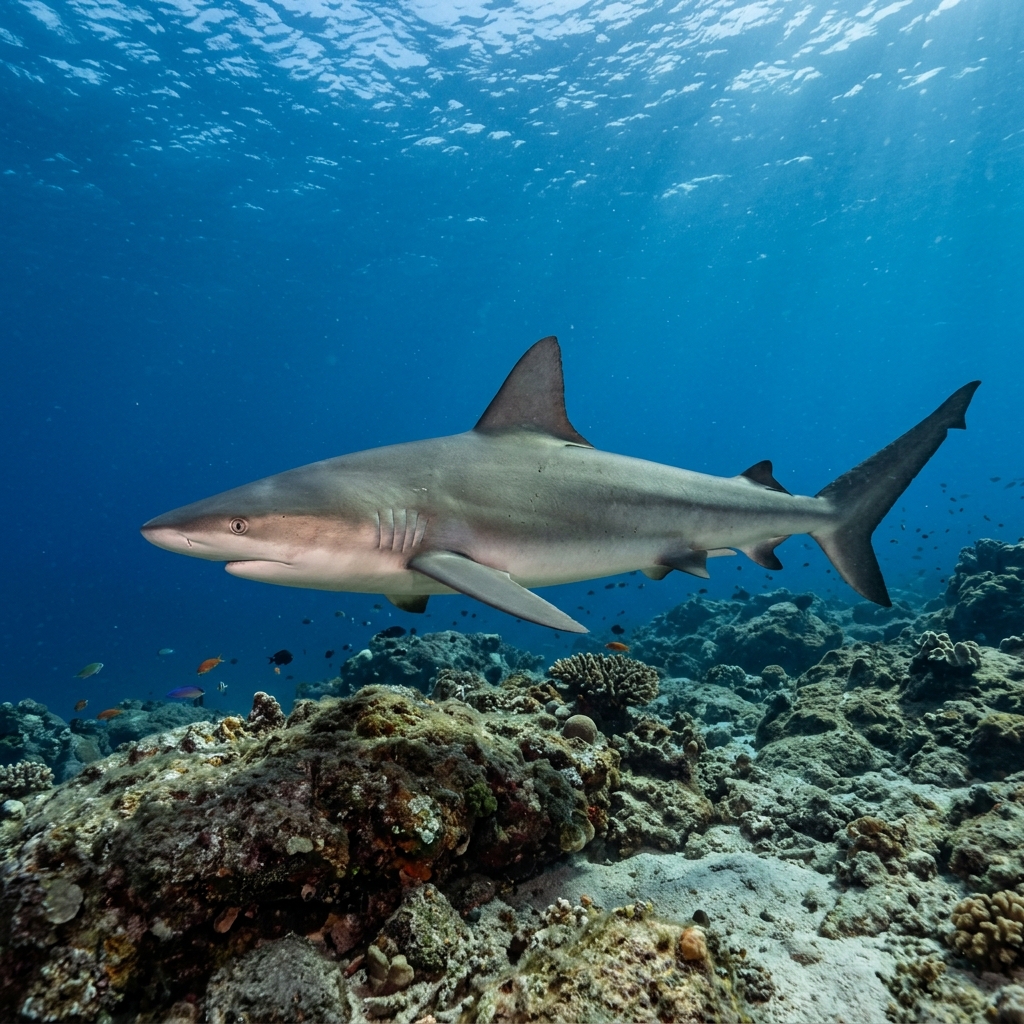
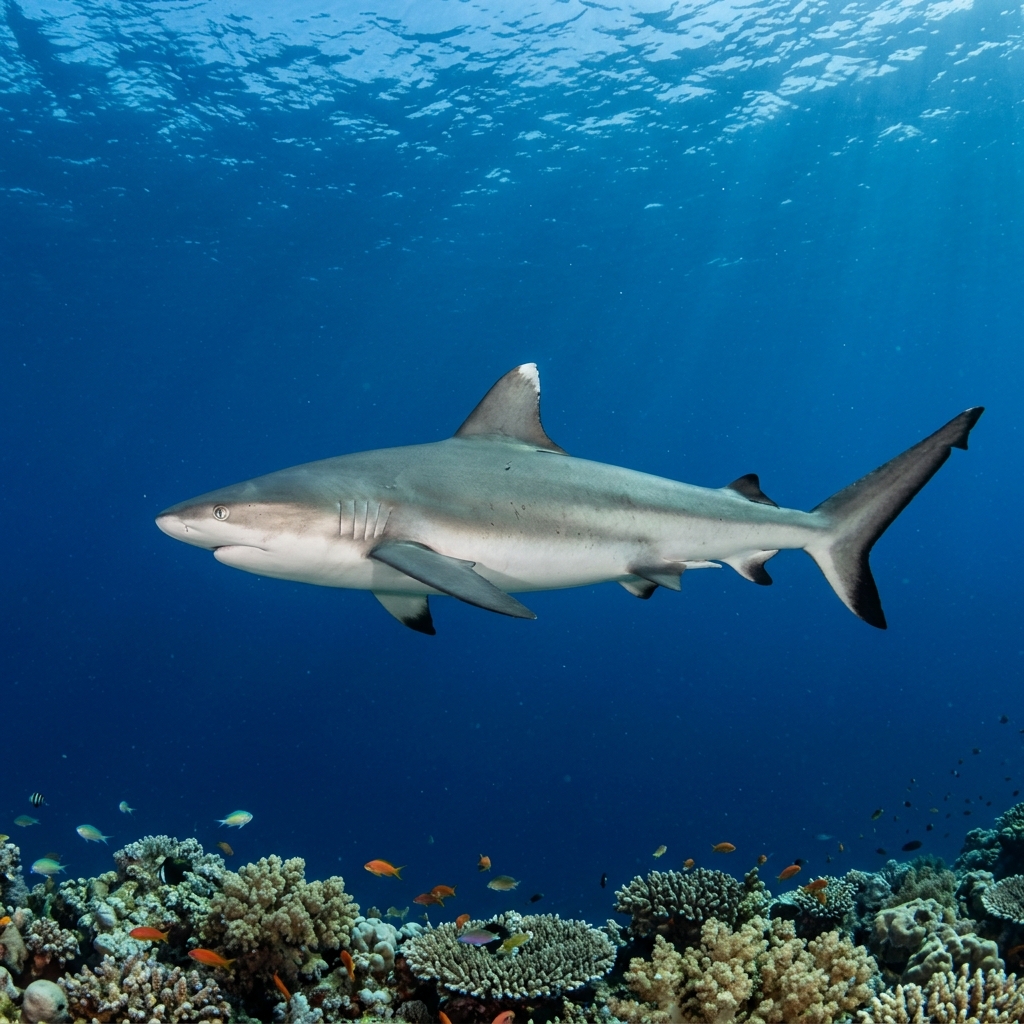
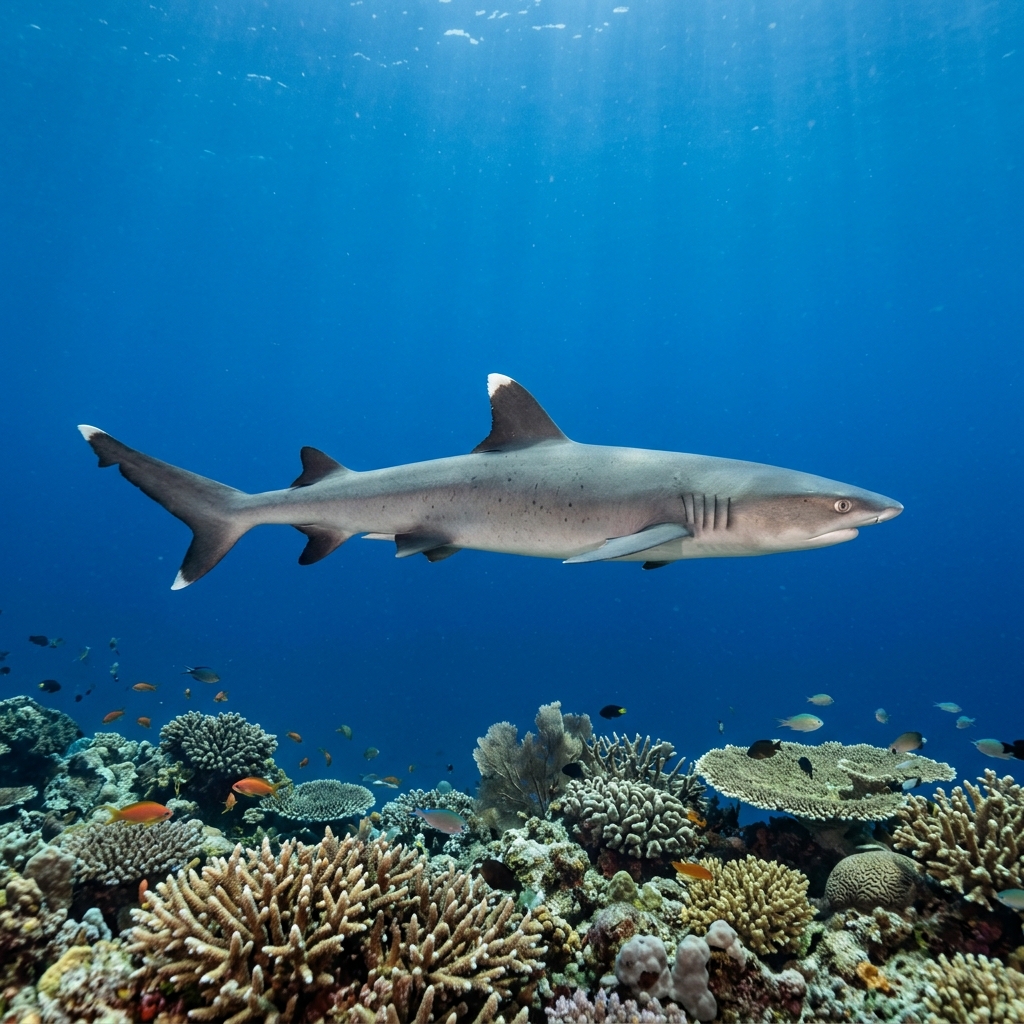
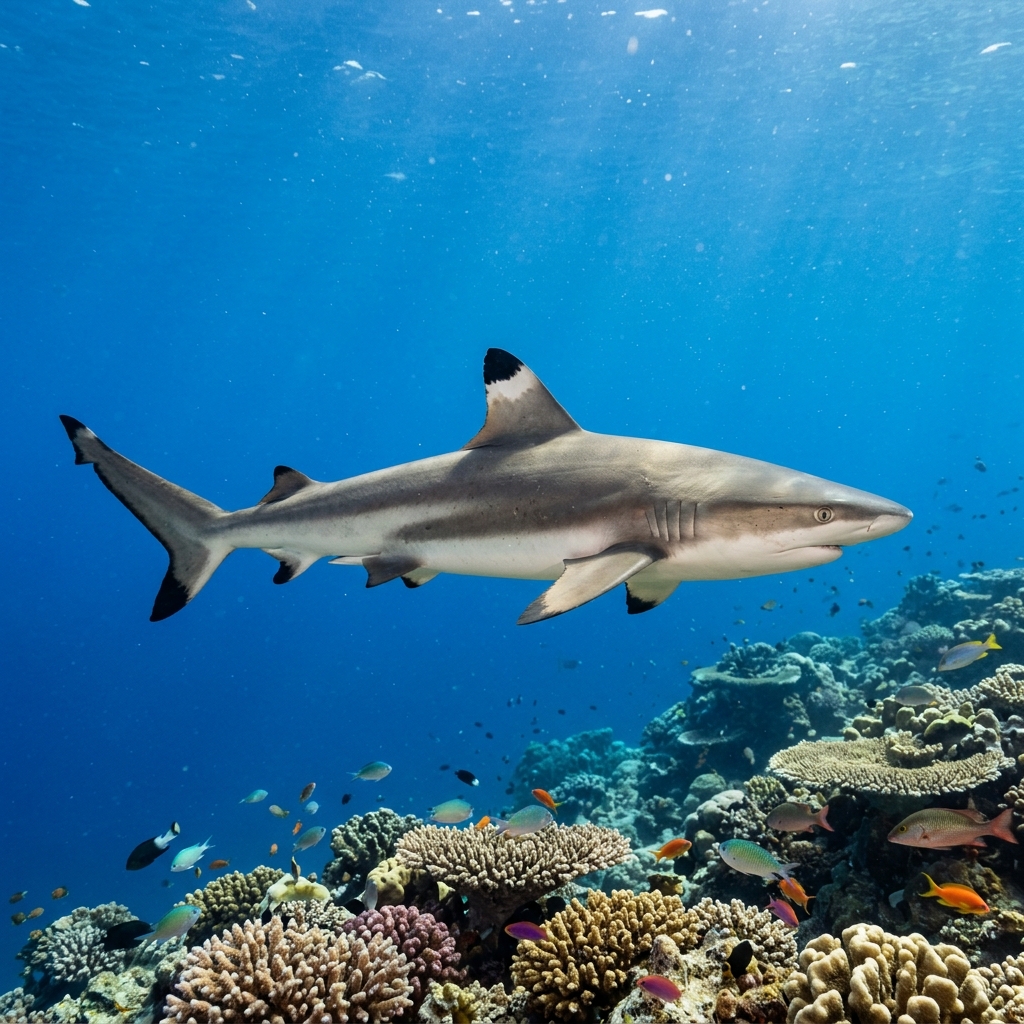
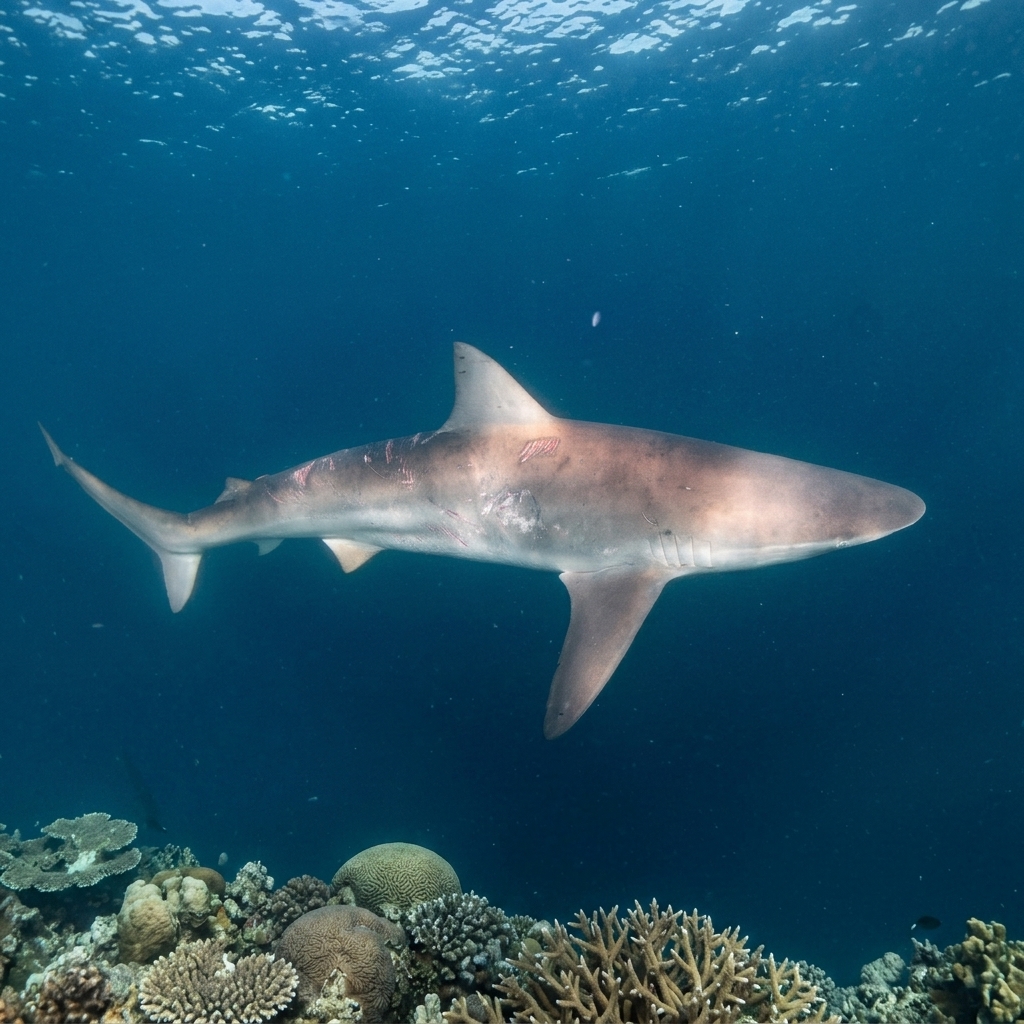
A large, solidly built requiem shark reaching around 2.3 metres, with a distinctive bronze or coppery-grey back that shifts to white on the belly. The fins lack the bold black or white tips that mark many similar species, which is itself the key field mark: clean, unmarked fin edges. The snout is moderately long and rounded, and the body has a stocky, broad-shouldered look compared to more slender reef sharks.
Bronze whalers are active, open-water-oriented sharks that patrol reef edges and rocky drop-offs rather than resting on the bottom. They are known to be curious around divers but can become bold, particularly if bait or speared fish are present. Encounters are often with single animals or small groups moving steadily through mid-water, and they may circle before deciding whether to approach or move on.
Bronze whalers are one of the few large sharks consistently associated with the famous sardine run off South Africa's KwaZulu-Natal coast, where they gather in numbers to take advantage of bait balls, offering some of the most dramatic shark-viewing conditions anywhere in temperate waters.
No clear seasonal peak emerges from current sighting data, so this species appears to be present year-round at its core sites. Its observed water temperature range of roughly 12 to 24 degrees Celsius fits the year-round conditions of temperate southern-hemisphere reefs where it is most commonly logged.
Reef neighbours a diver could mistake it for. Use the identification notes above to tell them apart.
Most commonly logged in Australia, particularly along the Western Australian coast and in Tasmania and Queensland, making it the dominant country for sightings. New Zealand's Coromandel and Bay of Plenty region and the broader Central New Zealand coast are also strong areas, as is South Africa's Western Cape and KwaZulu-Natal South Coast. This is fundamentally a temperate and cool-water species, so those southern-hemisphere coastlines are where encounters are most reliably reported.
Mapping where Bronze Whaler Shark is logged…
The strongest sighting records come from Western Australia, New Zealand's Coromandel and Bay of Plenty coast, and South Africa's Western Cape. Tasmania, Queensland, South Australia and KwaZulu-Natal also have logged encounters. This is a temperate-water shark, so cool, productive coastal reefs are the place to look.
Current sighting data does not show a defined seasonal peak, so encounters are possible year-round at the core sites in Australia, New Zealand and South Africa. Their comfort in water temperatures from about 12 to 24 degrees Celsius suits the year-round conditions of temperate southern-hemisphere coasts.
Yes, they are considered dangerous and have been involved in unprovoked incidents. The risk rises significantly when fish or bait are in the water. Stay calm, avoid splashing, and if one begins circling closely with pectoral fins dropped, exit the water slowly and deliberately.
Look for the coppery or bronze-grey back, white belly, and, crucially, plain unmarked fin edges. Most similar large reef sharks have black or white fin tips; the bronze whaler does not. The body is stocky and broad compared to slender species like the silky shark.
Adults typically reach around 2.3 metres in length. They are solidly built for their size, which makes them appear even larger in the water than their length alone suggests.
They are listed as Vulnerable by the IUCN, one step below Endangered. Fishing pressure across their range in southern Africa, Australia and New Zealand is the primary driver of decline. Reporting your sightings to citizen-science databases helps researchers track where healthy populations remain.
The Bronze Whaler Shark is listed as vulnerable by the IUCN. Observe from a distance, avoid touching or feeding it, and report sightings to local marine research organisations.
Bronze whalers are listed as Vulnerable on the IUCN Red List, driven primarily by fishing pressure across their range. As a diver, reporting sightings through citizen-science platforms and supporting no-take marine reserves in their core habitat in Australia, New Zealand and South Africa all contribute to their long-term monitoring.
Site and sighting data is aggregated from diver logs, iNaturalist and GBIF. For taxonomy and conservation status:
Sandbar Shark
1,474 sites