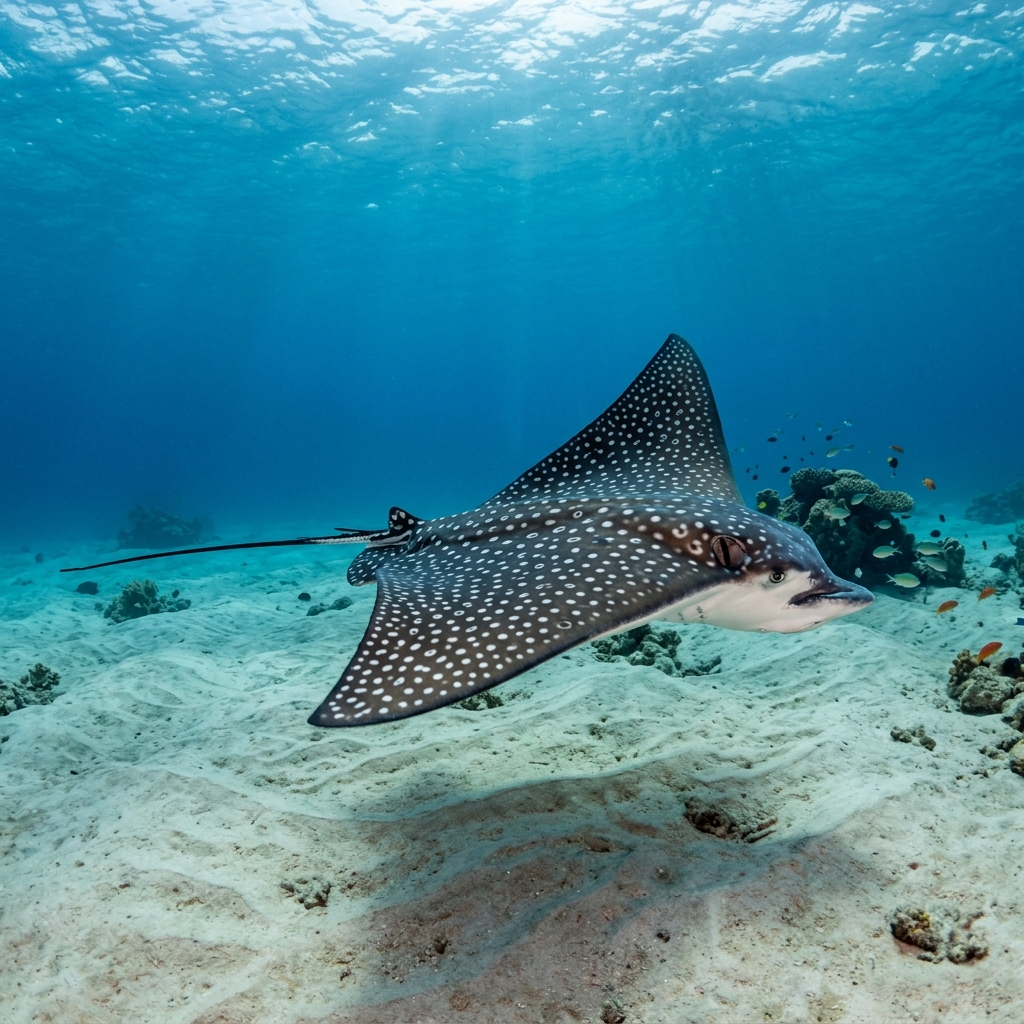
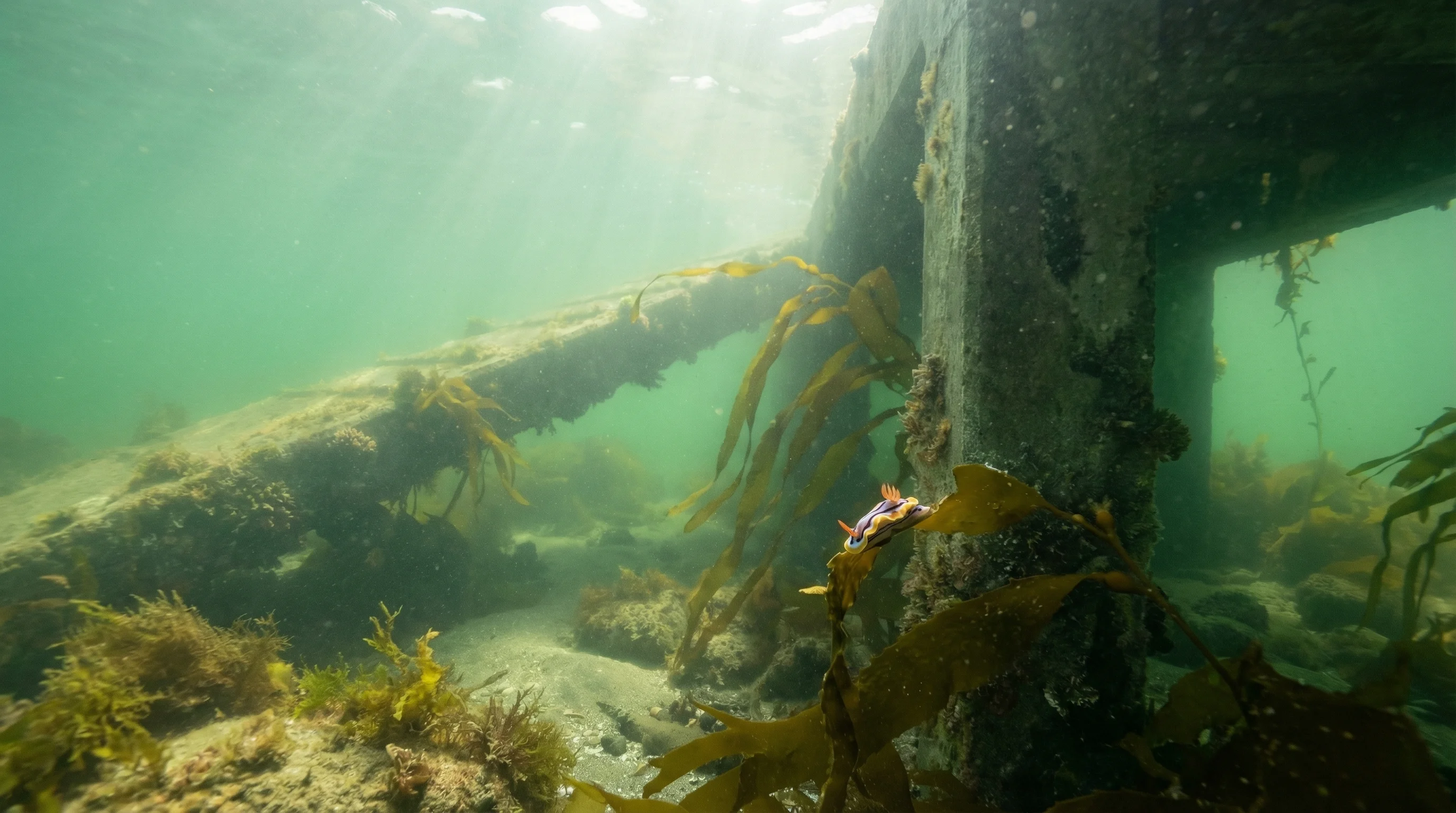
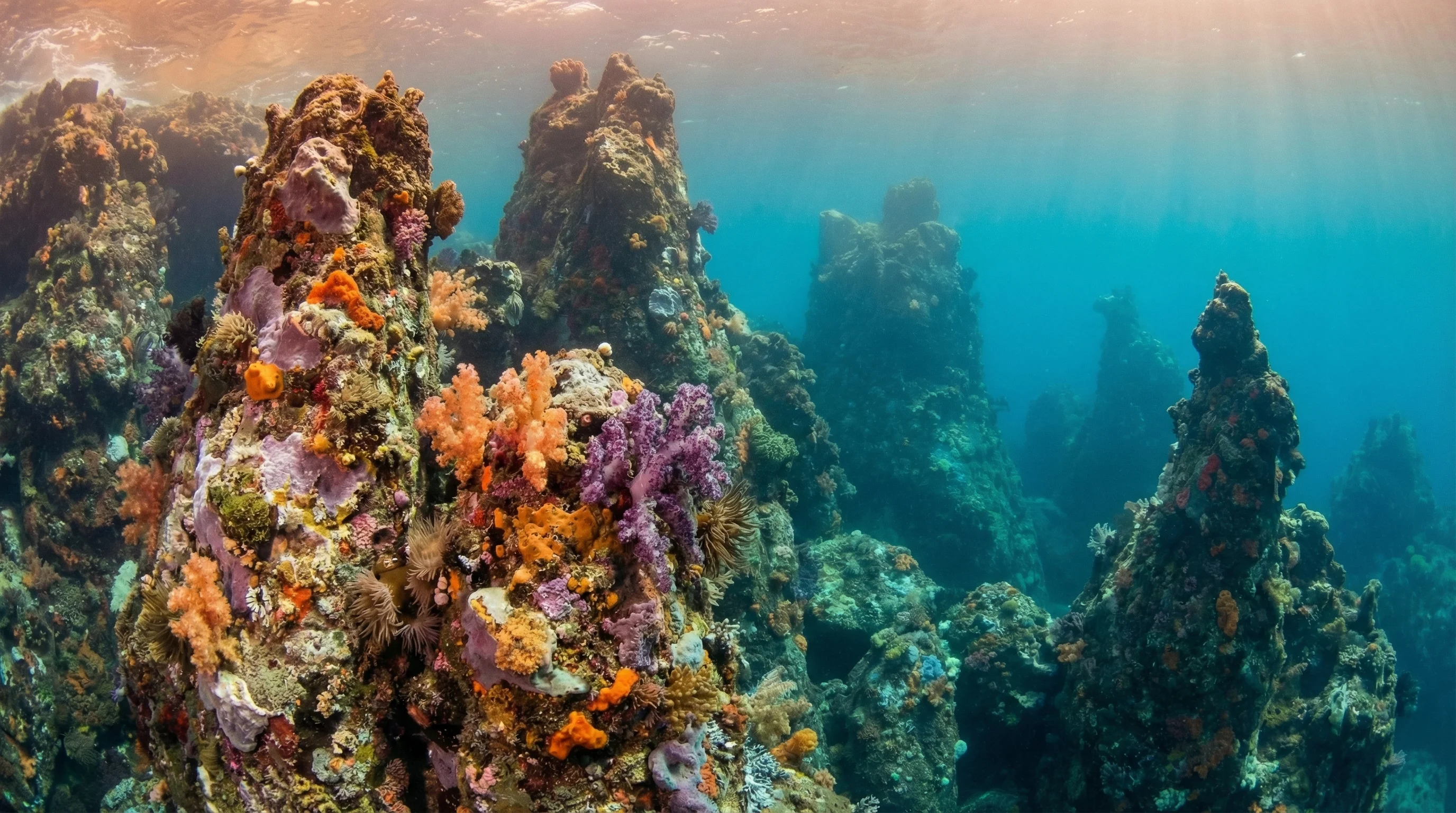
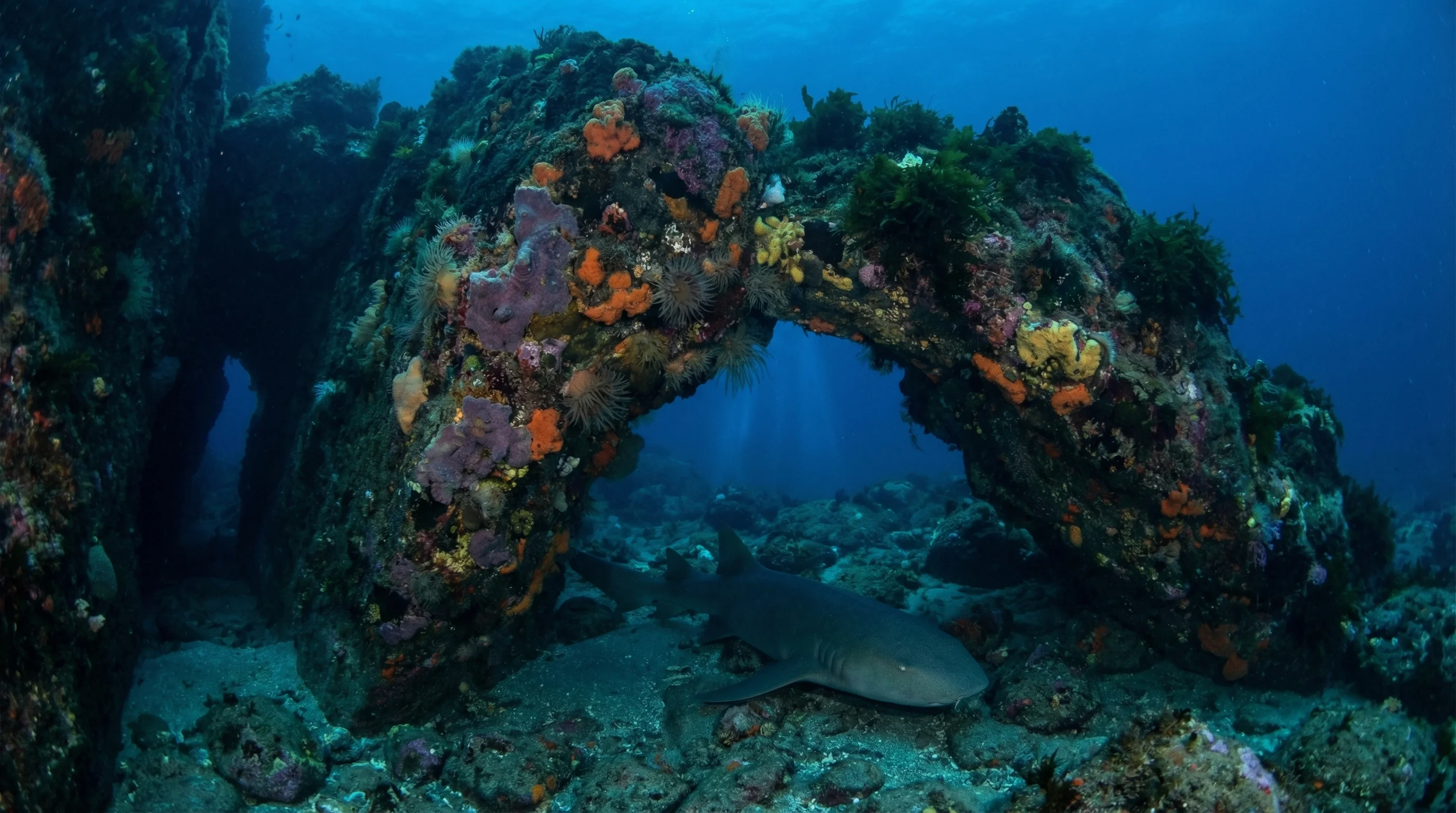
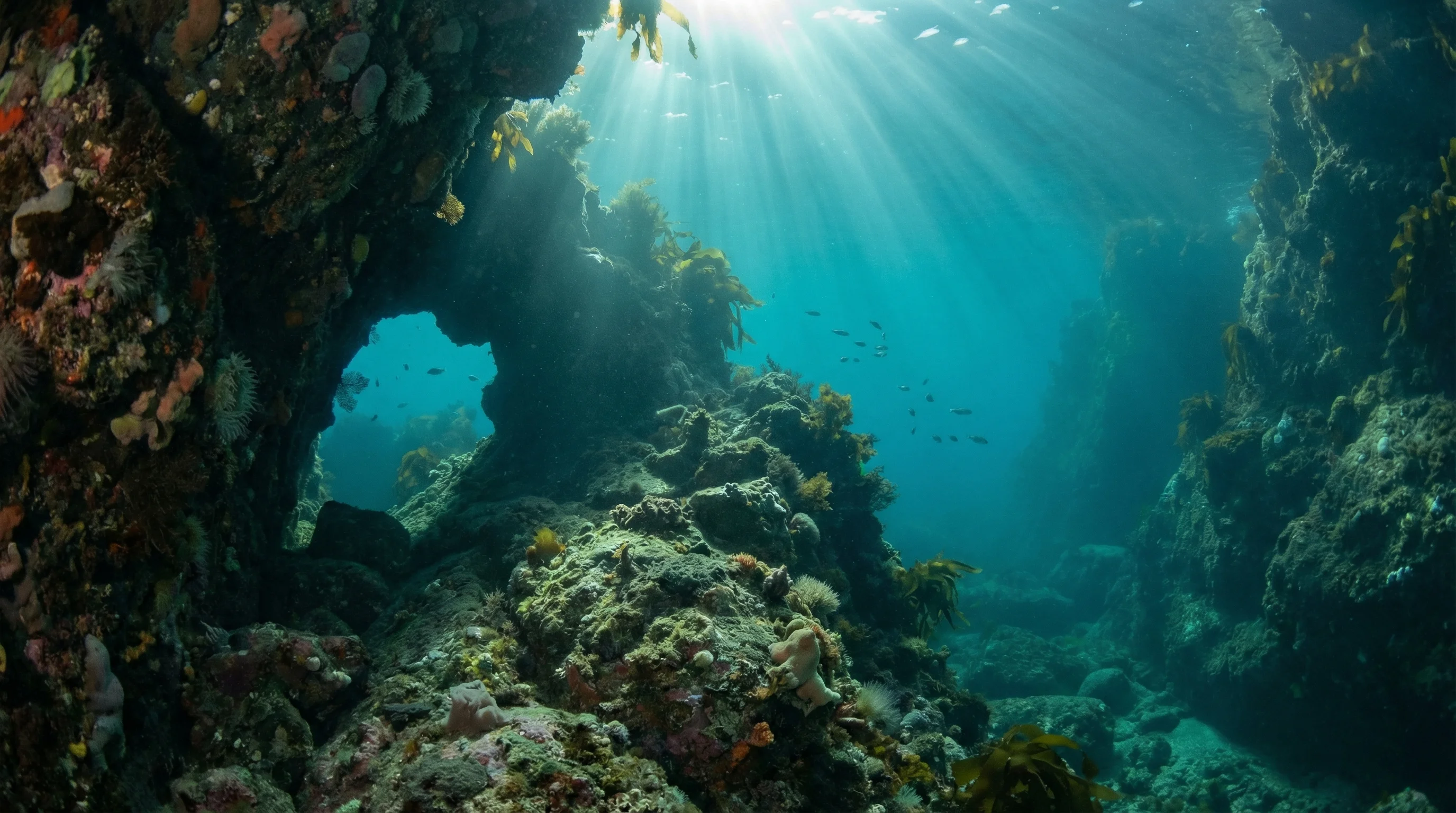
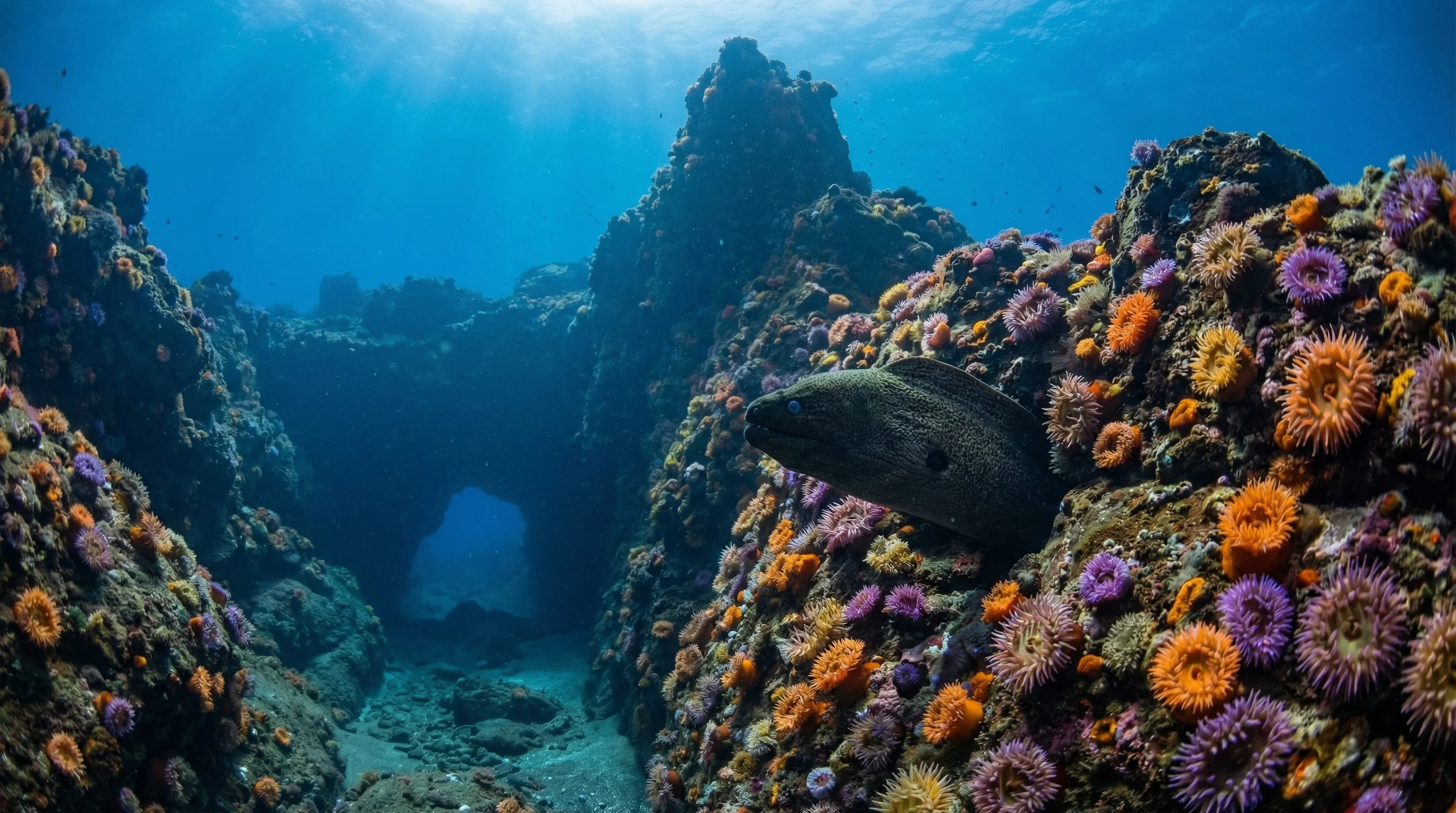
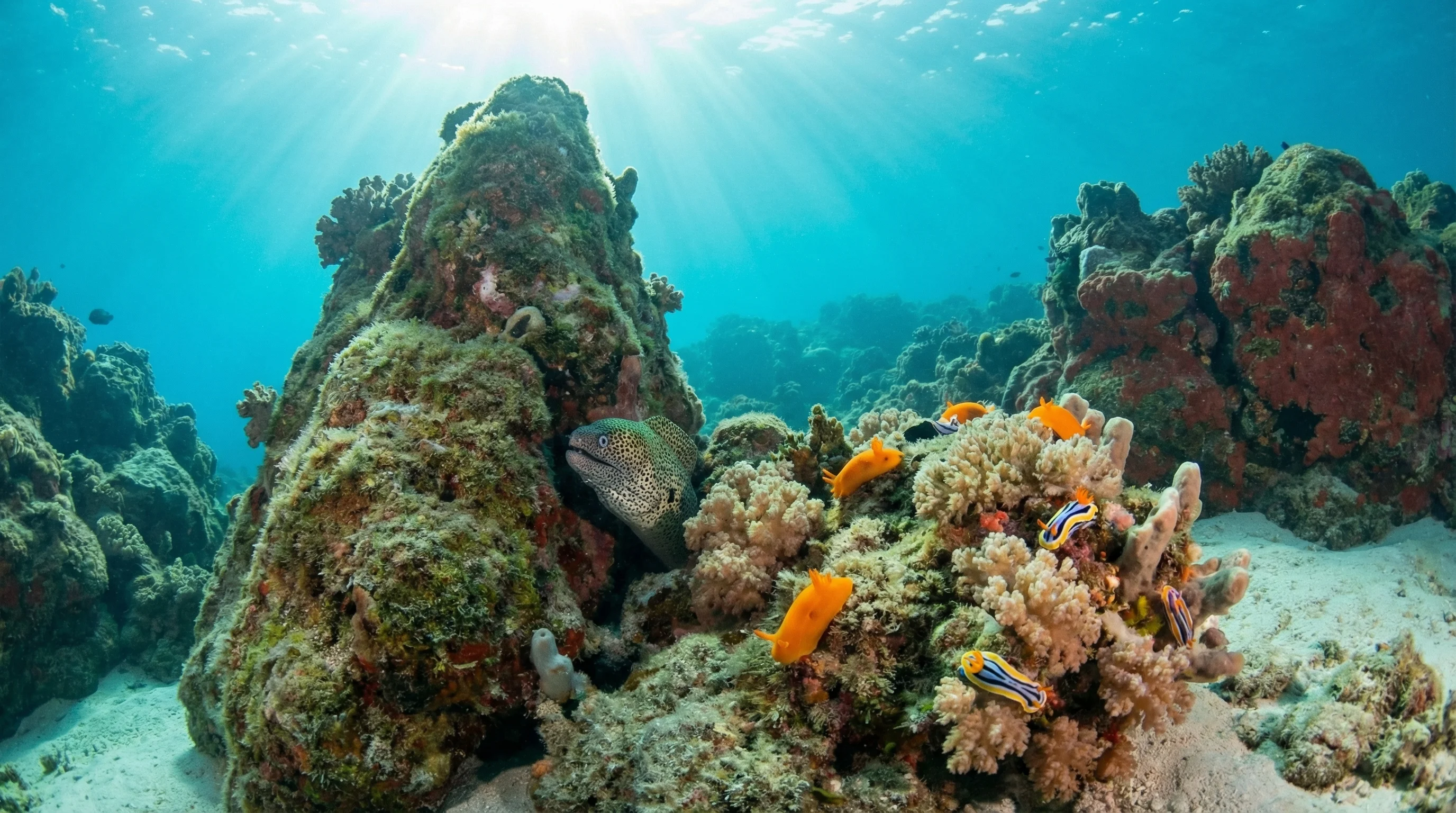
Coromandel divides neatly between Whitianga and Cathedral Cove, together covering a broad spread of reefs, pinnacles, walls, caves and kelp forests. Boat access dominates, putting offshore formations within reach of beginners and intermediate divers alike. Eagle Ray, Green Moray and Long-nosed Fur Seal are observed regularly across sites, alongside Blue Maomao, Pink Snapper and the vivid Clown Doris. Water is warmest from late spring through summer, when visibility is at its best and conditions most settled.
2 areas
Monthly water temperature across Coromandel's sites, from satellite sea-surface data corrected for depth. The band shows the site-to-site spread.
Water temperatures peak through the summer months before cooling noticeably over winter, with the coldest conditions arriving in late winter. The histogram of rated months points strongly to December through March as the prime window, though a secondary cluster around November and early autumn also offers good conditions. Exposed sites such as Whale Rock and Danger Rocks are best tackled when settled weather reduces swell.
5 operators
Whitianga, New Zealand
New Zealand
New Zealand
17 more sites to explore
Boat-access reef and pinnacle diving with Eagle Ray, Green Moray, and Long-nosed Fur Seal encounters across varied rocky topography.
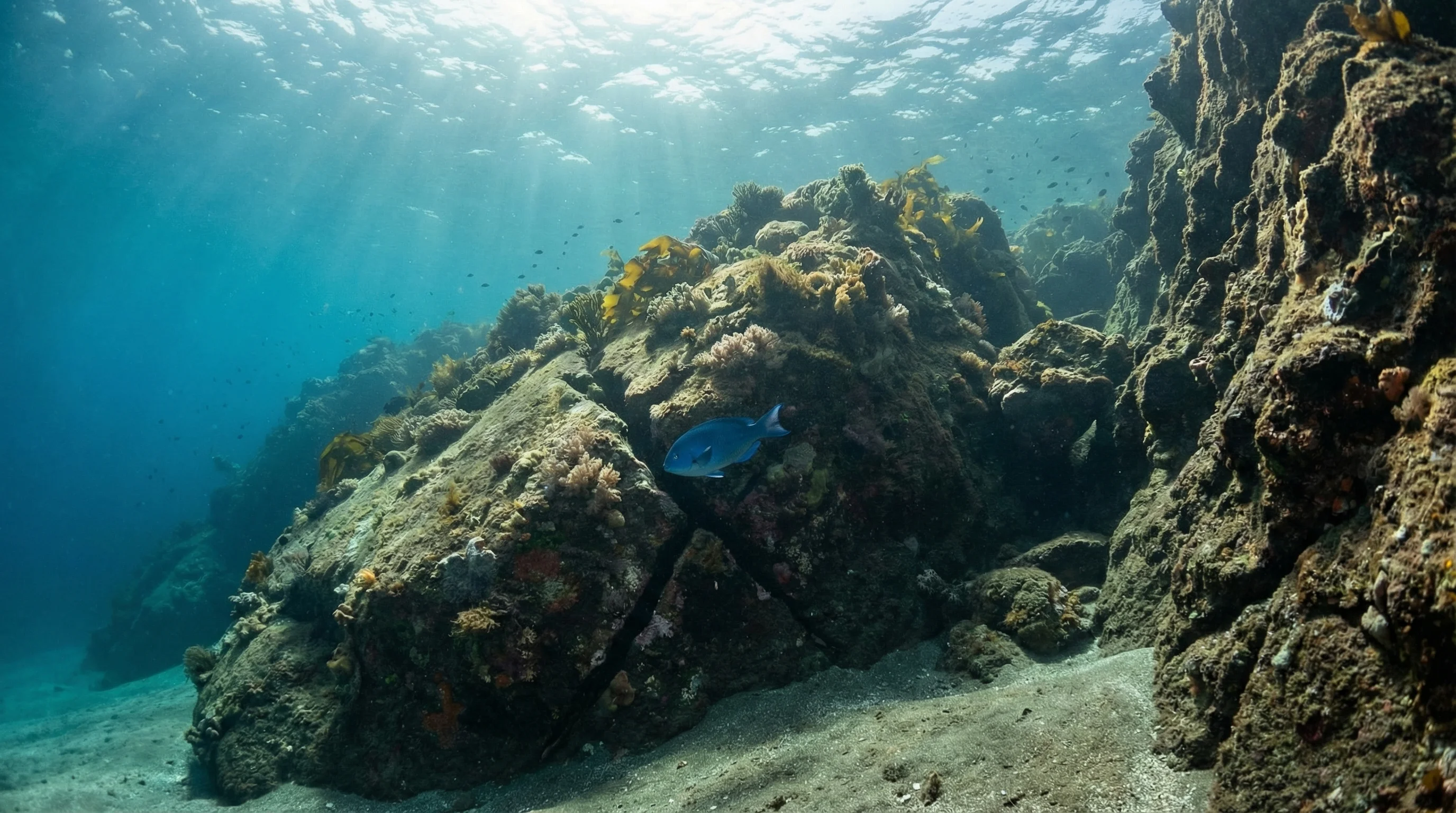
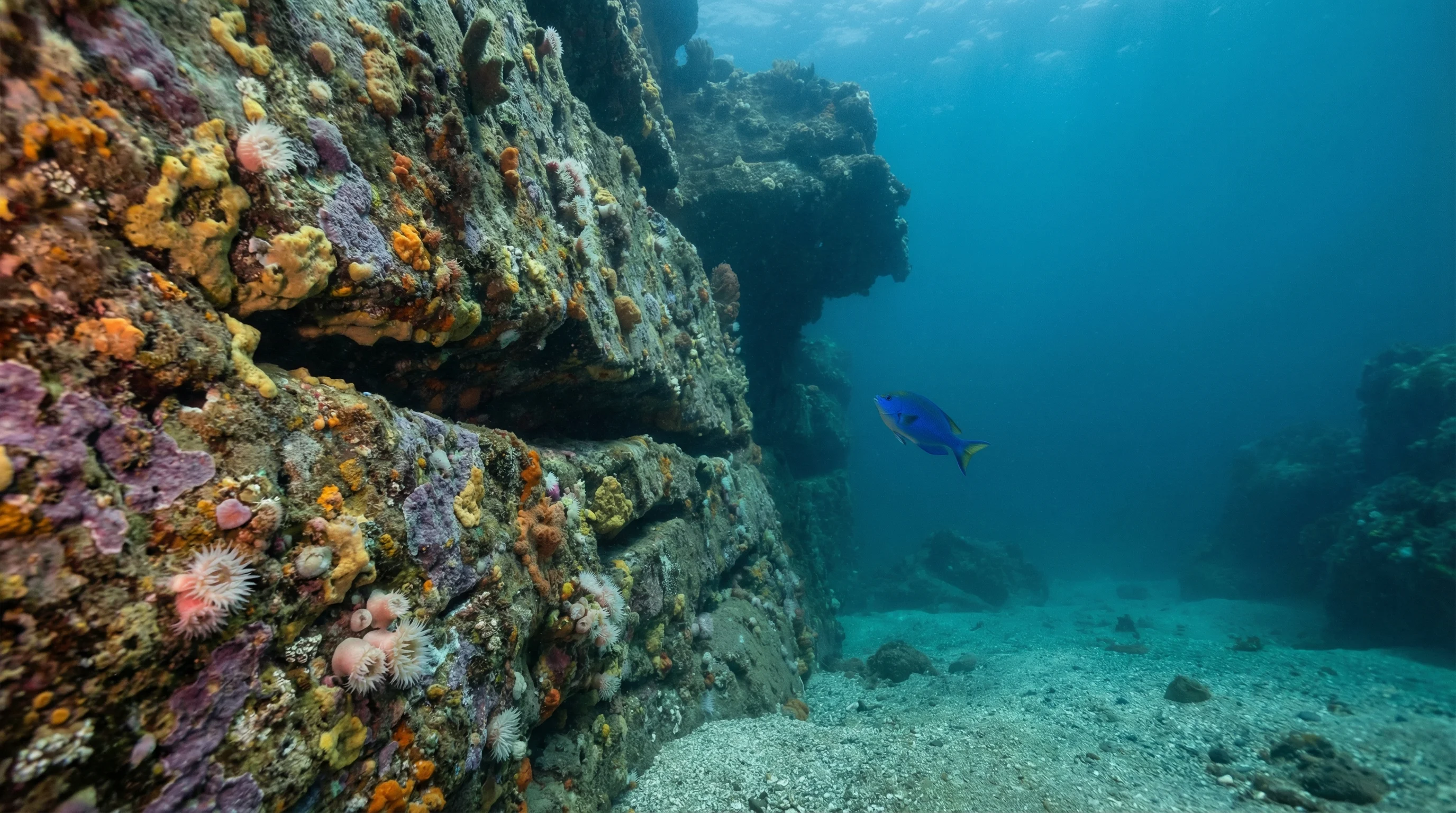
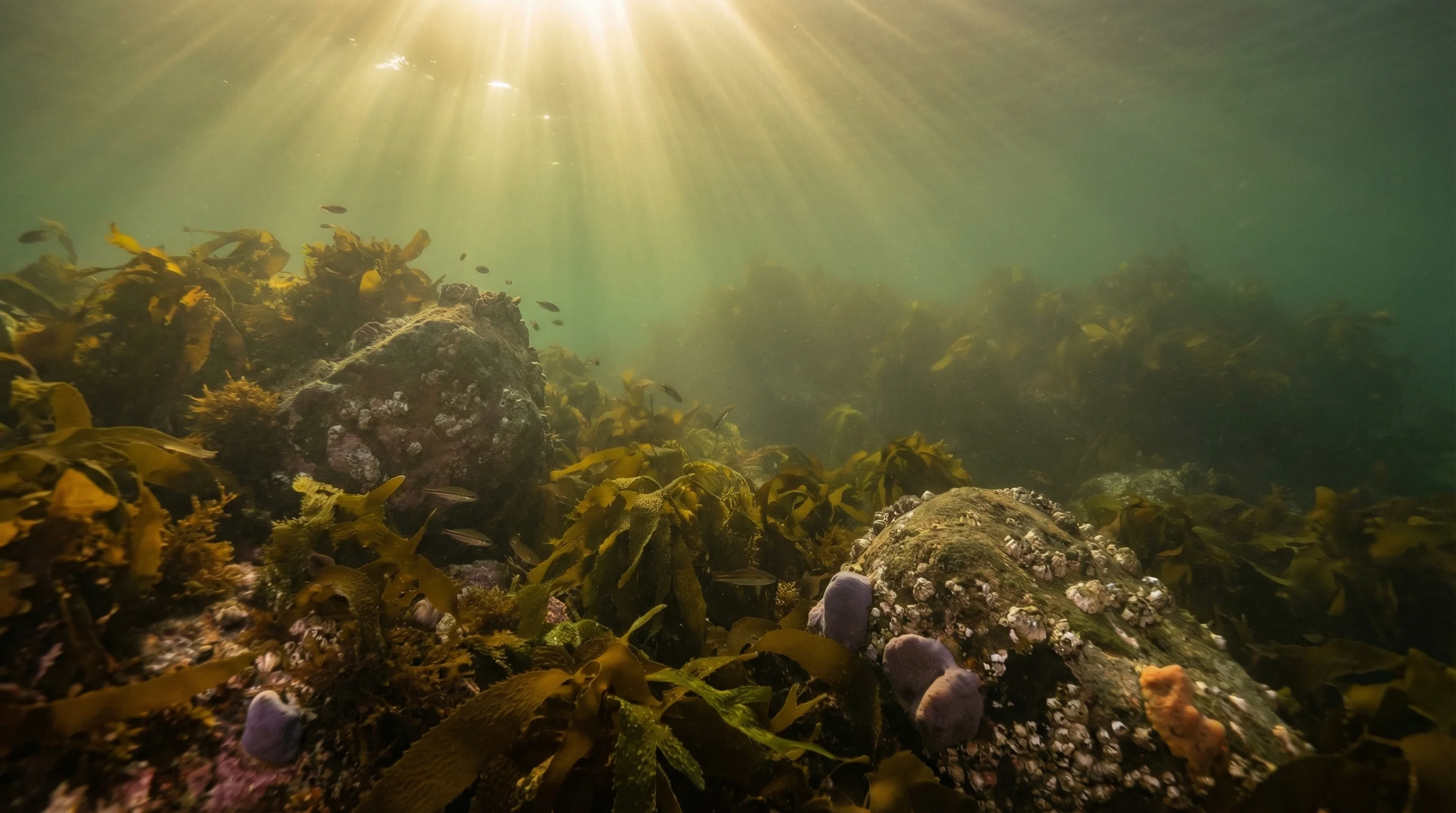
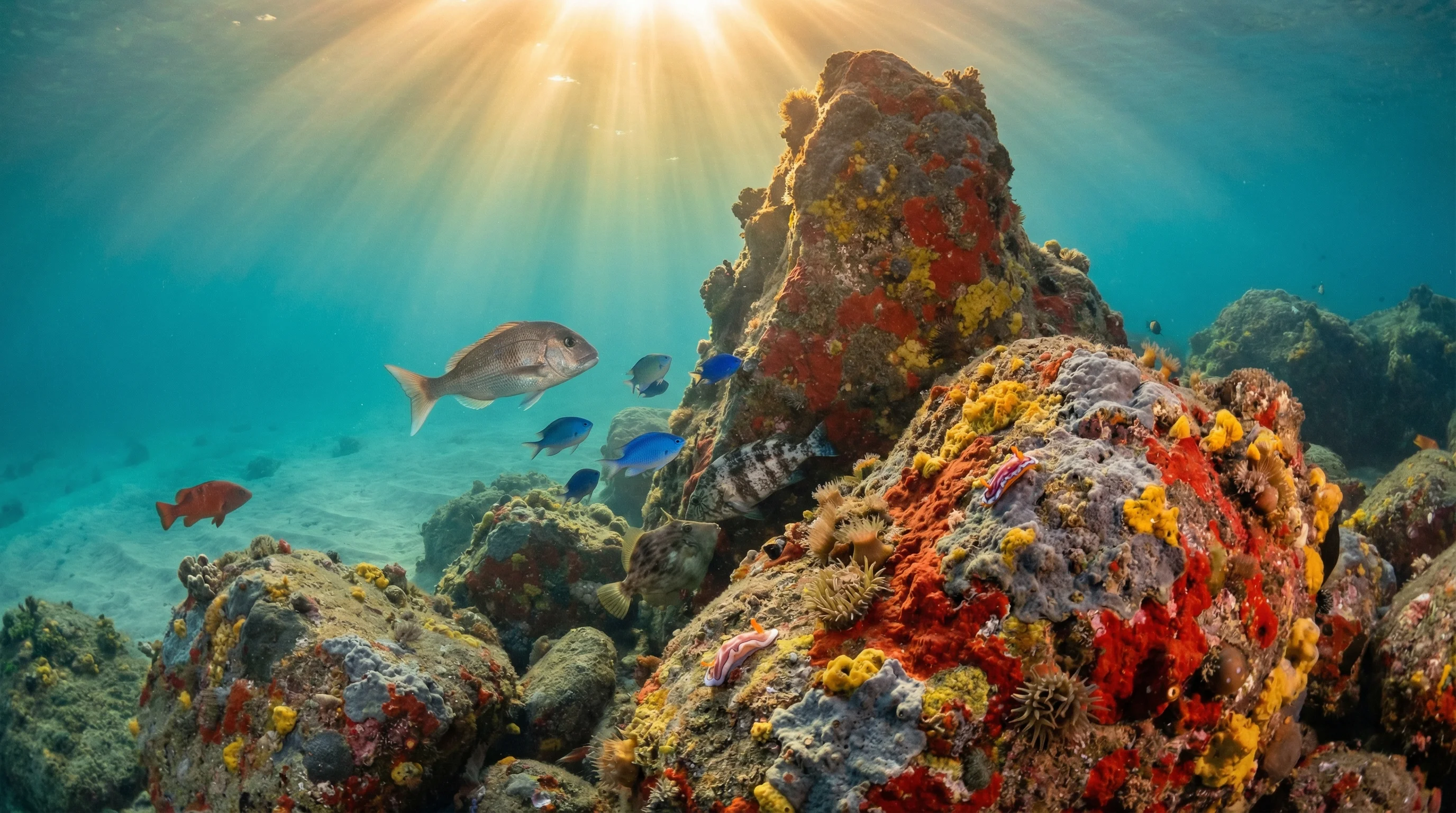
Water temperature around Coromandel ranges from about 15°C in August to 22°C in February, based on satellite sea-temperature data for its dive sites.
In the warm season (about 22°C) a 3mm full suit is comfortable in Coromandel; in the coldest months (about 15°C) step up to a 7mm or semi-dry suit.
Fin maps 29 sites in Coromandel (24 scuba diving sites and 9 snorkelling spots, with some suited to both), organised into 2 areas.
Across Coromandel's dive sites, February, March and December are most often reported as the best months to visit.
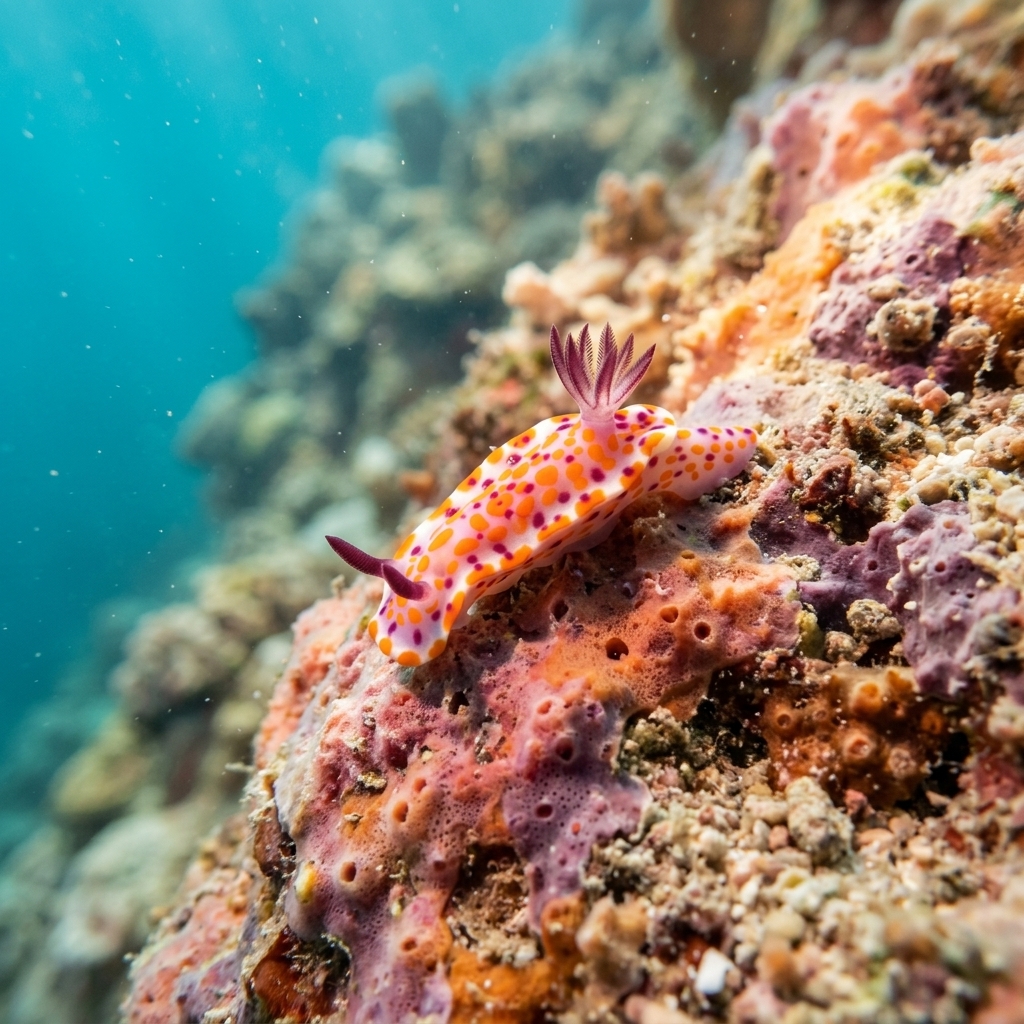
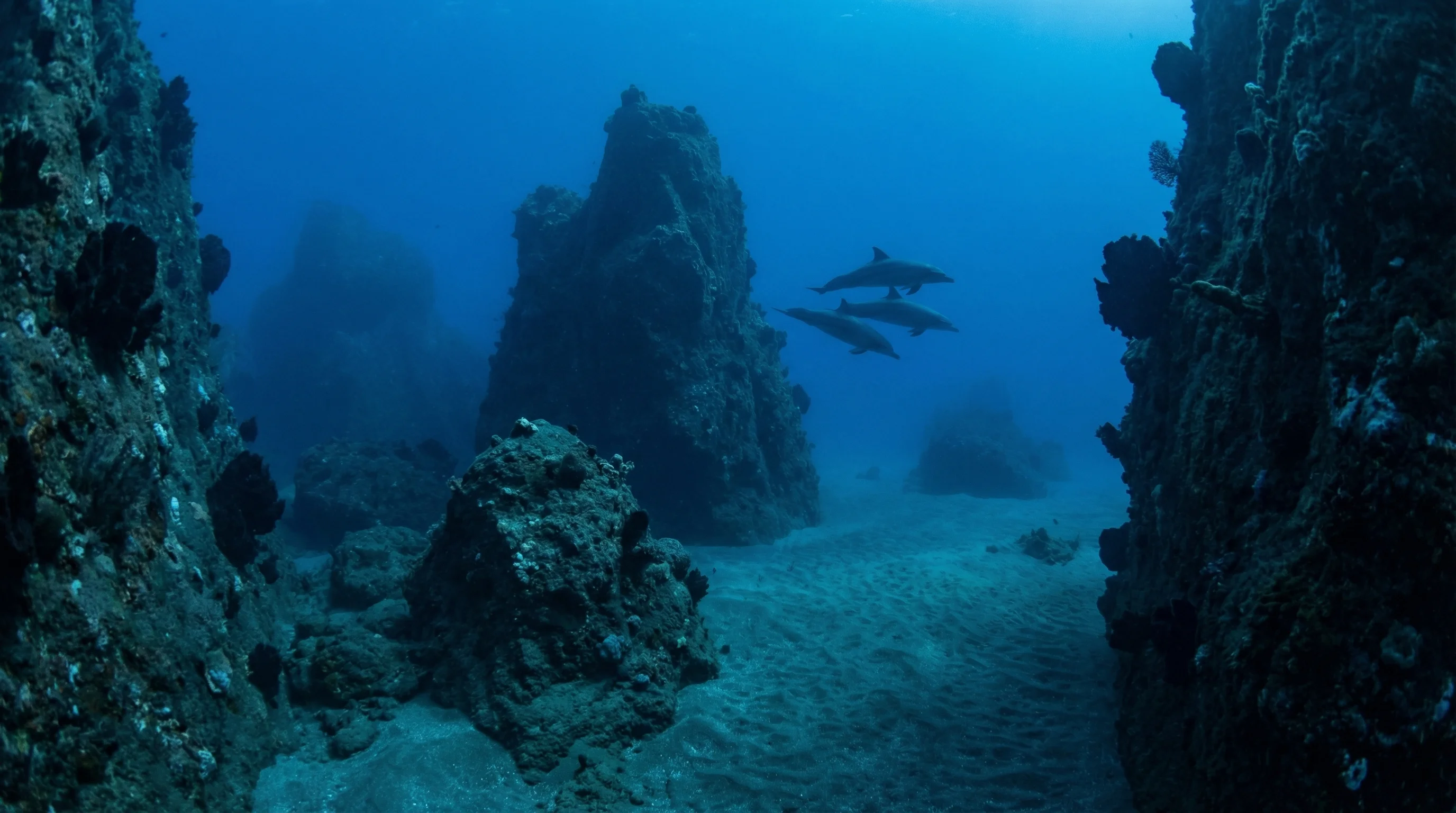
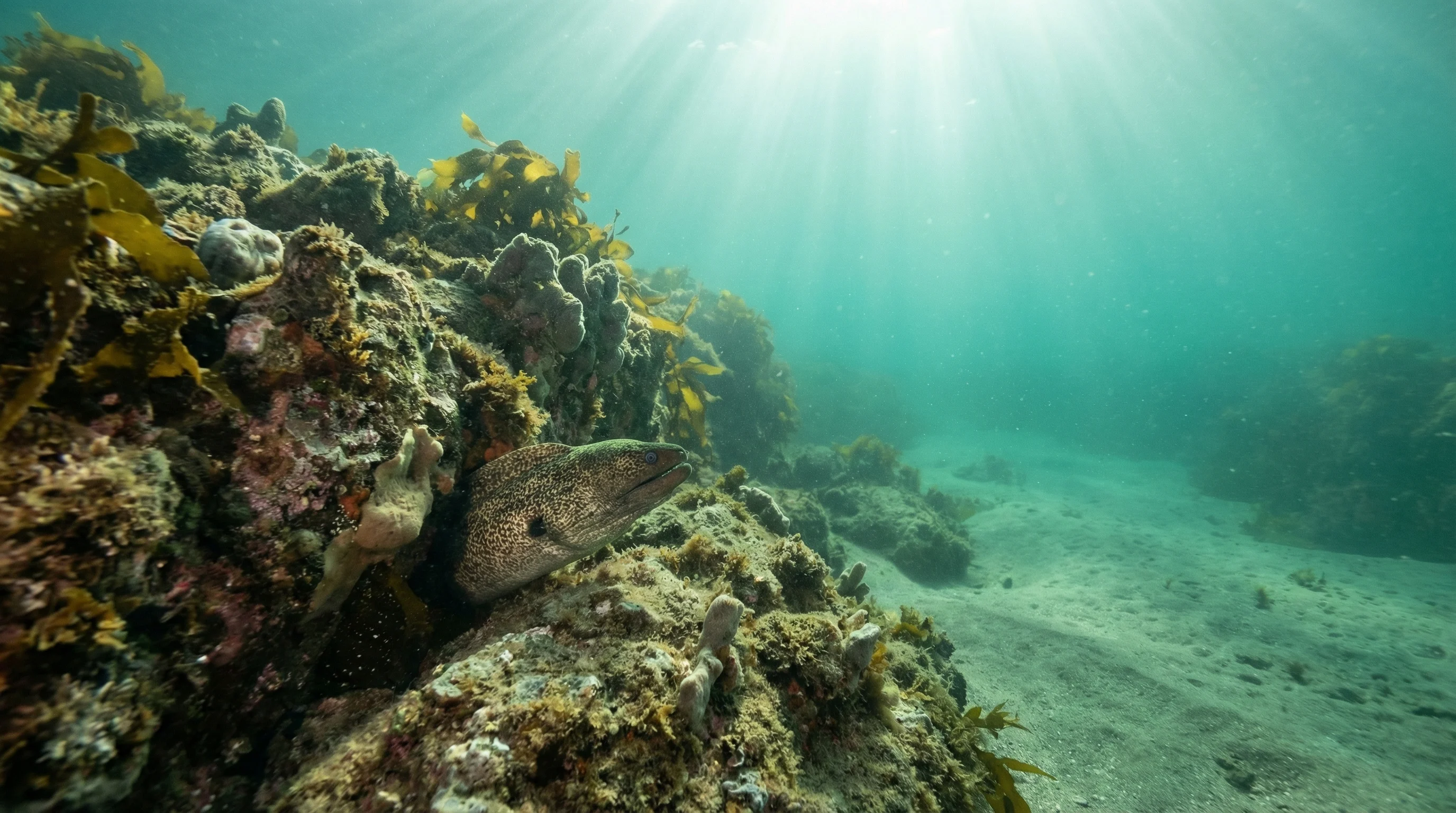
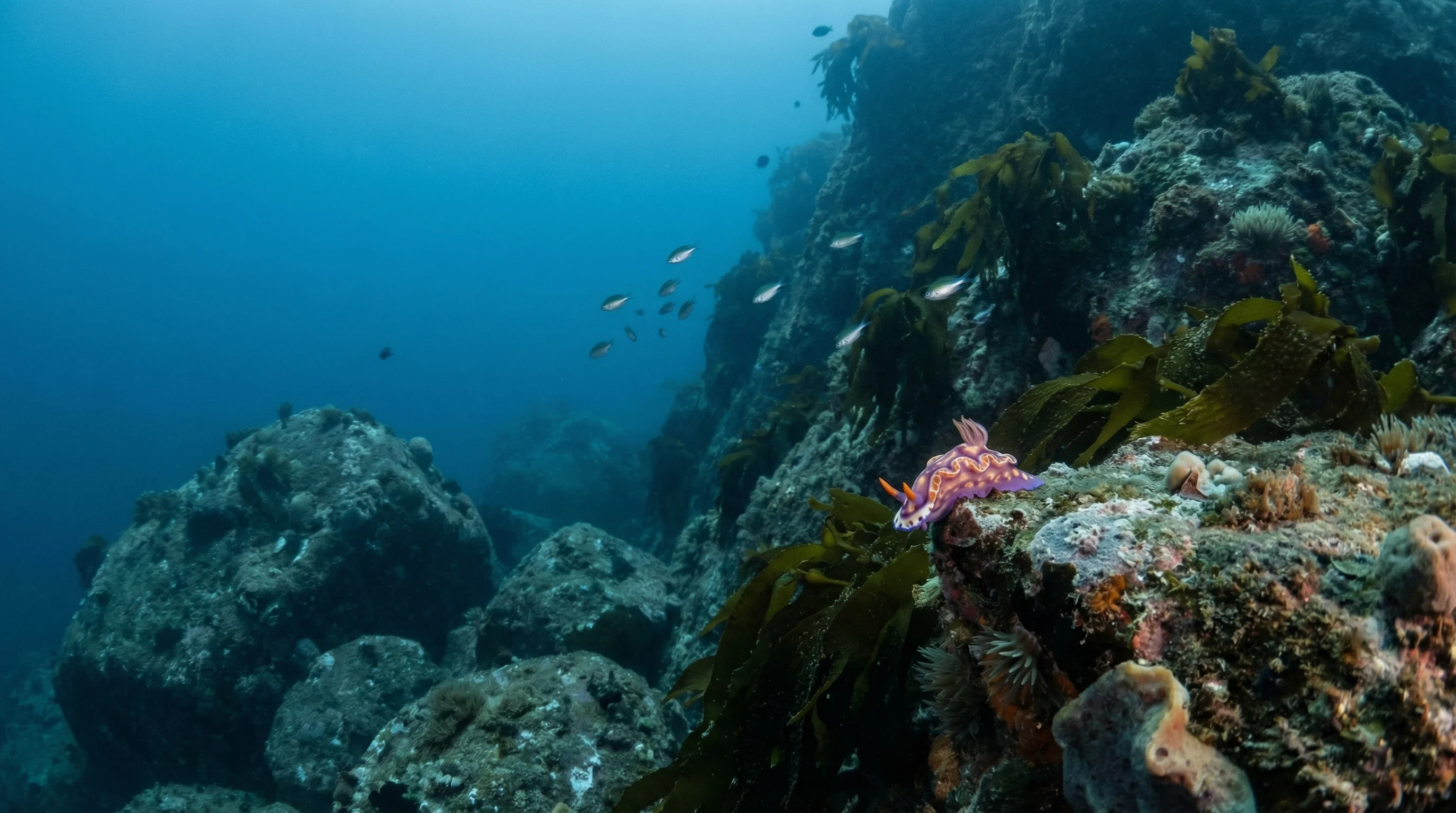
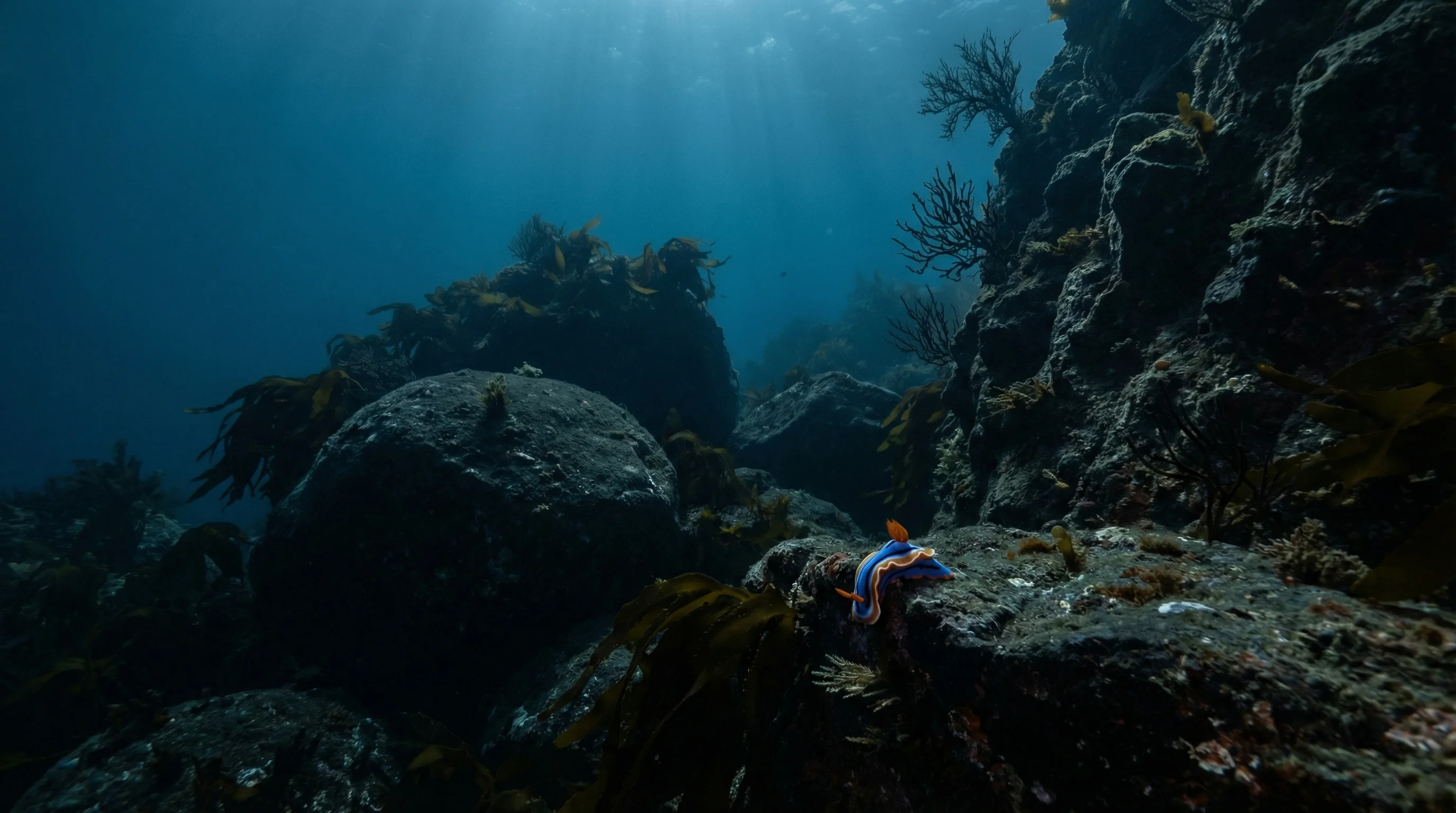
Eagle Ray and Wrasses appear across nearly all sites and are the species you are most likely to encounter. Green Moray and Common Sydney Octopus are also observed very frequently, while Long-nosed Fur Seal turns up regularly at multiple locations. Less predictable but recorded sightings include Whale Shark and Green Sea Turtle, along with colourful nudibranch such as the Clown Doris.
A good number of sites are rated for beginners, including Mahurangi Island, Aldermen Islands, Mooring Bay, Spectacle Reef and Cave Bay. These sites offer moderate depths and varied topography without demanding strong current experience. Intermediate and advanced sites also exist for those looking to progress, so the region accommodates a range of experience levels.
Whitianga has the larger share of sites and includes offshore pinnacles such as South Sunk and Hapuka Rock as well as sheltered bay dives. Cathedral Cove sites, including The Bookcase and Danger Rocks, tend toward more complex topography with walls, canyons and exposed formations. Both sub-areas are served by boat access for most sites, though Mahurangi Island near Whitianga can be reached from shore.
The majority of Coromandel sites are accessed by boat, and two local operators, Dive Zone Whitianga and Cathedral Cove Dive and Snorkel, run trips across both sub-areas. Shore access is available at a handful of sites, including Mahurangi Island, making independent snorkelling feasible for those without a boat. For the offshore pinnacles and more distant formations, a guided boat trip is the practical choice.