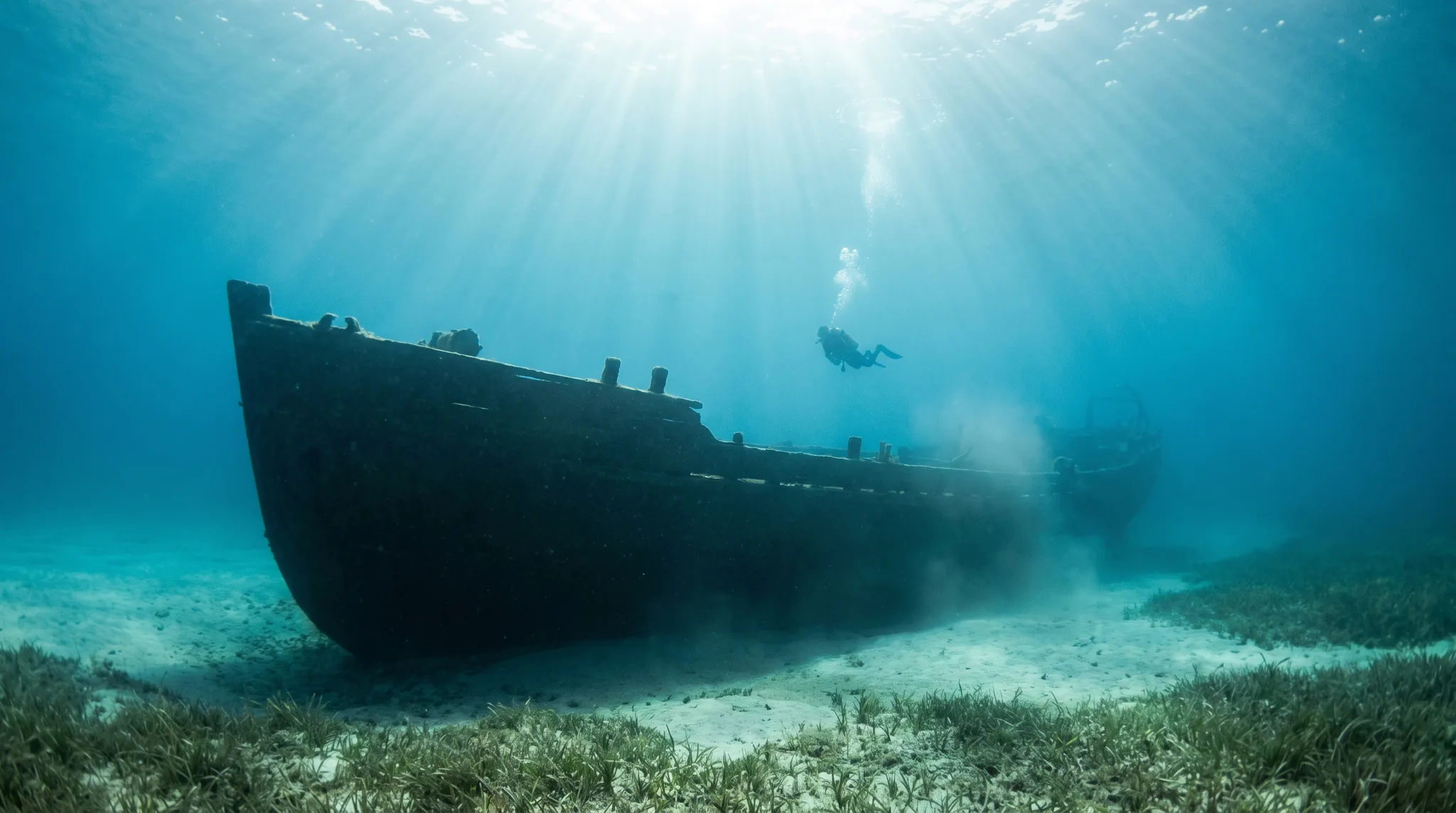
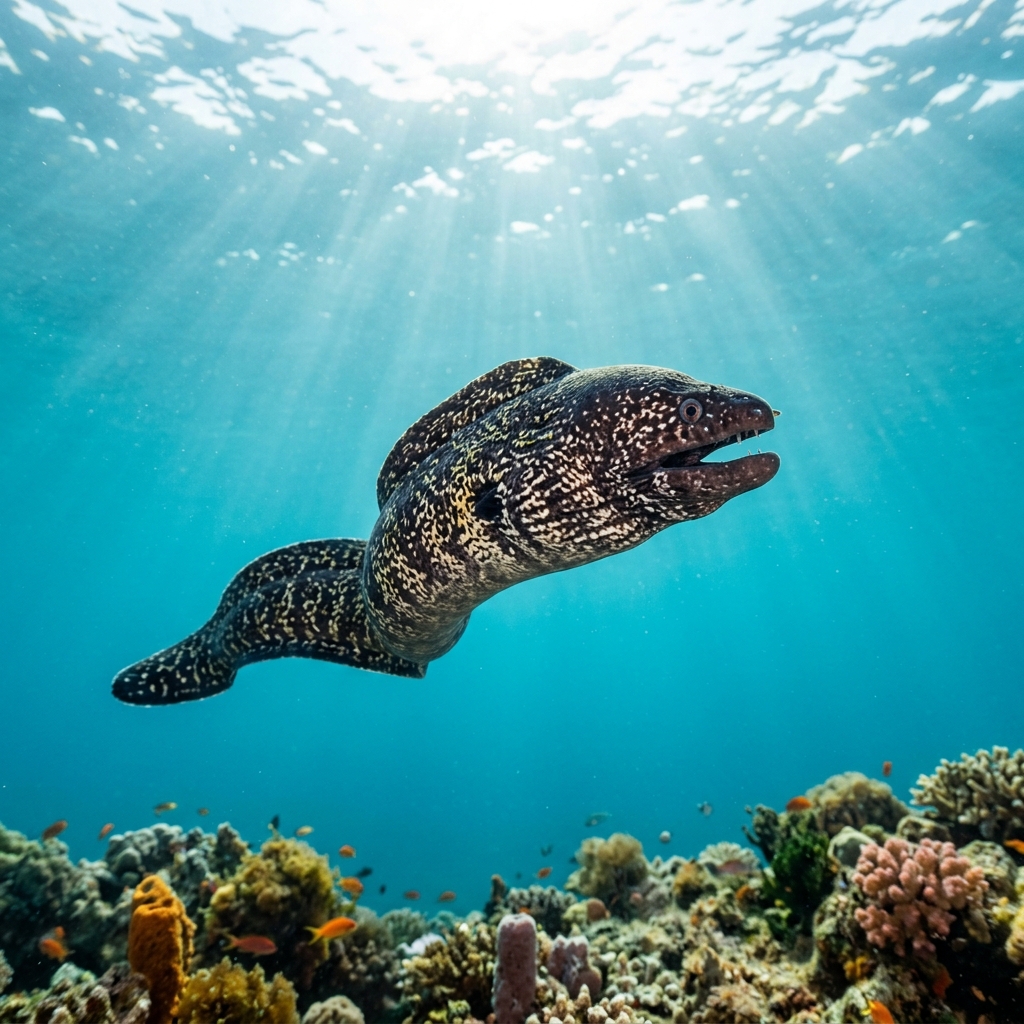
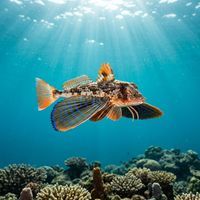
Gozo is defined by its limestone topography: walls that drop away into deep blue, natural arches, caverns, tunnels and open-water pinnacles. The island's sub-areas each have a distinct character. Dwejra concentrates the most dramatic structural diving, with the Blue Hole and Inland Sea drawing divers to cave systems and archways. Xlendi pairs a trio of scuttled wrecks with serious wall and drop-off dives. Reqqa and Double Arch Reef offer advanced cave and wall routes along exposed coastline. Shore entry dominates across the region, and the marine life rewards patient divers: Common Octopus, Mediterranean Moray, European Common Cuttlefish and Flying Gurnard are all regularly observed.
7 areas
 12
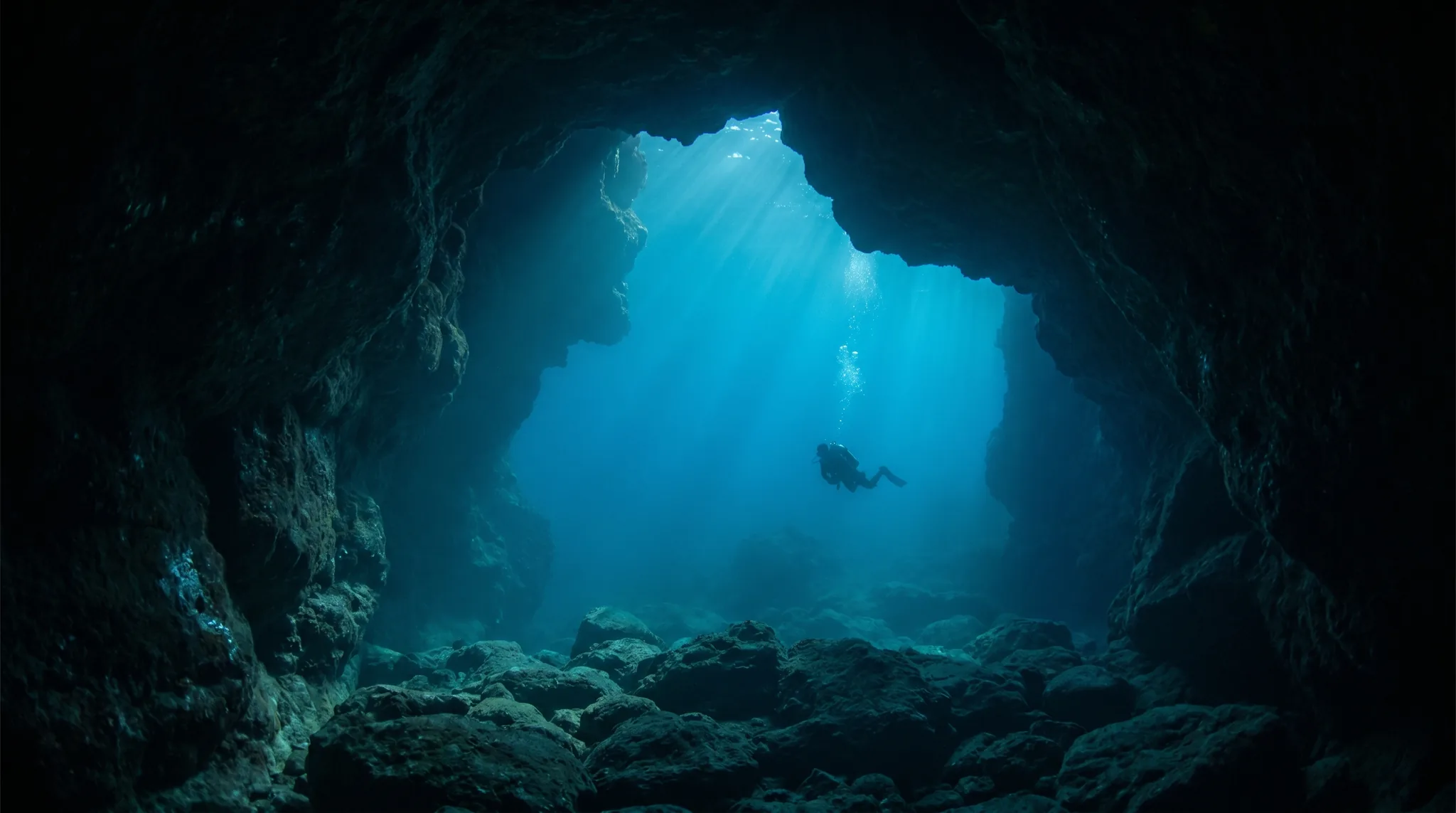
12Gozo's geological showpiece: tunnels, caverns and deep walls with rich nudibranch and cephalopod life.
 9
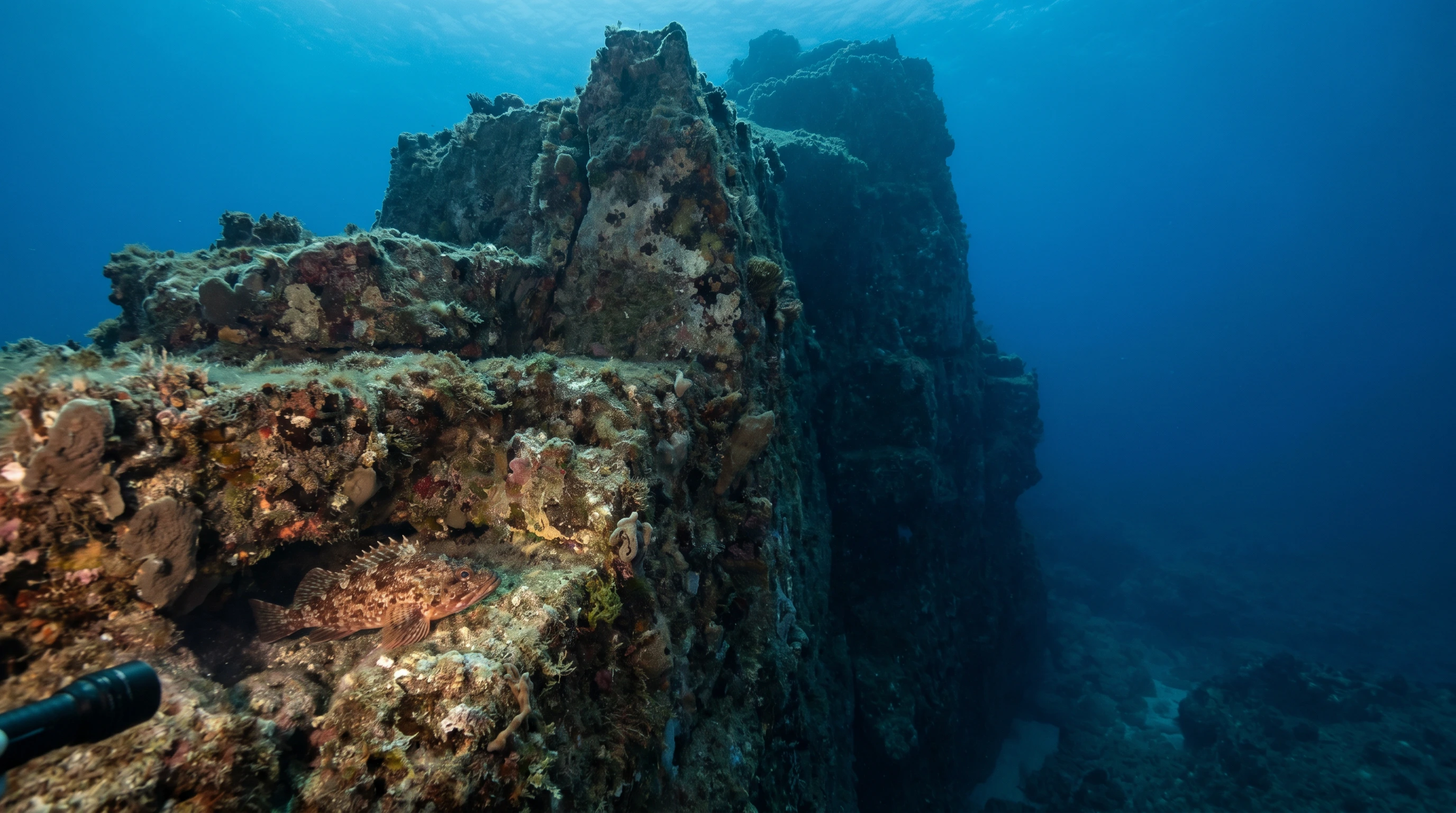
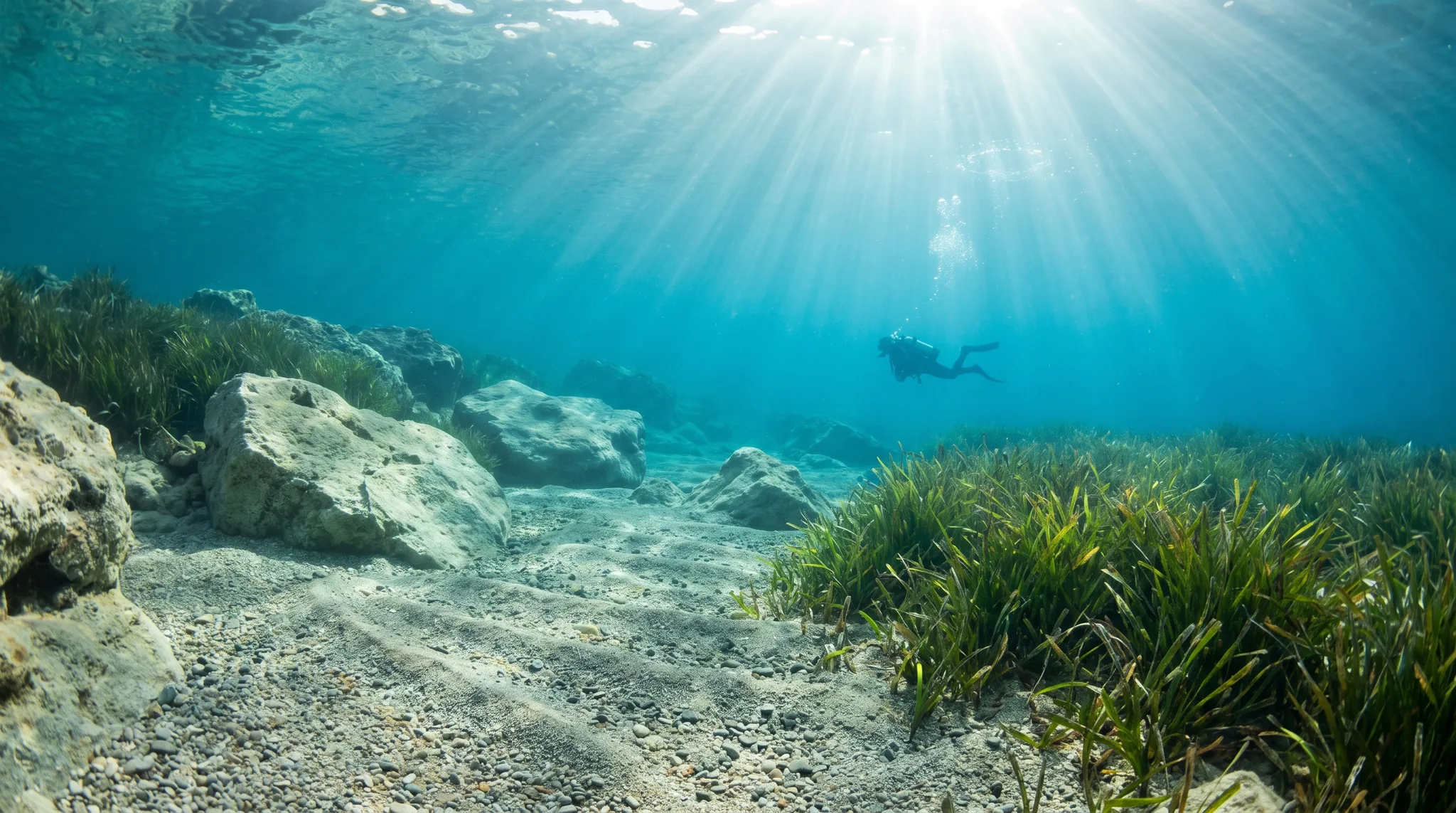
9Gozo's wreck trio, MV Karwela, MV Xlendi, and Cominoland, anchors a site that also offers reef, cave, and pinnacle diving from shore.
5Gozo's west coast delivers serious wall and cave diving at Reqqa Point, an extensive cavern traverse at Billingshurts, and expert-grade depth at The Bottle.
 5
5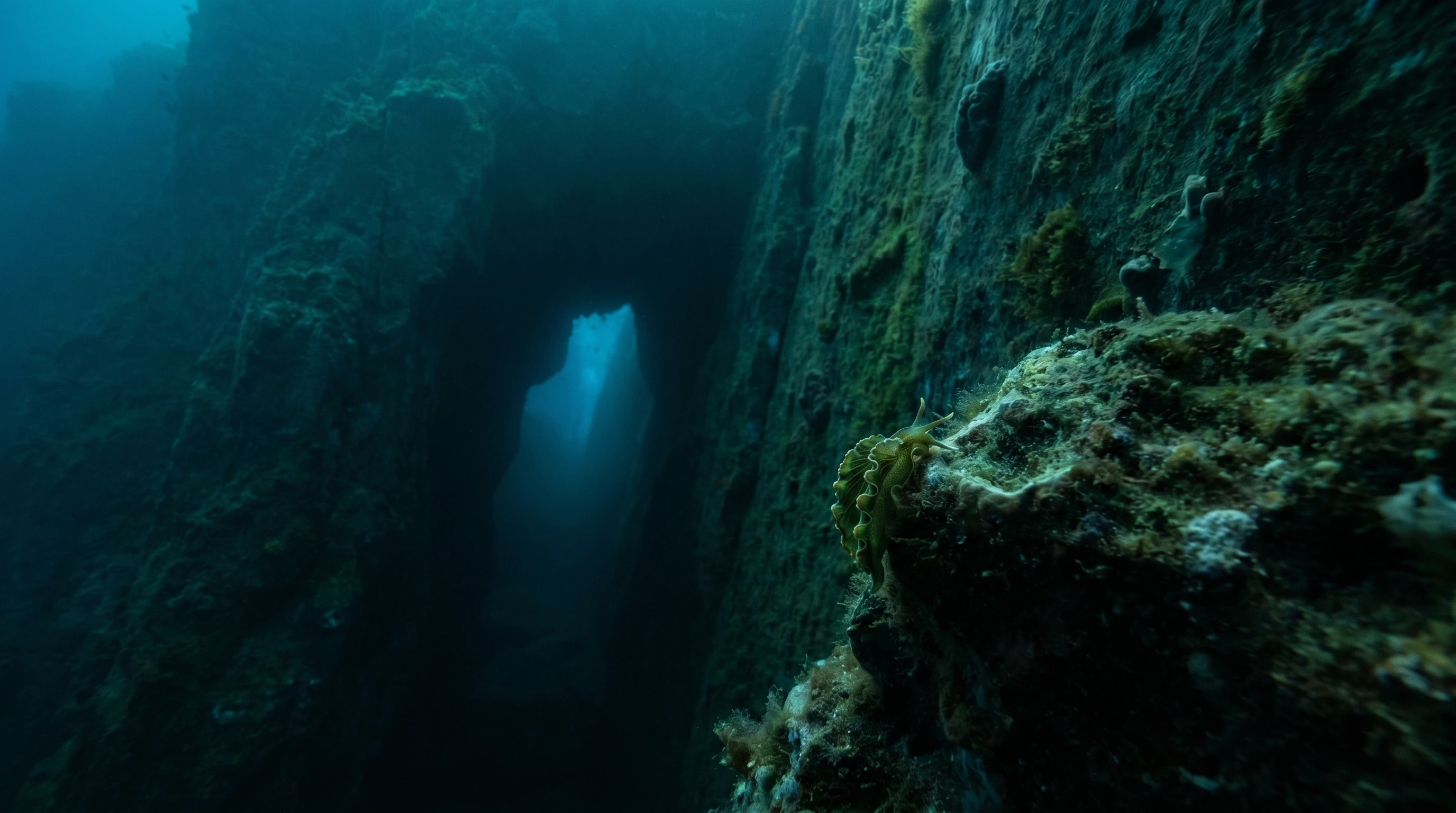
Monthly water temperature across Gozo's sites, from satellite sea-surface data corrected for depth. The band shows the site-to-site spread.
Water temperature rises steadily from spring into autumn, peaking in October and holding warmth well into November, which aligns with the strongest concentration of diver-recommended months. Spring brings improving conditions after the cooler winter low, while summer offers settled seas suited to the exposed wall and pinnacle sites. The best-months data clusters most heavily around May and October, suggesting shoulder seasons reward divers with good conditions and quieter sites.

28 operators
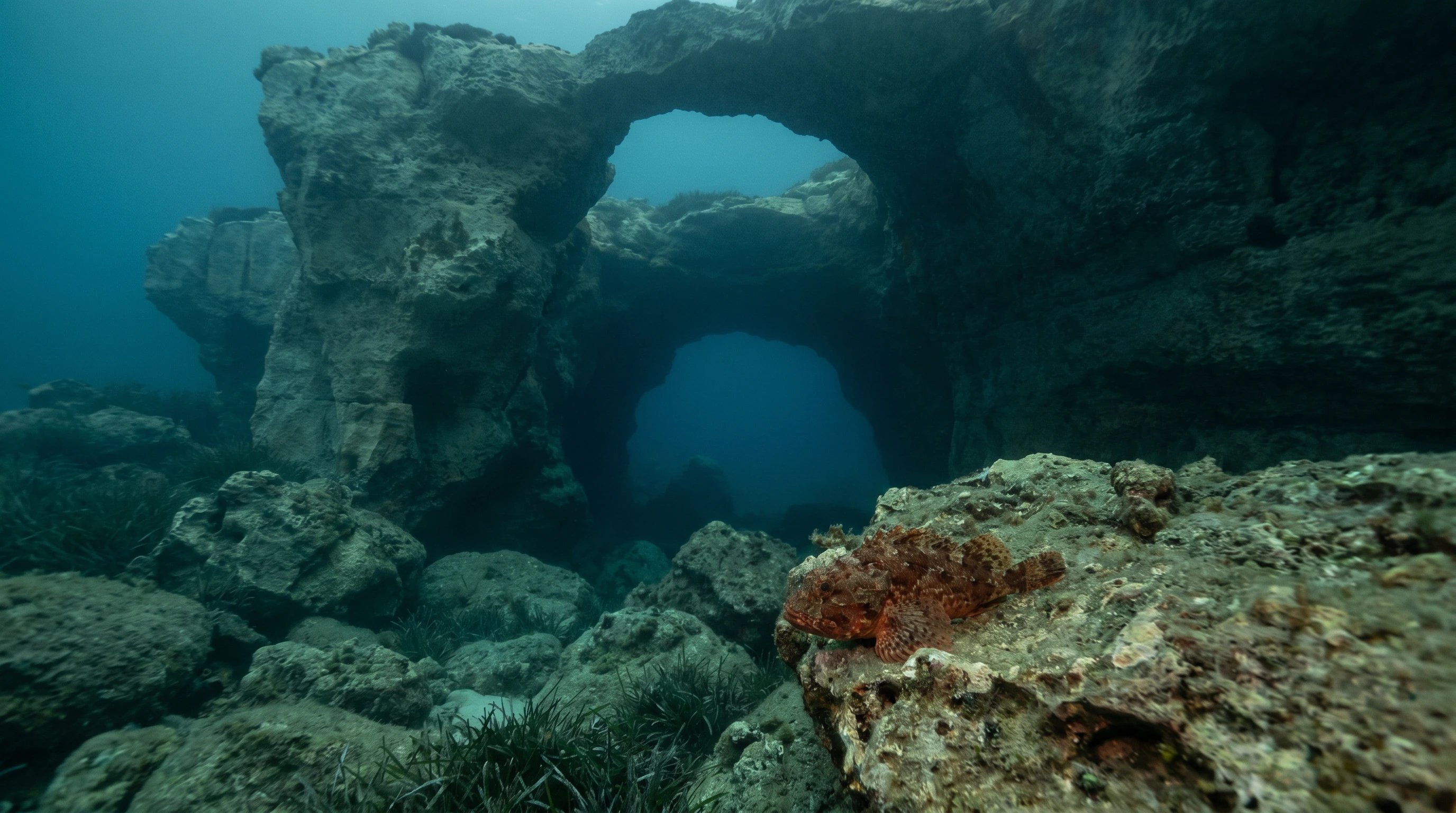
Gozo's north coast offers shallow bay dives for beginners alongside the stacked arches of Double Arch Reef and the current-driven Washing Machine for advanced divers.
Water temperature around Gozo ranges from about 15°C in April to 23°C in October, based on satellite sea-temperature data for its dive sites.
In the warm season (about 23°C) a 3mm full suit is comfortable in Gozo; in the coldest months (about 15°C) step up to a 7mm or semi-dry suit.
Fin maps 43 sites in Gozo (43 scuba diving sites and 8 snorkelling spots, with some suited to both), organised into 7 areas.
Across Gozo's dive sites, May, June, July, August, September and October are most often reported as the best months to visit.
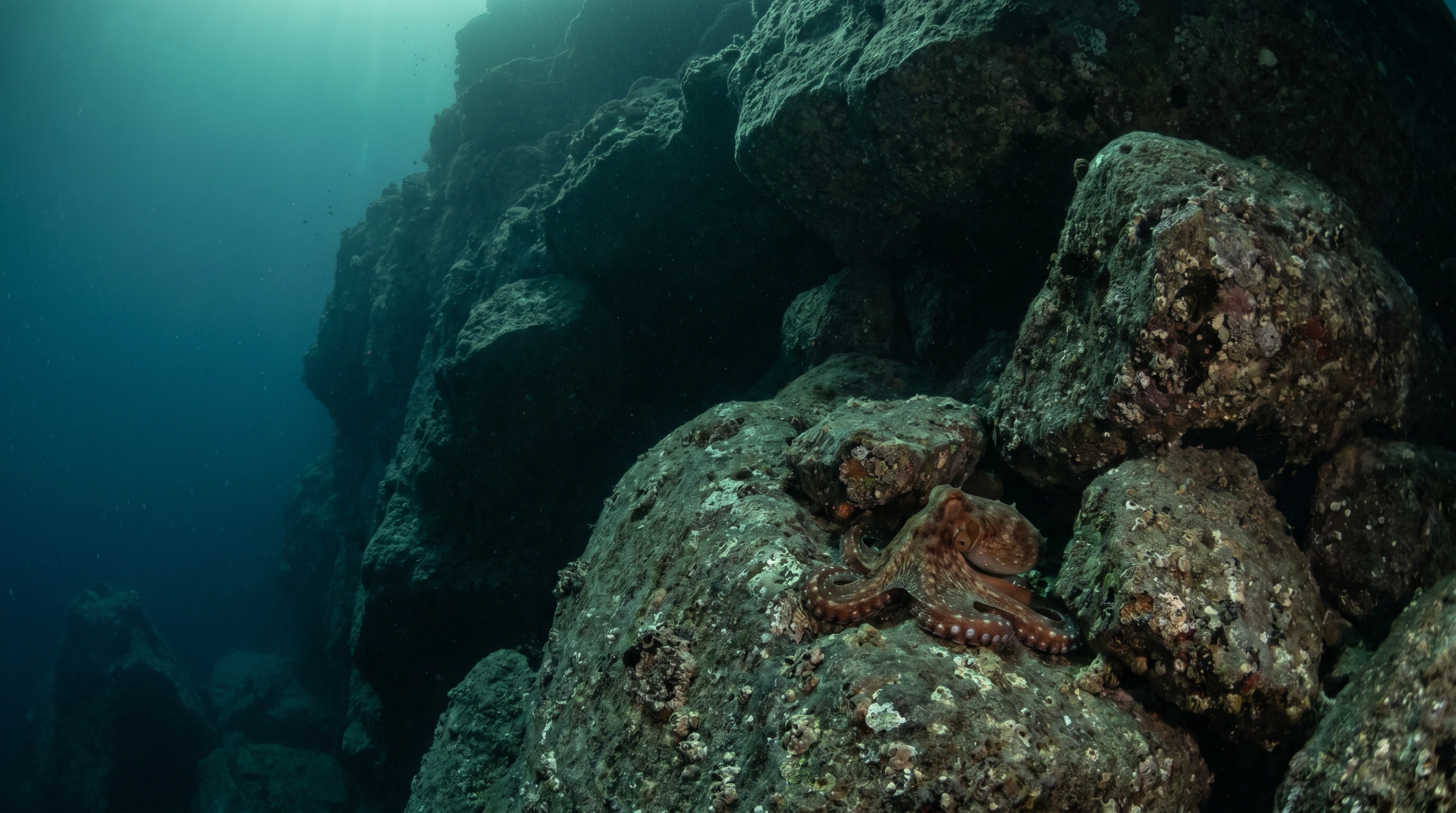
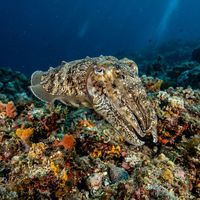
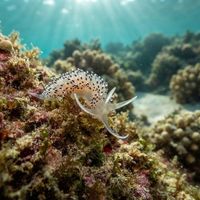
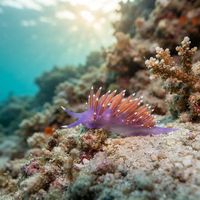
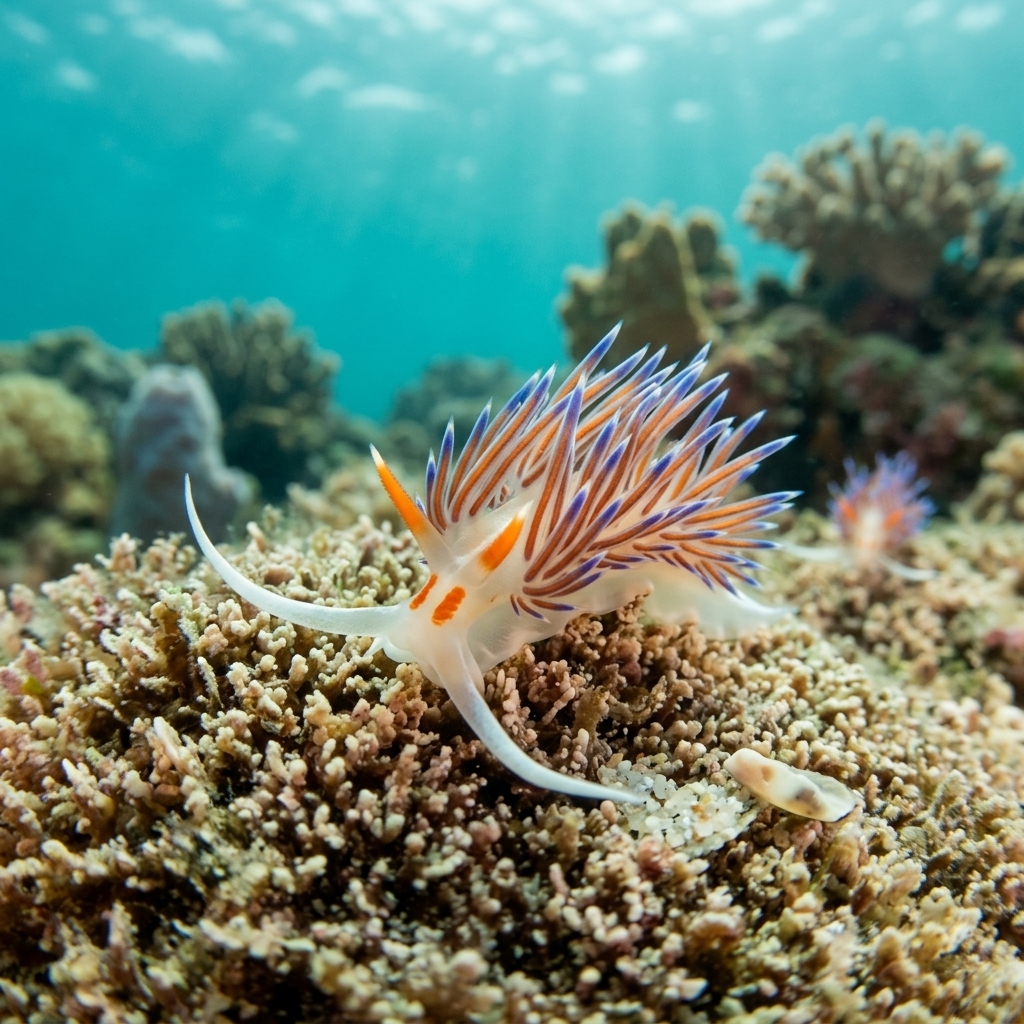
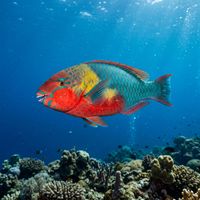
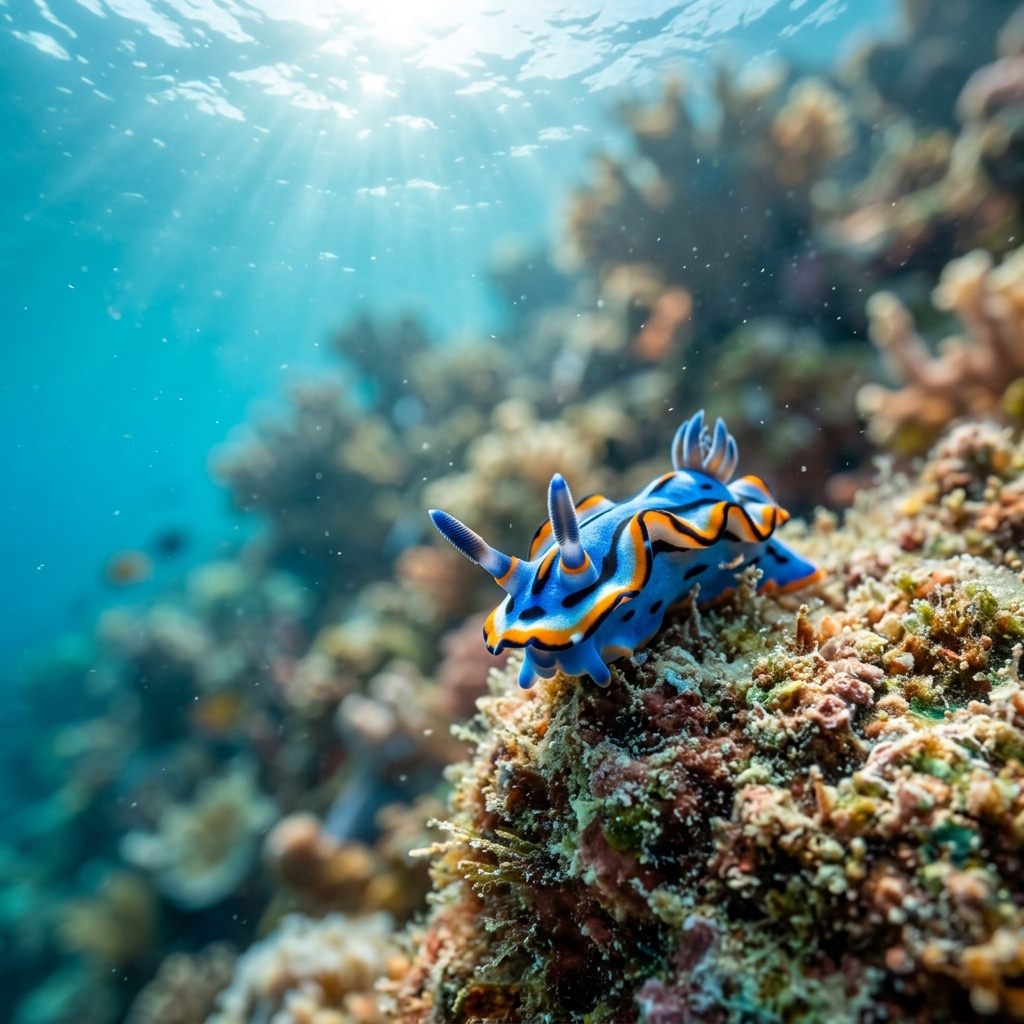
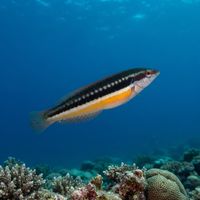
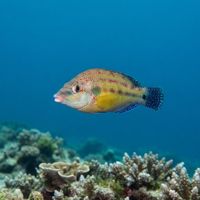
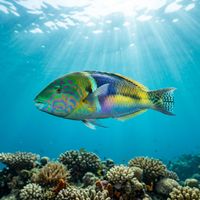
Gozo's reefs and walls are home to a wide range of observed species. Common Octopus and Mediterranean Moray are encountered very frequently across most sites, while European Common Cuttlefish and Flying Gurnard are among the signature species. Nudibranch enthusiasts will find the Cratena Slug and Splendid Elysia recorded widely, and Scorpionfish, Painted Comber and Turkish Wrasse appear across the majority of sites.
Gozo has sites across all skill levels. Beginners are well served by shallow shore dives such as Xlendi Tunnel and Reef and Xwejni Bay, both with gentle depths and calm entry conditions. Intermediate divers can progress to the Blue Hole and Inland Sea, while advanced and expert divers have a strong selection of deep walls, caves and wrecks to explore. The range of operators, with many based around Dwejra and Xlendi, means guided introductory dives are readily available.
Dwejra is the most site-dense area and centres on geological features such as the Blue Hole, Inland Sea tunnel and the deeper structures around Reqqa Point. Xlendi combines wrecks, including the MV Xlendi, Karwela and Cominoland, with wall and cave dives suited to advanced divers. Marsalforn and Xatt l-Aħmar offer shallower, more sheltered options, while Ta' Ċenċ and Hondoq provide quieter alternatives away from the main centres.
Shore entry is the dominant access method across Gozo, which means many sites can be dived independently or with a guide without the need for a boat. A number of advanced sites such as Double Arch Reef, Karwela, Cominoland and Fessej Rock also offer boat entry, and several of the exposed wall sites around Reqqa benefit from boat drop-offs. The large number of dive operators on the island means boat-guided access to offshore structures is straightforward to arrange.