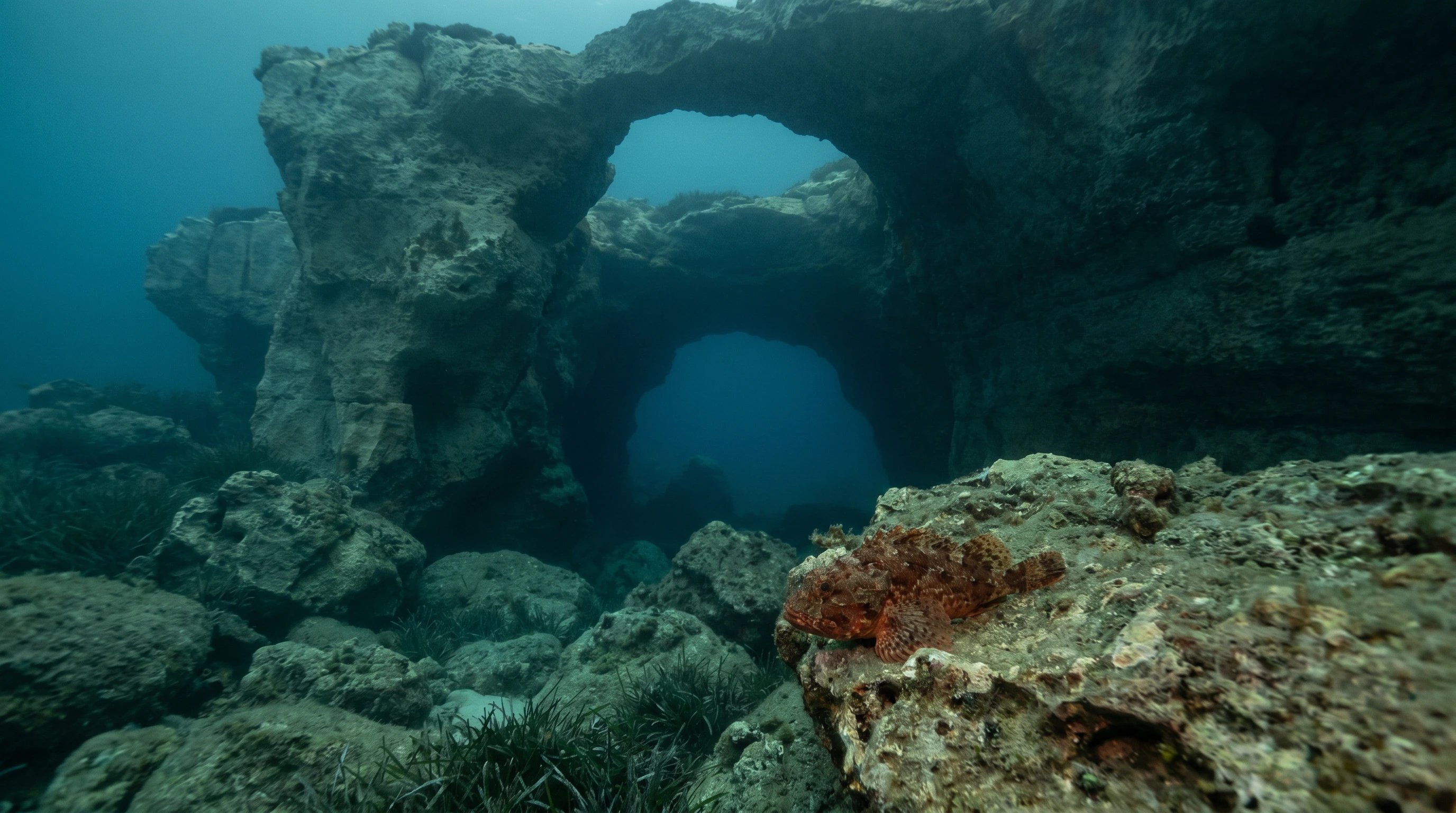
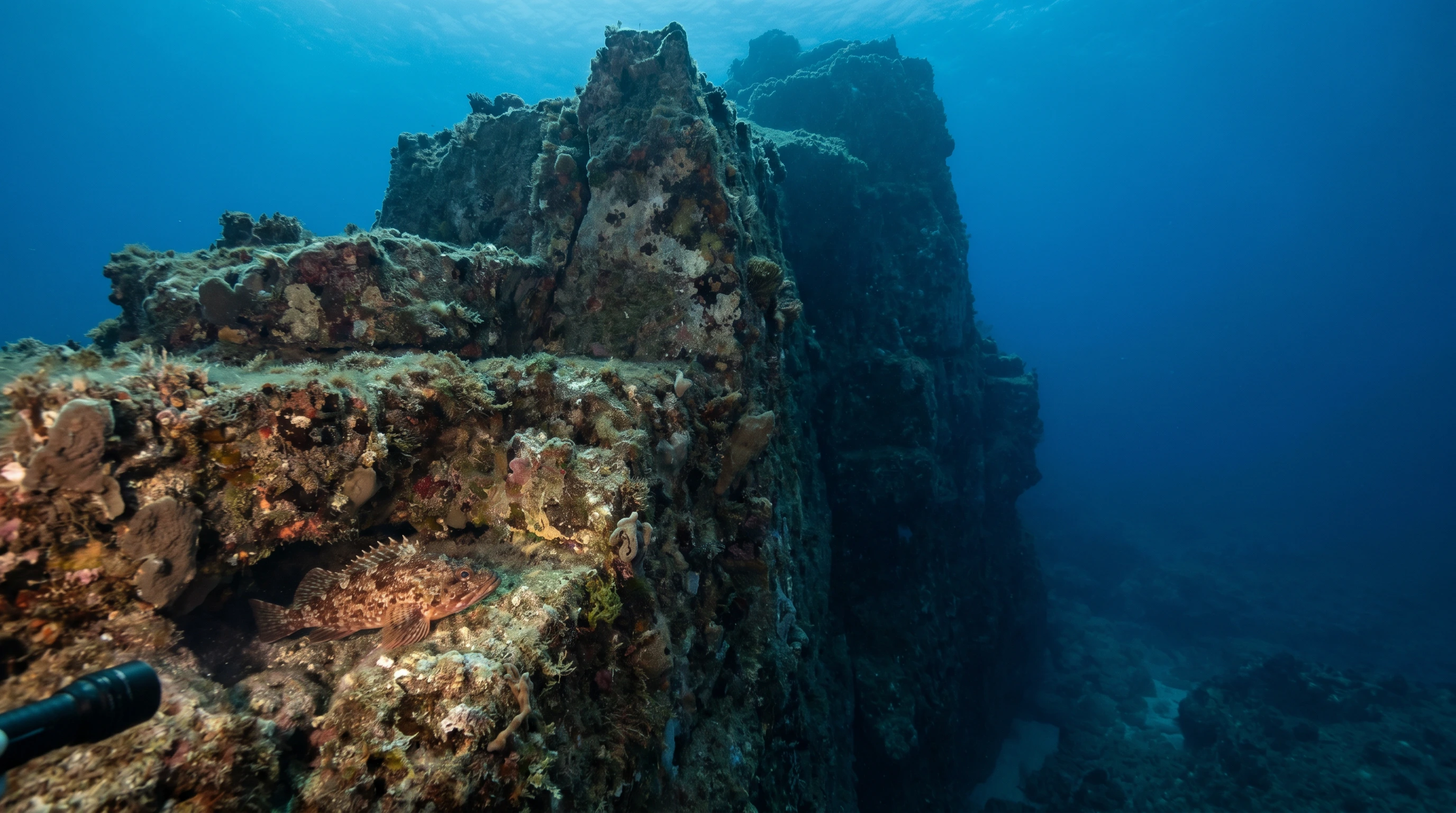
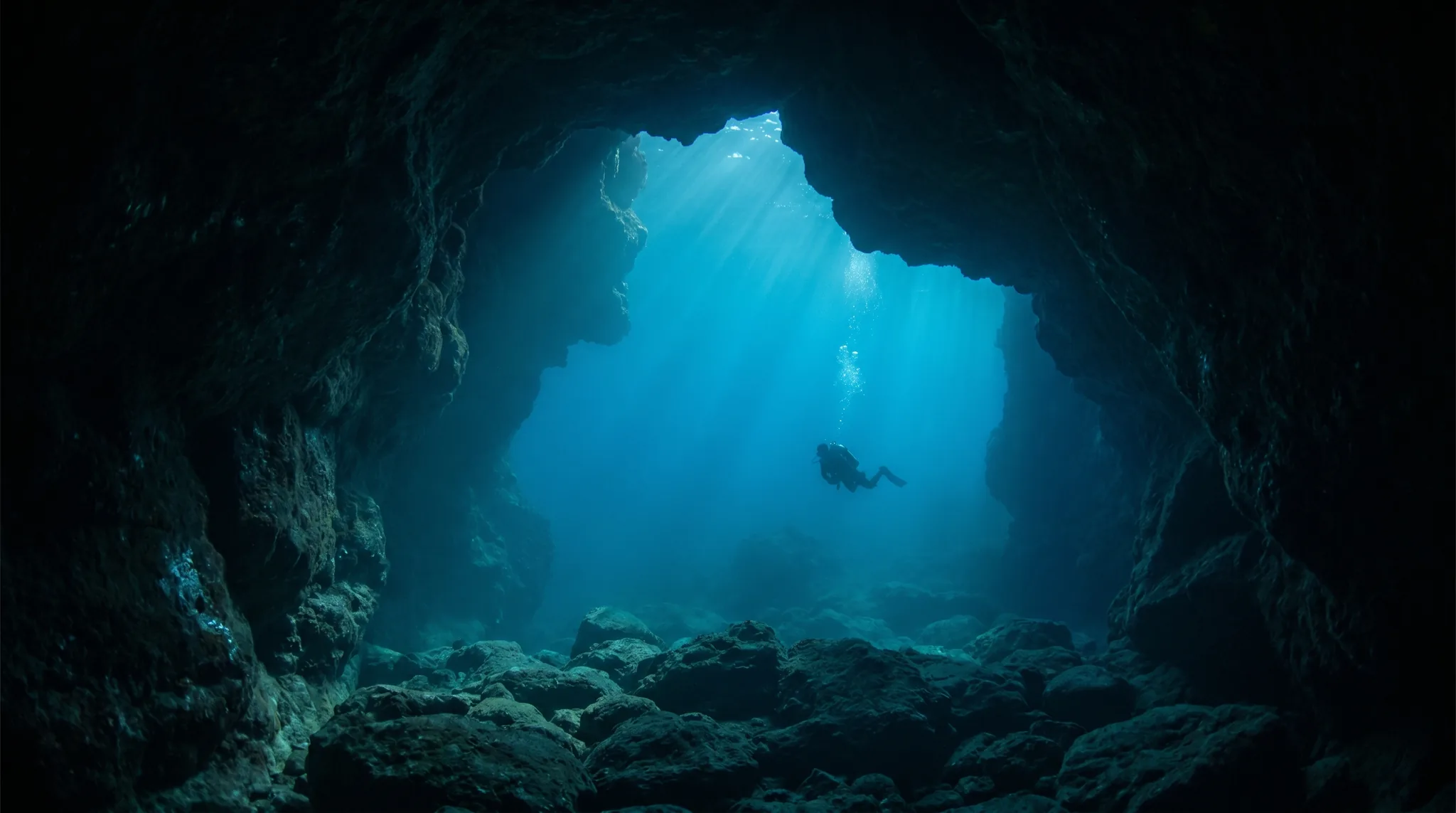
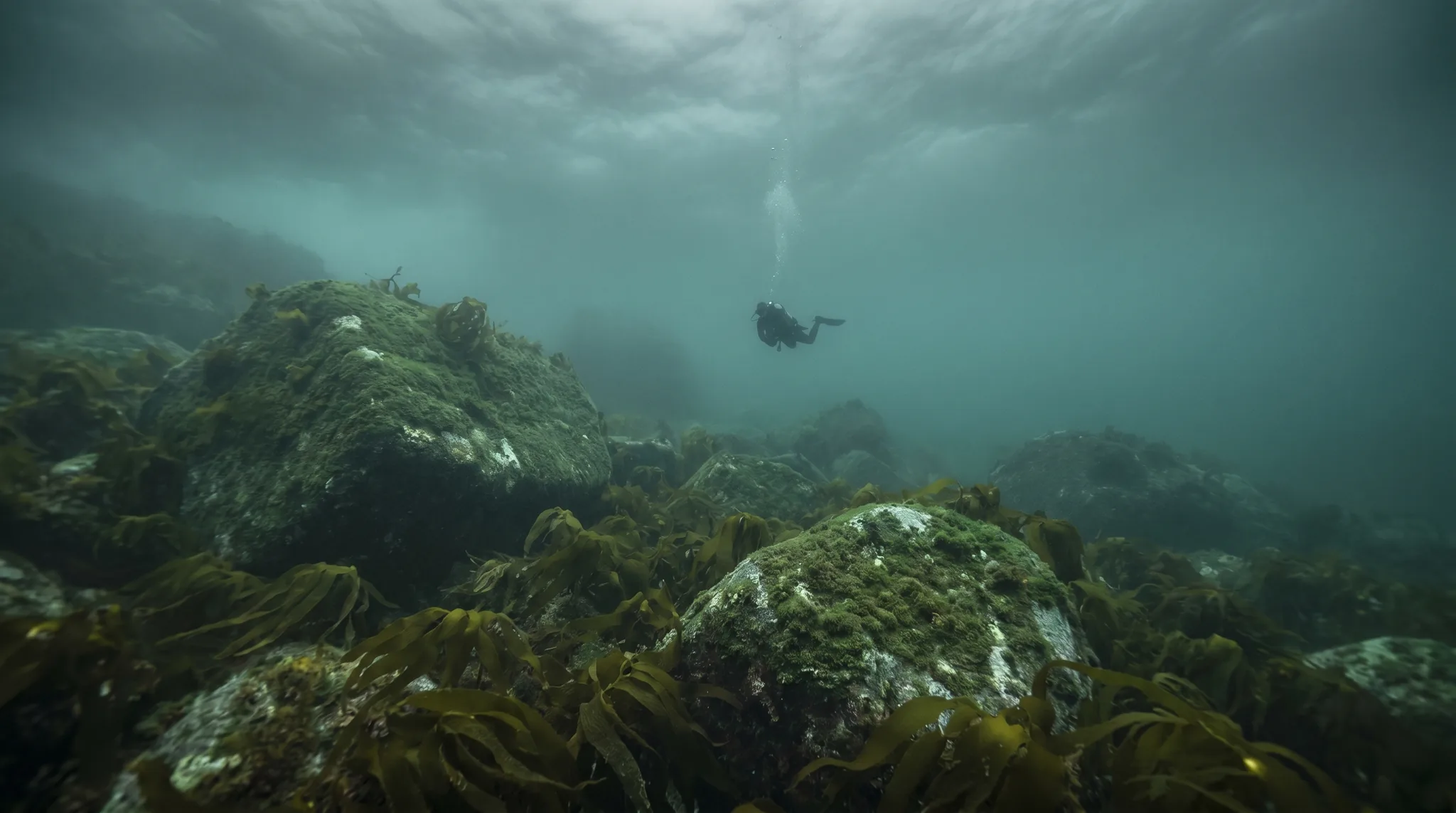
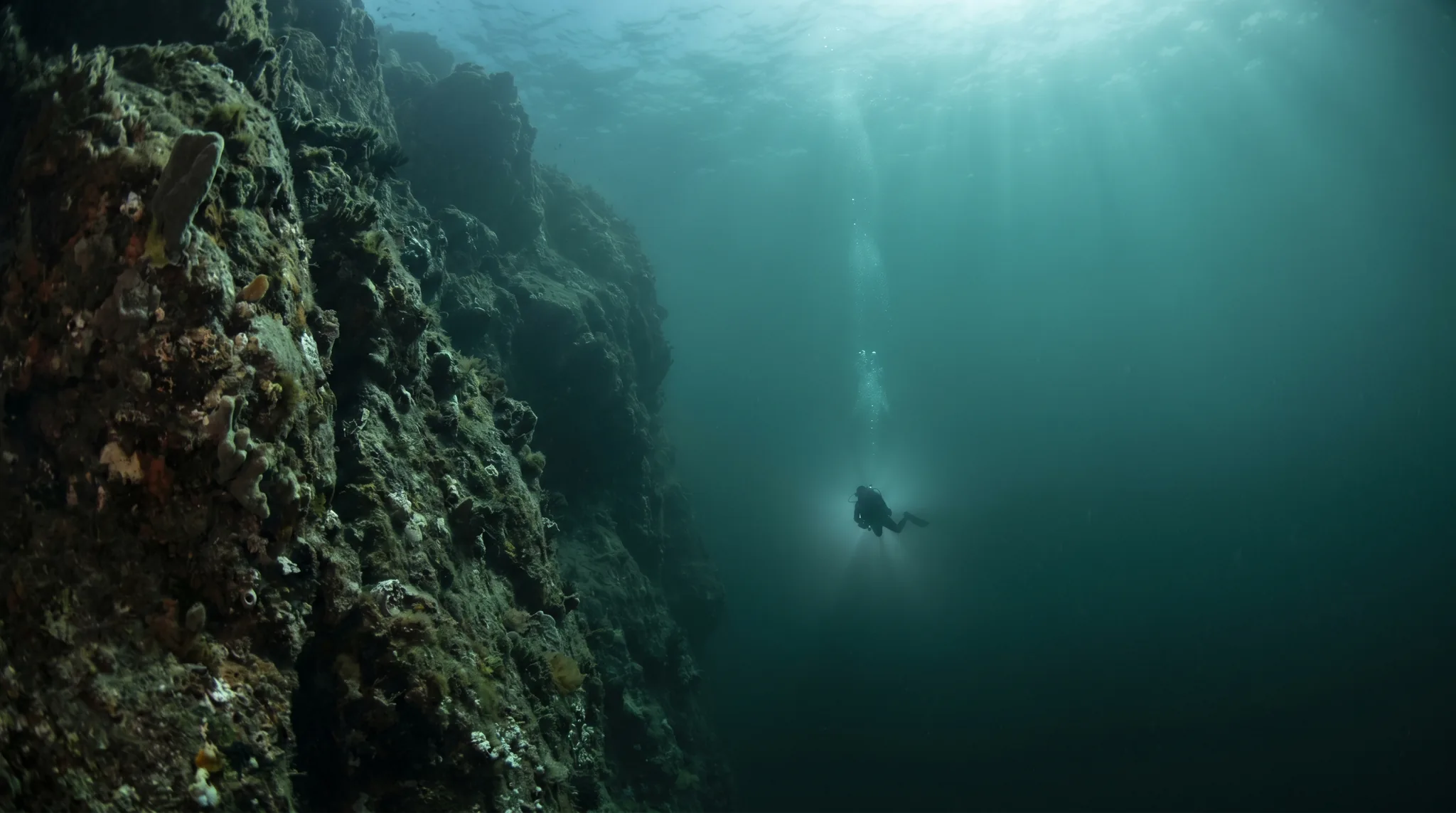
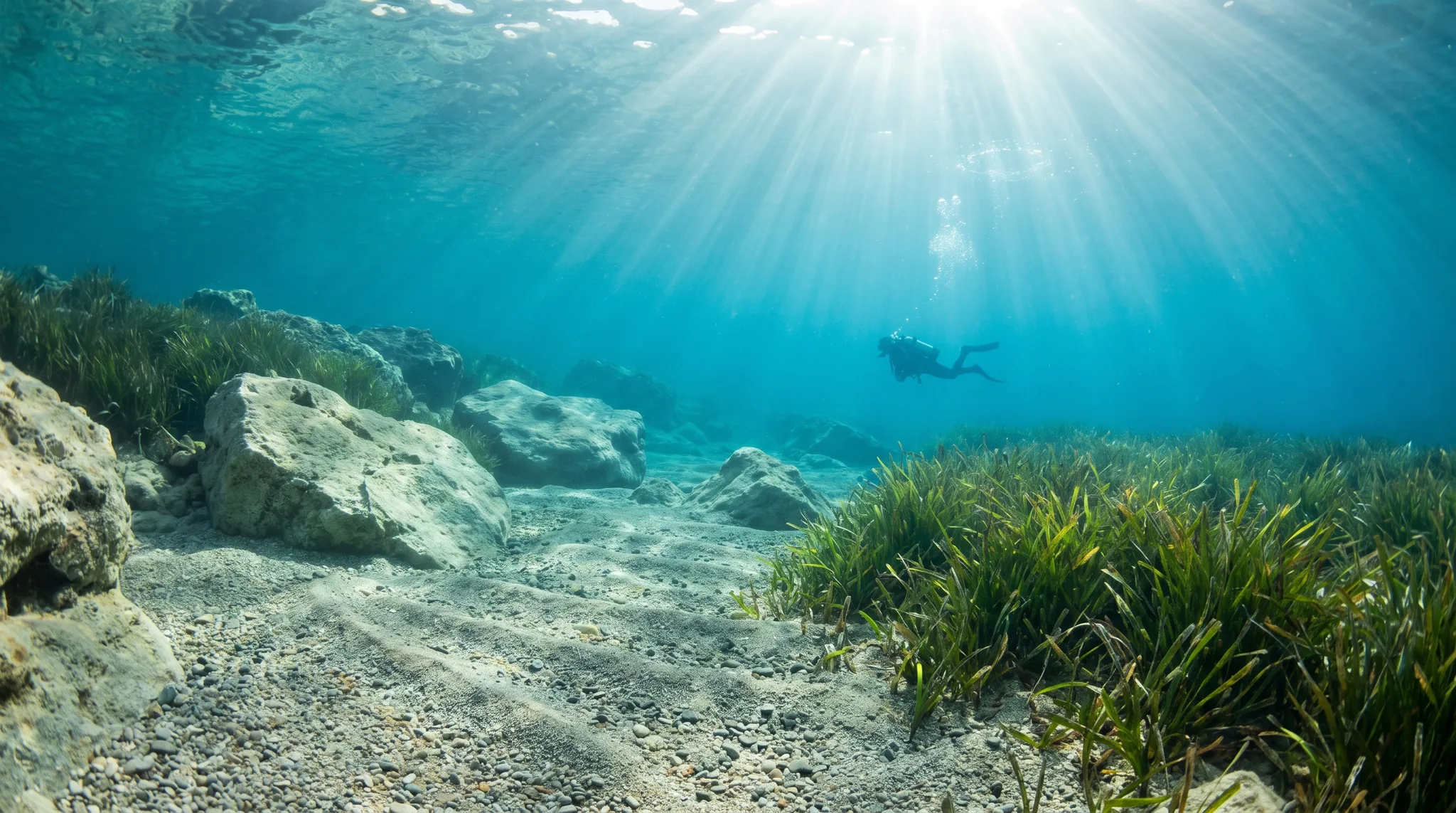
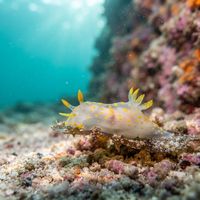
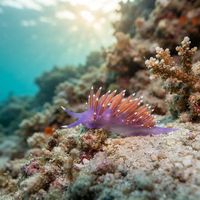
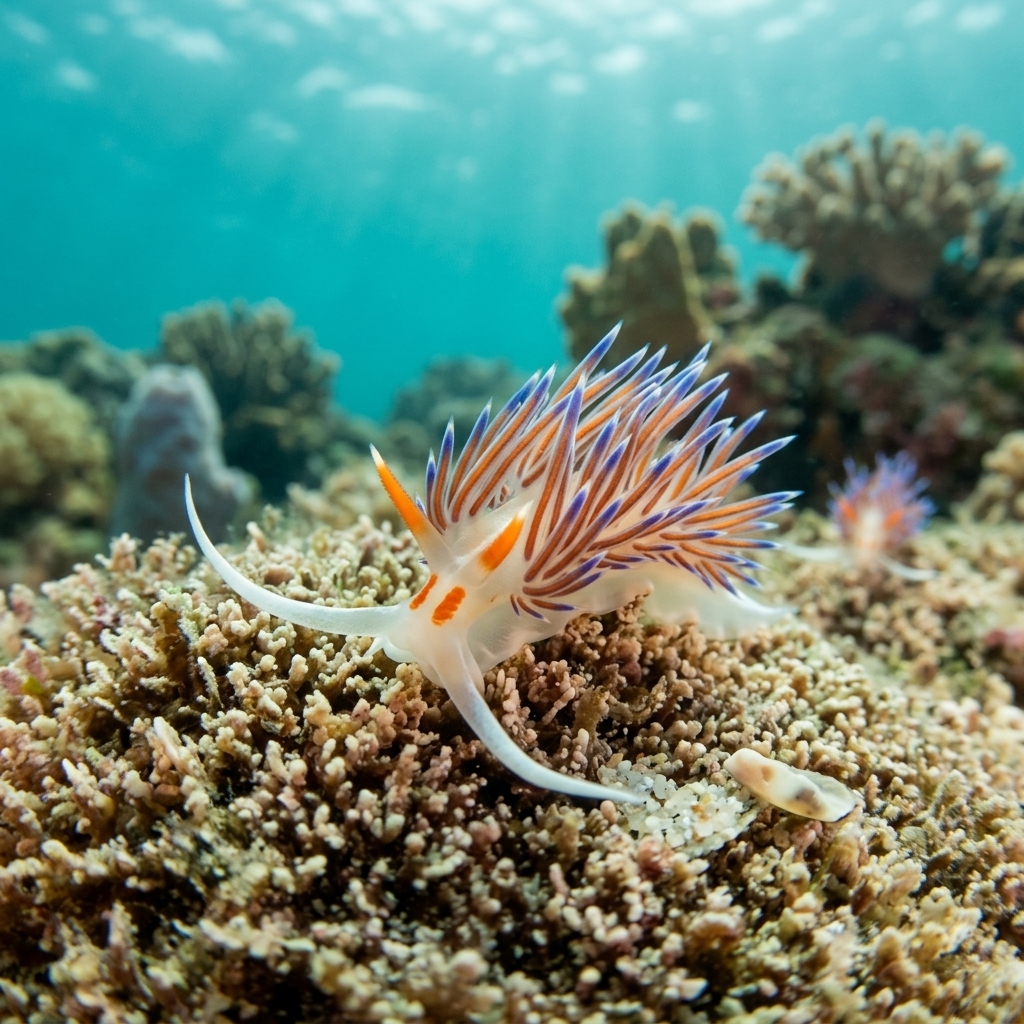
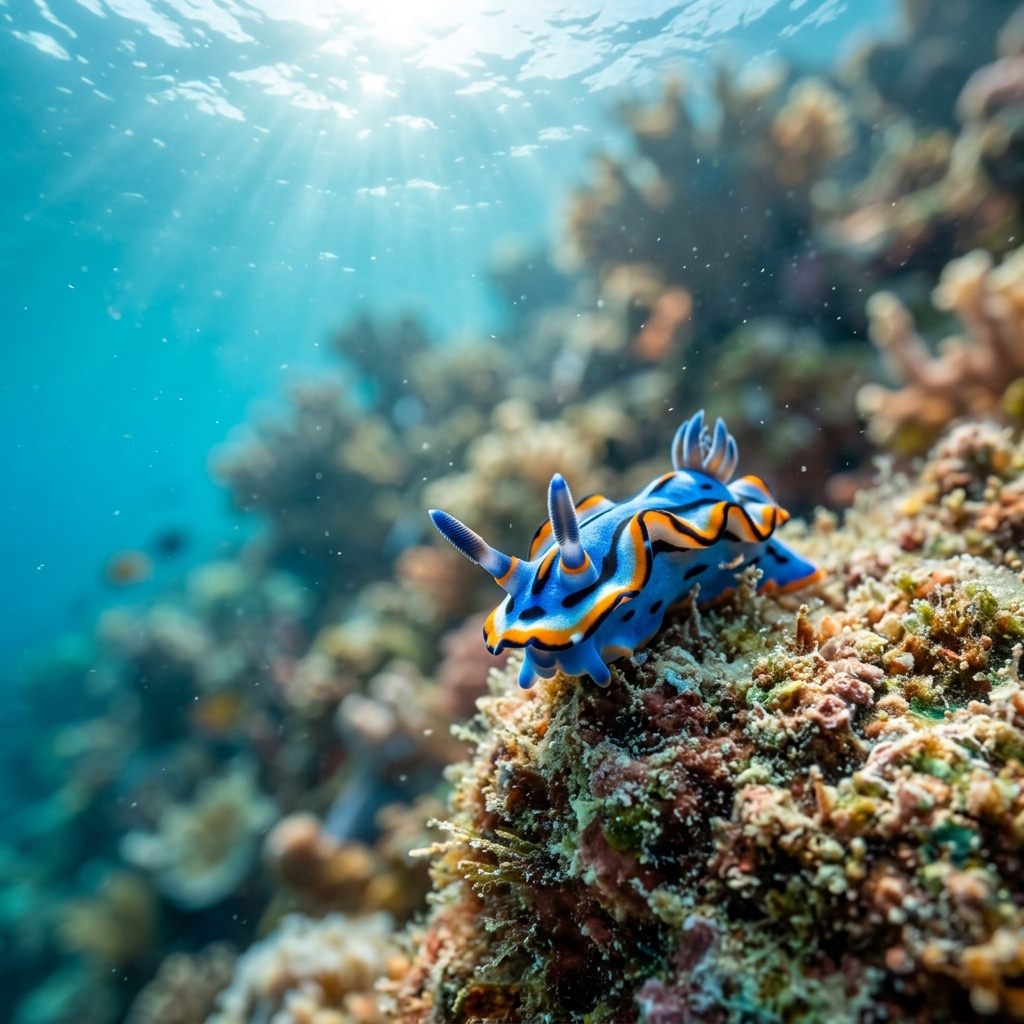
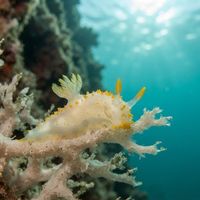
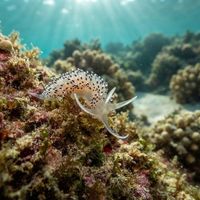
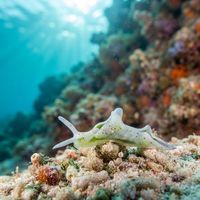
Dwejra, on the western edge of Gozo, is defined by dramatic limestone geology: tunnels, caverns, walls and drop-offs shape almost every site here. The Inland Sea offers a memorable shore dive through a long natural tunnel, while the Blue Hole draws divers to a cylindrical formation opening onto open water. Deeper boat dives at Fungus Rock, Dimitri Point and Dawra Tas-Sanap descend to serious depths along vertical walls. Nudibranch life, including the Cratena Slug and Splendid Elysia, is a particular feature across the reef systems.
Monthly water temperature across Dwejra's sites, from satellite sea-surface data corrected for depth. The band shows the site-to-site spread.
Water temperatures climb through late spring and peak in October, making the warmer months the most comfortable for extended dives. The shoulder months of May and November offer good conditions with fewer divers. Exposed boat sites such as Fungus Rock and Dimitri Point can carry moderate currents, so conditions should be checked before heading out.

8 operators

San Lawrenz, Malta
Saint Lucia, Malta
1 more site to explore
Water temperature around Dwejra ranges from about 16°C in February to 24°C in October, based on satellite sea-temperature data for its dive sites.
In the warm season (about 24°C) a 3mm full suit is comfortable in Dwejra; in the coldest months (about 16°C) step up to a 7mm or semi-dry suit.
Fin maps 12 sites in Dwejra (12 scuba diving sites and 2 snorkelling spots, with some suited to both).
Across Dwejra's dive sites, May, June, July, August, September and October are most often reported as the best months to visit.
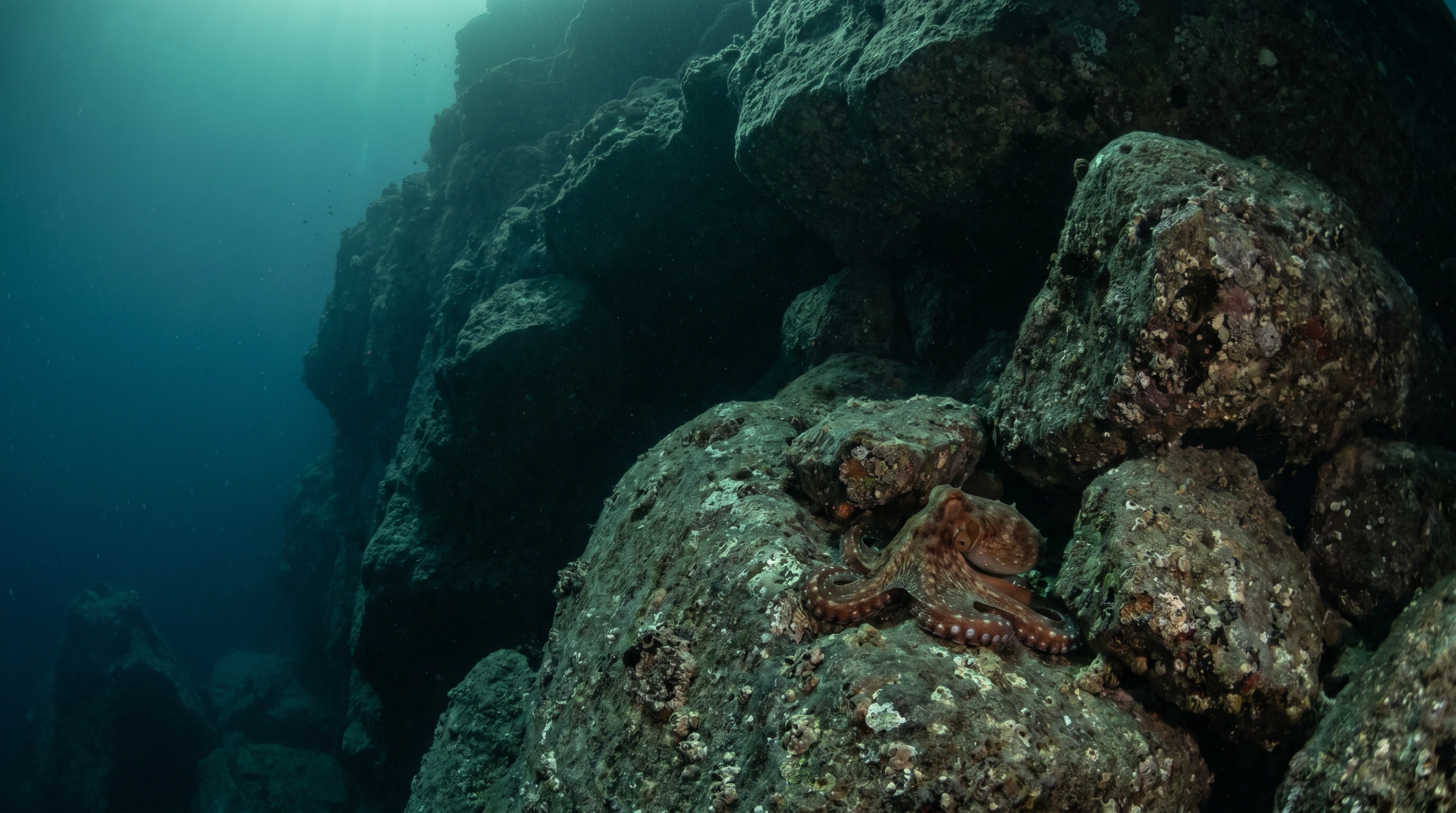
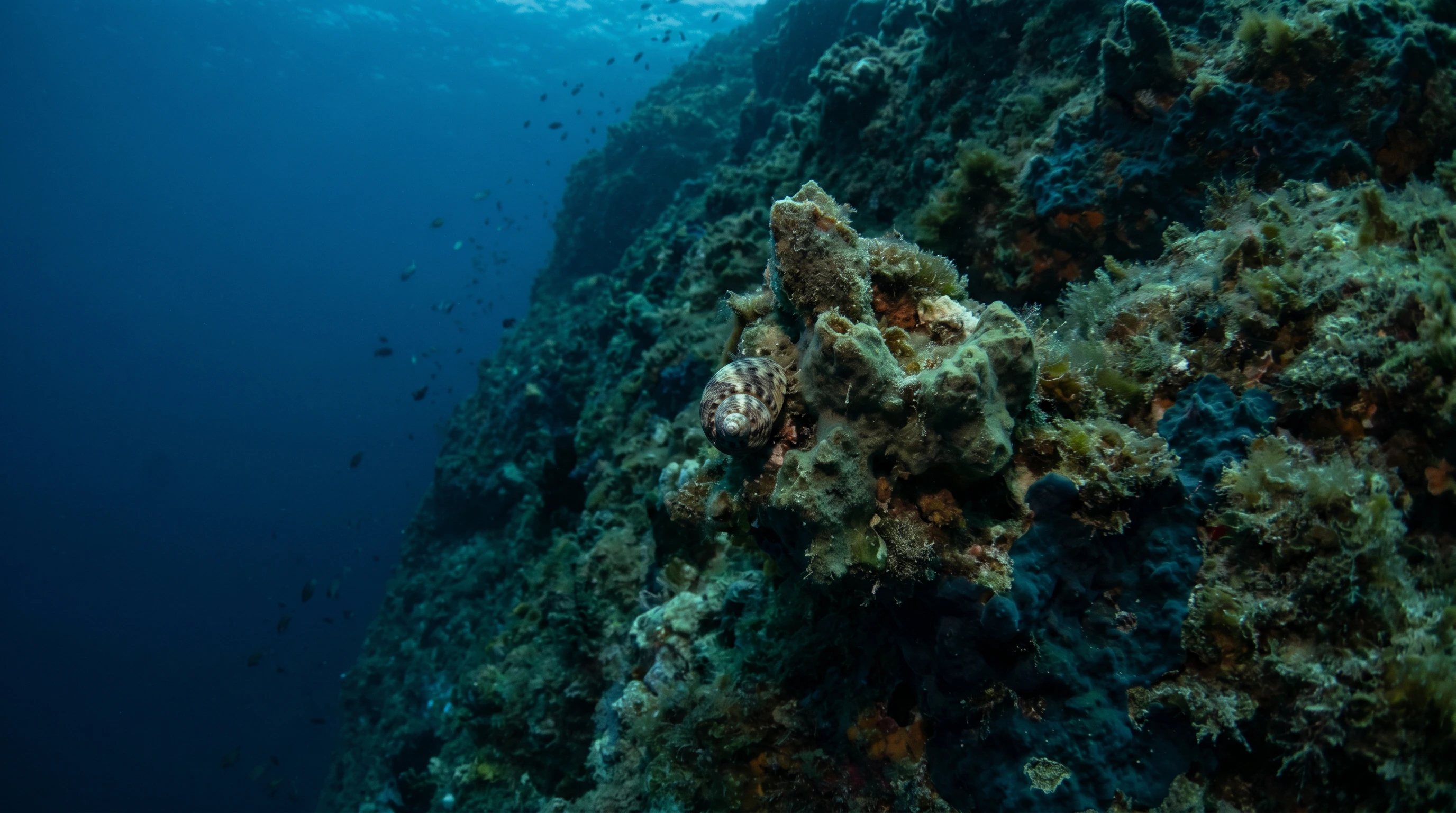
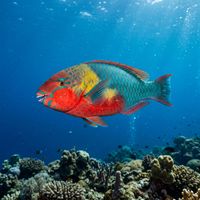
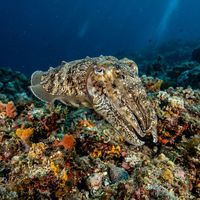
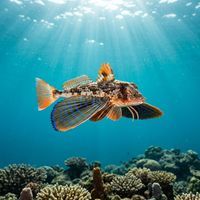
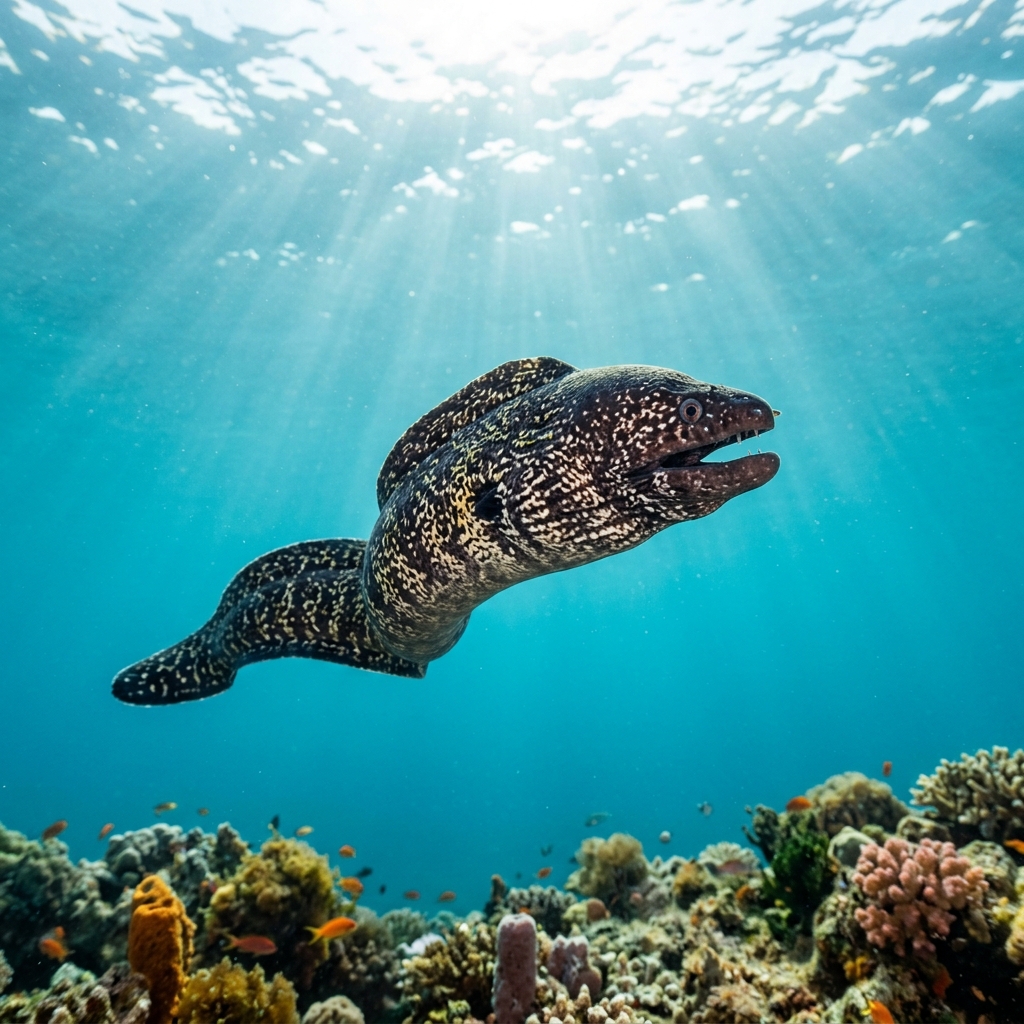
The Common Octopus and European Common Cuttlefish are signature encounters across the sites. Nudibranch enthusiasts will find the Cratena Slug and Splendid Elysia on most reefs. Keep an eye on sandy patches and rock faces for the Mediterranean Moray, Conger Eel, Scorpionfish and the occasional Flying Gurnard.
Dwejra caters to a range of experience levels. Beginners can explore Coral Gardens and Xlendi Tunnel and Reef from shore, both of which stay relatively shallow. Intermediate divers have the Blue Hole and Inland Sea as excellent options. Advanced certification is needed for the deeper boat dives such as Fungus Rock, Zurziep Reef and Dawra Tas-Sanap, where walls drop well beyond recreational limits.
Several of the most accessible sites, including the Inland Sea, Blue Hole, Coral Gardens and Xlendi Tunnel and Reef, can be reached directly from shore. The deeper and more exposed sites, such as Fungus Rock, Tac Cawla Caves, Dimitri Point and Dawra Tas-Sanap, require a boat. A number of local operators including Dive Gozo, Gozo Dive and Saint Andrew's Divers Cove run regular boat trips to these sites.
Cave and tunnel diving is the defining feature of Dwejra, with natural formations appearing at sites ranging from the beginner-friendly Coral Gardens to the technical Tac Cawla Caves. Walls and drop-offs are common at the deeper boat sites, while shallower reefs provide structure for smaller marine life. The variety of topography within a compact area makes Dwejra one of Gozo's most geologically varied diving destinations.