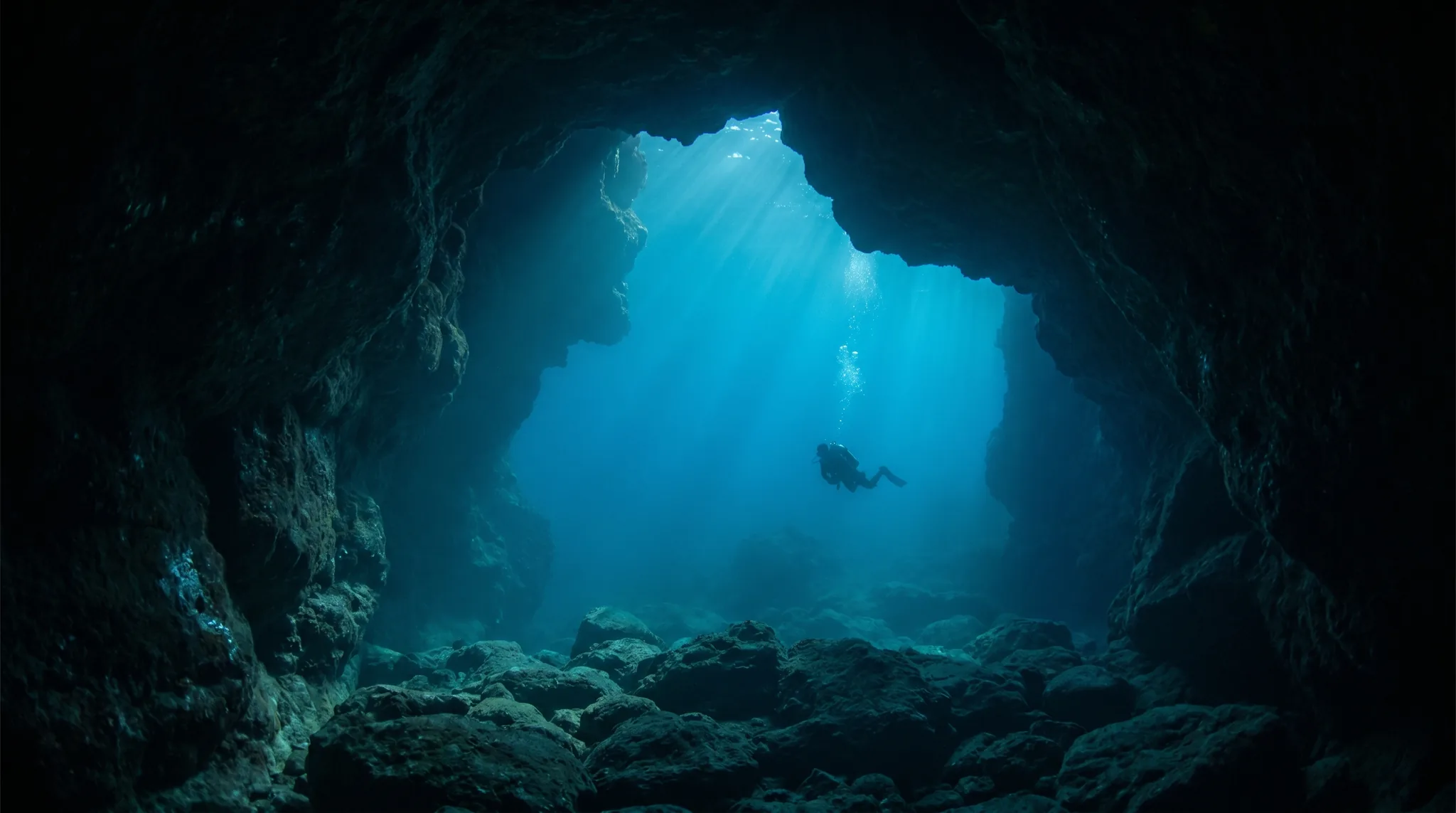
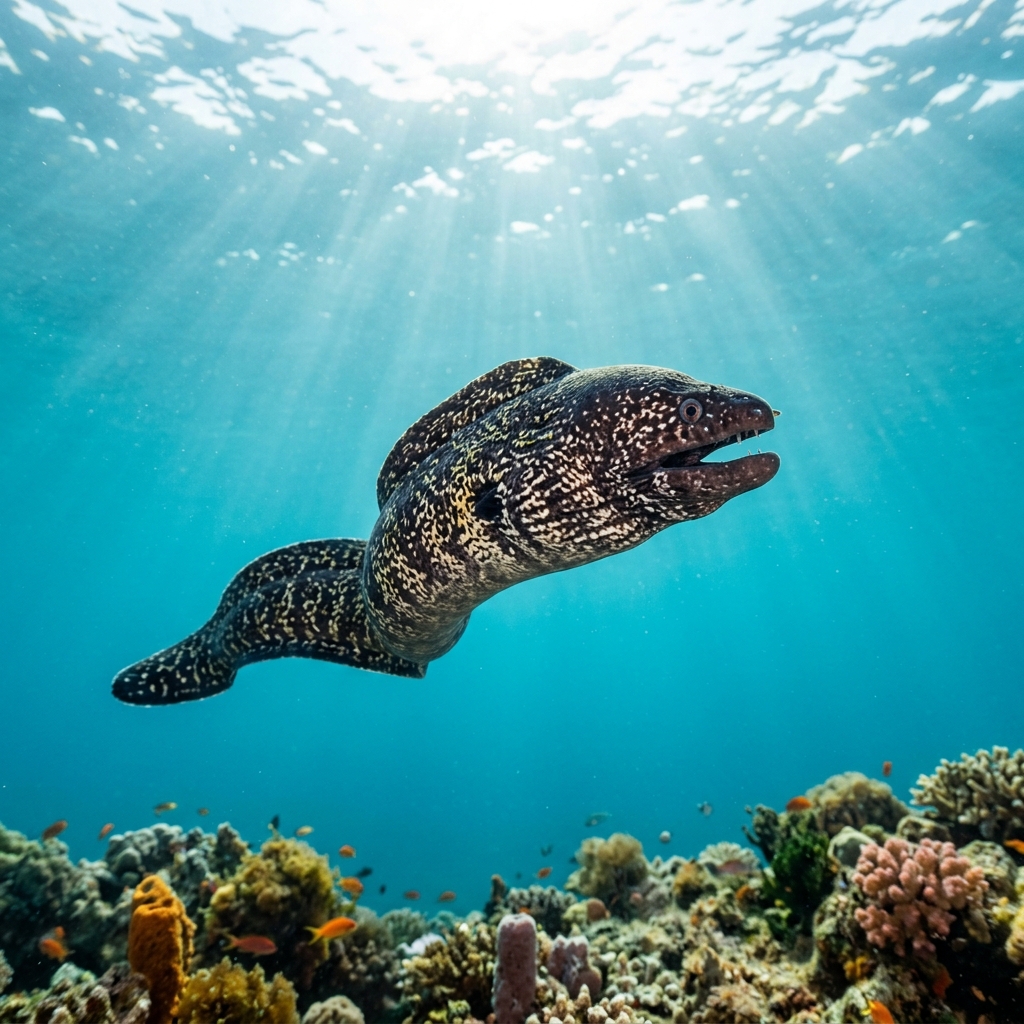
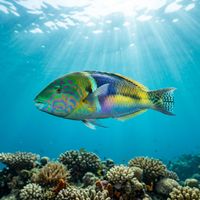
Malta's diving is defined by an exceptional concentration of wrecks alongside natural reef, cave, and cavern systems spread across six distinct sub-areas. From the beginner-friendly shore entries at Sliema and St Paul's Bay to the deep technical targets off Cirkewwa and Valletta's Grand Harbour, the range of site types and skill levels is unusually broad. The water warms through summer and peaks in early autumn, when conditions are at their most settled. Resident Mediterranean Moray, Common Octopus, European Common Cuttlefish, and European Parrotfish appear consistently across sites, while Scorpionfish and the occasional Flying Gurnard reward attentive divers on the reef.
6 areas
 14
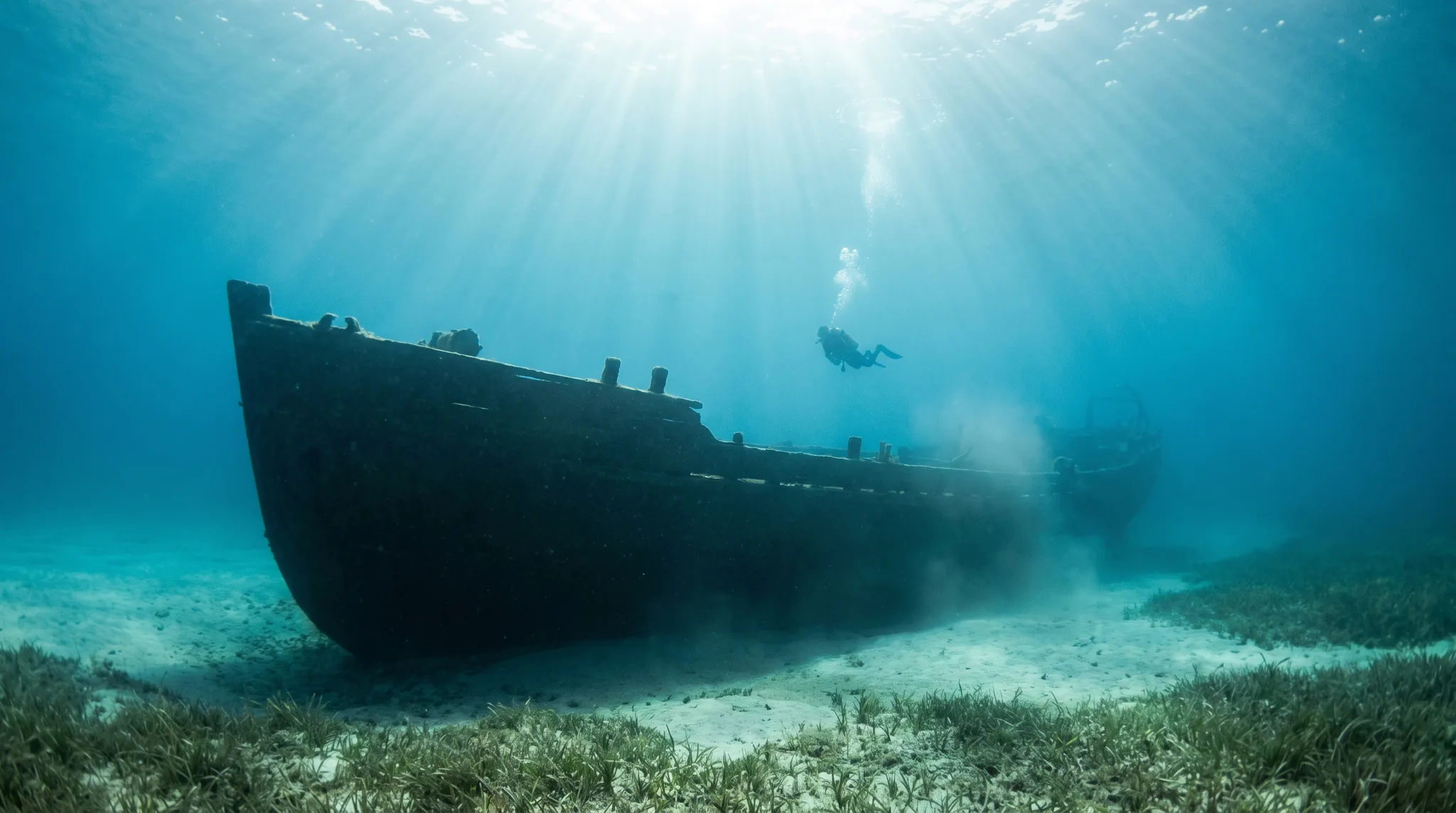
14Shore and boat wreck diving from shallow beginner sites to deep expert dives, with Common Octopus and Mediterranean Moray as resident highlights.
 14
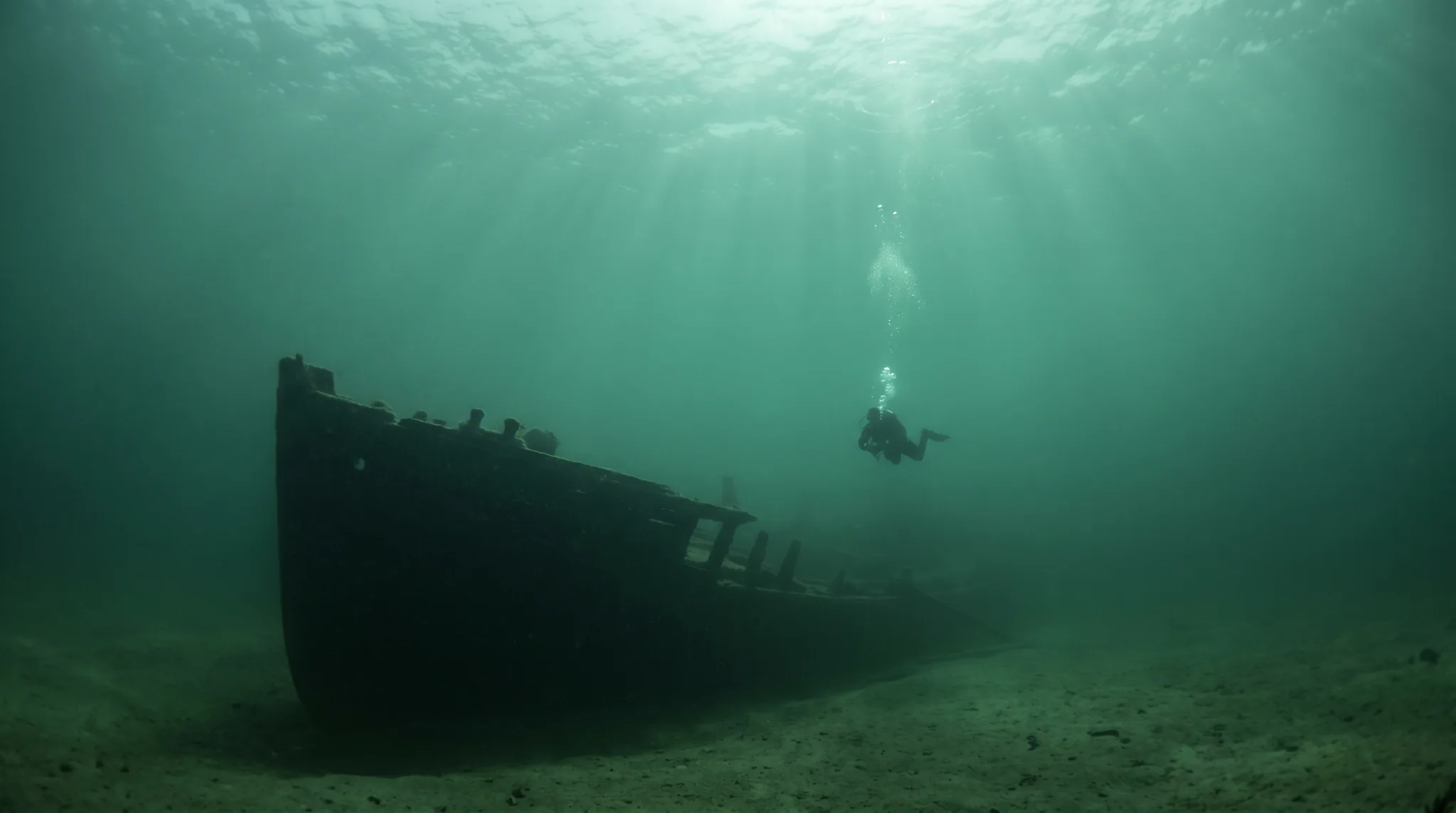
14A concentration of wartime wrecks spanning beginner to technical depths, with rich resident marine life across every site.
12A wreck-focused dive area in Malta, pairing famous artificial reefs with accessible shore sites and rich cephalopod life.
 11
11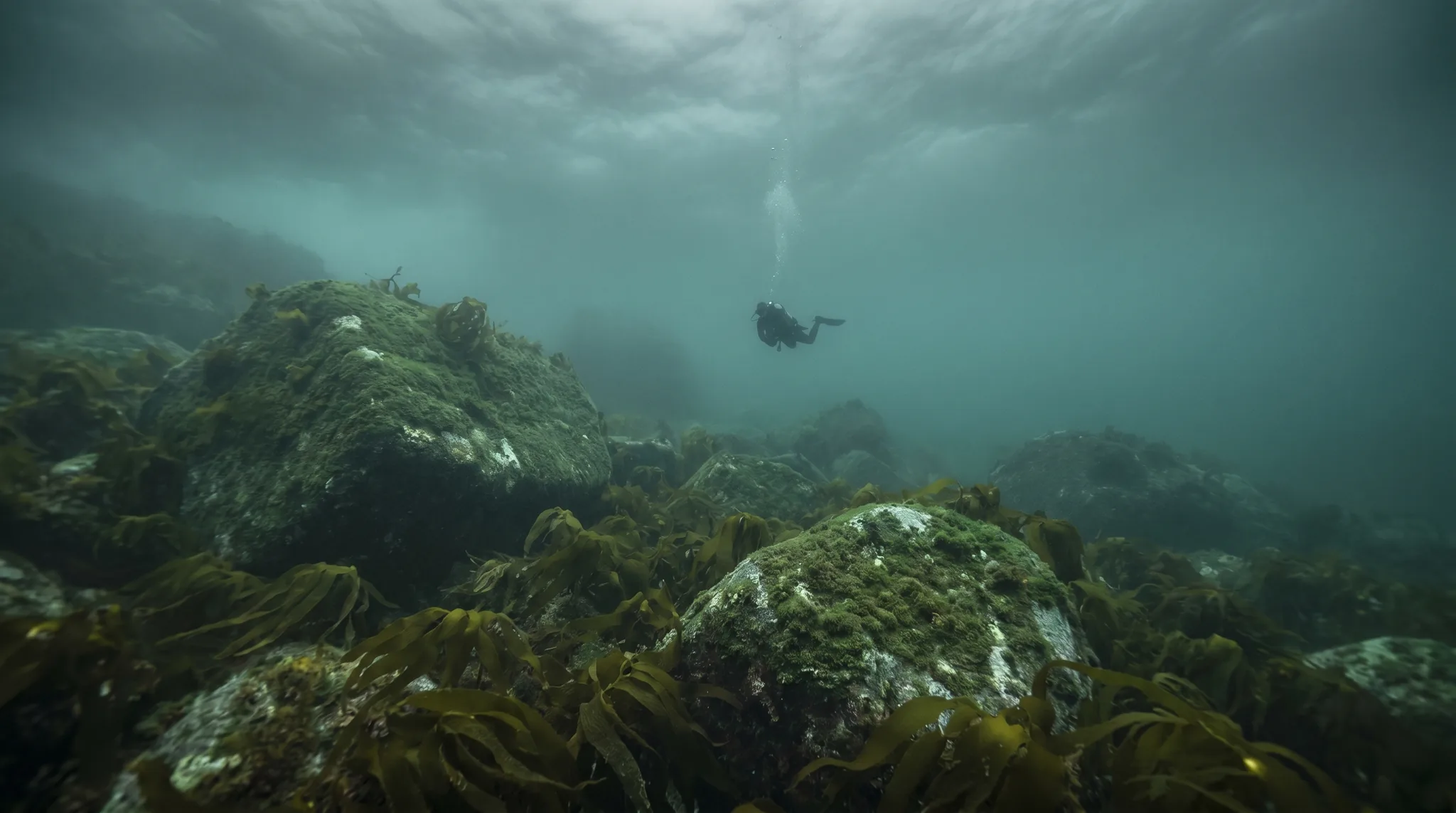
Monthly water temperature across Malta's sites, from satellite sea-surface data corrected for depth. The band shows the site-to-site spread.
Water temperatures rise steadily from spring through to early autumn, when they reach their warmest and conditions are most favourable. The peak window runs from late spring through October, with the warmest months sitting in September and October. Winter diving is possible but cooler water and shorter days make it a quieter period, best suited to those who prefer less crowded sites.

55 operators

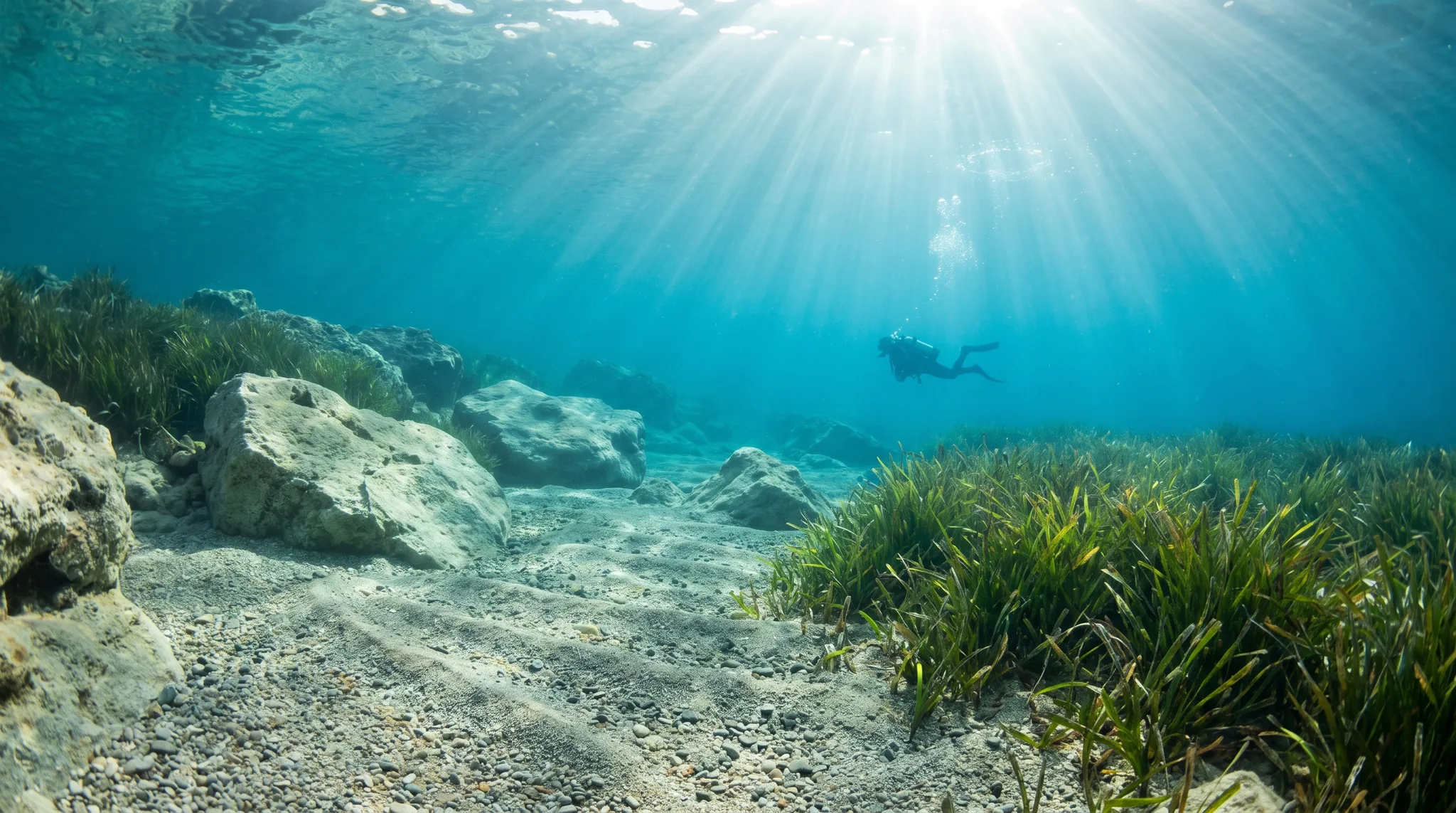
Shore-accessible wrecks, caves and reefs with octopus, cuttlefish and moray eel sightings across all skill levels.
Water temperature around Malta ranges from about 15°C in April to 23°C in September, based on satellite sea-temperature data for its dive sites.
In the warm season (about 23°C) a 3mm full suit is comfortable in Malta; in the coldest months (about 15°C) step up to a 7mm or semi-dry suit.
Fin maps 61 sites in Malta (61 scuba diving sites and 5 snorkelling spots, with some suited to both), organised into 6 areas.
Across Malta's dive sites, May, June, July, August, September and October are most often reported as the best months to visit.
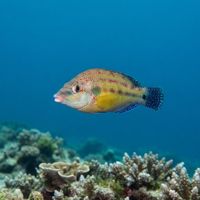
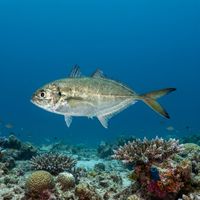
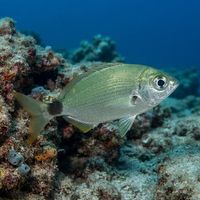
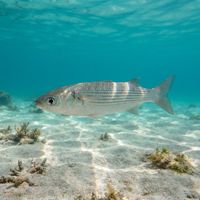
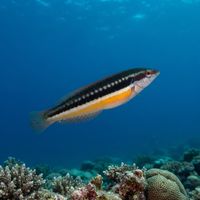
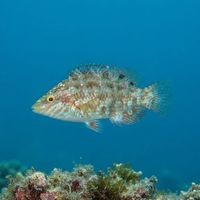
The most consistently observed species across Malta's sites include the Mediterranean Moray, Common Octopus, European Common Cuttlefish, and European Parrotfish. Wrasse species including the Turkish Wrasse, along with Painted Comber, Two-banded Seabream, and Scorpionfish, appear on virtually every reef dive. The Flying Gurnard and Cratena Slug reward divers who look carefully along the bottom, and Grouper are seen at a good number of sites.
Malta caters well to a wide range of skill levels. Sites such as Sirens Bay, Fortizza Reef, and Tug 2 are rated beginner-friendly, offering shallow shore entries and gentle conditions ideal for newly certified divers. Intermediate and advanced divers have a strong selection of wrecks and walls, while technical divers can target deep sites like Le Polynesien and CS Levant II. The spread of sub-areas means divers of different abilities can dive together and find suitable sites nearby.
Shore diving is well established in areas like Sliema and St Paul's Bay, where sites such as Fortizza Reef and Ta Xbiex are accessed directly from the waterfront. Boat diving becomes necessary for the deeper wreck sites and those located further offshore, including HMS Stubborn, Imperial Eagle MV, and Le Polynesien. The Valletta and Grand Harbour sub-area has a notable concentration of boat-access wrecks, while Mellieha and Cirkewwa offer a mix of both access types.