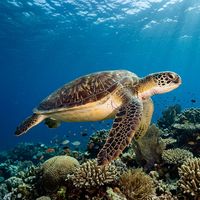
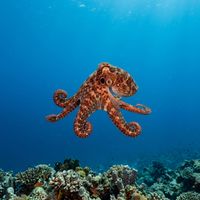
Tokashiki's dive sites span a wide range of formations, from the cave-threaded canyons of Labyrinth to open reef drifts at Paraiso and the pinnacle diving at Uchizan. Most sites require boat access. Beginners are well served by sheltered reefs such as Sanchin and Nakachiburu, while stronger currents at KRM and Uchizan suit advanced divers. Green Sea Turtle, Day Octopus, and Ijima's Sea Snake are regularly observed across the reefs, alongside dense communities of reef fish.

Monthly water temperature across Tokashiki's sites, from satellite sea-surface data corrected for depth. The band shows the site-to-site spread.
Water stays warm through the summer months and cools to its lowest in late winter, though it remains comfortable year-round. The peak period stretches from spring through to autumn, when conditions are generally most settled. Currents vary considerably by site: calmer reefs suit new divers, while exposed drift sites demand experience.
18 more sites to explore
Water temperature around Tokashiki ranges from about 22°C in February to 29°C in July, based on satellite sea-temperature data for its dive sites.
In the warm season (about 29°C) a rash guard or 3mm shorty is comfortable in Tokashiki; in the coldest months (about 22°C) step up to a 3mm full suit.
Fin maps 30 sites in Tokashiki (29 scuba diving sites and 10 snorkelling spots, with some suited to both).
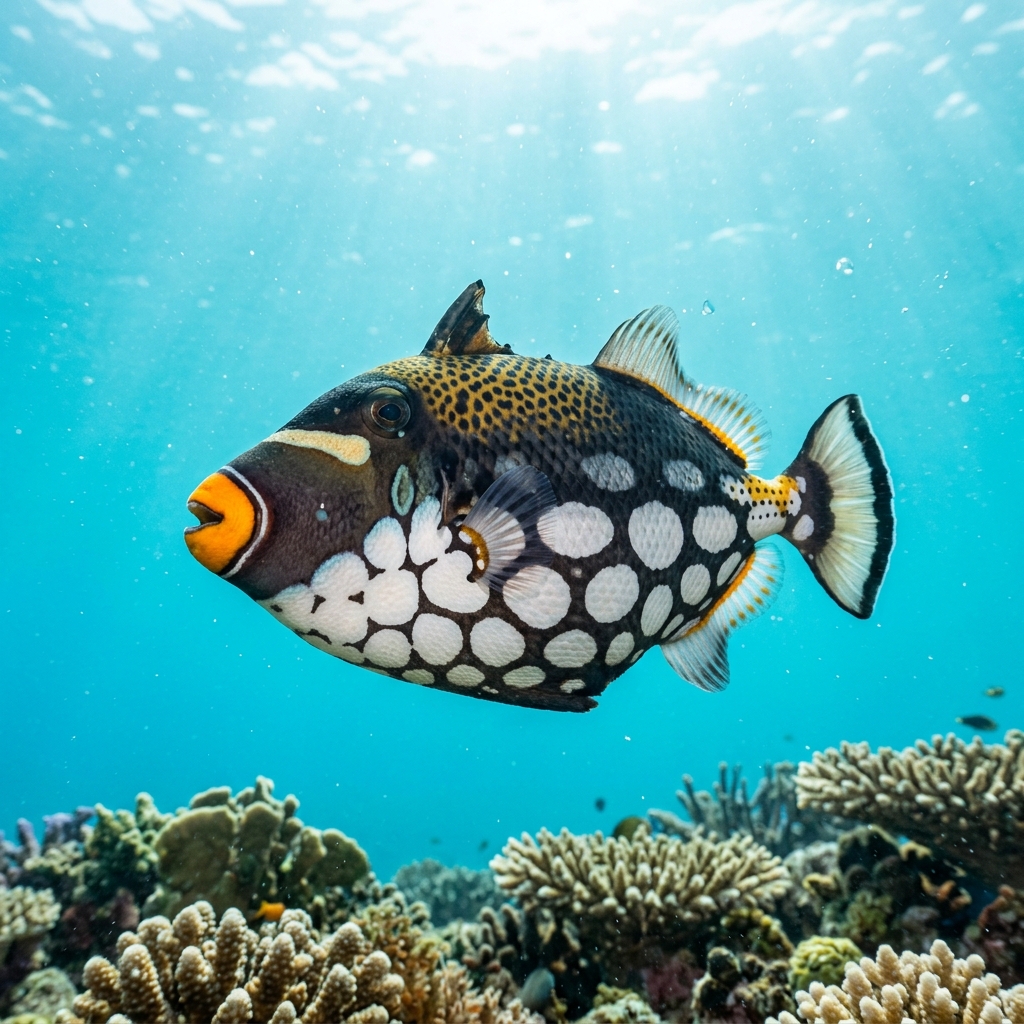
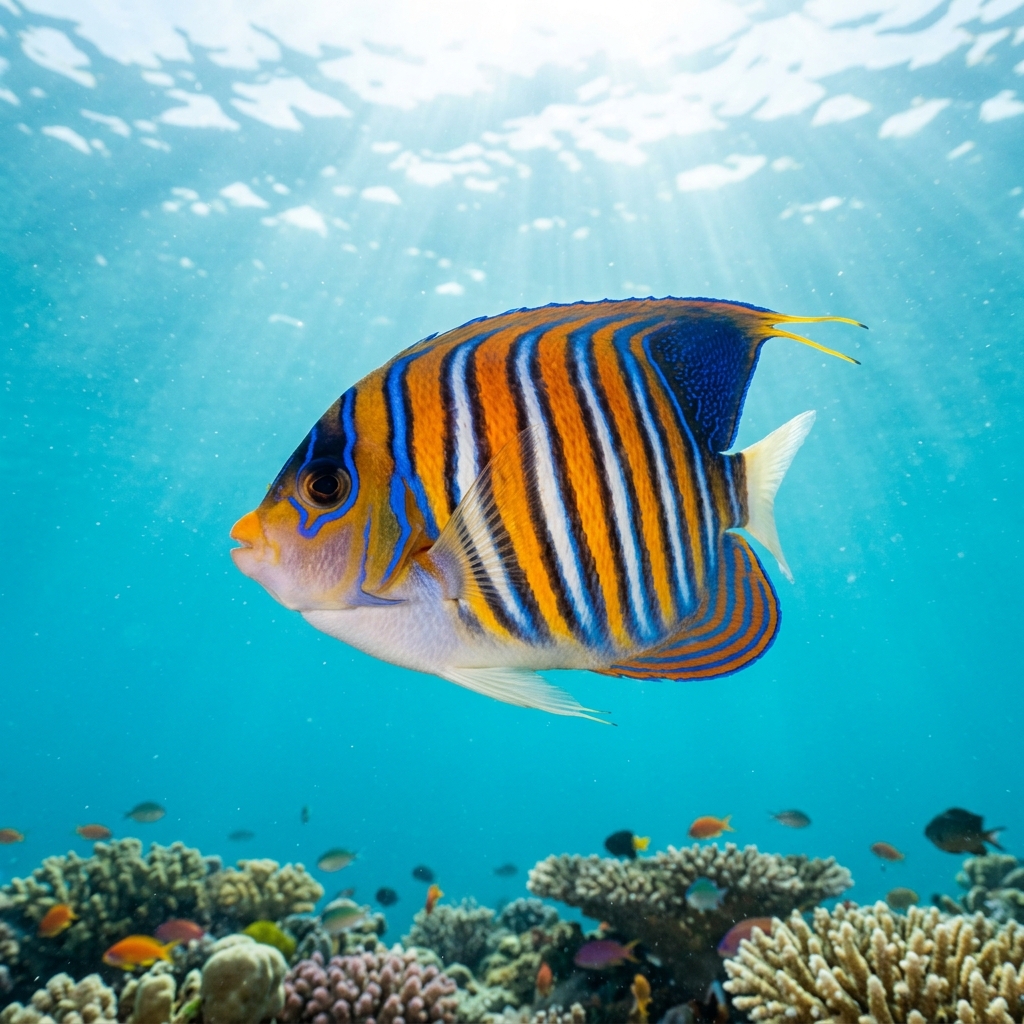
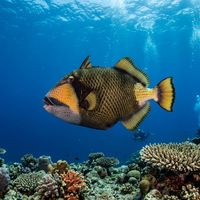
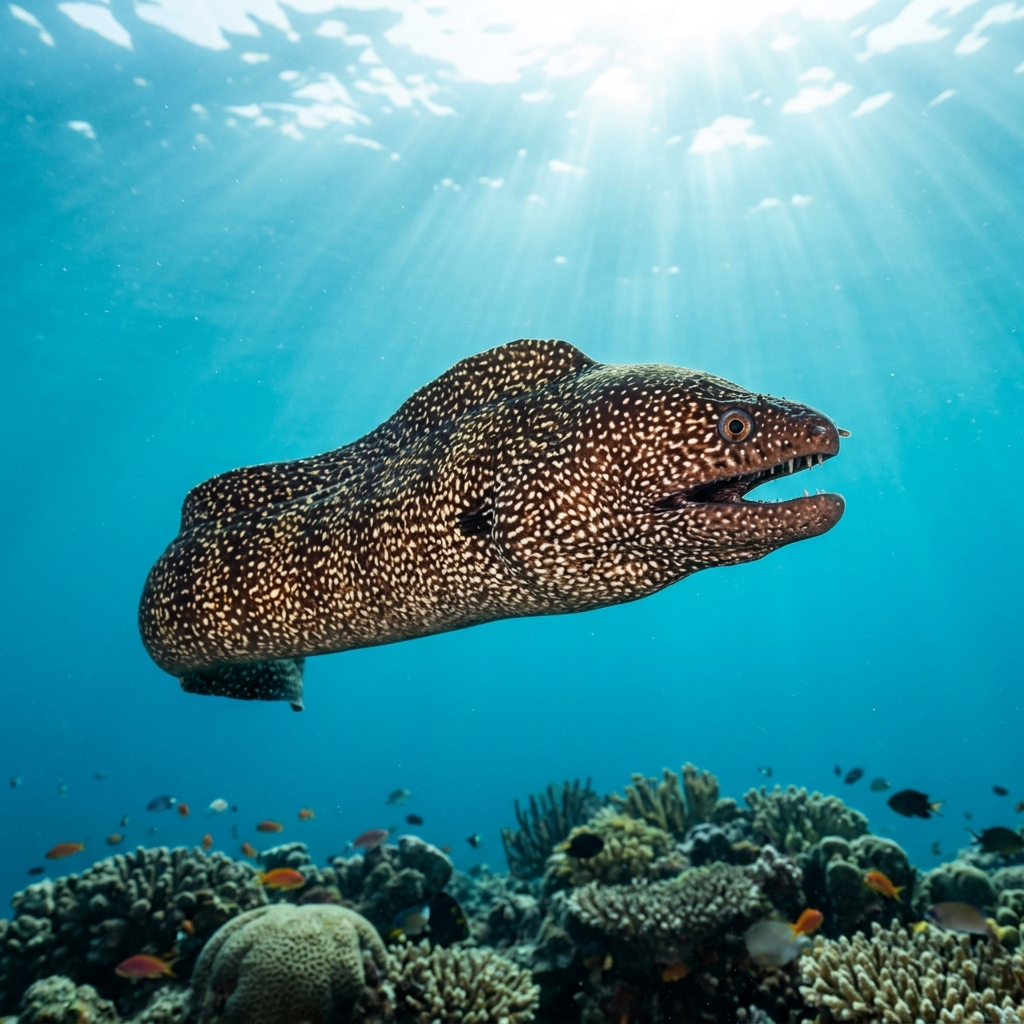
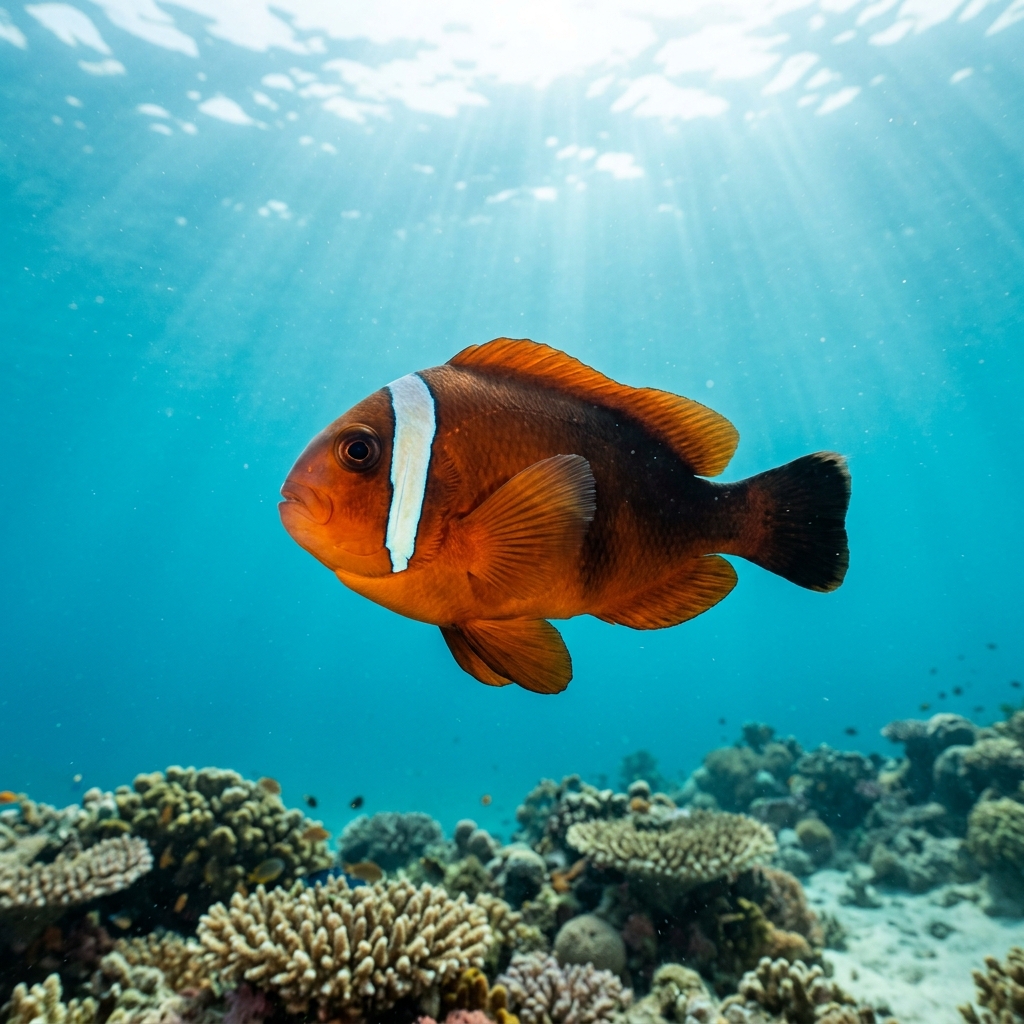
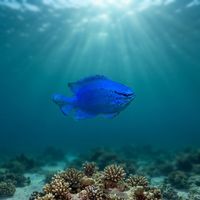
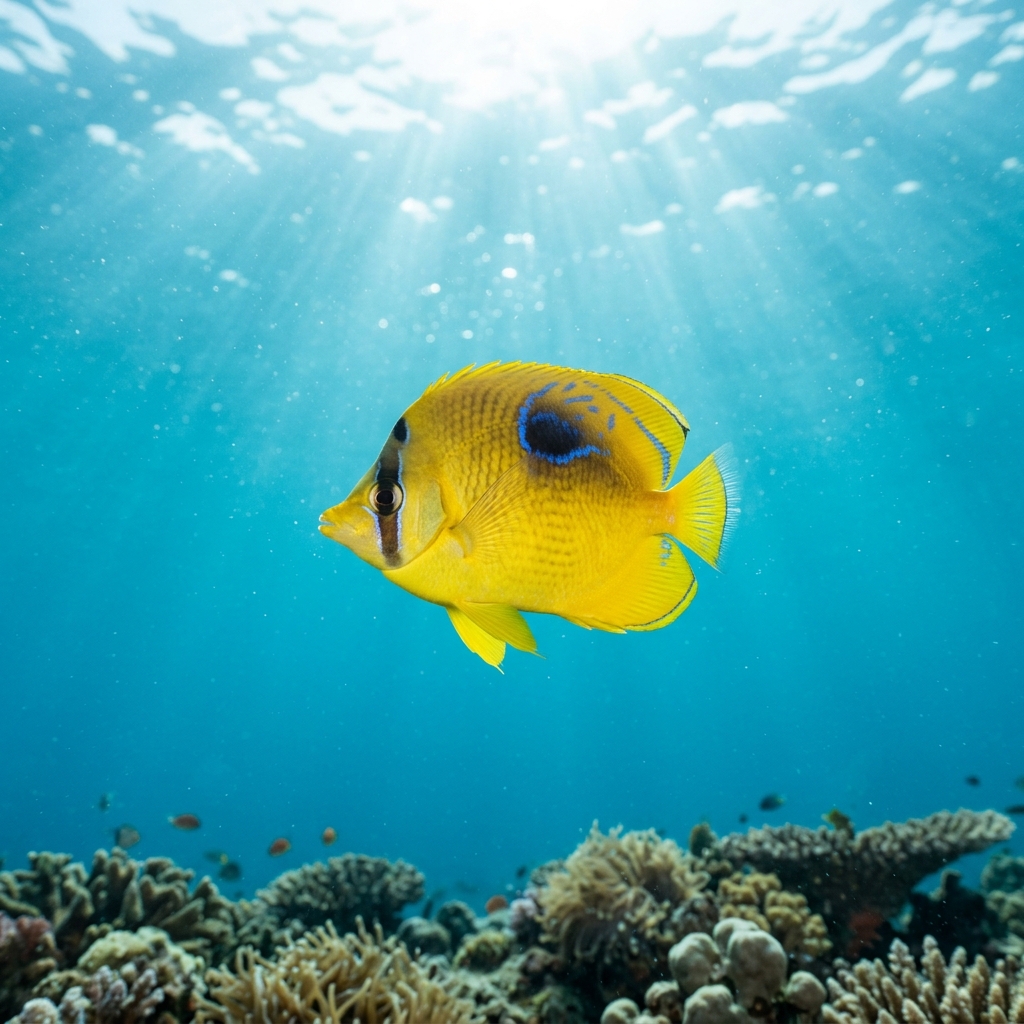
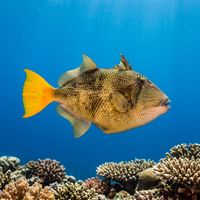
Green Sea Turtle and Day Octopus are among the signature species observed across the reefs. Reef fish are abundant: Blackback Clownfish, Flagtail Triggerfish, Blueblotched Butterflyfish, and Regal Angelfish are all regularly recorded. Ijima's Sea Snake is a notable and frequently encountered resident, and the Turkey Moray is common at many sites.
A good portion of the sites are rated beginner level, including Sanchin, Nakachiburu, Nagannu North, and Labyrinth. These offer sheltered or moderate conditions at manageable depths. Advanced sites such as KRM and Uchizan involve strong and variable currents and are best left to experienced divers.
Almost all dive sites require boat access, and Paraiso Okinawa is the local operator running trips. Naminoue Beach is a notable exception, offering shore entry at a shallow reef suitable for beginners. Boat-dependent sites are spread across the area, so joining an organised day is the standard approach.
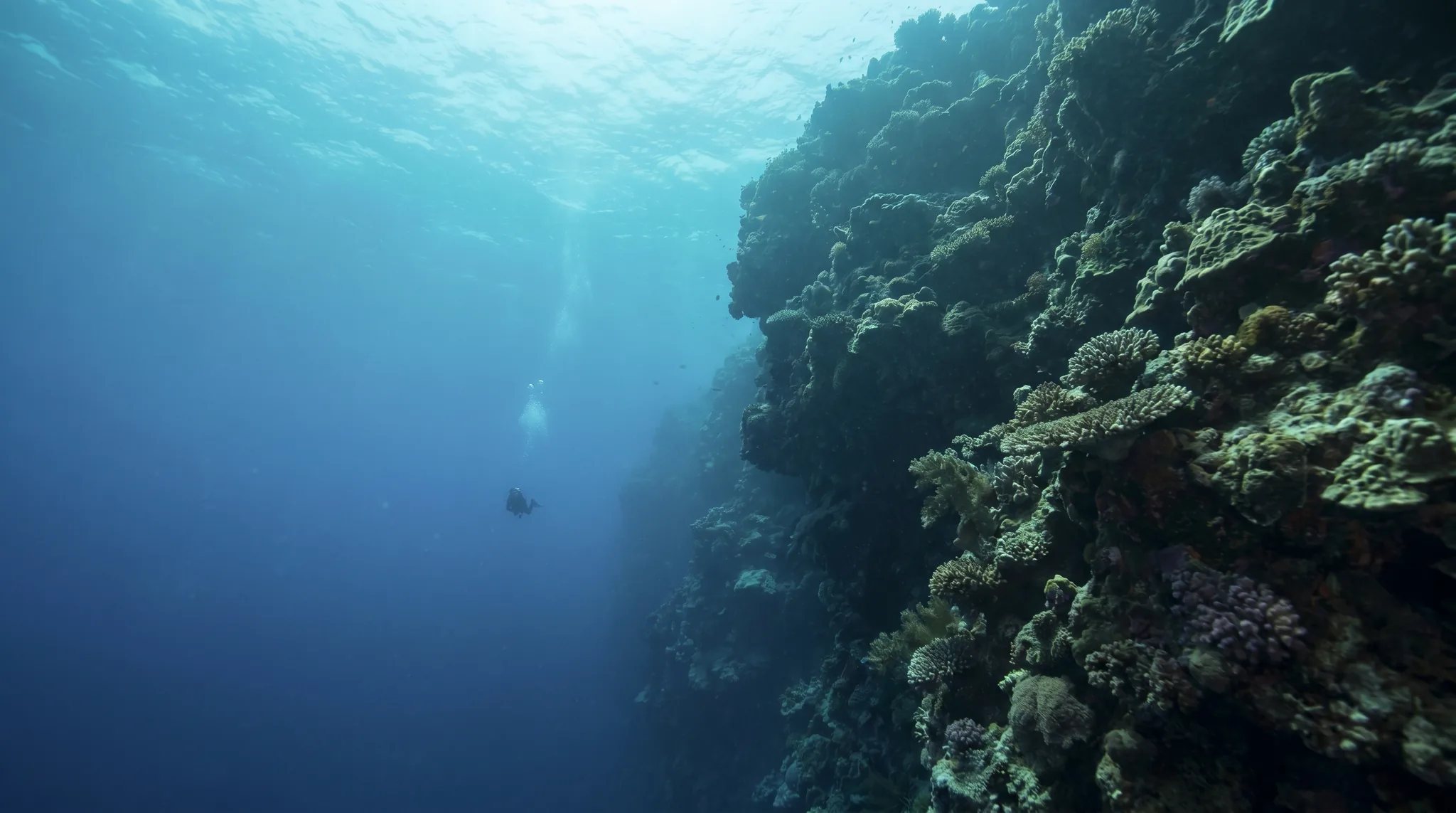
The site mix covers reef, drift, wall, cave, canyon, and pinnacle diving. Labyrinth is distinctive for its cave and canyon network, while Tokashiki Lighthouse combines reef, wall, and cave in a single dive. Drift diving features at several sites, from the beginner-friendly Paraiso to the advanced current experience at Uchizan.