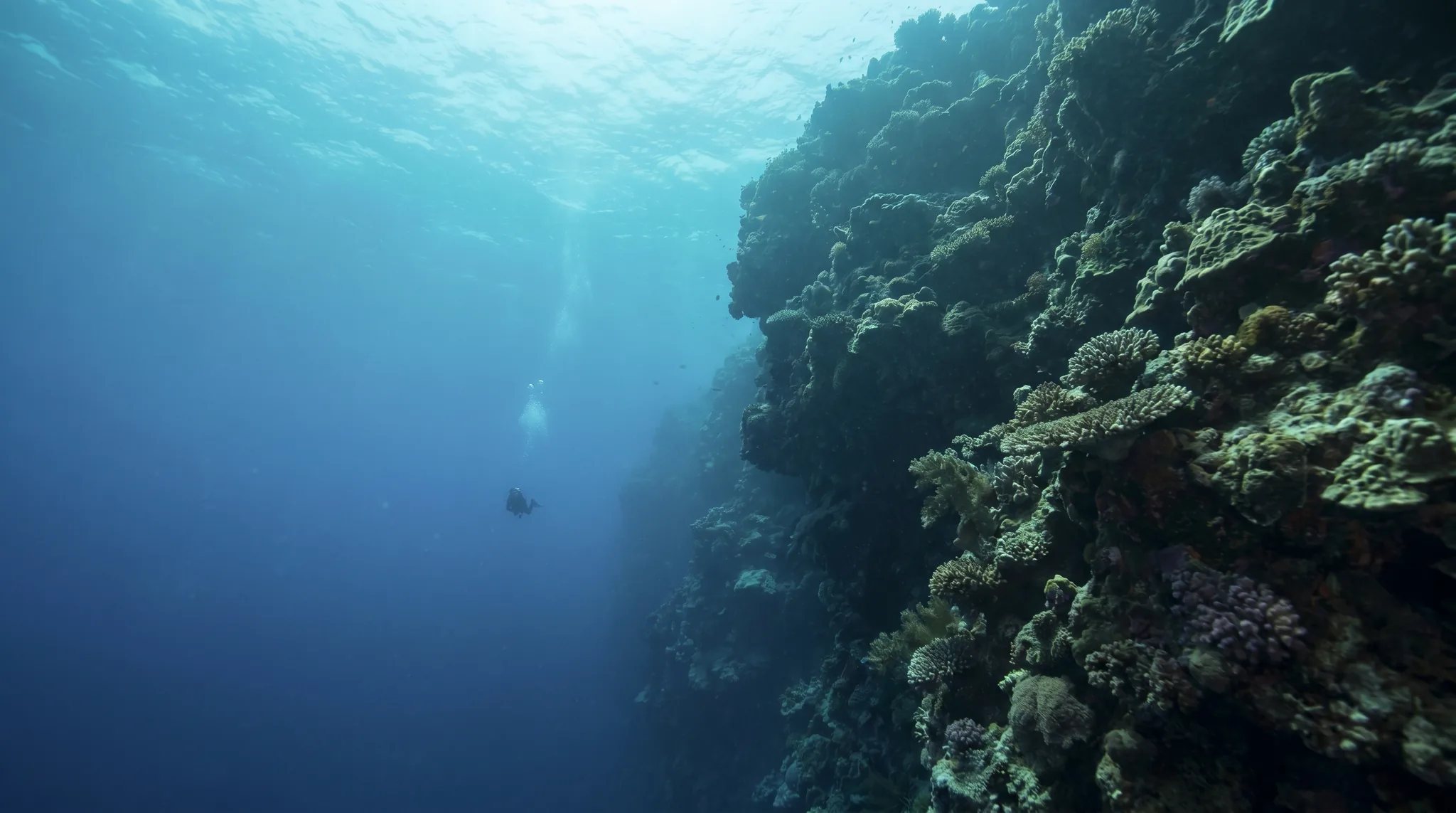
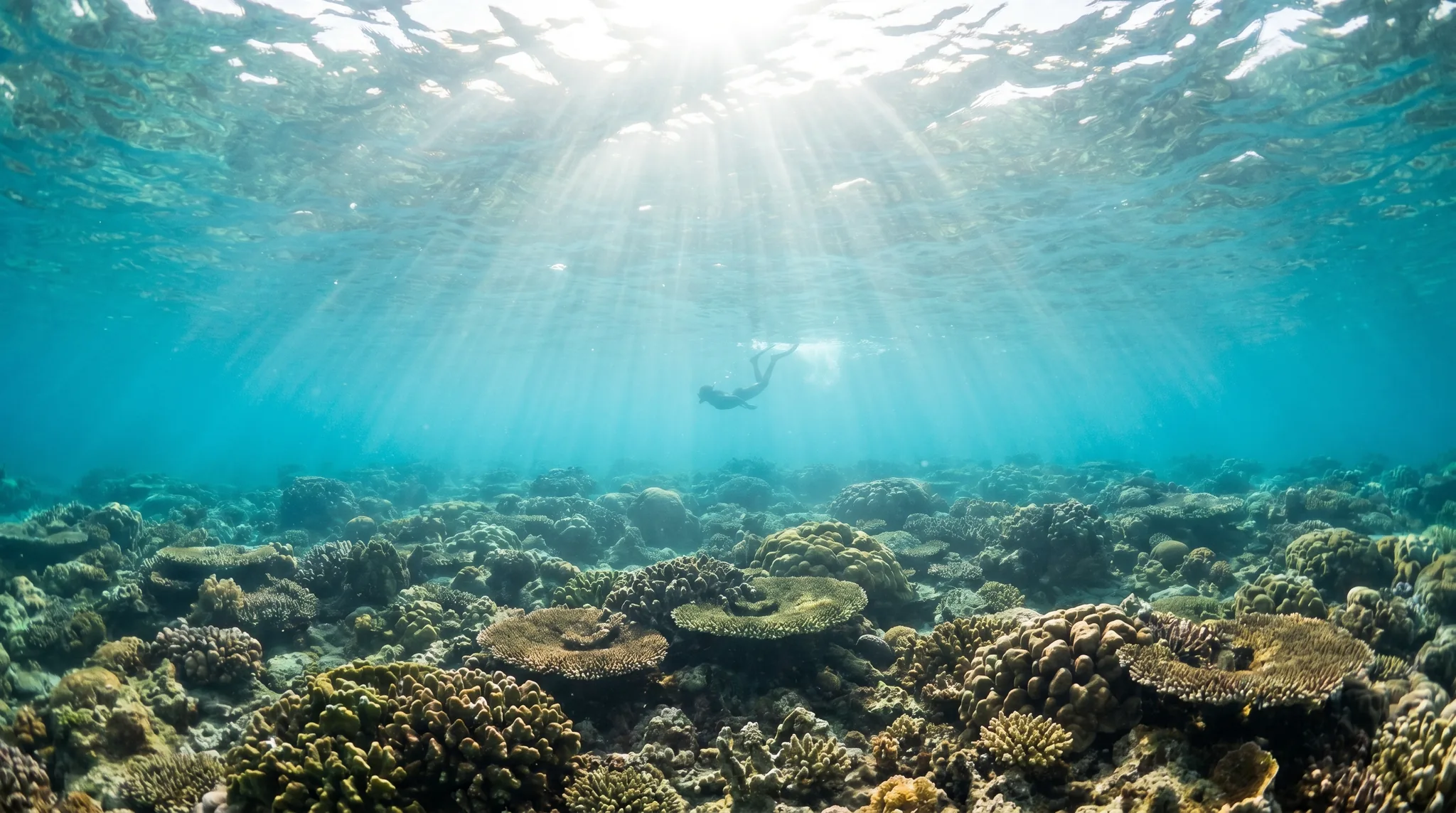
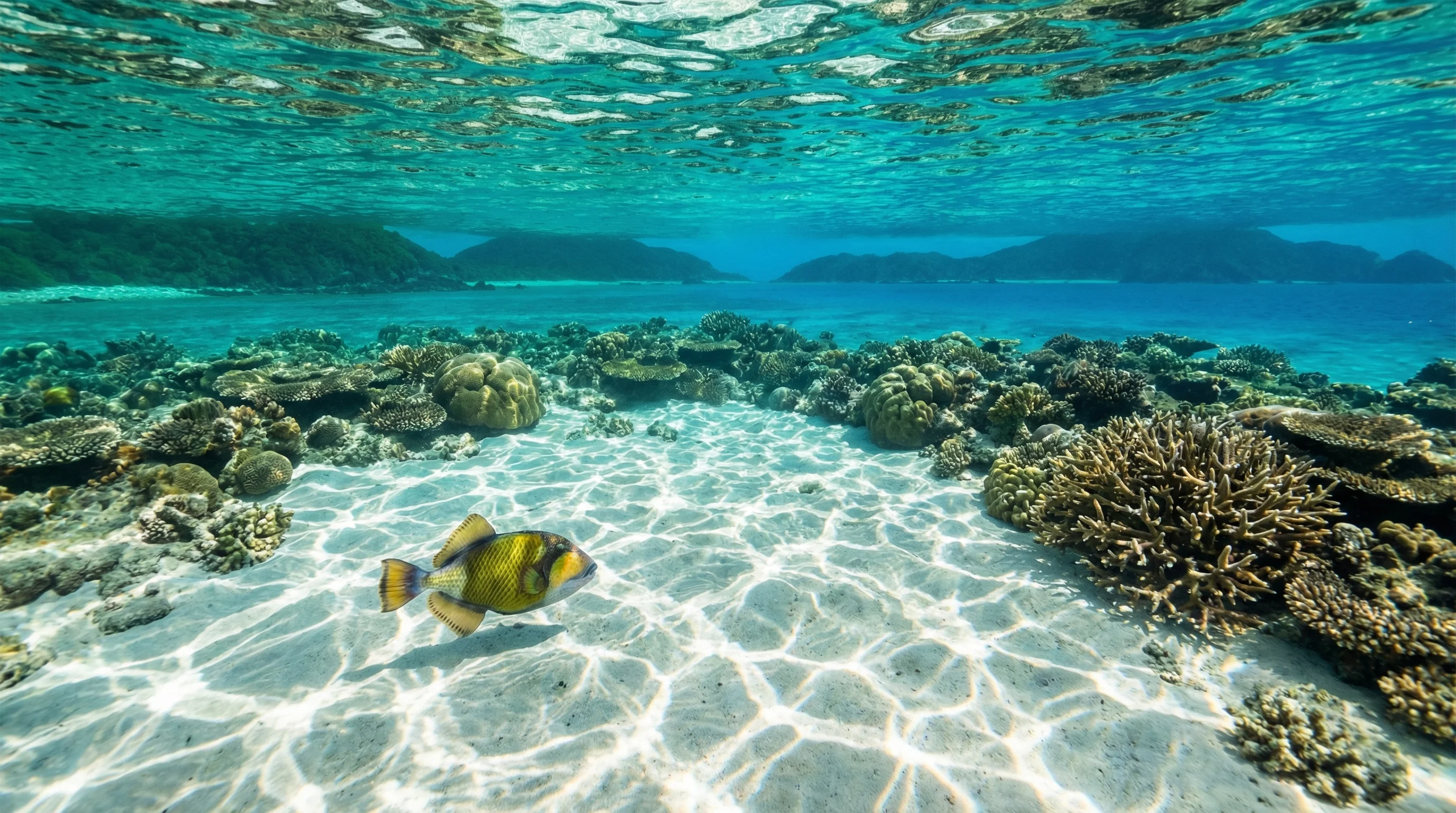
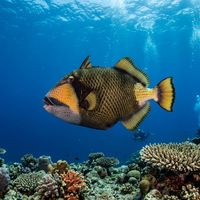
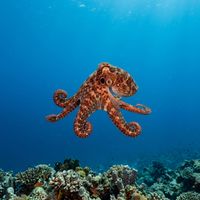
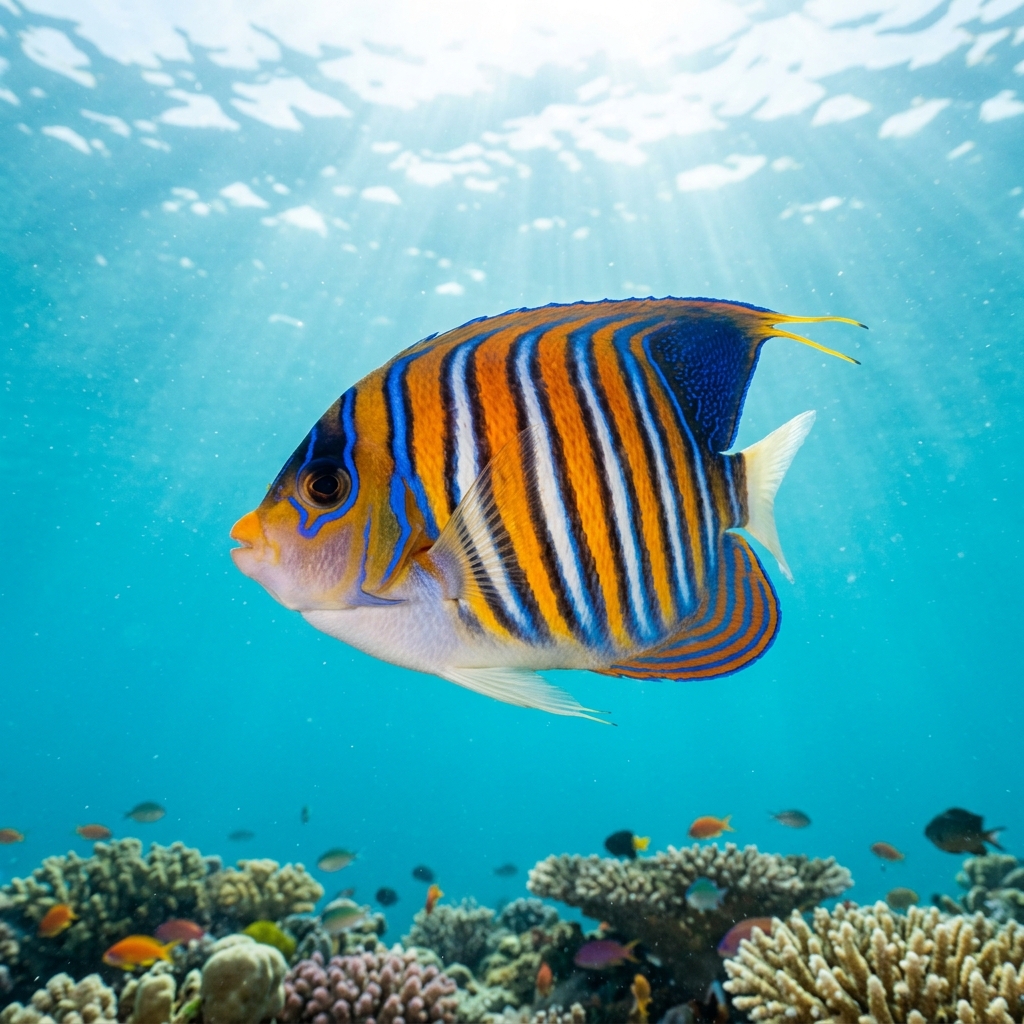
Zamami's dive sites are almost entirely reef-based and boat-accessed, spreading across a wide range of skill levels. Shallow reef dives like Nozaki and Furuzamami Beach suit beginners, while Ugan and Cape No.7 combine walls, reef and drift conditions for advanced divers. Green Sea Turtle is observed across the majority of sites, alongside Titan Triggerfish, Day Octopus and Regal Angelfish. Visibility is consistently strong, peaking through the warmer months.
Monthly water temperature across Zamami's sites, from satellite sea-surface data corrected for depth. The band shows the site-to-site spread.
Water temperature stays warm year-round, rising through summer and easing back through autumn. The peak diving season runs from spring through to October, when conditions are at their most settled. Winter months are cooler and quieter, though still diveable for those prepared for the change.
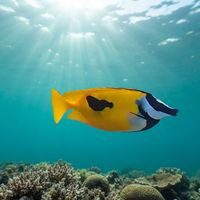
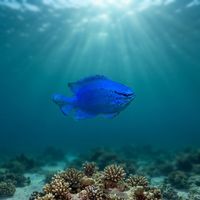
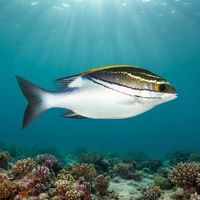
9 more sites to explore
Water temperature around Zamami ranges from about 22°C in February to 29°C in August, based on satellite sea-temperature data for its dive sites.
In the warm season (about 29°C) a rash guard or 3mm shorty is comfortable in Zamami; in the coldest months (about 22°C) step up to a 3mm full suit.
Fin maps 21 sites in Zamami (19 scuba diving sites and 4 snorkelling spots, with some suited to both).
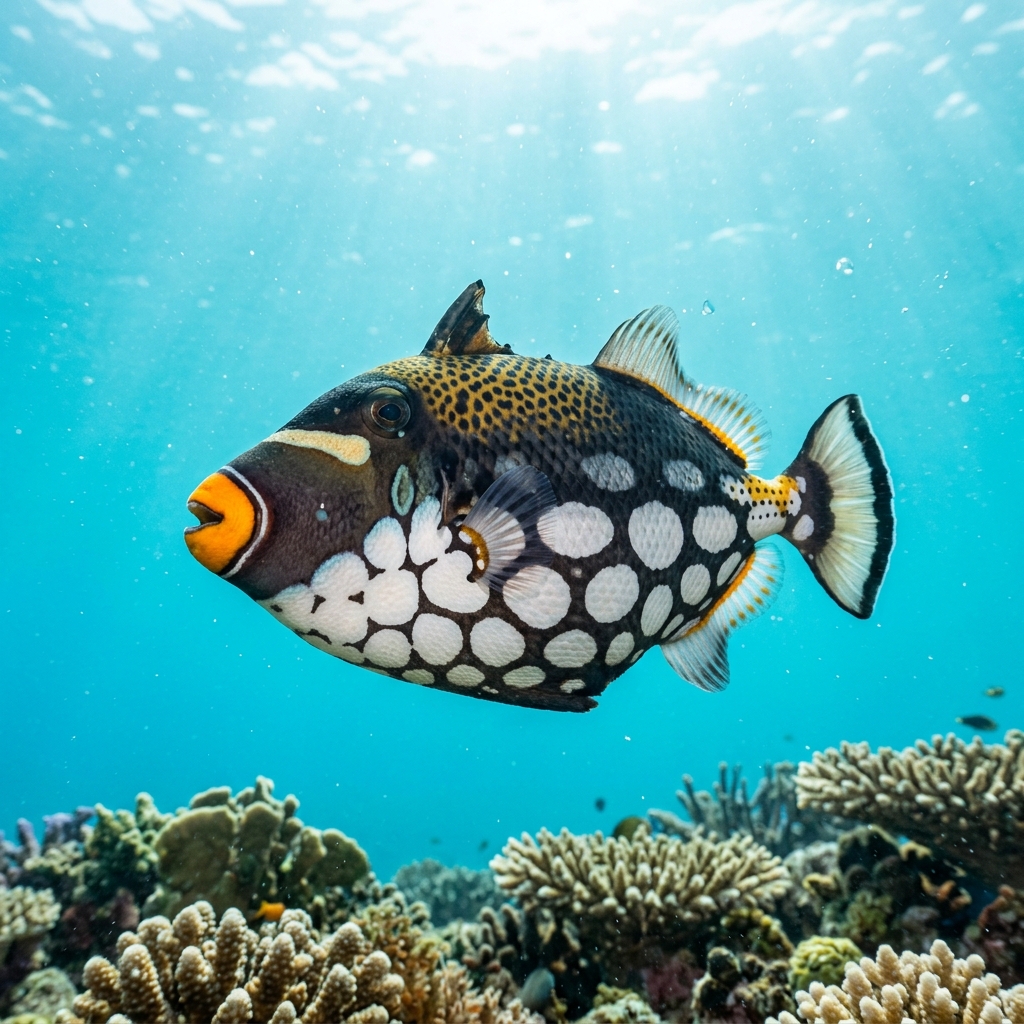
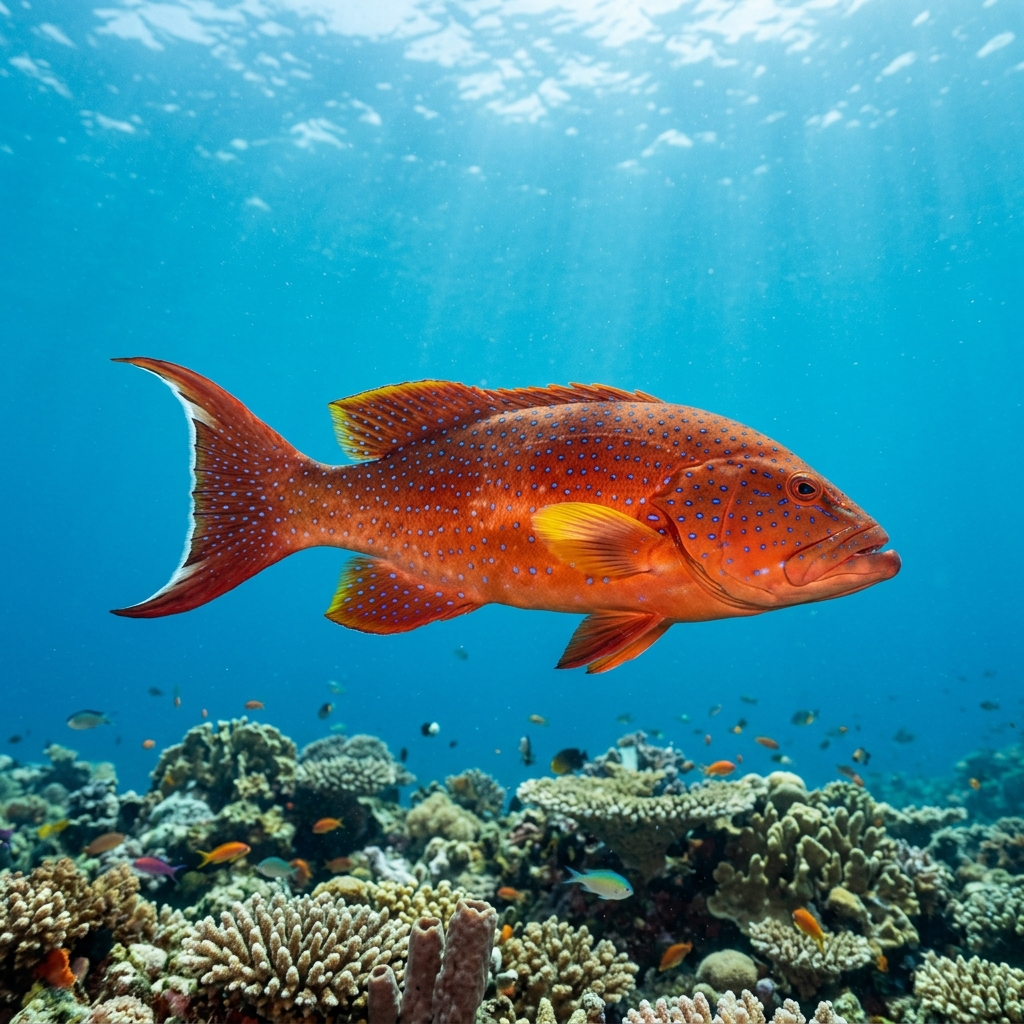
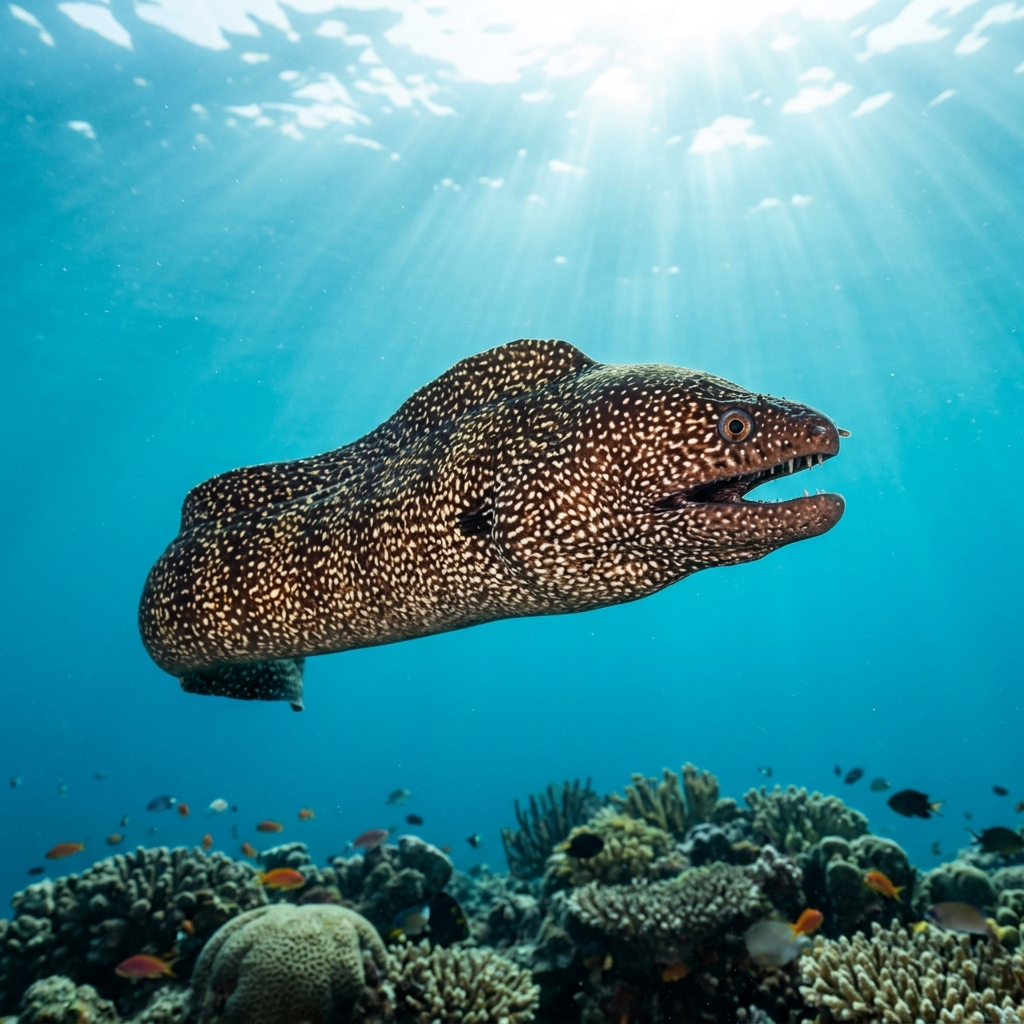
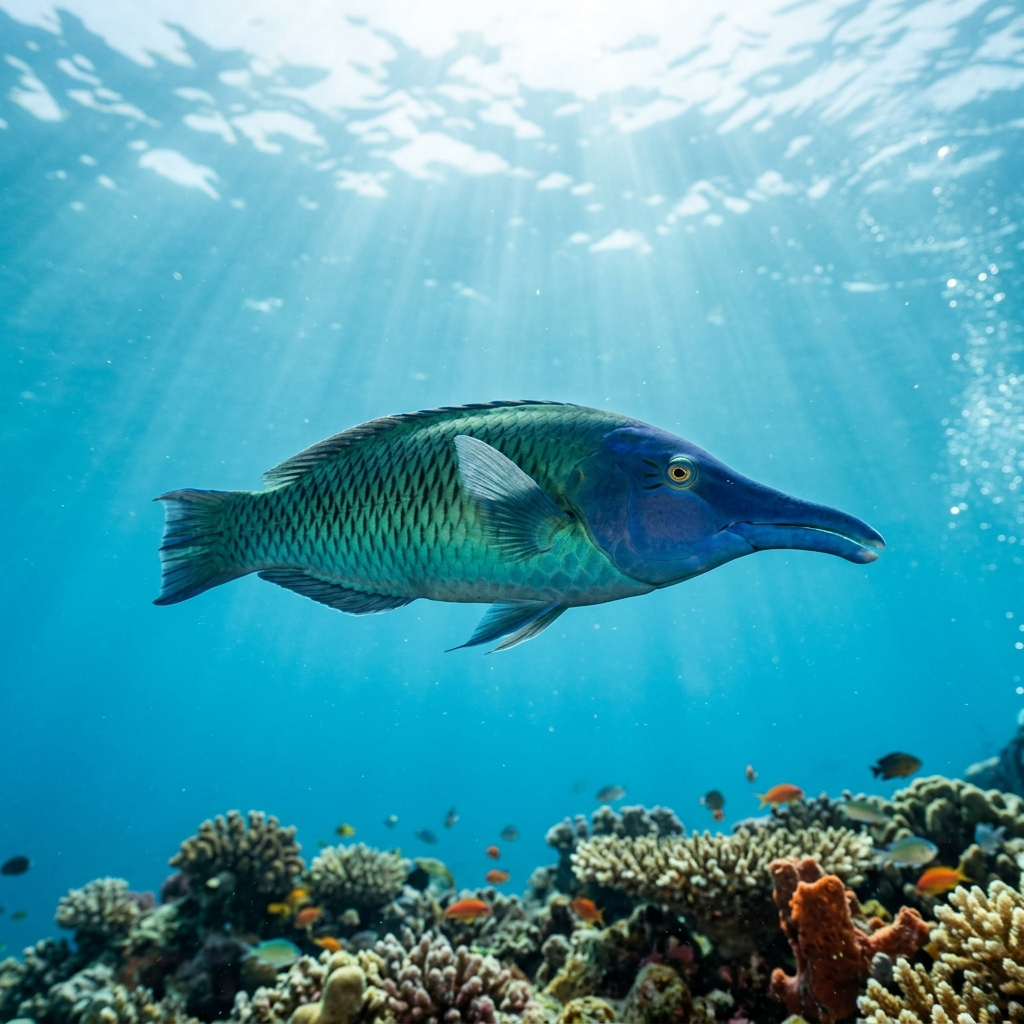
Green Sea Turtle is observed across the majority of Zamami's dive sites and is the region's signature encounter. Titan Triggerfish and Clown Triggerfish are very common, as are Day Octopus, Regal Angelfish and Lunartail Grouper. Reef species such as Blackback Clownfish, Bird Wrasse and Golden Butterflyfish are sighted regularly, and Ijima's Sea Snake is also recorded here.
Yes, the majority of Zamami's sites are rated beginner level. Shallow reef dives like Nozaki and Toma No.1 offer mild conditions, and Zamami Lighthouse combines wall, cave and reef topography at accessible depths. Boat access is standard across nearly all sites, so divers should be comfortable entering and exiting from a vessel.
Yes, Zamami has several sites that combine wall and drift conditions. Ugan features a wall and reef structure with drift currents and is rated advanced. Jitsuru is an intermediate drift site with a wall and sea fans, while Cape No.7 offers a deeper wall and reef system also suited to experienced divers. Beginners should stick to the calmer reef sites.
Almost all dive sites in Zamami are boat-access only. Furuzamami Beach is the main exception, offering shore entry directly onto a fringing reef. Several operators serve the area, including Zamami Diving Center, SeaFriend, マリンハウスシーサー and OKINAWA 39ers, who can arrange guided boat dives to sites across the island.