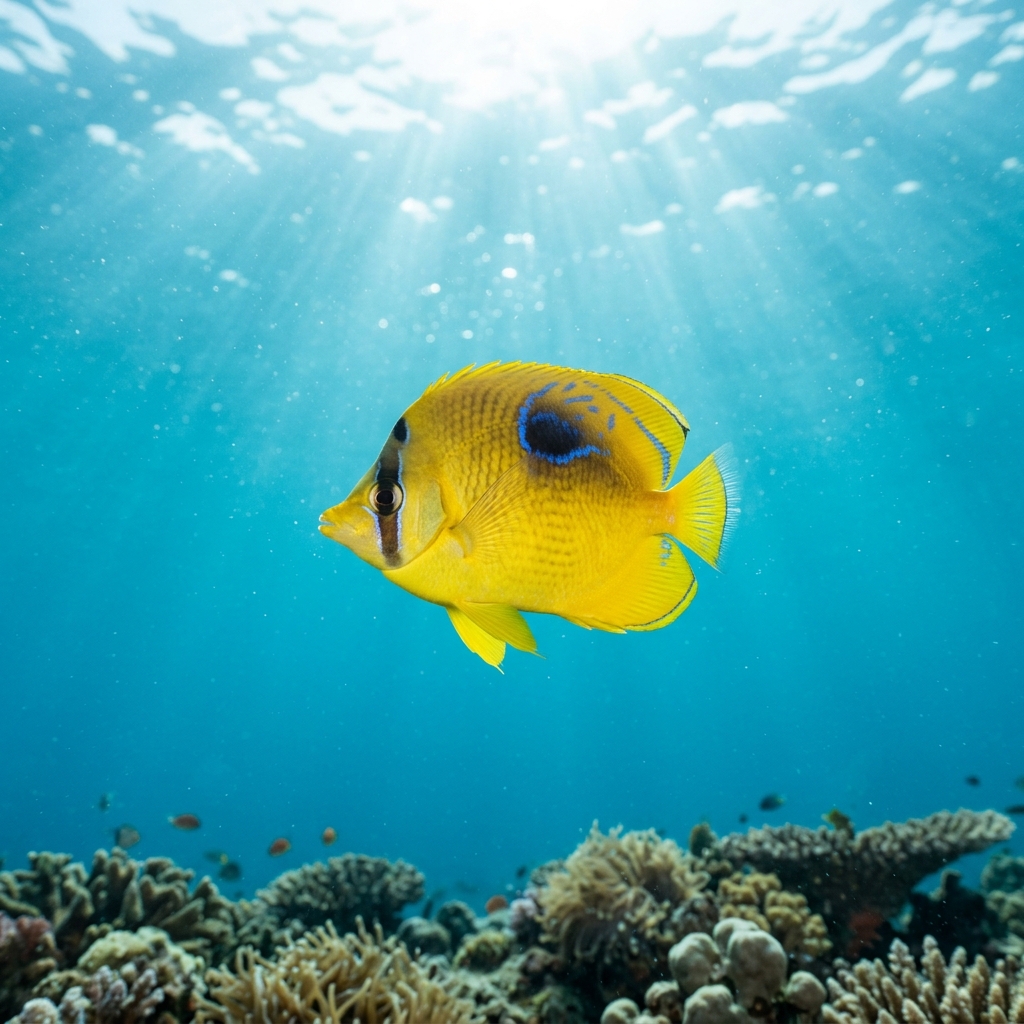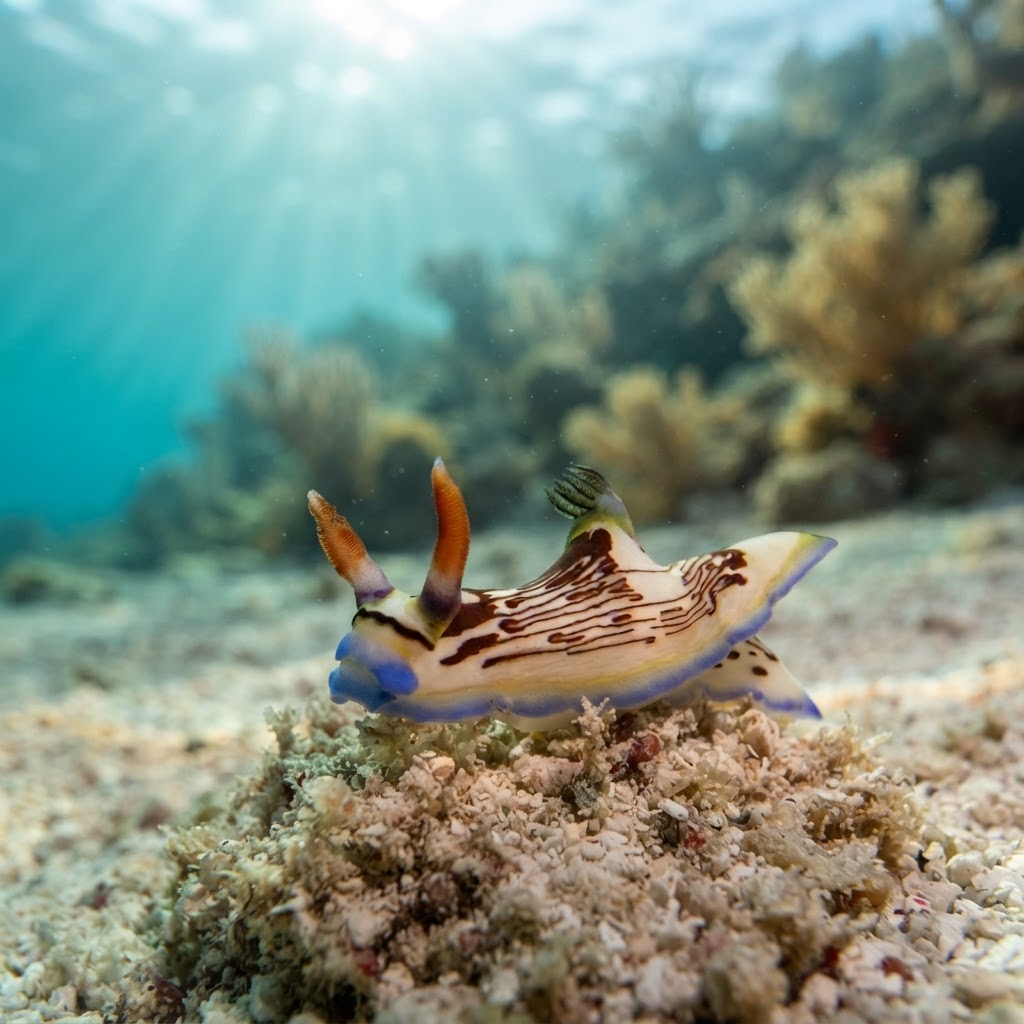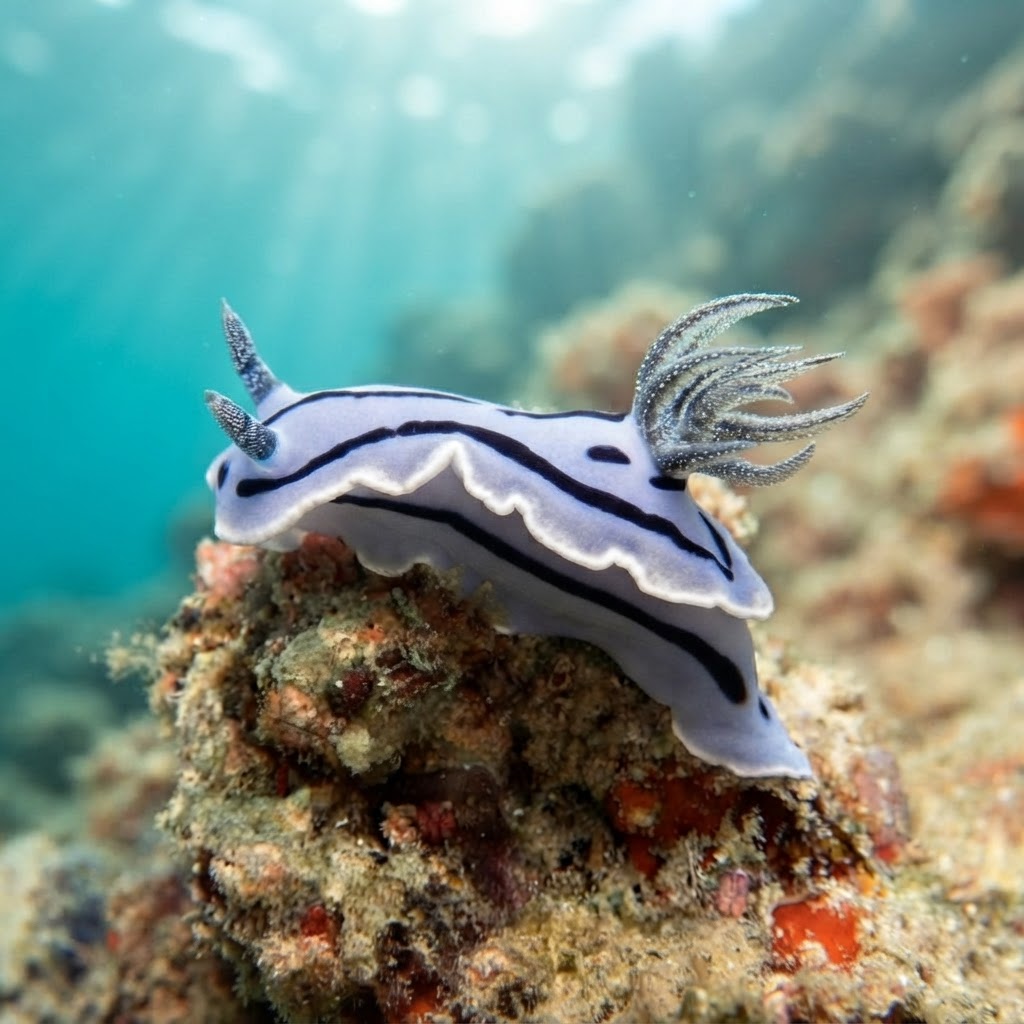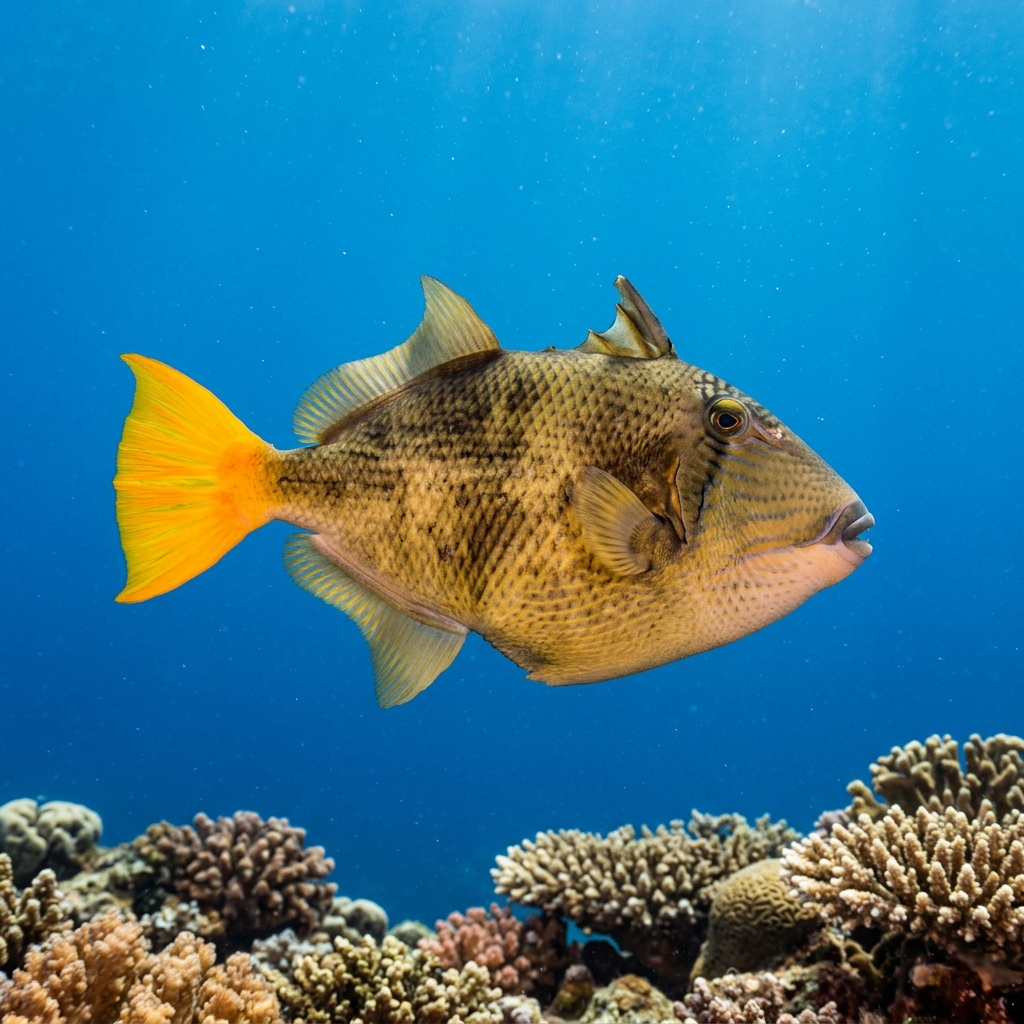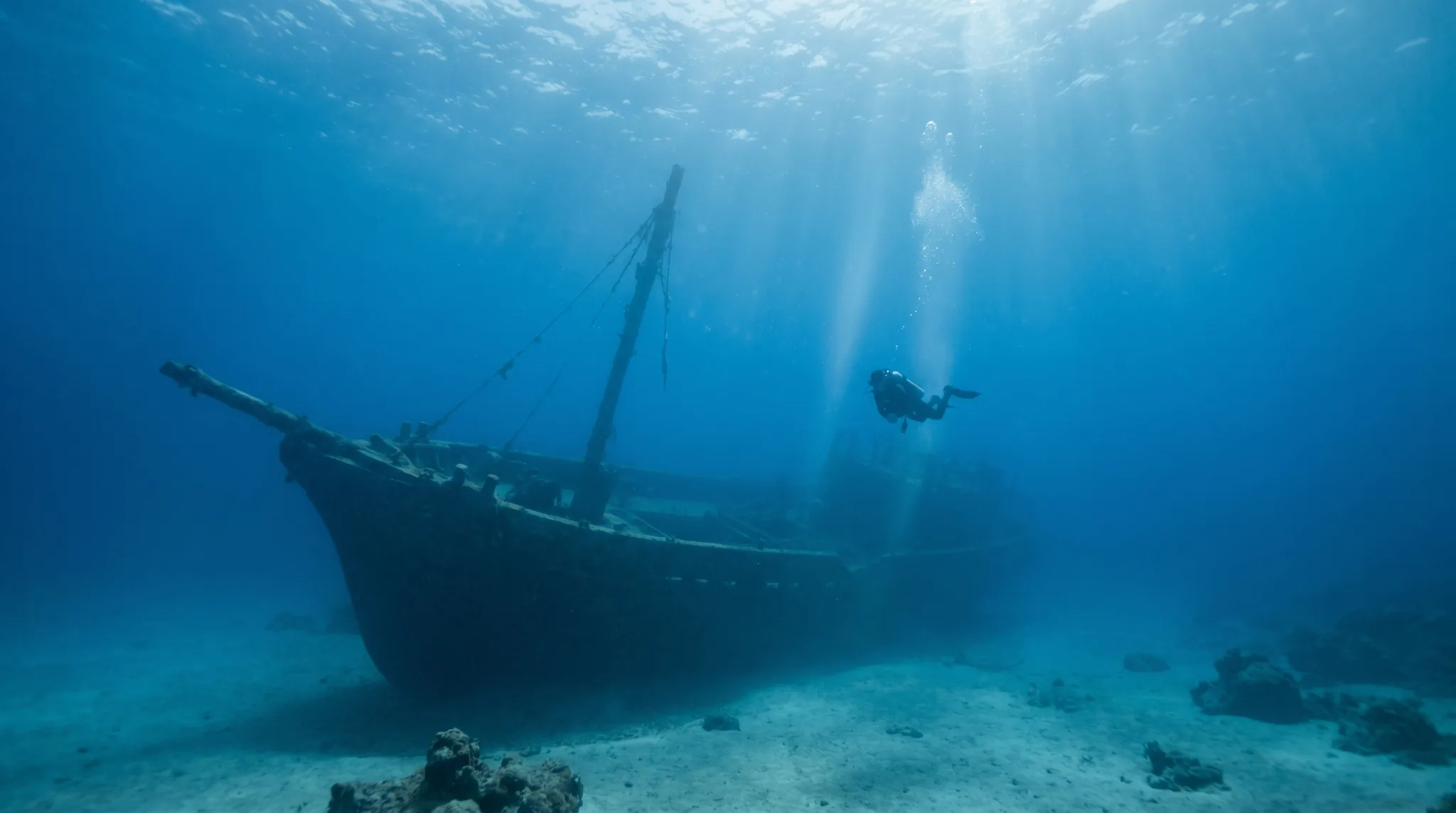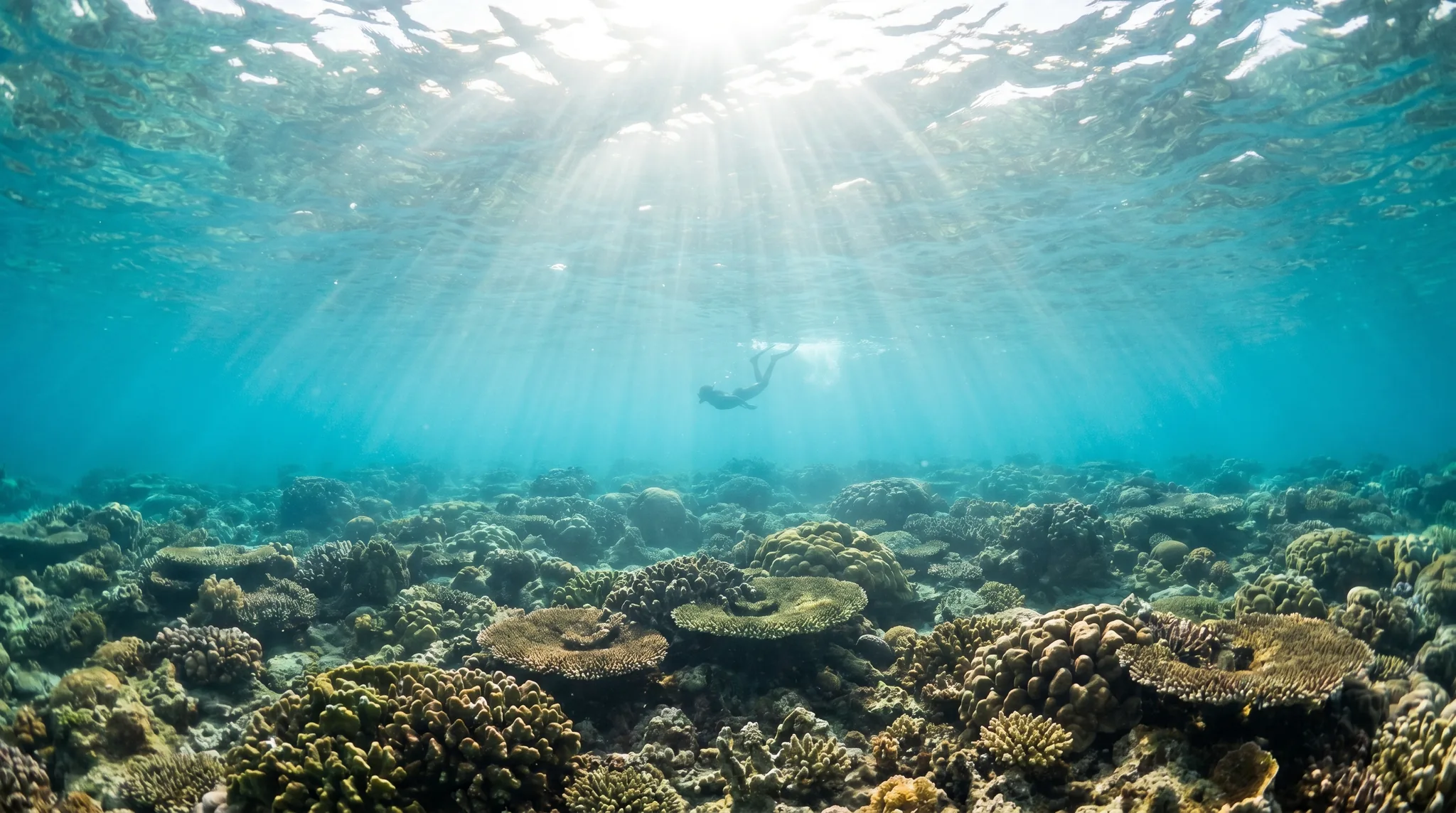
Best for beginner divers, 5-20m, boat entry, moderate current.
Nagannu North, located off Zamami Island, features a combination of shallow reef and a wall that descends to 20 metres. Divers can expect visibility between 20 and 30 metres and moderate currents. The site is suitable for beginners, though divers should remain aware of their depth as the reef drops away. Water temperatures range from 22 to 29 degrees Celsius throughout the year. Access is by boat, and facilities including toilets, showers, changing rooms, and gear storage are available at the boat operation. Due to the presence of jellyfish, wearing a full wetsuit or skin suit is recommended year-round.
26.27510, 127.54880
Jellyfish can be present year-round, so a full wetsuit or skin suit is worth wearing even in the warmer months. Facilities at the boat operation include toilets, showers, changing rooms, and gear storage, so you can pack light for the crossing.
Access info coming soon
Recorded nearby, within 20km
Depth
5-20m
Visibility
20-30m
Skill Level
Beginner
Entry
Boat
Boat required
Water Temp
22-29°C
Current
Moderate
Typical Dive
40 min
Yes, this site is suitable for beginners, though it requires Open Water certification.
The site features a reef and wall that drops to a maximum depth of 20 metres.
This is a boat-access site located 10,000 metres from shore.
Divers should remain aware of their depth, watch for jellyfish near the surface, and maintain a respectful distance from any sharks encountered.
While the site is primarily used for diving, the shallow reef sections are present, though boat access is required.
Diving at Nagannu North in Naha requires the following certifications: Open Water. Always dive within your training limits.
A 3mm wetsuit is recommended for diving at Nagannu North in Naha. Water temperatures range from 22°C to 29°C.
Expect moderate currents at Nagannu North in Naha. Good buoyancy control and some drift diving experience is helpful.
Visibility at Nagannu North in Naha typically ranges from 20 metres to 30 metres. Conditions vary with weather, tides, and seasons.