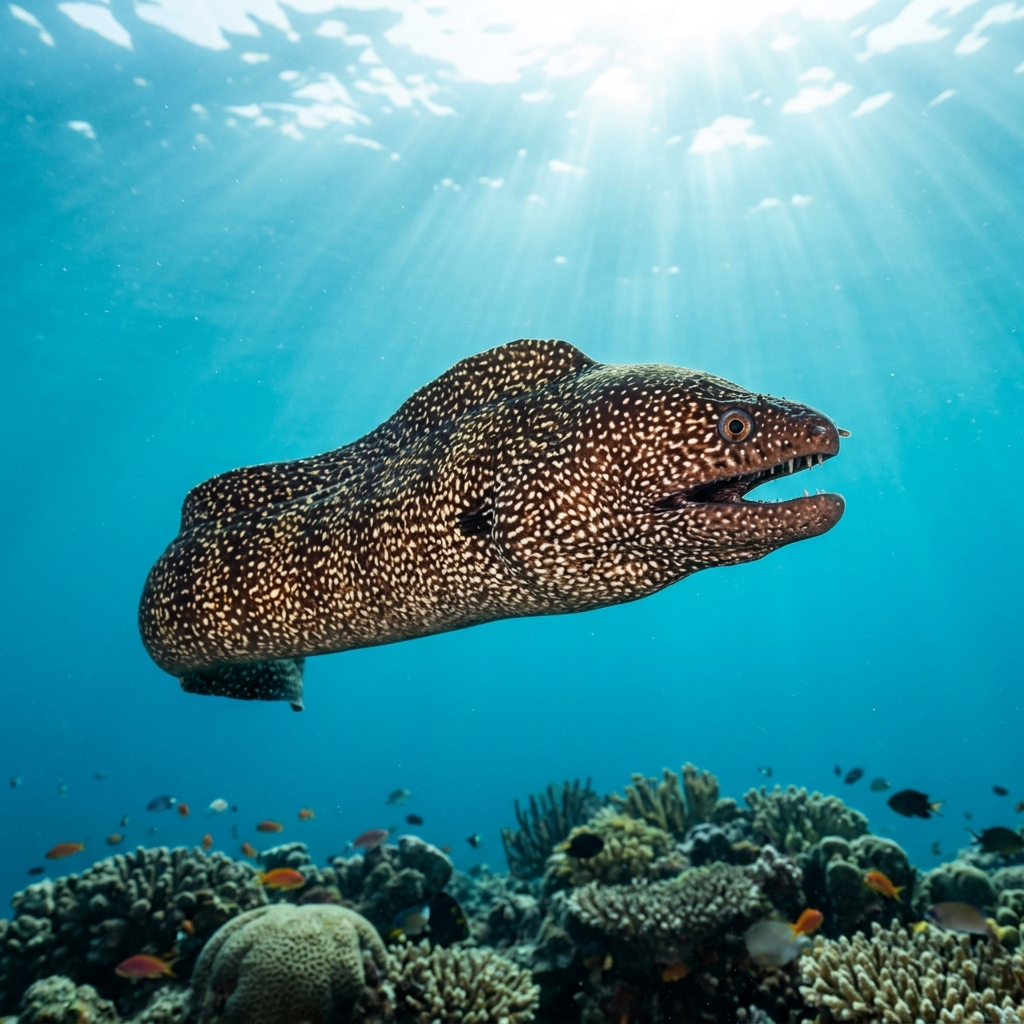
Gymnothorax meleagris
White body covered in dark brown spots makes the Turkey Moray unmistakable. Most commonly logged in Hawaii, Okinawa, and the Seychelles on Indo-Pacific reefs.
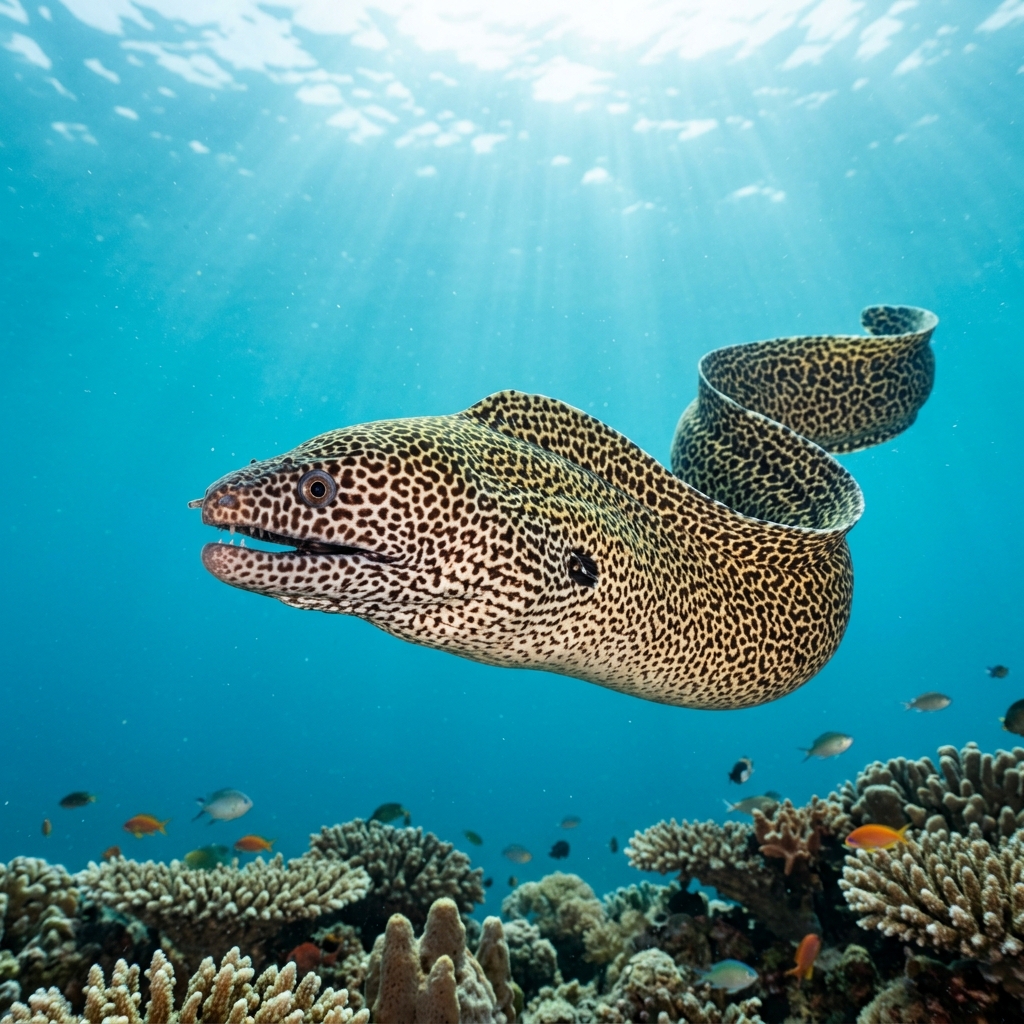
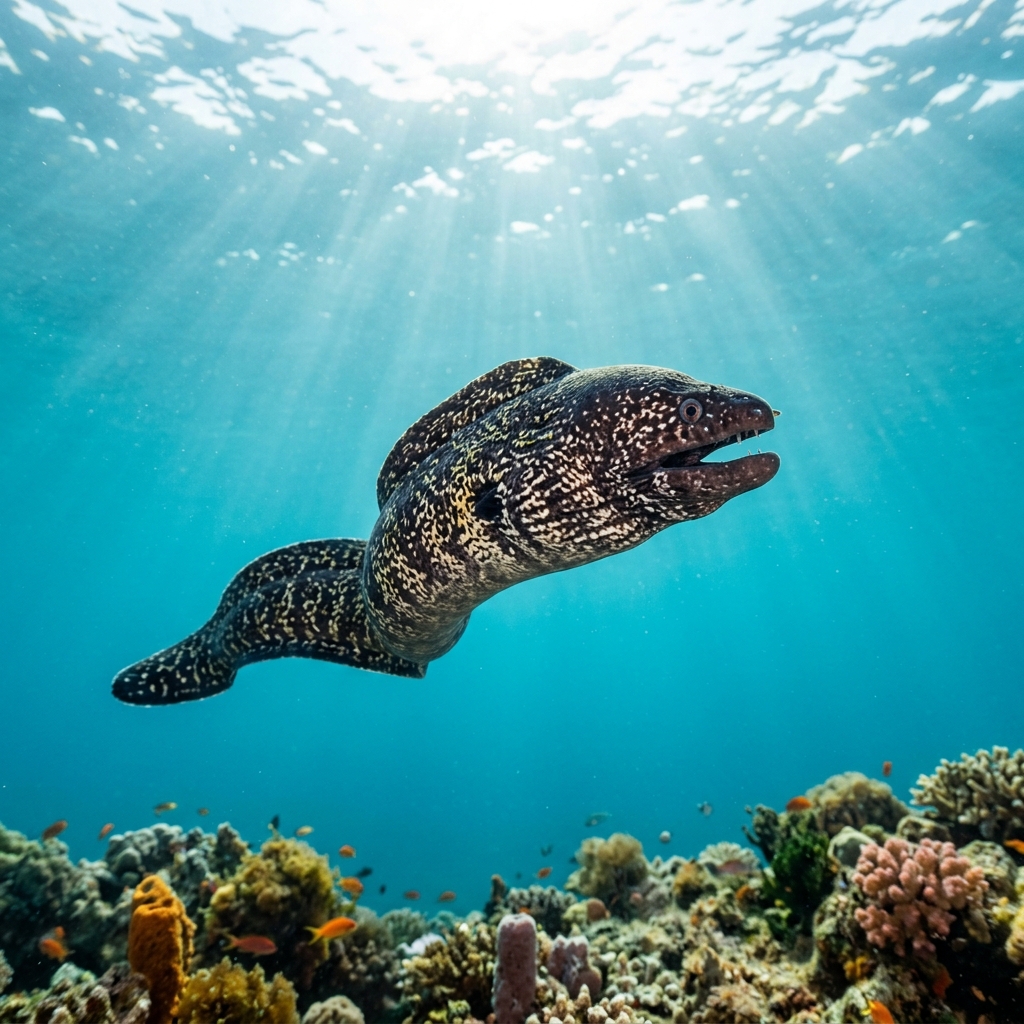
A white or pale cream body covered densely in dark brown spots of varying size gives this moray its distinctive turkey-like speckled look, making it one of the easier eels to name on the reef. The spots continue right onto the head and over the jaws, leaving no plain patches. It reaches roughly 90 to 100 cm in the wild, and in the water it appears as a moderately stout, mid-sized moray. The interior of the mouth is typically white, which flashes clearly when the eel breathes.
Typically seen with its head and upper body poking out from a reef crevice or beneath a coral ledge, usually stationary and watching the diver pass. Like all morays it opens and closes its mouth rhythmically to pump water over its gills, which can look threatening but is simply breathing. It is generally unfazed by divers who keep a respectful distance and move slowly, though it will retreat deeper into its shelter if approached too closely.
The turkey moray hunts at night, using a highly developed sense of smell rather than vision to locate sleeping fish and crustaceans in the reef. It possesses a second set of jaws in its throat (pharyngeal jaws) that shoot forward to grip prey once the outer jaws have seized it.
In the Northern Hemisphere, including Hawaii and Okinawa, the turkey moray is present year-round with no concentrated season, consistent with its preference for warm tropical water between roughly 24 and 28 °C. In the Southern Hemisphere, sightings concentrate in April to July and again in October to November, so plan South Africa or Réunion trips around those windows.
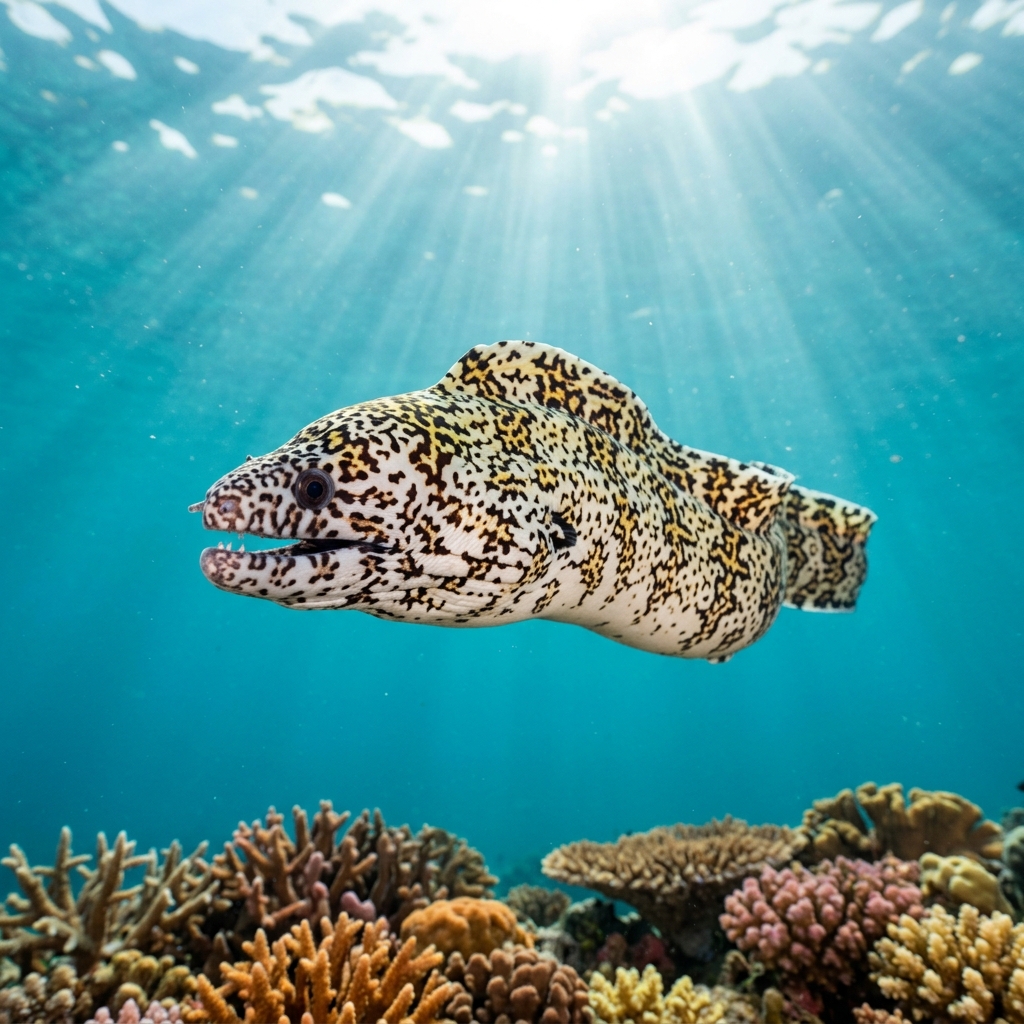
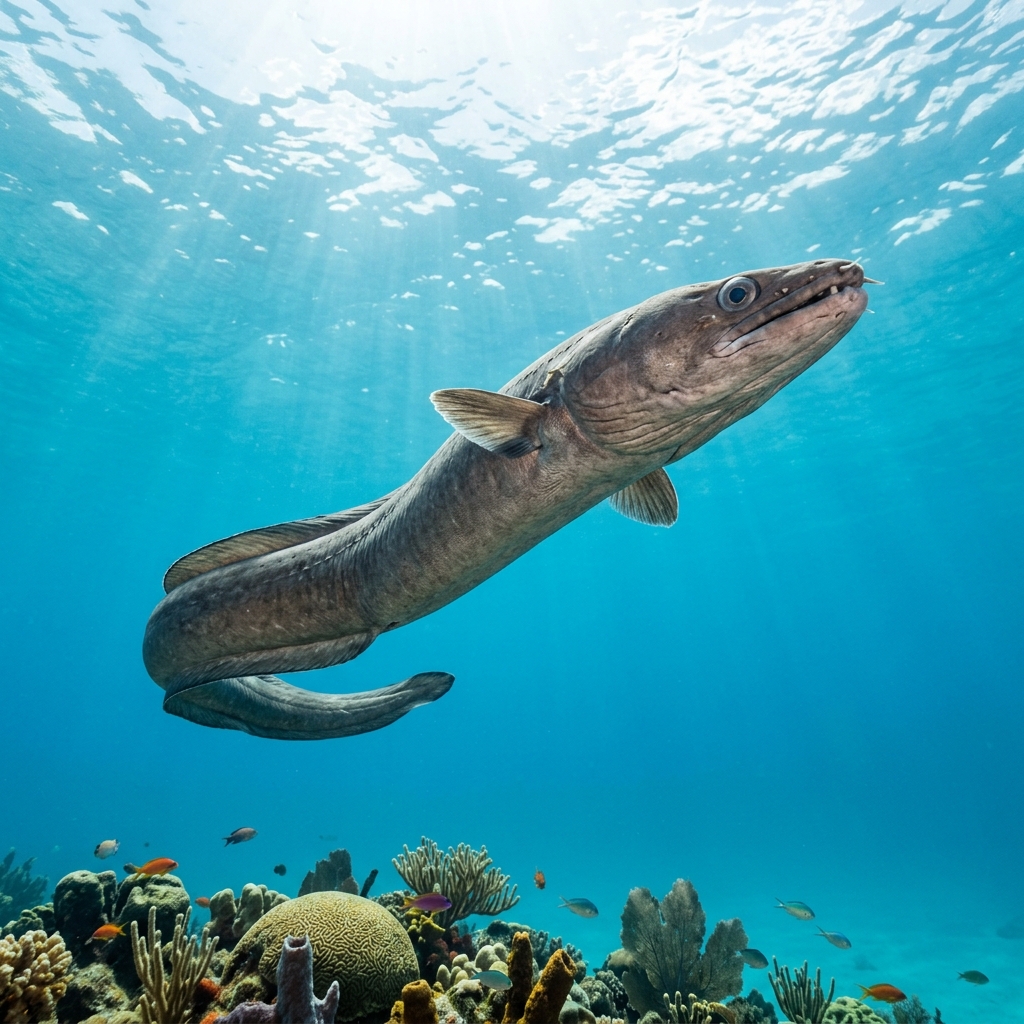
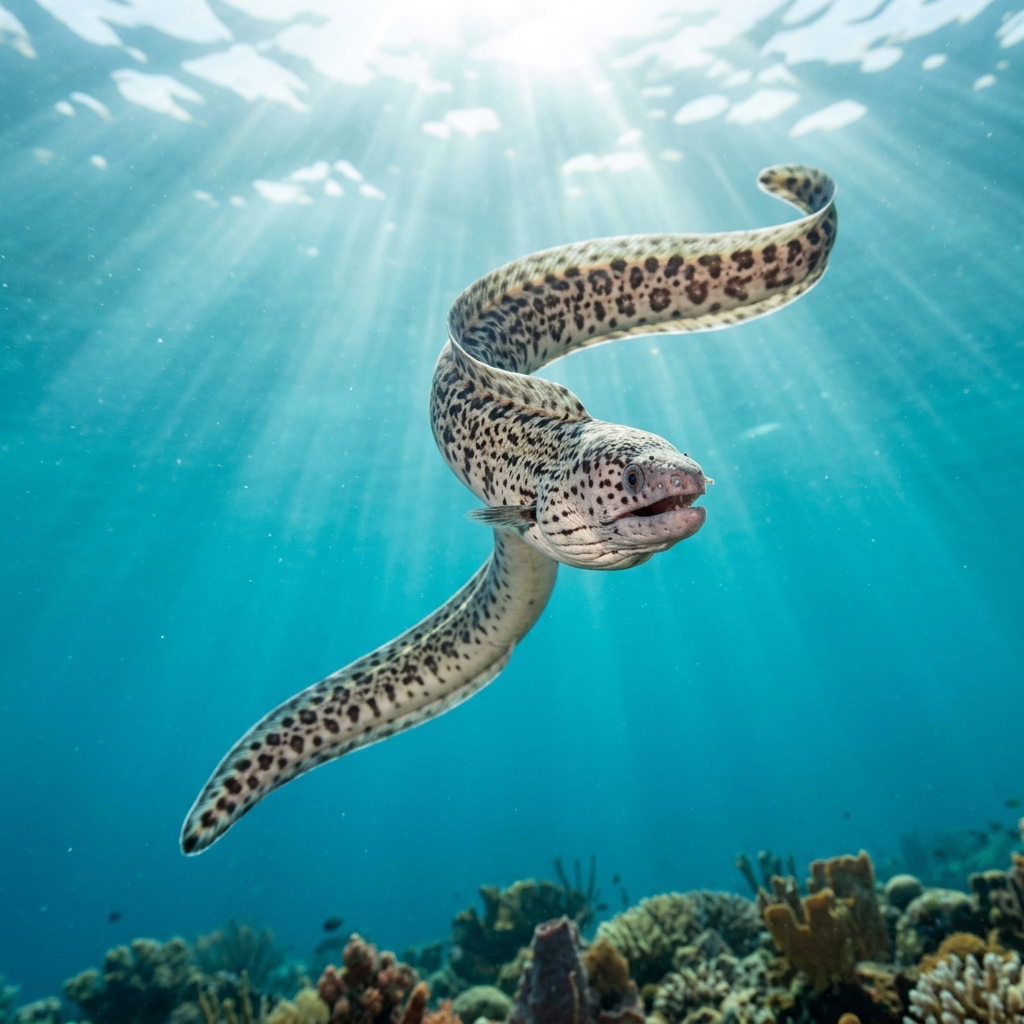
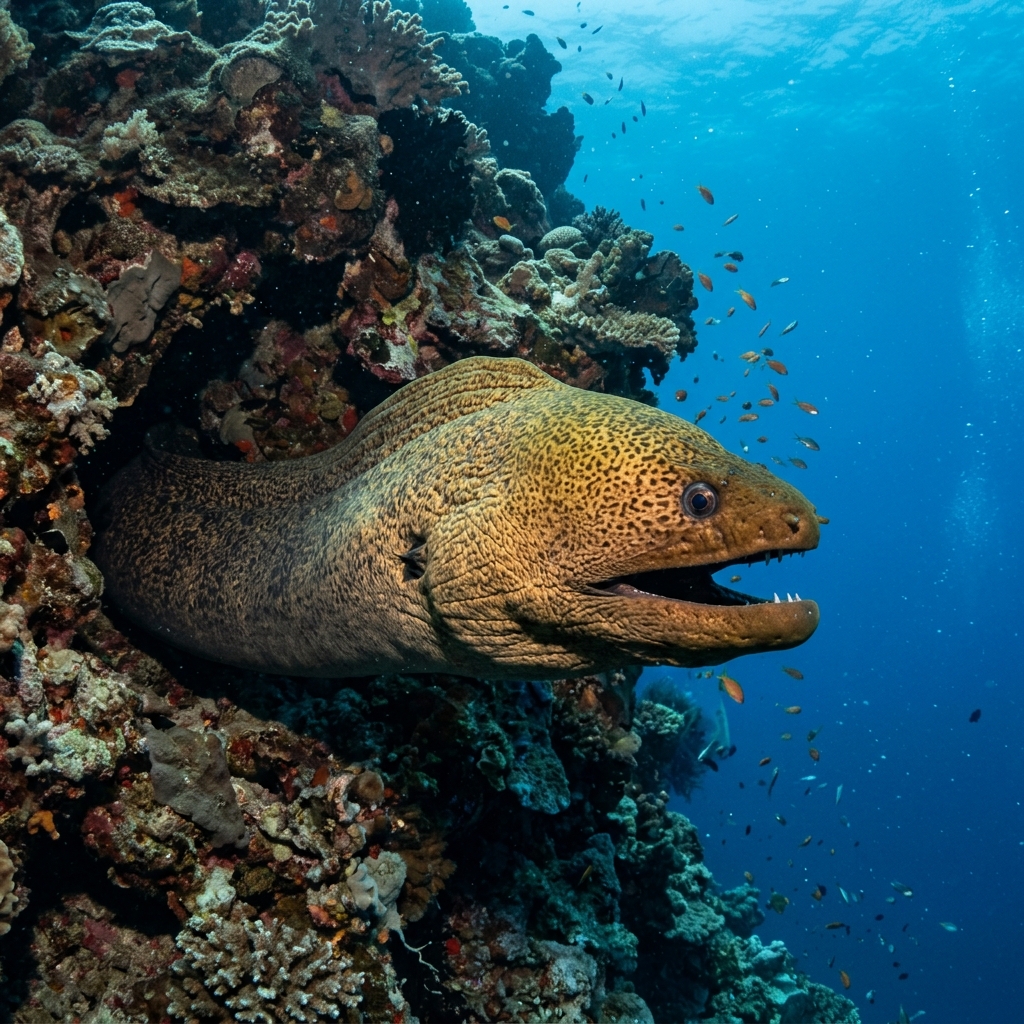
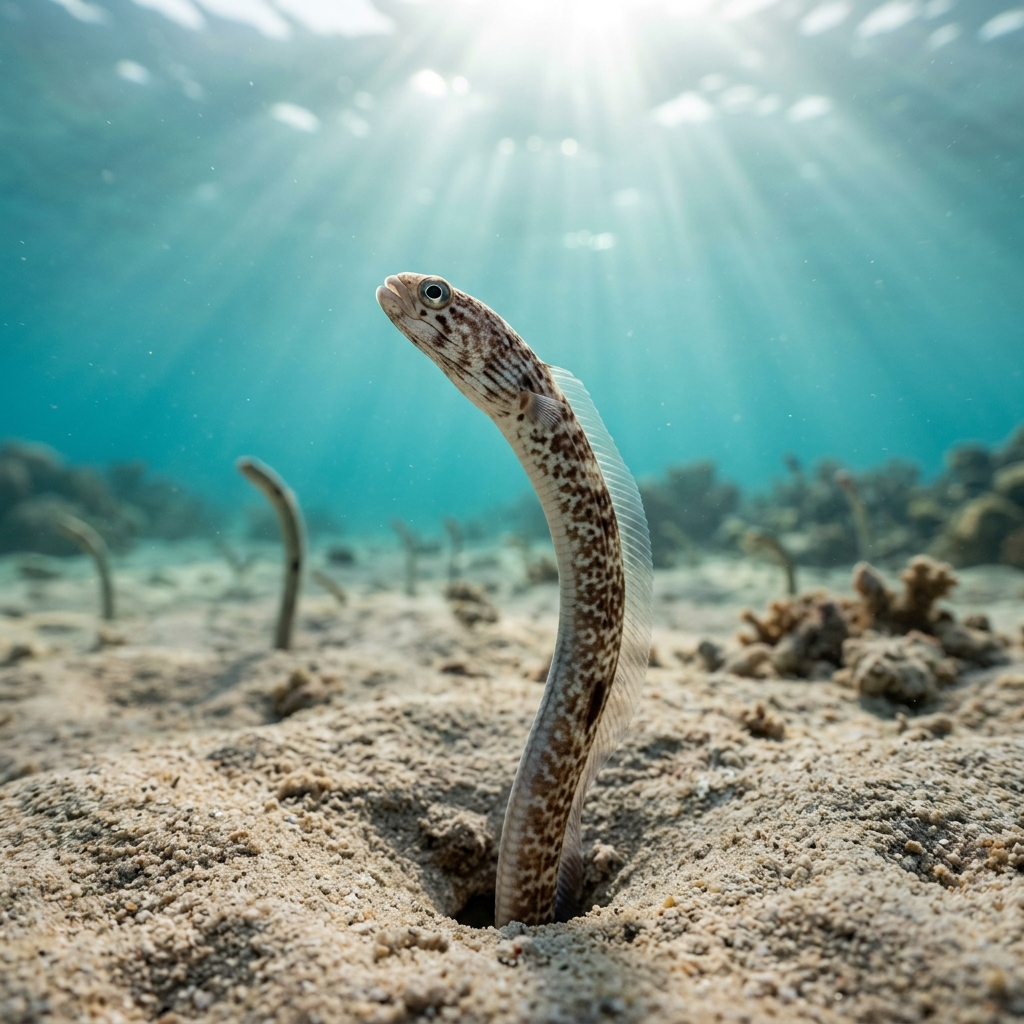
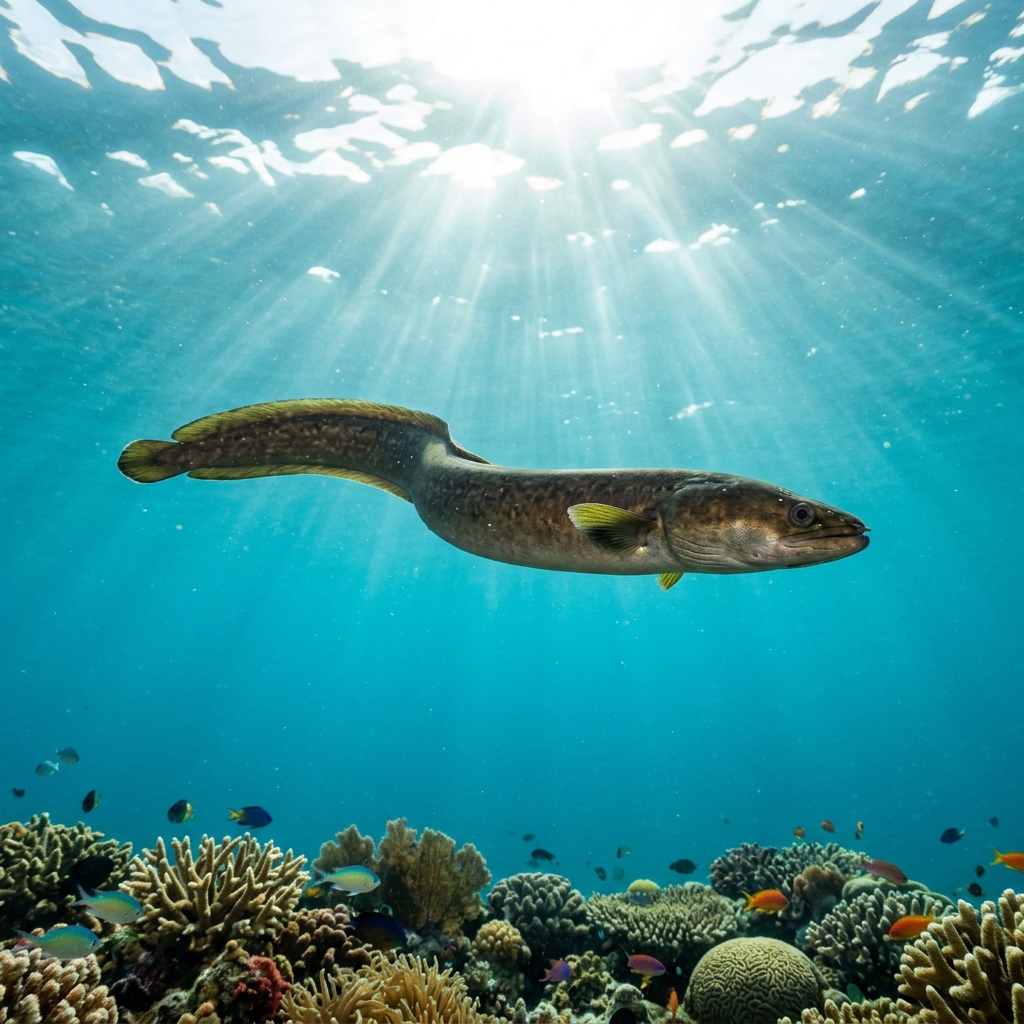
Reef neighbours a diver could mistake it for. Use the identification notes above to tell them apart.
Hawaii dominates the sighting records by a wide margin, making it the single best destination for a reliable encounter, with popular dive areas across the main islands all contributing records. The Indian Ocean is also productive, with strong populations logged across North Mauritius, the Praslin and La Digue area of the Seychelles, and the reefs around Saint-Gilles-les-Bains in Réunion. Okinawa in Japan and Zanzibar in Tanzania round out the top destinations for those wanting to combine the species with broader Indo-Pacific diving.
Mapping where Turkey Moray is logged…
Hawaii is by far the most commonly logged location, followed by North Mauritius, the Seychelles (particularly Praslin and La Digue), Okinawa in Japan, and Réunion in the Indian Ocean. It is also reliably recorded in Zanzibar and across the Philippines.
In Hawaii and Okinawa it can be found year-round, so any visit is viable. In Southern Hemisphere destinations such as South Africa and Réunion, sightings concentrate in April to July and October to November, making those the stronger windows for planning a trip.
Look for a white or pale cream body completely covered in dark brown spots, including the head and jaws. The white interior of the mouth is visible when it breathes. No other common moray in its range combines that dense all-over spotting with a pale base colour in the same way.
Adults typically reach around 90 to 100 cm in length. In the water they appear as a moderately stout, mid-sized eel, noticeably smaller than a giant moray but larger than a snowflake moray.
No. The turkey moray is not considered dangerous to divers. Like all morays it will defend itself if provoked or cornered, but it generally retreats or remains still when divers approach sensibly. Avoid reaching into reef crevices where any moray may be sheltering.
Site and sighting data is aggregated from diver logs, iNaturalist and GBIF. For taxonomy and conservation status:
Garden Eel
2,448 sites