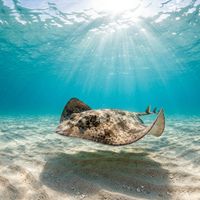
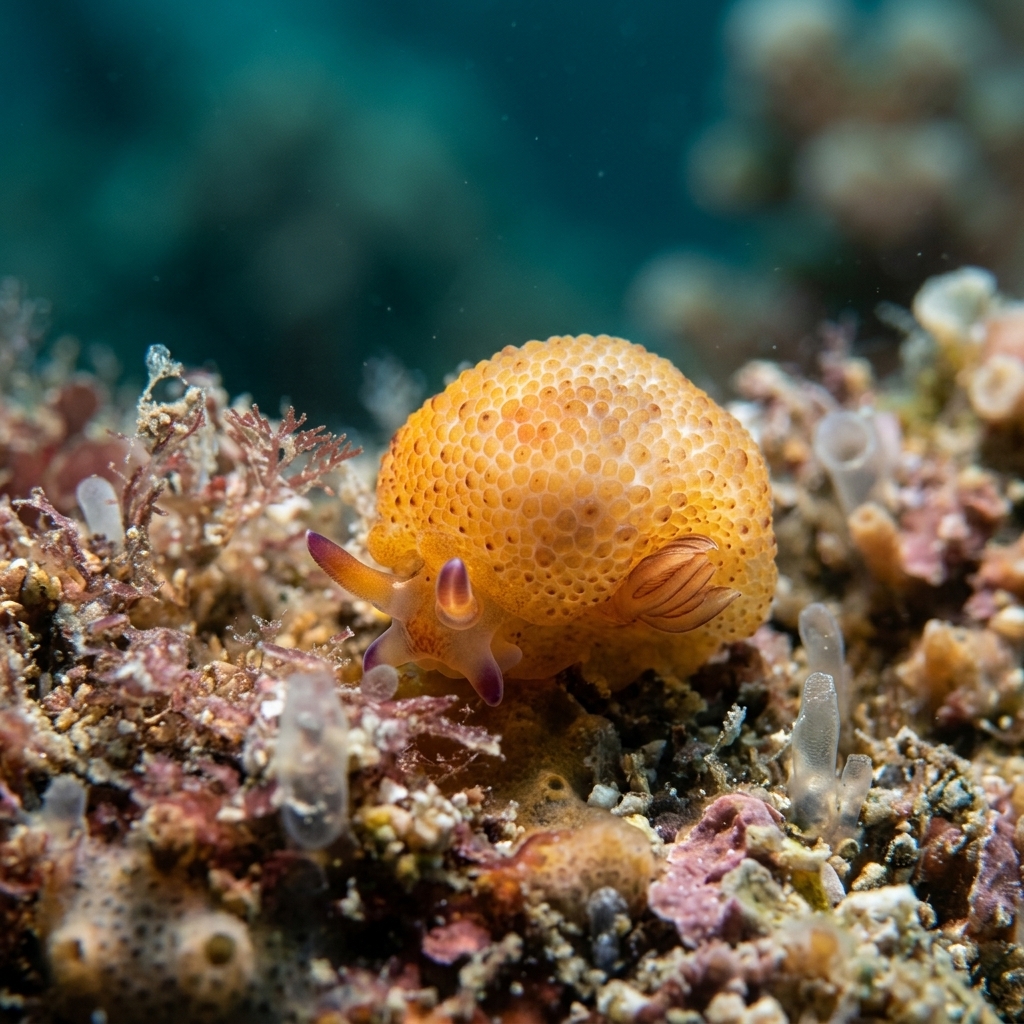
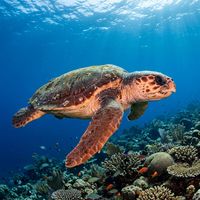
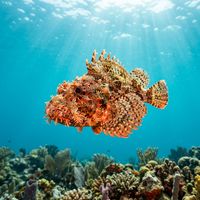
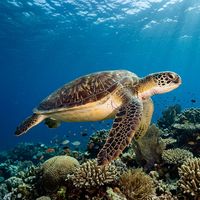
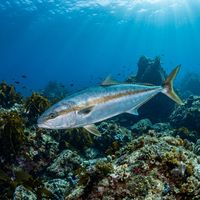
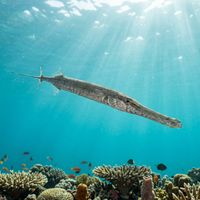
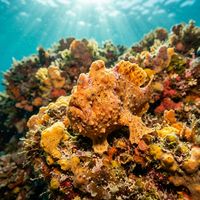
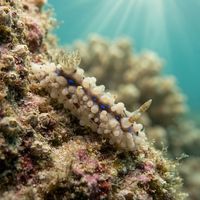
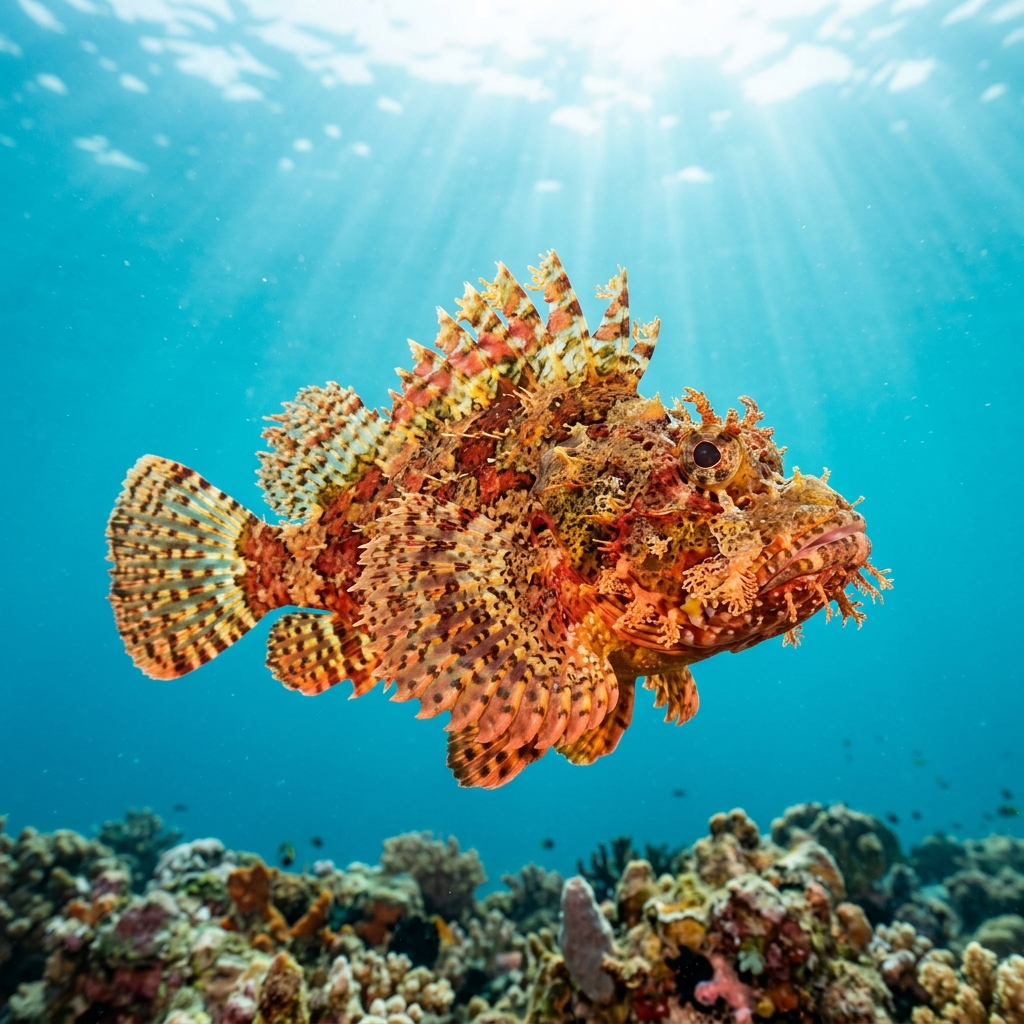
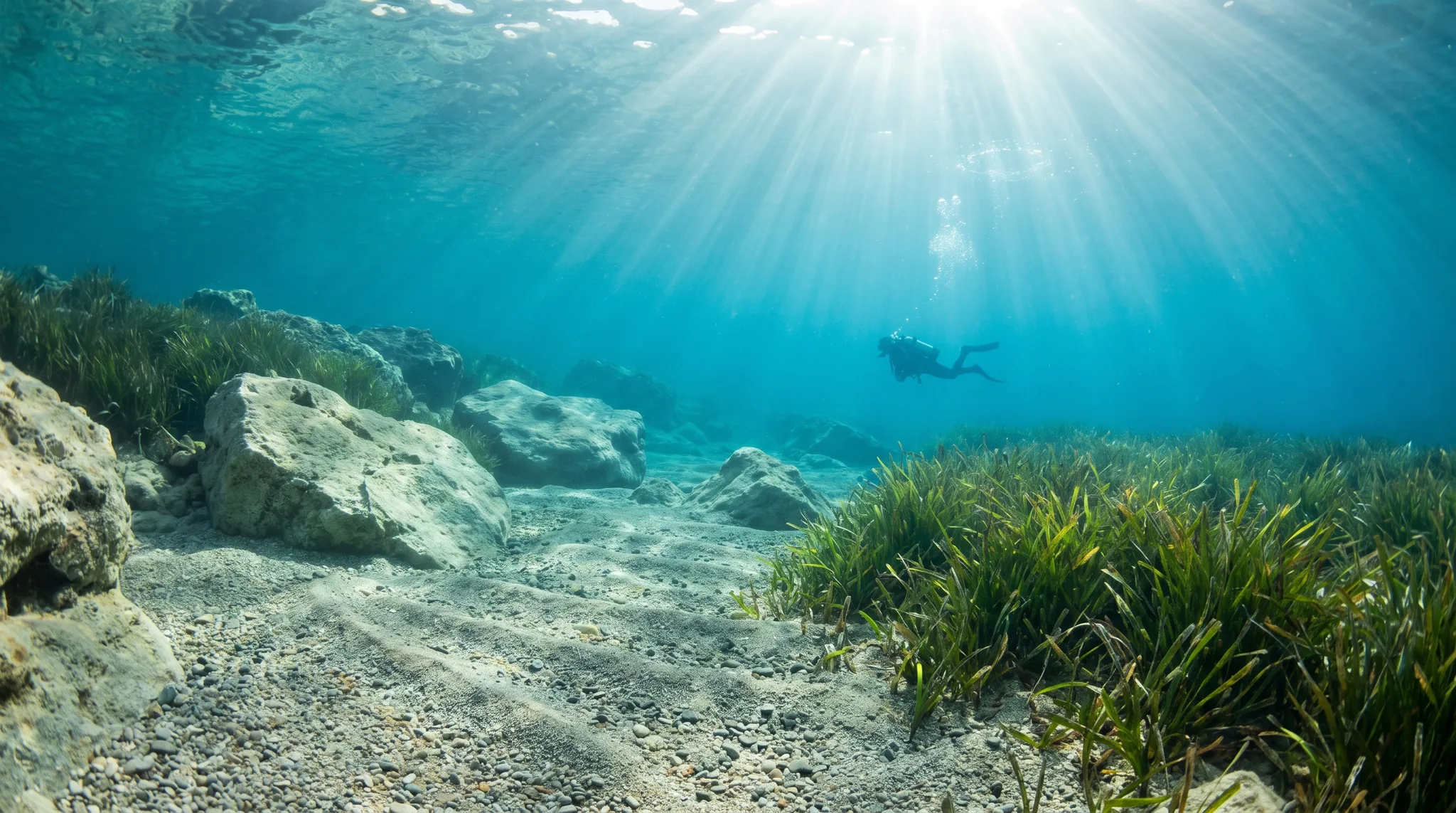
Western Japan offers a varied diving landscape shaped by reef systems, drift sites, artificial structures, and at least one wreck. The four sub-areas, Shikoku, Kyushu, Kagoshima, and Chugoku, each bring distinct character, with Shikoku holding the greatest concentration of sites. Kashiwajima anchors much of the diving, with options ranging from shallow artificial reefs to open-water reef and wall sites. The Kuroshio Current drives conditions at several locations, influencing both marine life and visibility. The Butterfly Ray and Loggerhead Sea Turtle are signature sightings, while the Sea Slug, Porcupinefish, Scorpionfish, and Bluespotted Cornetfish appear consistently across sites. Most sites suit beginners, though dedicated drift sites such as Kurohae demand advanced experience.
4 areas
 17
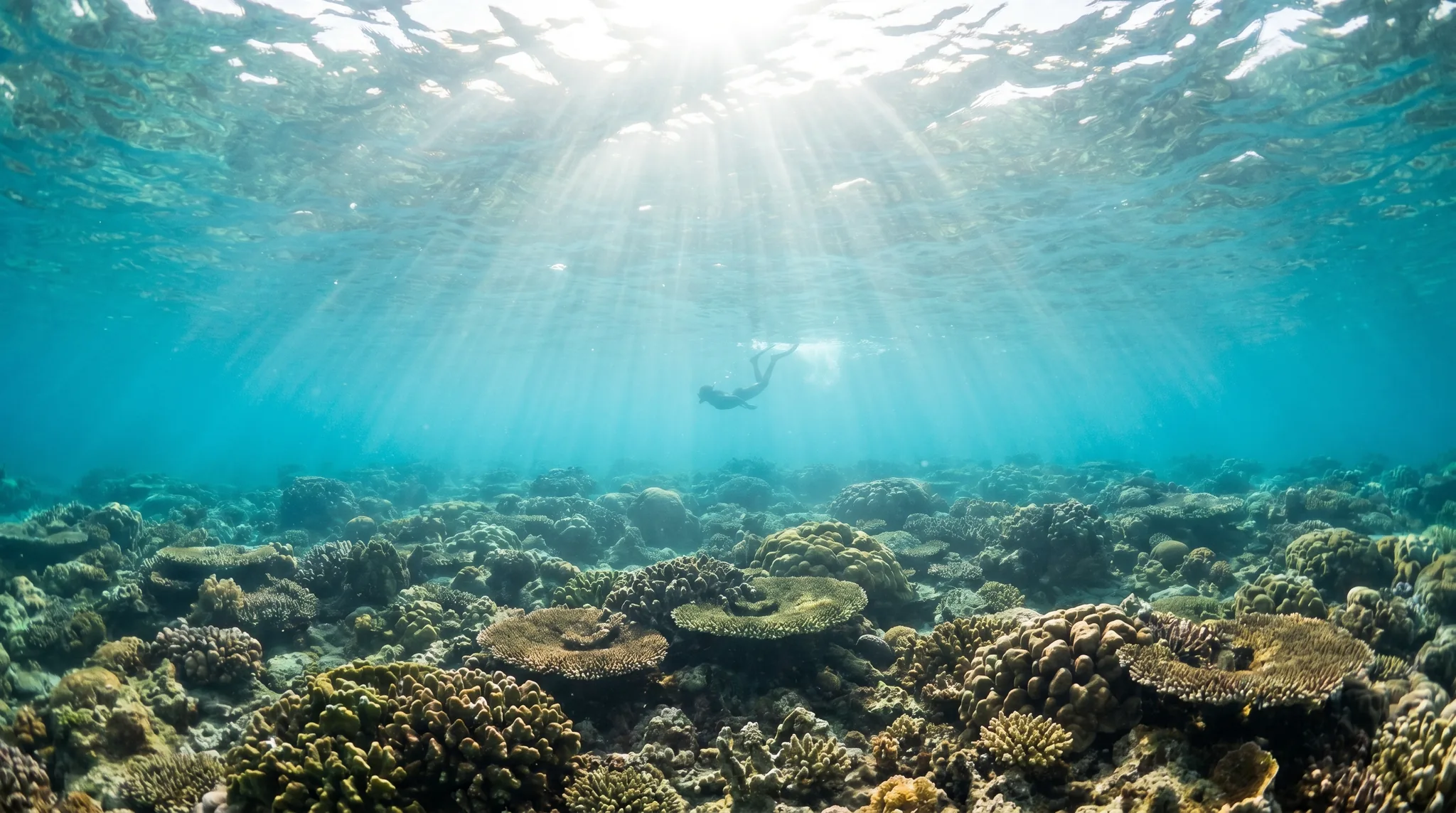
17Kashiwajima reefs with reliable Butterfly Ray sightings, a battleship wreck, and cave diving for a wide range of skill levels.
7Three-sea diving with reefs, wrecks, caves, and muck sites, plus a species list spanning macro life, tuna, and sea kraits.
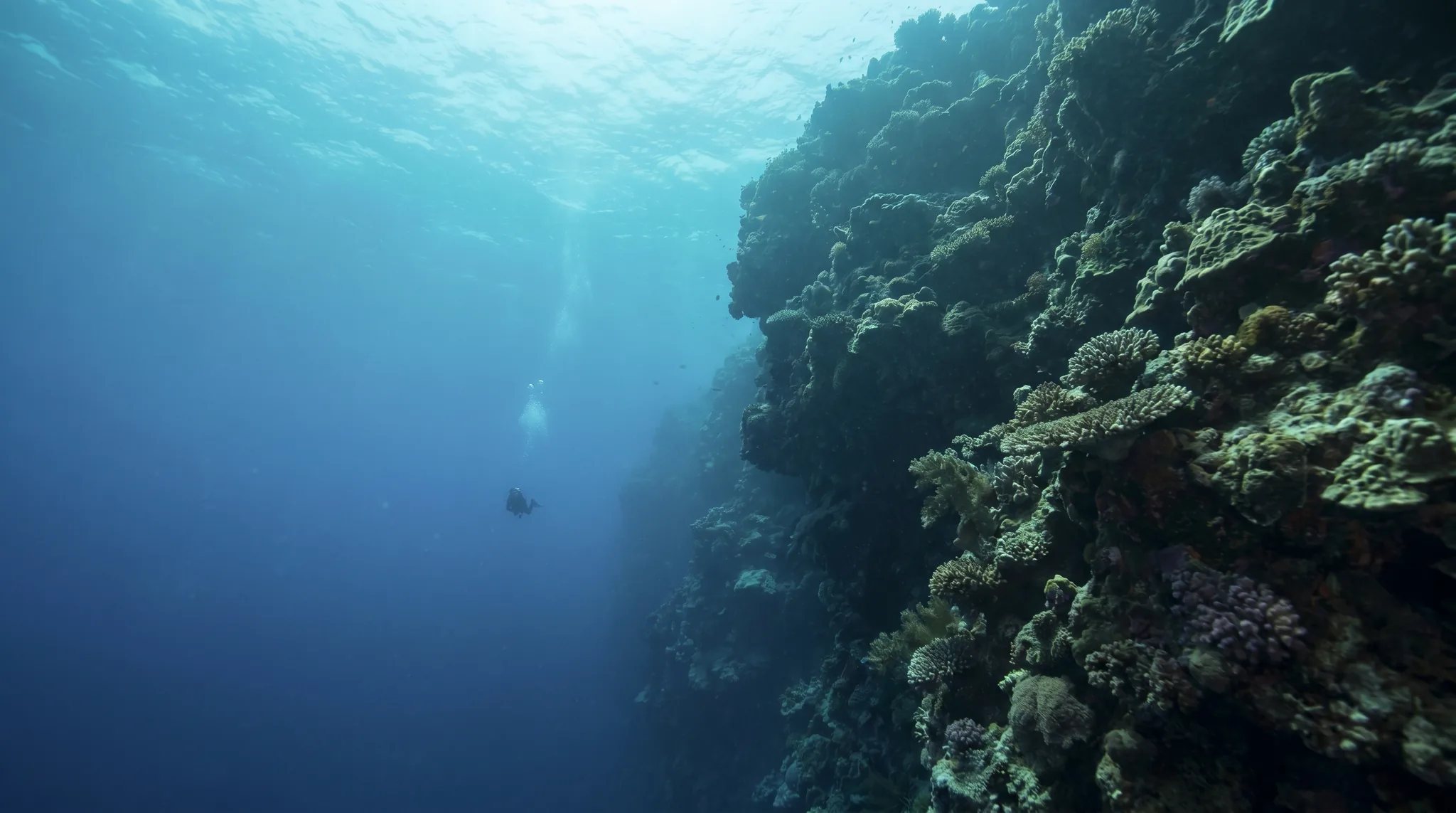
7Warm East China Sea and Pacific reefs with year-round temperatures, Kuroshio-driven drift, and a species list from frogfish to devil rays.
5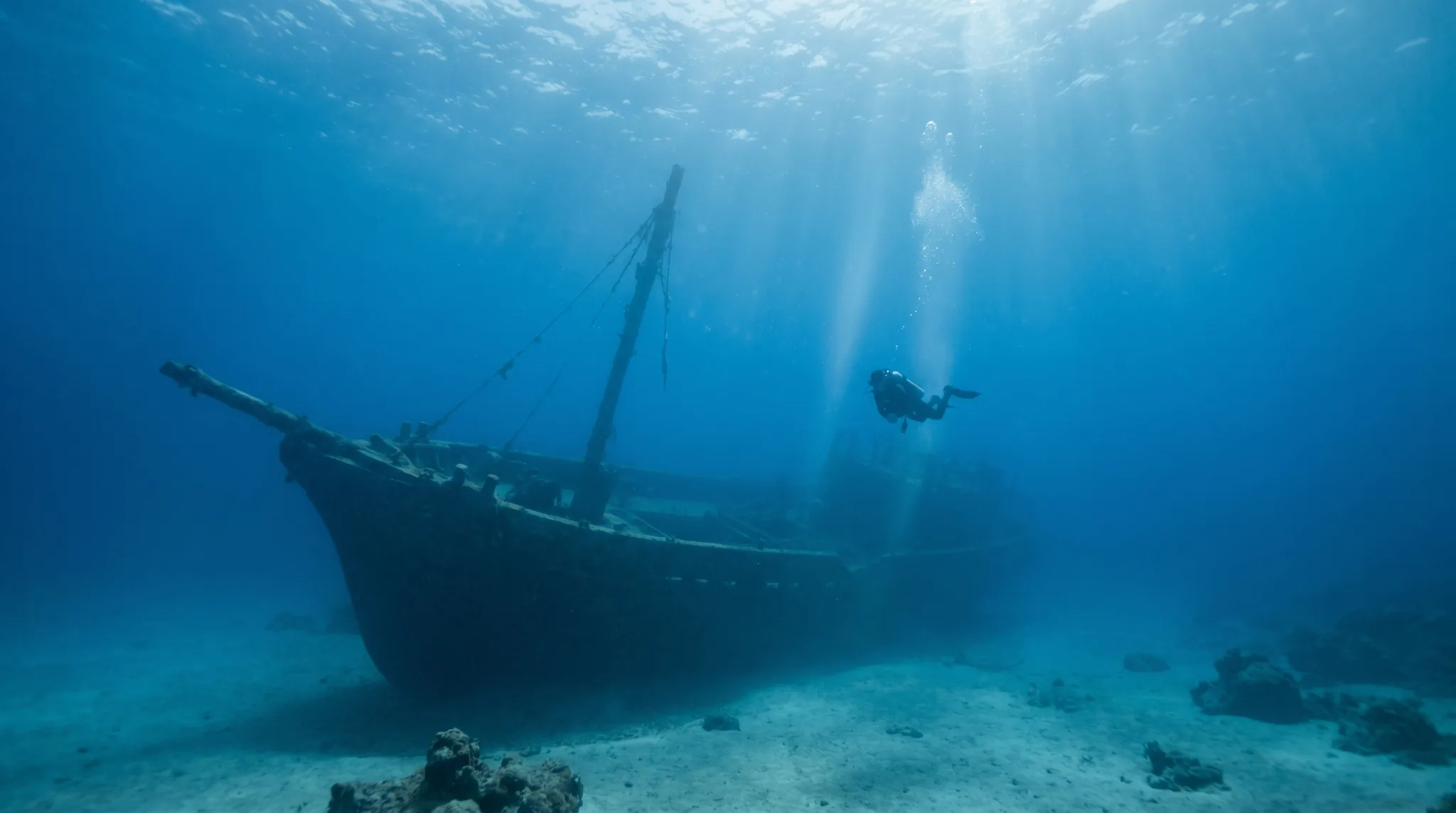
Monthly water temperature across Western Japan's sites, from satellite sea-surface data corrected for depth. The band shows the site-to-site spread.
Water temperatures are at their warmest from late summer into early autumn, making September and October the peak months for conditions and marine life activity. Spring marks the beginning of the warming trend, and diving remains comfortable well into November. The cooler winter months see temperatures drop but diving continues year-round, with sites like Kashiwajima accessible in all seasons.
41 operators
Nagato, Japan
Water temperature around Western Japan ranges from about 18°C in January to 26°C in August, based on satellite sea-temperature data for its dive sites.
Sea of Japan and Seto Inland Sea reef and muck diving, with blue-ringed octopus, torpedo rays, and accessible shore entries.
In the warm season (about 26°C) a 3mm full suit is comfortable in Western Japan; in the coldest months (about 18°C) step up to a 5mm suit.
Fin maps 36 sites in Western Japan (36 scuba diving sites and 8 snorkelling spots, with some suited to both), organised into 4 areas.
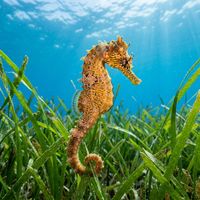
The most consistently observed species are the Porcupinefish, Sea Slug, and Butterfly Ray, all recorded across the majority of sites. The Loggerhead Sea Turtle and Scorpionfish are also regularly seen, along with the Bluespotted Cornetfish and Anthias. Less frequent but observation-backed sightings include the Green Sea Turtle, Seahorse, Frogfish, and Snowflake Moray.
The majority of sites across Western Japan are rated for beginners, including popular spots such as Kashima Coral Beach, Akehama, and Kashiwajima Island. Shore-entry options at Akehama and Shikanoshima Island make getting in the water straightforward without needing a boat. A small number of sites, notably the drift dive at Kurohae and the current-exposed Tanegashima Island, are rated intermediate or advanced and are best saved for divers with more experience.
Most sites in Western Japan require boat access, which operators throughout Shikoku, Kyushu, Kagoshima, and Chugoku can arrange. Shore diving is available at a handful of sites, including Akehama and Shikanoshima Island, both of which are beginner-friendly and offer convenient independent access. Some sites, such as Tanegashima Island, offer both entry options depending on the dive plan.