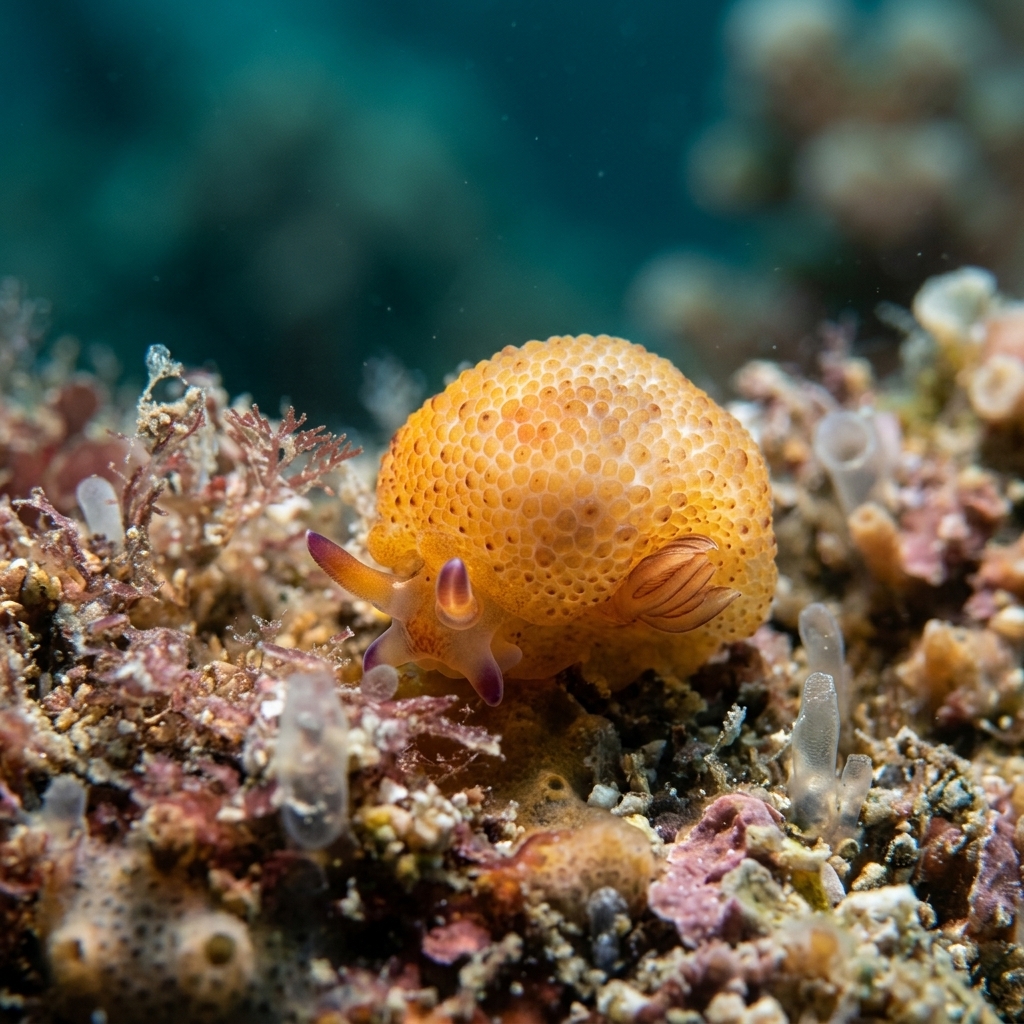
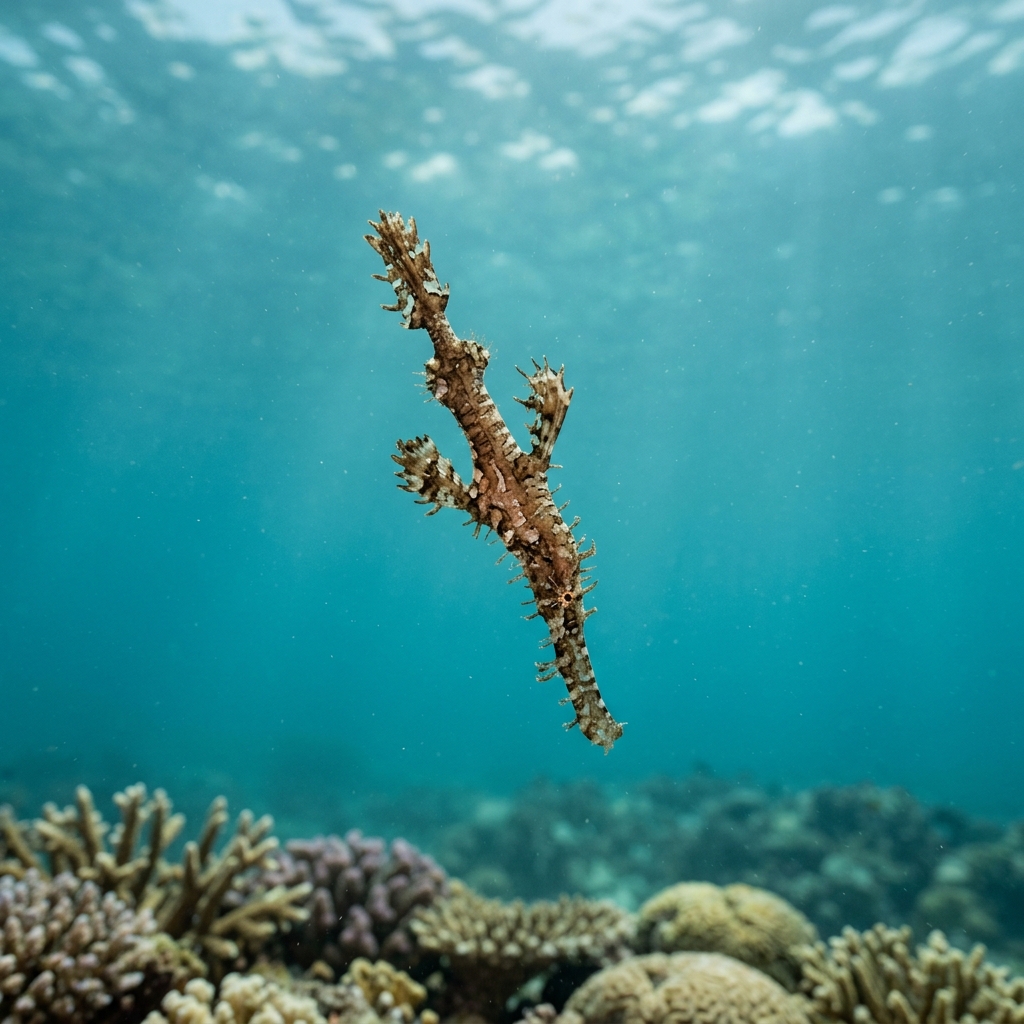
Central Japan offers a diverse underwater landscape shaped by a pronounced seasonal temperature swing and a mix of sub-areas ranging from the reef-heavy Izu Peninsula to the remote offshore sites of Ogasawara. Shore entries dominate at beginner-friendly sites such as Hamayu Beach and LOG Mae, while boat access unlocks challenging drift dives at Zenisu and Mikomoto Island. The region's marine life leans strongly toward cryptic and macro species: the Sea Slug, Hermit Crab, and Jorunna Nudibranch appear across a broad sweep of sites, and the Ornate Ghostpipefish and Guitarfish are signature finds. Kanto and the Izu Peninsula hold the greatest concentration of sites, with Hokuriku and Wakasa Bay, Sado, and the Izu Islands offering quieter alternatives.
8 areas
 37
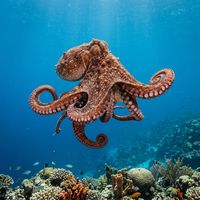
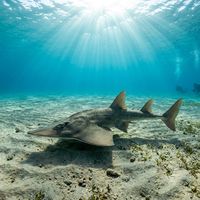
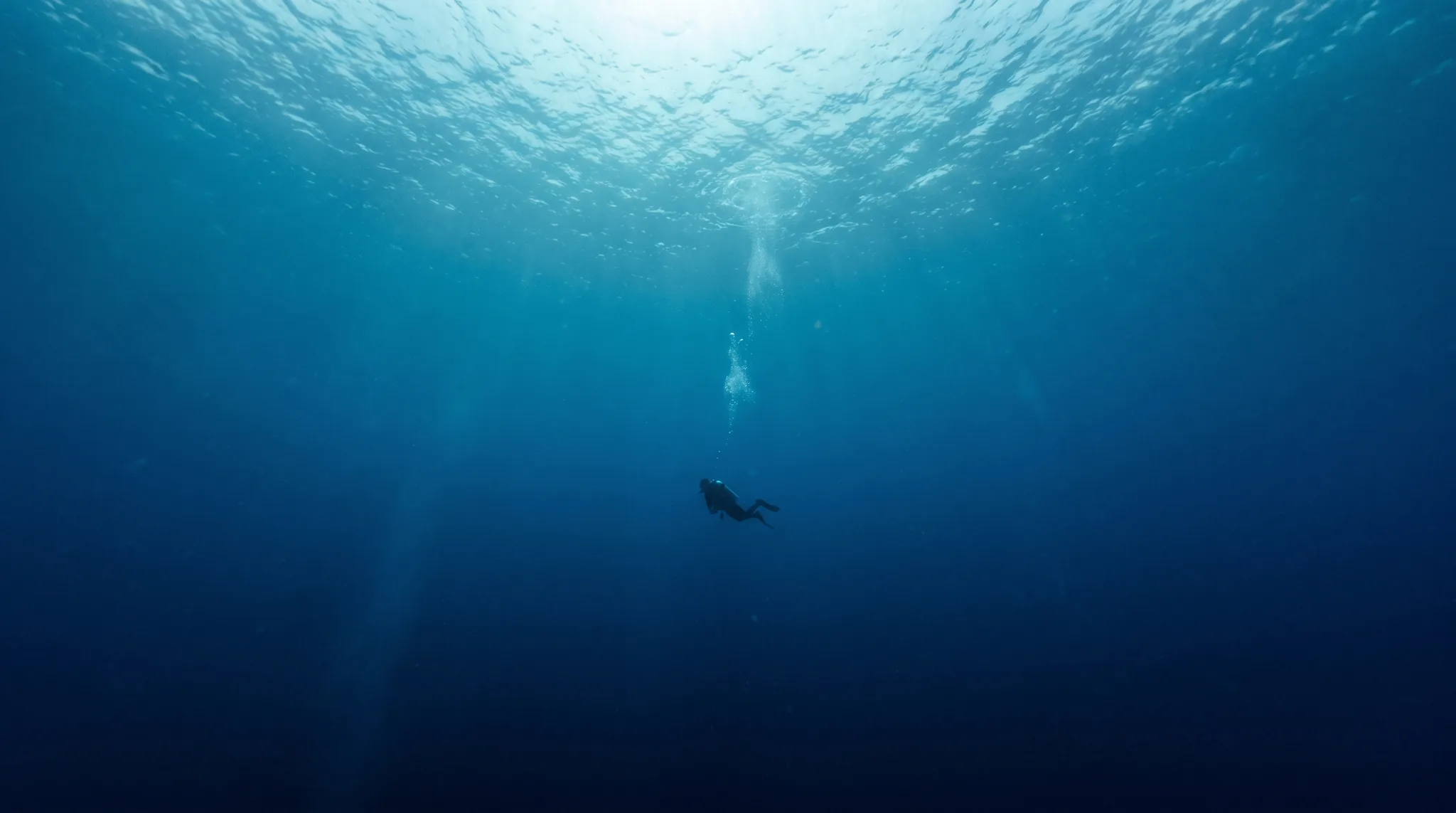
37Reef and artificial-reef diving across three distinct sub-areas, with Guitarfish and Common Octopus as regional signatures.
36A richly varied peninsula where muck, drift and kelp-forest dives sit side by side, with Guitarfish and nudibranch among the signature sightings.
 21
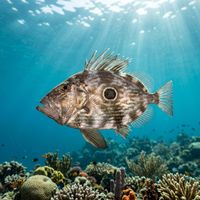
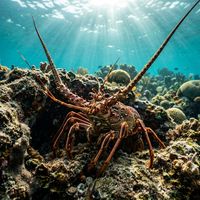
21Beginner-friendly reef and cave diving across two distinct sub-areas, with John Dory, Spiny Lobster, and macro life throughout.
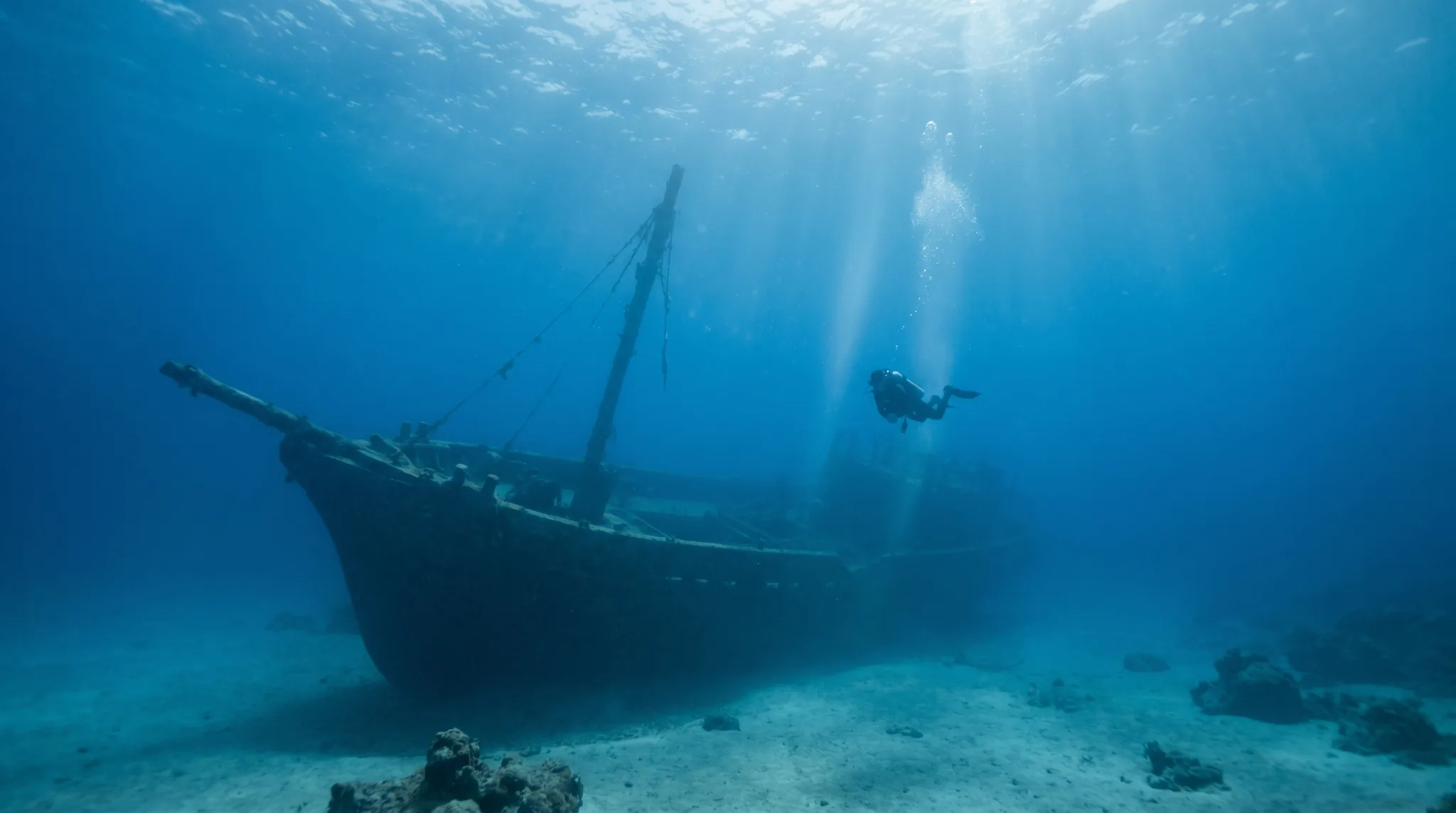 17
17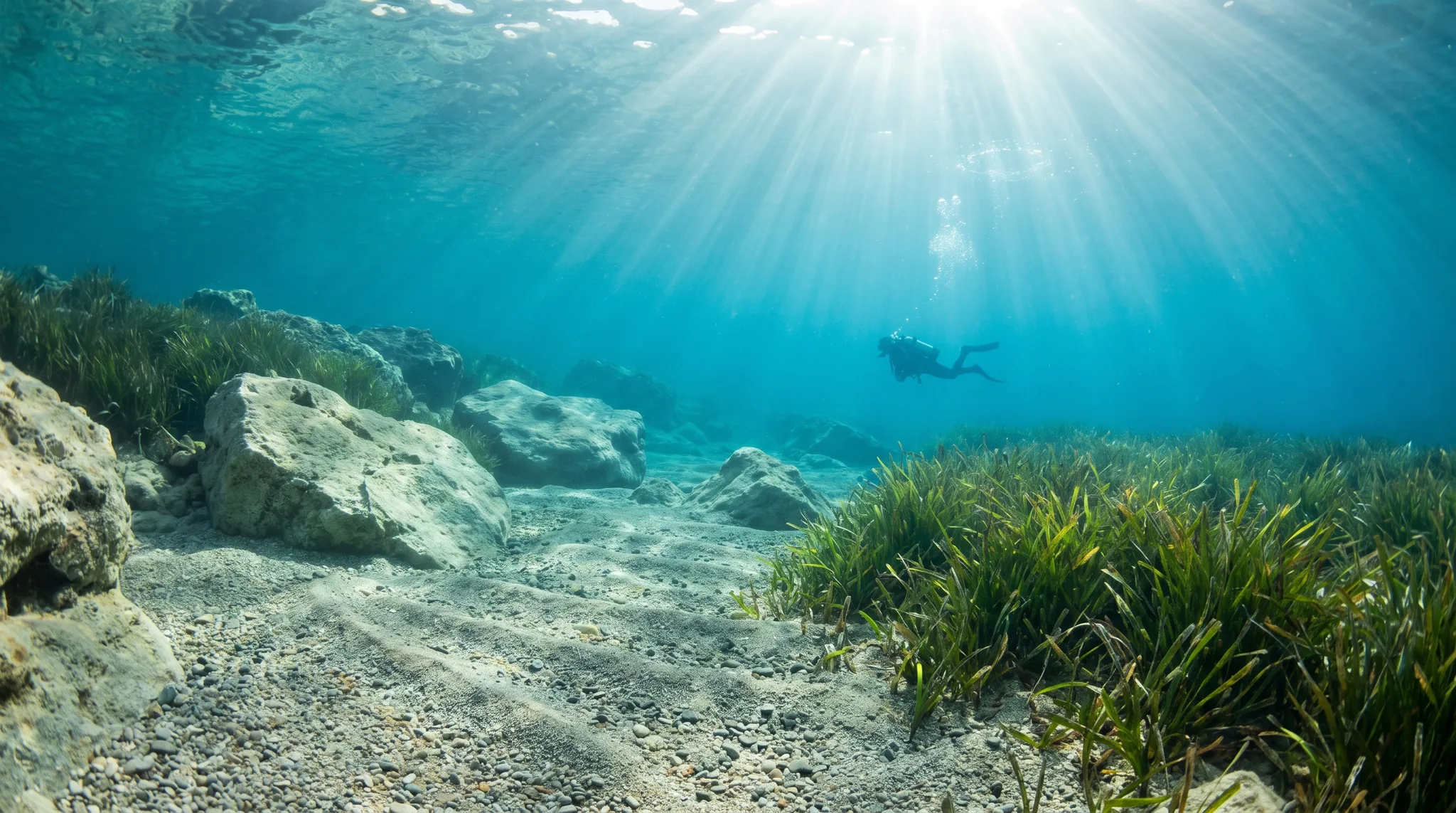
Monthly water temperature across Central Japan's sites, from satellite sea-surface data corrected for depth. The band shows the site-to-site spread.
Water temperature climbs steadily from its coolest point in late winter through to warm peaks in August and September, making summer and early autumn the most comfortable period for longer dives. Spring sees a meaningful uptick in diver activity as visibility improves and the water begins to warm. Winter diving remains possible across much of the region, though exposed offshore sites such as Zenisu and Mikomoto Island carry strong currents year-round and demand intermediate to advanced skills regardless of season.
123 operators
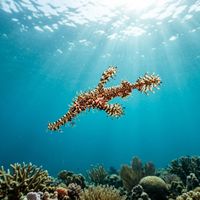
A varied dive destination in Central Japan where Ornate Ghostpipefish, Green Sea Turtle and a deep technical wreck define the experience.
Water temperature around Central Japan ranges from about 17°C in February to 26°C in August, based on satellite sea-temperature data for its dive sites.
In the warm season (about 26°C) a 3mm full suit is comfortable in Central Japan; in the coldest months (about 17°C) step up to a 7mm or semi-dry suit.
Fin maps 148 sites in Central Japan (142 scuba diving sites and 25 snorkelling spots, with some suited to both), organised into 8 areas.
Across Central Japan's dive sites, June, July, August, September and October are most often reported as the best months to visit.
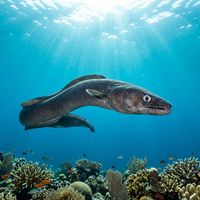
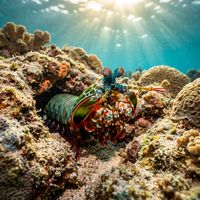
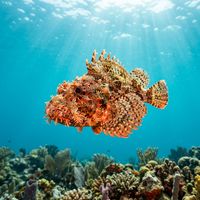
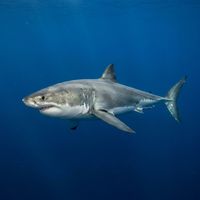
Central Japan's sites are particularly strong for macro and cryptic species. The Sea Slug, Jorunna Nudibranch, and Chromodoris Nudibranch appear across a wide range of sites, and the Guitarfish and Ornate Ghostpipefish are considered signature finds for the region. Conger Eel, Mantis Shrimp, Scorpionfish, and Common Octopus are also regularly observed, while rarer sightings include the Scalloped Hammerhead and Ocean Sunfish at offshore locations.
A large proportion of sites in Central Japan are rated for beginners, including shore-entry reef dives such as Hamayu Beach, LOG Mae, and Oyashirazu. The Izu Peninsula in particular offers a strong mix of accessible, calm-water entries. That said, advanced drift sites like Zenisu and Mikomoto Island feature strong, consistent currents and are best left to experienced divers.
Kanto and the Izu Peninsula together account for the largest share of sites and include everything from shallow muck dives to deep reef and pinnacle systems. Ise-Shima and Kushimoto add further reef variety further south. Hokuriku and Wakasa Bay, along with Sado, offer a quieter, more northerly experience. The Izu Islands and Ogasawara sit progressively further offshore and have fewer sites, but include boat-access reefs in warmer, more open water.
Both options are well represented across Central Japan. Shore-entry sites include Hamayu Beach, LOG Mae, Oyashirazu, and Banjin Beach, all of which are suitable for beginners. Boat access opens up offshore seamounts, cave systems such as Grott 1, and drift sites including Zenisu and Mikomoto Island. Operators are spread across the region and can arrange boat charters for the more exposed locations.