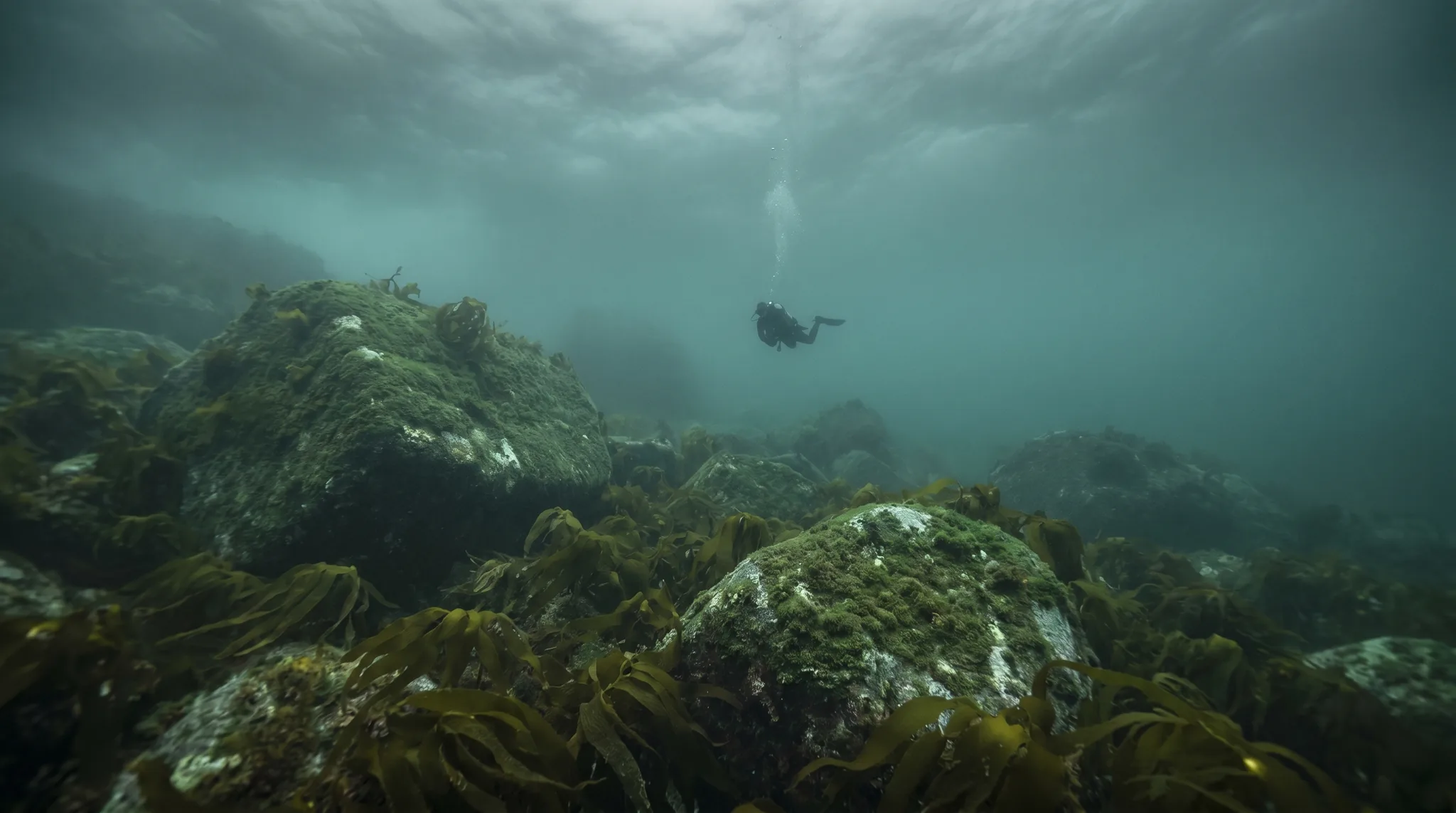
Northern Japan divides into two distinct sub-areas: Tohoku and Hokkaido. The region is defined by temperate, cold-water diving across reef, cave, and drop-off sites, with one freshwater lake dive adding real variety. Shore and boat entries are both well represented, and the skill mix leans accessible, with many sites suited to beginners. Underwater life is characteristically cold-water: Bobtail Squid are found across nearly all sites, alongside Sea Slug, Sea Hare, Sea Urchin, Sea Squirt, and Cod. Conditions shift markedly through the year, with water warming considerably from summer into early autumn.
2 areas
Monthly water temperature across Northern Japan's sites, from satellite sea-surface data corrected for depth. The band shows the site-to-site spread.
Water temperatures are coldest from late winter into spring, when a drysuit or heavy wetsuit is strongly advisable. From summer through early autumn the water warms considerably, offering the most comfortable conditions and coinciding with the broadest range of active sites. The shoulder months of spring and autumn remain diveable for those prepared for cooler water.
4 operators
Water temperature around Northern Japan ranges from about 8°C in March to 22°C in September, based on satellite sea-temperature data for its dive sites.
In the warm season (about 22°C) a 3mm full suit is comfortable in Northern Japan; in the coldest months (about 8°C) step up to a drysuit.
Fin maps 16 sites in Northern Japan (15 scuba diving sites and 3 snorkelling spots, with some suited to both), organised into 2 areas.
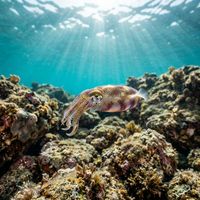
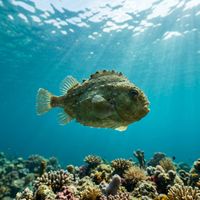
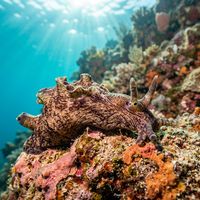
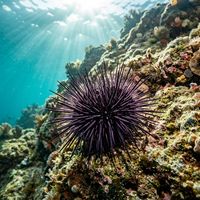
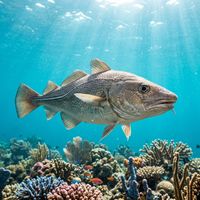
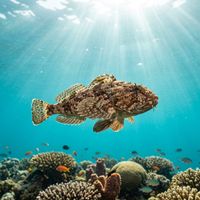
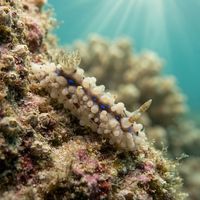
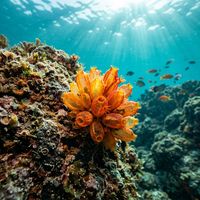
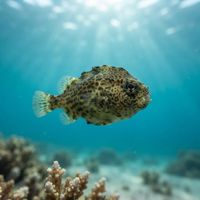
Bobtail Squid are the signature species and observed across the vast majority of sites. Divers also commonly encounter Sea Slug, Sea Hare, Sea Urchin, Sea Squirt, and Cod throughout the region. Sculpin appear occasionally, and Lumpfish have been observed at a good number of sites. Humpback Whale and Orca have also been recorded, though sightings are rare.
Much of the site list is rated for beginners, including shore-entry reefs such as Shark Fin and Tappizaki, and boat-access sites like Bikuni Treasure Island and Ago Island. Intermediate divers are catered for at reef sites including Nagashima Kaiba 1 and the freshwater drop-off at Shikotsuko Lake. The main consideration for all levels is water temperature, which can be cold outside the summer months.
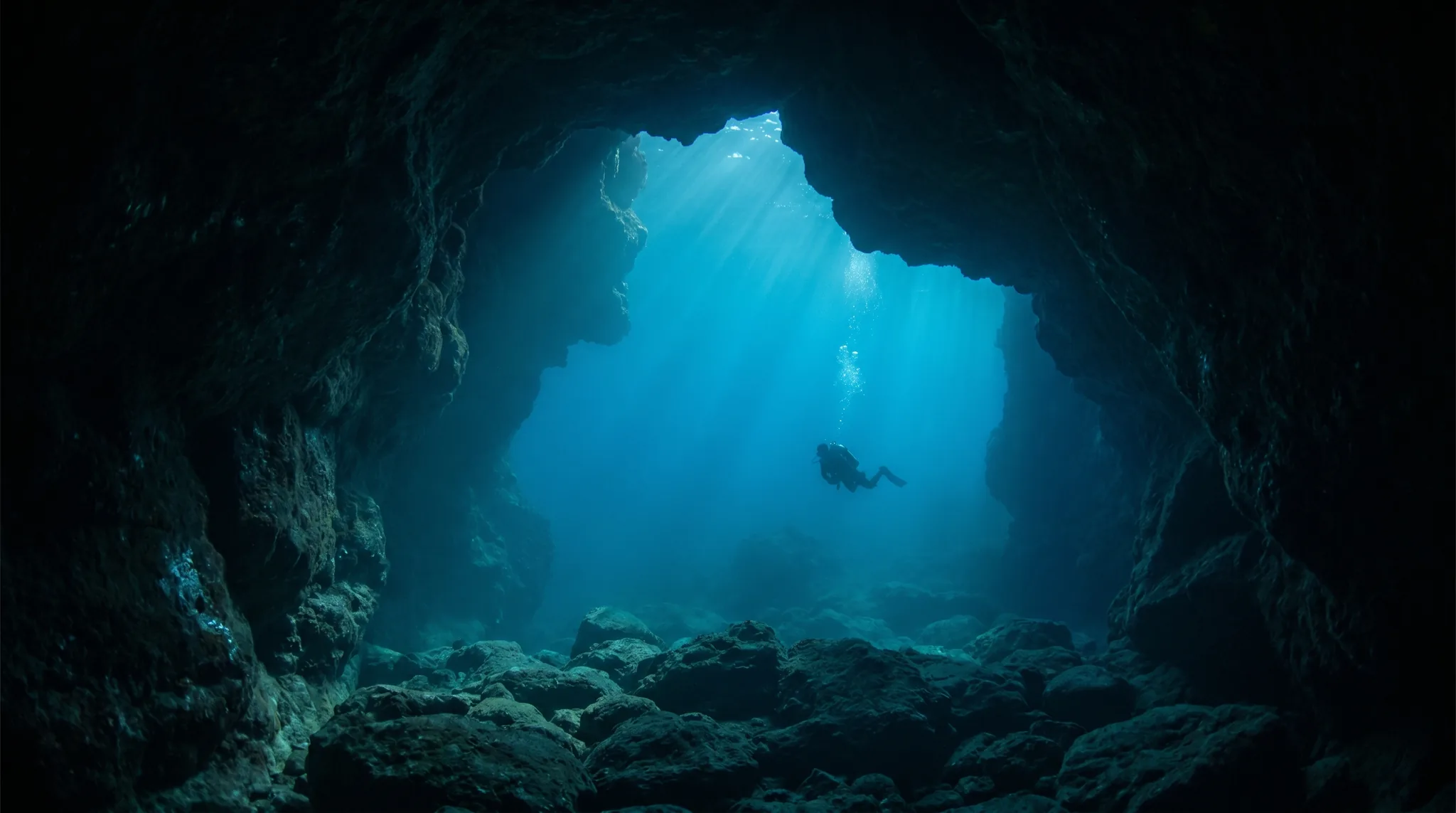
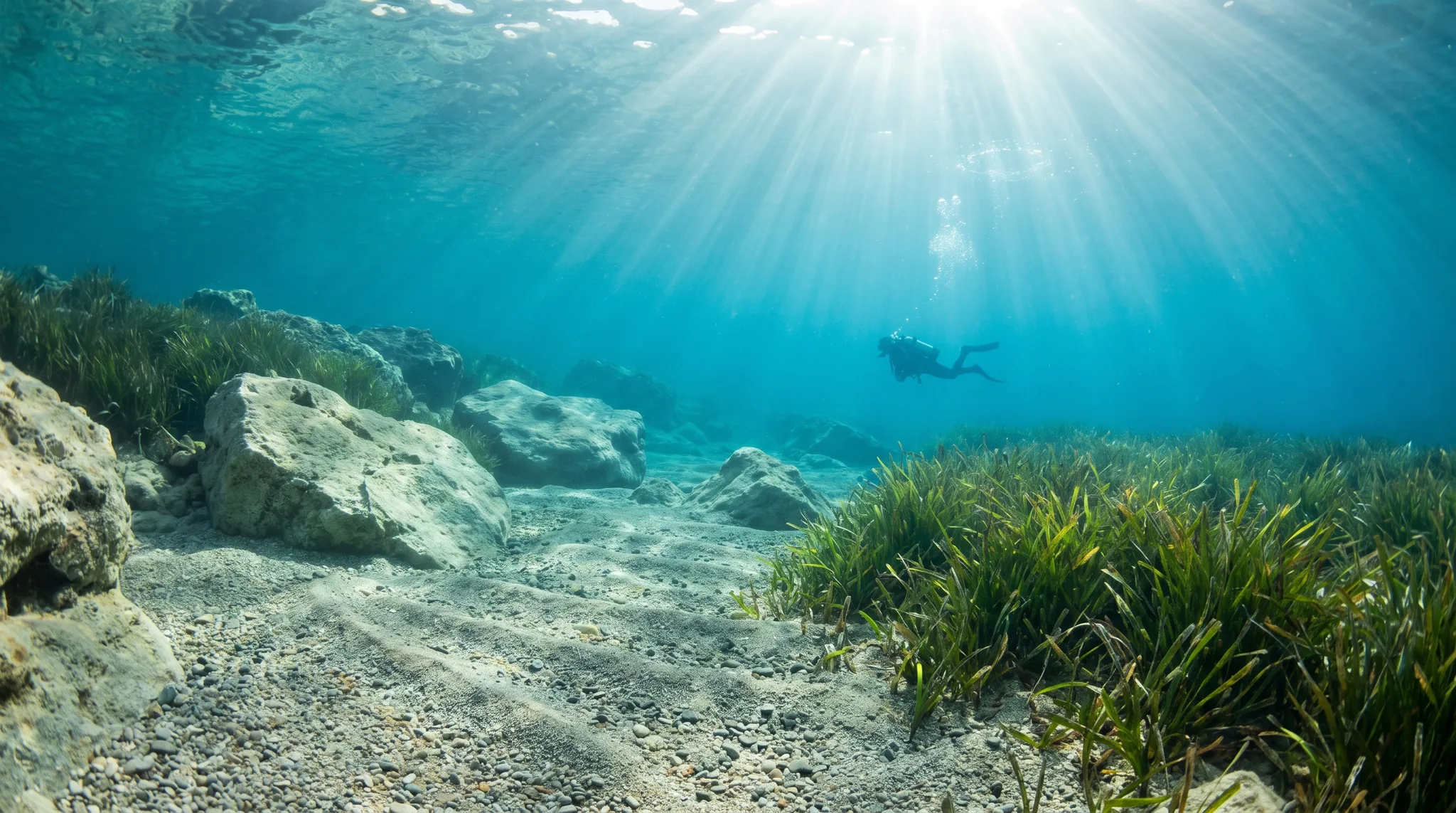
Both sub-areas offer a similar number of sites, but the character varies. Hokkaido includes the freshwater dive at Shikotsuko Lake, a drop-off site with a notable thermocline, alongside marine cave and reef options such as Candle Rock and Bikuni Treasure Island. Tohoku features reef and seagrass sites like Okirai Namiita Beach and the combined reef and artificial reef at Benten Island. Together they give Northern Japan a broader range of habitats than either area provides alone.
Both entry types are available across the region. Shore-entry sites include Shark Fin, Tappizaki, Okirai Namiita Beach, and Shikotsuko Lake, making independent access straightforward at those locations. Boat-access sites include Nagashima Kaiba 1, Candle Rock, Bikuni Treasure Island, Ago Island, and Benten Island, for which you would typically arrange access through a local operator such as ダイビングショップ バブルメーカーズ仙台.