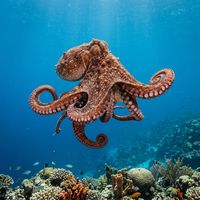
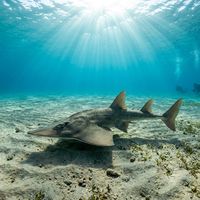
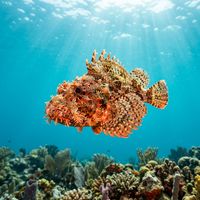
Kanto's diving spans coastal reefs, artificial structures, pinnacles, and a freshwater drop-off at Lake Motosu, sitting at altitude near Mt. Fuji. The three sub-areas each have a distinct character: Atami and Usami offer the greatest concentration of sites, Miura and Jogashima add further reef variety, and Hatsushima provides island diving accessible by ferry. Scorpionfish and Cardinalfish are encountered across the region, while Guitarfish and Common Octopus are the signatures. Most sites suit beginners, with shore entry common throughout.
3 areas
Monthly water temperature across Kanto's sites, from satellite sea-surface data corrected for depth. The band shows the site-to-site spread.
Water temperature climbs from its coolest point in winter through to a warm peak in late summer, with September rated most highly by divers. Spring and autumn offer a comfortable middle ground, while winter diving is cooler but still productive. Visibility varies across sites, so conditions are worth checking before choosing between exposed boat dives and sheltered shore entries.
49 operators
25 more sites to explore
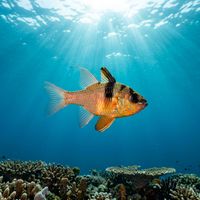
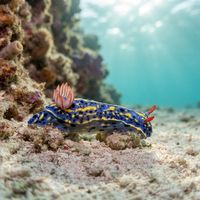
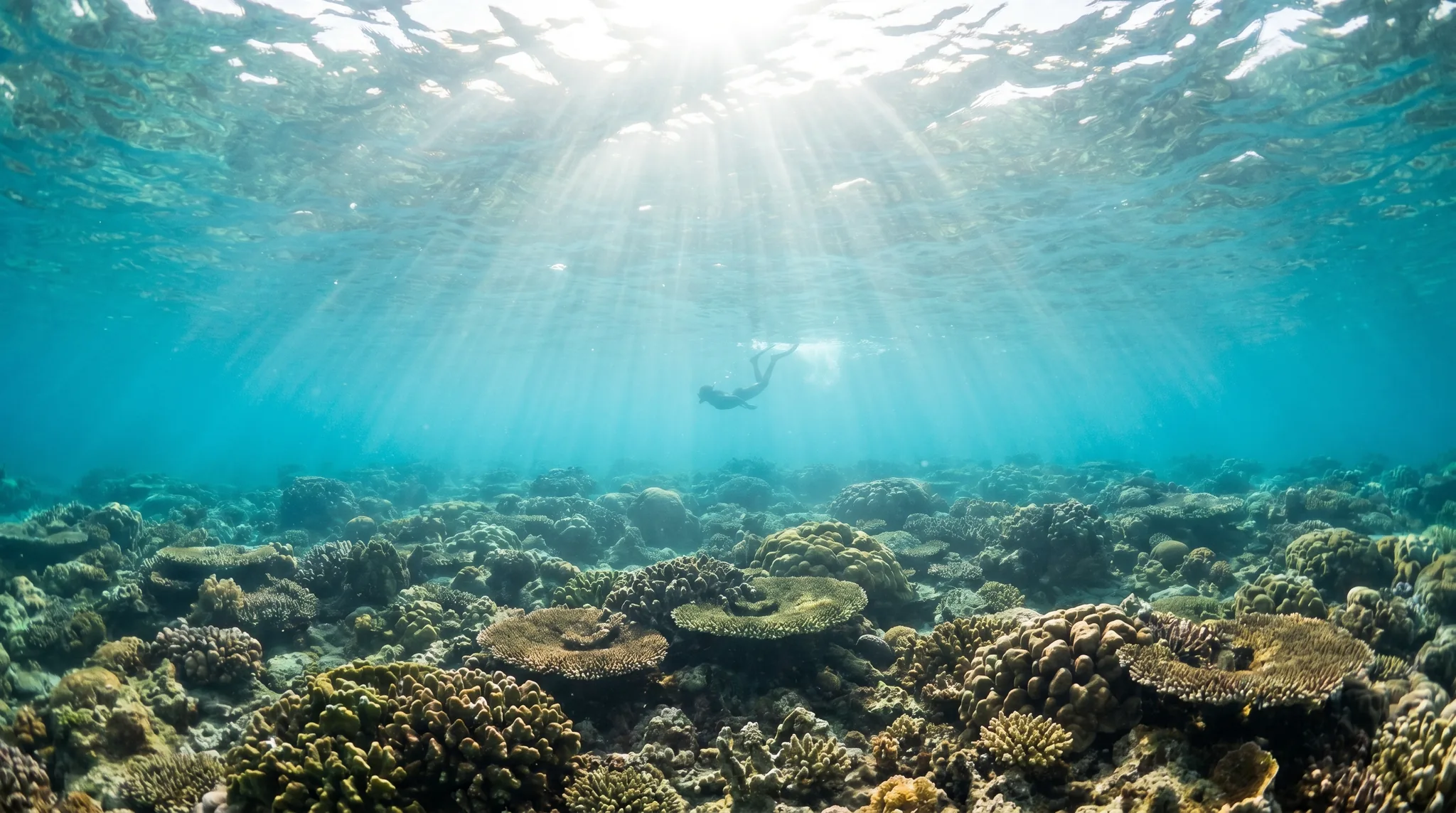
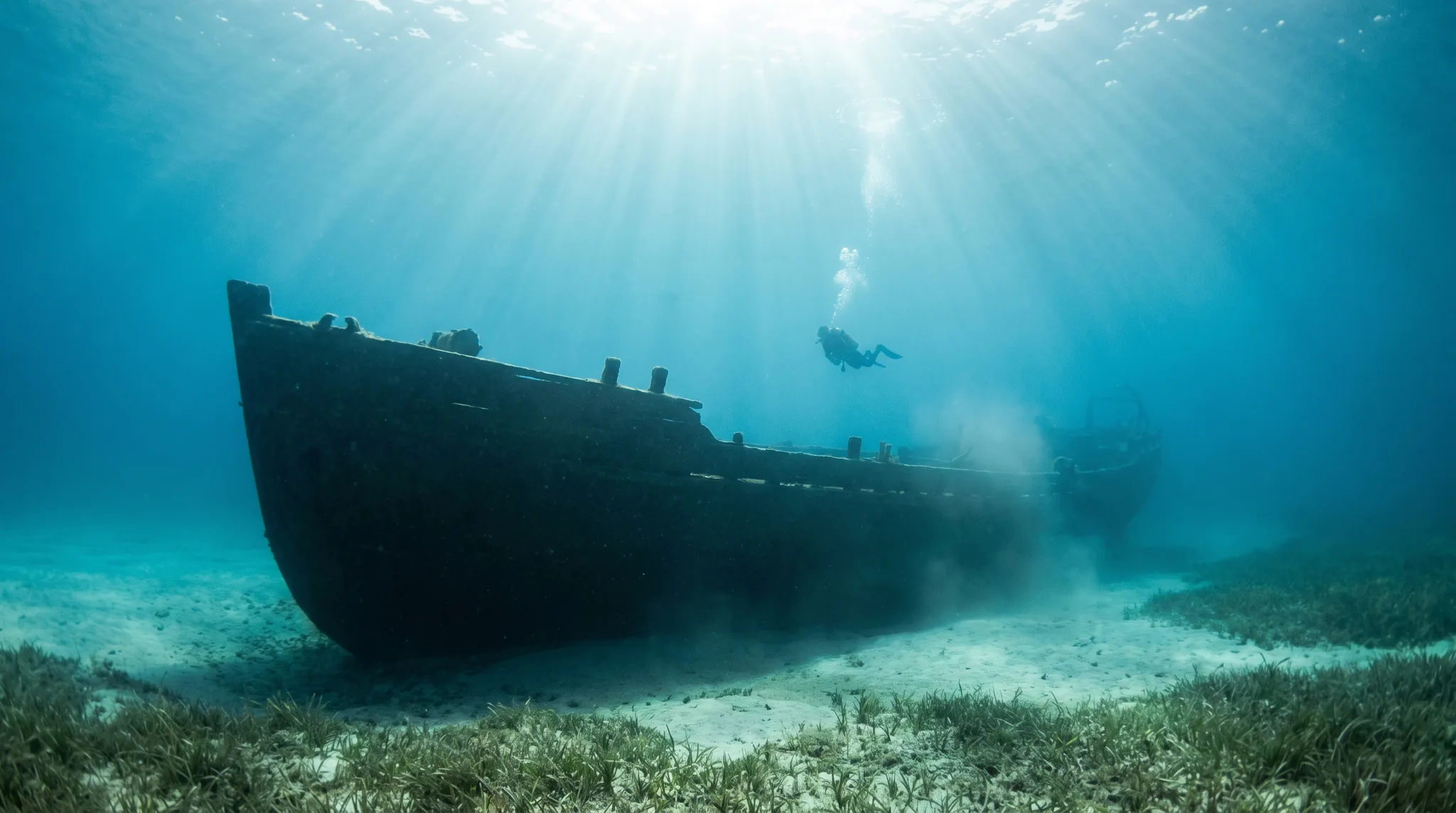
Beginner-friendly reefs and wrecks on the Izu Peninsula, with Cardinalfish, Scorpionfish, and the striking Blue Dorid Nudibranch.
Water temperature around Kanto ranges from about 17°C in January to 26°C in September, based on satellite sea-temperature data for its dive sites.
In the warm season (about 26°C) a 3mm full suit is comfortable in Kanto; in the coldest months (about 17°C) step up to a 7mm or semi-dry suit.
Fin maps 37 sites in Kanto (37 scuba diving sites and 5 snorkelling spots, with some suited to both), organised into 3 areas.
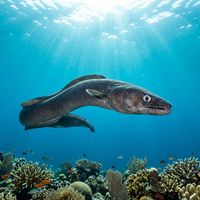
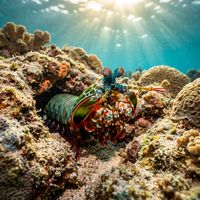
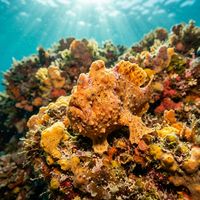
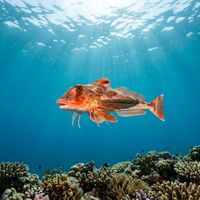
Scorpionfish and Cardinalfish are very commonly encountered across the region. Guitarfish and Common Octopus are the signature species, while Conger Eel, Mantis Shrimp, Sea Slug, and Reef Squid are also regularly observed. Less frequent but recorded sightings include Frogfish, Flamboyant Cuttlefish, and Green Sea Turtle.
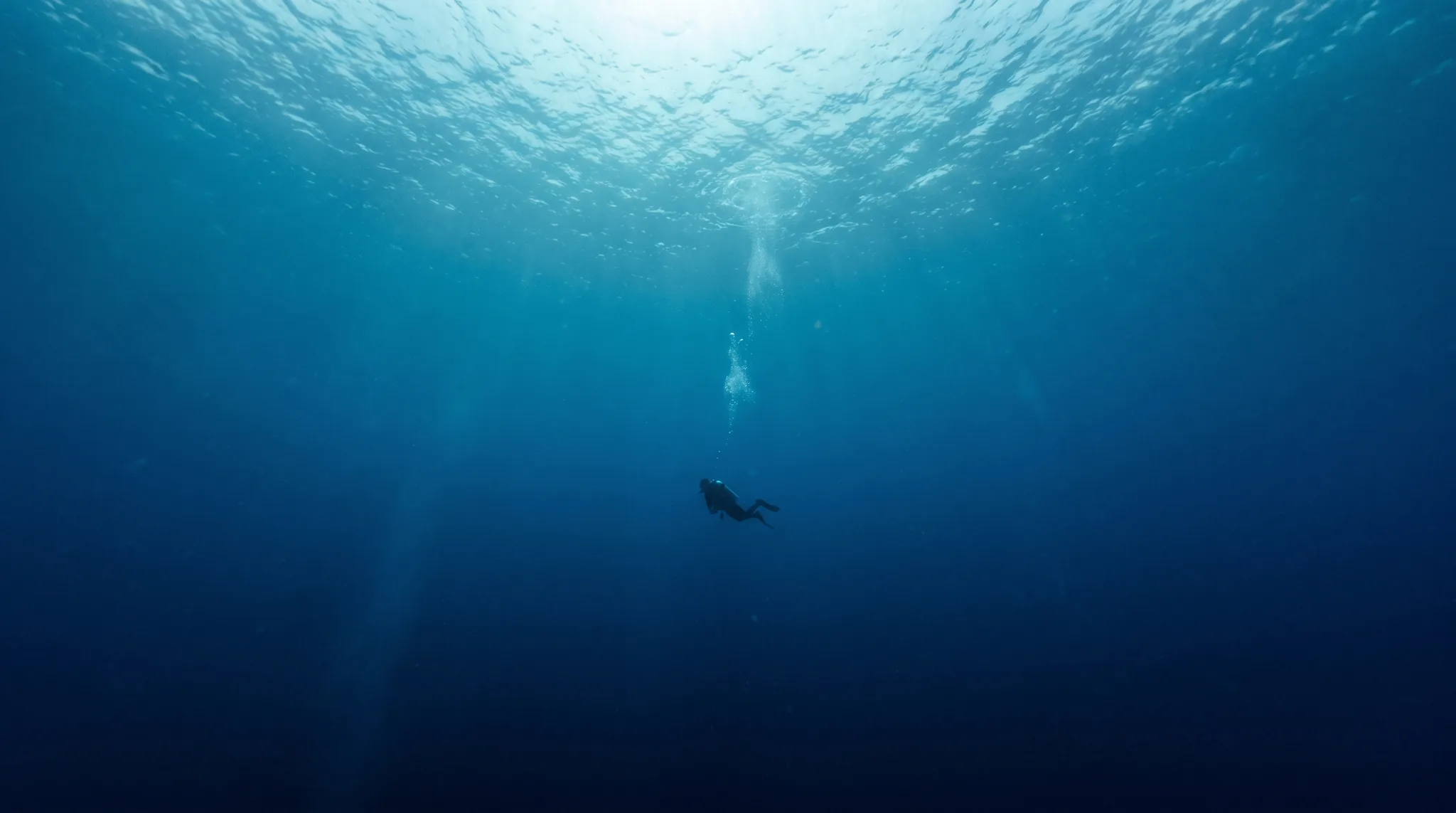
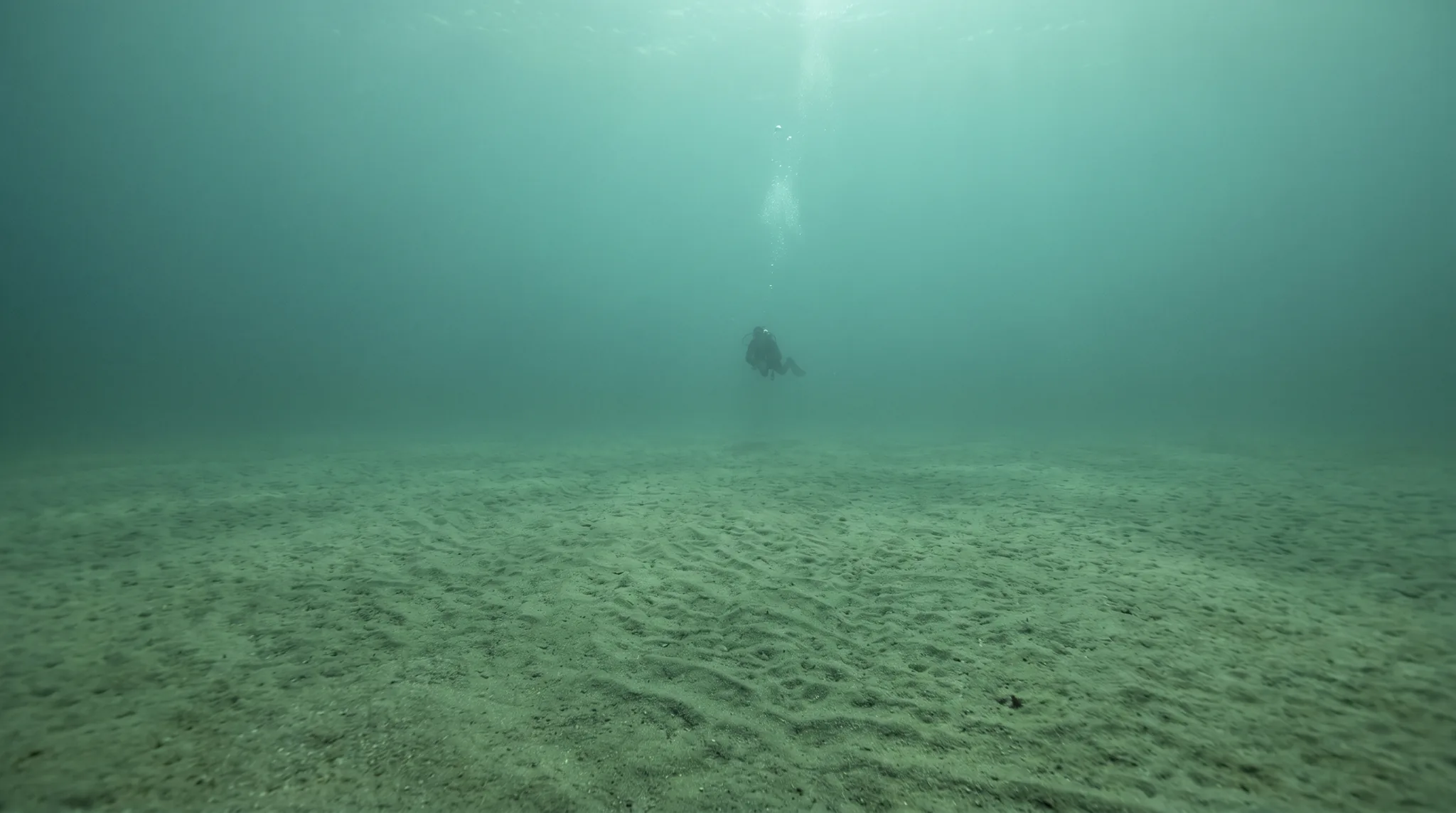
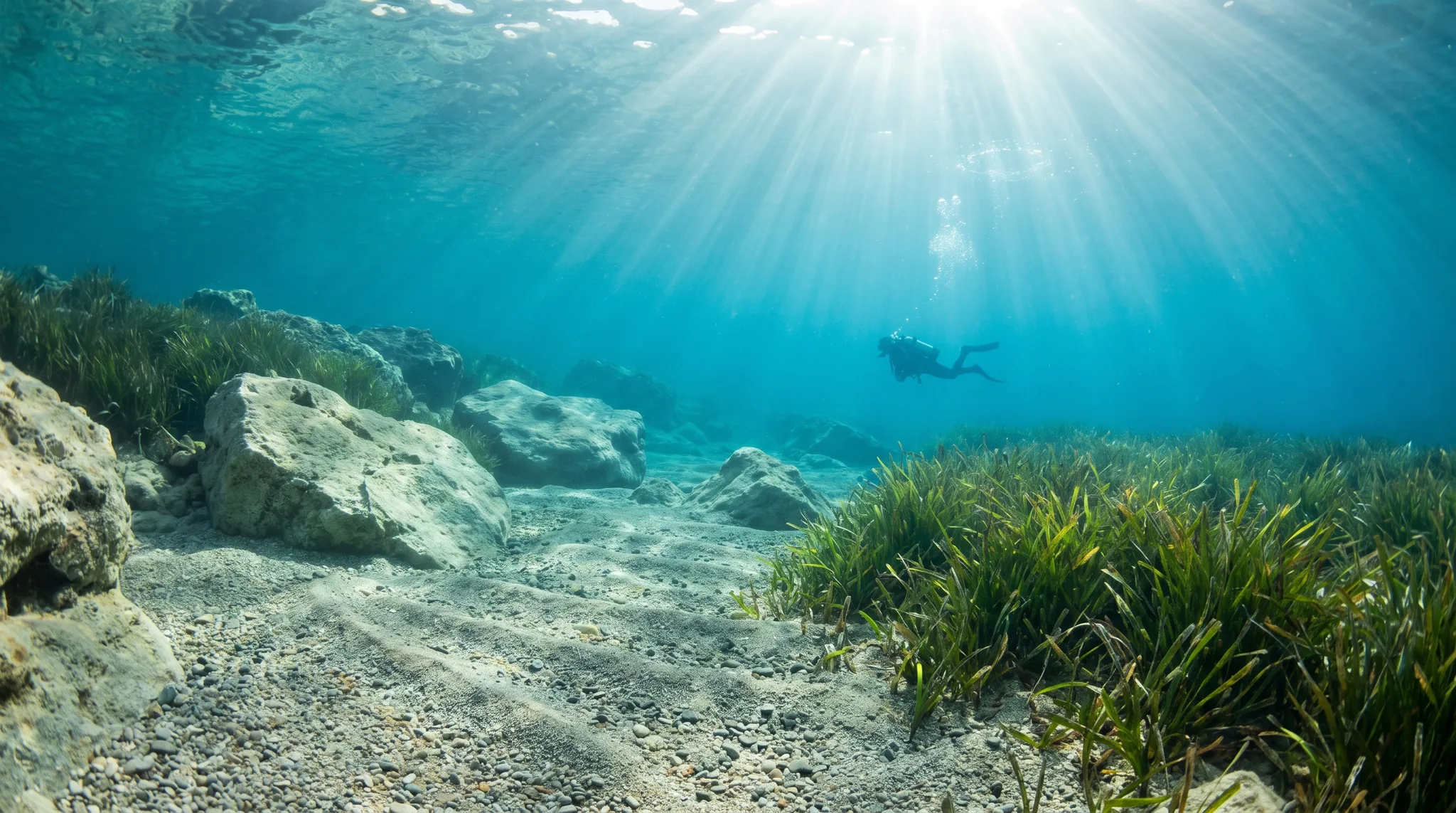
The majority of sites in Kanto are rated for beginners, and many offer straightforward shore entries with shallow reef or artificial reef structures. Sites such as Beach Bum, Shimura Beach, and OK Marine Pro are all shallow and accessible from shore. Intermediate divers will find Motosuko Lake's drop-off a step up in challenge.
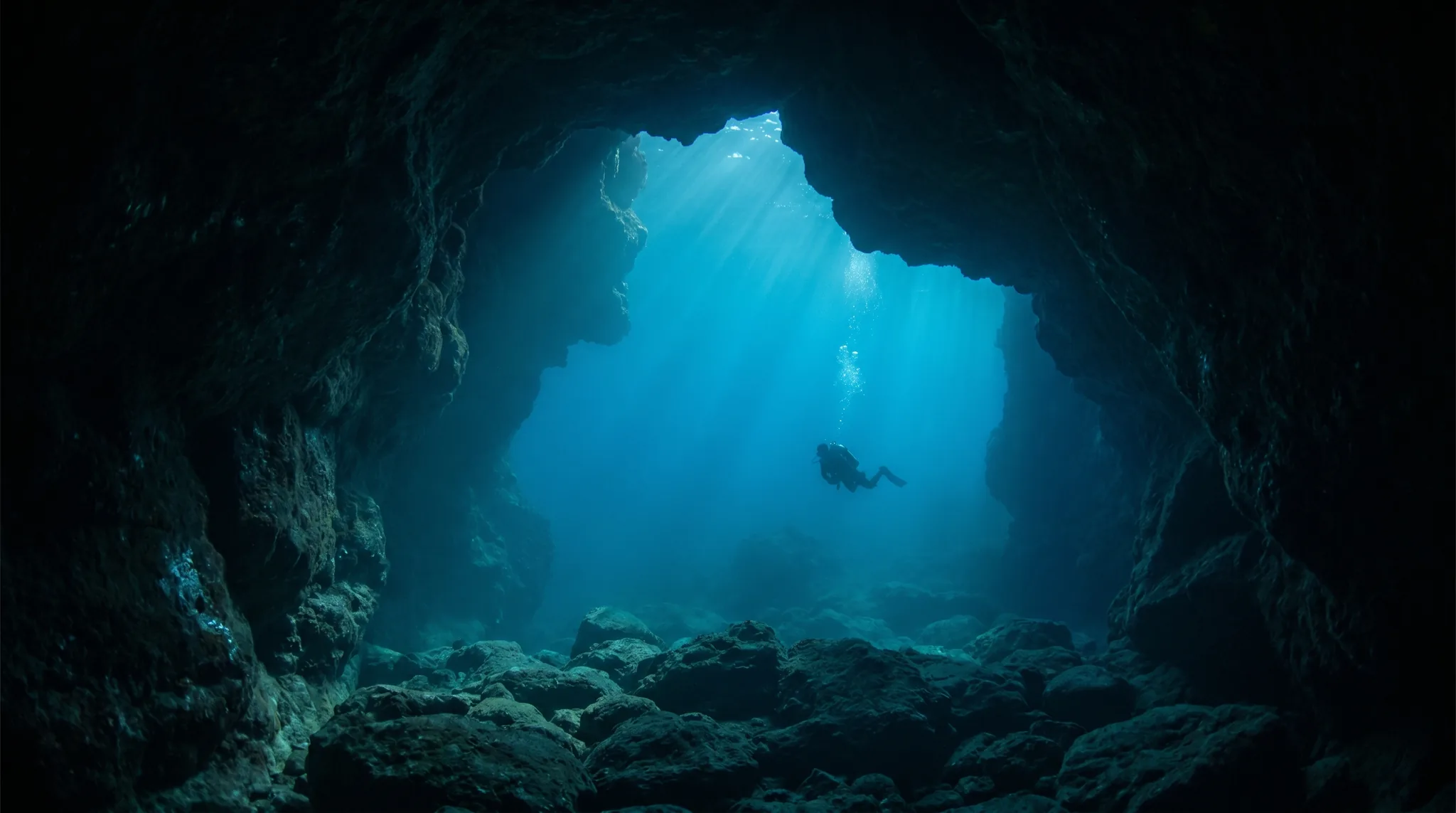
Atami and Usami hold the largest number of sites and include cave, pinnacle, and mixed reef options, some accessed by boat. Miura and Jogashima offers a compact set of reef sites in a different coastal setting. Hatsushima is an island sub-area reached by ferry from Atami, with shore-entry reef diving on a gentler slope.
Shore entry is widely available and makes Kanto accessible without always needing a boat. Several sites, including Triangle, Sodaine, and Atami Kosoga Cave, are boat-access only and sit further offshore. Some sites such as Fukuura offer both options, giving divers flexibility depending on conditions and operator availability.