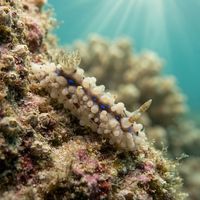
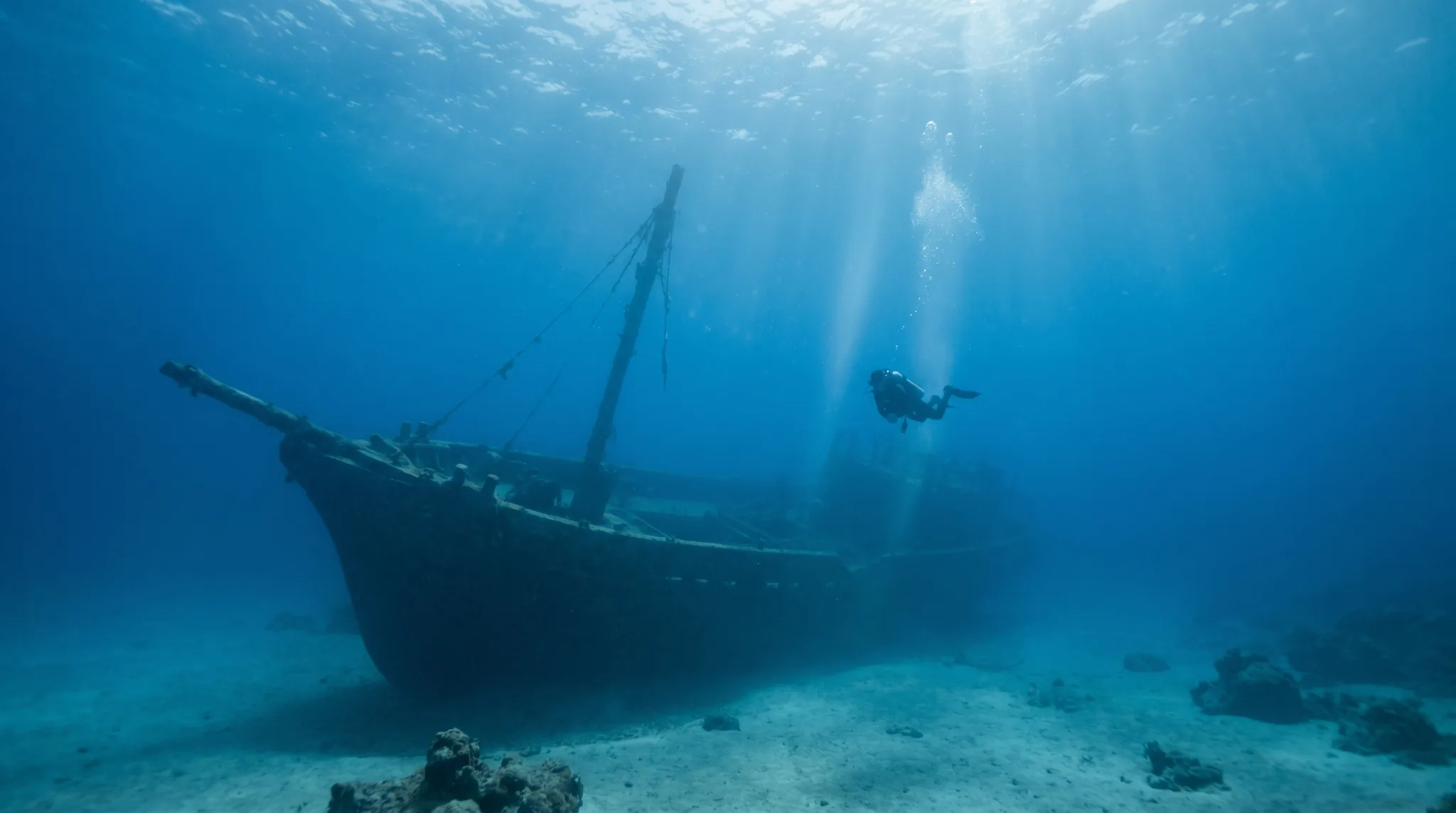
Hokuriku & Wakasa Bay offers a varied diving landscape spanning shallow freshwater lakes, kelp forest reefs, dramatic walls with drop-offs, and sheltered beach entries. The majority of sites suit beginners on shore entry, while boat-access sites such as Kanmurishima Island and Chishima reward intermediate divers with deeper walls and stronger topographic relief. Water temperatures swing considerably across the year, shaping when each site shows at its best. Sea Hare and Sea Slug are the most consistently observed species, with Scorpionfish also regularly encountered.
Monthly water temperature across Hokuriku & Wakasa Bay's sites, from satellite sea-surface data corrected for depth. The band shows the site-to-site spread.
Water temperatures follow a clear seasonal arc, rising through spring and peaking in late summer before cooling sharply through autumn into winter. The warmest months from late spring through early autumn represent the most comfortable window for diving, when conditions across the region are generally at their most inviting. Winter months bring noticeably cooler water, which suits more experienced cold-water divers but calls for additional thermal protection.
10 operators
Japan
1 more site to explore
Water temperature around Hokuriku & Wakasa Bay ranges from about 12°C in February to 27°C in August, based on satellite sea-temperature data for its dive sites.
In the warm season (about 27°C) a rash guard or 3mm shorty is comfortable in Hokuriku & Wakasa Bay; in the coldest months (about 12°C) step up to a 7mm or semi-dry suit.
Fin maps 13 sites in Hokuriku & Wakasa Bay (13 scuba diving sites and 2 snorkelling spots, with some suited to both).
Across Hokuriku & Wakasa Bay's dive sites, June, July, August, September and October are most often reported as the best months to visit.
The region is well suited to beginners, with the majority of sites rated at beginner level. Shore-entry spots such as Otomi Beach, Slope Beach, and Minami Echizen offer gentle reef topography and mild currents in shallow water. Freshwater sites including Okishima and Nagaragawa River provide calm, controlled conditions for those building confidence.
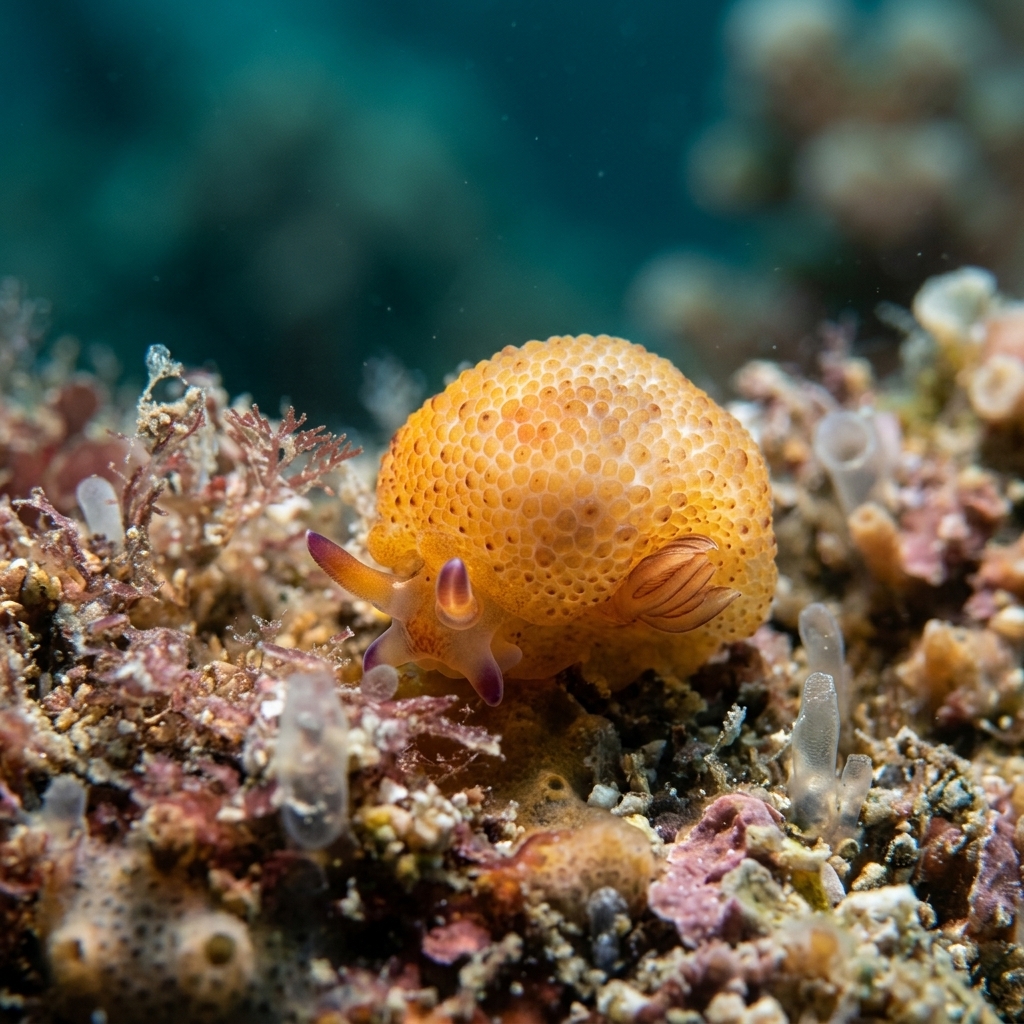
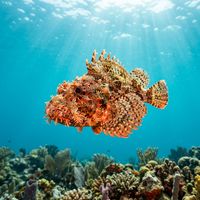
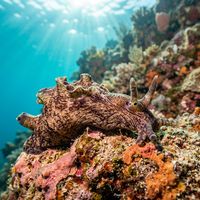
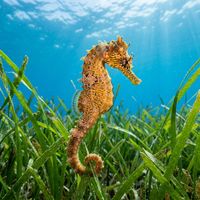
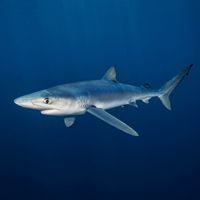
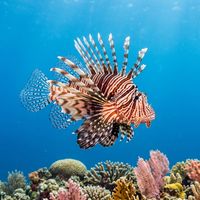
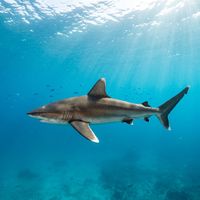
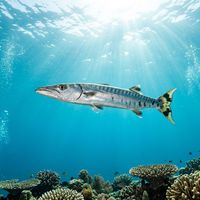
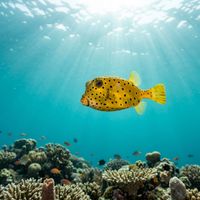
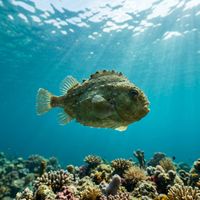
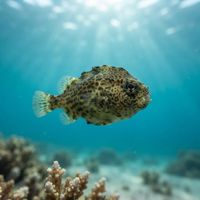
Sea Hare and Sea Slug are the most commonly observed species across the region. Scorpionfish are encountered on an occasional basis, and Seahorse, Lionfish, Blue Shark, Barracuda, Boxfish, Lumpfish, and Red Snapper have all been sighted. The kelp forest sites at Komatsu and Tajiri add another dimension to what you might find on the reef.
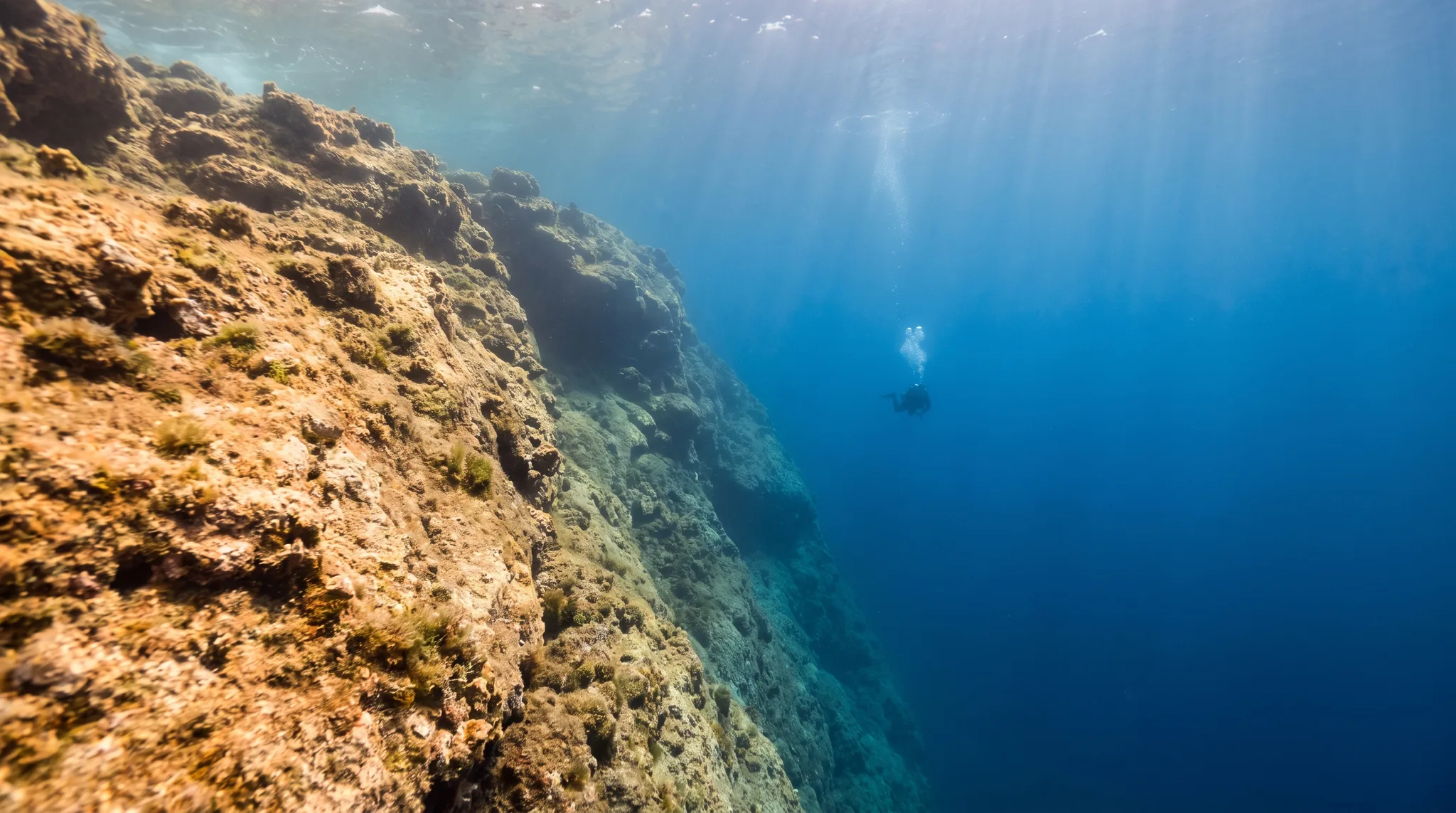
Shore-entry sites make up the bulk of the region's diving and are generally shallower and calmer, making them accessible to a wide range of experience levels. Boat-access sites such as Kanmurishima Island, Tajiri, Chishima, and Komatsu tend to offer more dramatic topography, including walls, drop-offs, and kelp forests, and are better matched to intermediate divers.
Reef diving is the most common format across the region, appearing at the majority of sites. Several sites combine reef with kelp forest, while Chishima and Kanmurishima Island feature walls and drop-offs for more varied terrain. Minami Echizen stands out for its mix of natural reef, artificial structures, and pinnacles, all accessible from shore.