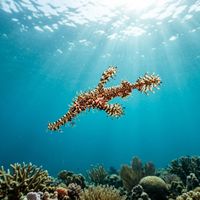
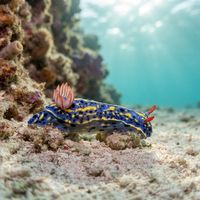
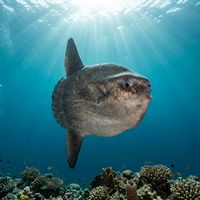
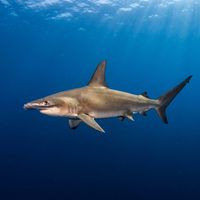
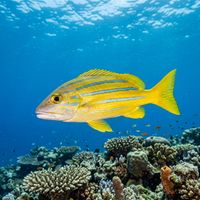
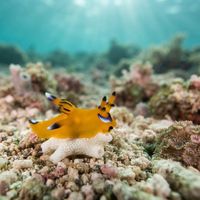
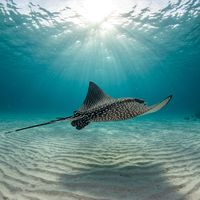
Izu Peninsula divides into four distinct sub-areas, each with its own character: Minami-Izu leads on site count, while Dogashima and Tago offer caves, walls and drop-offs, and IOP and East Izu centres on kelp forest and artificial reef diving. The site mix spans muck, drift, pinnacle and reef, suiting everyone from beginners at Shishihama and Futou to advanced divers chasing currents at Mikomoto Island. Nudibranch, Guitarfish and the occasional Ornate Ghostpipefish define the macro scene, with Scalloped Hammerhead and Ocean Sunfish appearing at stronger current sites. Water is warmest from summer into early autumn.
4 areas
Monthly water temperature across Izu Peninsula's sites, from satellite sea-surface data corrected for depth. The band shows the site-to-site spread.
Water temperatures climb through late spring and peak in late summer and early autumn, which aligns with the strongest concentration of favourable dive months. Winter and early spring bring cooler water and fewer optimal days, though the peninsula remains diveable year-round. Exposed drift sites such as Mikomoto Island and Mitsune are most influenced by shifting current strength, so conditions vary significantly between the sheltered shore sites and the offshore boat dives.
30 operators
24 more sites to explore
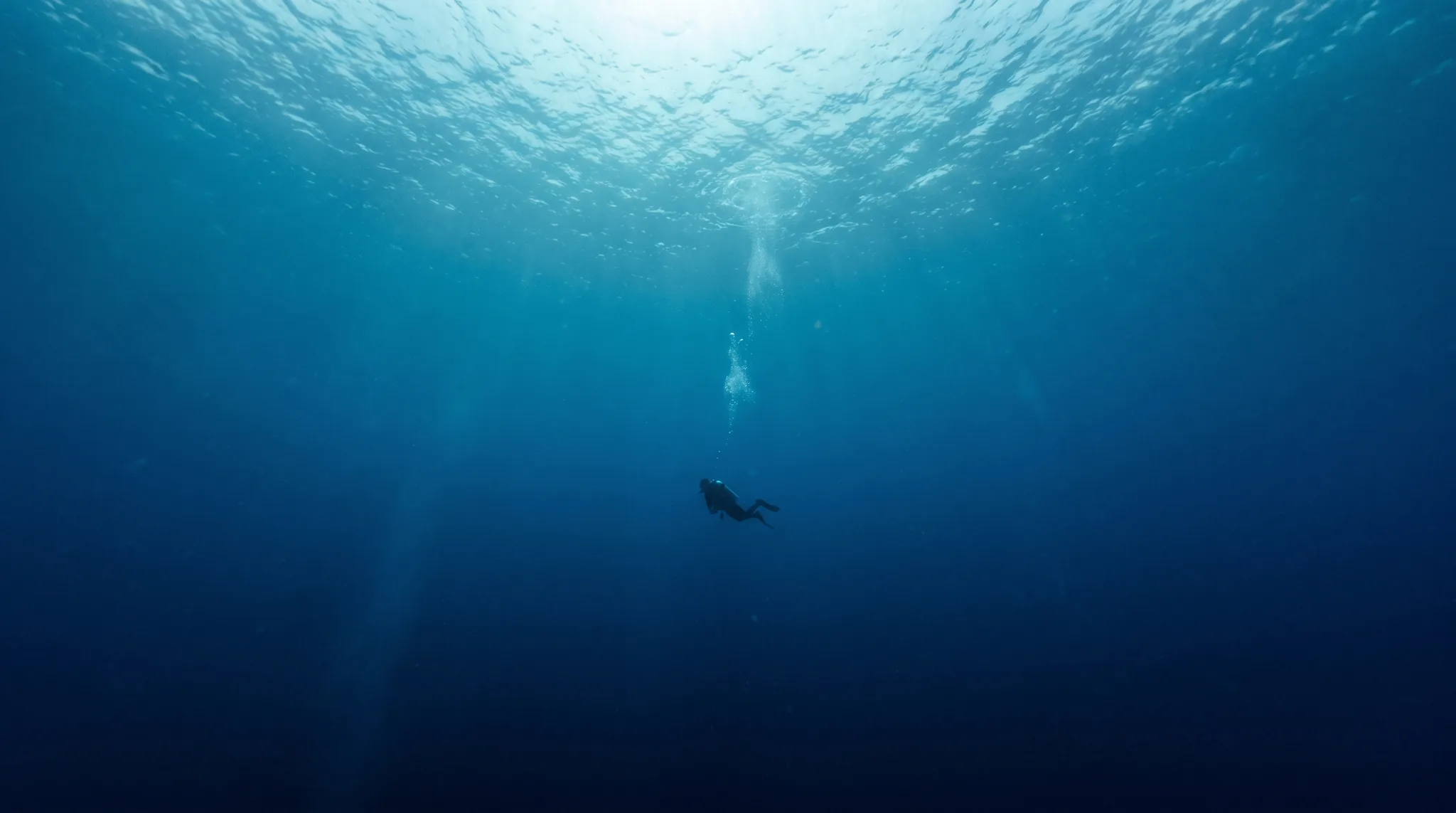
Current-driven drift diving with Ocean Sunfish and Scalloped Hammerhead off the southern Izu Peninsula.
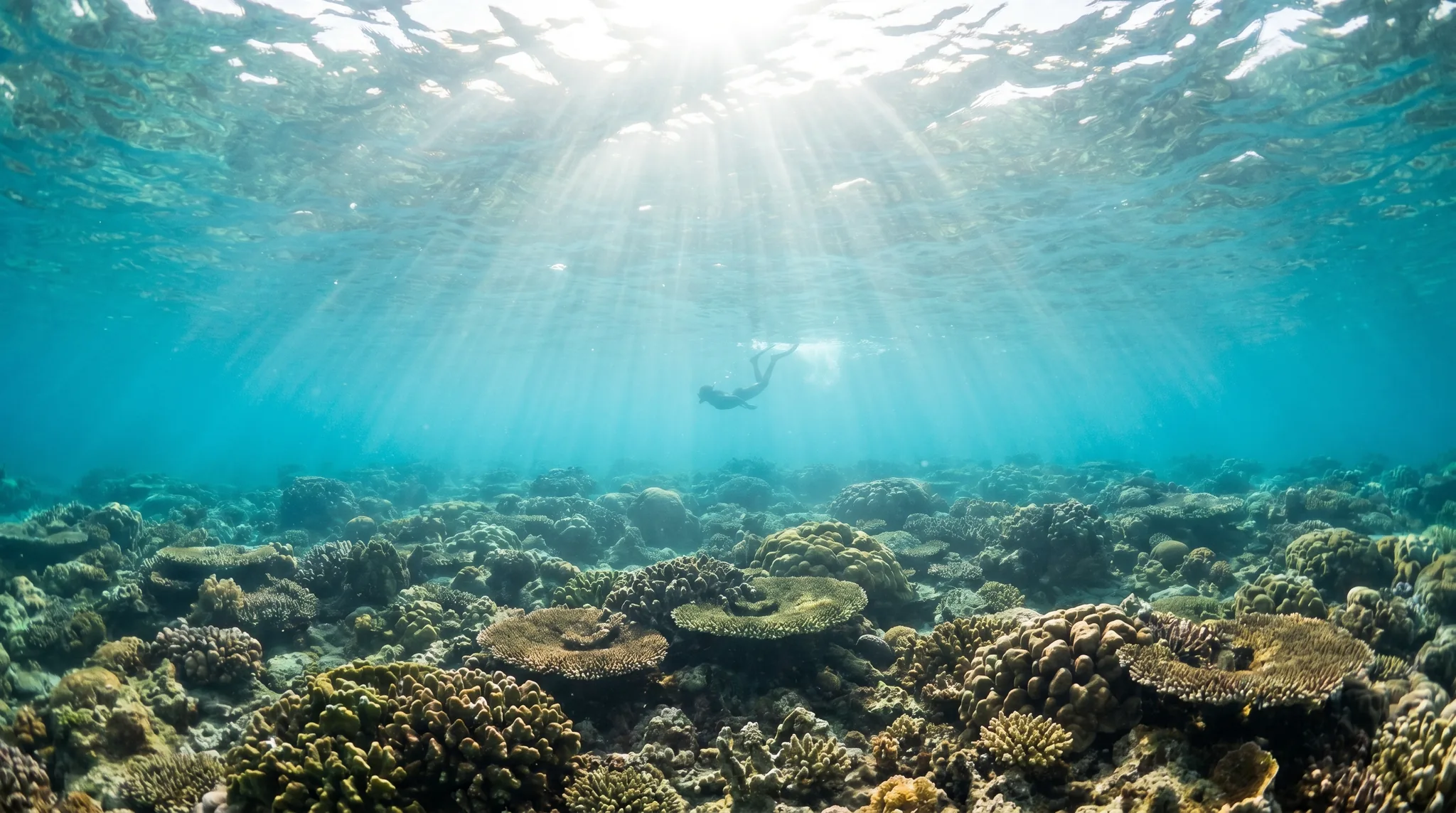
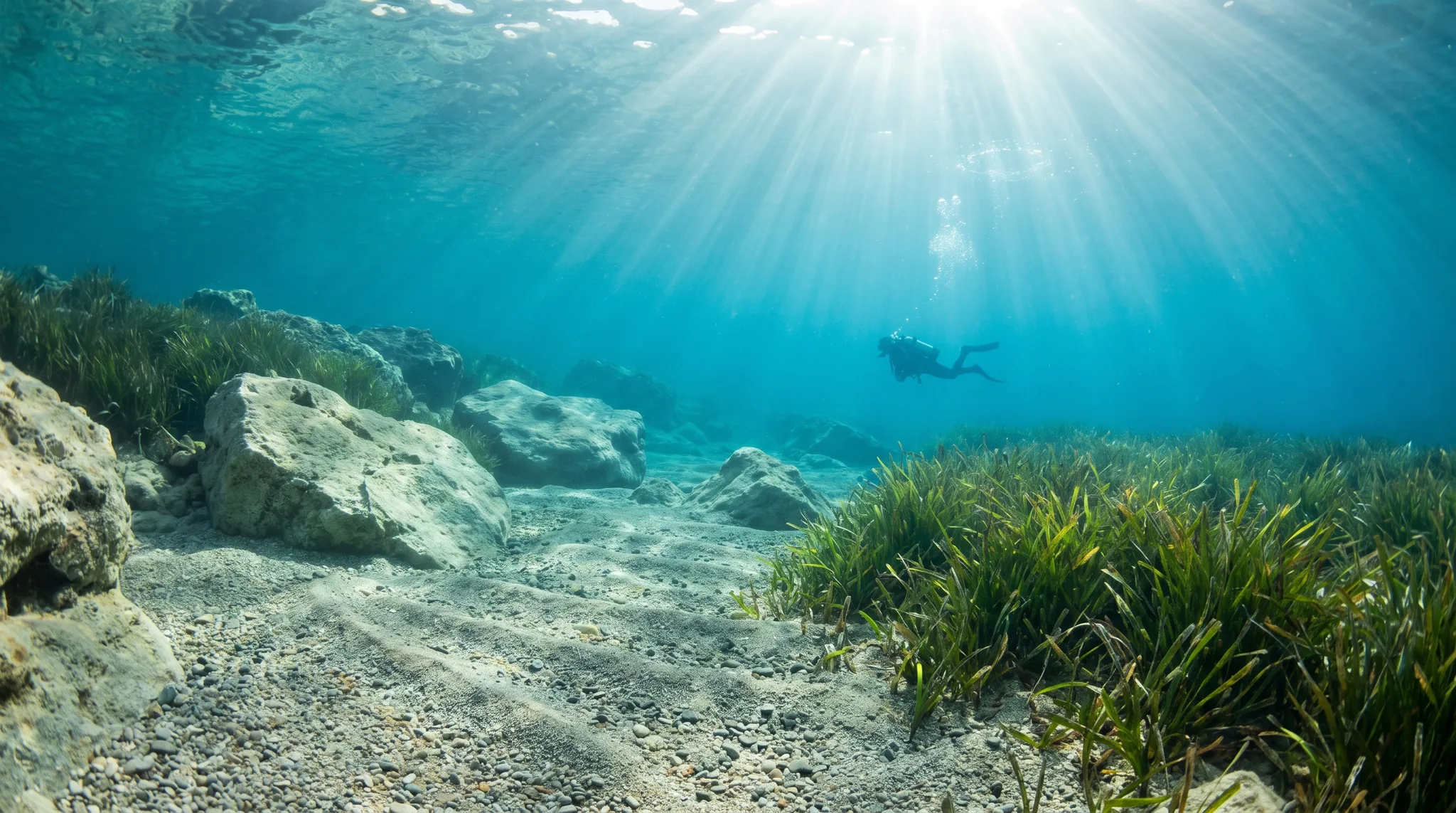
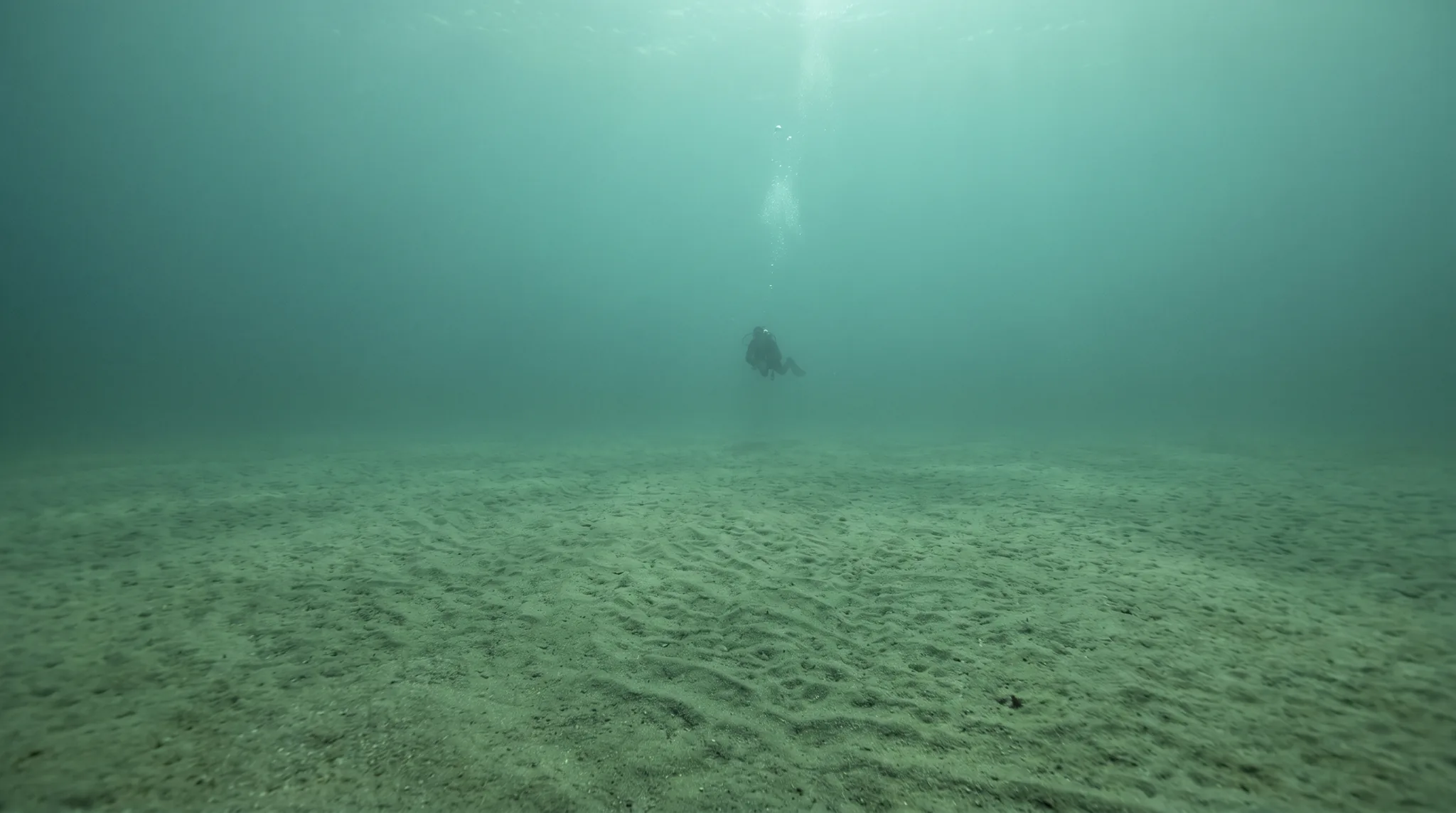
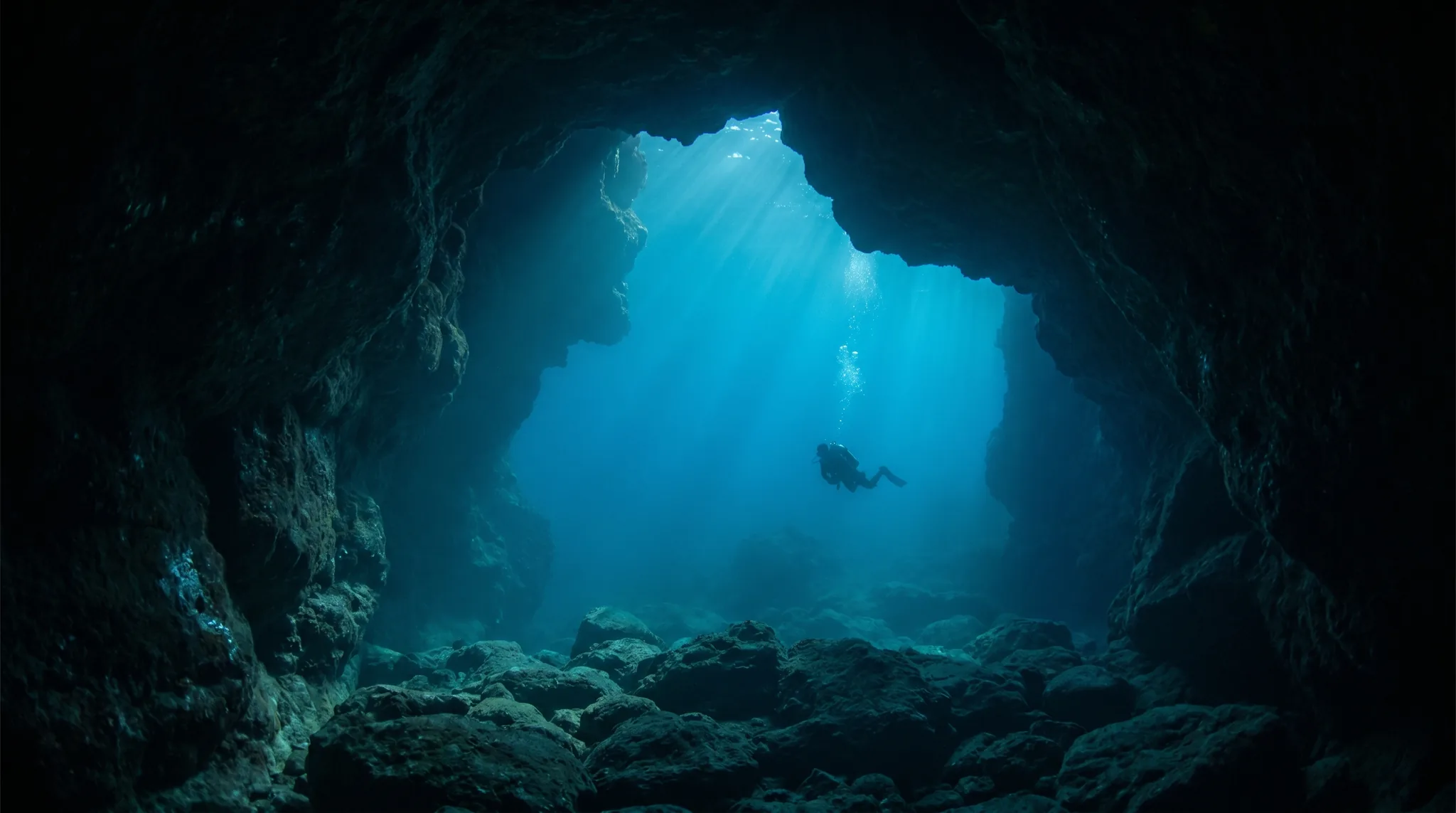
Water temperature around Izu Peninsula ranges from about 17°C in February to 26°C in September, based on satellite sea-temperature data for its dive sites.
In the warm season (about 26°C) a 3mm full suit is comfortable in Izu Peninsula; in the coldest months (about 17°C) step up to a 7mm or semi-dry suit.
Fin maps 36 sites in Izu Peninsula (30 scuba diving sites and 10 snorkelling spots, with some suited to both), organised into 4 areas.
Across Izu Peninsula's dive sites, June, July, August, September and October are most often reported as the best months to visit.
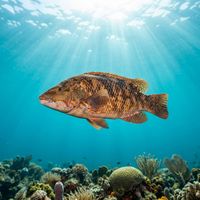
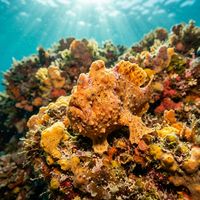
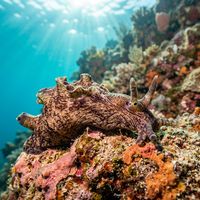
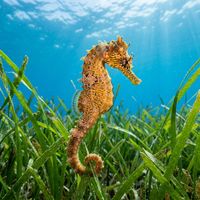
The peninsula is particularly noted for Ornate Ghostpipefish, Chromodoris Nudibranch and Guitarfish as signature species. Scorpionfish, Sea Hare, Jorunna Nudibranch and Hermit Crab are observed across a wide range of sites. At stronger current sites and offshore locations, Scalloped Hammerhead and Ocean Sunfish have been recorded.
Several sites are rated for beginners, including Shishihama, Futou, Dougashima and Toi Beach, all of which offer shore or boat entry in relatively sheltered conditions. Intermediate options such as Izu Oceanic Park add more variety as skills develop. Advanced drift sites like Mikomoto Island and Mitsune are best left to experienced divers comfortable with strong currents.
Minami-Izu has the largest number of sites and includes the exposed offshore drift diving at Mikomoto Island. Dogashima and Tago feature a strong mix of caves, walls and artificial reefs. Osezaki and Nishi-Izu is a smaller cluster with drift and wall options. IOP and East Izu is anchored by Izu Oceanic Park, which combines natural reef, kelp forest and artificial reef structures.
A good proportion of sites across the peninsula offer shore entry, including Izu Oceanic Park, Shishihama, Futou, Ita and Toi Beach, making self-guided or operator-led shore diving straightforward. Some sites such as Mikomoto Island, Mitsune and Kadone are strictly boat-access only due to strong currents or hazardous shore conditions. Several sites, including Tago and Kumomi Ushitsuki Rock, offer both entry options.