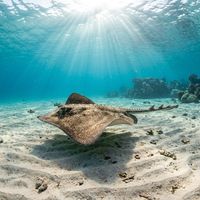
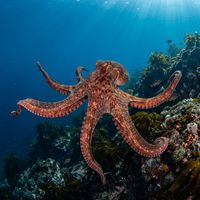
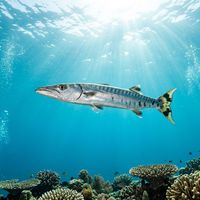
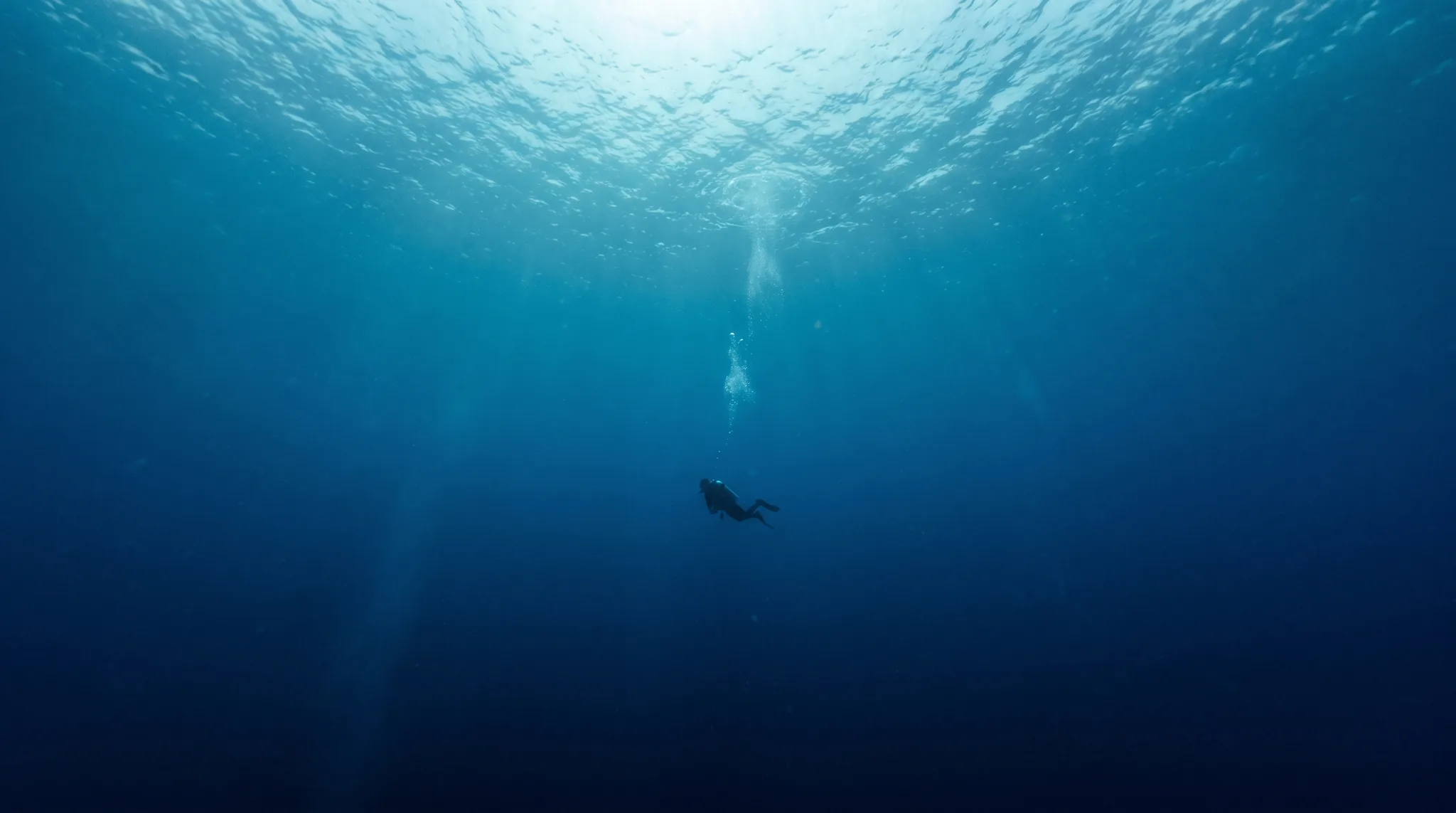
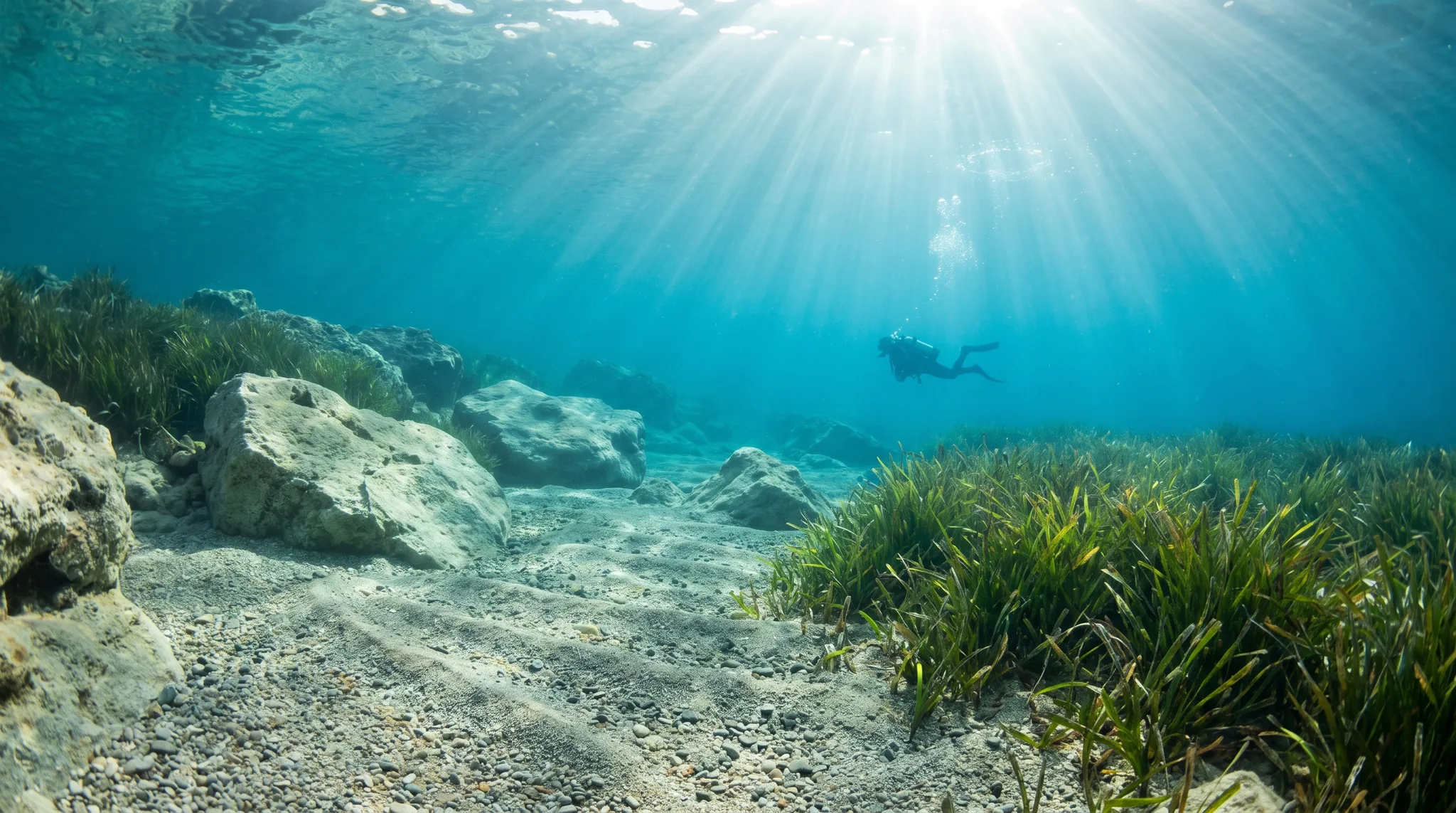
Sado offers a varied mix of reef, wall, cave and wreck diving across predominantly beginner-friendly sites, with a handful of intermediate options for those seeking stronger currents or more complex topography. Shore and boat access both feature, making the region accessible to a wide range of divers and snorkellers. Observed species include Skate, Giant Pacific Octopus, Barracuda and Reef Squid. Water is coolest in late winter and warmest through late summer, which shapes conditions considerably across the year.
Monthly water temperature across Sado's sites, from satellite sea-surface data corrected for depth. The band shows the site-to-site spread.
Water temperatures climb steadily from a cool late winter into warm summer conditions by July and August, then ease back through autumn. Spring and early summer offer a good balance of comfortable water and favourable visibility. Winter diving is possible but requires preparation for significantly cooler conditions.
Water temperature around Sado ranges from about 11°C in February to 26°C in August, based on satellite sea-temperature data for its dive sites.
1 more site to explore
In the warm season (about 26°C) a 3mm full suit is comfortable in Sado; in the coldest months (about 11°C) step up to a drysuit.
Fin maps 11 sites in Sado (11 scuba diving sites and 4 snorkelling spots, with some suited to both).
Across Sado's dive sites, March, April, May, June and July are most often reported as the best months to visit.
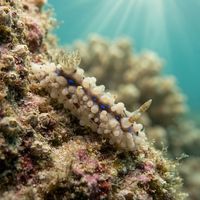
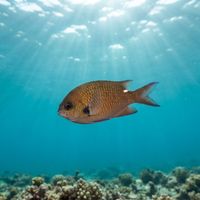
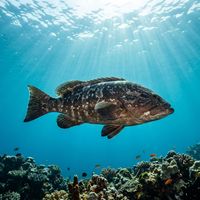
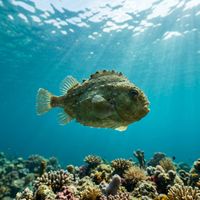
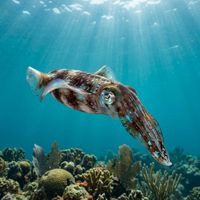
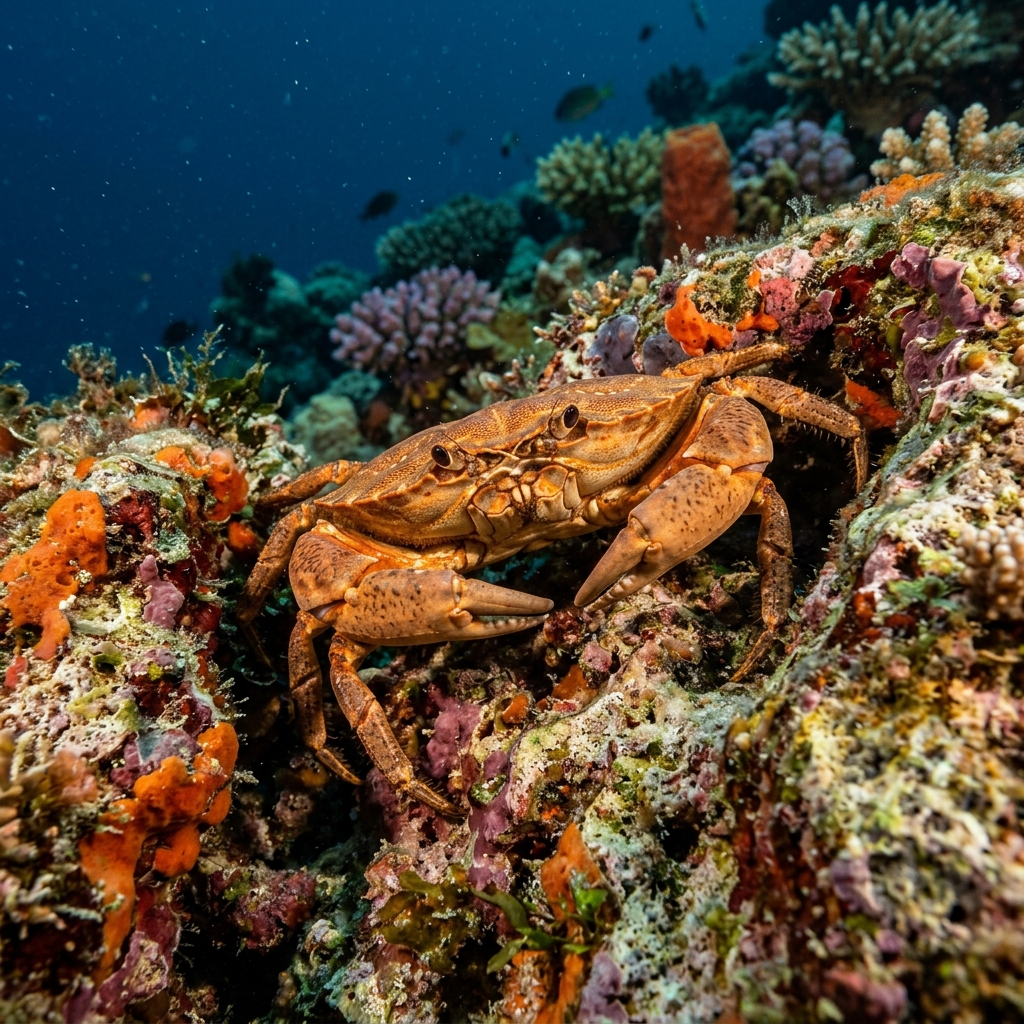
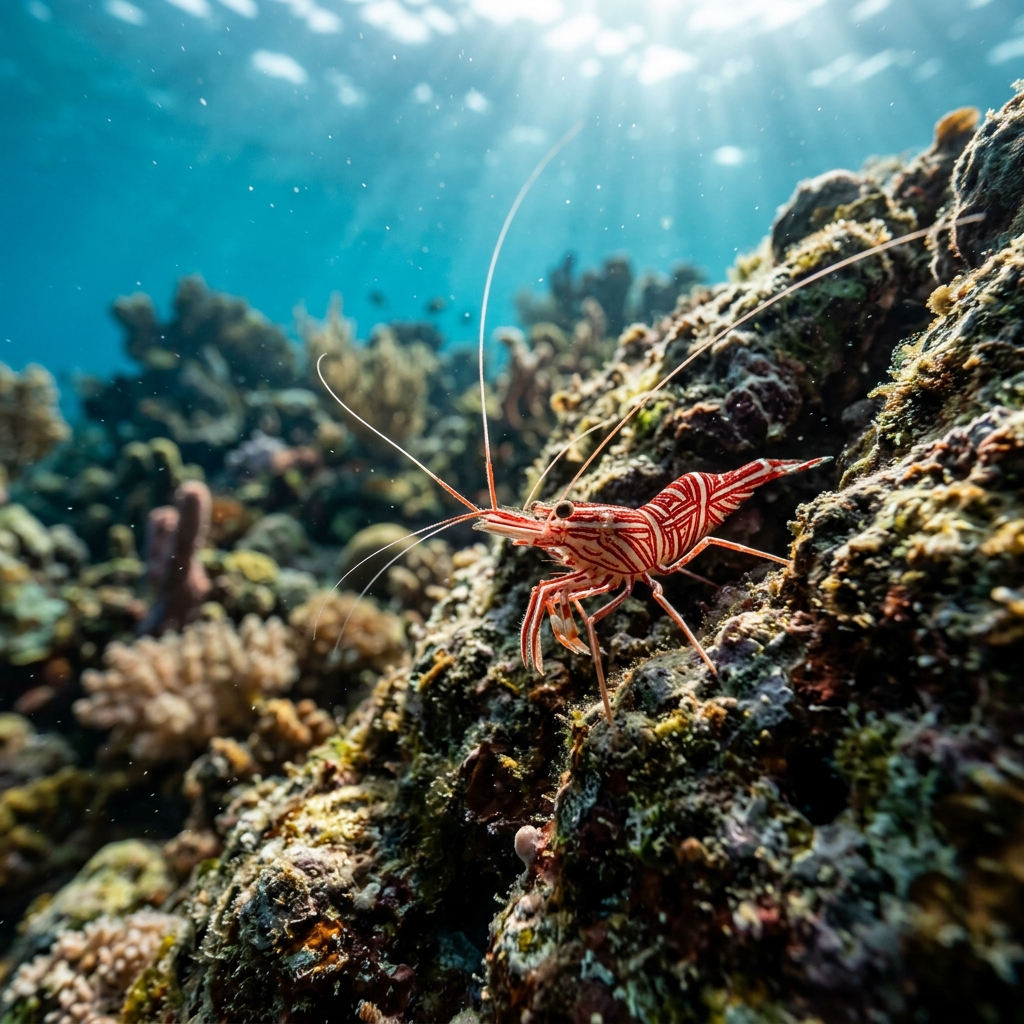
Observation-backed sightings in Sado include Skate, Giant Pacific Octopus, Barracuda, Groupers, Lumpfish, Reef Squid, Crab and Shrimp. Skate is recorded as very common across sites. The mix of reef, kelp and wreck habitats supports a range of different species within a relatively compact area.
Yes, several sites offer shore entry, including Oyashirazu, Banjin Beach and Fushikikokubu. These are among the shallower sites and well suited to beginners or those without access to a boat. The majority of deeper and more technical sites require boat access, which local operators can arrange.
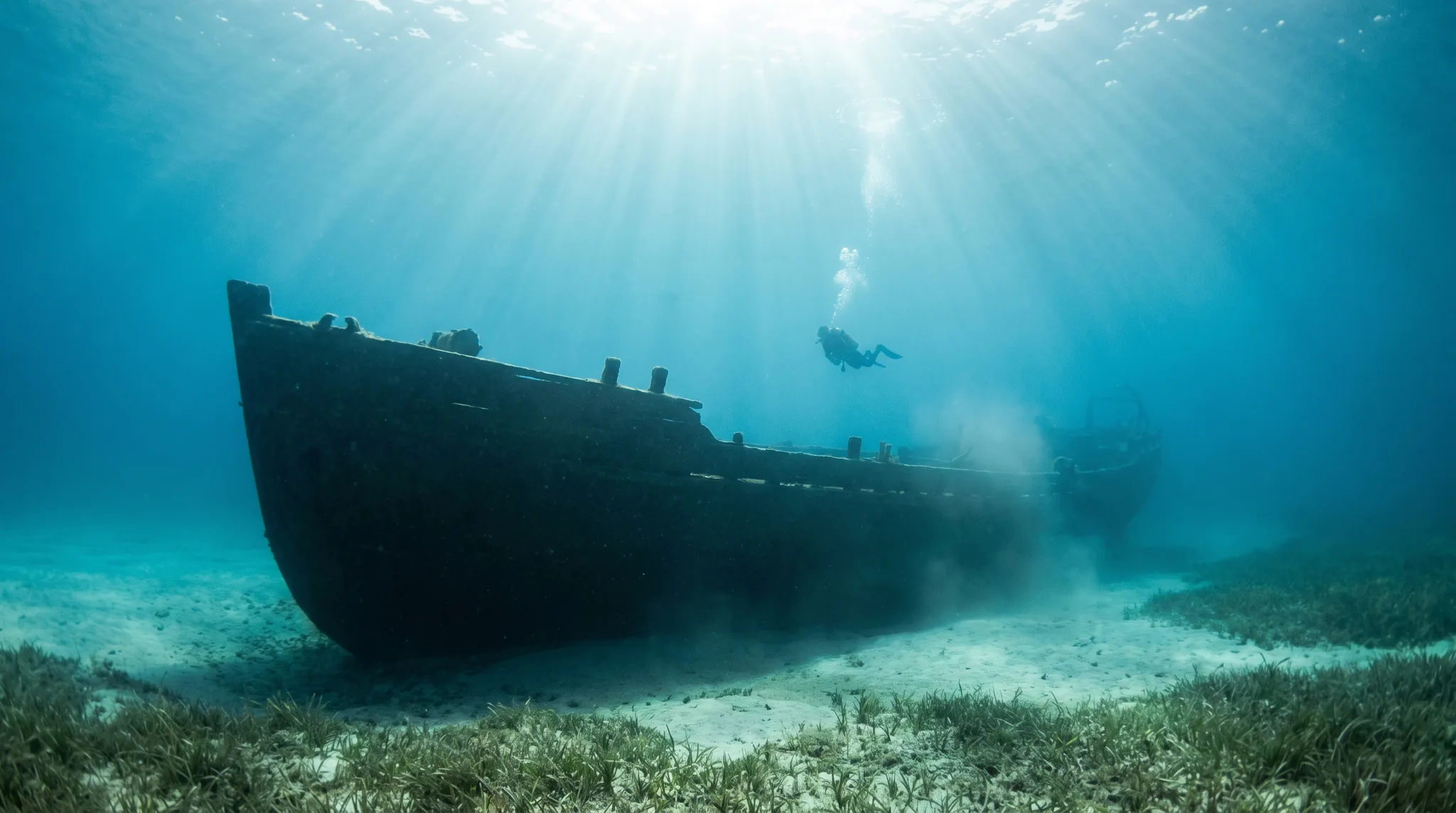
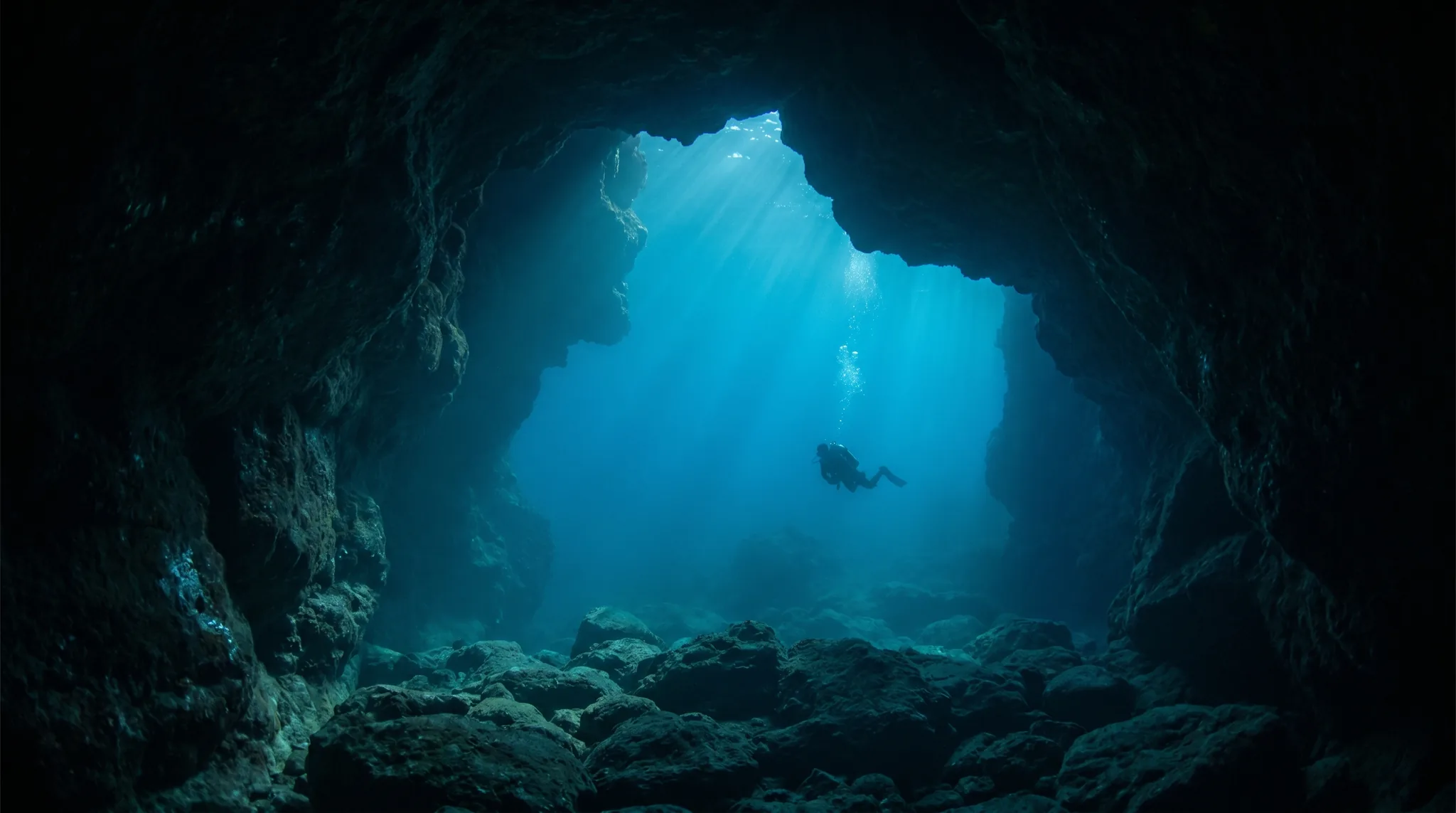
Sado's sites span natural reef, wall, cave, kelp forest and wreck diving. The Mitate Wreck provides a boat-access wreck dive suitable for beginners, while Ryuodo combines cave and reef in one system for intermediate divers. Banjin Beach is the only kelp forest site, offering a distinctive experience in shallow water.