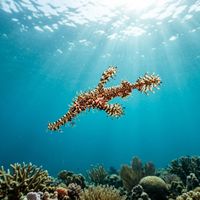
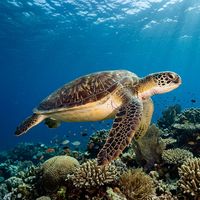
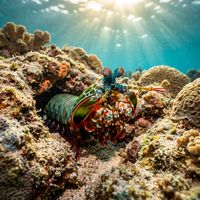
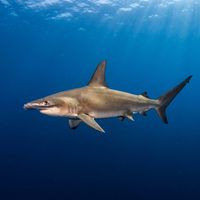
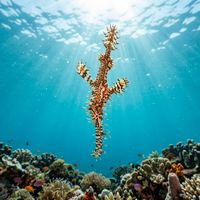
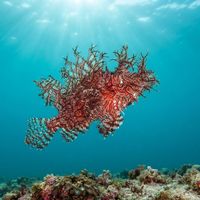
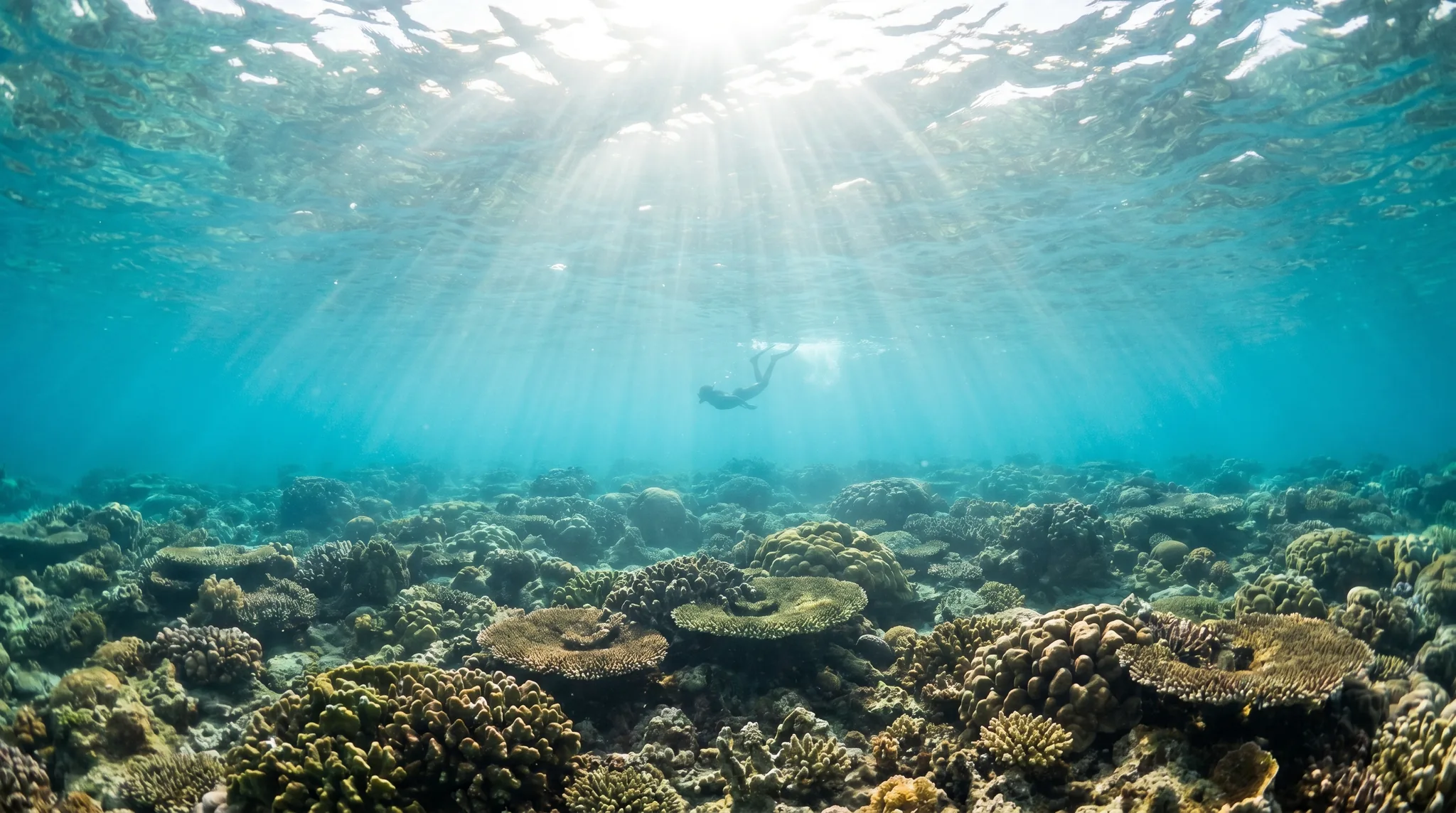
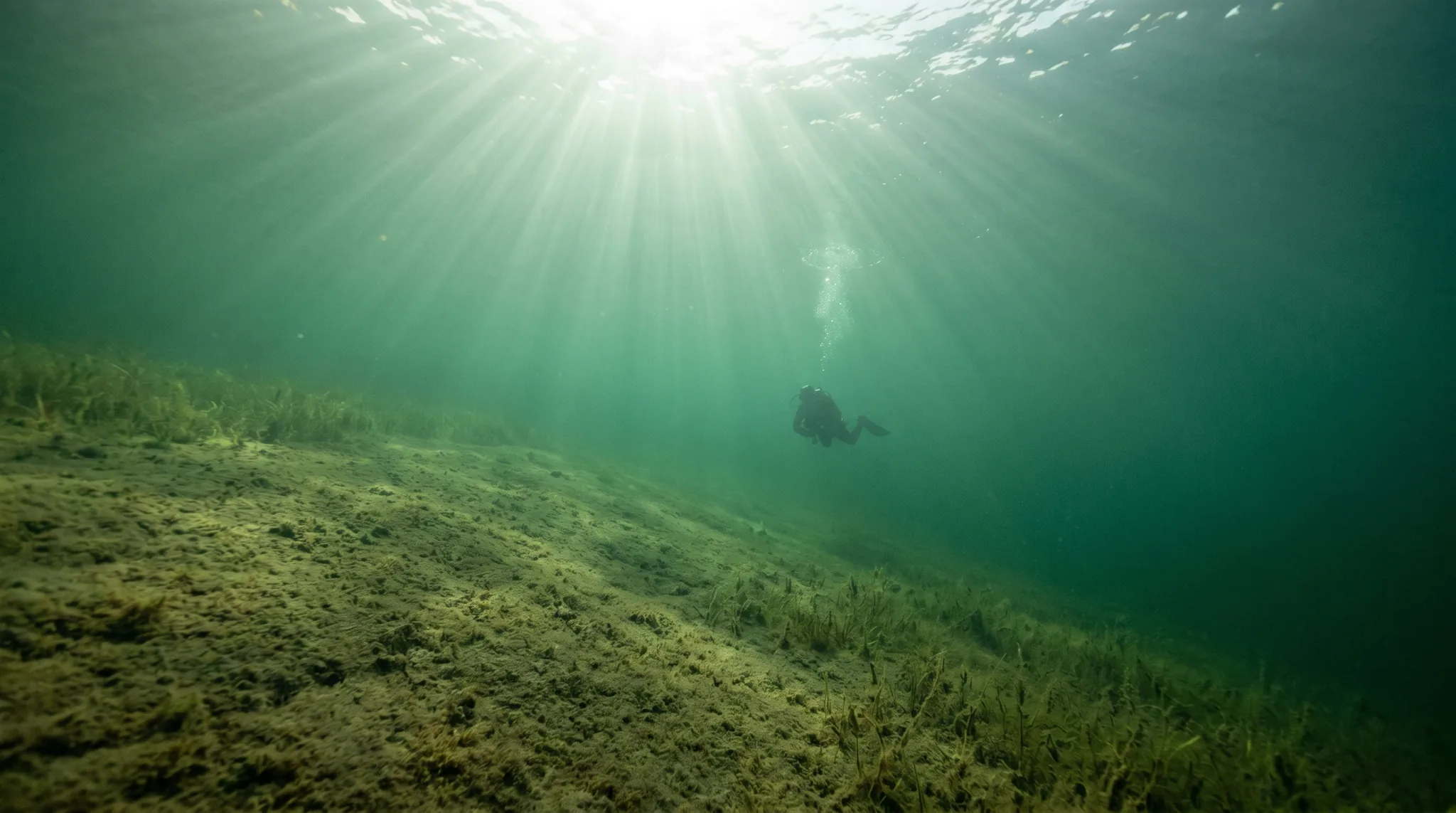
Kushimoto draws divers with a striking range of site types: shallow reef dives accessible from shore, muck and wall dives reached by boat, and the deep technical wreck of the Stella Polaris. The Ornate Ghostpipefish and Mantis Shrimp are very commonly encountered, while the Green Sea Turtle and occasional Scalloped Hammerhead add larger-animal interest. Sites span beginner-friendly shallows through to advanced depths, meaning the area rewards divers at every experience level.
Monthly water temperature across Kushimoto's sites, from satellite sea-surface data corrected for depth. The band shows the site-to-site spread.
Water temperature rises steadily from its coolest in late winter through to a warm late-summer peak, then drops again into autumn. The warmest and most popular months run from late spring through to mid-autumn, when conditions suit the widest range of divers. Some sites are exposed to surface surge and swell, so conditions should be checked before entry.
18 operators
Japan
Japan
5 more sites to explore
Water temperature around Kushimoto ranges from about 17°C in March to 28°C in September, based on satellite sea-temperature data for its dive sites.
In the warm season (about 28°C) a rash guard or 3mm shorty is comfortable in Kushimoto; in the coldest months (about 17°C) step up to a 7mm or semi-dry suit.
Fin maps 17 sites in Kushimoto (17 scuba diving sites and 1 snorkelling spots, with some suited to both).
Across Kushimoto's dive sites, June, July, August, September and November are most often reported as the best months to visit.
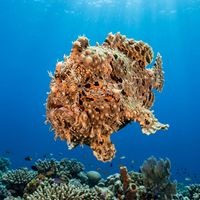
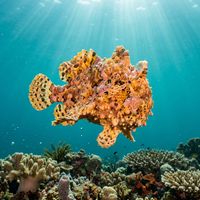
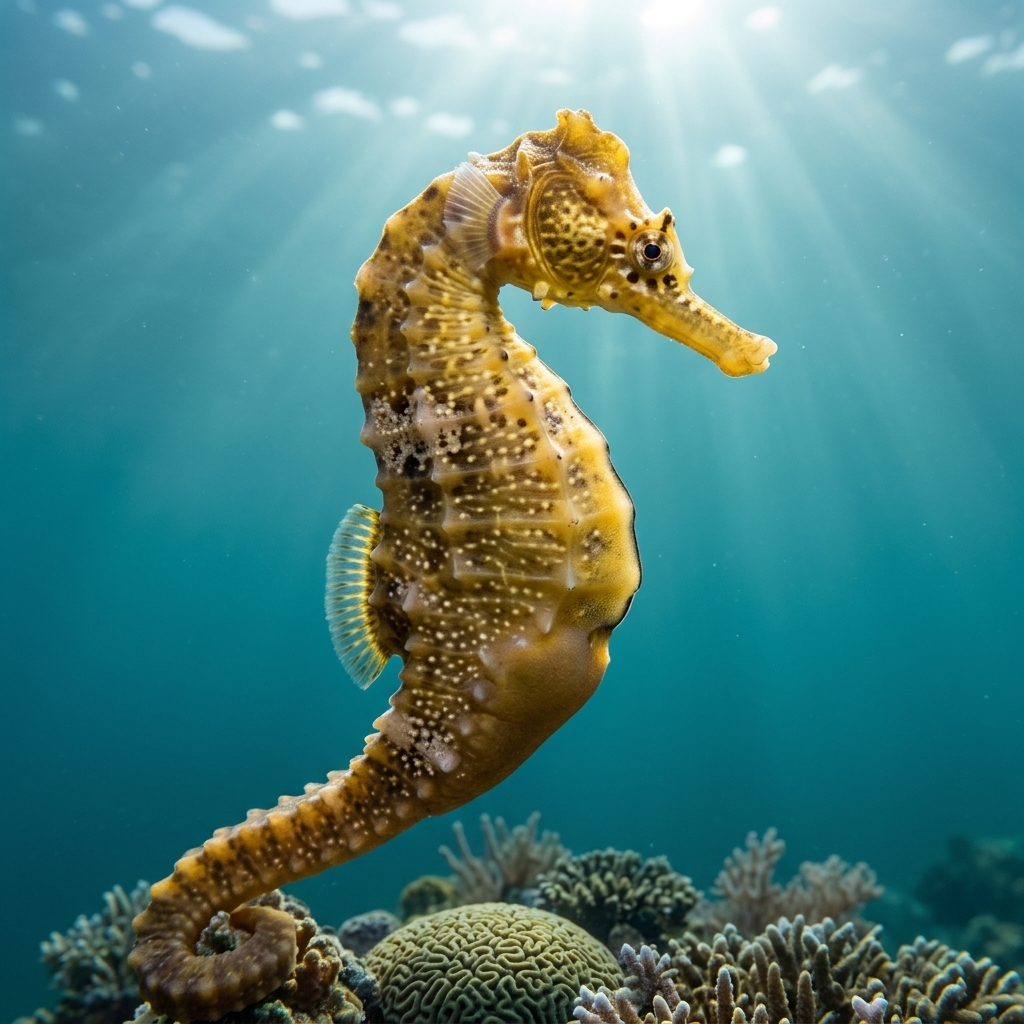
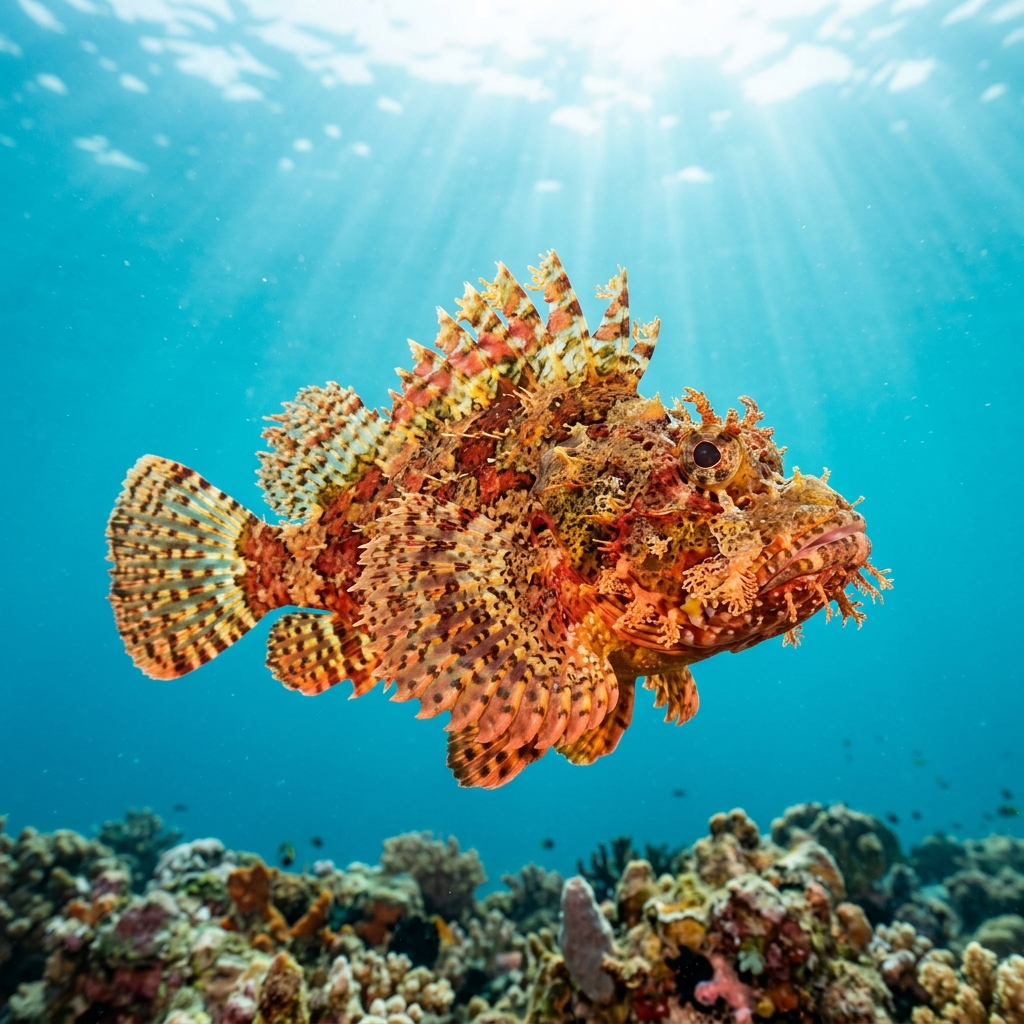
The Ornate Ghostpipefish and Mantis Shrimp are very commonly recorded across many sites. Green Sea Turtle sightings are frequent, and the Scalloped Hammerhead appears occasionally. Less common but observed species include the Giant Frogfish, Warty Anglerfish, Pot-bellied Seahorse, and Whale Shark.
Yes, a good portion of the sites are rated for beginners. Shore-entry spots such as Noa Front Beach and Koza River Nukumi offer shallow, manageable conditions, and boat-access reefs like Glass World, Nakagurumi, and Bizen also cater to newer divers. Mild currents are noted at several of these sites, though surface surge should always be monitored.
Shore-entry sites such as Noa Front Beach and Marine Center Front are shallow and well-suited to building confidence or practising entries. Boat-access sites open up more varied terrain, from deep reef walls at Shimamawari to the muck dive at Ando no Hana and the advanced wreck of the Stella Polaris. A handful of sites, including Shirahama and the Kushimoto site itself, offer both entry options.
Reef diving is the most common site type, ranging from very shallow to moderately deep. Wall and cave formations appear at sites like Shimamawari, while muck diving is available at Ando no Hana. Wreck divers are catered for at Shirahama and, for technical divers, the deep Stella Polaris wreck. This variety means different diving styles can be pursued within the same region.